Southern Africa
Botswana
A country that deliberately chooses few visitors across vast space.
This is Botswana
A river that never reaches the sea.
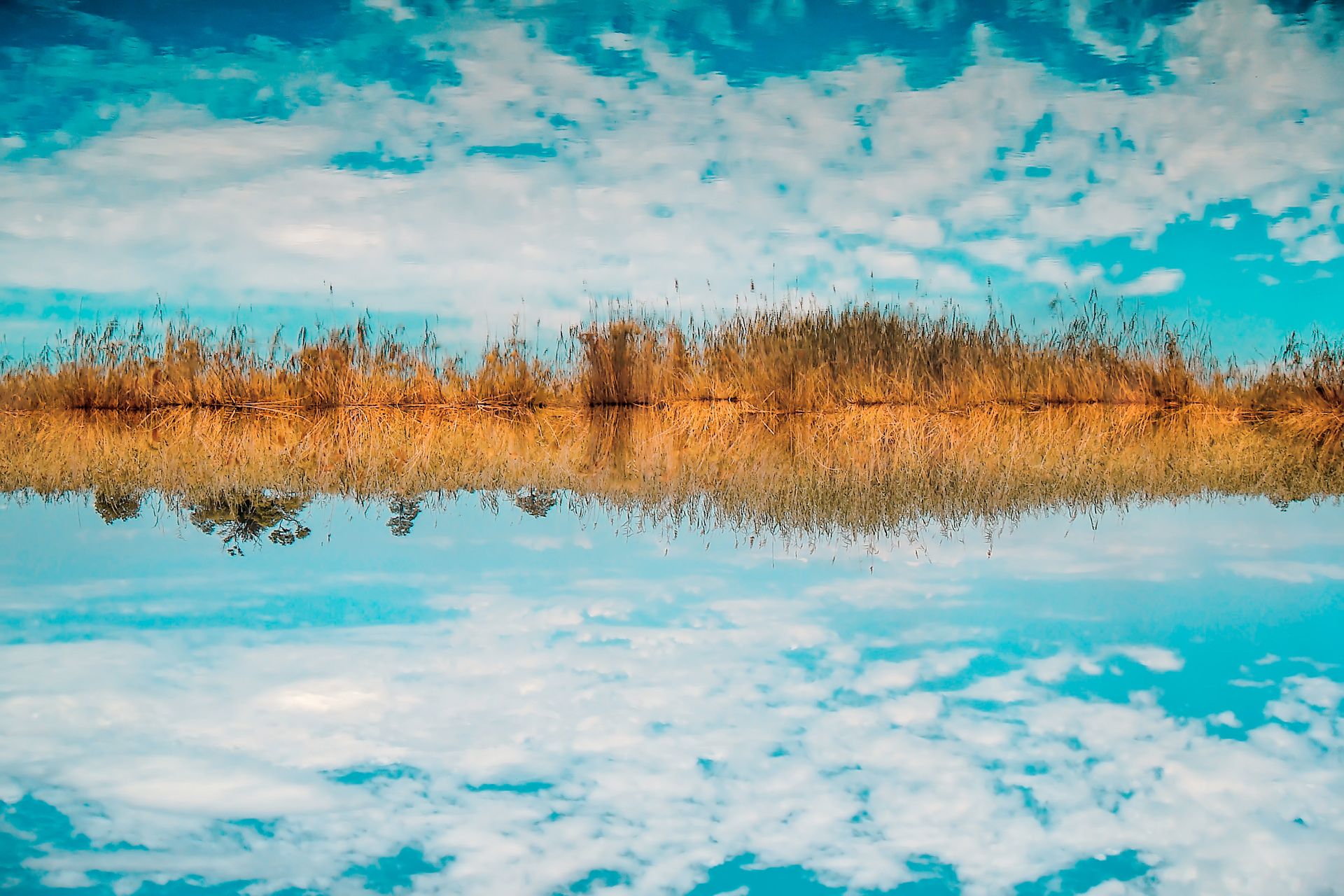
Most of the water on earth eventually flows to sea. The water of the Okavango does not. It comes from the highlands of Angola, travels south for months, fans out across a plain the size of a province, and evaporates there. What remains is a swamp delta in the middle of the Kalahari: an inland sea in a desert.
That single phenomenon defines Botswana. Around it lie salt, sand and grassland, and along its edges gathers one of the most impressive concentrations of wildlife in Africa.
The country itself is vast, flat and empty: around 2.5 million inhabitants across an area the size of France, most of them living in the east. Botswana is also one of the most stable and prosperous countries on the continent, with a politics that rarely congratulates itself.
And it is the country that decided, before most others, that fewer visitors are worth more than many.
A deliberate choice
Few visitors, high value. That is policy, not chance.
Decades ago, Botswana chose what it calls a low-volume, high-value model: a limited number of guests paying substantially more, rather than large numbers placing greater strain on the same nature.
The consequences are immediately noticeable. Concession areas are vast and sometimes hold just one small camp. You rarely share a sighting with other vehicles. Night drives and off-road driving are both permitted, which is banned in many national parks elsewhere.
The other side of that is the price. Botswana is expensive, and that is not a matter of booking cleverly. Anyone looking for a safari that has to be affordable is better off elsewhere. We would rather say that upfront than afterwards.
What you get in return is space. And with wildlife, space is exactly the scarce commodity.
The different faces
Water, salt, sand and river.
The regions do not differ in nuance but in element. It is the combination that makes the trip.
The north-west
The Okavango Delta
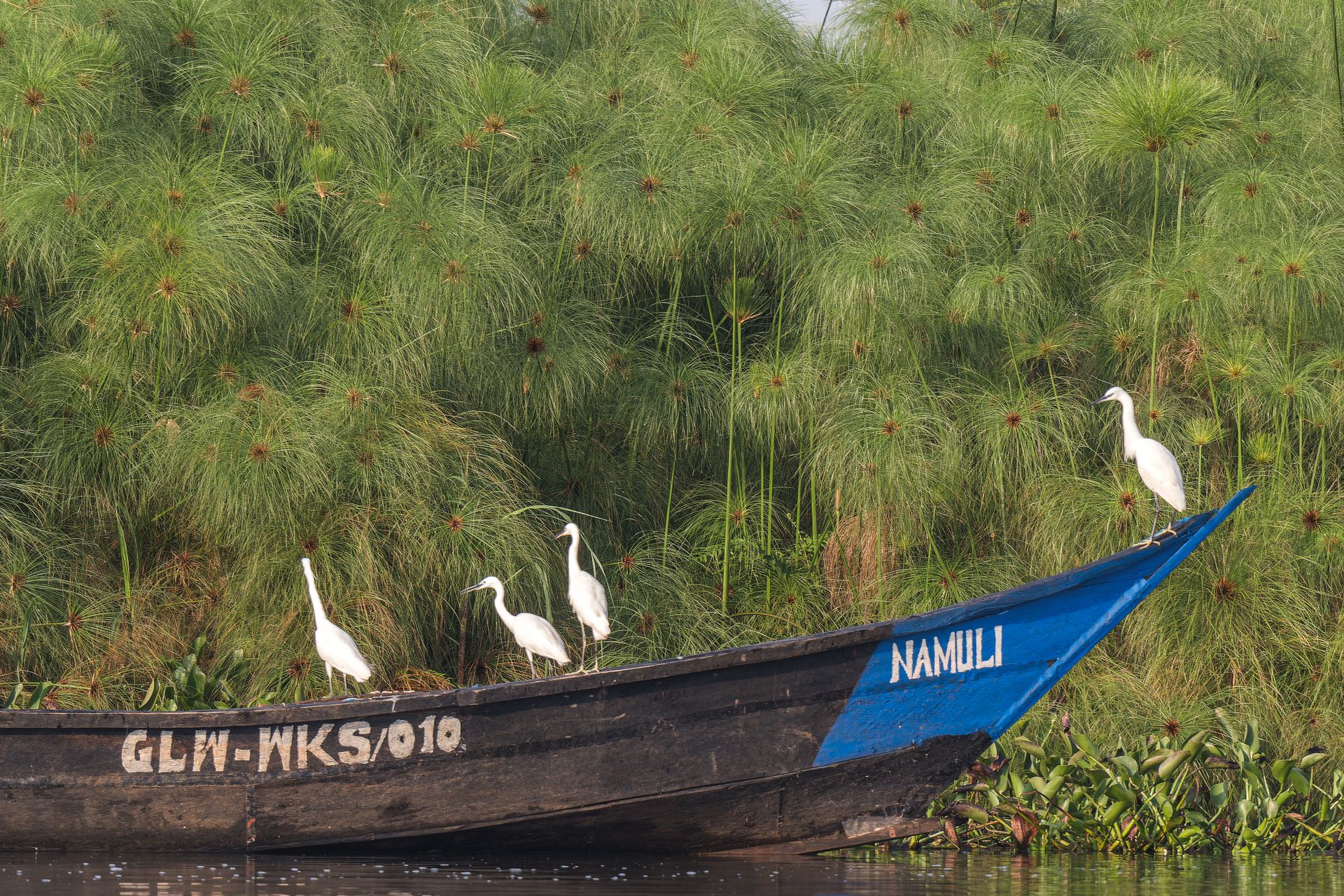
A maze of channels, papyrus beds and islands that changes shape with the seasons. You move partly by water here, in a hollowed-out canoe poled along by a guide, and partly on foot or by vehicle across the islands. Camps are small and sometimes hours apart. This is the part most travellers remember most vividly.
The north
Chobe and the river
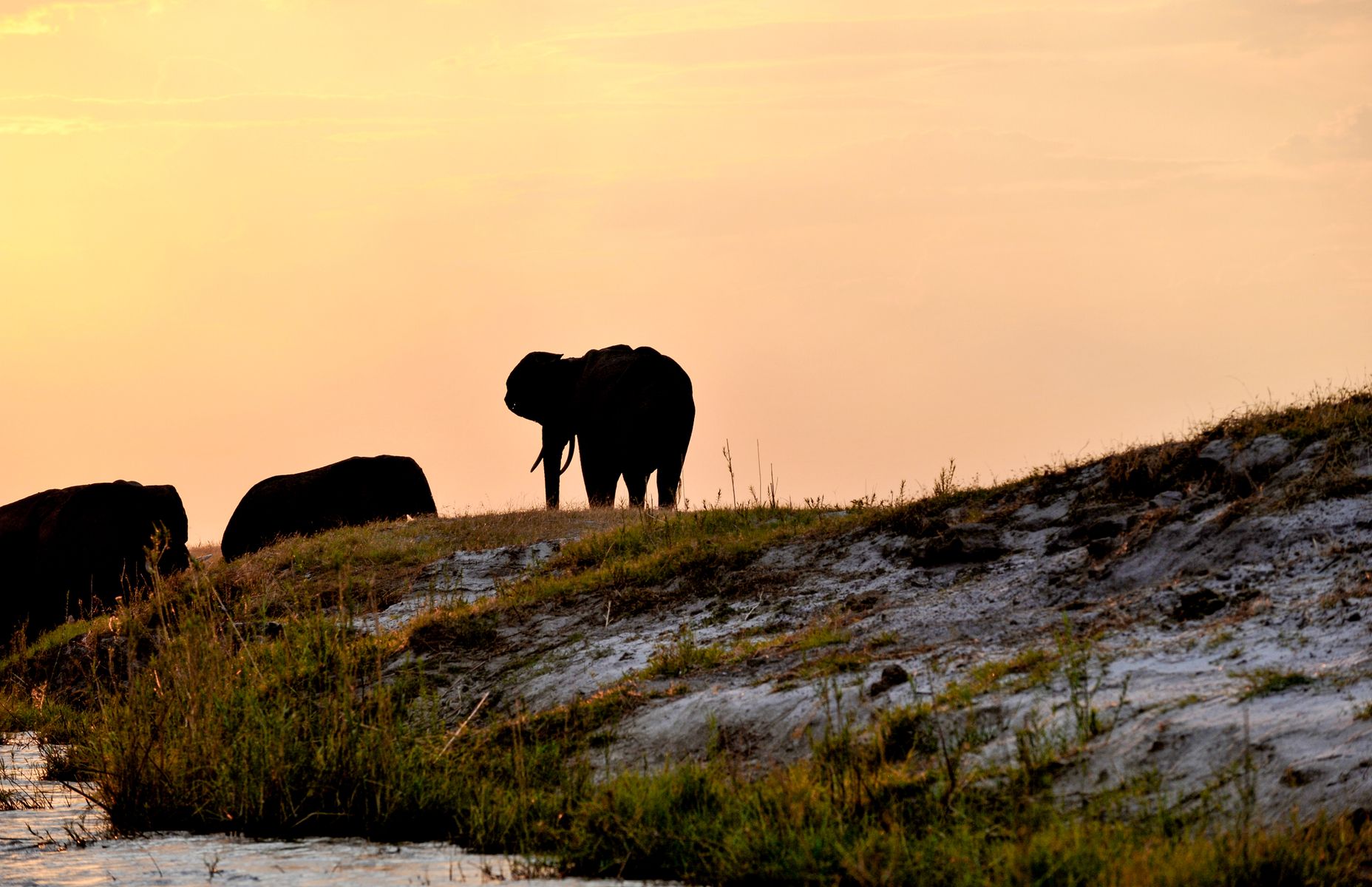
Along the northern border runs a river where huge numbers of elephants gather during the dry season. Botswana holds the largest elephant population in the world. Here you can watch from the water instead of from a vehicle, which gives a completely different perspective. The western section is considerably quieter than the area near the entrance gate.

The centre
The salt pans
The remains of a prehistoric lake: white plains so vast and so flat you could swear you can see the curvature of the earth. In the dry season, it is an emptiness like nowhere else, with baobabs on the edges. After the rains, it turns into shallow water that draws zebras and flamingos. Two destinations in one, depending on the month.

The south-west
The Kalahari
Not a sand desert but an arid savannah with grass, shrubs and surprisingly abundant life. Black-maned lions, aardvarks and meerkats live here, alongside the San, communities with one of the oldest continuous cultures in the world. In the southern reserves, you can drive for days without meeting anyone.

The north-east
Linyanti and the marshes
Between the delta and the river lies an area of marshland and dry woodland strips that sees few visitors and is exceptional for predators precisely because of that. Wild dogs hold one of their last strong populations here. The concessions are large and camps are rare.

The water that disappears
The delta is at its fullest when it has not rained for months.
This is the most counterintuitive fact about the destination, and it shapes your entire trip planning. The rain that fills the delta falls in Angola, hundreds of kilometres to the north. The water takes months to arrive.
The result: the delta reaches its highest water level around June to August, right in the middle of Botswana's own dry season. That is exactly when the boating is at its best, and exactly when animals move in from the surrounding parched areas towards the water.
In the months that follow, the water recedes and the landscape changes again: more dry land, more walking opportunities, different concentrations of wildlife.
Anyone who wants to see the delta as it looks in the pictures should come in the dry season. That sounds contradictory until you understand where the water actually comes from.
Wildlife
Fewer vehicles means different sightings.
What sets Botswana apart is not that there are more animals, but that there are fewer people watching them. Following a pride of lions for an hour without a second vehicle turning up is a fundamentally different experience from the same pride surrounded by eight.
On top of that, the private concessions allow things that are banned in national parks elsewhere: night drives, off-road driving and walking safaris with an armed guide.
The difference here is not in the species list, but in the time and the closeness.
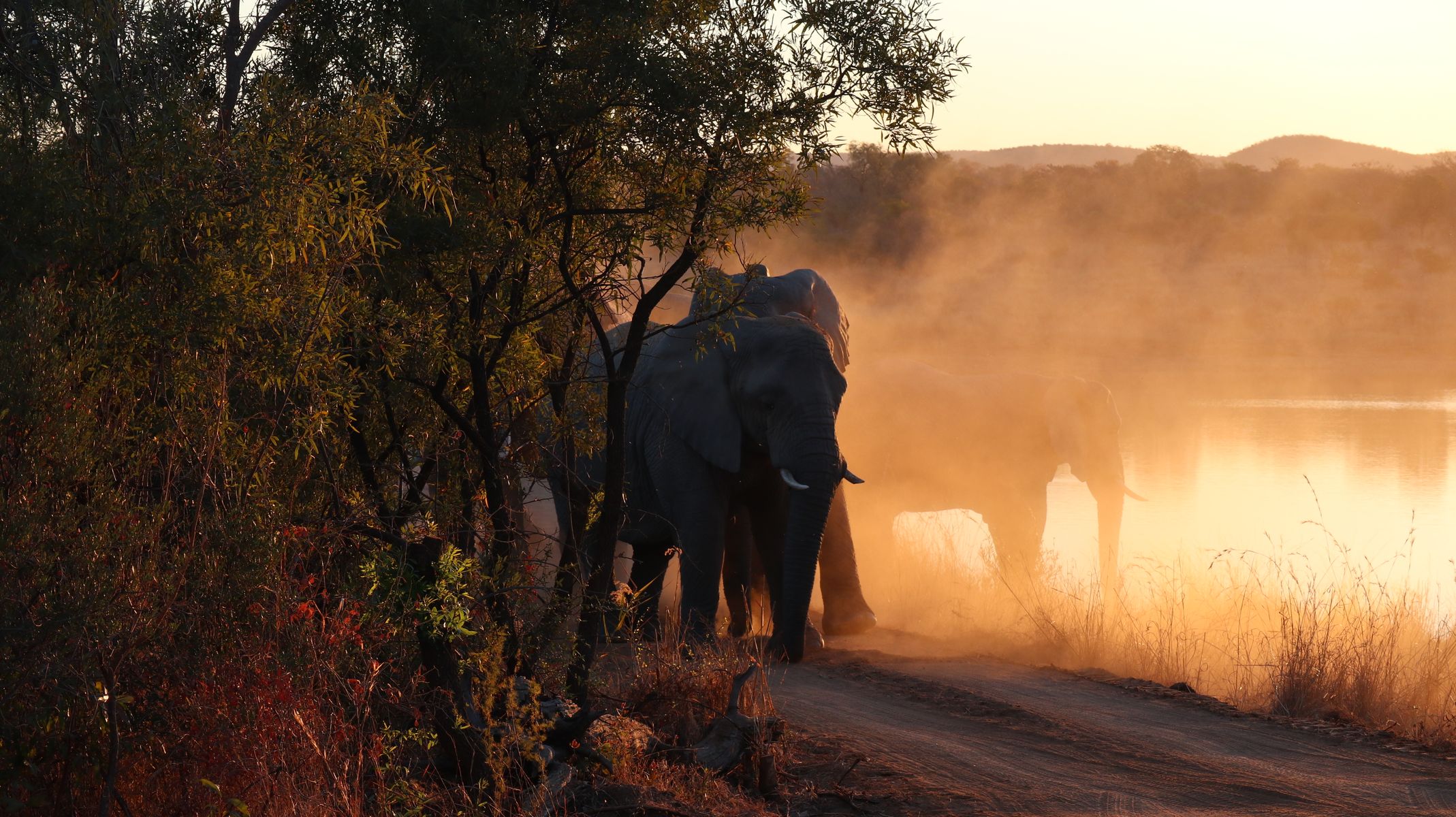
Elephants in number
Botswana holds the largest population in the world. In the dry season they gather at the river in groups you have to see with your own eyes to believe.
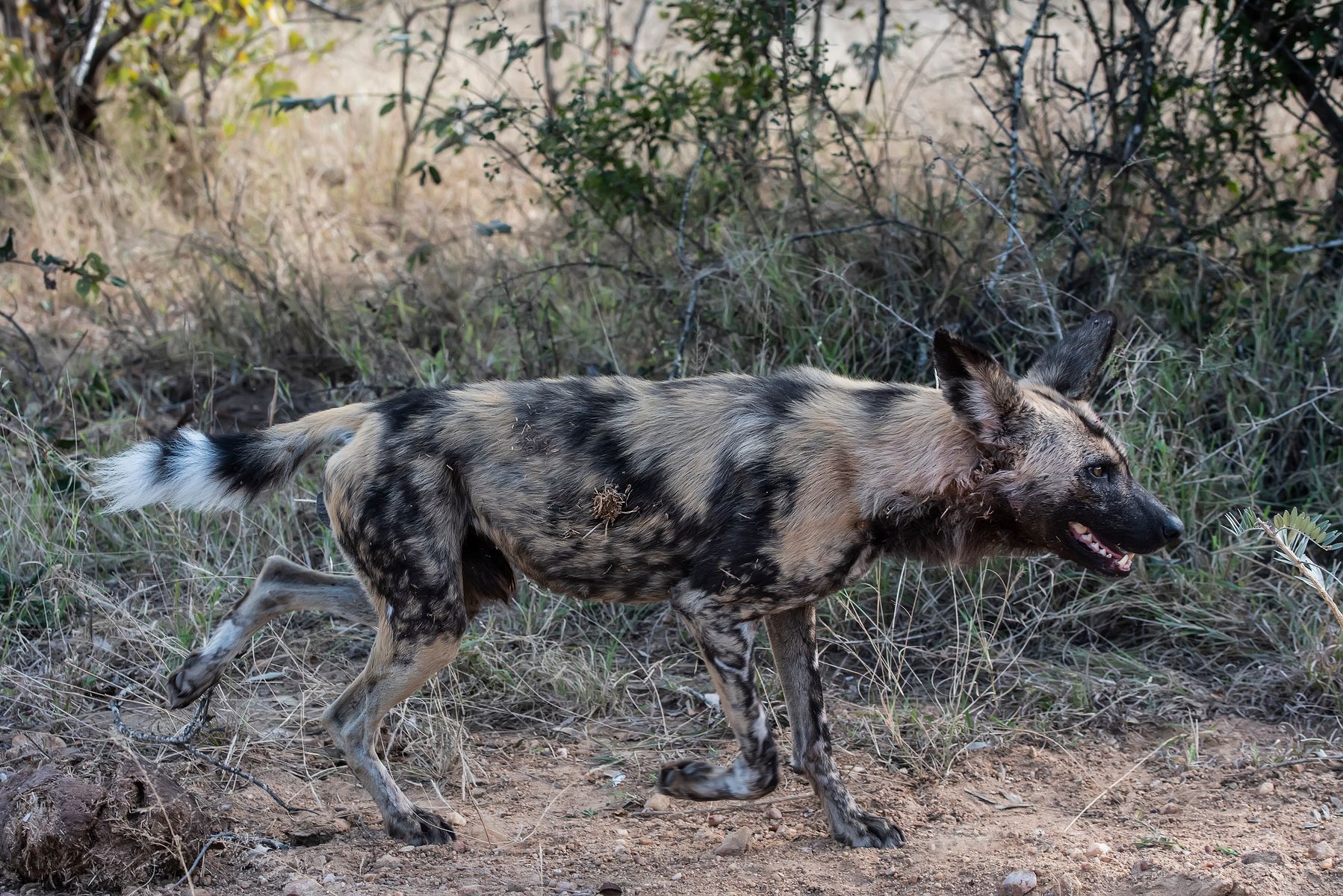
Wild dogs
One of Africa's rarest predators still has strong packs here. They hunt in the early morning and are exceptional to follow at that time.
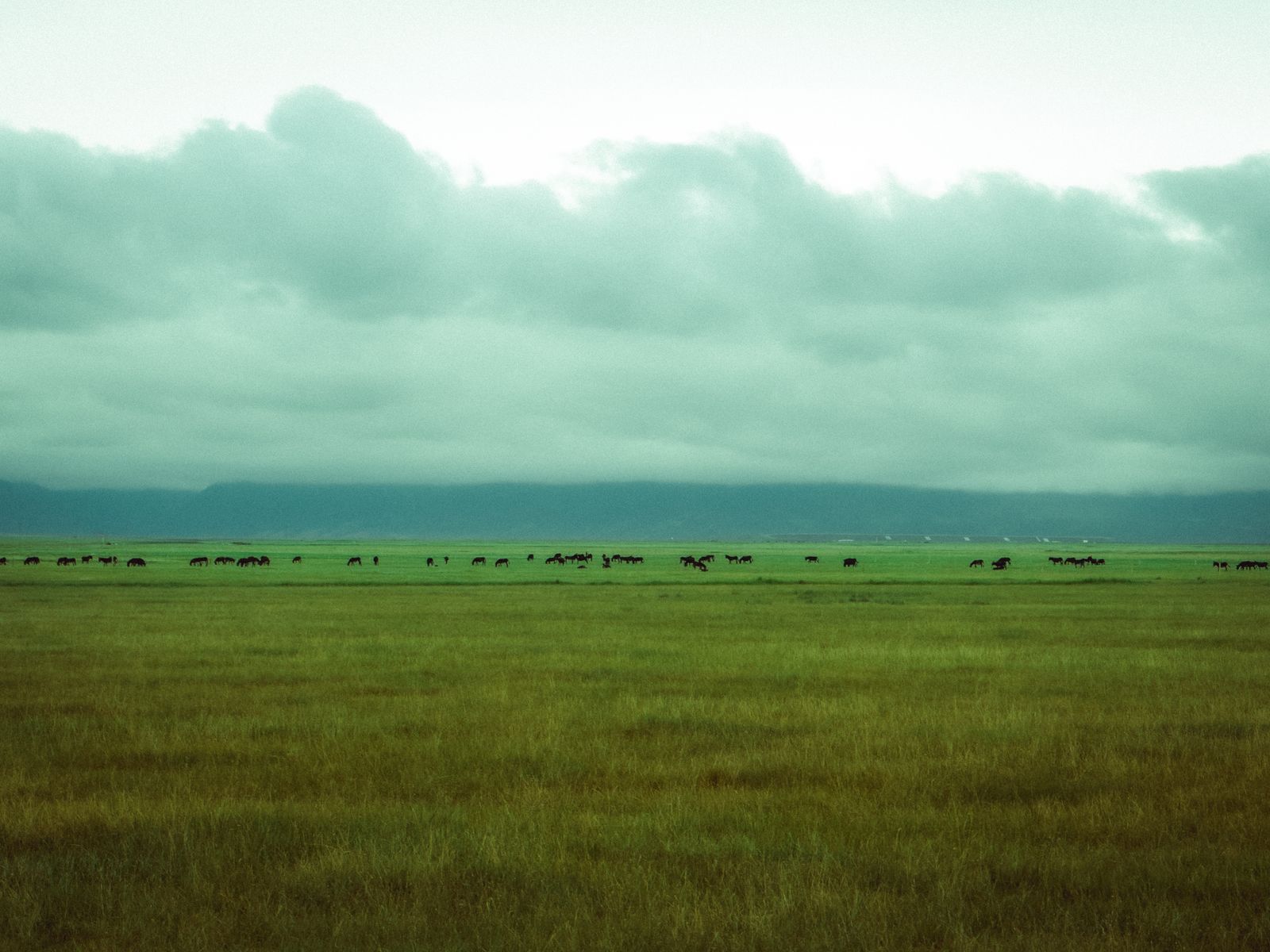
The second migration
Few people know that Botswana has a migration of its own: thousands of zebras moving back and forth between the delta and the salt pans, depending on the rains.
Possibilities, not an itinerary
What could Botswana be for you?
Not fixed stops on a set route, but directions to help you notice what draws you and what you would rather skip.

From the water
Days spent in a mokoro or small boat, at eye level with the reeds. Slow, quiet, and a completely different perspective from a vehicle.
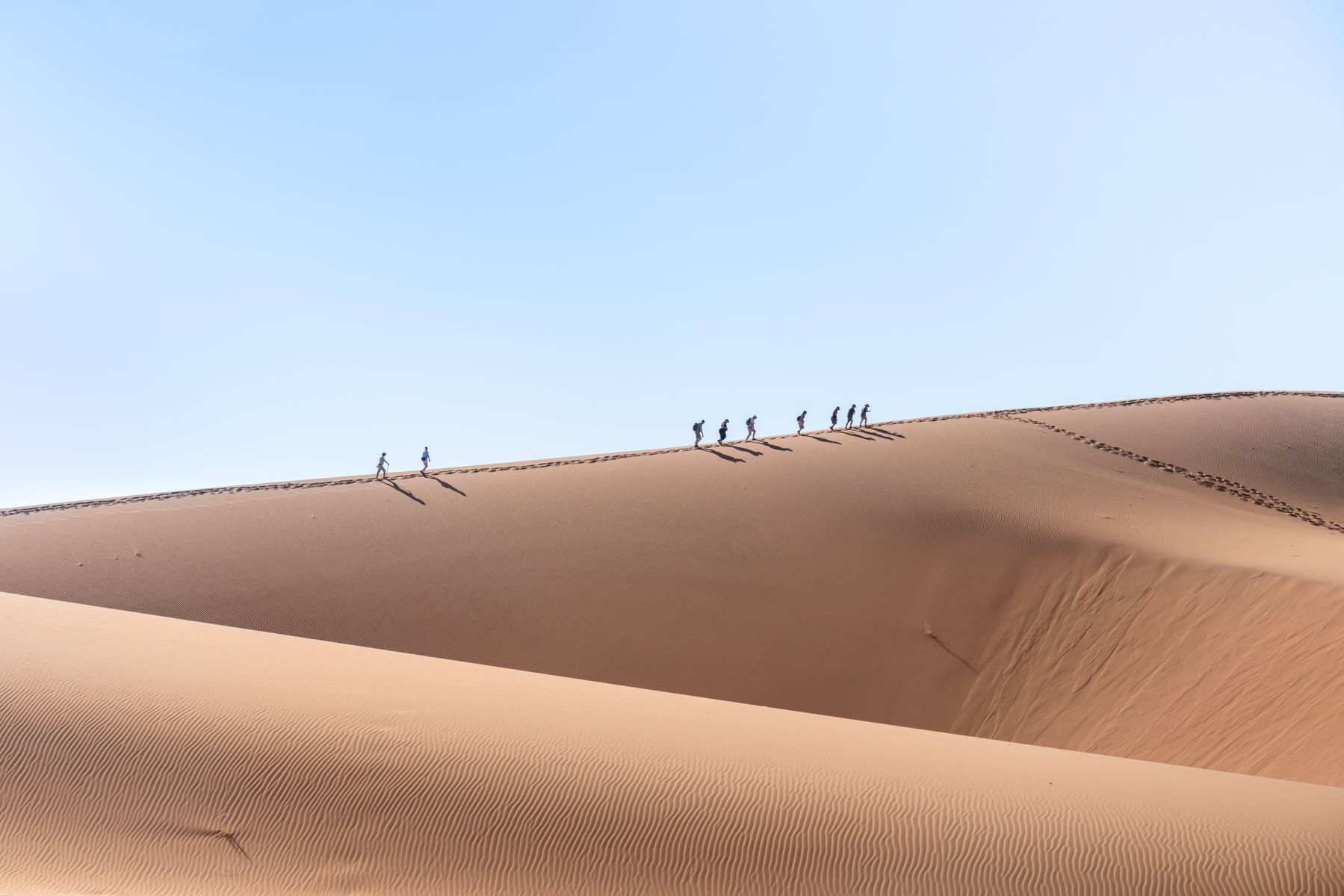
On foot with a guide
Walking is allowed in the concessions. Reading tracks, learning about plants, and meeting animals without the protection of a vehicle. It changes your relationship to the bush entirely.

Sleeping on the pan
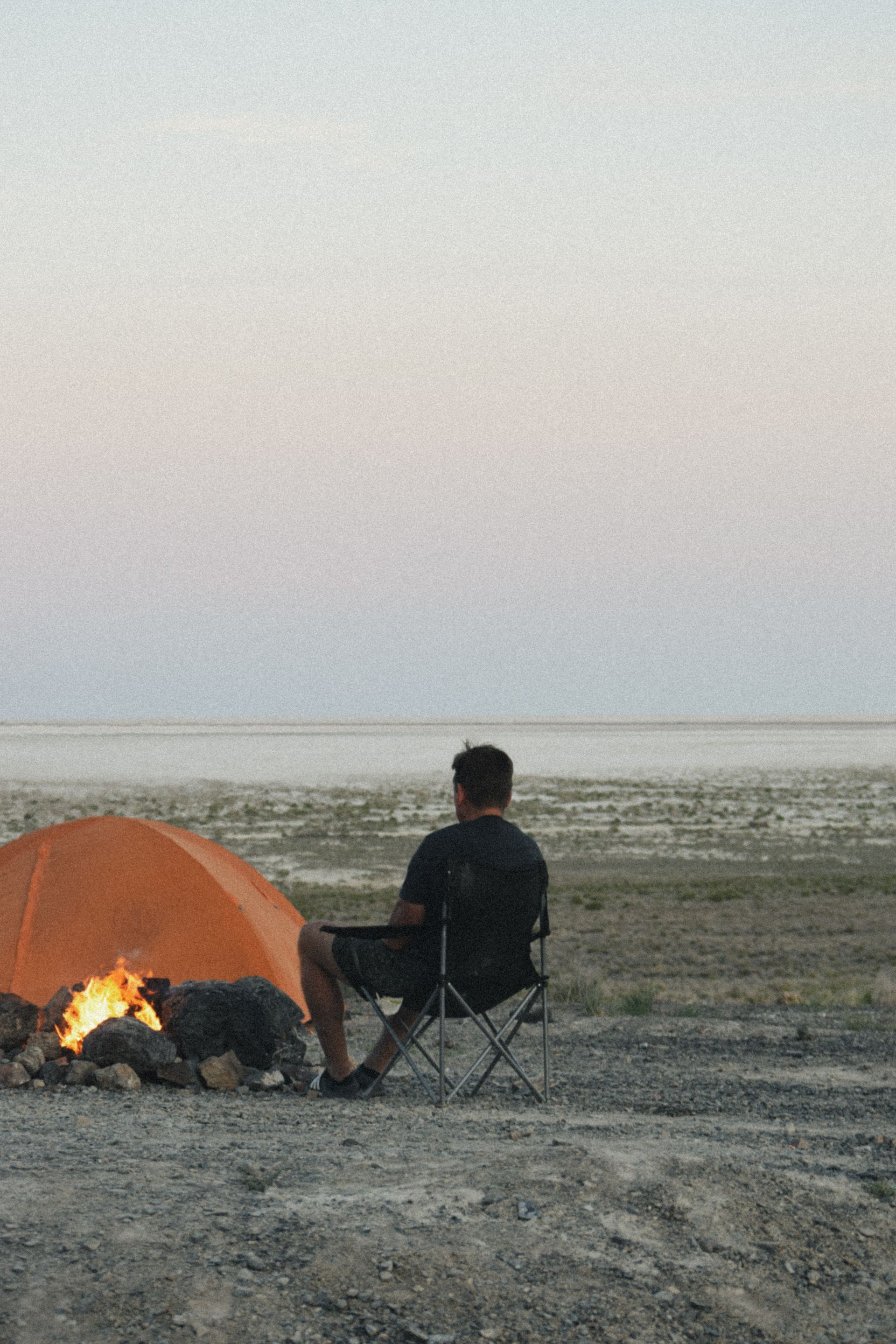
On the salt flats, the dry season means sleeping on bedrolls under the open sky, with no tent and no light pollution whatsoever. For many, this is the night of the trip.
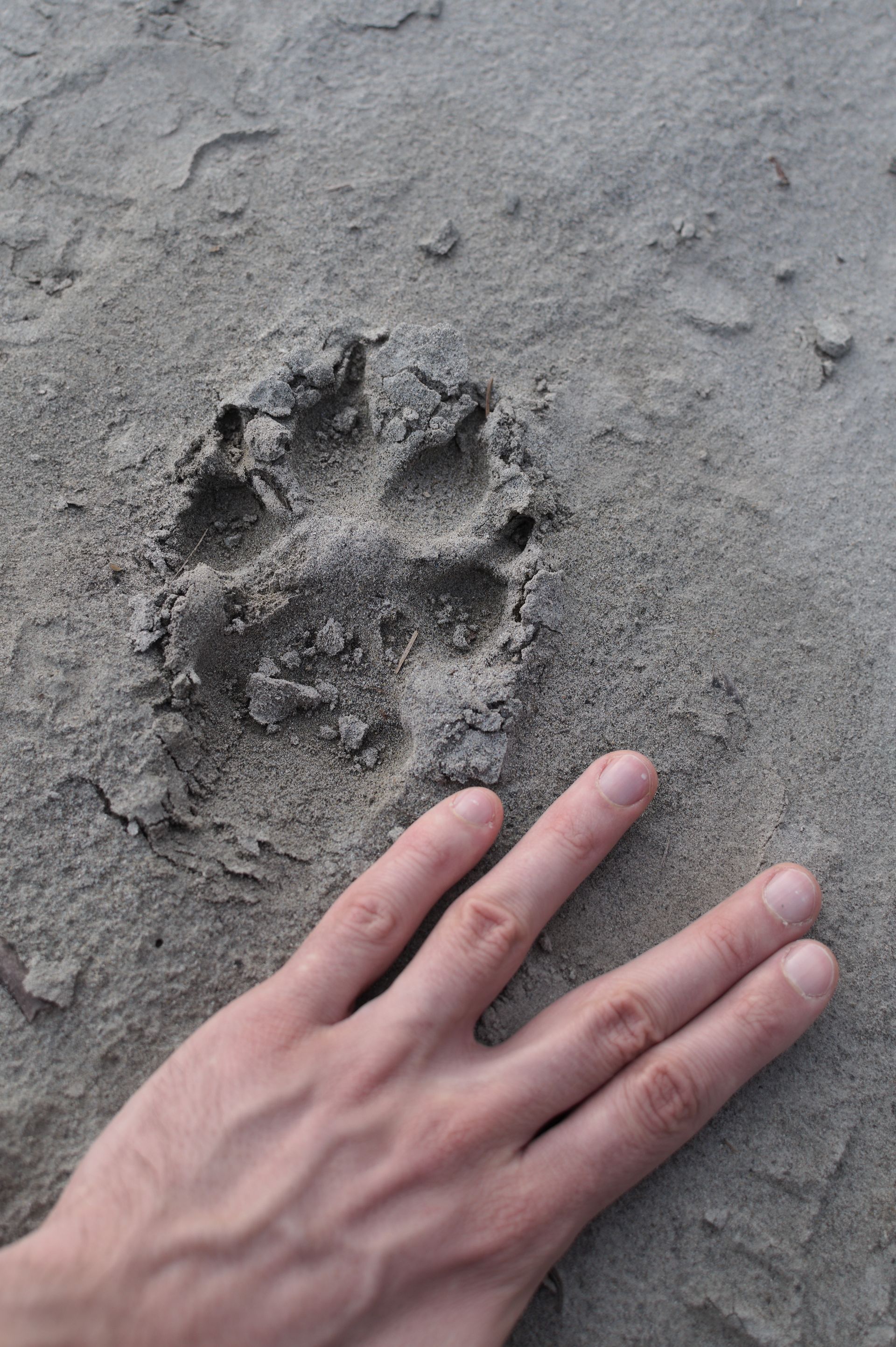
Walking with the San
Walking in the Kalahari with people who read the land the way we read a text. Only worthwhile when the community organises it themselves and earns from it. We are strict about that.

From above
A flight in a small aircraft over the delta is what really shows how the system fits together: channels, islands, herds that stayed invisible from the ground.
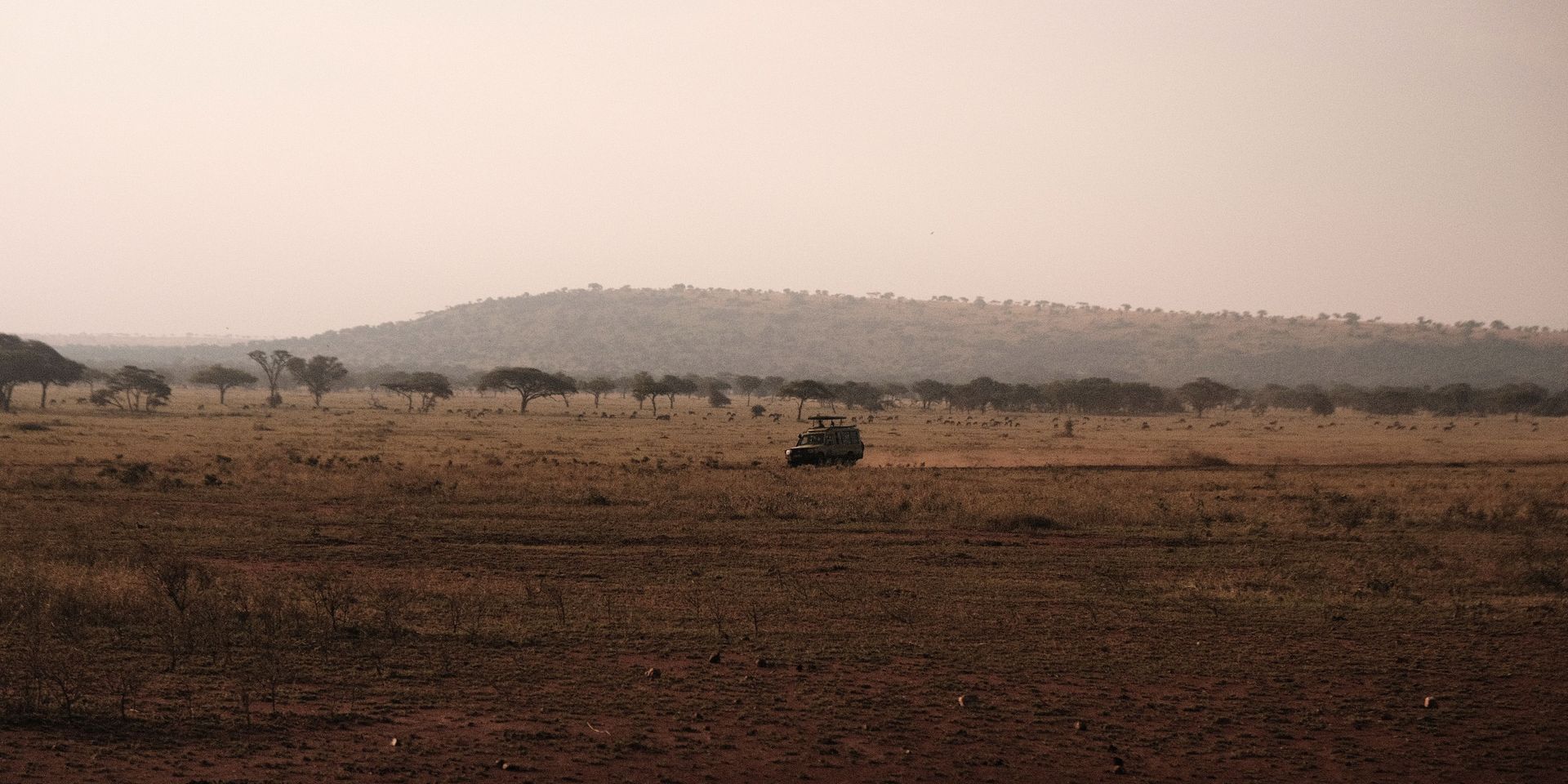
Off the radar
Concessions with just a single camp, far from everything. More expensive and logistically more complex, but closest to what people mean when they say they want peace and quiet.
These are possibilities.
Not your journey.
When would you travel?
Two seasons that make two different countries.
May to October is the dry season: cool in the morning, warm during the day, and the water in the delta at its highest. Animals concentrate around the permanent water sources, which makes sightings more predictable. It is also the most expensive and busiest period, although busy is a relative term in Botswana.
November to April is the green season. Rain falls, usually in short, heavy afternoon downpours. The landscape turns green, young animals are born, migratory birds arrive, and the salt pans fill with shallow water and zebras. Prices are considerably lower, and some camps close.
For a first safari, we recommend the dry season. Anyone who has already been and wants to see the landscape rather than just the animals should seriously consider the green season. It is often the more beautiful trip.
Jan
Feb
Mar
Apr
May
Jun
Jul
Aug
Sep
Oct
Nov
Dec
Dry: high water in the delta, wildlife gathered at the water
Green: young animals, birds, salt pans
Transition
Looking past the highlights
Where we look at things differently.
Combine elements, not places. Water, dry land and salt are three separate experiences here. A trip that touches all three is stronger than one that visits three water camps.
Concession over national park. In the private and community concessions, walking and night drives are allowed, and strict guest limits apply. That is the difference between watching and experiencing.
Three nights per camp. Transfers happen by small aircraft and cost half a day. Two nights means, in practice, one full day. Three is the minimum to actually get to know an area.
The green season is underrated. Fewer people, lower prices, more dramatic skies and young animals. It just requires that you are not there to tick off species.
The guide makes more difference here than the camp. Botswana has a strict training system for guides. We select for that quality, not for how many stars the accommodation has.
Worth knowing
Practical, without the noise.
We discuss the full, up-to-date picture in person, including what matters specifically for your trip.
- Getting there
- Flights via Johannesburg to Maun or Kasane. Within the country, almost everything moves by small aircraft between airstrips.
- Luggage
- Soft bags with a strict weight limit, usually around twenty kilos including hand luggage. This is not a guideline but a hard rule.
- Documents
- For Belgian travellers, a passport with ample validity is sufficient. Travelling with children involves additional rules around birth certificates; we guide you through that.
- Health
- Malaria prevention is advisable for the north, especially during the rainy season. Consult a travel clinic.
- Travelling with children
- Many camps set a minimum age, and walking safaris always do. There are good family-oriented camps; choosing the right ones makes all the difference.
- Cost
- Botswana is expensive, even compared with other safari countries. That is the result of deliberate policy and cannot be avoided.
- Temperature
- Mornings in the dry season are cold, afternoons warm. In the green season, temperatures can climb well above forty degrees.
- Connectivity
- Remote camps have limited or no signal. A drawback for some travellers, but in hindsight one of the better aspects for most.
Or perhaps this
Other destinations
Still weighing it up? That is no problem at all. The right country often only becomes clear once the conversation starts.
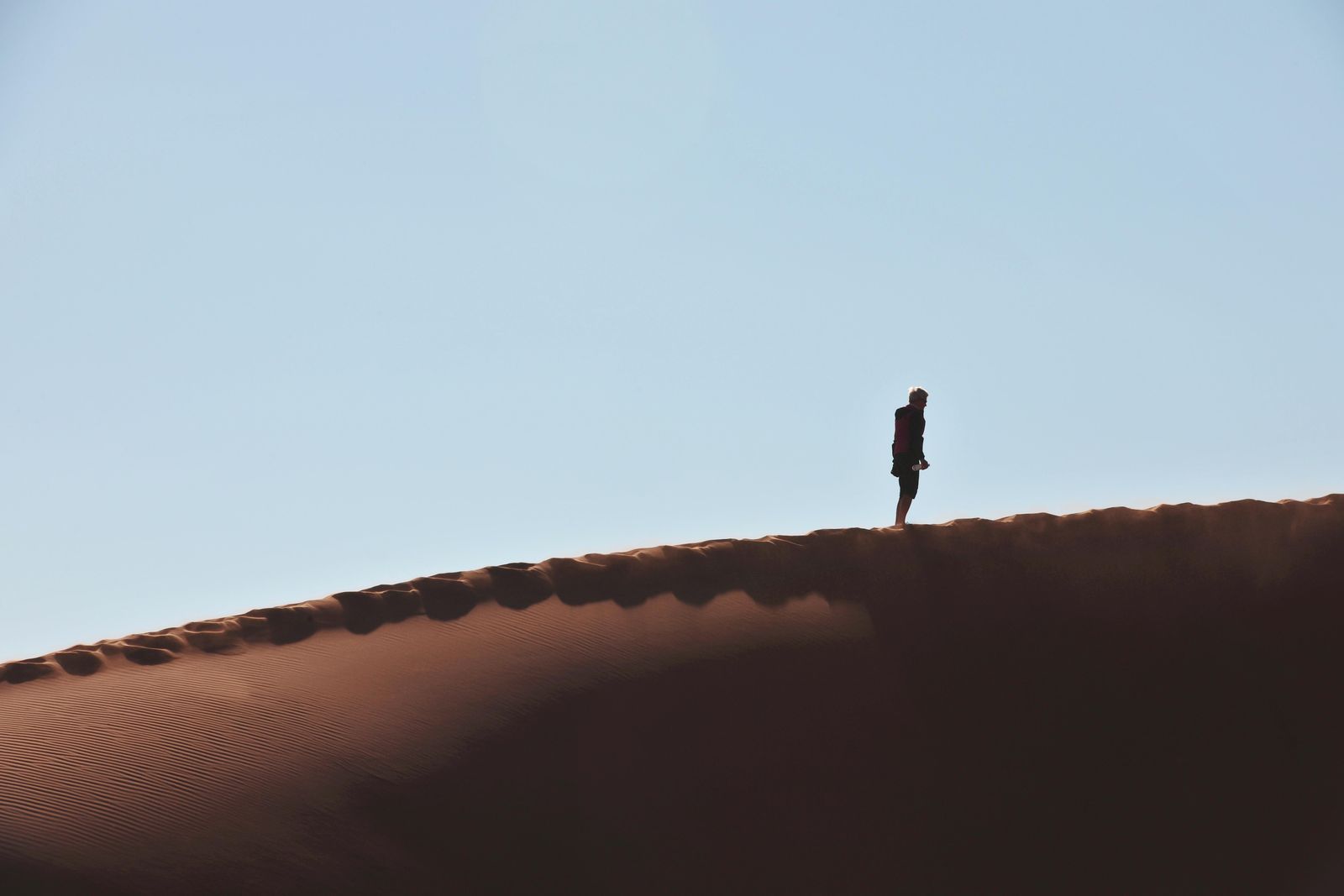
Southern Africa
Namibia
Silence on a scale found nowhere else, with deserts that change character every hundred kilometres.
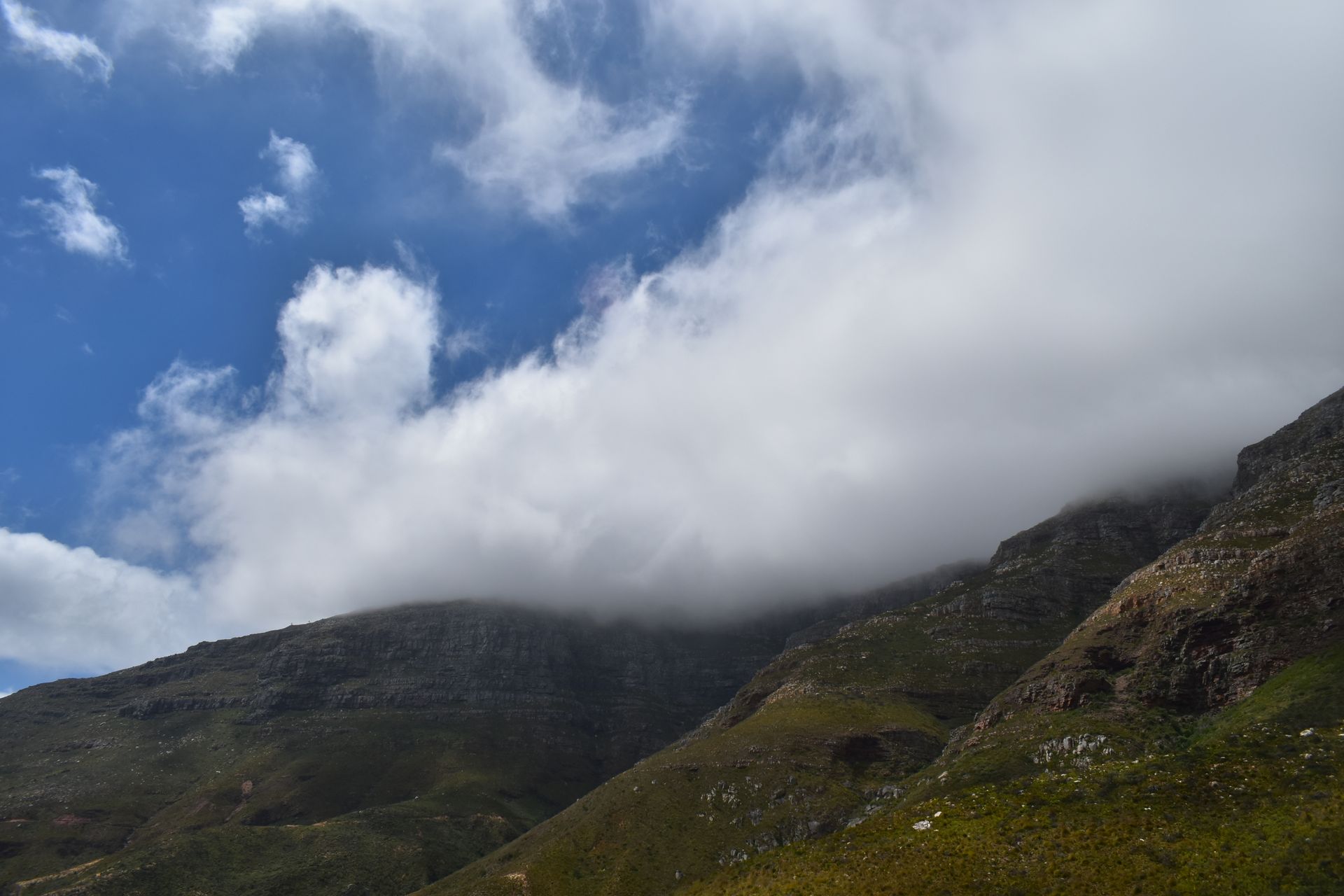
Southern Africa
South Africa
A country with so many faces that two travellers rarely tell the same story about it.
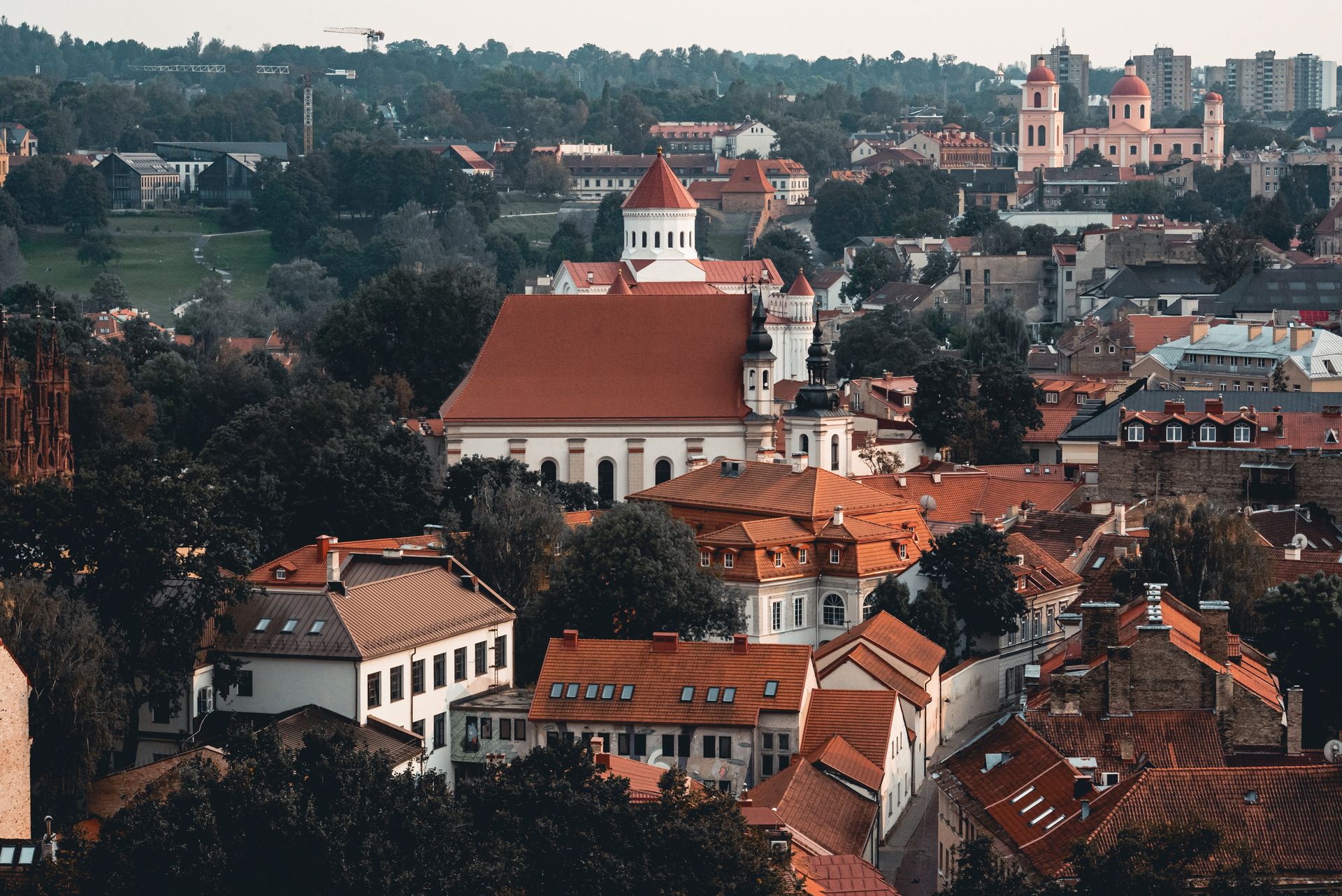
Baltic states
Lithuania
Lakes, forests and a baroque old town that feels surprisingly southern for a Baltic capital.
How it works
This is how your journey to Botswana takes shape.
Six steps, from your first story to your homecoming. The conversation and the feasibility check cost you nothing.
-
01
Tell us your story
Fill in the form or give us a call. You do not need a route yet: a country, a period or just an idea is enough.
-
02
The conversation and the check
We talk through what you are looking for, by phone or by video, and check whether it can be done. If it can, we set down together what we will make for you.
-
03
We design your journey
We build your programme up, day by day, together with our own people in the country itself.
-
04
Your proposal
You read your journey day by day, with everything that is included. You say what you would like differently, until it is right.
-
05
Ready to depart
You send us your details, we send you your travel documents. You have one fixed contact who knows your journey.
-
06
Travelling, and after
Your contact stays reachable while you are away. Once you are home, we call one more time.
The next step
How would you like to experience Botswana?
Tell us what draws you to Botswana, who you want to travel with and which season you have in mind. We first get to know you as a traveller and build from there, together with a local partner who knows this country from the inside.