Southern Africa
Namibia
Silence on a scale you won't find anywhere else.
This is Namibia
A country made mostly of space.
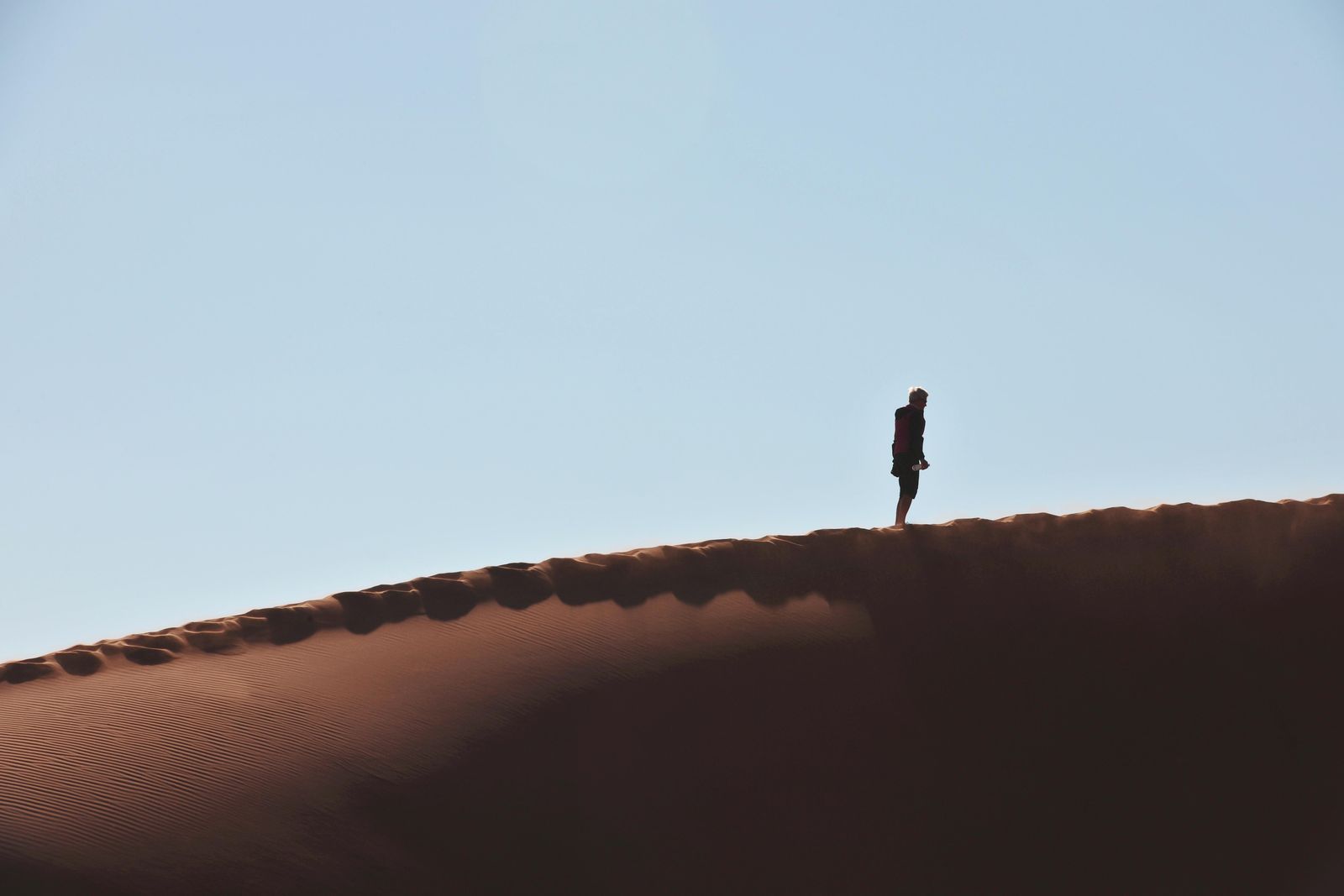
Namibia is roughly 27 times the size of Belgium and has fewer inhabitants than the province of Antwerp. That single fact shapes everything: how you travel, what you see, and above all what you hear.
That's what people mention most often afterwards. Not the dunes, not the animals, the silence. A silence so complete it feels uncomfortable at first, and that within a few days you can't imagine travelling without.
Meanwhile the landscape keeps changing character. The world's oldest desert runs along the coast, where cold ocean water creates an almost permanent bank of fog. Inland lie gravel plains, red sandstone mountains, a salt pan visible from space, and right in the far northeast, rivers and green appear out of nowhere.
Namibia doesn't sell itself on highlights. It convinces through proportion.
The emptiness
Distance here isn't an inconvenience. It's the experience.
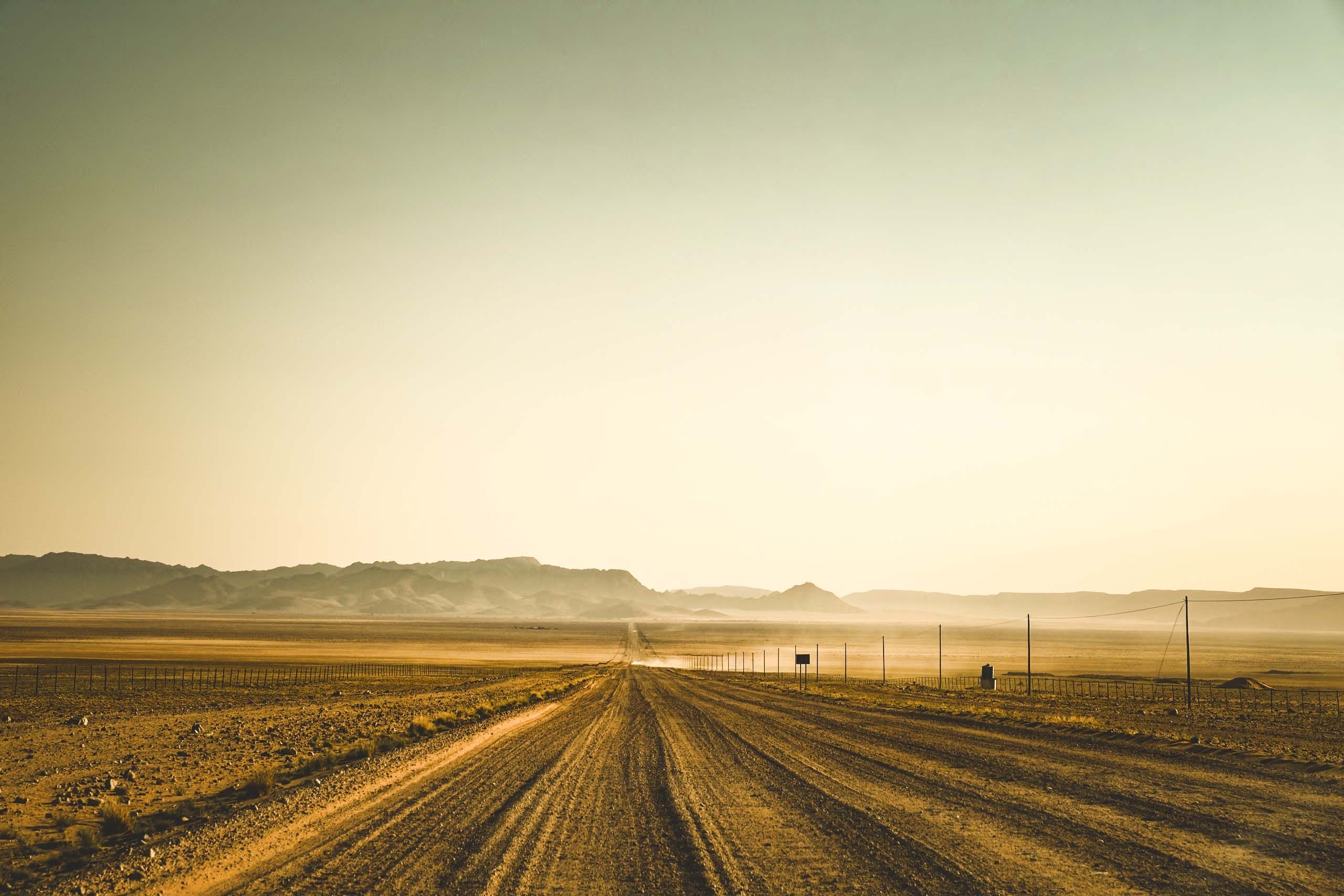
In Namibia, four or five hours of gravel road often separate two places. That sounds like something to avoid, but anyone who has been here before knows better: those hours are the journey. The landscape changes more along the way than at the destinations themselves.
That does mean the shape of your trip determines everything. Self-driving gives freedom and is deeply rooted in how Namibia is visited, but it also means long days behind the wheel and tyres that can give out. Flying between camps costs more, delivers incredible views, and buys you days instead of kilometres.
There's no single right answer. There's only the answer that suits you. That's exactly why we want to know how you like to travel before we choose a route.
The many faces
Six landscapes, one country.
On the map the regions look like neighbours, but each feels like a different planet.
The central Namib
Sossusvlei and the dunes
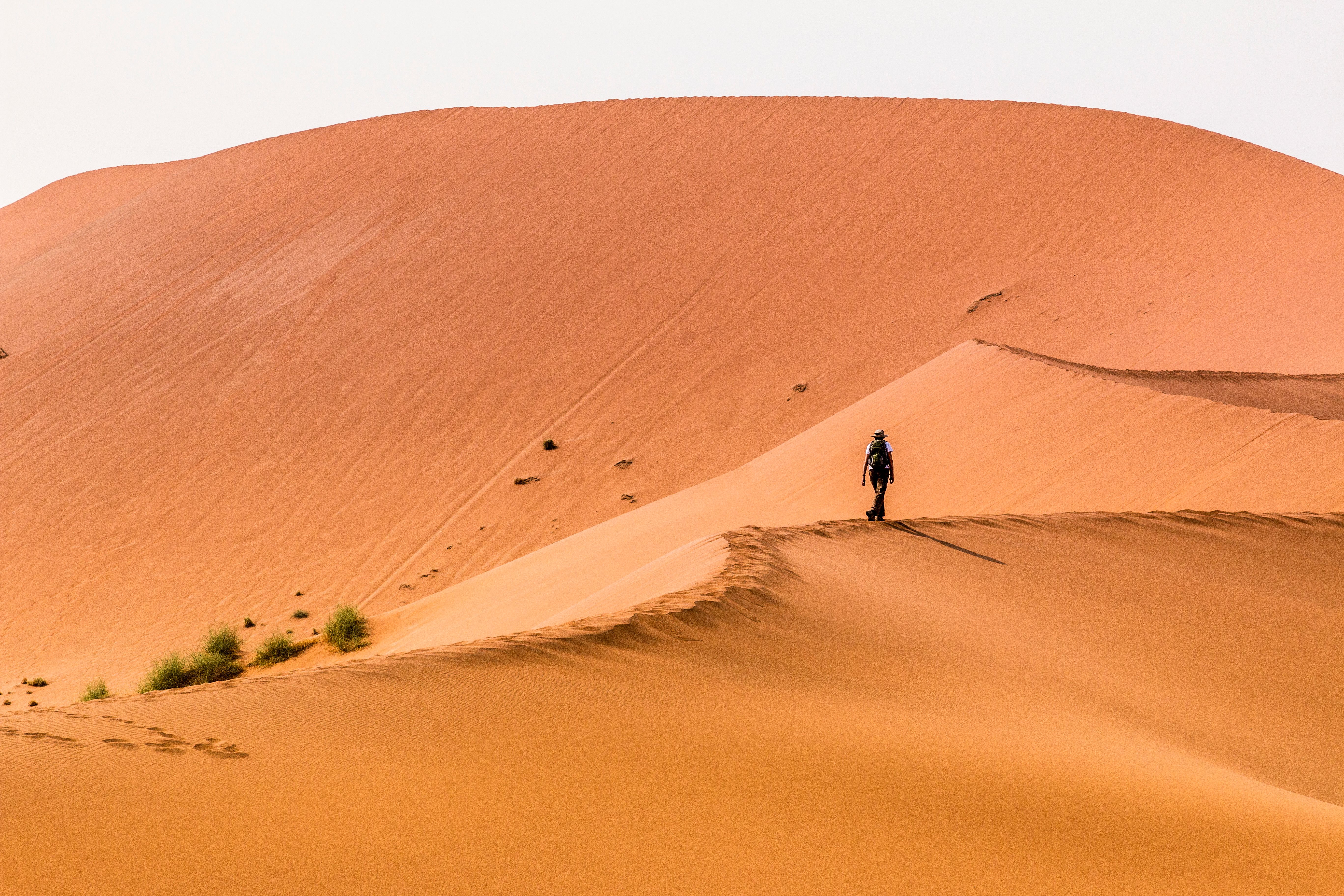
The images everyone knows: rust-red dunes hundreds of metres high, with dead acacias standing on a white clay pan between them. They live up to the reputation, and they're also the busiest part of the country. The difference lies in the hour. Whoever is through the gate before sunrise sees something quite different from whoever arrives at ten. Around it lies a private reserve that hardly anyone visits, where walking is actually allowed.
The coast
Swakopmund and the Skeleton Coast
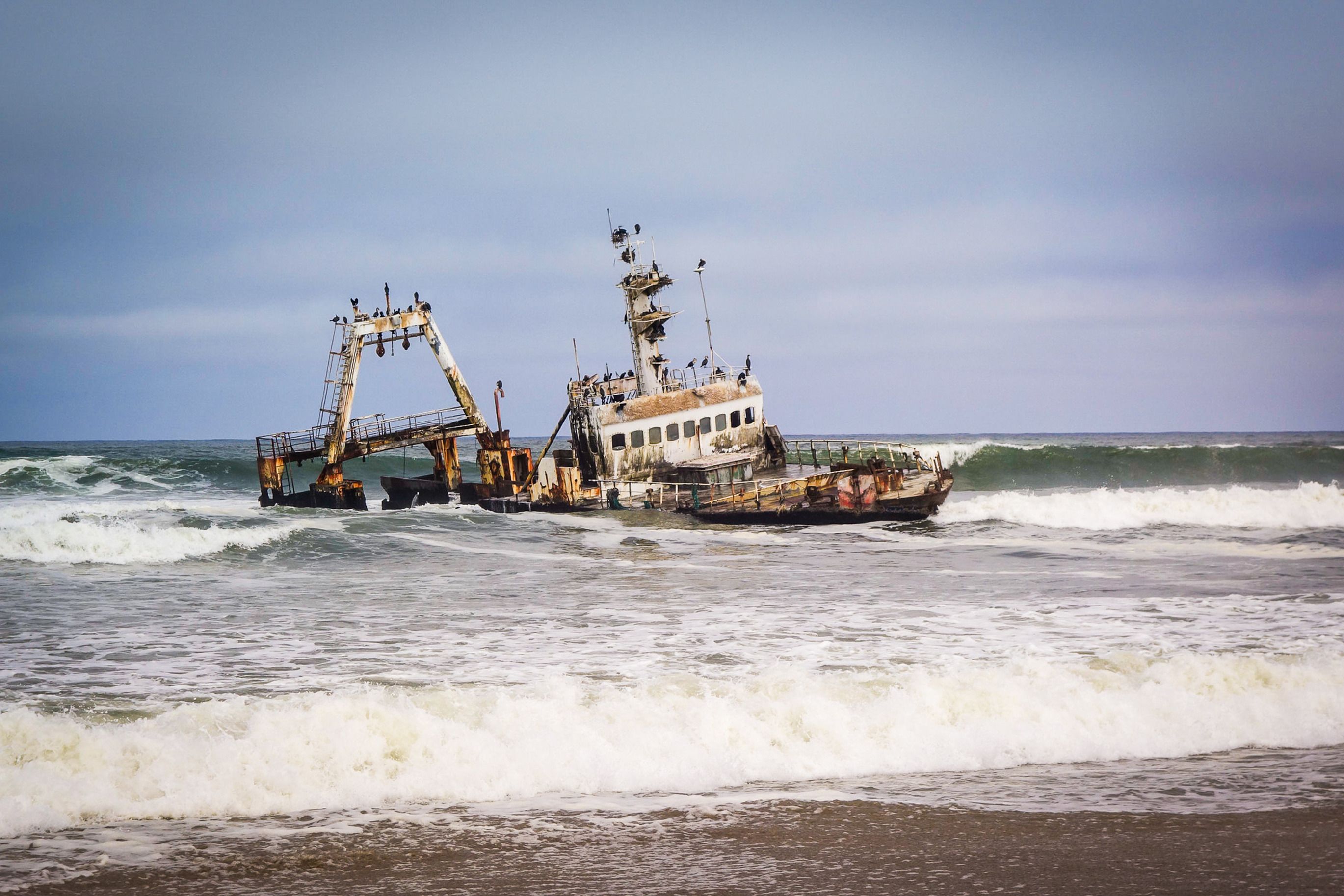
A cold ocean current collides here with the hottest of deserts, and the result is fog. Almost every morning. Swakopmund is a seaside town with German façades, bakeries and a climate that calls for a jumper while it's forty degrees a hundred kilometres inland. Heading north it grows wilder: seal colonies, shipwrecks, and a coastline that has earned its name.
The northwest
Damaraland
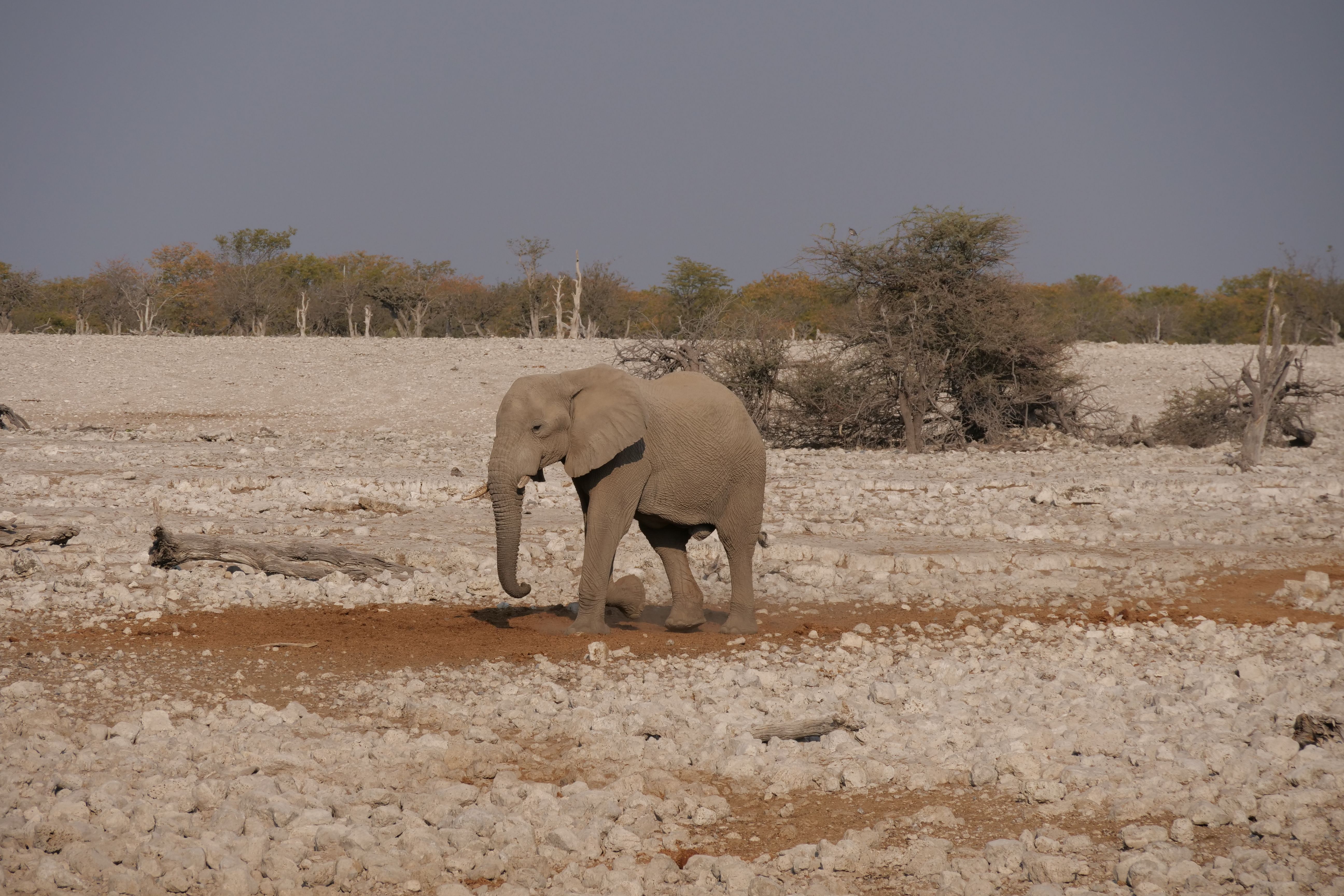
Red sandstone mountains, dried-up riverbeds and one of the most remarkable things Africa has to offer: elephants that have adapted to the desert and can go days without water. Rock engravings thousands of years old lie scattered here too. The area is managed by community conservancies, so the proceeds of a visit go straight to the people who live there.
The far northwest
Kaokoveld
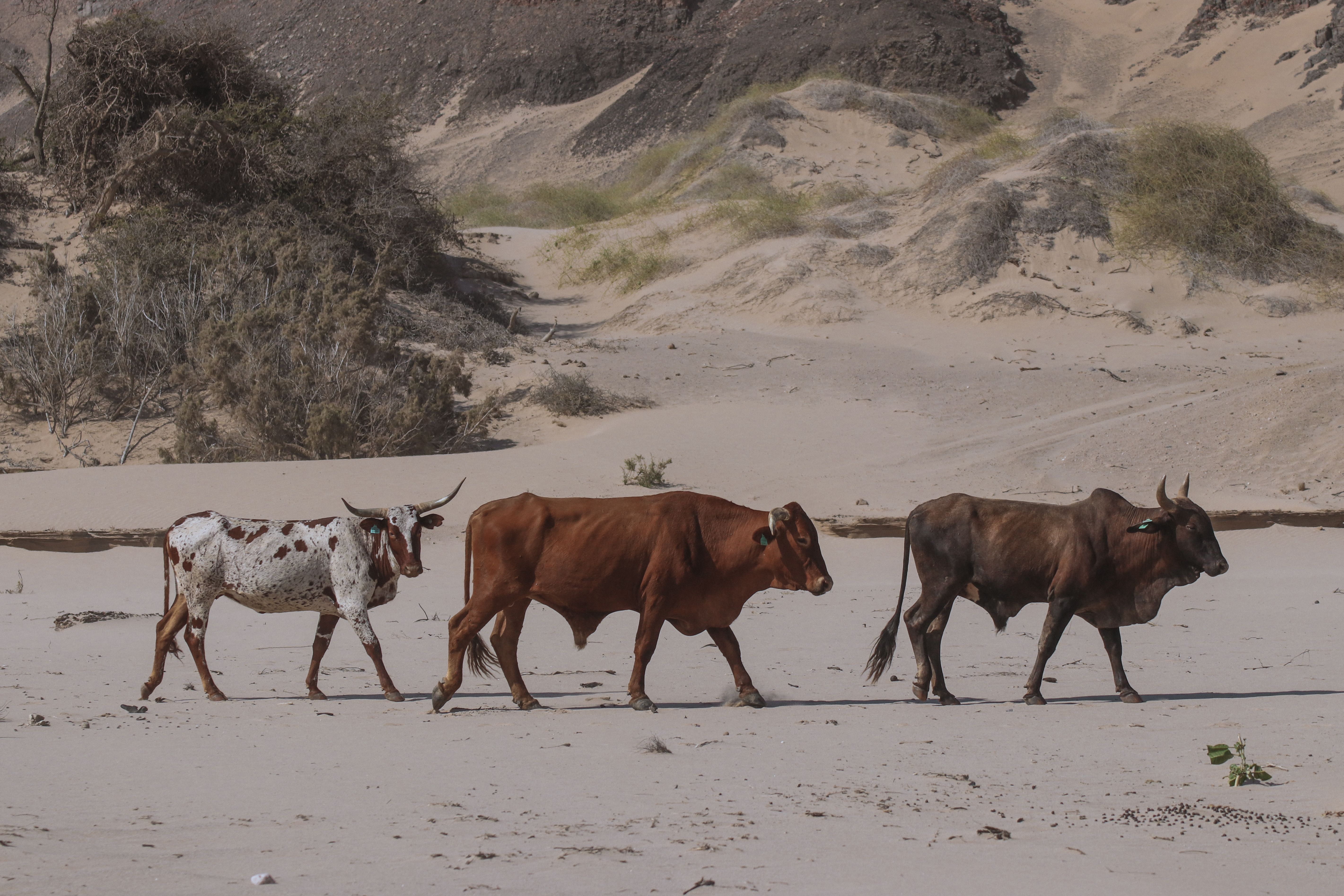
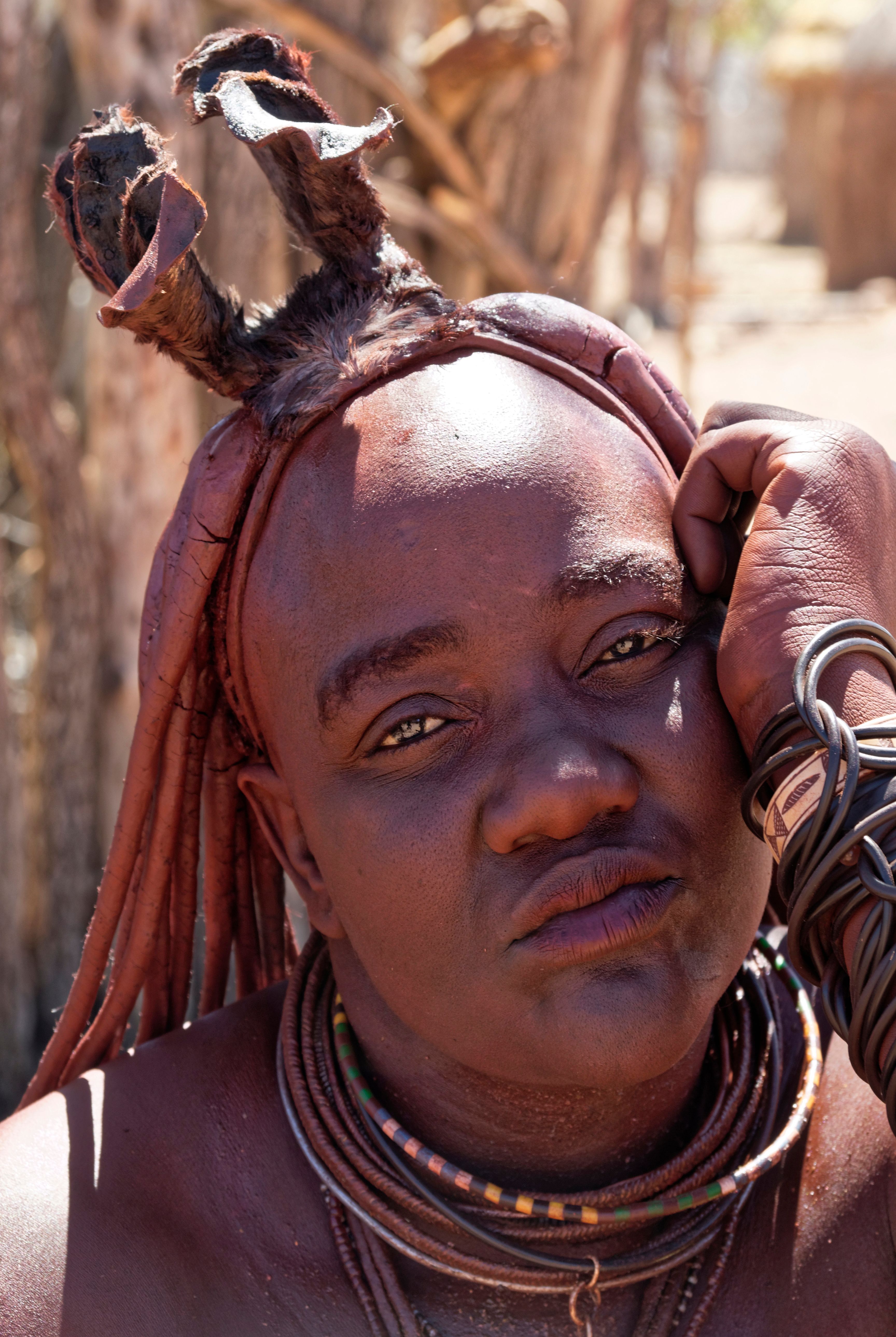
One of the last truly remote areas of southern Africa, where the Himba still live largely as pastoralists. Roads are almost non-existent; anyone travelling here does so with someone who knows the region. An encounter can be genuine or it can be a performance. That difference comes down entirely to who arranges it. We're deliberately fussy about this.
The north
Etosha
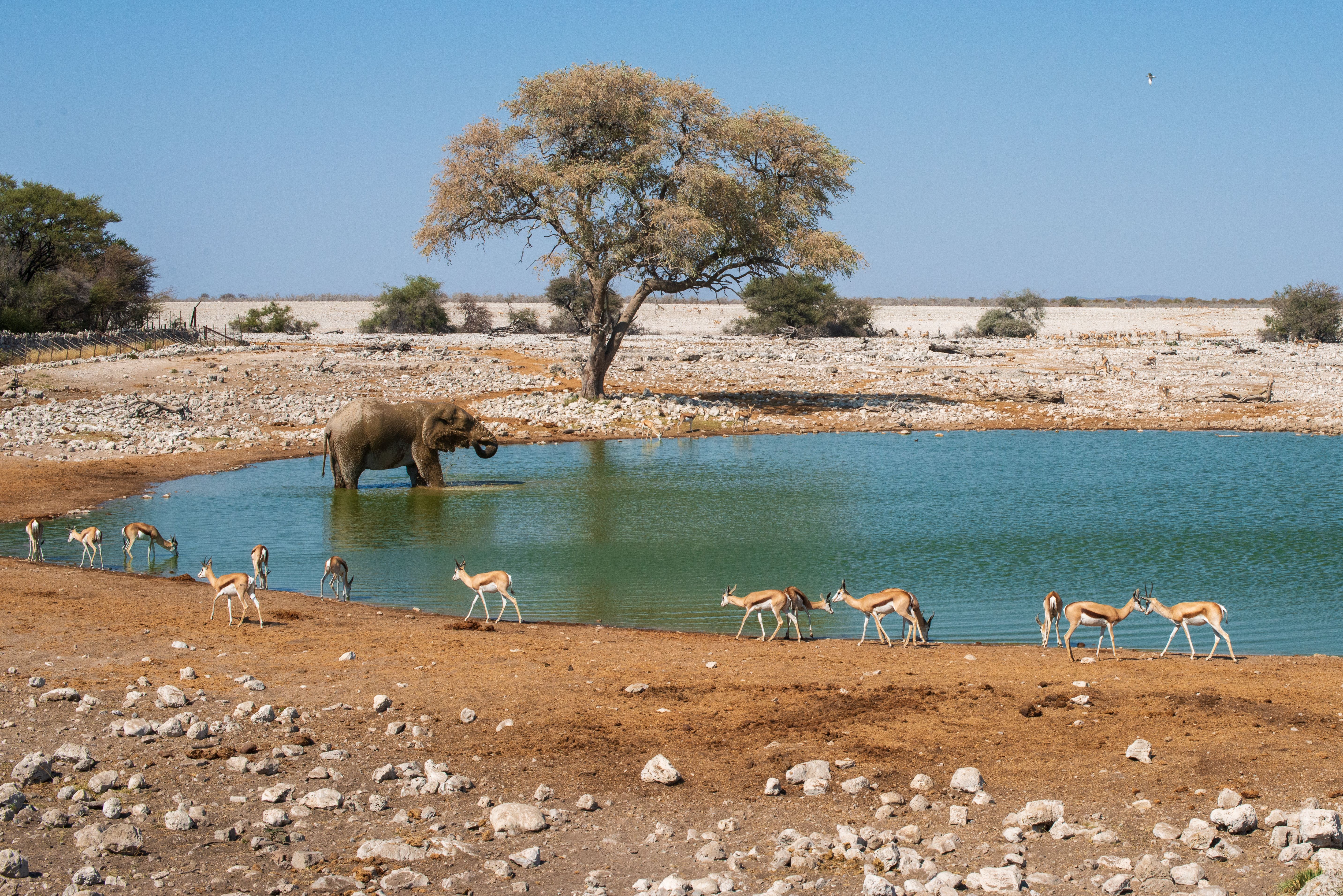
A salt pan so vast it's visible from space, ringed by the country's most concentrated wildlife. Etosha works differently from most parks: you don't chase animals, you wait at a waterhole until they come to you. In the dry season that produces scenes you rarely see elsewhere: rhinos, elephants and lions taking turns to drink.
The south and northeast
The canyon and the rivers
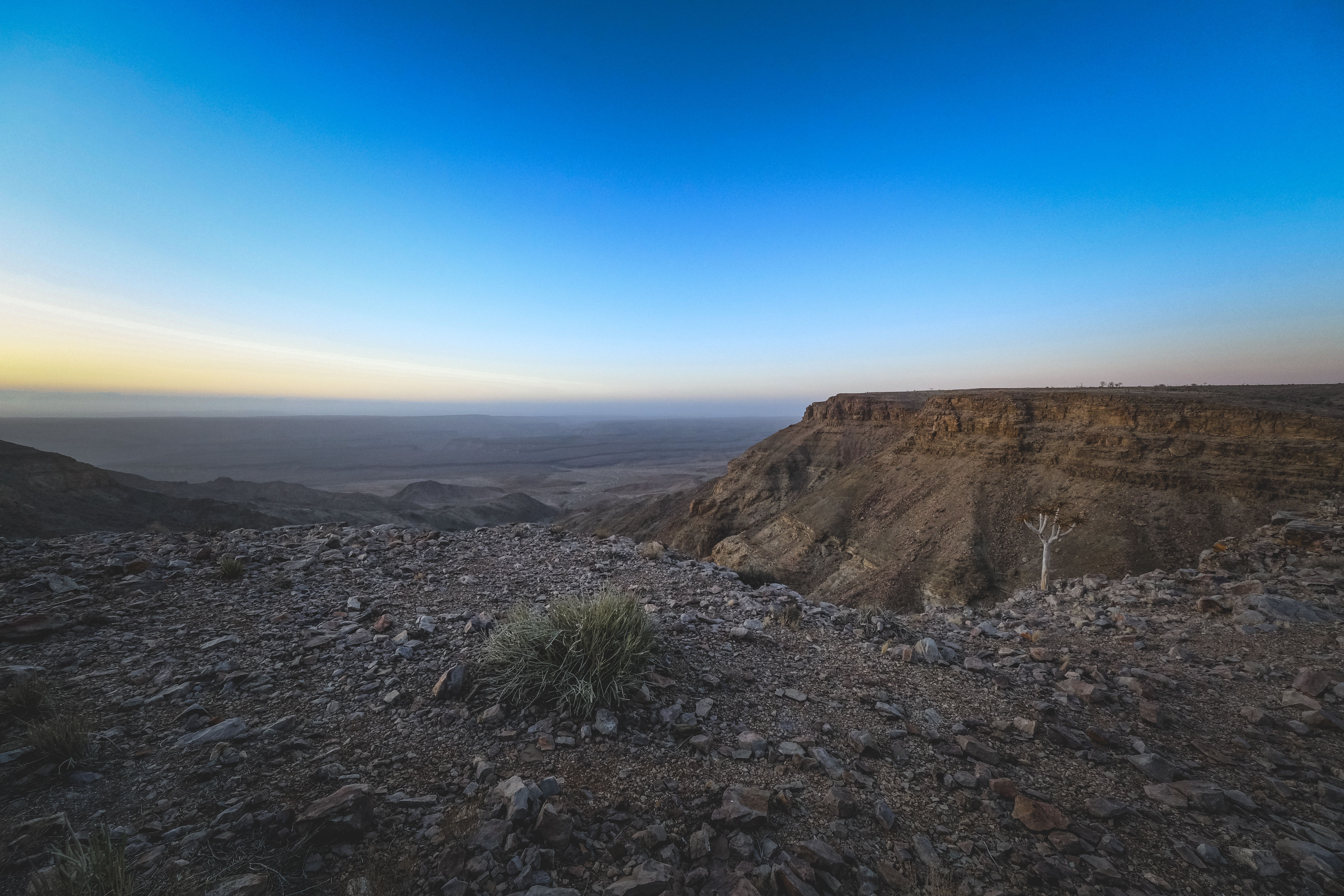
In the south lies one of the largest canyons in the world, with a multi-day hike permitted only in the cooler months. Nearby sits an abandoned diamond town slowly disappearing under the sand. Right in the far northeast, in the narrow strip reaching towards the Zambezi, the desert stops abruptly: there are rivers, reeds, elephants in the water and a landscape unlike anywhere else in Namibia.
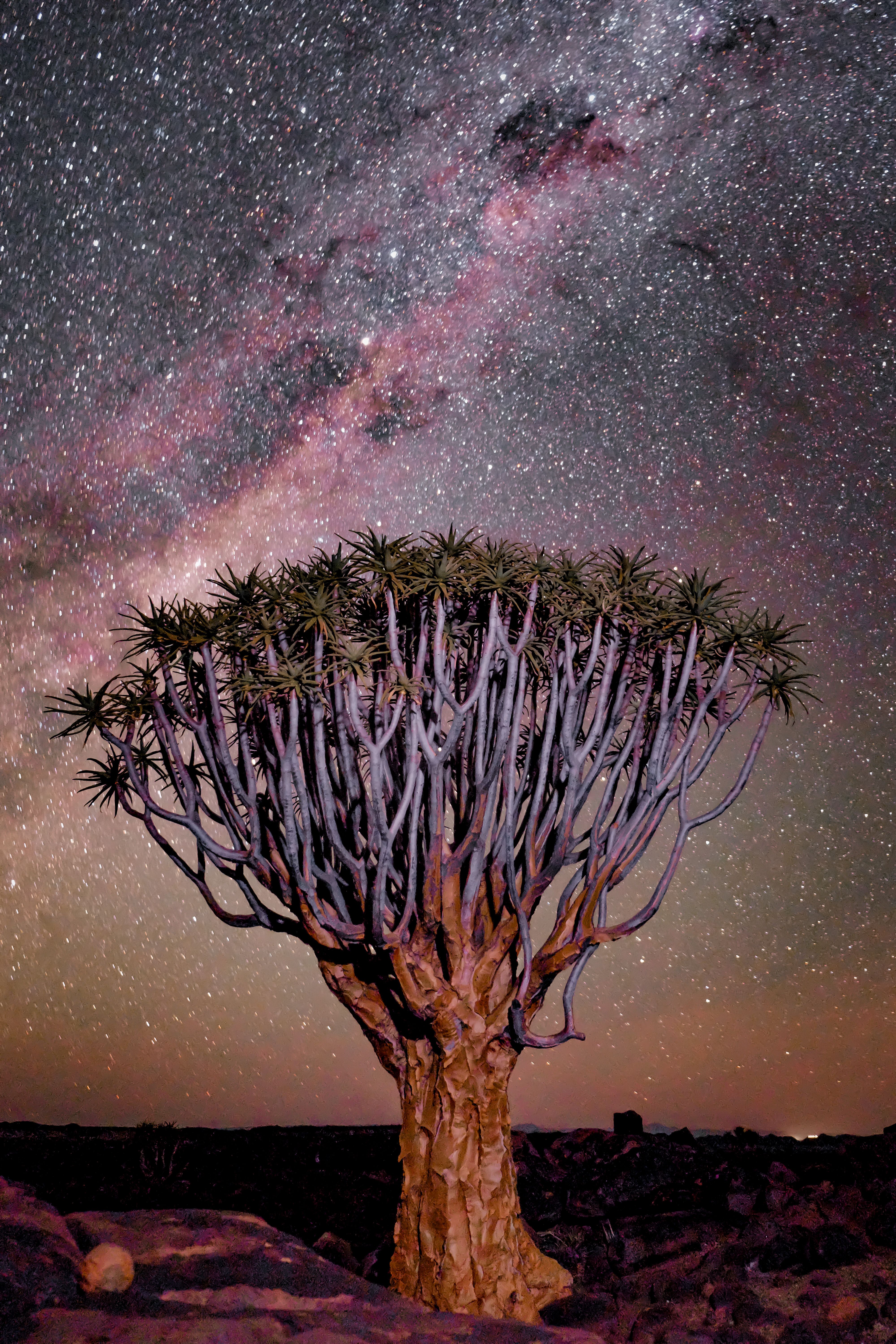
The night sky
Half the landscape only appears after sunset.
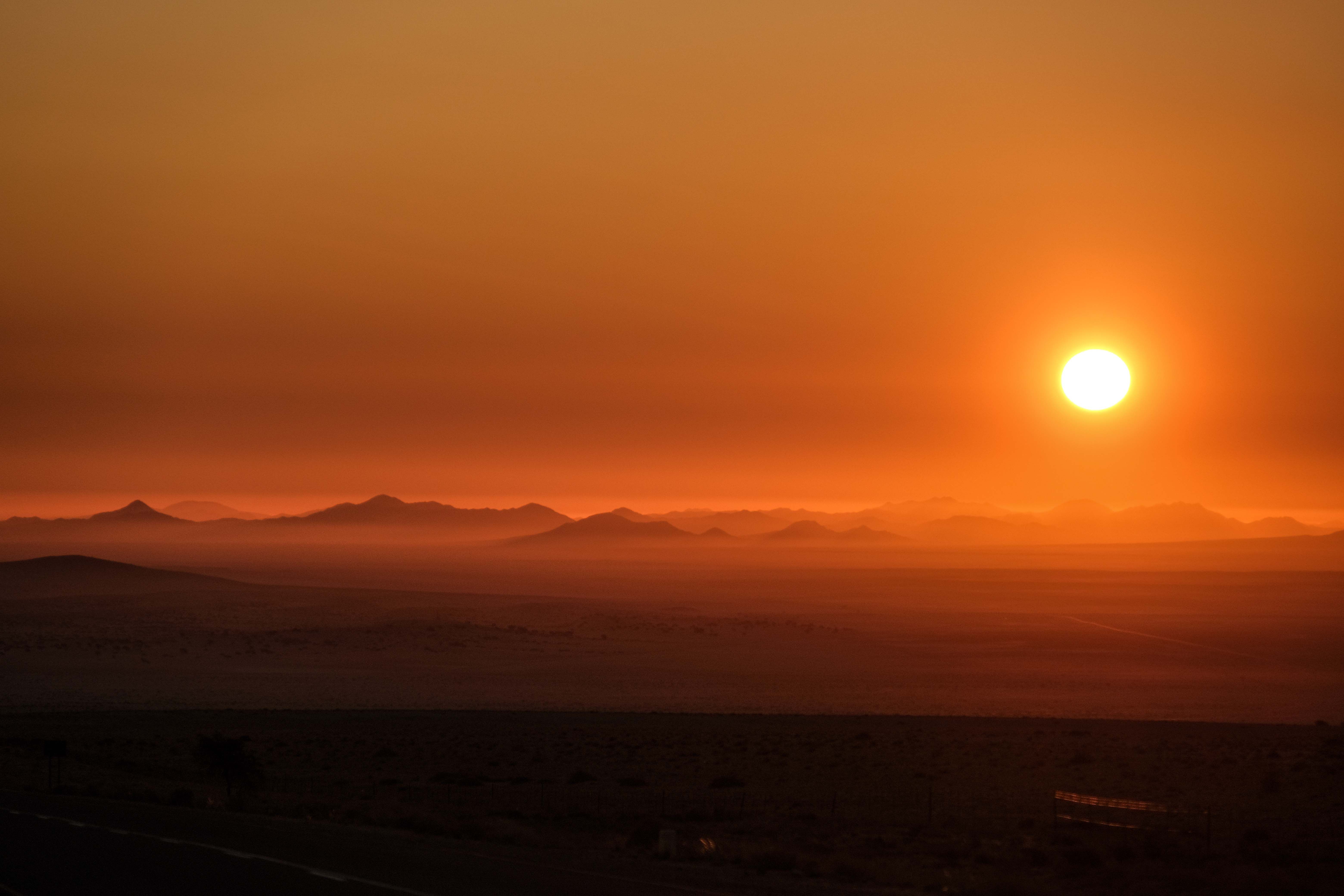
Namibia has one of the darkest night skies in the world. There's barely any cloud cover, barely any moisture, and hardly any artificial light for hundreds of kilometres. Part of the Namib is officially recognised as a dark sky reserve, one of the few in Africa.
The result is hard to describe to anyone who hasn't seen it. The Milky Way casts a shadow. You can spot satellites with the naked eye. Several camps keep their own telescope, along with someone who knows how to use it.
For some travellers this is a pleasant bonus. For others it's the whole reason to go. If you belong to the second group, that changes the entire shape of your trip. We then plan around the moon phase, not just the season.
Nature & wildlife
Life where it really shouldn't be possible.
Namibian wildlife isn't East Africa's wildlife. There are fewer animals, they're harder to find, and that's exactly what makes every sighting count.
What makes this country remarkable is adaptation. Elephants that walk tens of kilometres between two water sources. Rhinos you track on foot with a tracker. A beetle that climbs to a dune crest to drink fog off its own back.
Namibia rewards the traveller who wants to understand over the traveller who wants to tick boxes.
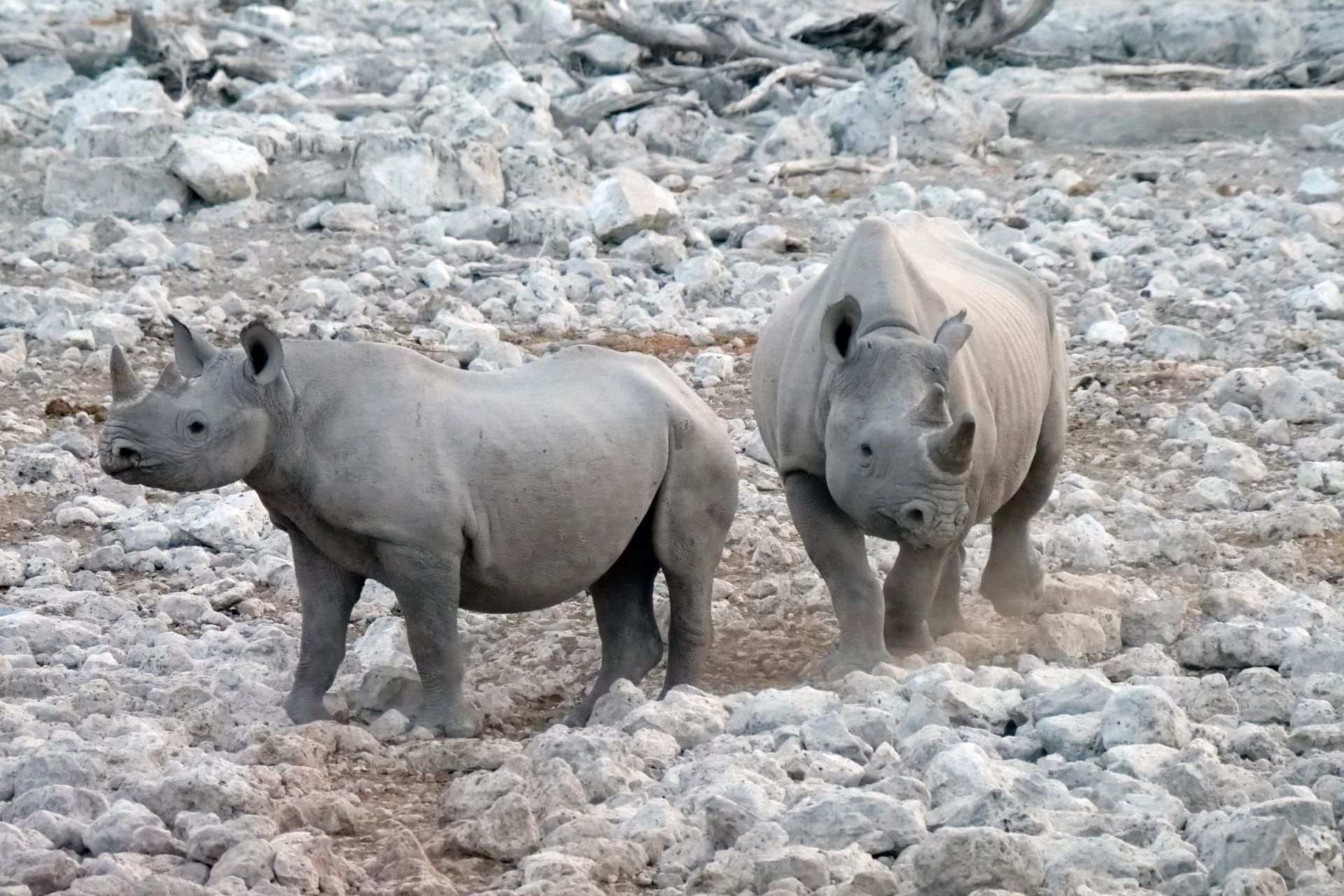
Rhino tracking on foot
In a handful of conservancies you follow black rhino on foot, with community trackers who have known these animals for years. Your visit funds their protection directly.
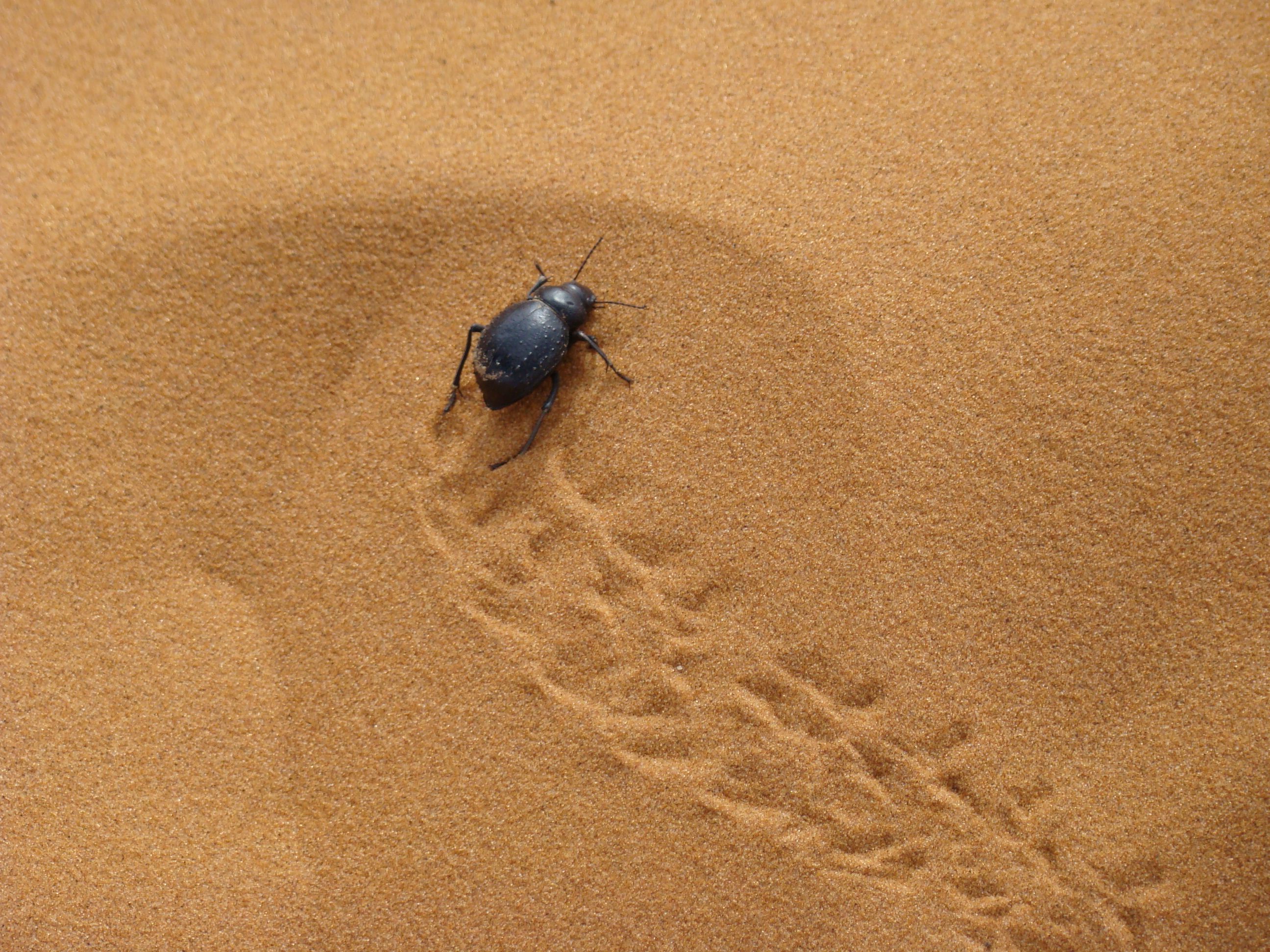
The desert up close
A morning with a guide who knows the small things, lizards, beetles, plants that survive decades without rain, changes how you look at the whole landscape.
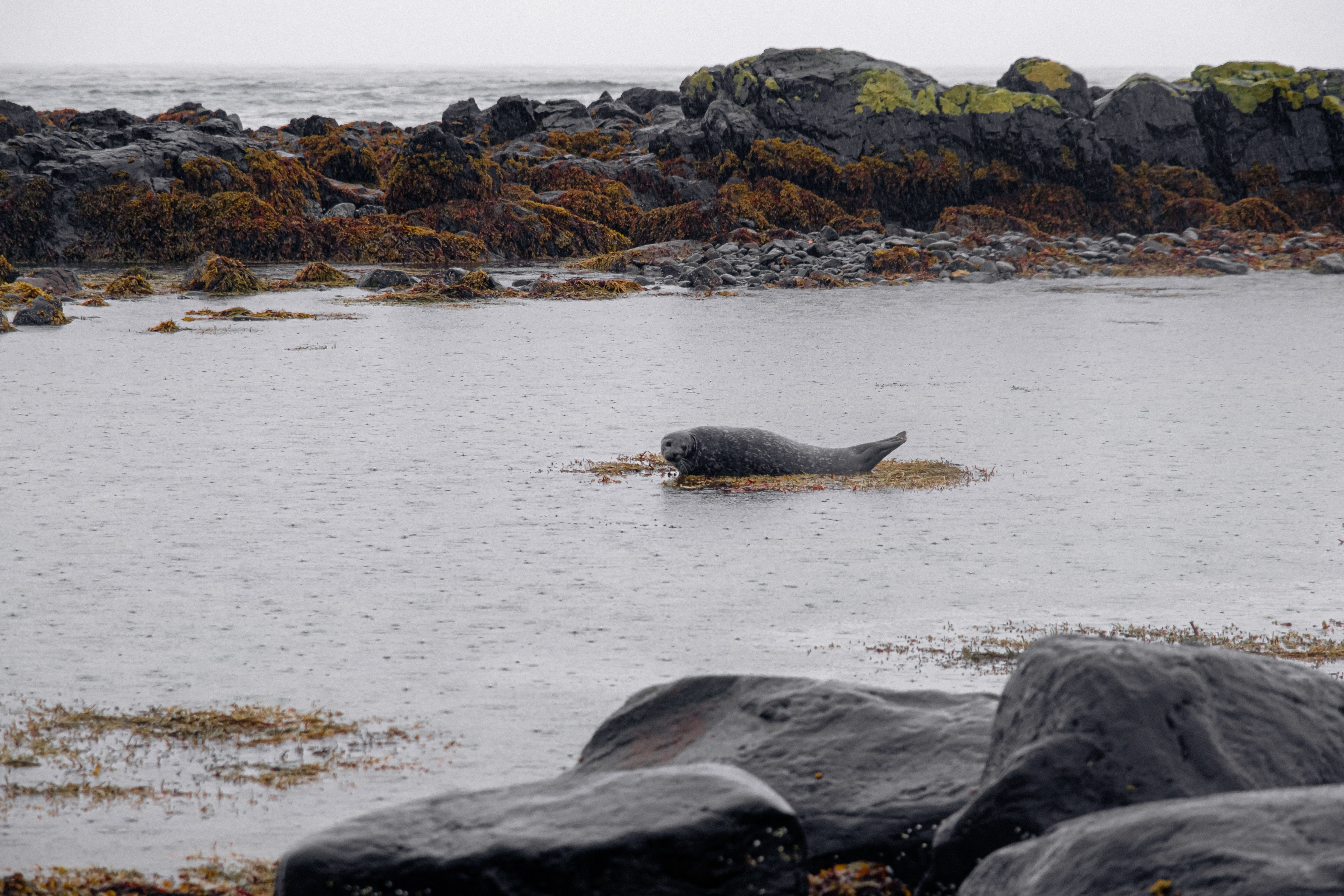
The cold ocean
Off the coast, the Benguela Current creates one of the richest seas in the world: dolphins, seals by the thousand, and pelicans that land on the boat.
People & history
A young country with a heavy history.
Namibia only became independent in 1990. Before that it was, in turn, a German colony and a territory under South African rule, apartheid included. During the German period, the genocide of the Herero and Nama people took place, a history that still shapes the country today and one that is discussed openly within Namibia itself.
That past is visible: in the architecture of Swakopmund and Lüderitz, in the languages, in the bakeries. And it's tangible in conversation, if you ask and take the time to listen.
At the same time, Namibia stands out internationally for something quite different: it was the first African country to write conservation into its constitution, and the community conservancy model that grew from it is studied around the world. Travelling here means directly helping fund that model.
Possibilities, not an itinerary
What could Namibia be for you?
Not fixed stops on a set route, but directions, to help you notice what draws you in and what you'd rather leave out.
The road as destination
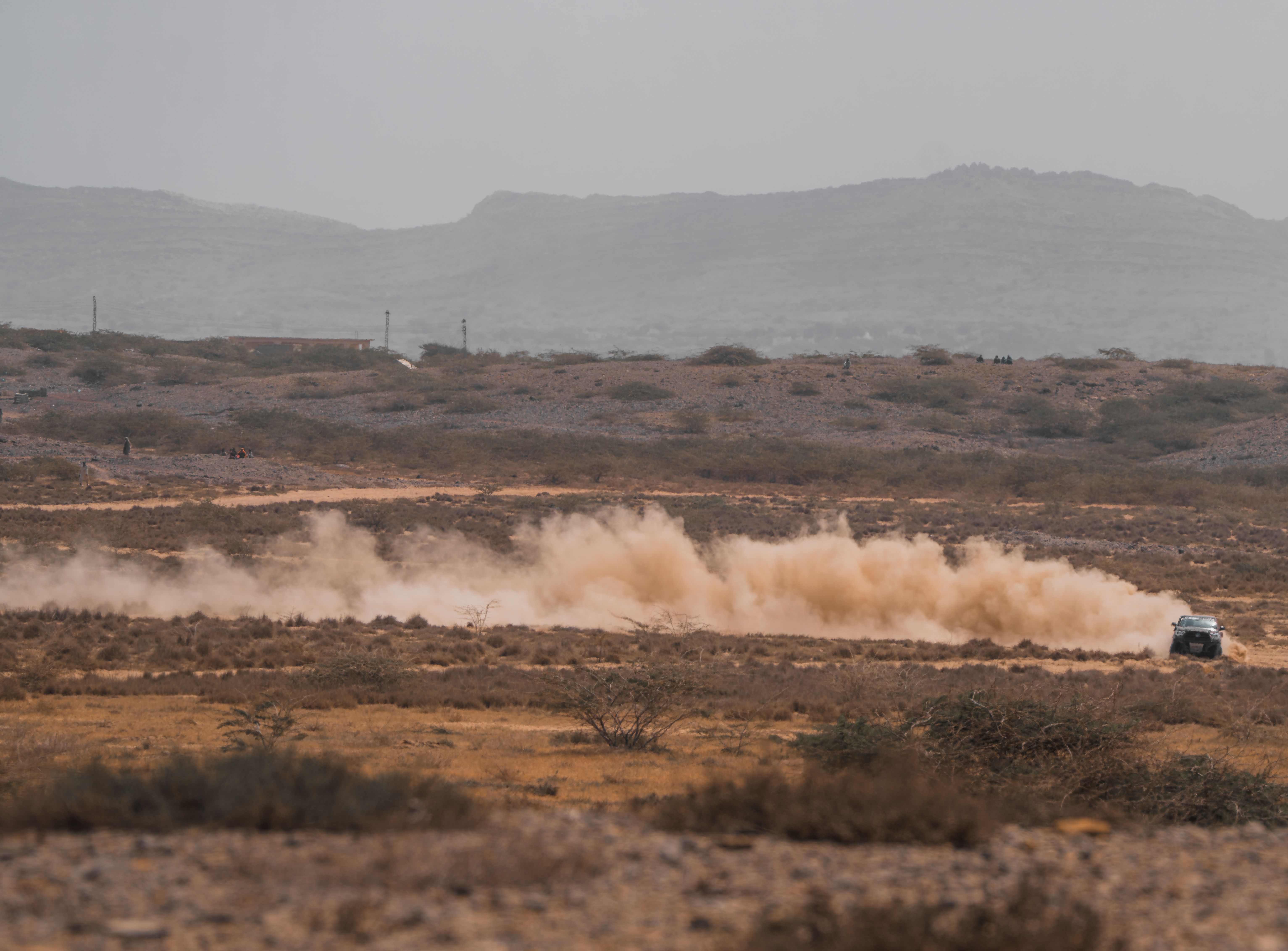
Self-driving on gravel roads, with the day shaped around the landscape rather than arrival times. Freedom, provided you like driving and improvising.
Flying camp to camp
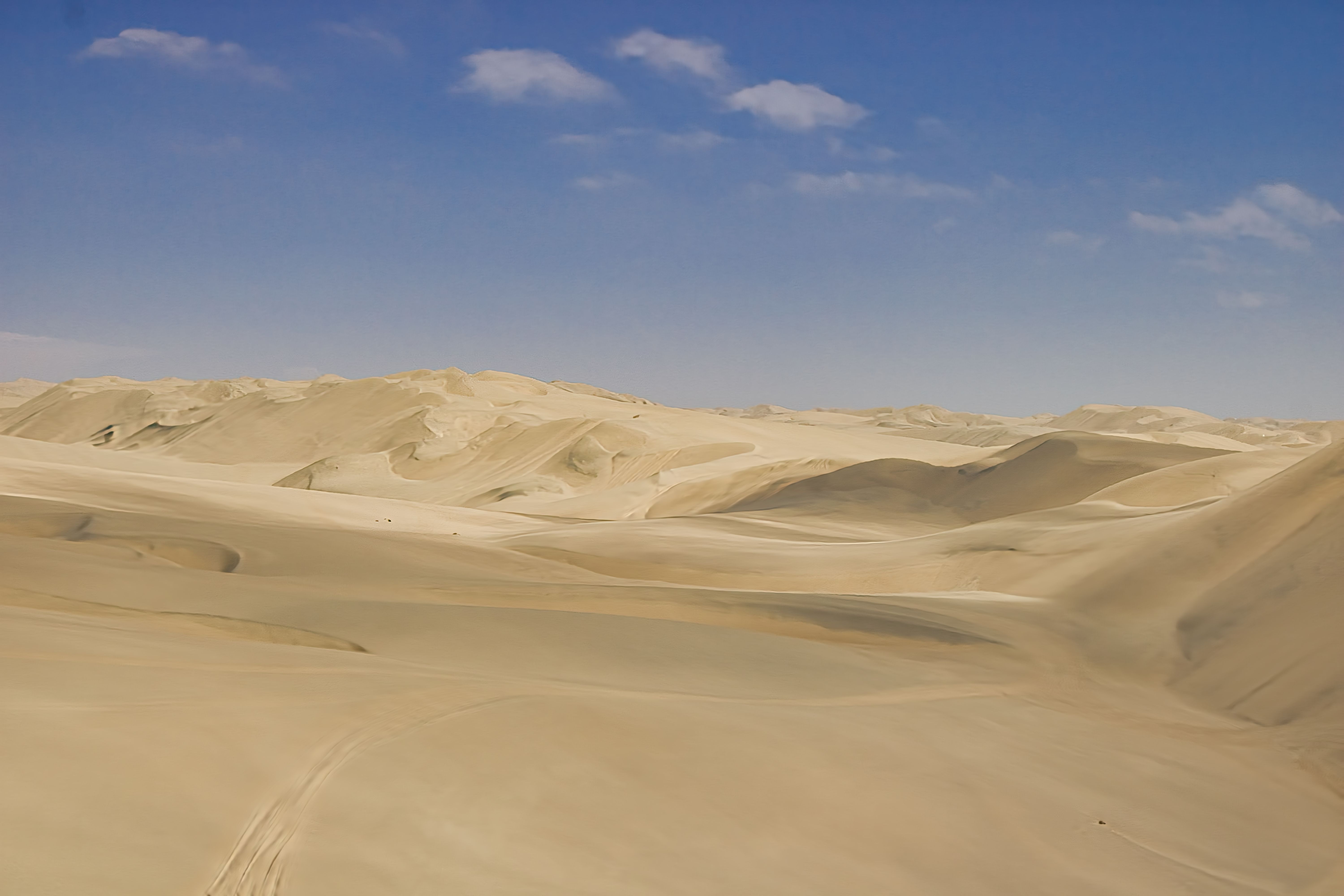
Small aircraft between remote camps. More expensive, but you see the dunes and the coast from above, and you gain days you'd otherwise spend in the car.
On foot in the desert
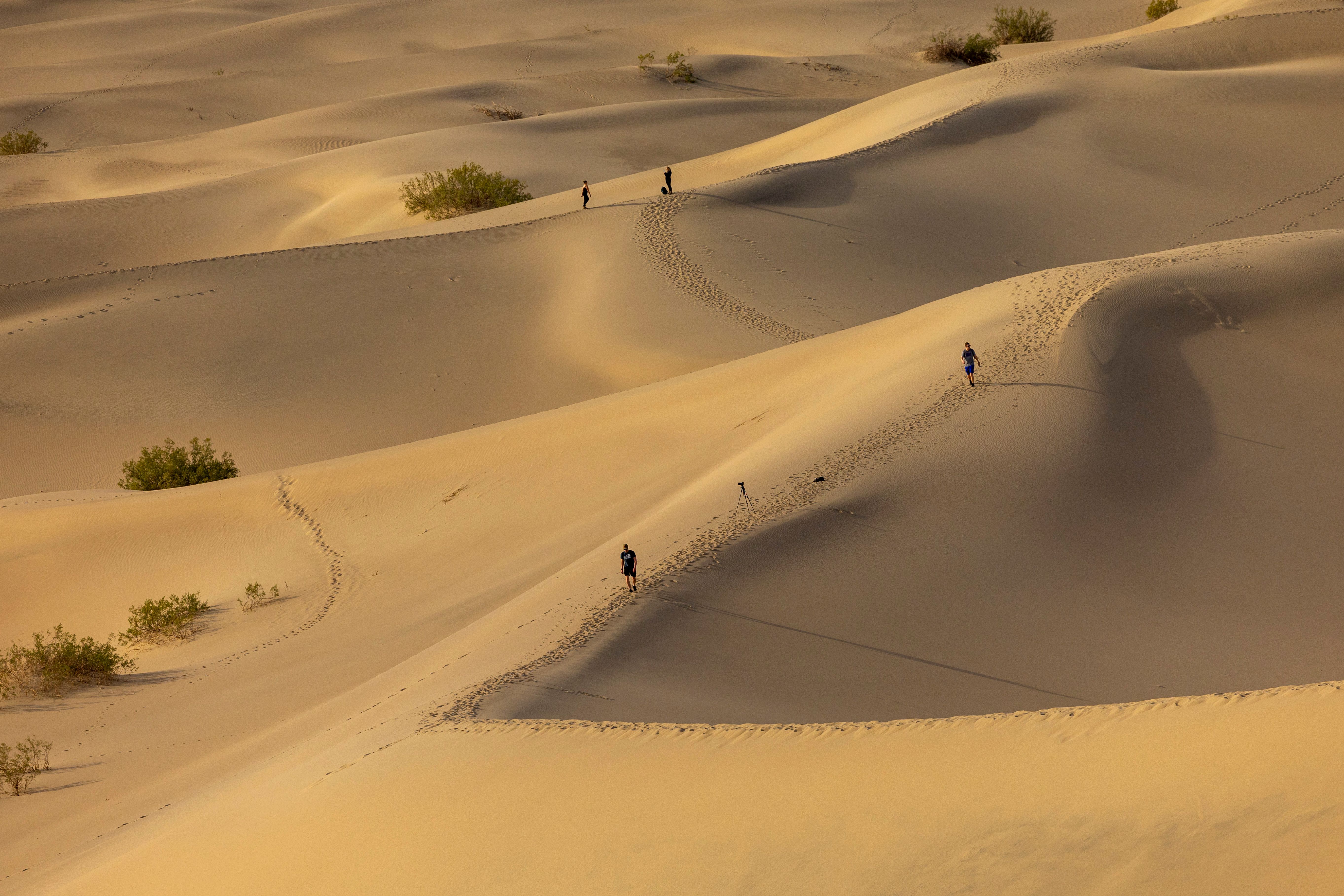
Multi-day walks where you cross private land with a guide and light kit. Slow, quiet, and an entirely different relationship with the landscape.
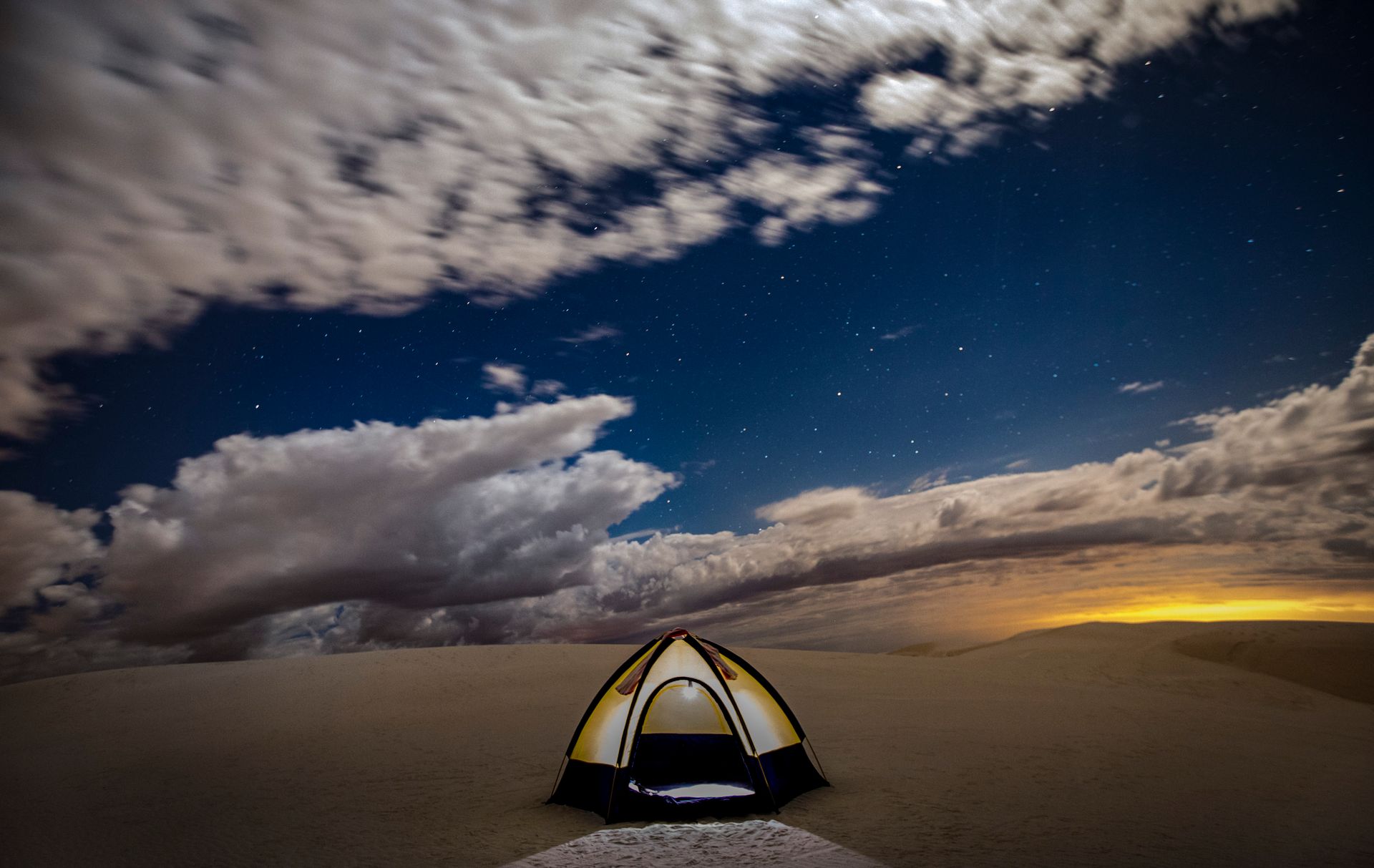
Sleeping under open sky
Several camps have a bed you can wheel outside, or a roof deck to sleep on. For many people, that becomes the night they remember longest.
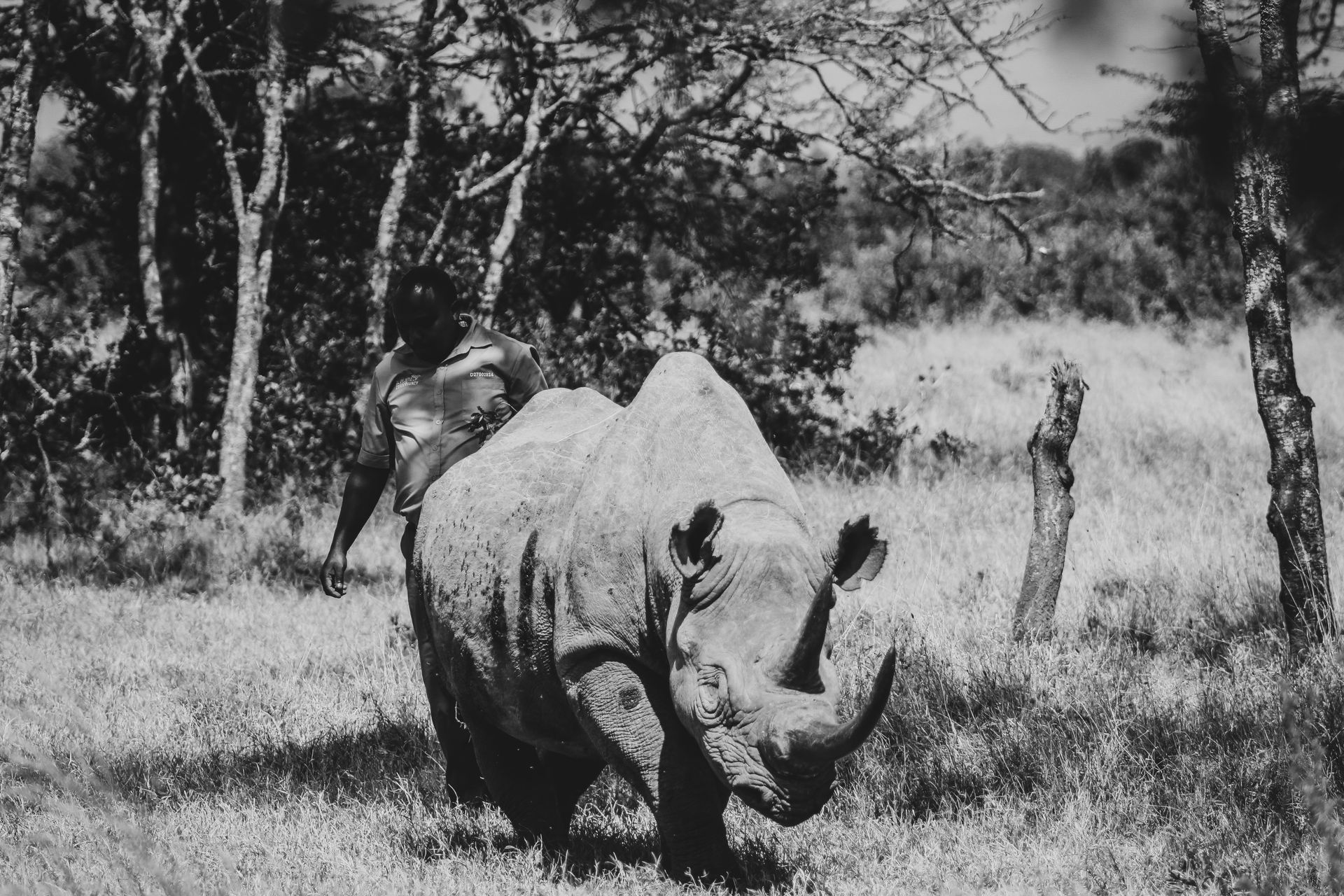
Staying with a conservancy
Staying in camps owned by the community, and joining the people who manage the land. Hands-on, informative, and the money stays local.
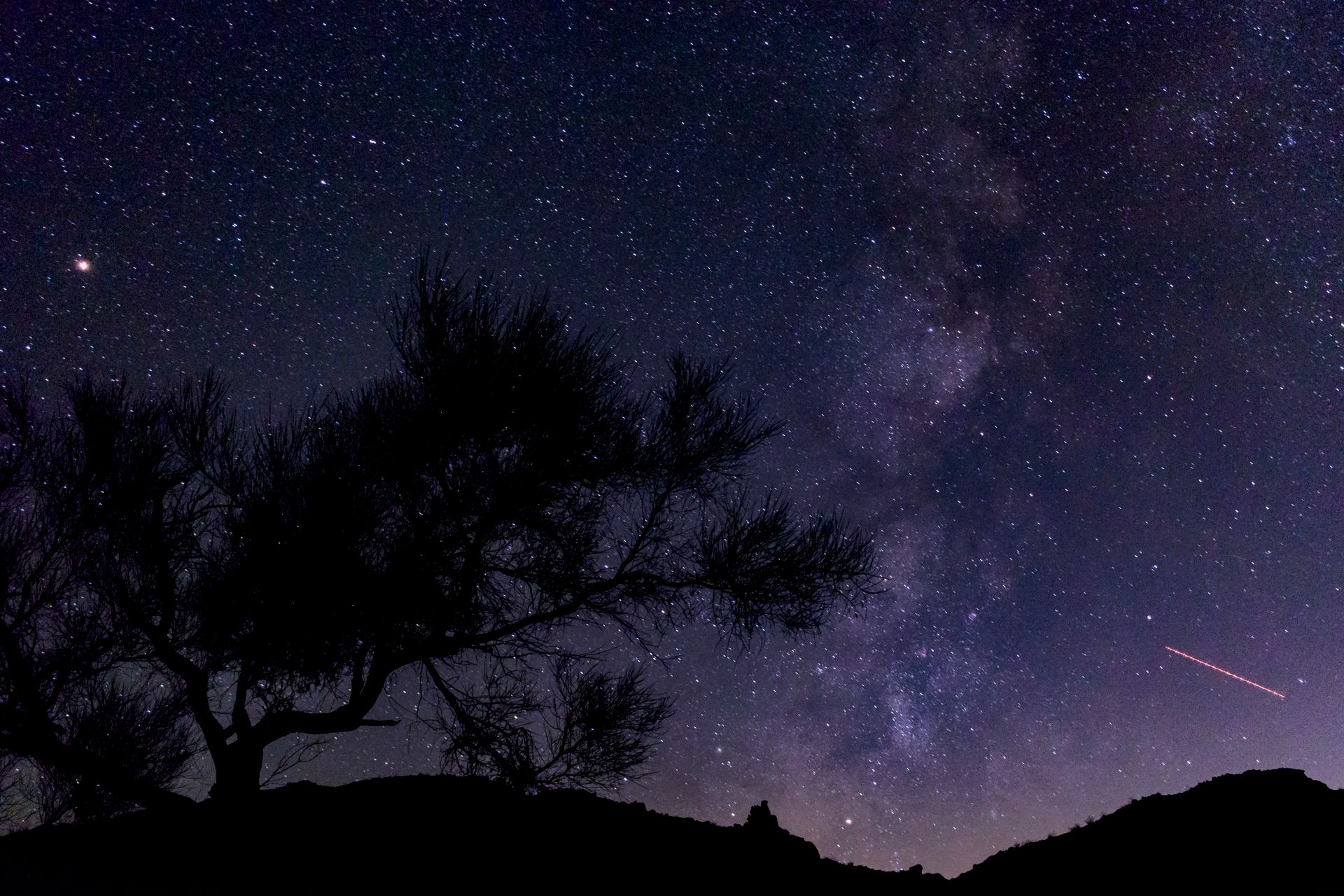
The sky as the itinerary
A trip built around the new moon, with camps that have a telescope and someone who knows how to use it. For anyone who sees the night sky not as an extra but as the reason to go.
These are possibilities.
Not your journey.
When would you travel?
Dry is the rule, rain the exception.
From May to October it's dry and cool, pleasant by day and downright cold at night in the desert. This is also the strongest wildlife season: water is scarce, so animals gather at the waterholes.
From November to April the rain falls, insofar as it falls at all: across much of the country that adds up to a few dozen millimetres a year. The landscape turns unexpectedly green, herds spread out, there are plenty of young animals, and there's hardly anyone around. Daytime temperatures can, however, climb well above forty degrees.
The coast follows its own logic. It stays cool and misty there all year round, even when the interior is baking. A jumper belongs in every suitcase, in every month.
Jan
Feb
Mar
Apr
May
Jun
Jul
Aug
Sep
Oct
Nov
Dec
Dry, clear skies, wildlife at the waterholes
Transition, green and empty
Chance of rain and heat
Looking past the highlights
Where we see it differently.
Fewer places, longer nights. The classic mistake is a loop through every well-known spot in ten days. You end up mostly in the car. Three or four places with real time built in almost always makes for a stronger trip.
Private land alongside the parks. Around the well-known dunes and across Damaraland lie private and community reserves where walking, night drives and off-road driving are actually allowed, and where far fewer visitors go.
The hour at the dunes. Sleep inside the park and you can go through the gate before sunrise. That one advantage decides whether you see the dunes alone or alongside two hundred other people.
The Zambezi exists. The narrow strip in the northeast is green, full of water and utterly unlike the rest of the country. Few visitors combine it into their trip; those who do effectively get a second country thrown in.
Driving is a skill. Gravel roads demand a slower speed than people expect, and most incidents are single-vehicle. We discuss this seriously beforehand instead of burying it in the small print.
Worth knowing
Practical, without the noise.
We go through the full, up-to-date picture with you in person, including whatever matters specifically for your trip.
- Getting there
- Flights via a European or African hub to Windhoek. Domestically, small aircraft are widely used.
- Documents
- For Belgian travellers, a passport valid well beyond the return date applies. We confirm the current requirements when you enquire.
- Health
- Most of the country is malaria-free; that is not the case in the north and northeast, especially during the rainy season. Check with a travel clinic.
- Self-driving
- A 4x4 is necessary for most routes. Expect lower average speeds than the map suggests, and limited phone signal.
- Travelling with children
- Perfectly possible, but the distances are long. Flying between camps or choosing fewer stops makes the difference.
- Temperature
- A big difference between day and night, and between coast and interior. Layers here aren't a suggestion, they're a necessity.
- Paying
- Card payment works in towns and lodges. In remote spots and at community projects, cash is needed.
- Water
- Always carry more water on the road than you think you'll need. That sounds obvious, and it's still the thing most often underestimated.
Or perhaps this
Other destinations
Still weighing it up? That is no problem at all. The right country often only becomes clear once the conversation starts.
Southern Africa
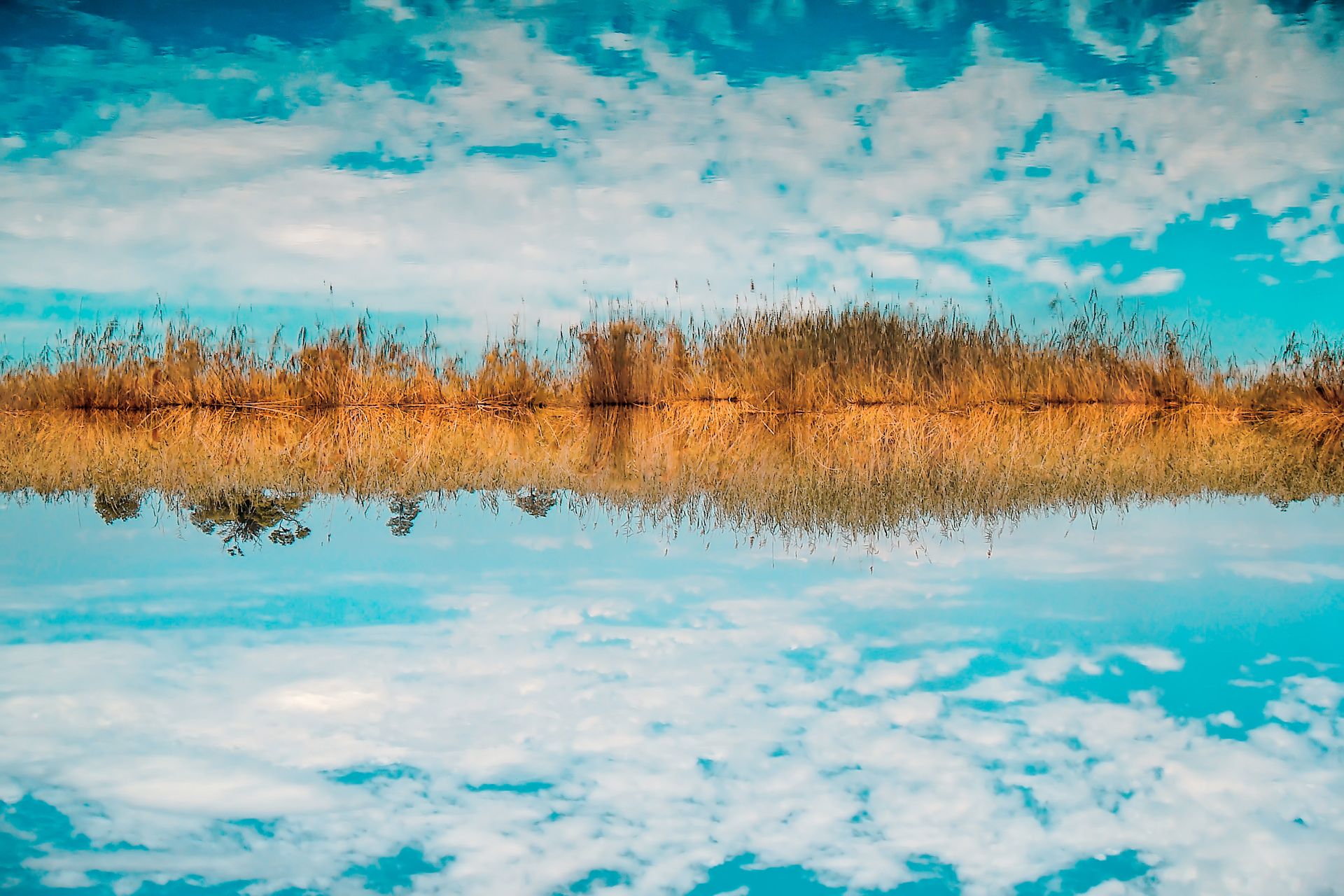
Botswana
A delta that changes with every season, in a country that deliberately keeps visitor numbers low across a vast expanse.
Southern Africa
South Africa
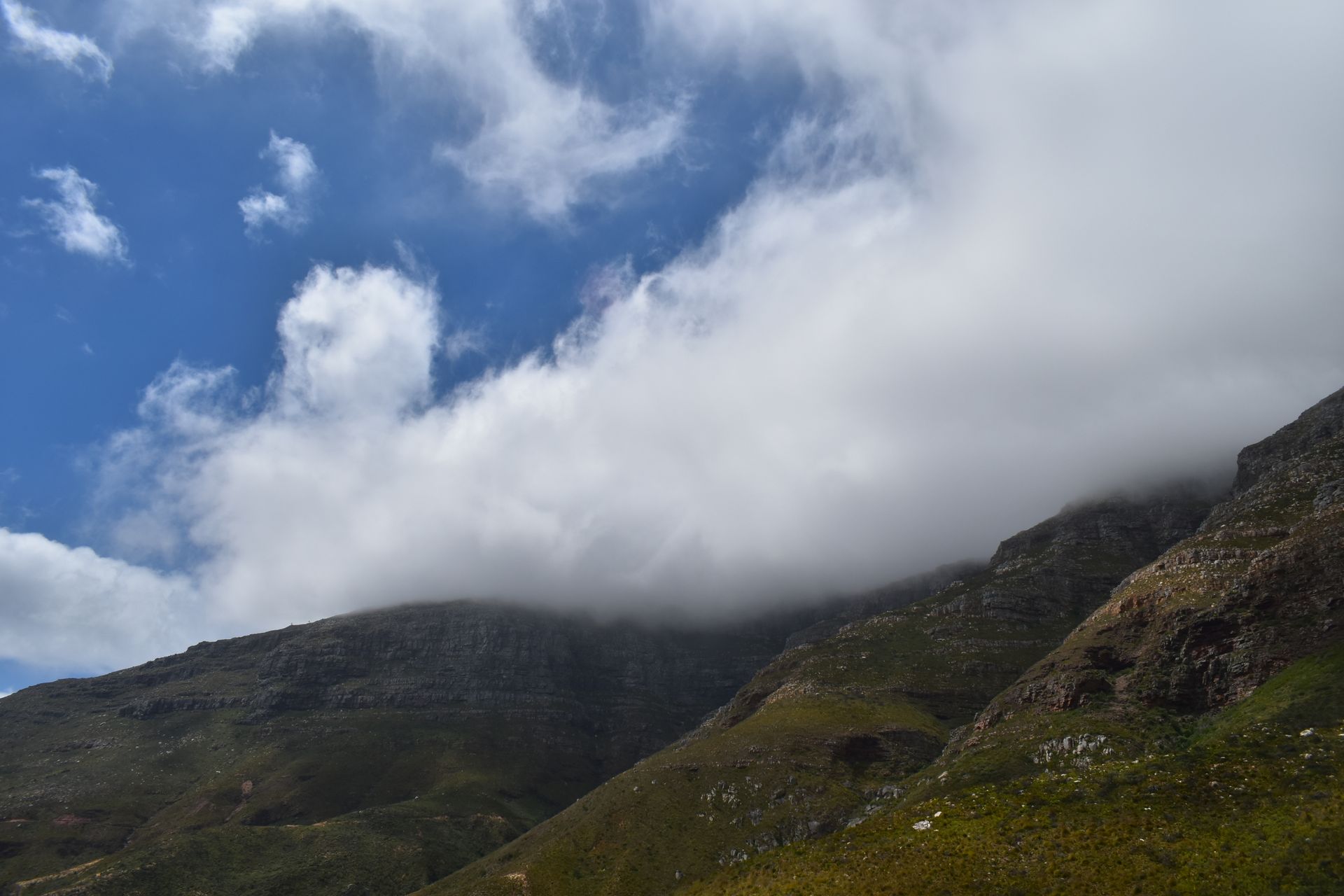
A country with so many faces that two travellers rarely tell the same story about it.
Central Africa, Great Lakes region
Rwanda
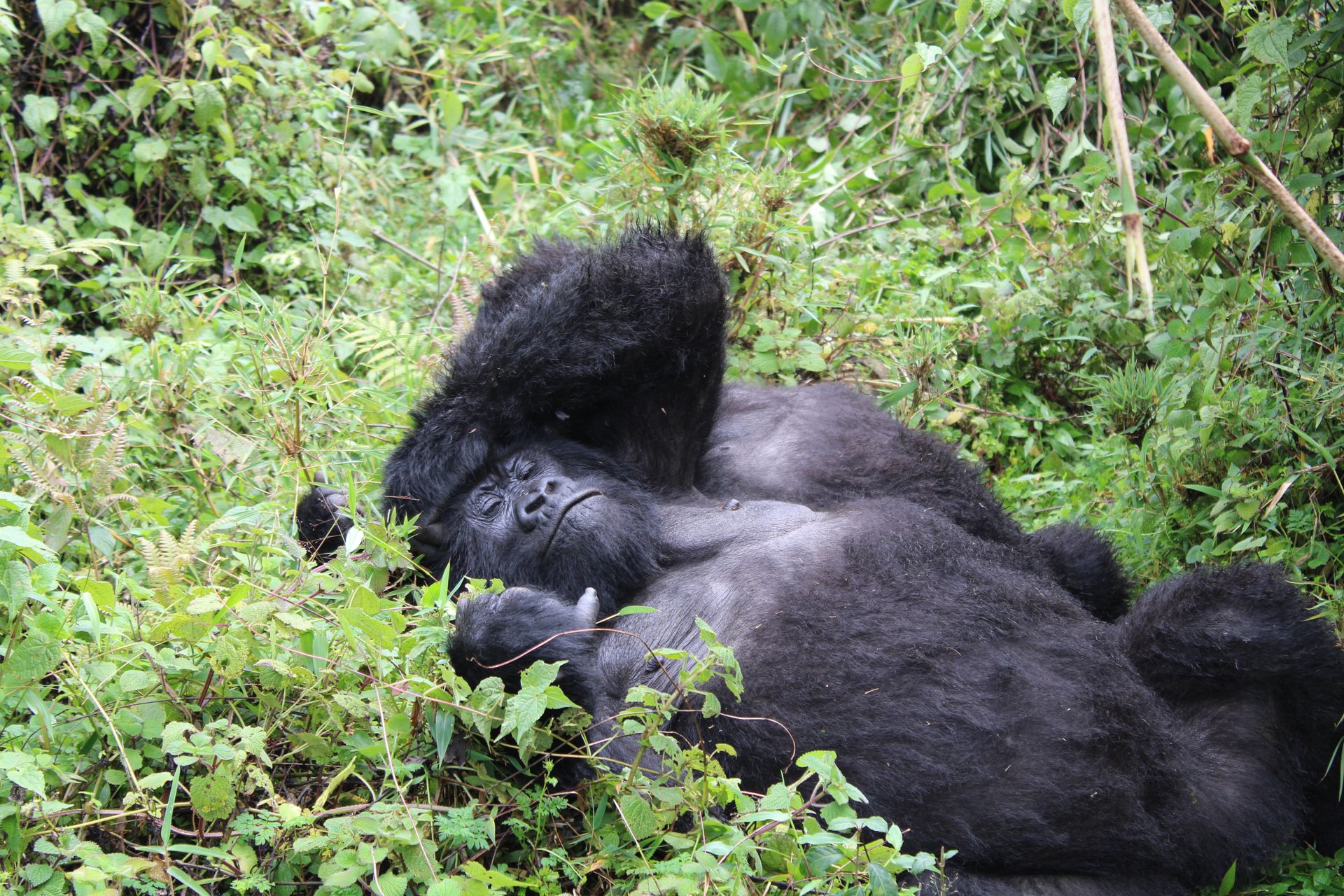
A country that doesn't hide its history, and has grown into one of the cleanest and greenest on the continent.
How it works
This is how your journey to Namibia takes shape.
Six steps, from your first story to your homecoming. The conversation and the feasibility check cost you nothing.
-
01
Tell us your story
Fill in the form or give us a call. You do not need a route yet: a country, a period or just an idea is enough.
-
02
The conversation and the check
We talk through what you are looking for, by phone or by video, and check whether it can be done. If it can, we set down together what we will make for you.
-
03
We design your journey
We build your programme up, day by day, together with our own people in the country itself.
-
04
Your proposal
You read your journey day by day, with everything that is included. You say what you would like differently, until it is right.
-
05
Ready to depart
You send us your details, we send you your travel documents. You have one fixed contact who knows your journey.
-
06
Travelling, and after
Your contact stays reachable while you are away. Once you are home, we call one more time.
The next step
How would you like to experience Namibia?
Tell us what draws you to Namibia, who you want to travel with and how much distance you're willing to cover. We get to know you as a traveller first and build from there, together with a local partner who knows this country from the inside.