East Asia
Japan
A world where centuries-old tradition and radical modernity coexist without friction.
This is Japan
Not a country to tour. A country to learn to read.
Japan is often summed up as a contradiction: centuries-old temples beside neon lights, calligraphy beside robotics. That's true, but it's a superficial way of looking at things. What you actually find here isn't a clash but an exceptional ability to let things exist side by side without one crowding out the other.
A sixty-five-year-old chef has been making the same dish for forty years and still finds it a little better each year. A train conductor bows on leaving the carriage. A garden isn't maintained but composed, season after season. That's not folklore for visitors. It's how the country works.
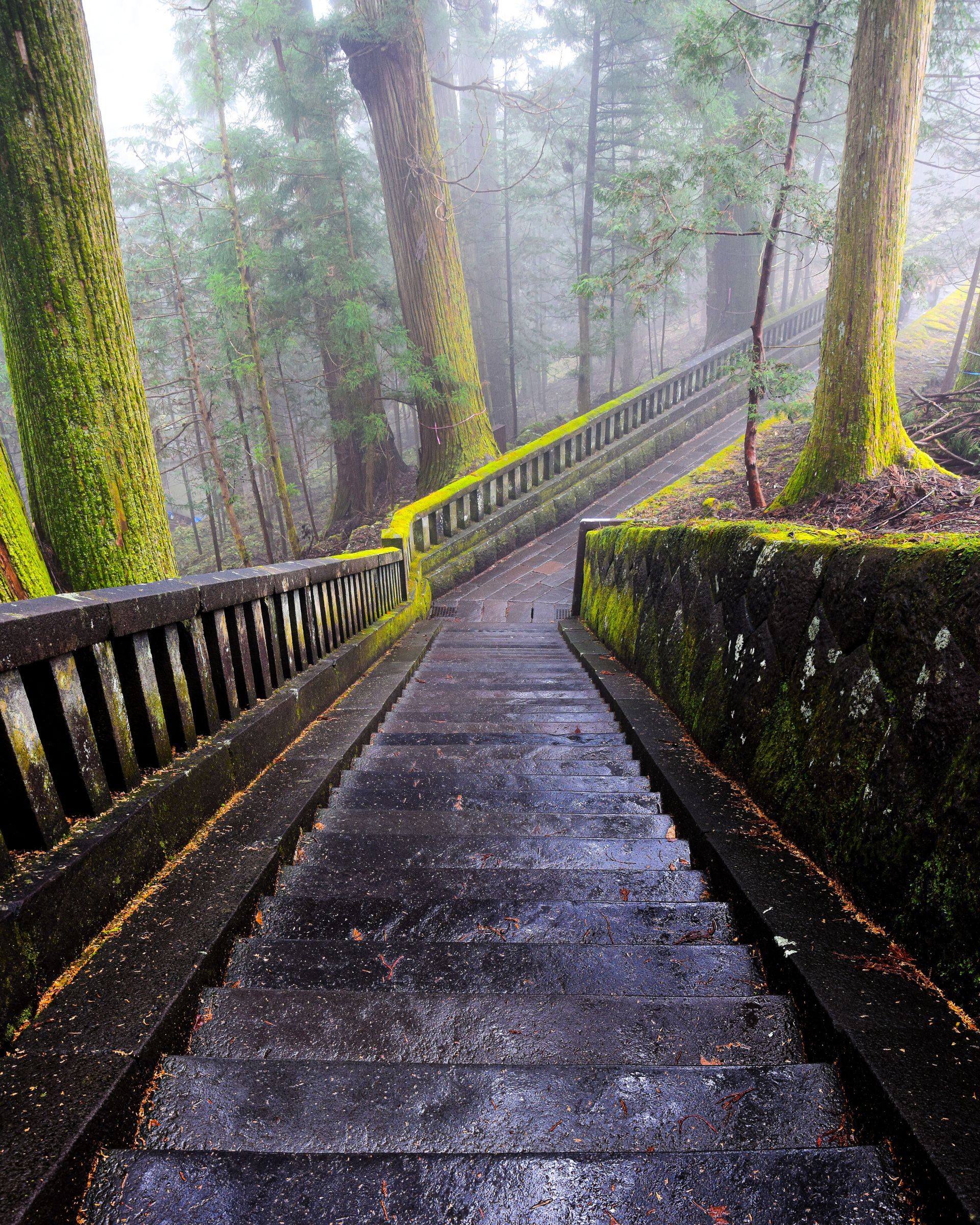
And Japan is bigger and emptier than most people expect. Well over two-thirds of it is mountainous and forested. Beyond the Tokyo-Kyoto-Osaka corridor lie valleys where snow sits for months, subtropical islands closer to Taiwan than to Tokyo, and villages whose population has been falling for thirty years.
Anyone who sticks to the familiar triangle has seen Japan the way you see Europe from an airport.
The rhythm of a journey
The season here isn't a detail. It's the subject.
In Japan, the season isn't a backdrop but the reason itself. The cuisine changes with it, dishes take on different names, gardens are viewed differently, festivals follow one another, and even the opening line of a letter refers to that week's weather.
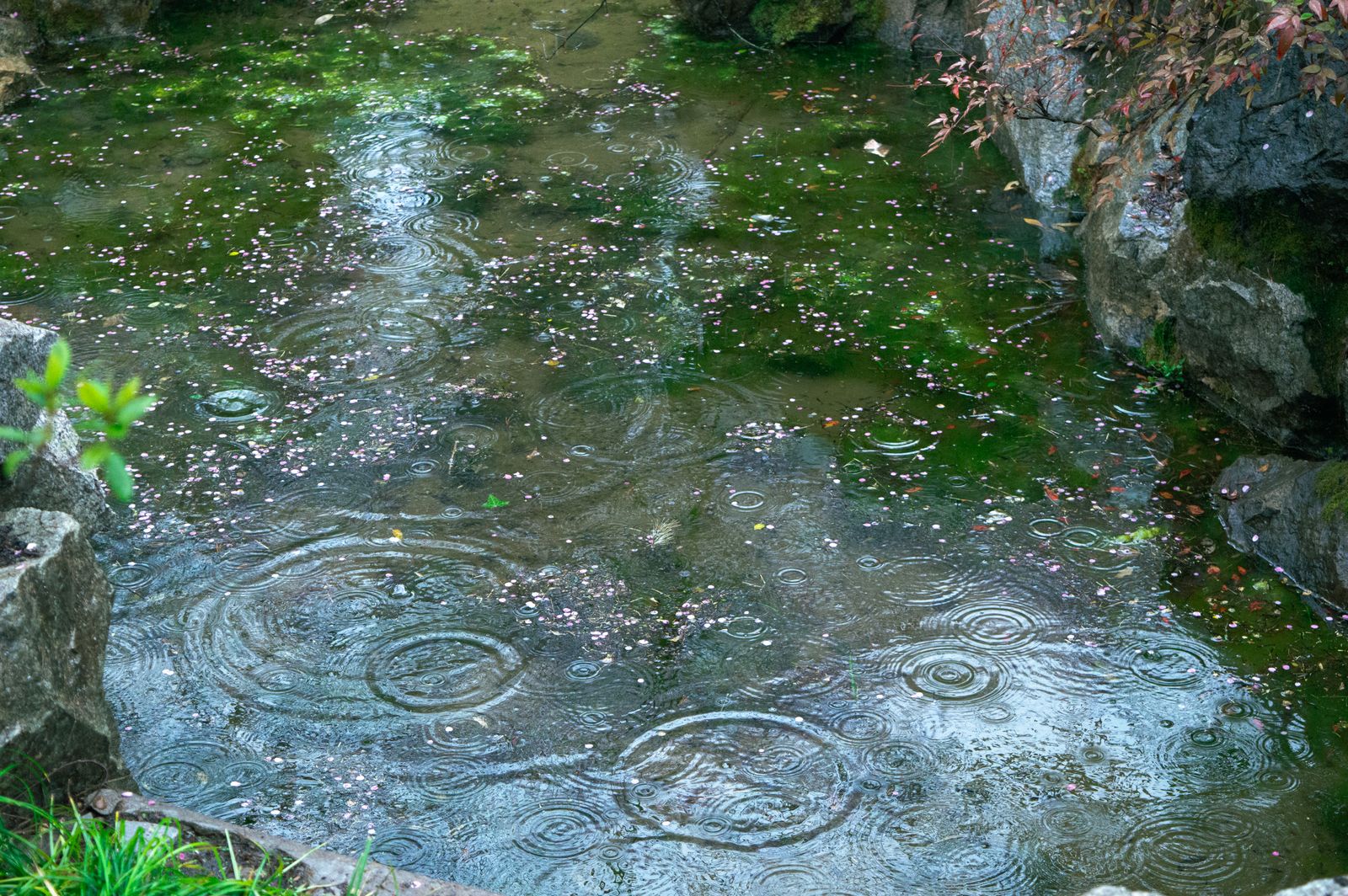
There is a word for watching blossom (hanami) and one for watching autumn leaves (momijigari). There is a rainy season that many avoid and others deliberately seek out, because moss, gardens and temples are at their finest then.
That has a practical consequence: the same trip in April and in November is not the same trip. When you go determines what you'll actually experience here more than with almost any other destination.
Japan's many faces
Eight countries in one.
The differences between the regions are bigger than travellers expect, in dialect, cuisine, climate and pace.
Kanto
Tokyo and around
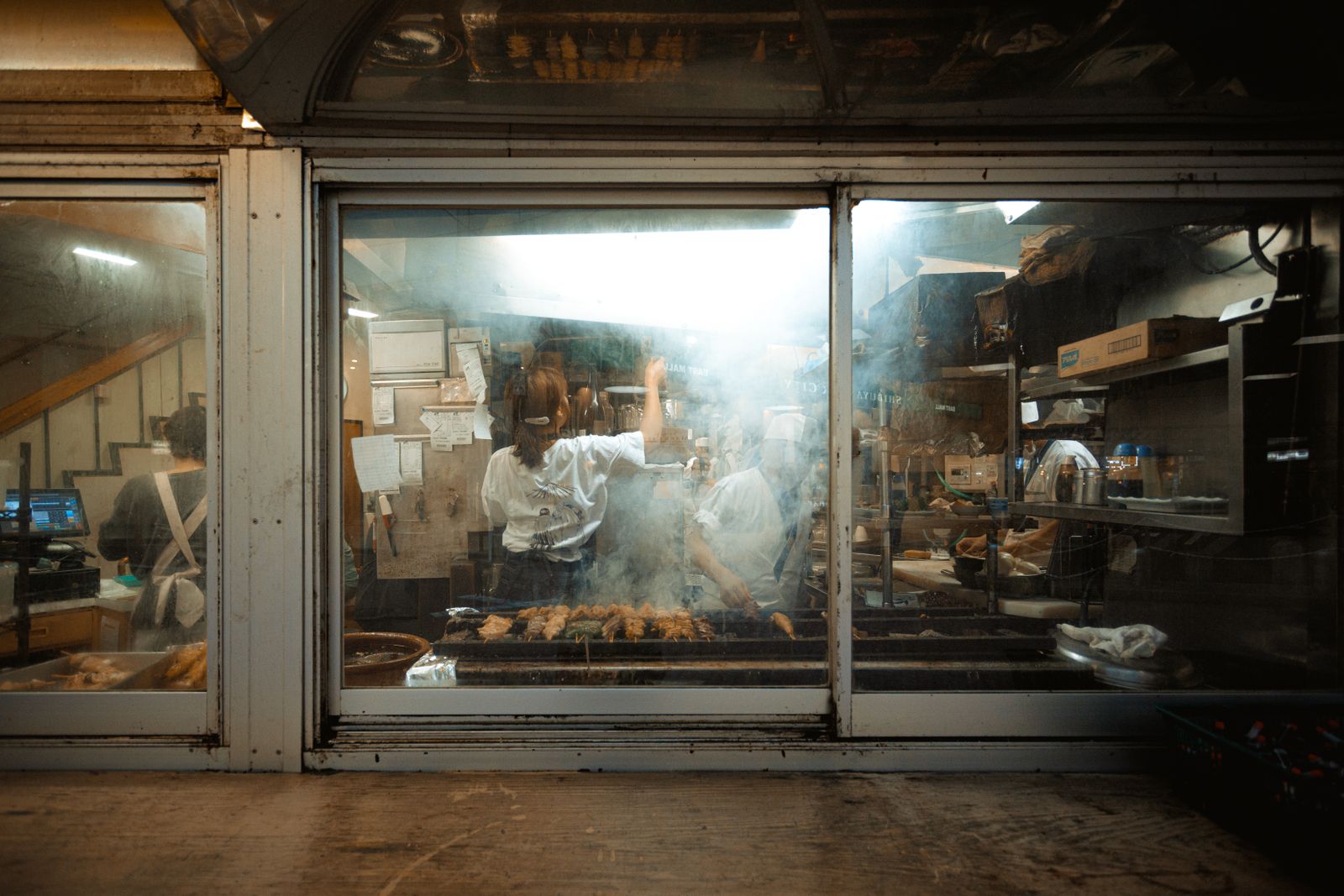
Not one city but a cluster of cities that have grown into each other, each with its own character. Yanaka feels like a village, Shimokitazawa like a record shop, Marunouchi like a financial district. Tokyo rewards those who linger somewhere rather than tick things off: a bar with eight stools, a bookshop devoted to a single subject, a neighbourhood bathhouse. Within an hour lie mountains, coast and the country's most-visited shrine.
Kansai
Kyoto, Nara and Osaka
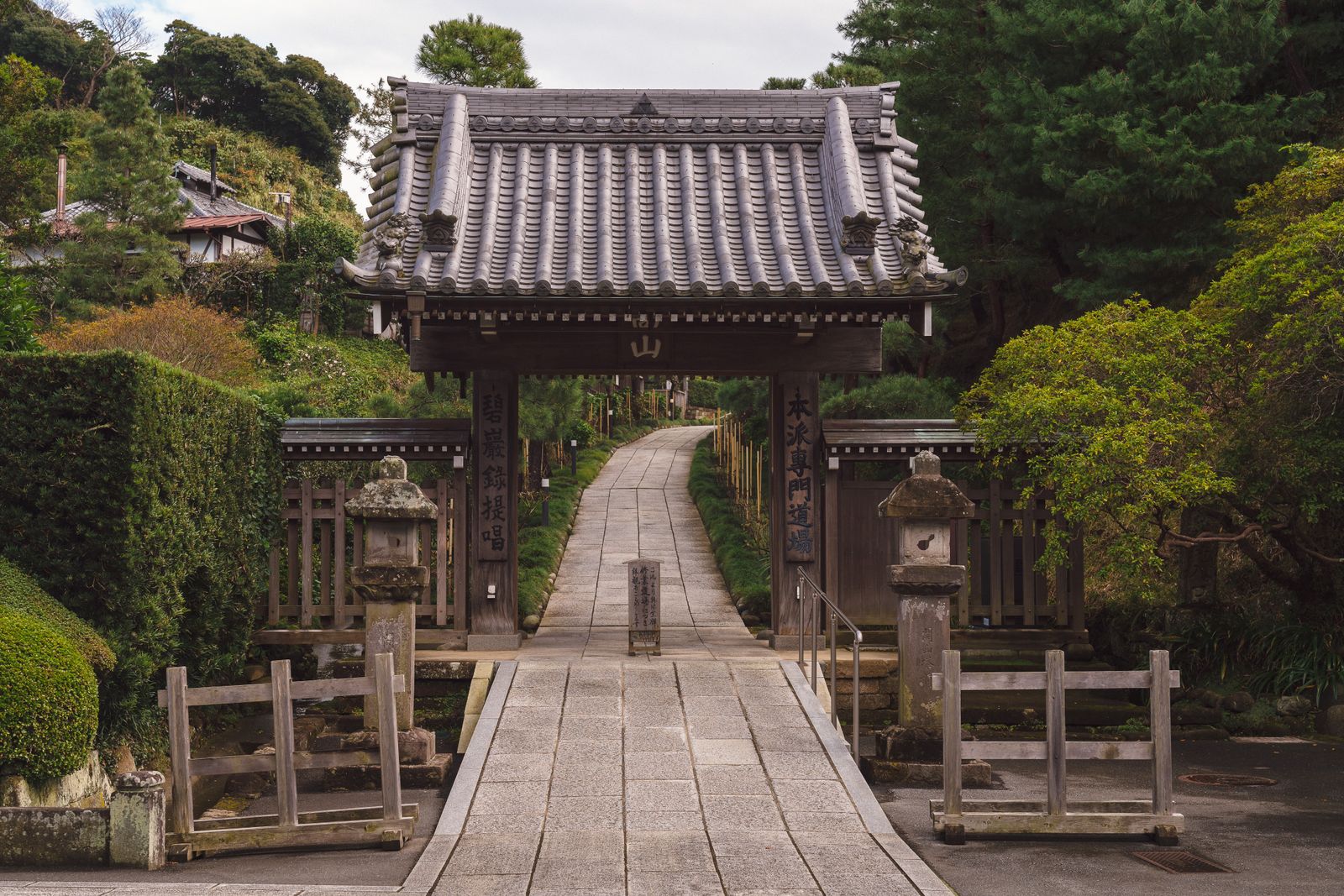
Kyoto is the cultural heart and, at the same time, Japan's busiest destination. Both are true. The difference lies in the hour and the district: the same temple at half past six in the morning is a different experience than at eleven. Osaka, forty minutes away, is louder, more direct, and probably the best eating city in the country. Nara has the oldest wooden buildings in the world.
Chubu
The Japanese Alps and the Sea of Japan
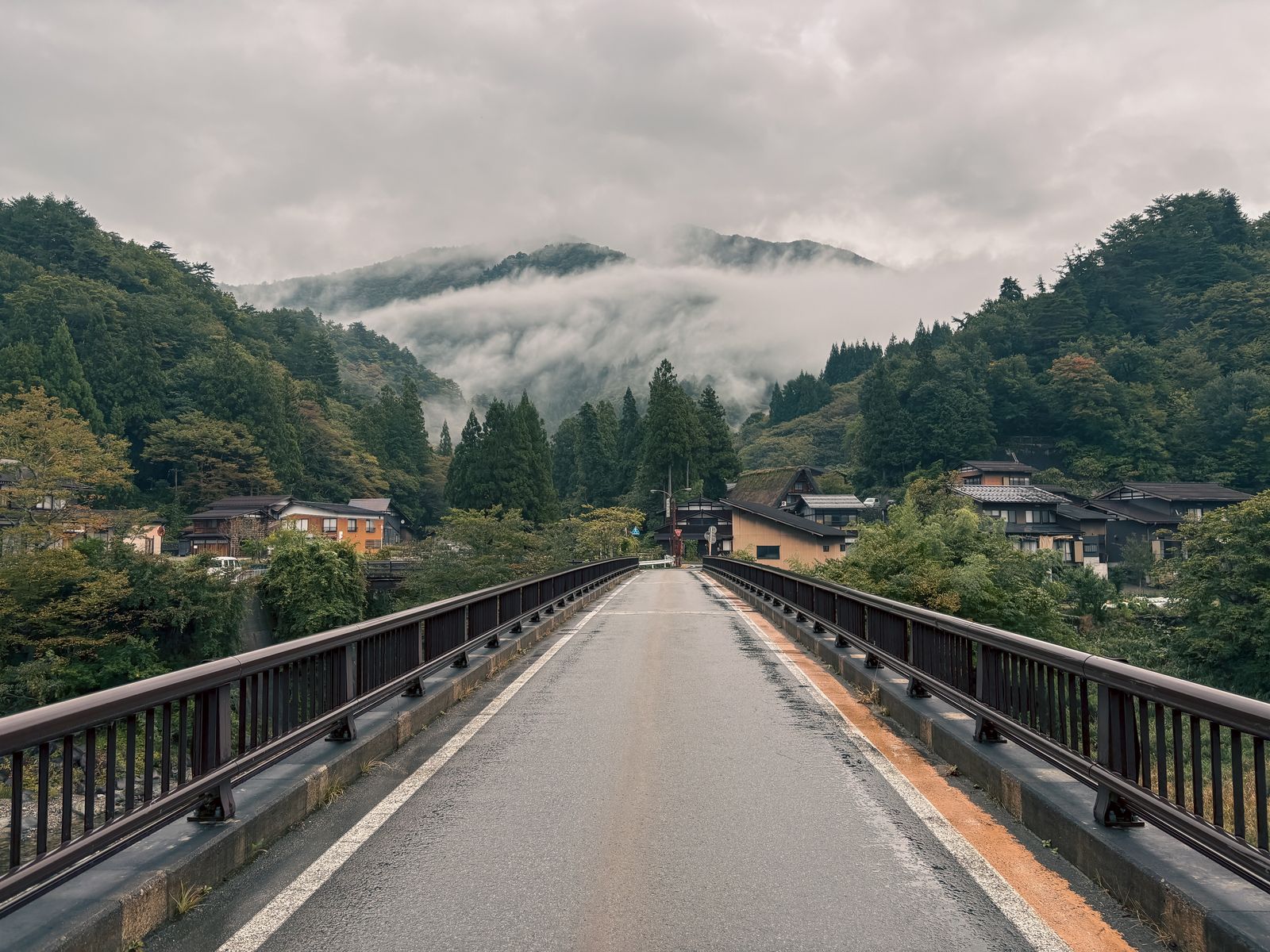
Mountain villages with steep thatched roofs, old post roads where you can still walk from inn to inn, and Kanazawa on the other coast, a city that came through the war unscathed and so kept its samurai and geisha districts. Winters on the Sea of Japan coast are among the snowiest in the world.
Tohoku
The north
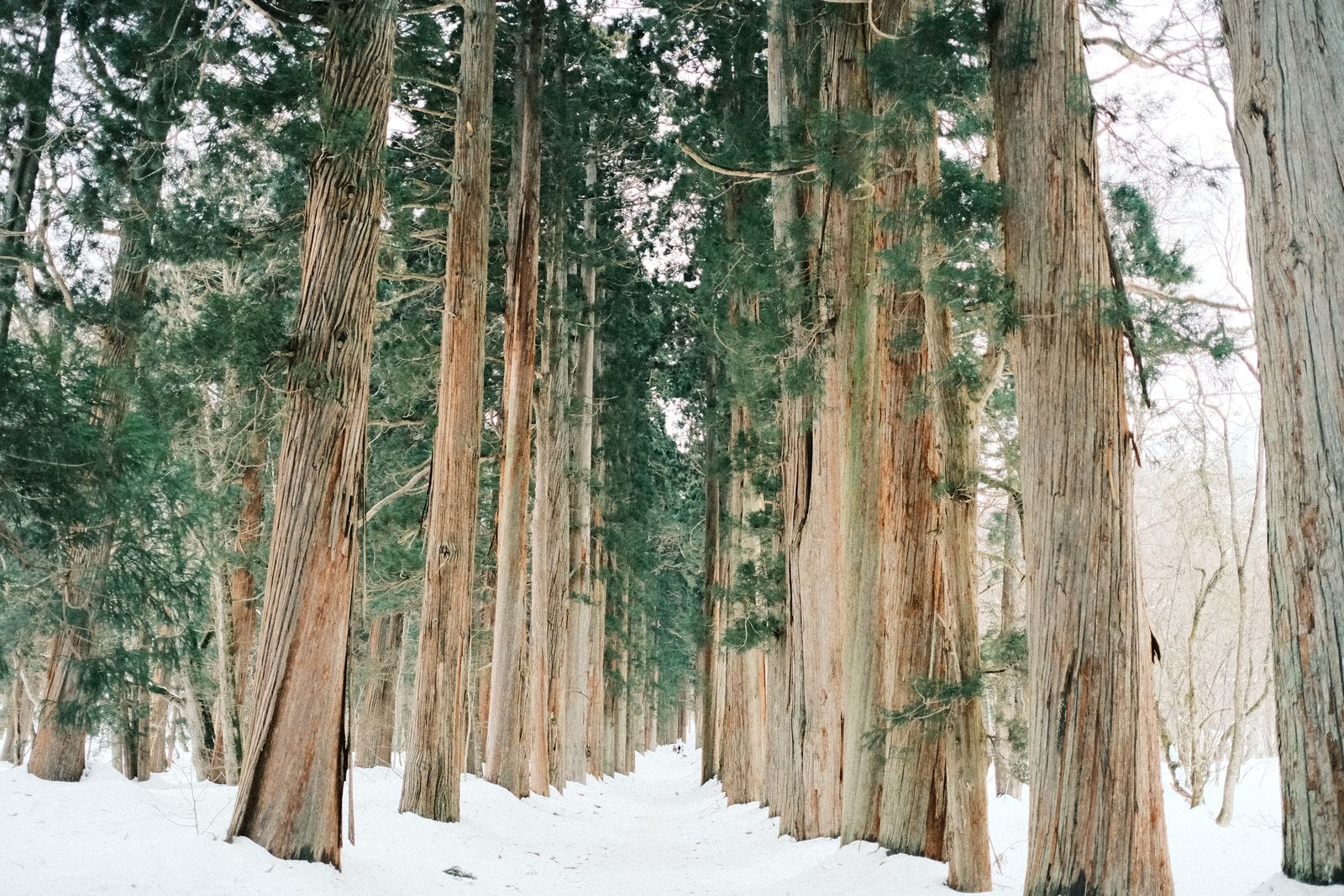
The least-visited region of the main island, and precisely for that reason remarkable. Mountain areas where ascetics still make pilgrimages, snow festivals in February, hot springs in the forests, a coastline that recovered after 2011. English is rarely heard here, and rarely a tour group in sight.
Setouchi
The Japanese Inland Sea
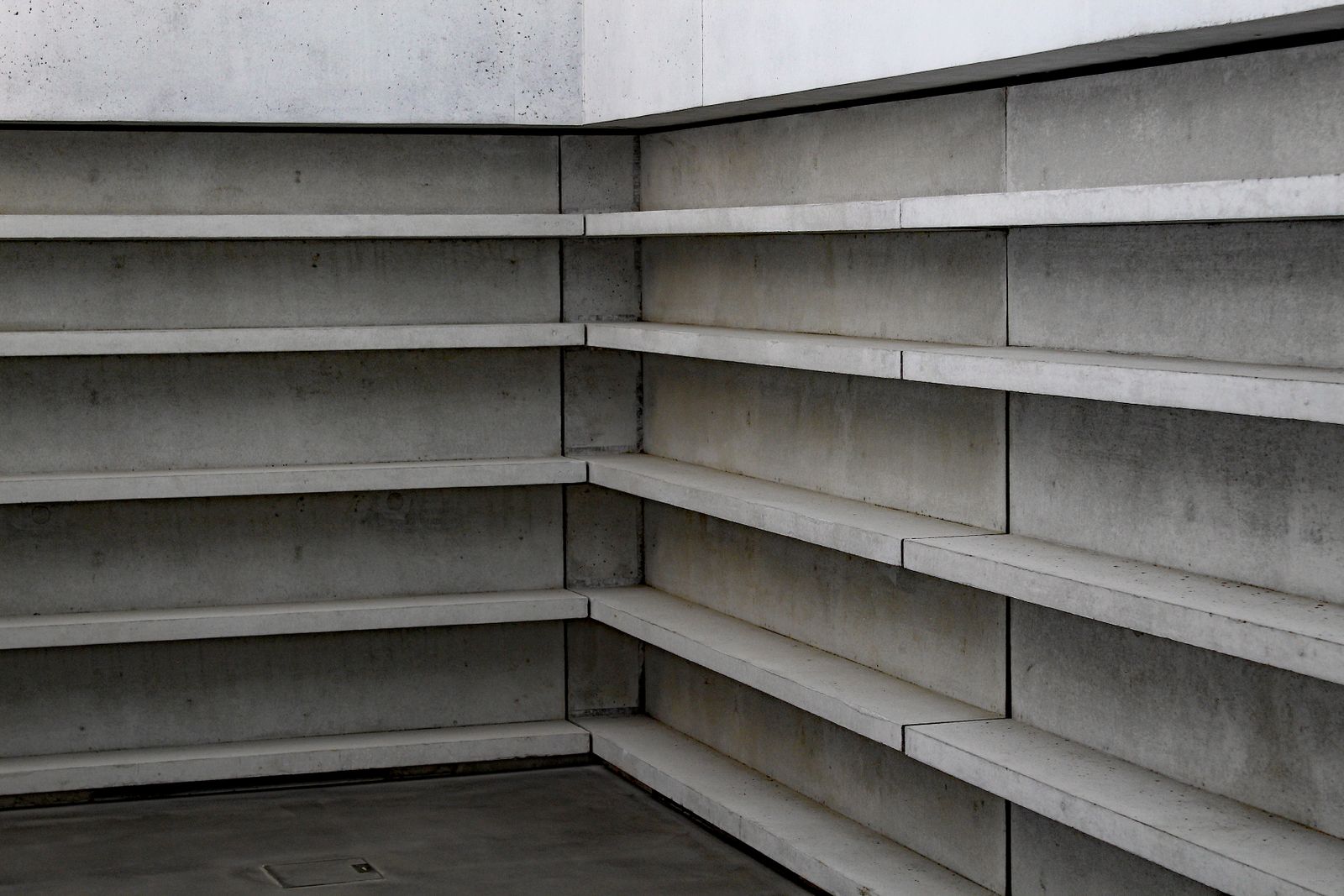
A calm sea with hundreds of islands, a mild climate and a string of islands that over thirty years developed into one of the most interesting art landscapes in the world. Museums set in concrete and grass, abandoned villages resettled by artists, ferries that set the pace. Cycling across the islands is among the finest days Japan has to offer.
Kyushu & Shikoku
The south and the pilgrim island
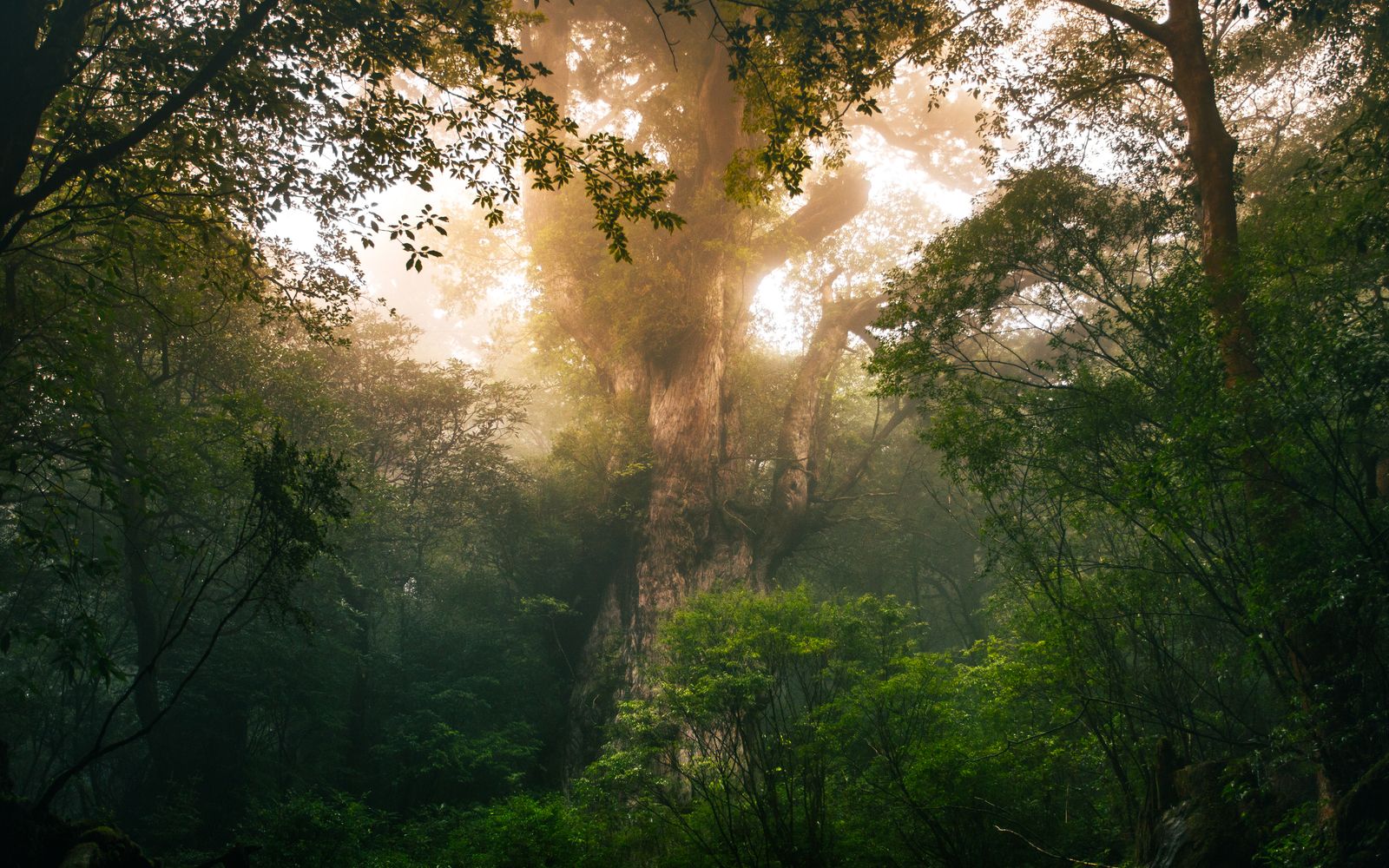
Kyushu is volcanic: steaming hot spring towns, an active crater facing a city, and on Yakushima island a cedar forest among the oldest in the world. Shikoku has Japan's best-known pilgrimage route, eighty-eight temples long, of which you can happily walk a few days without doing the whole thing.
Hokkaido & Okinawa
The extremes
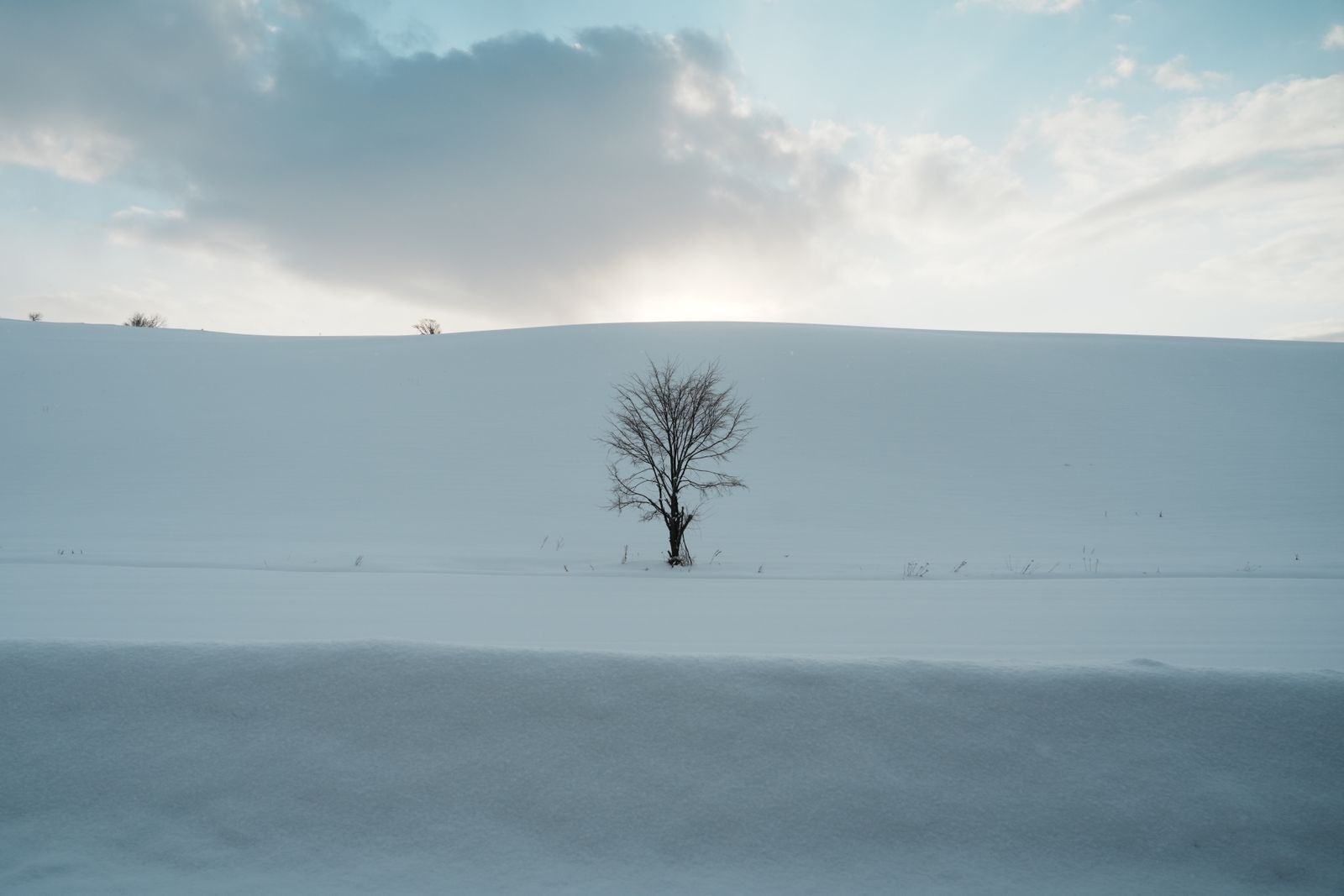
Two islands that barely feel Japanese. Hokkaido is spacious, cold and rural, with national parks, cranes, sea ice in winter and the culture of the Ainu, the original inhabitants. The Okinawa archipelago lies subtropical, far to the south, with coral, its own language, and a cuisine and history separate from the main islands.
Craft & culture
Where doing one thing extremely well is a way of life.
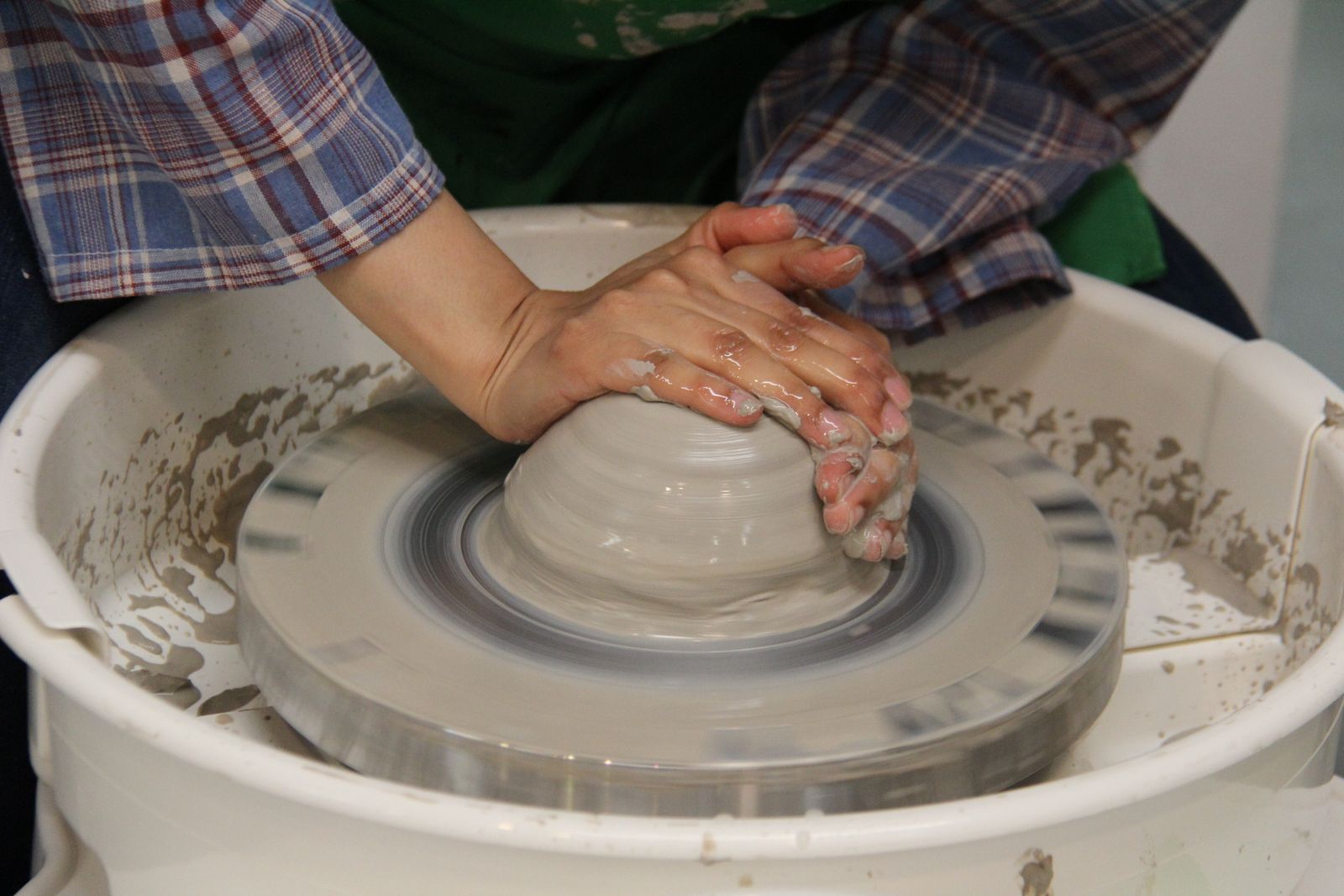
Japan has a word for someone who has fully mastered their craft: shokunin. It goes beyond skill. It implies an attitude: doing your work well because it ought to be done well, even when no one would notice the difference.
You find it in knives forged by hand, in indigo fermented the old way, in paper scooped from mulberry bark, in lacquerware built up from thirty layers. Often in small workshops, in regions where the tradition began centuries ago and where today only a handful of families remain.
Visiting such workshops is rarely a matter of pushing open a door. It calls for an introduction, an appointment, and usually an interpreter. That is exactly where a local partner makes the difference between visiting a shop and meeting someone.
At the table
There's no such thing as Japanese cuisine. There are dozens.
What passes for Japanese food in Europe is largely Tokyo, and only a fraction of that. In reality the cuisine is strongly regional: the water determines the broth, the winter determines the preservation, the sea determines the fish.
Just as important: eating in Japan is rarely expensive unless you treat it as an event. A lunch at an eight-seat counter can be the best thing you eat all week.
Saying "we want to eat well in Japan" doesn't actually say much yet. The question is which Japan, at the table.
The counter
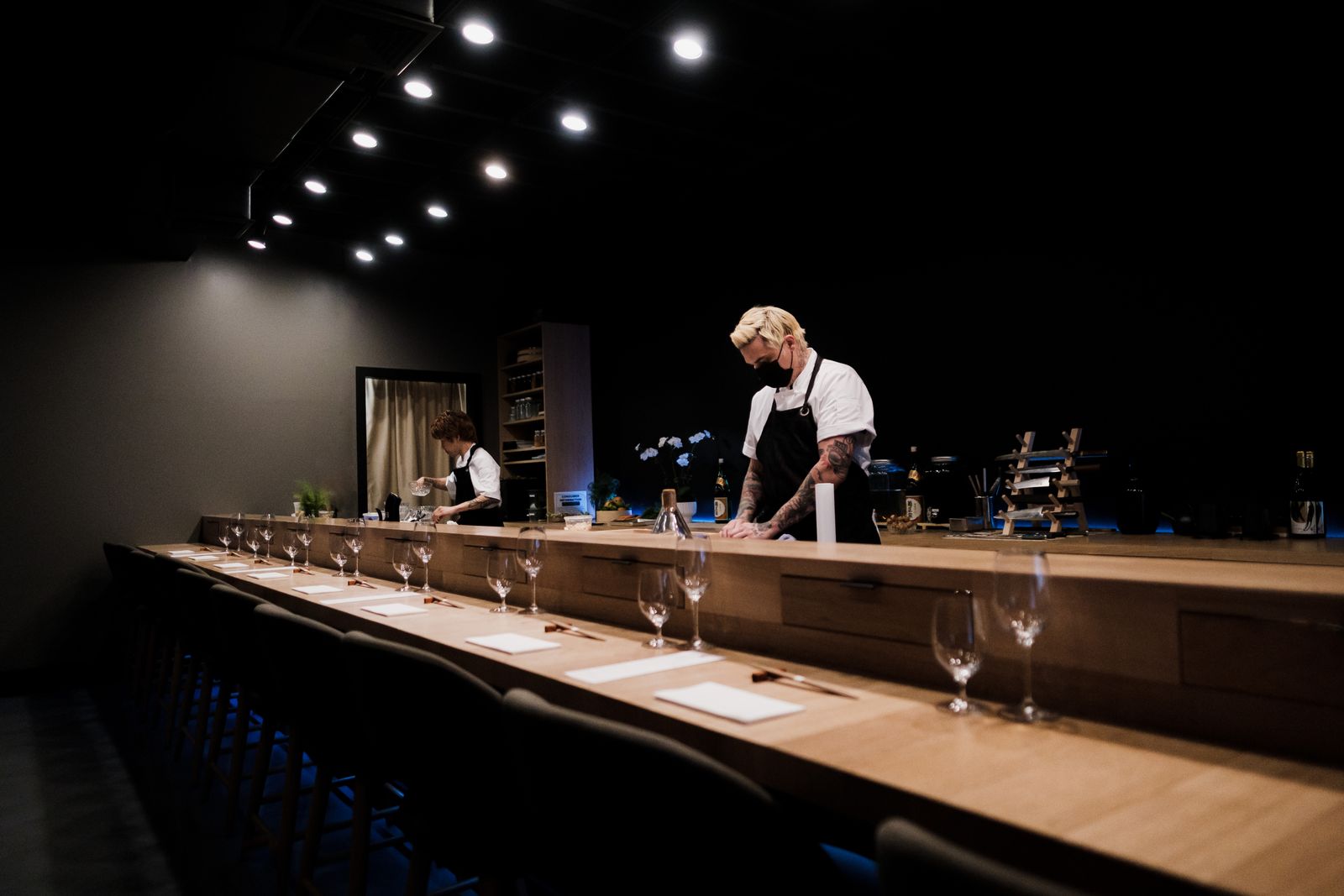
Much of the best food comes from places with fewer than twelve seats, where one person cooks and serves. Bookings are often made by phone, in Japanese, weeks ahead.
The season on the plate
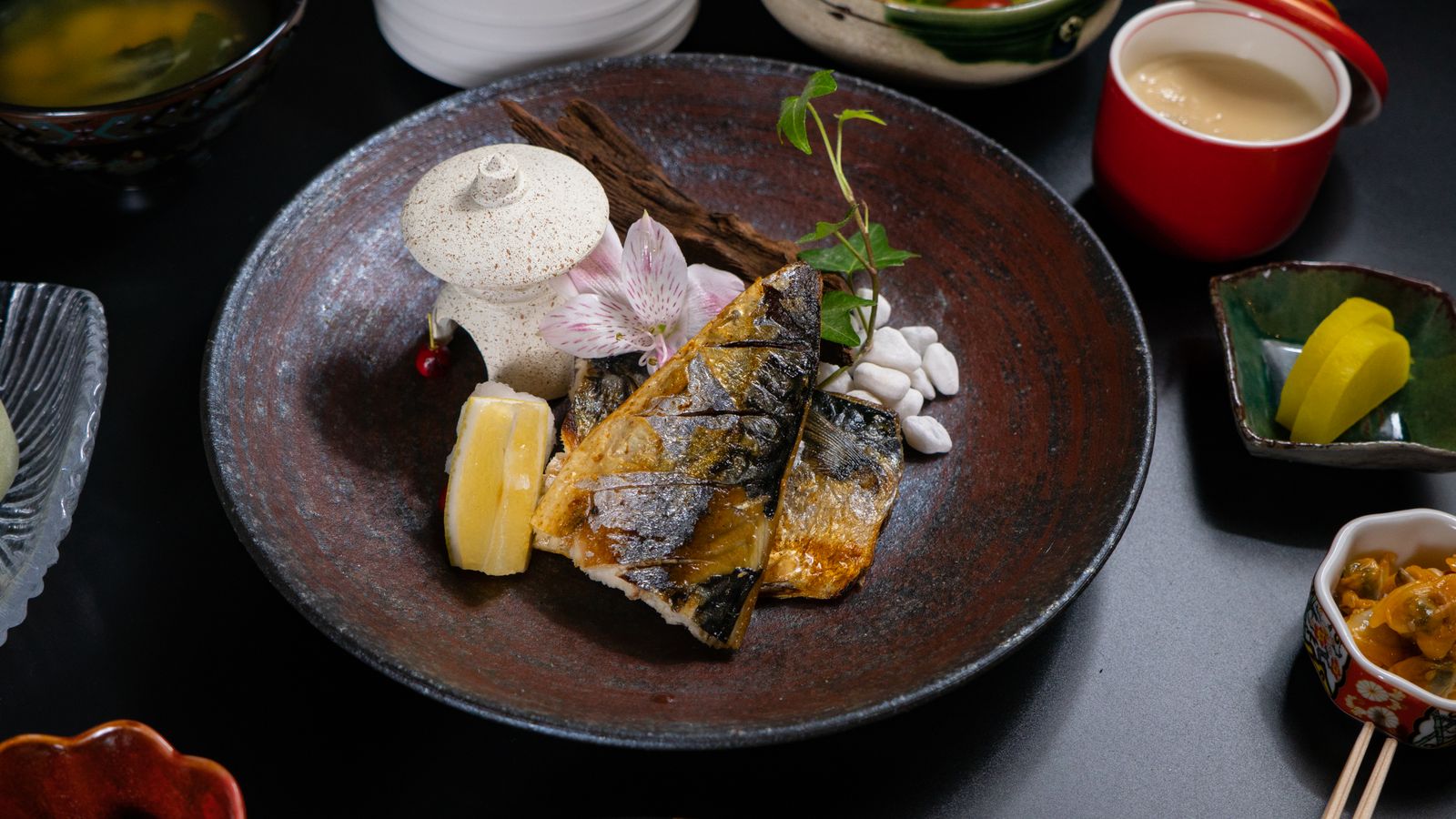
In a kaiseki meal, every dish refers to the moment in the year, in ingredient, in tableware, and sometimes in a single leaf placed on the rim of the plate.
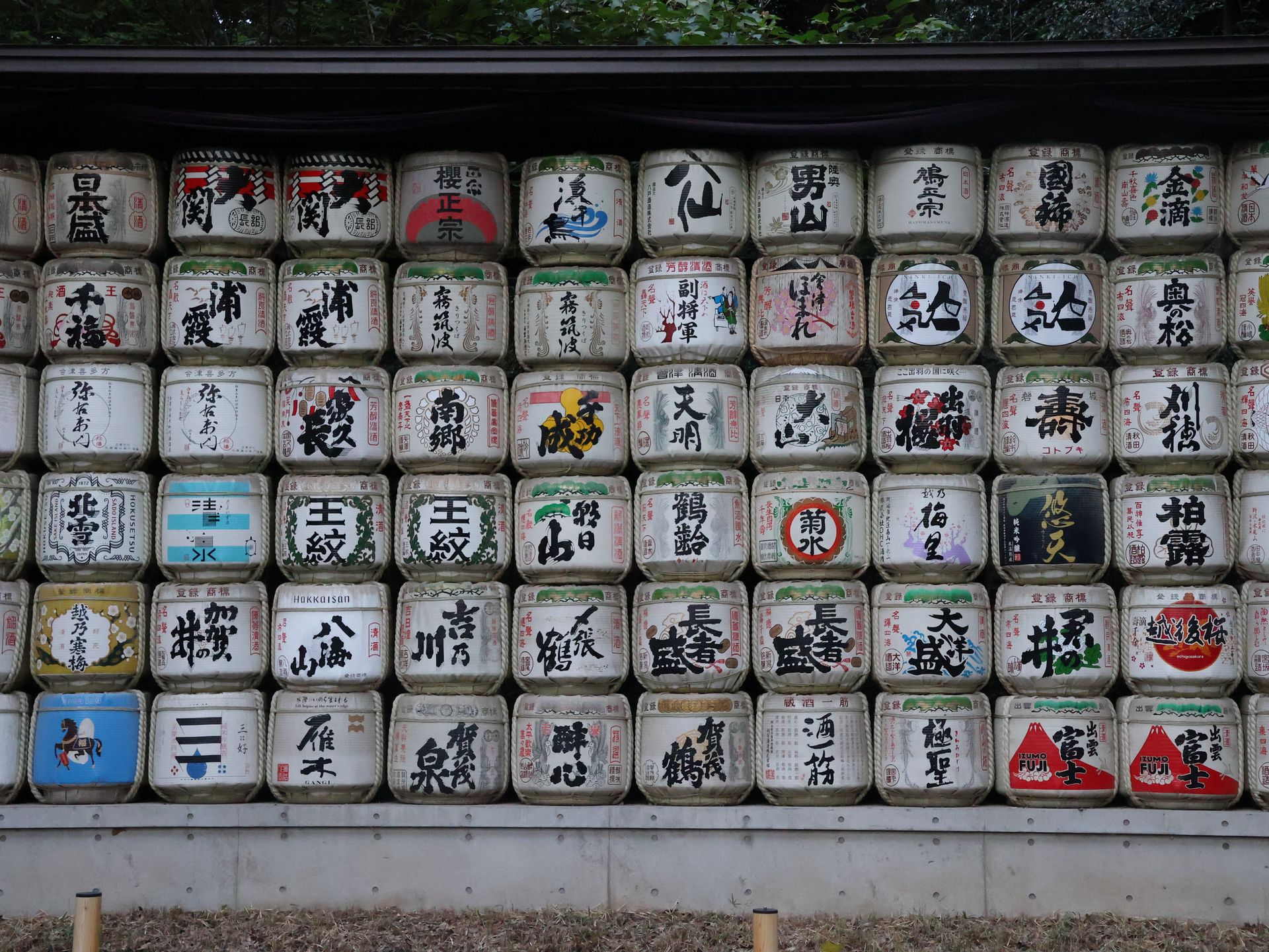
Sake and the countryside
Most sake breweries are small family businesses in rural areas, often built on one specific water source. A visit explains more about the region than about the drink.
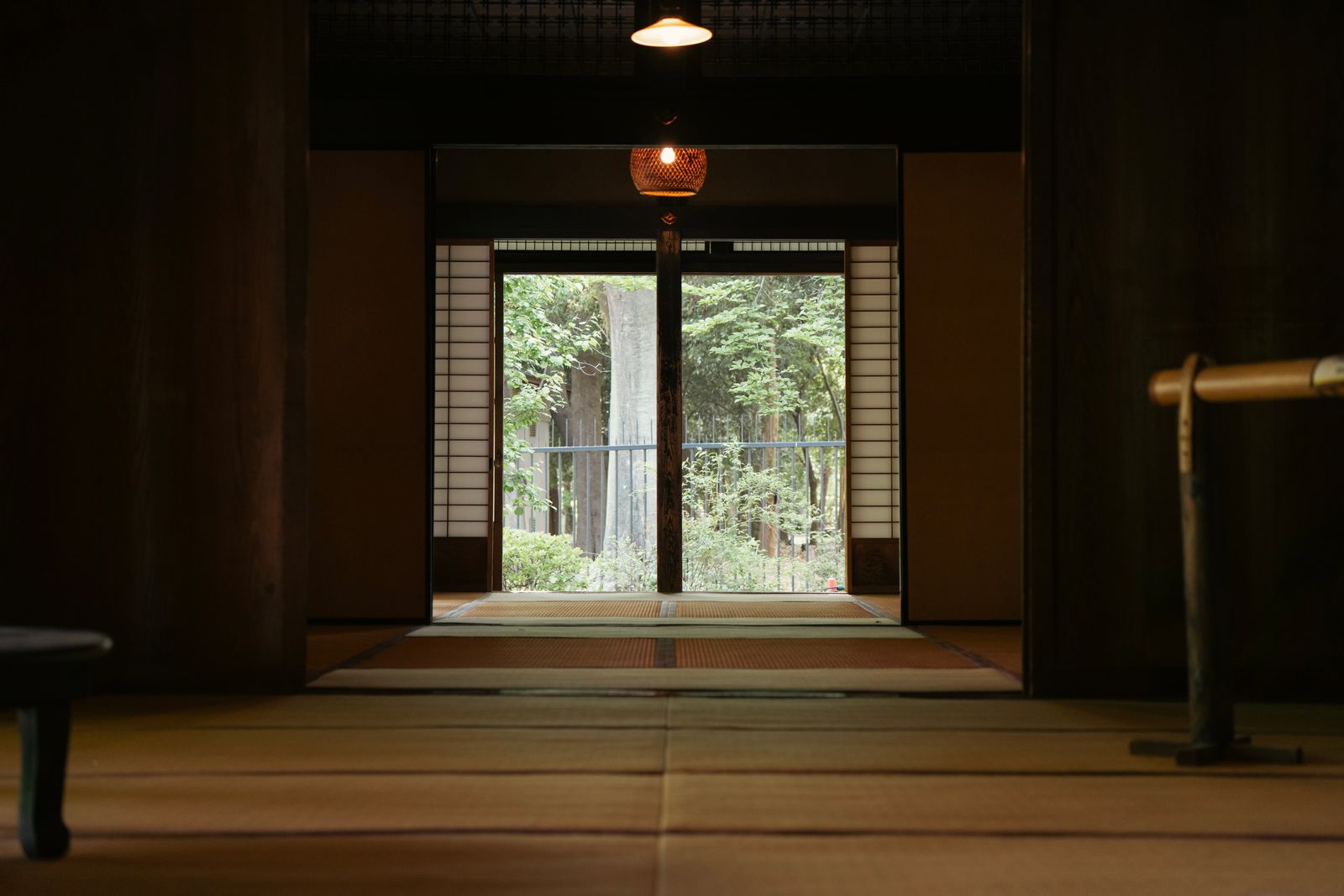
Where you sleep
The bed here is part of the experience.
In a ryokan you sleep on tatami, eat in your room or in a shared hall, and bathe in water drawn from the ground. It is not a hotel with Japanese decoration but a different idea of hospitality altogether, with its own rhythm and its own etiquette.
There are also temple stays where you can join the morning ceremony, renovated farmhouses in depopulating villages, modern city hotels of exceptional quality, and inns along old walking routes where your luggage is sent ahead.
What suits you best depends entirely on how you like to travel. Some people thrive in a ryokan; others find the fixed mealtimes and shared baths uncomfortable. Both answers are fine, as long as we know in advance.
Possibilities, not an itinerary
What could Japan be, for you?
Not fixed stops on a set route, but directions, to help you notice what draws you in and what you'd rather leave out.
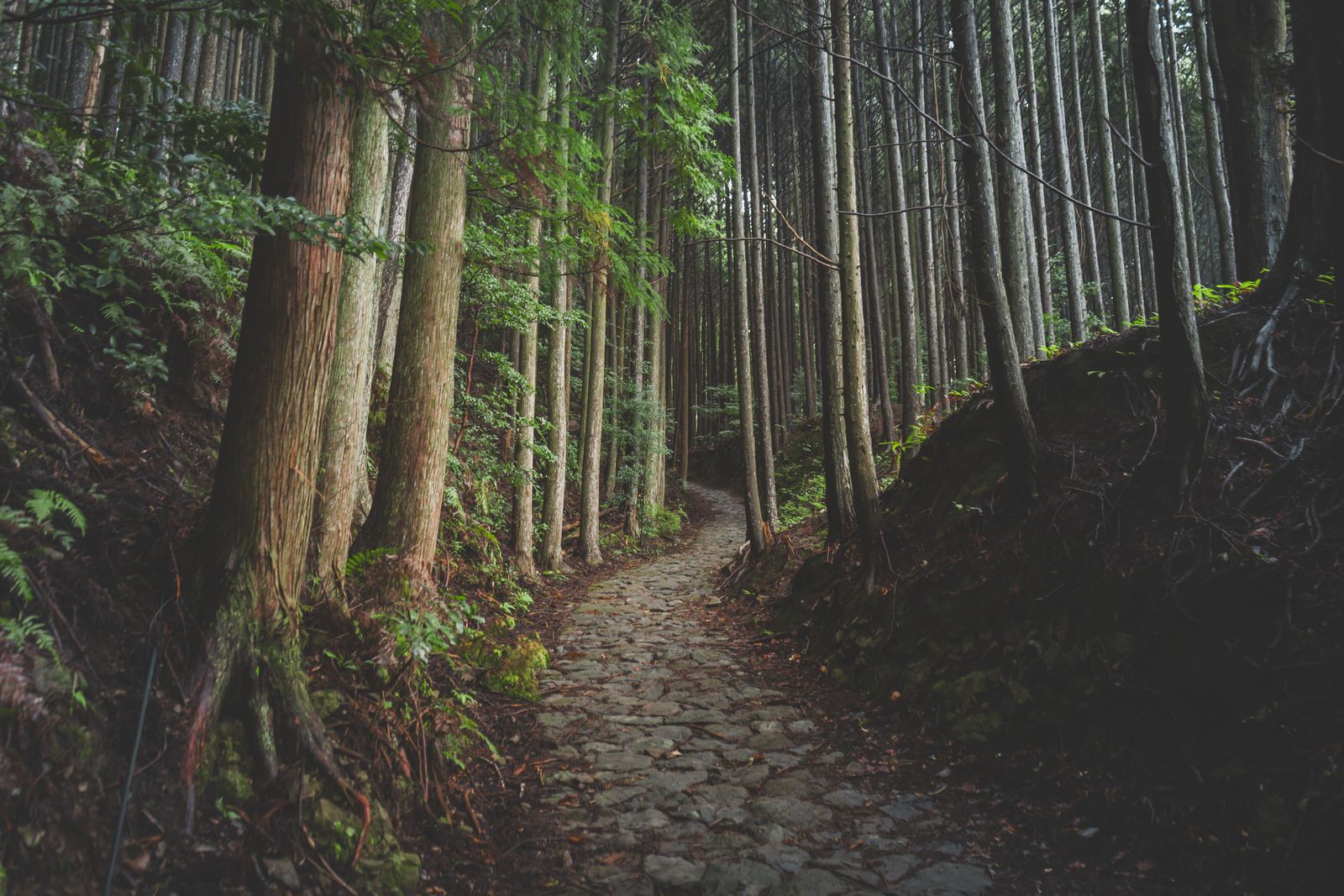
Walking from inn to inn
Old post roads and pilgrimage routes where you cover a handful of kilometres each day, luggage sent ahead and a bath waiting in the evening. Travelling at walking pace changes what you understand about a country.
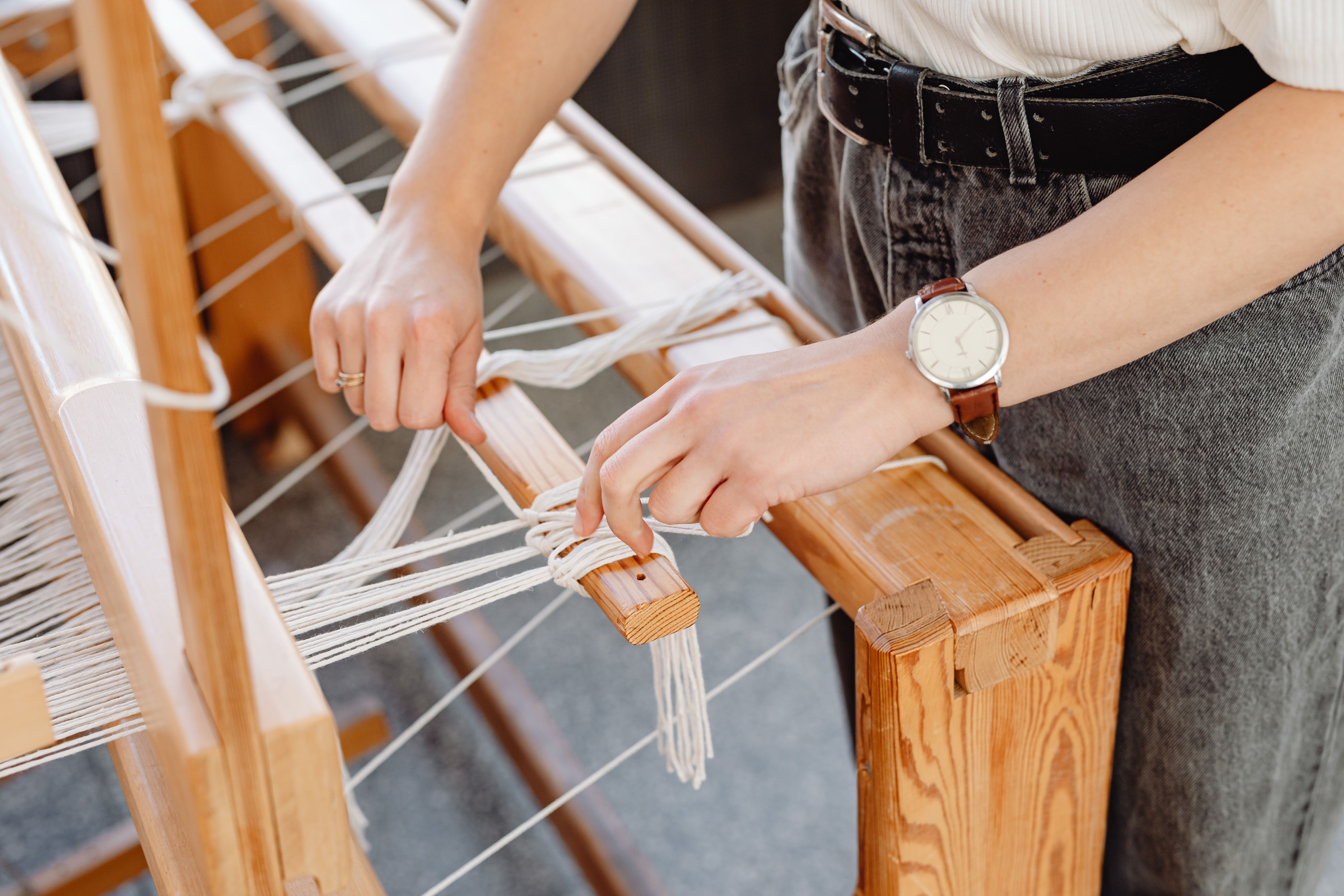
A day with a craftsman
Not watching, but joining in, hands in the clay, the indigo or the steel. Days like this need preparation and an introduction, and are often what stays with you longest.
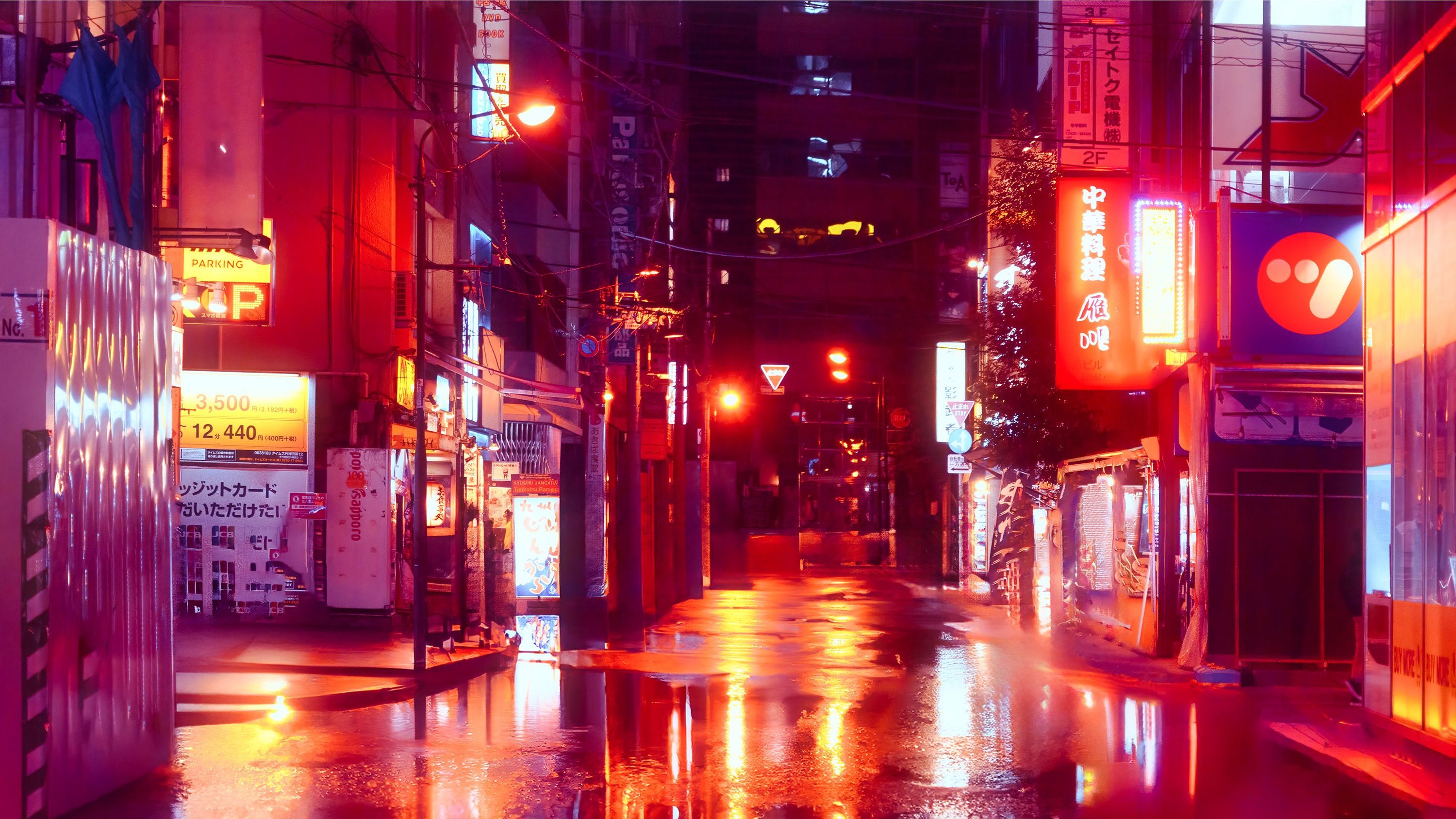
The city after closing time
Tokyo and Osaka only become interesting once someone who knows what happens behind which door comes along with you. Music, eight-stool bars, districts no visitor finds on their own.
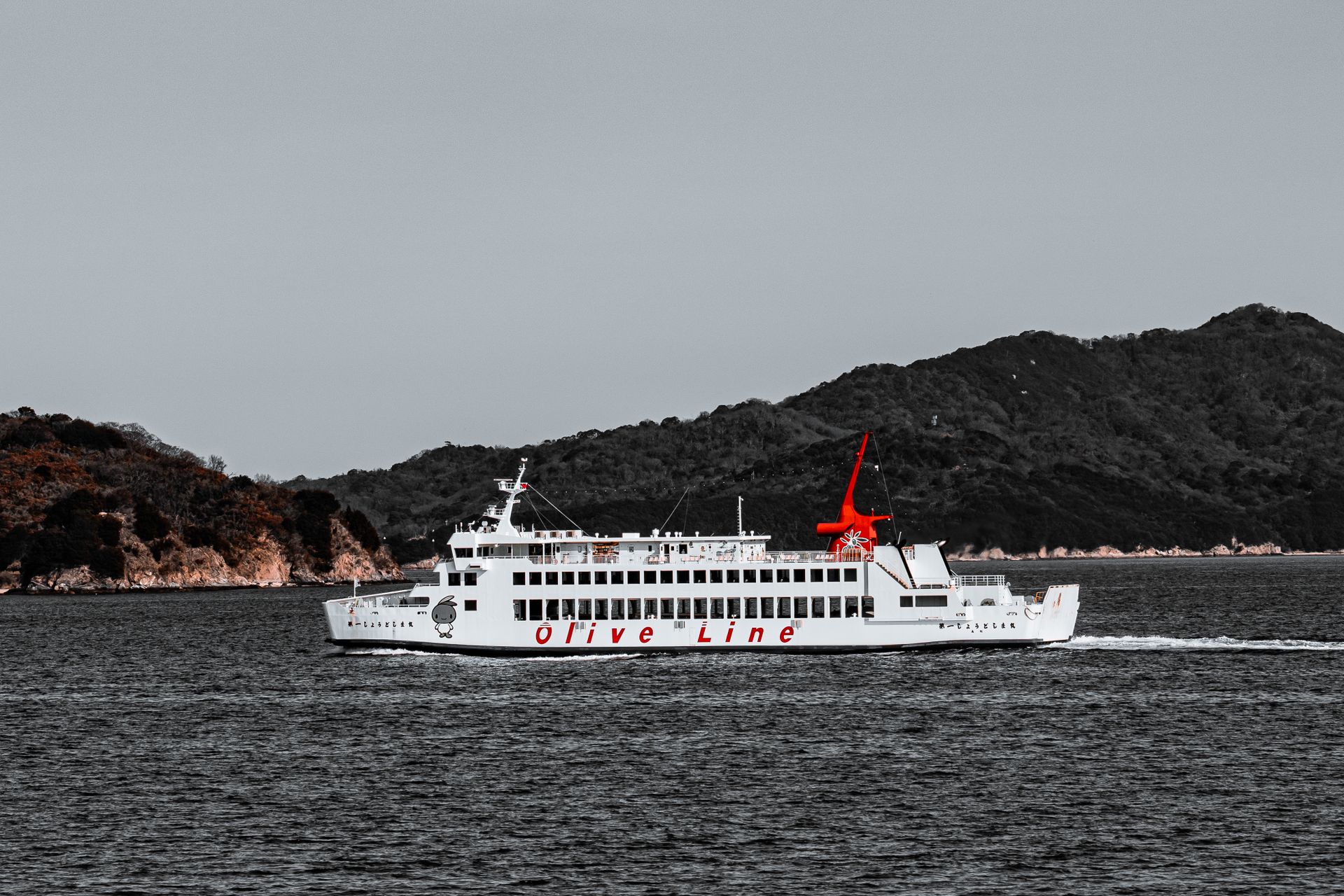
Islands and art
The Inland Sea by ferry and bicycle, with museums set into the landscape and villages given a second life through art. Slow, quiet, and entirely unlike the rest of the country.
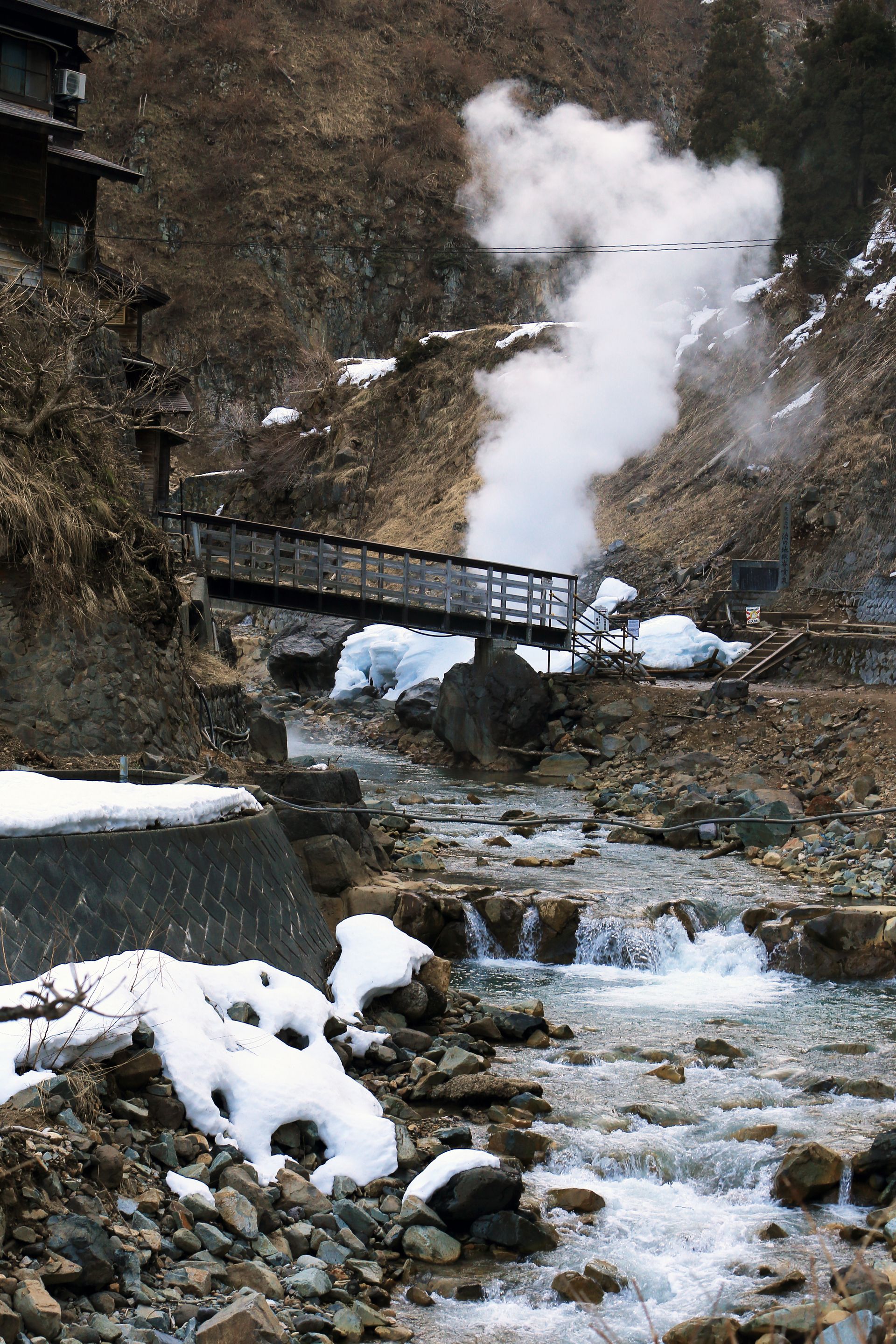
Winter as it's meant to be here
Snow that sits for months, outdoor baths steaming above the water, festivals in the north, and the lightest powder snow in the world on Hokkaido.
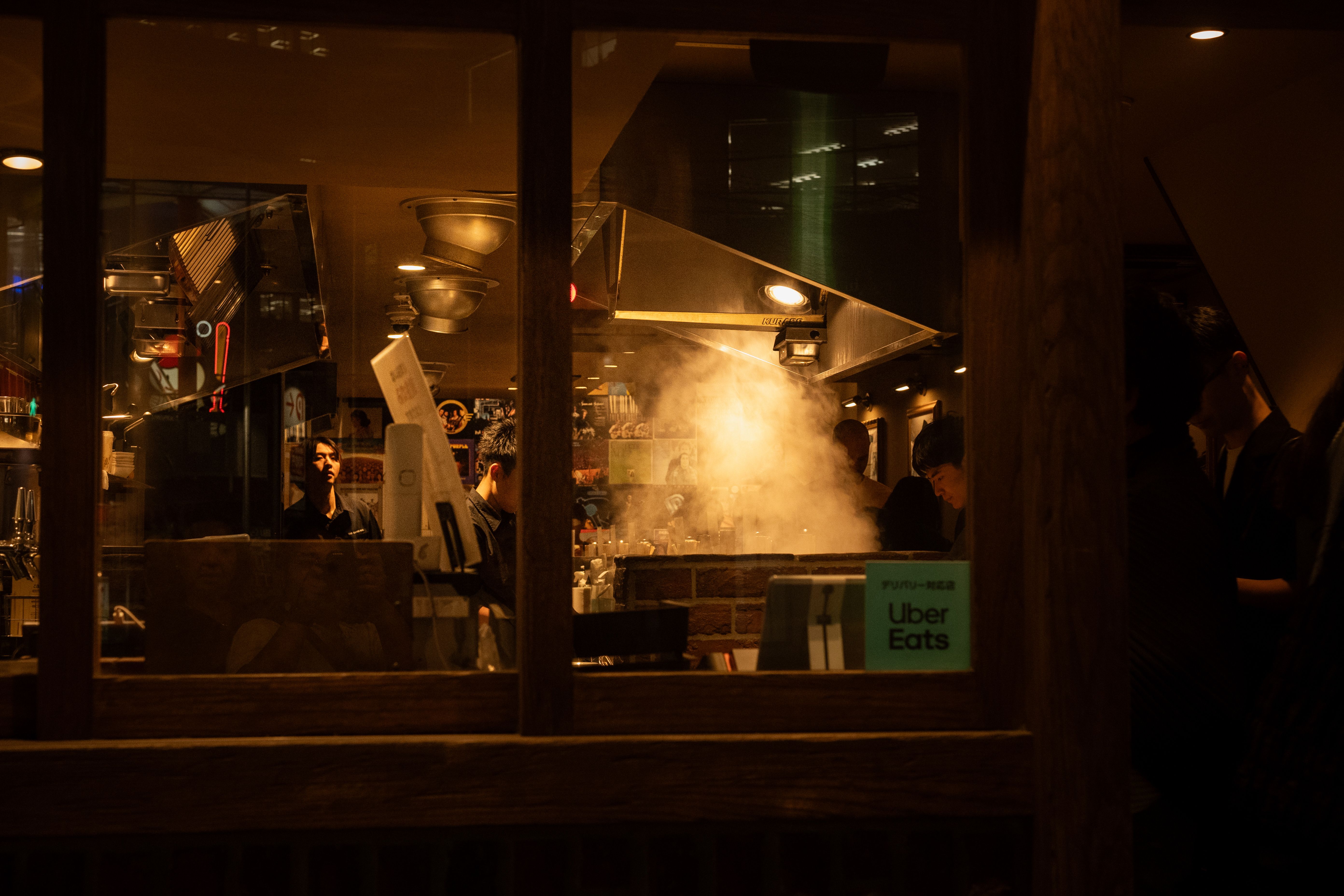
The table as destination
Building a trip around regional cuisines, markets, breweries and counters, with bookings made months ahead, in Japanese.
These are possibilities.
Not your journey.
When would you travel?
Four seasons, each yielding a different country.
April and May are mild and clear; the blossom moves from south to north over a few weeks and can never be timed exactly. October and November bring stable weather and autumn colour that in Kyoto only peaks in late November.
June brings the rainy season, July and August are hot and humid, with a chance of typhoons in late summer. Yet some travellers deliberately choose this time: the mountains and the north are at their best, and the festival calendar is richer than at any other time of year.
Winter is underrated. Clear skies, few visitors, snow in the north, and outdoor baths that only truly come into their own then.
Watch the domestic holidays. Late April to early May, mid-August, and the New Year period see the whole of Japan travelling too. That calls for different planning, not necessarily a different time of year.
Jan
Feb
Mar
Apr
May
Jun
Jul
Aug
Sep
Oct
Nov
Dec
Strongest period
Excellent, with its own character
Calls for a deliberate choice
Looking past the highlights
Where we look at it differently.
Fewer cities, more region. The most common mistake is Tokyo, Kyoto and Osaka in ten days. Swap one of the three for a region, the Alps, the Inland Sea, Tohoku, and you usually end up with a stronger trip.
The hour matters more than the place. Famous temples and gardens are nearly empty at seven in the morning. That single decision does more for your experience of Kyoto than any choice of hotel.
Language is a real barrier. Outside the major cities, English is rare. That's not a problem, but it does determine which experiences are realistic without guidance and which aren't.
Bookings are the real work. The best ryokans, restaurants and workshops run on small capacity and long lead times. What makes a great Japan trip is decided months in advance.
The train is part of the journey. Not just transport, but one of the most enjoyable parts of the country. One note: since the fare increase, a nationwide rail pass is no longer always cheaper than individual tickets. We work that out per trip.
Worth knowing
Practical, without the noise.
We go through the full, up-to-date picture in person, including whatever matters specifically for your trip.
- Getting there
- Flights from Brussels via a European or Asian hub, typically twelve to fourteen hours travelling.
- Documents
- For Belgian travellers, a valid passport is enough for a short stay; a digital arrival procedure does apply. We guide you through it.
- Paying
- Card payment is well established in cities, but small shops, temples and the countryside often remain cash-only. A local transport card is essential.
- Luggage
- Sending luggage ahead to your next hotel is cheap, reliable and changes how comfortably you travel. Few visitors know this.
- Bathing
- In an onsen you bathe without clothing, separated by gender. Tattoos aren't yet welcome everywhere; good alternatives exist.
- Travelling with children
- Particularly well suited: safe, clean and logistically simple. The combination of summer heat and long train journeys does need some attention.
- Mobility
- Large stations involve plenty of stairs and changes. Anyone less steady on their feet benefits from an adapted route.
- Pace
- Japan tempts you to do too much. Two or three nights per place almost always gives you more than ticking the country off.
Or perhaps this
Other destinations
Still weighing it up? That is no problem at all. The right country often only becomes clear once the conversation starts.
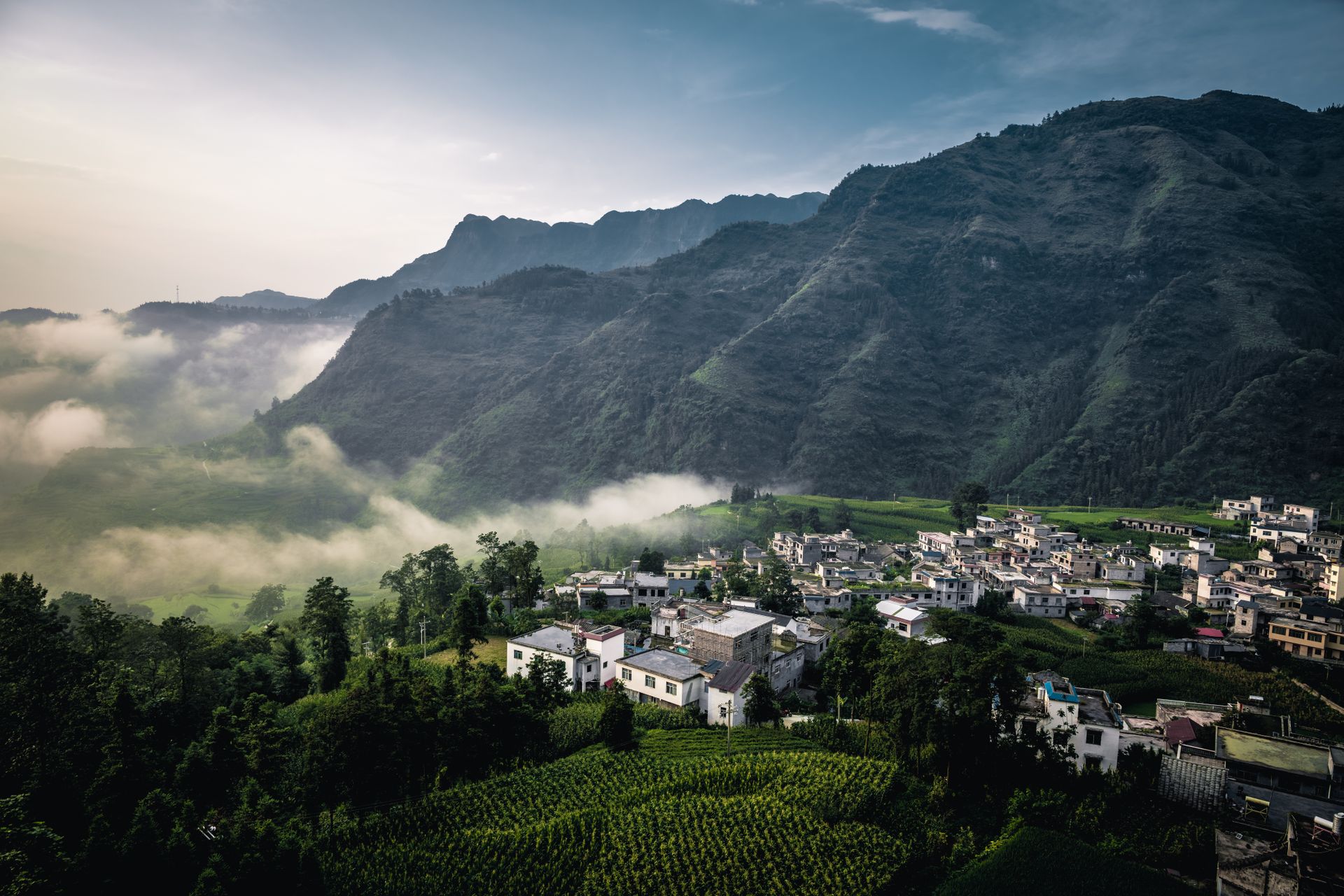
East Asia
China
Ancient traditions, fast-paced cities and still landscapes exist side by side, in a country that seems to reinvent itself everywhere you look.
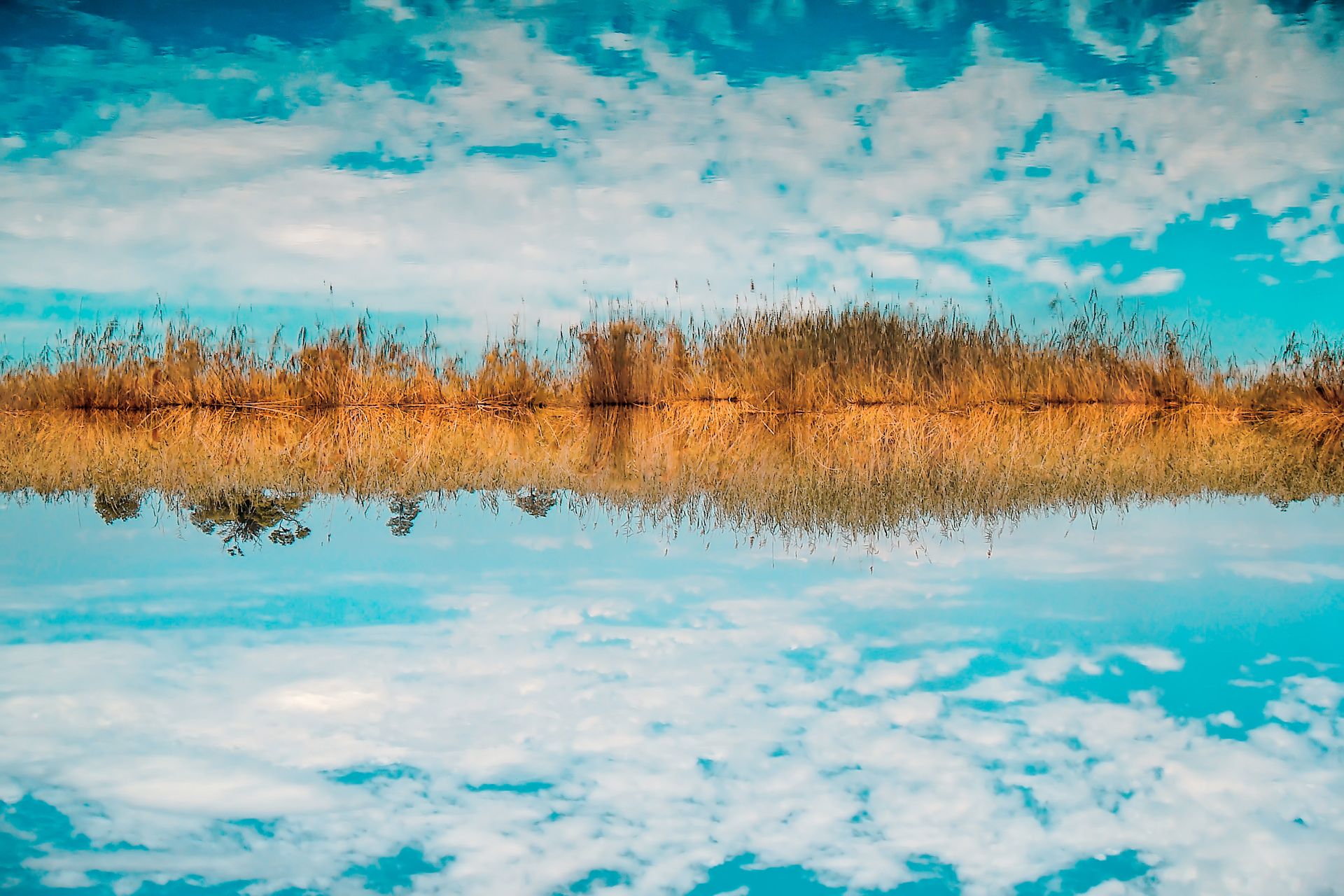
Southern Africa
Botswana
A delta that changes with every season, in a country that deliberately keeps visitor numbers low across a vast expanse.
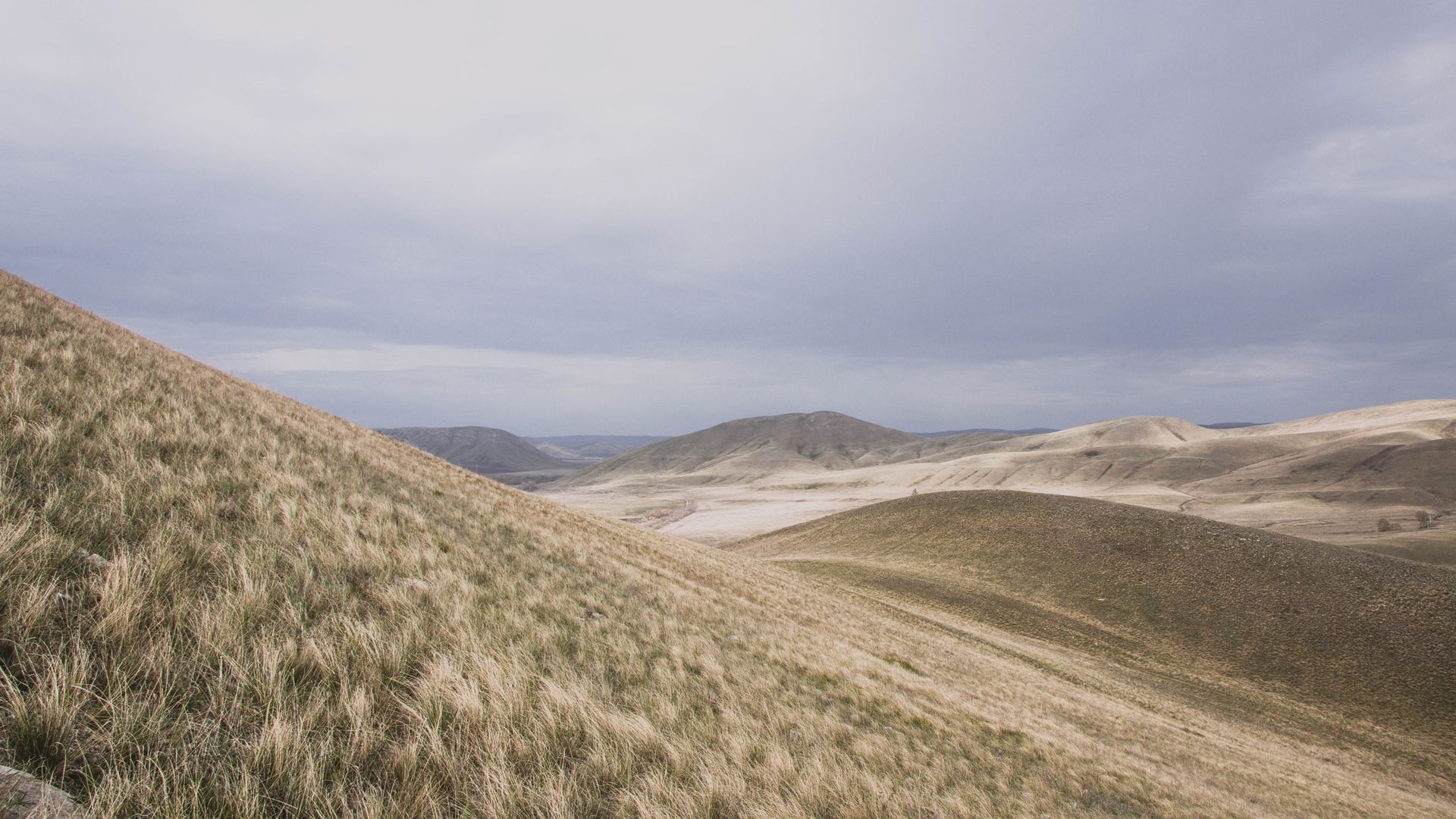
South America
Argentina
From city rhythm to Patagonian wind, a country whose vast distances are part of the appeal.
How it works
This is how your journey to Japan takes shape.
Six steps, from your first story to your homecoming. The conversation and the feasibility check cost you nothing.
-
01
Tell us your story
Fill in the form or give us a call. You do not need a route yet: a country, a period or just an idea is enough.
-
02
The conversation and the check
We talk through what you are looking for, by phone or by video, and check whether it can be done. If it can, we set down together what we will make for you.
-
03
We design your journey
We build your programme up, day by day, together with our own people in the country itself.
-
04
Your proposal
You read your journey day by day, with everything that is included. You say what you would like differently, until it is right.
-
05
Ready to depart
You send us your details, we send you your travel documents. You have one fixed contact who knows your journey.
-
06
Travelling, and after
Your contact stays reachable while you are away. Once you are home, we call one more time.
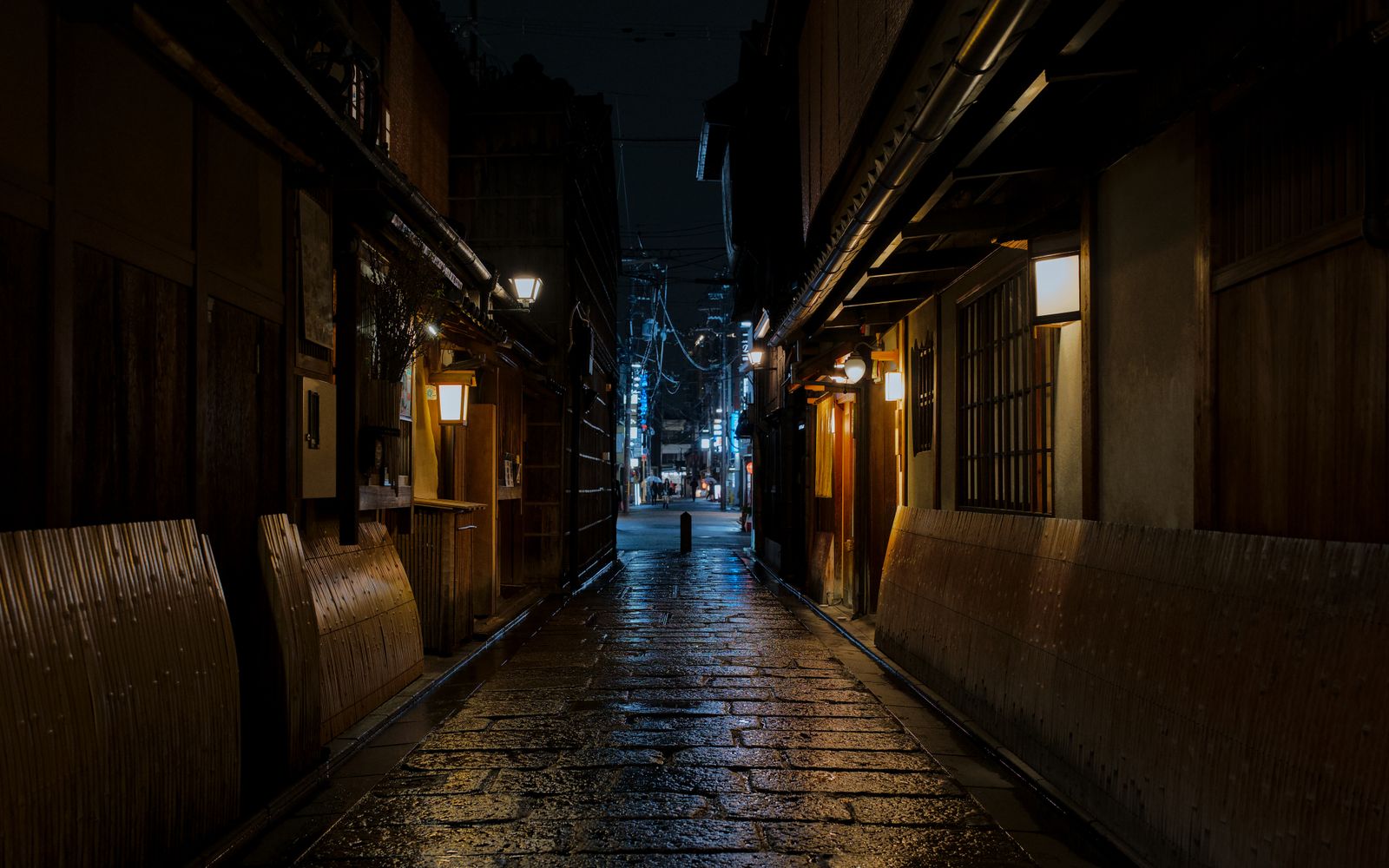
The next step
How would you like to experience Japan?
Tell us what draws you to Japan, who you want to travel with and what kind of days you're looking for. We get to know you as a traveller first and build from there, together with a local partner who knows this country from the inside.