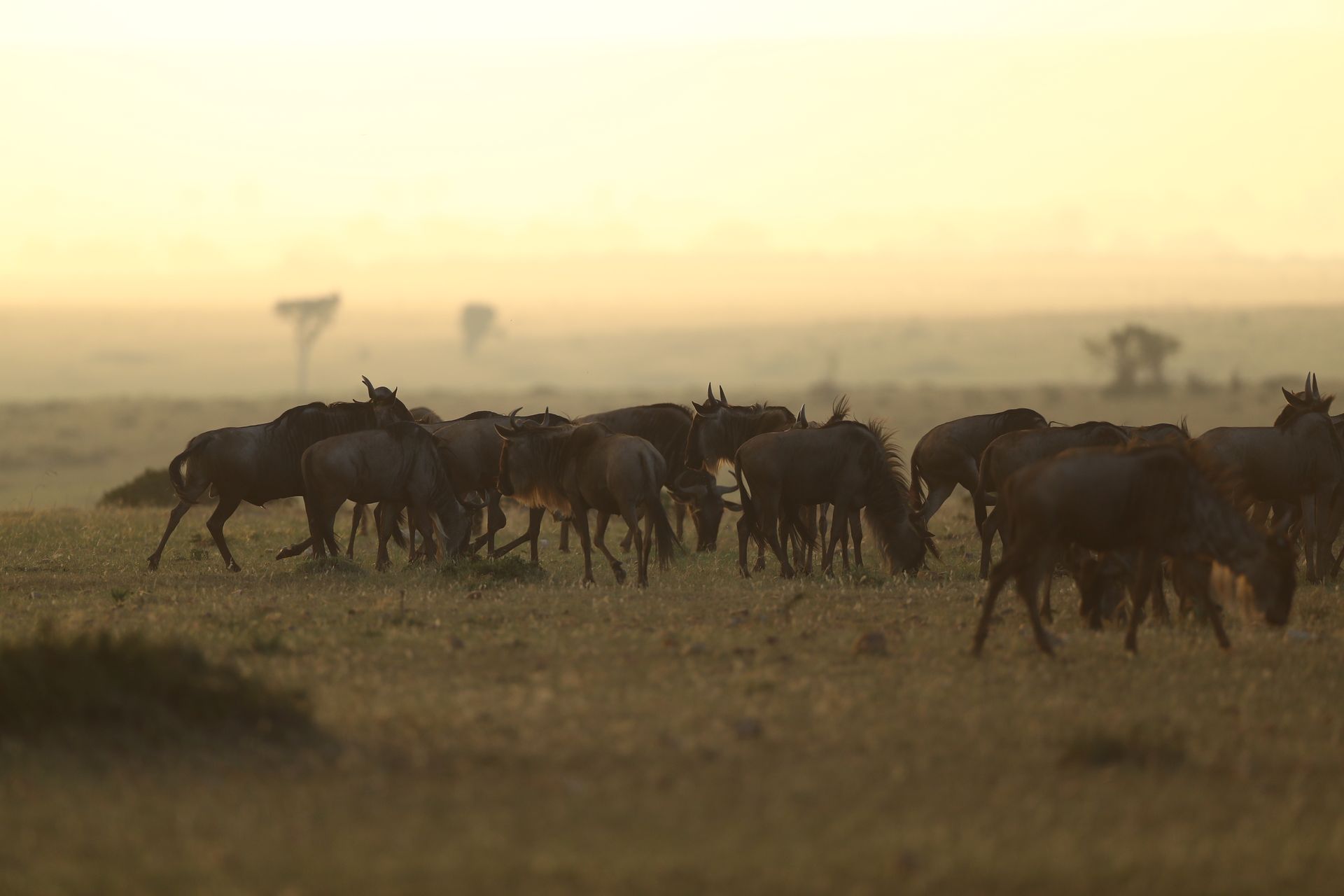
East Africa
Kenya
A country that goes far beyond the savannah.
This is Kenya
The country begins where the brochure ends.
Most people know Kenya from a single image: a plain, an acacia, a herd. That image is accurate. It's just a fraction of what's actually there.
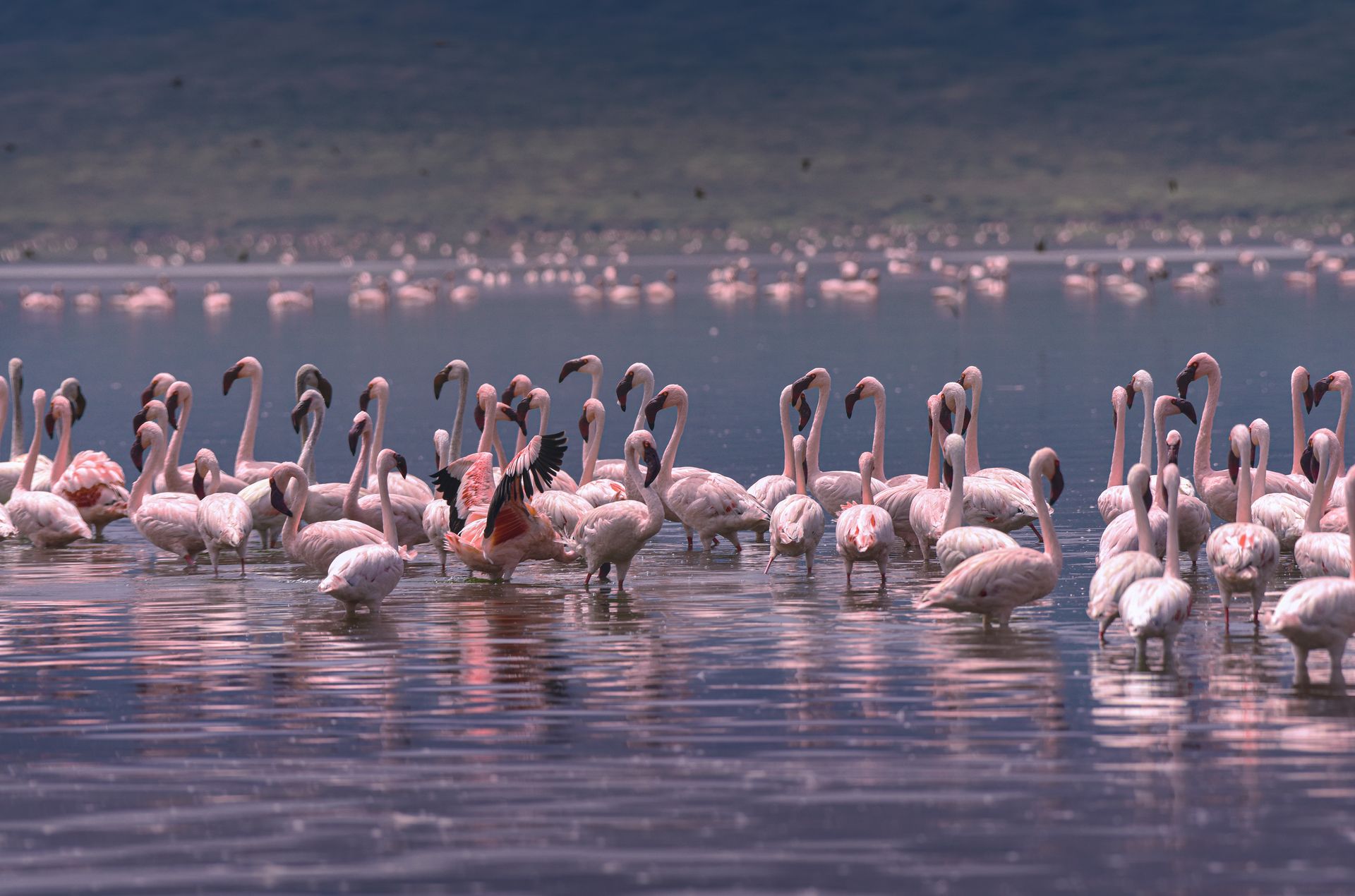
Kenya sits on the equator and is split in two by the Great Rift Valley. That one geological fact explains almost everything. Within a few hours' drive you go from glacial remnants on Mount Kenya to semi-desert in the north, from highland tea plantations to soda lakes crowded with thousands of flamingos, from densely populated highlands to a coastline whose rhythm has been set by the monsoon for centuries.
It is also a country in motion. Nairobi is not a stopover but a city with its own music, food and design scene. Along the coast, people speak Swahili shaped by layers of Persian, Arab, Indian and Portuguese history. In the north, the Samburu and Turkana still set their own pace.
So the question isn't whether Kenya is worth it. The question is which Kenya suits you.
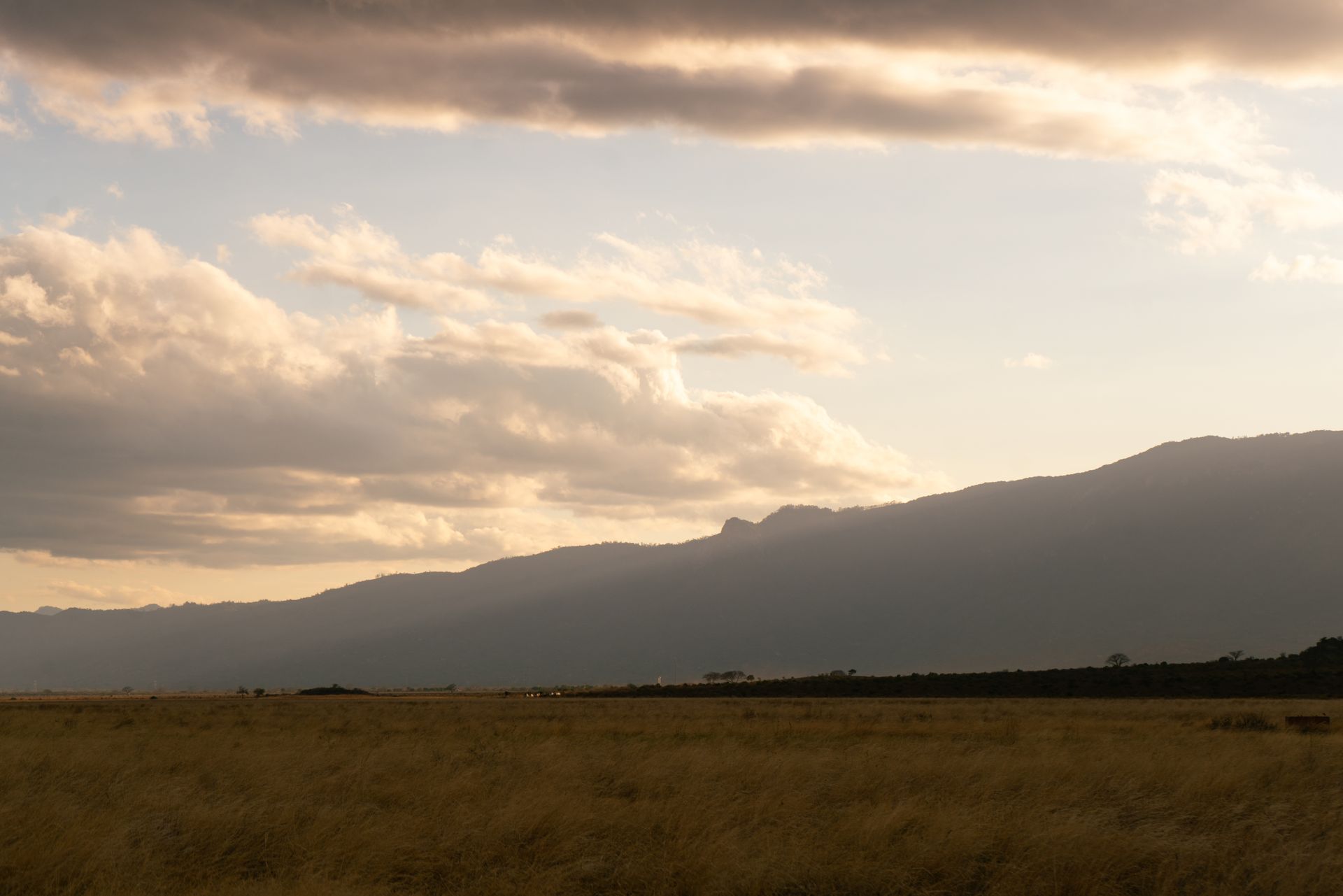
Kenya's landscape changes faster than the map suggests.
The many faces
From savannah to coast.
Kenya's regions differ not just in landscape, but in pace, culture and travel style. Where you are shapes how your day unfolds.
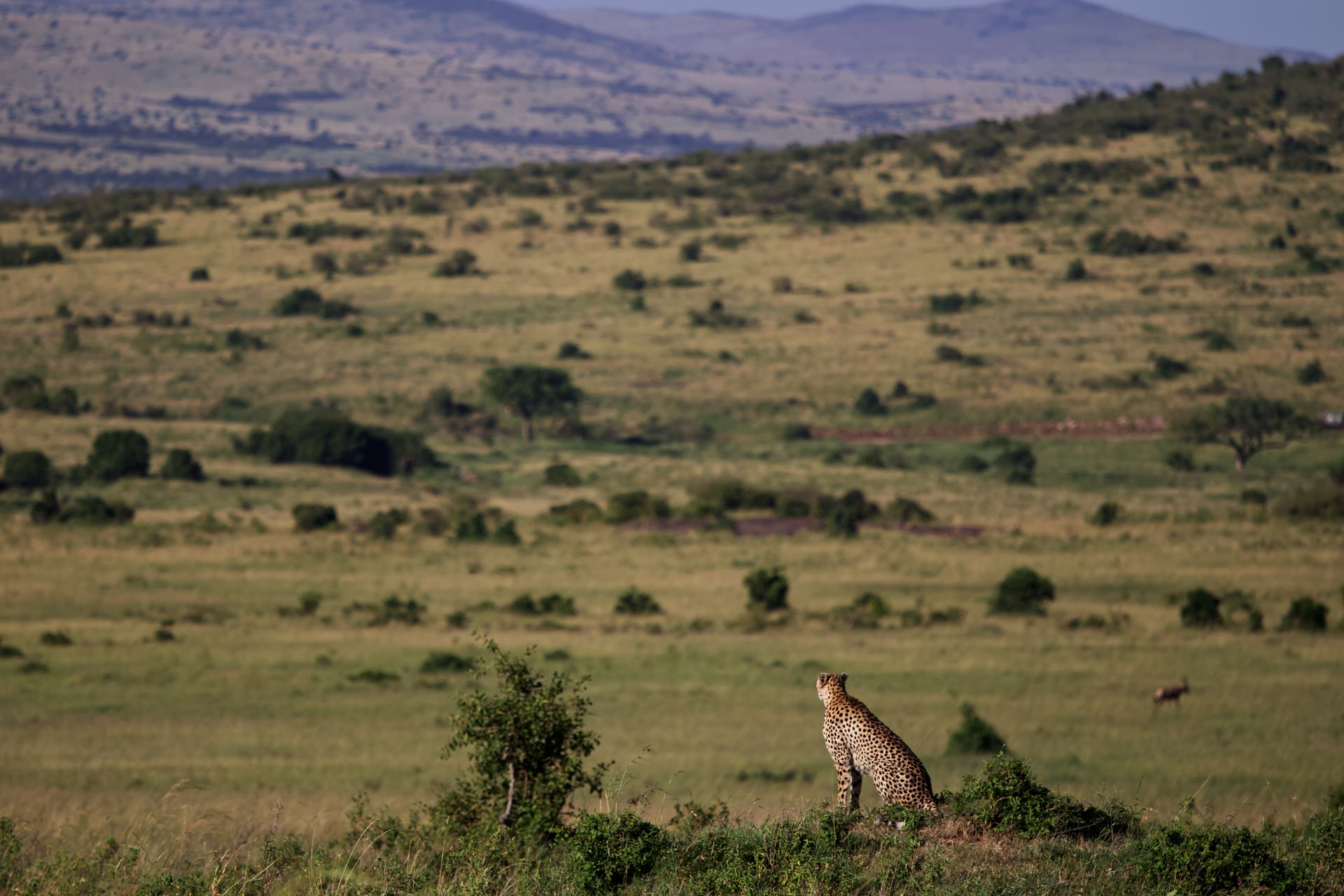
Southwest
The Mara and its conservancies
Kenya's most famous stretch, and rightly so: an ecosystem that flows seamlessly into the Serengeti. But the Mara isn't a single place. The national reserve is the busiest part; the neighbouring conservancies, community land leased by Maasai families to a limited number of camps, enforce strict limits on vehicles and guests. There, walking safaris, night drives and off-road driving are all possible. For many travellers, that's the difference between watching wildlife and being in the middle of it.
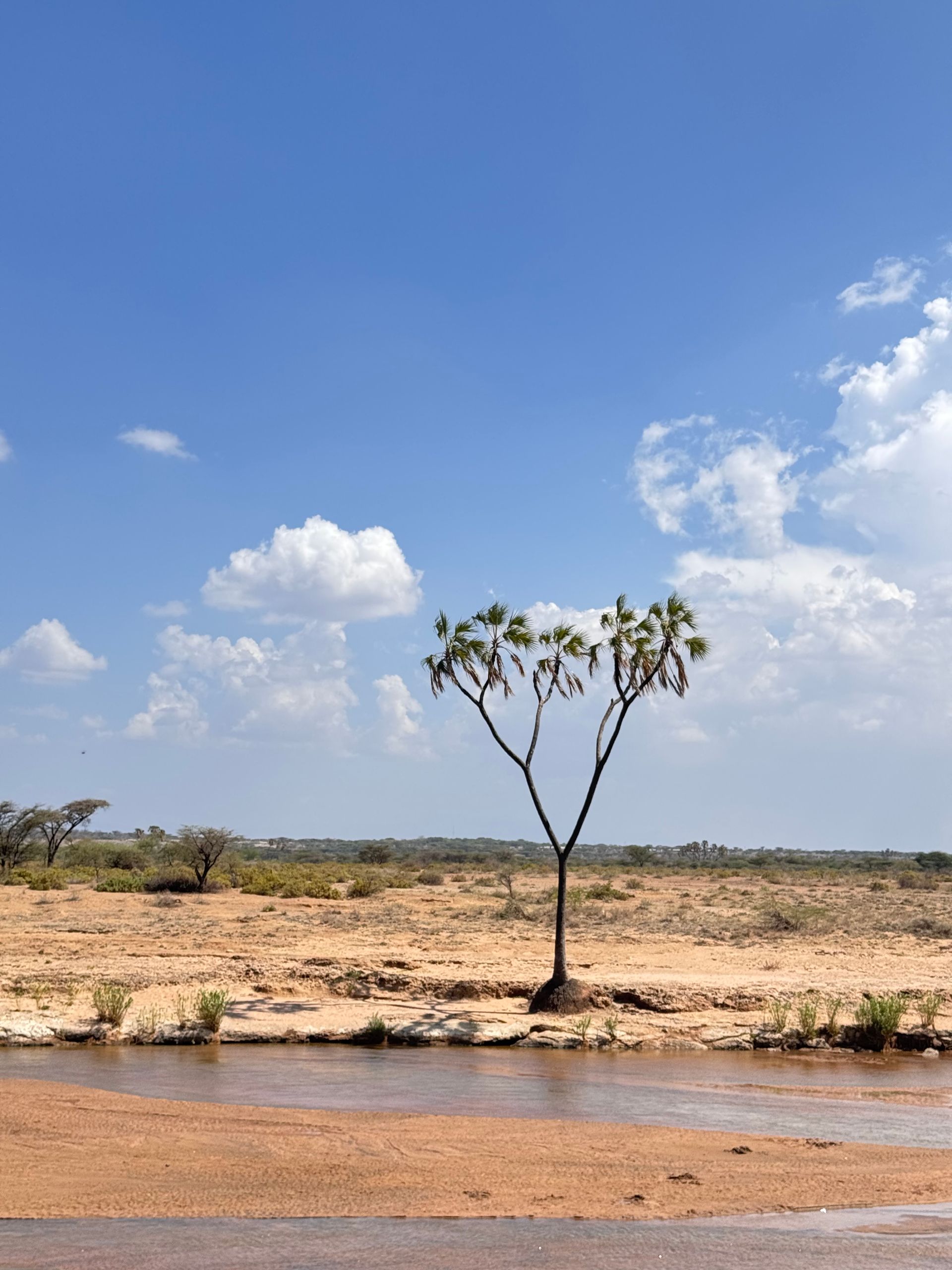
The north
Laikipia and Samburu
Drier, wilder, redder. Species live here that you won't find further south: the Grevy's zebra, the gerenuk grazing on its hind legs, the reticulated giraffe. Laikipia isn't a national park but a patchwork of private and community land where conservation and livestock farming coexist, one of the most interesting conservation models in the world. You travel here on horseback, on foot, by camel, or simply slowly.
South
Amboseli, Tsavo and the Chyulu Hills
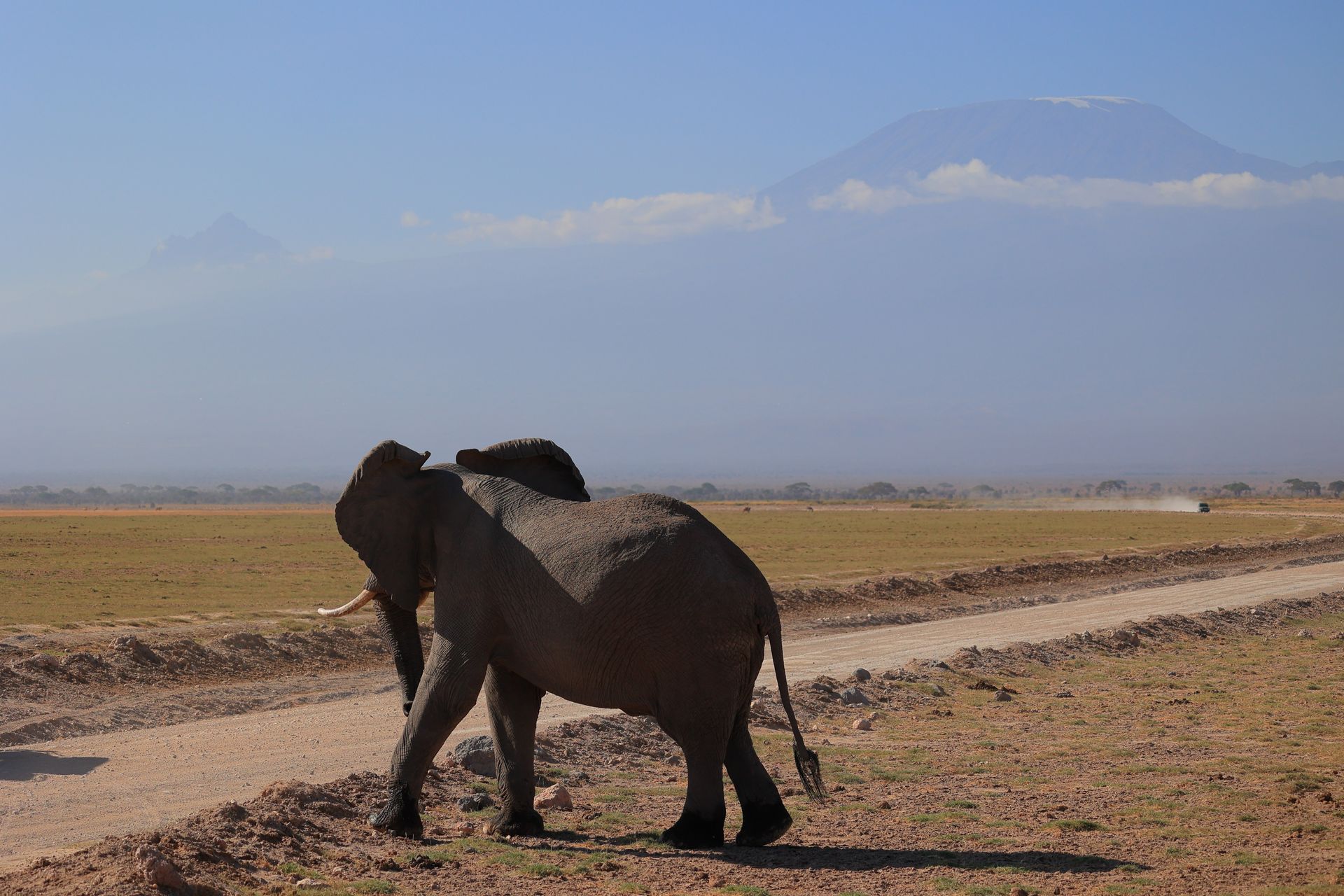
Amboseli is known for its elephant families, studied continuously here for decades, and for Kilimanjaro, which suddenly appears behind it on clear mornings. Tsavo, much larger and much emptier, has red earth that literally colours the elephants, and in Mzima Springs one of the strangest places in the country. The green Chyulu Hills in between are rarely visited and perfect to explore on horseback or on foot.
Central
The lakes of the Rift Valley
Naivasha, Nakuru, Bogoria, Baringo: a string of lakes, some fresh and some extremely alkaline, each with a completely different birdlife. Bogoria has hot springs along its shore. Nakuru is one of the most reliable places to see rhinos. This is also Kenya's agricultural heartland: flower farms, smallholdings, busy market towns. A very different Kenya from the one in the brochure.
The coast
The Swahili coast
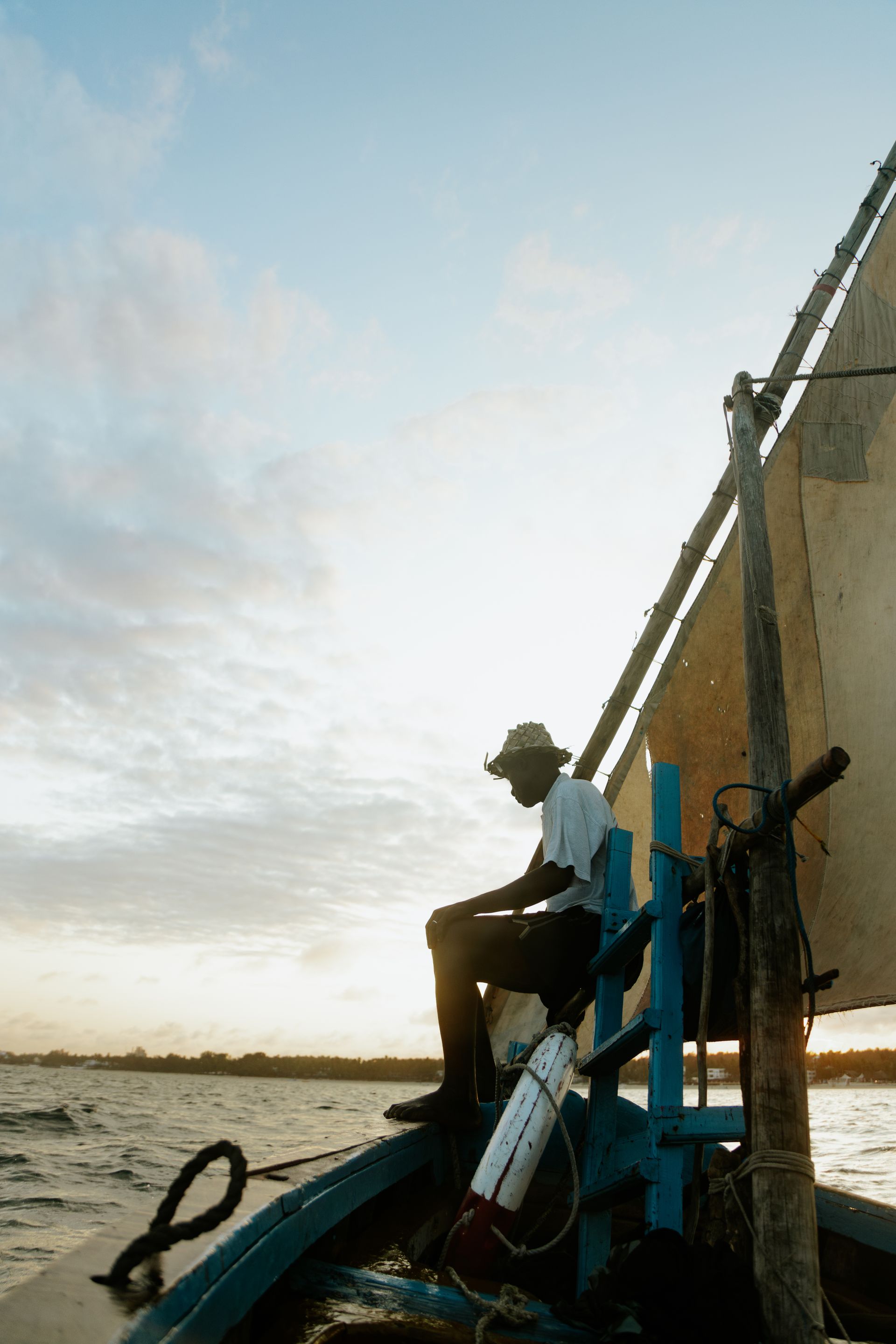
A completely different civilisation from the interior. Lamu is an old Swahili town built of coral stone, where cars are almost nonexistent and donkeys handle the transport. Further south lie Watamu, Kilifi and Diani, with coral reefs, mangroves and tides that structure the day. The food here is Indian, Arab and African all at once. Anyone who treats the coast as a mere beach add-on after the safari misses the point.
Highlands
Mount Kenya and the highlands
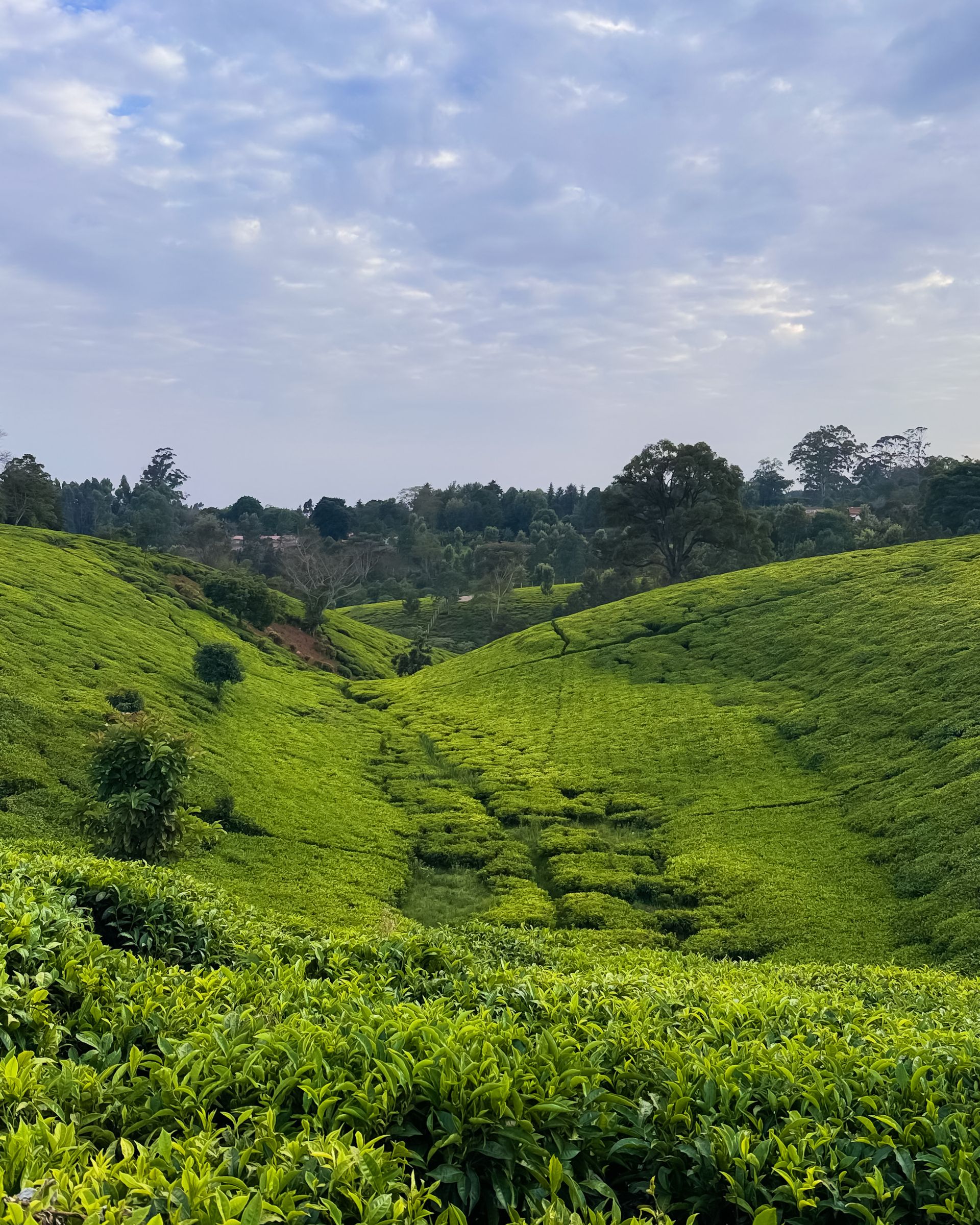
On the equator, and yet with snow. Mount Kenya is Africa's second-highest mountain, its flanks covered in bamboo forests, giant lobelias and forest elephants. Around it lie the densely populated highlands where coffee and tea are grown and the climate is surprisingly cool. Here you see how most Kenyans actually live, something a safari-only trip skips entirely.
The capital
Nairobi
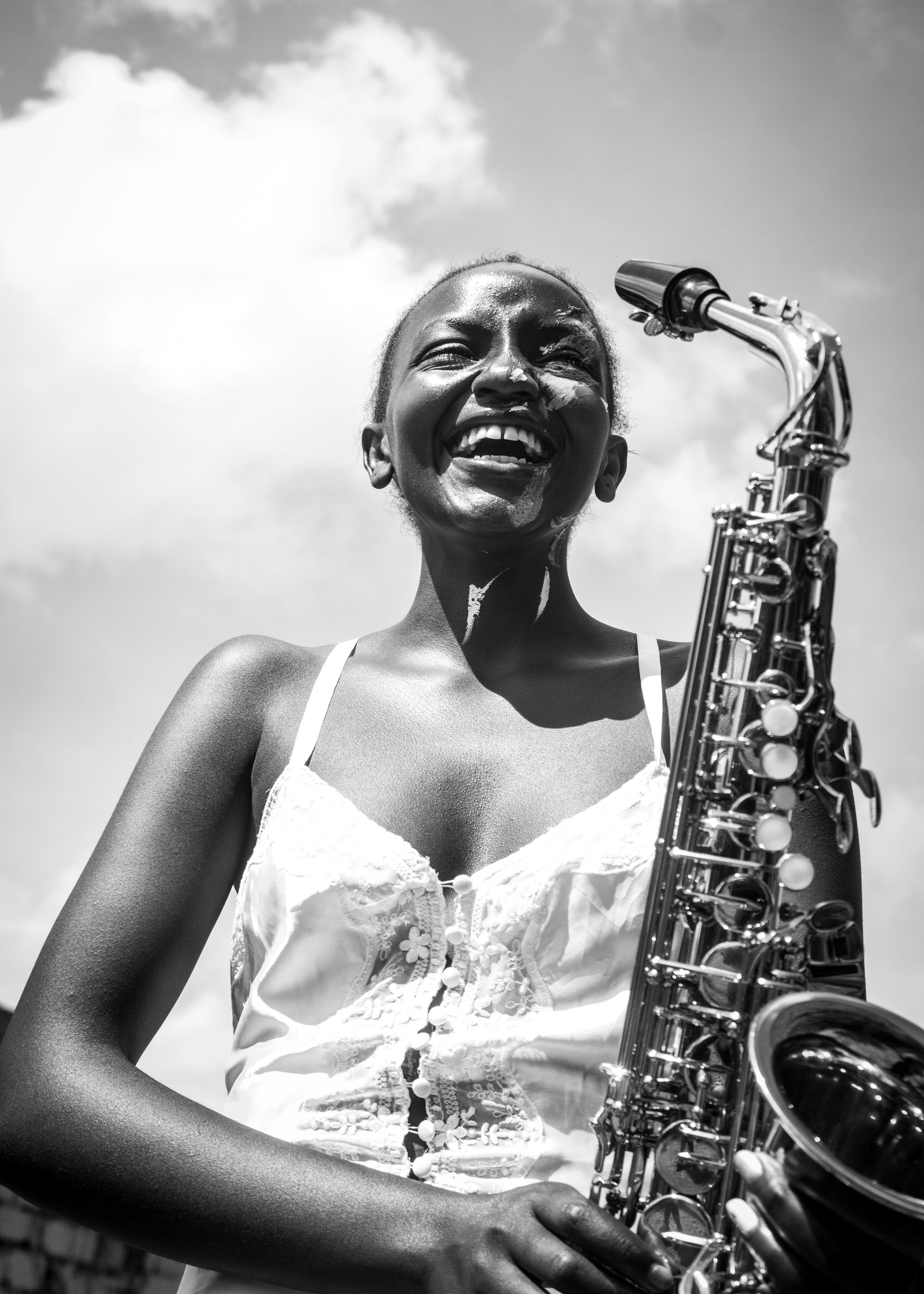
The only capital in the world with a national park inside its city limits, though that isn't the main reason to stay. Nairobi has a distinctly contemporary culture: galleries, designers, music, a food scene that has nothing to do with tourism. Anyone spending a single night here on the way to the airport hasn't seen the city.
People & culture
More than forty languages, one country.
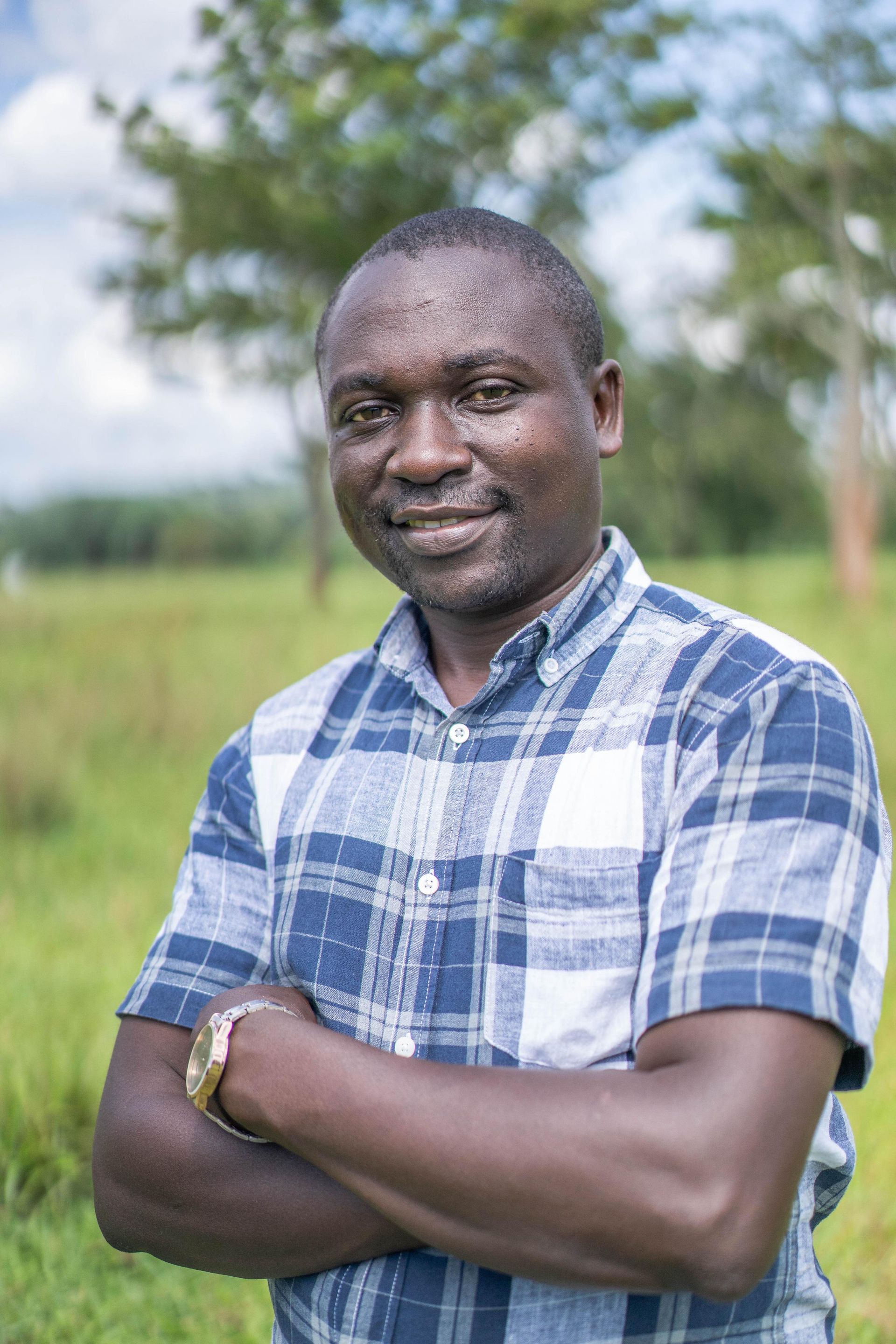
Kenya is home to more than forty ethnic groups, each with its own language, history and relationship to the land. The Maasai and Samburu are the best known to visitors, but the Kikuyu, Luo, Kalenjin, Turkana, Luhya and Swahili communities shape what Kenya is just as much.
What they share is Swahili as a common language, a strong sense of community, and a strikingly direct, humorous manner. Kenyans are generally open in conversation, including about politics and history.
We're deliberately careful here. A village visit can be genuine and mutually worthwhile, or it can be a performance that benefits no one. The difference lies in who organises it, where the money goes, and whether a real conversation actually takes place. That's exactly the kind of decision for which you need a local partner who knows their own region.
Wildlife & nature
Ticking boxes isn't the same as understanding.
The big animals are there, and seeing them remains a privilege. But the travellers who look back most fondly on Kenya are rarely the ones who counted the most species.
They're the ones who spent an entire morning with a single elephant family. Who learned from their guide why the birds were circling above a particular bush. Who understood how a conservancy works and why a Maasai family leases its land instead of grazing cattle on it.
Here, the quality of your guide matters more than the quality of your lodge.
The migration
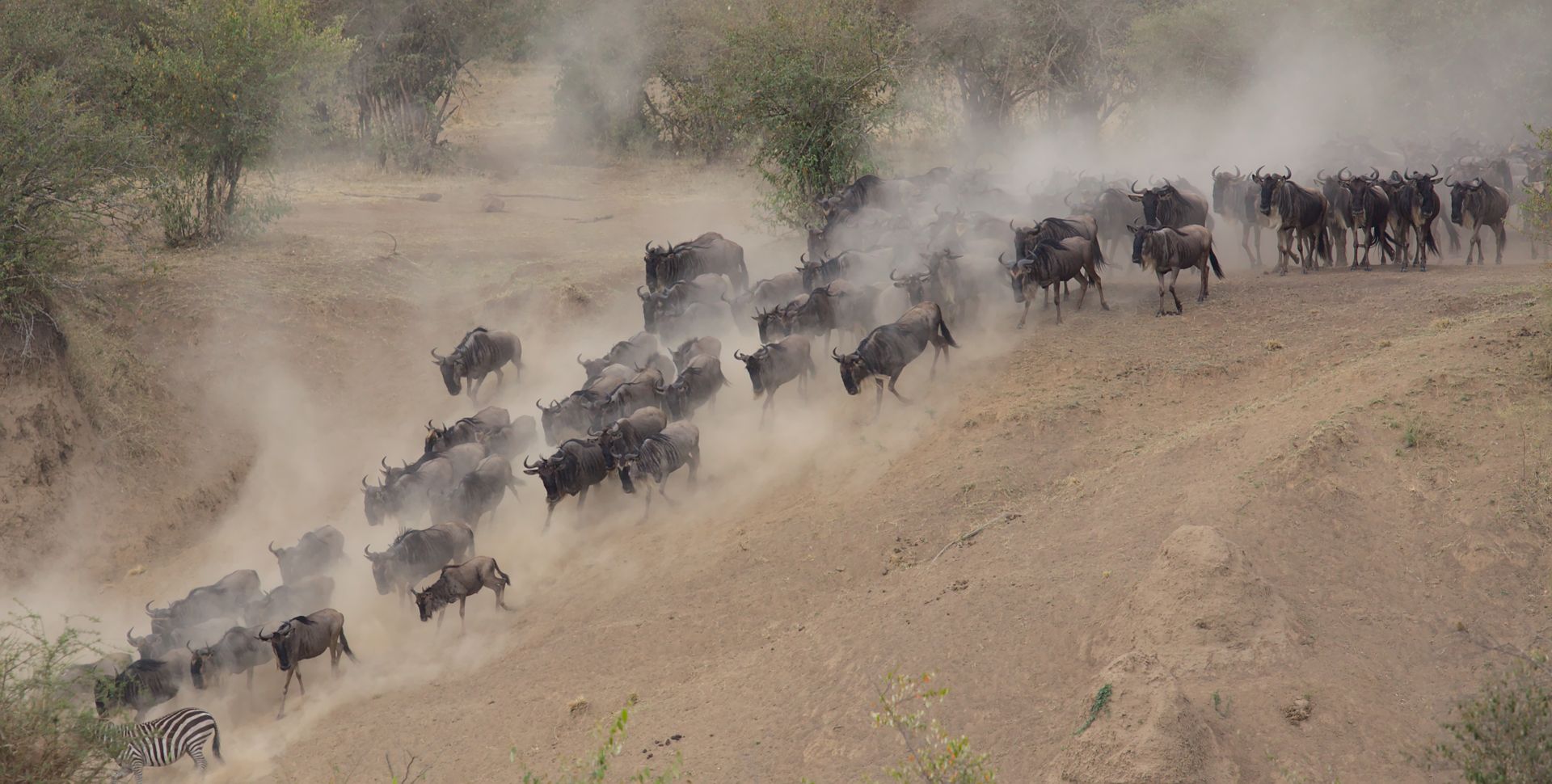
Roughly from July to October, the great herd moves through the Mara. The timing differs every year and no one can guarantee it. Anyone who claims otherwise is selling a certainty that doesn't exist.
What you almost never hear about
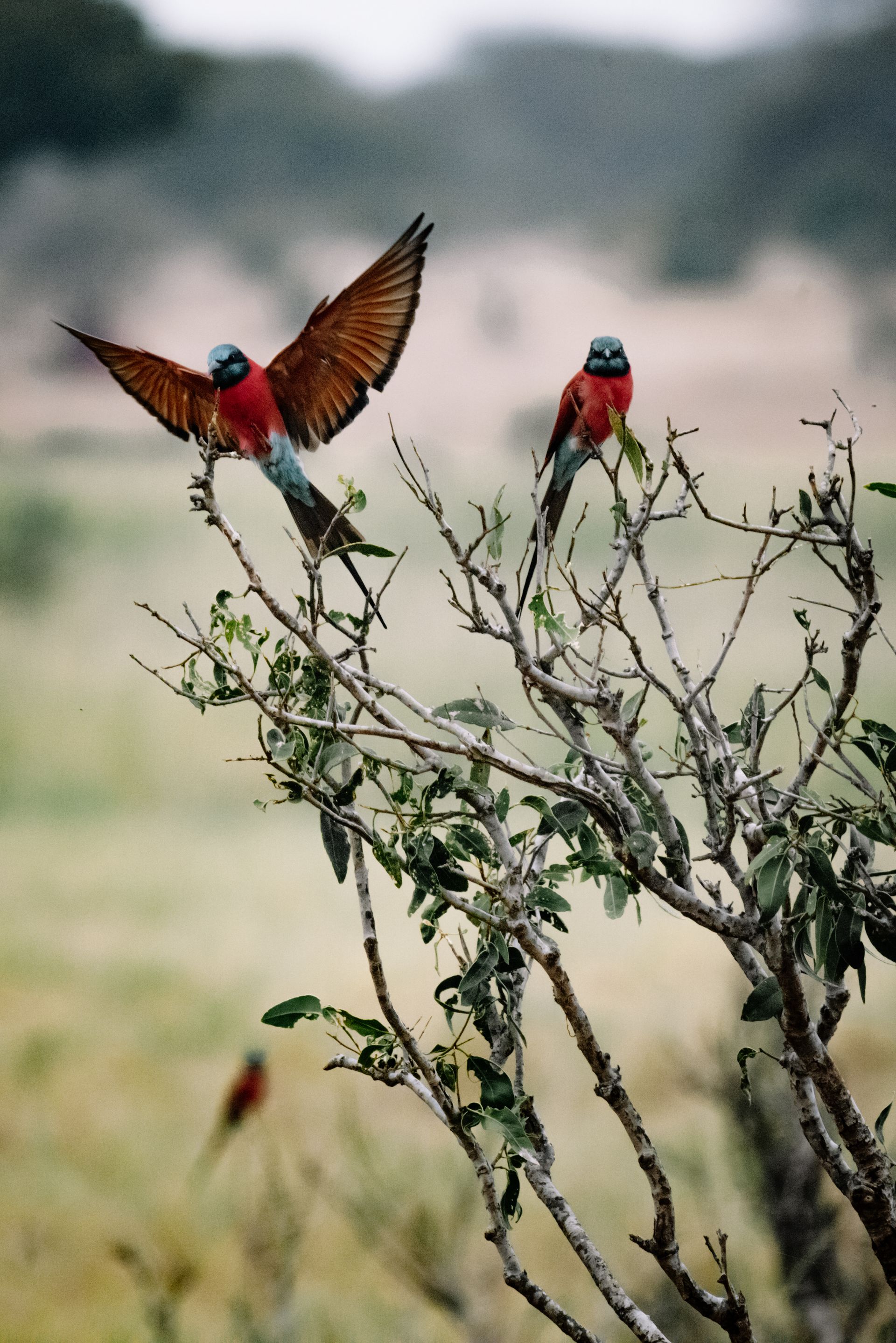
Kenya has more than a thousand bird species. For anyone open to it, that changes a safari completely. Suddenly there's something to see even in the quiet hours of the day.
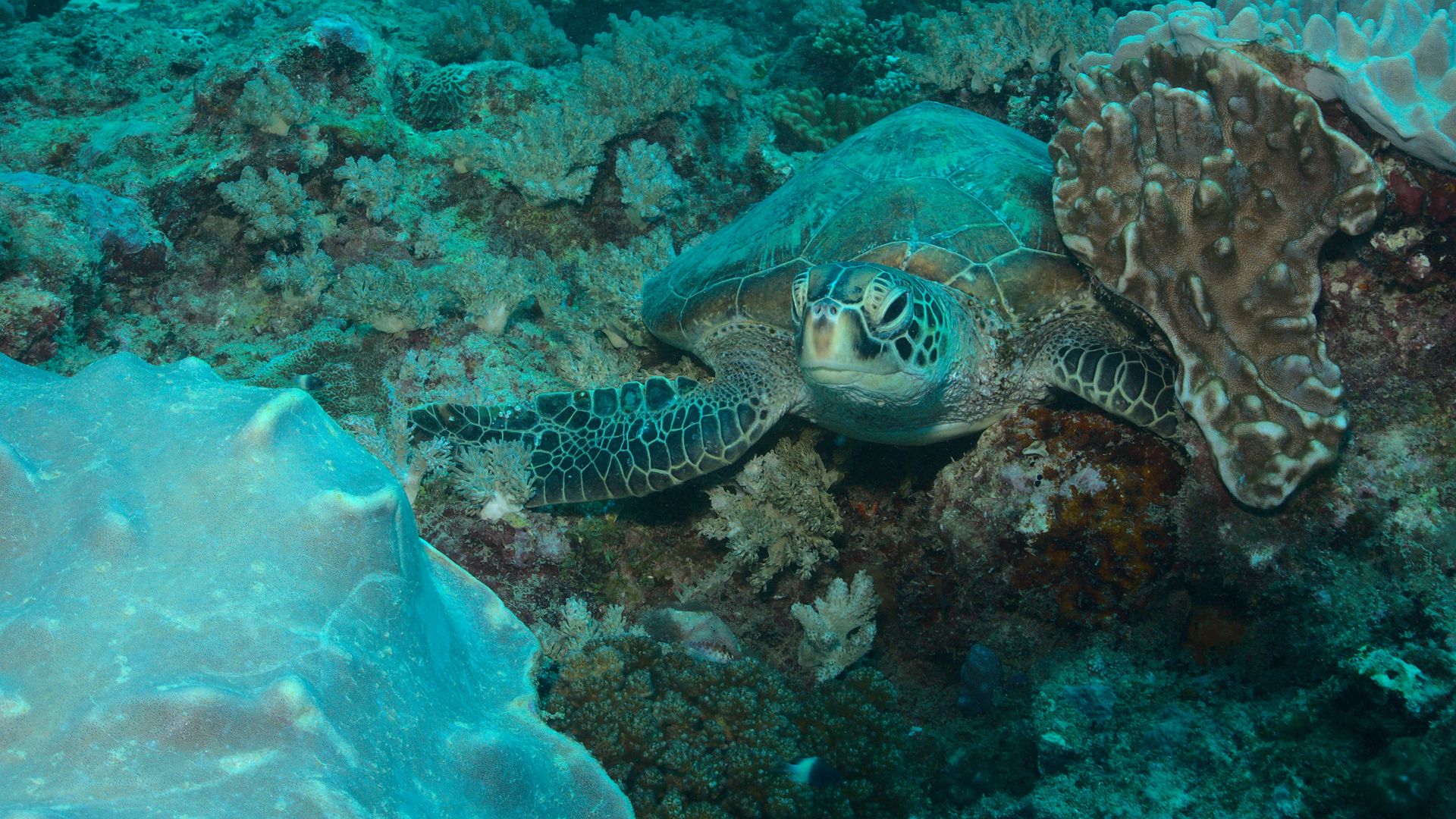
Nature beneath the surface
The marine parks off Watamu and Kisite are among the best protected in East Africa, with coral gardens, sea turtles, and whale sharks from November to March.
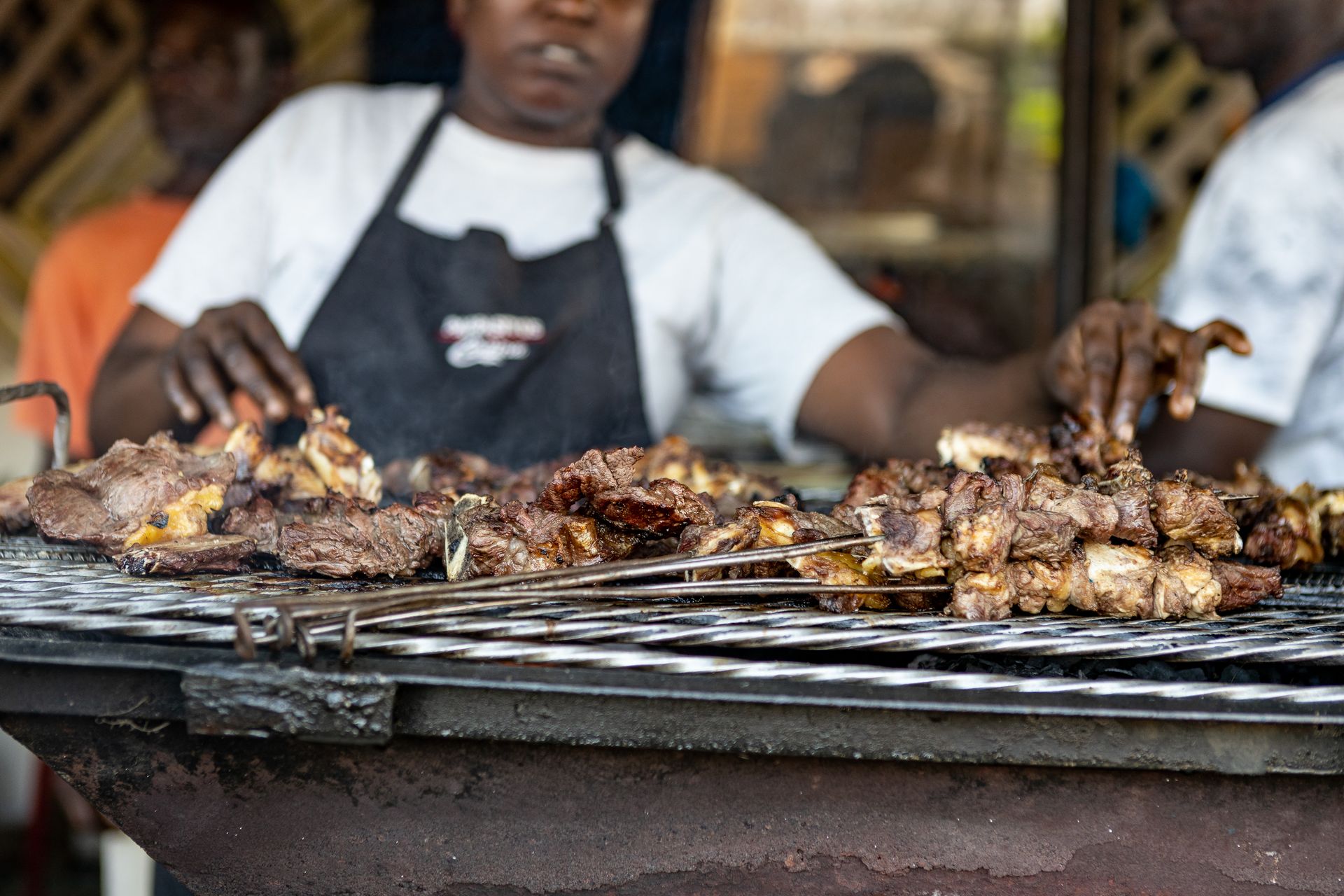
At the table
Getting to know a country through its food.
Inland, much revolves around nyama choma, meat slow-grilled over charcoal and eaten with your hands, usually in company and rarely in a hurry. Alongside it comes ugali, sukuma wiki, beans, and vegetables that thrive exceptionally well at this altitude.
On the coast, it's a different world altogether. Swahili cuisine is the result of a thousand years of trade across the Indian Ocean: coconut milk, tamarind, cardamom, cloves. Biryani, pilau, fresh fish, and in the morning mahamri with sweet tea.
And then there's Nairobi, where a generation of chefs uses Kenyan produce in a style all its own, without giving tourists a single thought. For some travellers, that's the most surprising day of the whole trip.
Possibilities, not an itinerary
What could Kenya be for you?
These aren't building blocks of a fixed itinerary. They're directions, ways to sense what appeals to you and what doesn't at all.
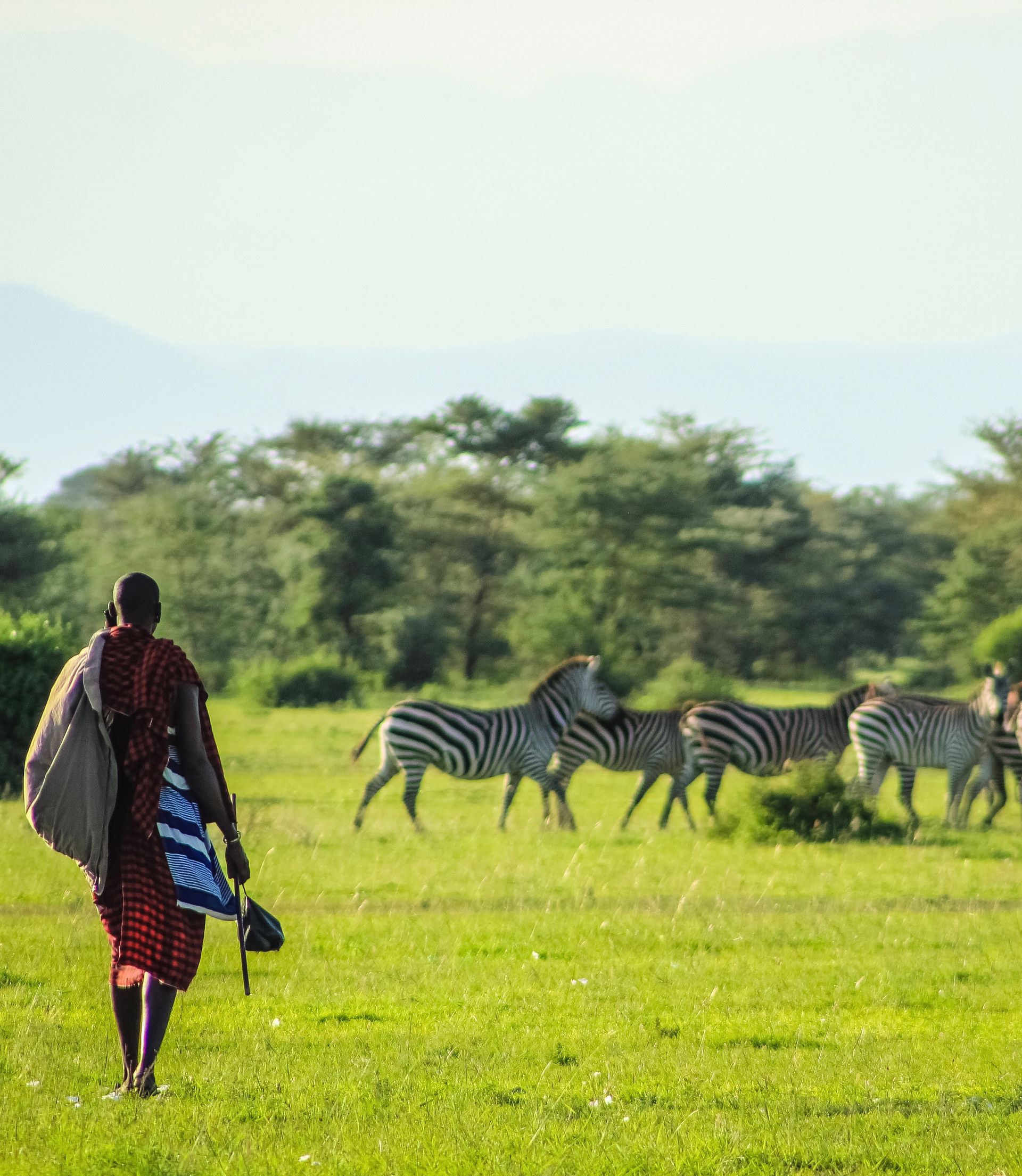
On foot through the bush
A landscape changes when you're not just viewing it from a vehicle. You move slower, you notice more smells, and you spot the tracks you would otherwise drive straight past.
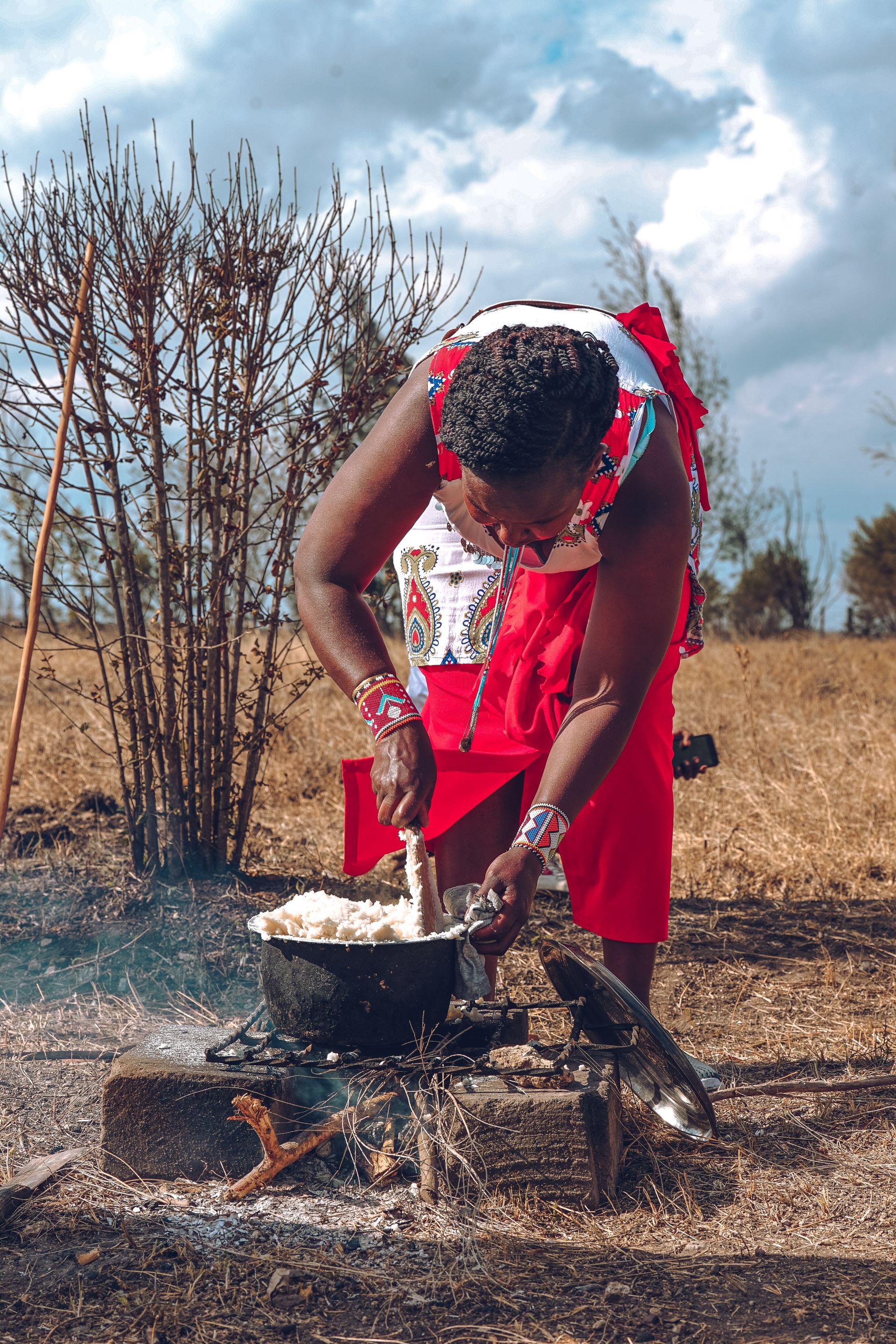
Getting to know the coast through its food
Discovering a destination through flavours, people and stories. Markets, home kitchens, fishermen at sunrise, and understanding why it eats the way it does.
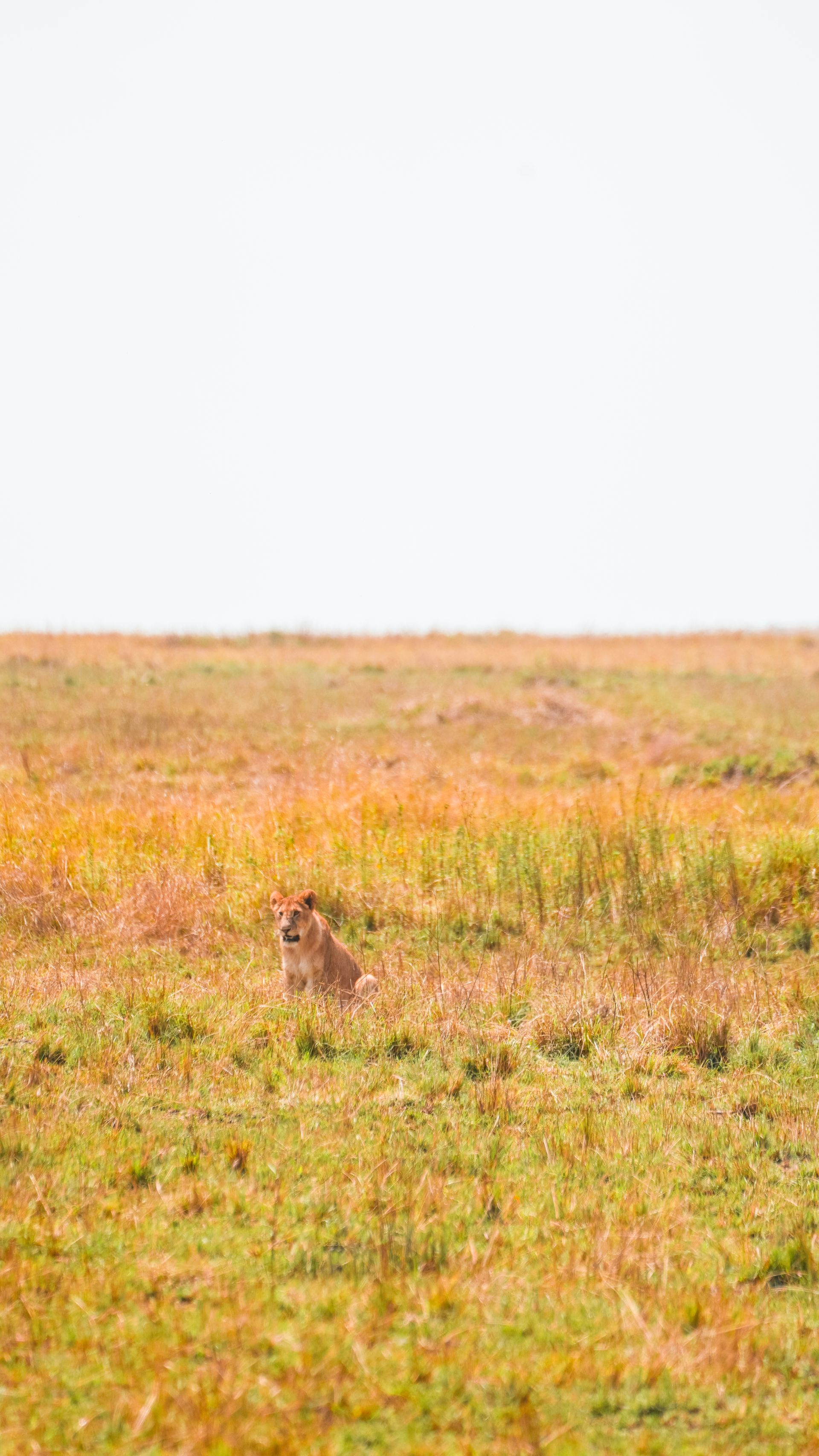
Taking time for wildlife
Not simply ticking off animals, but genuinely understanding what's unfolding around you. Sometimes that means staying in the same spot for an entire morning.
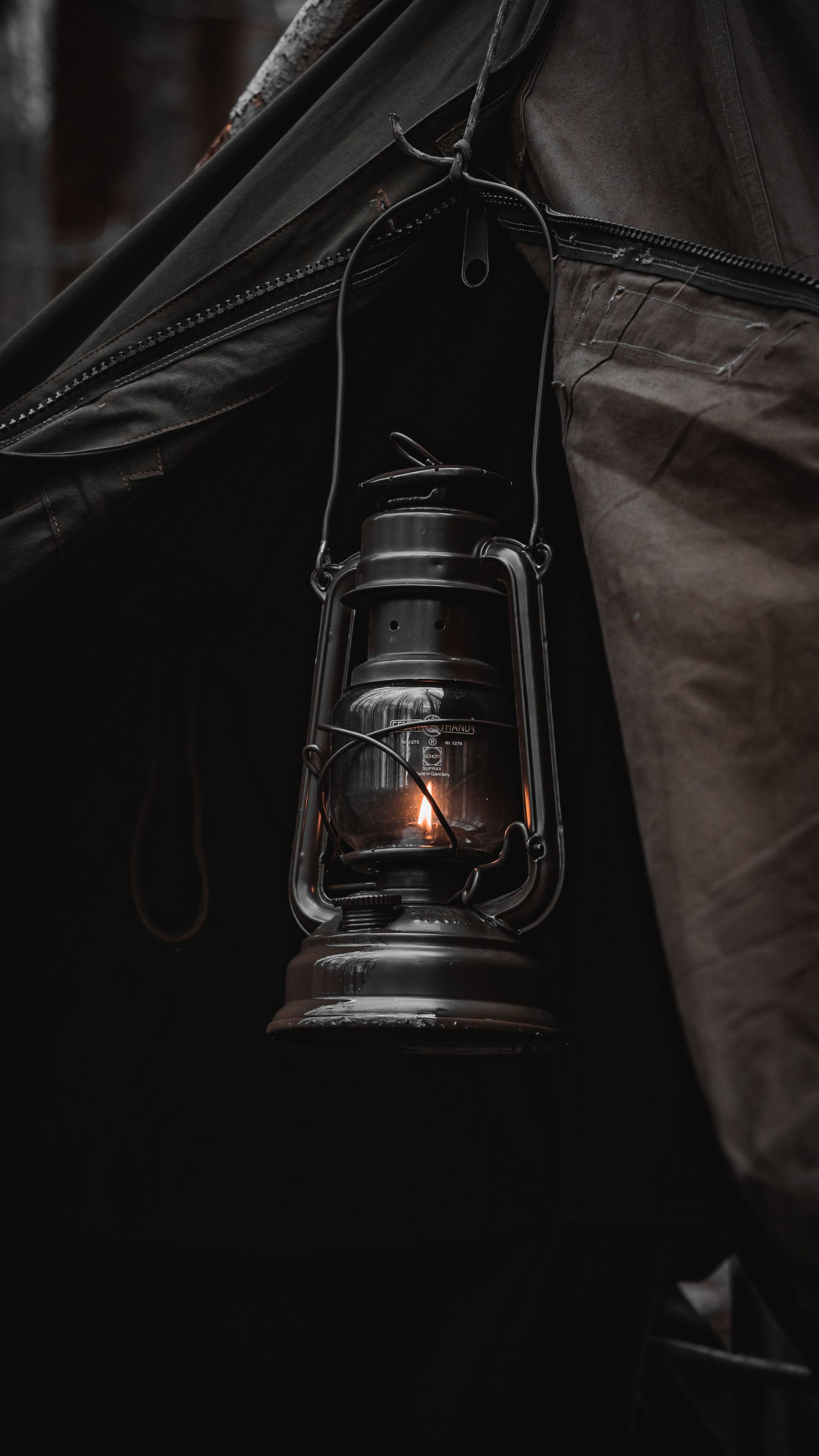
Sleeping in the middle of nature
From small-scale mobile camps to remarkable lodges, depending on how you want to travel. Comfort here isn't a star rating, it's a choice.
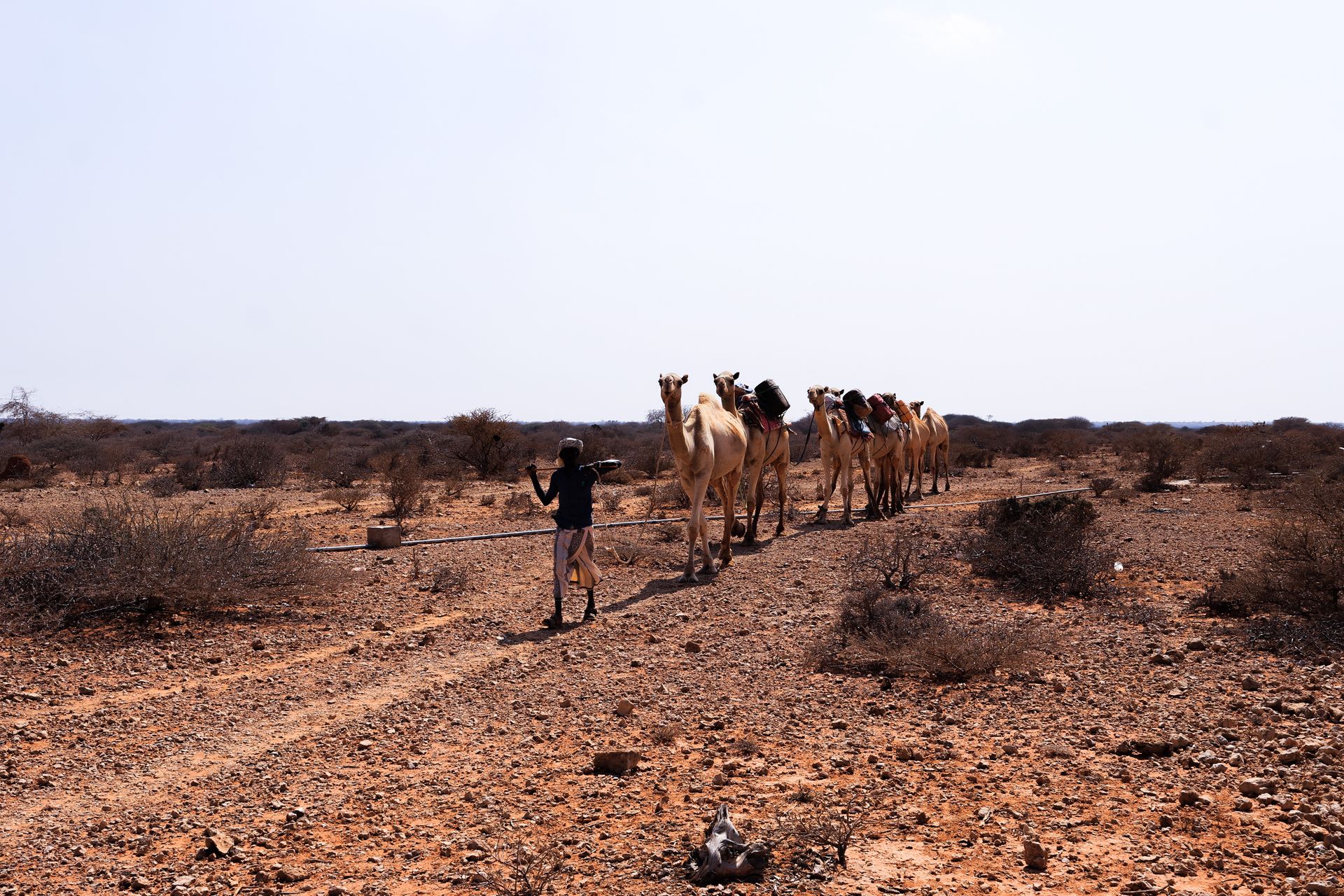
The landscape at a different pace
On horseback through Laikipia, by camel in the north, or days on foot with a community that sets the route. Travelling slower changes what you see.
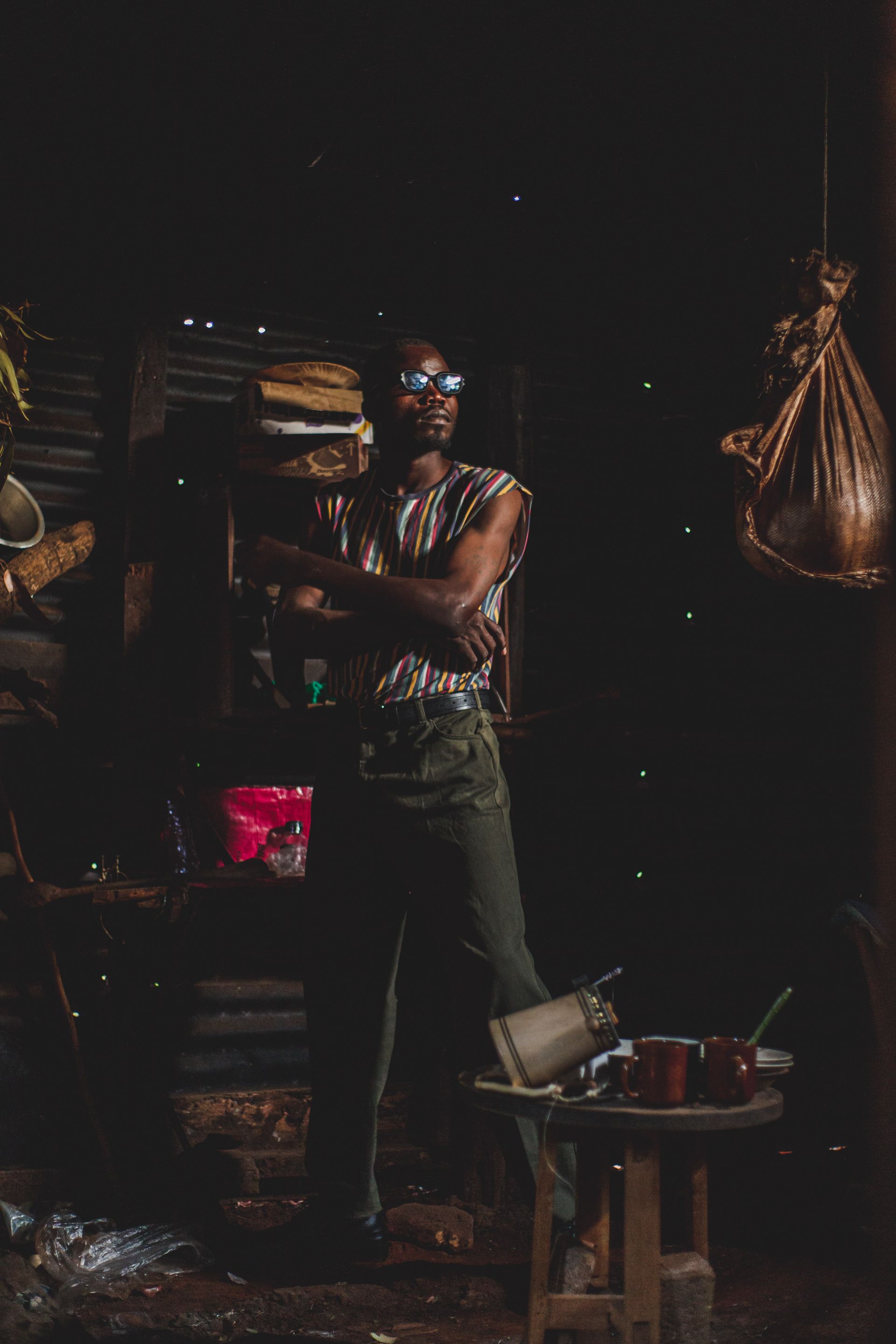
The Kenya of today
Studios, music, design and conversation in Nairobi. For anyone who wants to see a country not just as it was, but as it reinvents itself today.
These are possibilities.
Not your journey.
When would you travel?
There's no bad season. There are different trips.
Kenya sits on the equator: the temperature barely changes throughout the year, but the rain does. January and February are dry and clear. From March to May the long rains fall: greener, quieter, cheaper, and with more dramatic light than at any other time.
June to October is the dry high season, with the migration passing through the Mara sometime between July and October. November and December bring shorter showers that rarely spoil a day.
There is one nuance that matters more than the calendar: where you are counts for more than when. The coast and the north follow their own rhythm, and a well-chosen combination makes almost every month workable.
Jan
Feb
Mar
Apr
May
Jun
Jul
Aug
Sep
Oct
Nov
Dec
Dry and clear
Mixed, often excellent
Rainy season: green, quiet, its own charm
Looking past the highlights
Where we look at things differently.
Conservancies over reserves. The community conservancies around the Mara and in Laikipia limit vehicles and guests. Walking is allowed, night drives are allowed, and the proceeds go directly to the landowners. It costs more per night. For many travellers, it's the most important choice of the whole trip.
Fewer places, more nights. The most common mistake in Kenya is wanting too much. Three nights in one place almost always delivers more than two lots of a night and a half.
The north. Samburu, the Mathews Range, Turkana: rarely visited, more demanding logistically, and for those who love it, the most memorable side of the country.
The coast as a destination, not a dessert. Lamu and the area around Kilifi deserve more than the three beach nights usually set aside for them.
Worth knowing
Practical, without the noise.
We'll talk through the full, up-to-date picture in person, including what matters specifically for your trip.
- Getting there
- Direct flights from Brussels to Nairobi, about eight hours. Domestically, small aircraft are widely used, which saves long days on the road.
- Documents
- An electronic travel authorisation is required and applied for online in advance. We'll guide you through it.
- Health
- Malaria prevention is advisable for most areas, depending on region and season. Check with your doctor or travel clinic.
- Altitude
- Nairobi sits at about 1,700 metres. Anyone heading to Mount Kenya should factor in acclimatisation.
- Luggage
- Small aircraft enforce strict weight limits, usually with soft-sided bags. It sounds like a detail, but it determines how you pack.
- Travelling with children
- Perfectly possible, but not every camp accepts young children and not every activity is suitable. The right selection makes all the difference.
- Pace
- Distances are large and roads vary in quality. Plan on fewer places than you initially had in mind.
- Paying
- Card payment works smoothly in cities and lodges; mobile payment is everywhere. In rural areas, cash remains useful.
Or perhaps this
Other destinations
Still weighing it up? That is no problem at all. The right country often only becomes clear once the conversation starts.
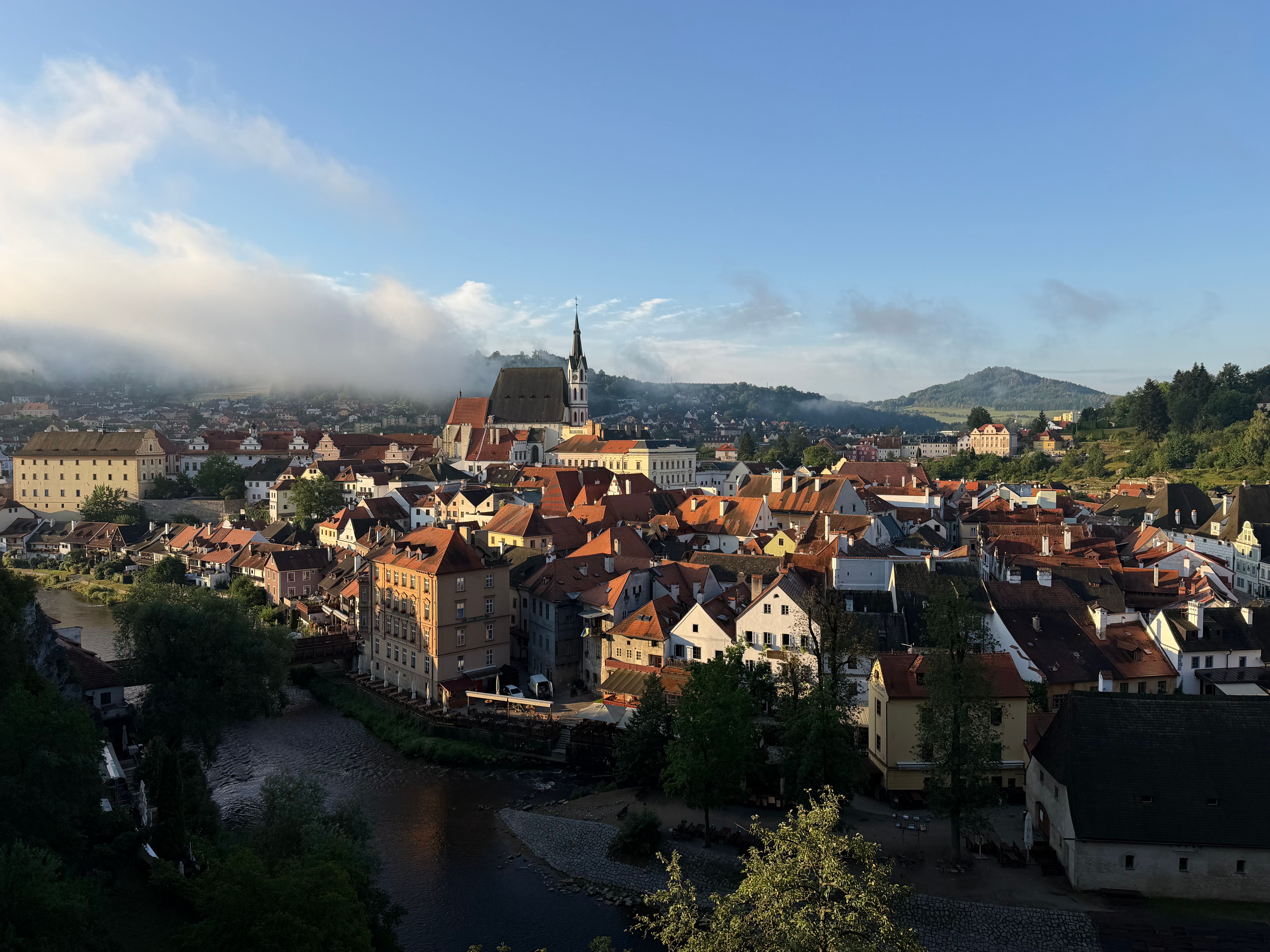
Central Europe
Czech Republic
Prague is only the beginning; beyond it lie castles, forests and small towns that rarely make anyone's list.
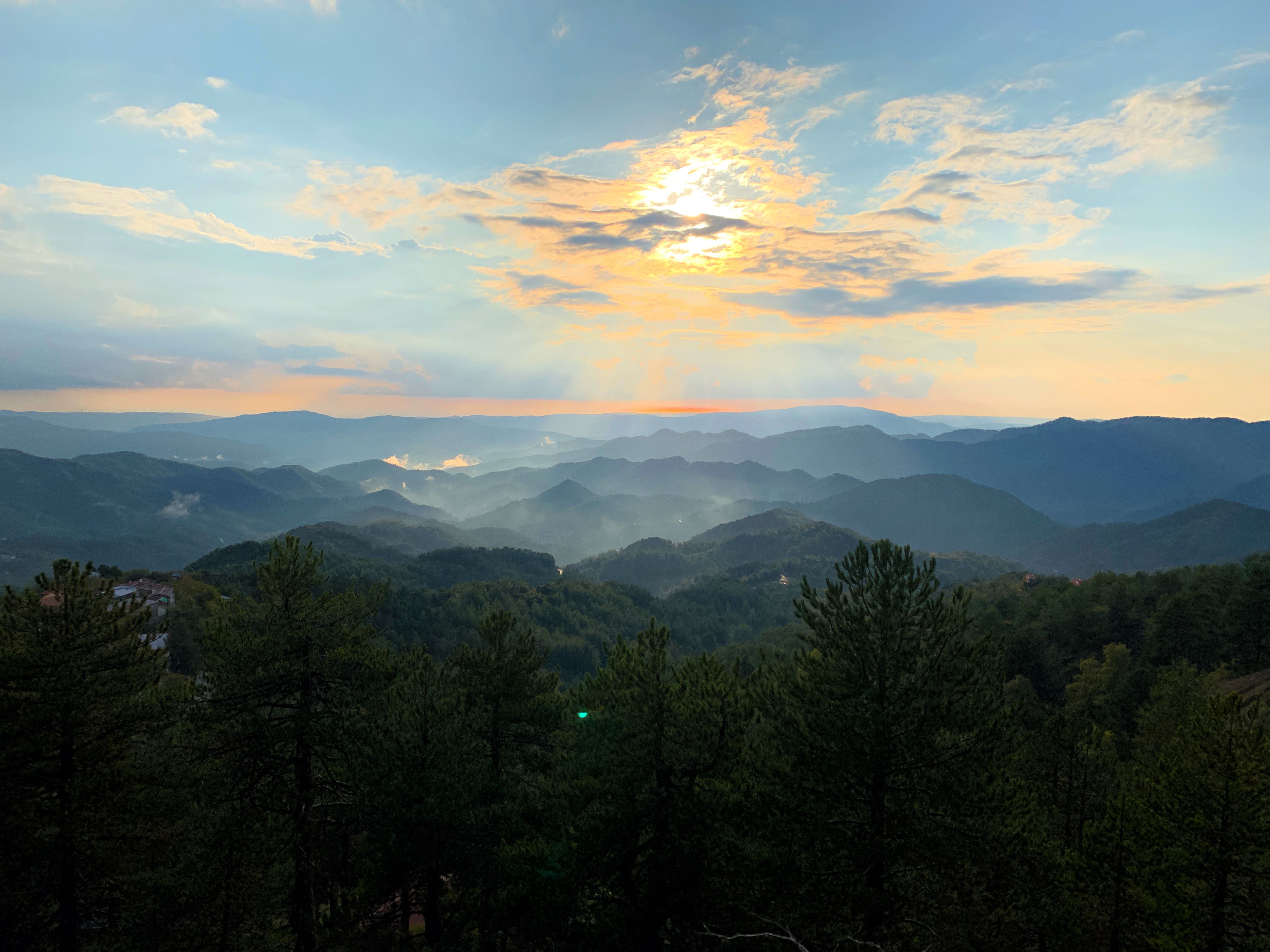
Eastern Mediterranean
Cyprus
An island that calls itself Greek, feels Turkish, and is fully neither, with an interior that few visitors ever see.
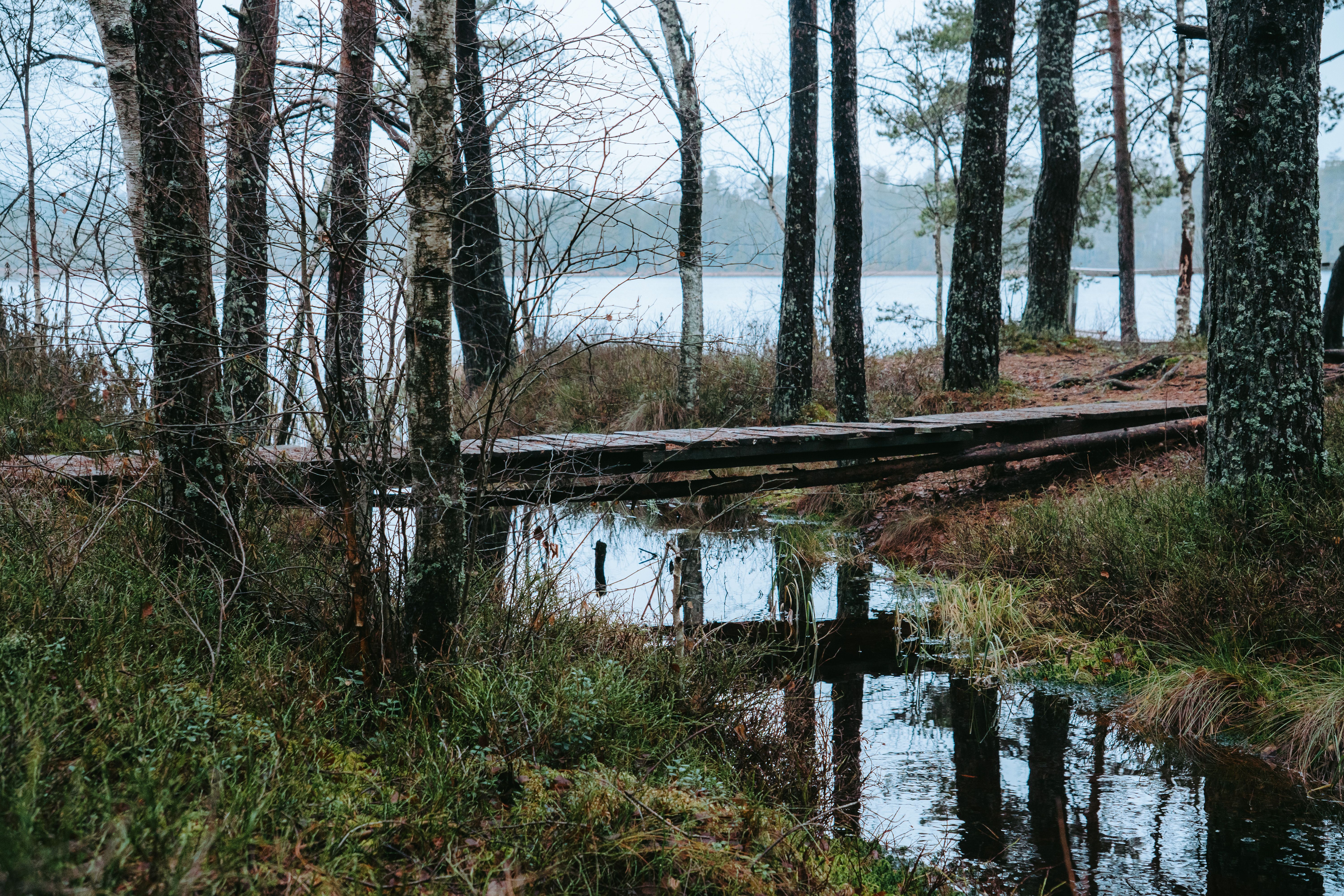
Baltic states
Estonia
Forest and marsh stretch to the horizon, a digital capital, and a stillness that feels further north than the map suggests.
How it works
This is how your journey to Kenya takes shape.
Six steps, from your first story to your homecoming. The conversation and the feasibility check cost you nothing.
-
01
Tell us your story
Fill in the form or give us a call. You do not need a route yet: a country, a period or just an idea is enough.
-
02
The conversation and the check
We talk through what you are looking for, by phone or by video, and check whether it can be done. If it can, we set down together what we will make for you.
-
03
We design your journey
We build your programme up, day by day, together with our own people in the country itself.
-
04
Your proposal
You read your journey day by day, with everything that is included. You say what you would like differently, until it is right.
-
05
Ready to depart
You send us your details, we send you your travel documents. You have one fixed contact who knows your journey.
-
06
Travelling, and after
Your contact stays reachable while you are away. Once you are home, we call one more time.
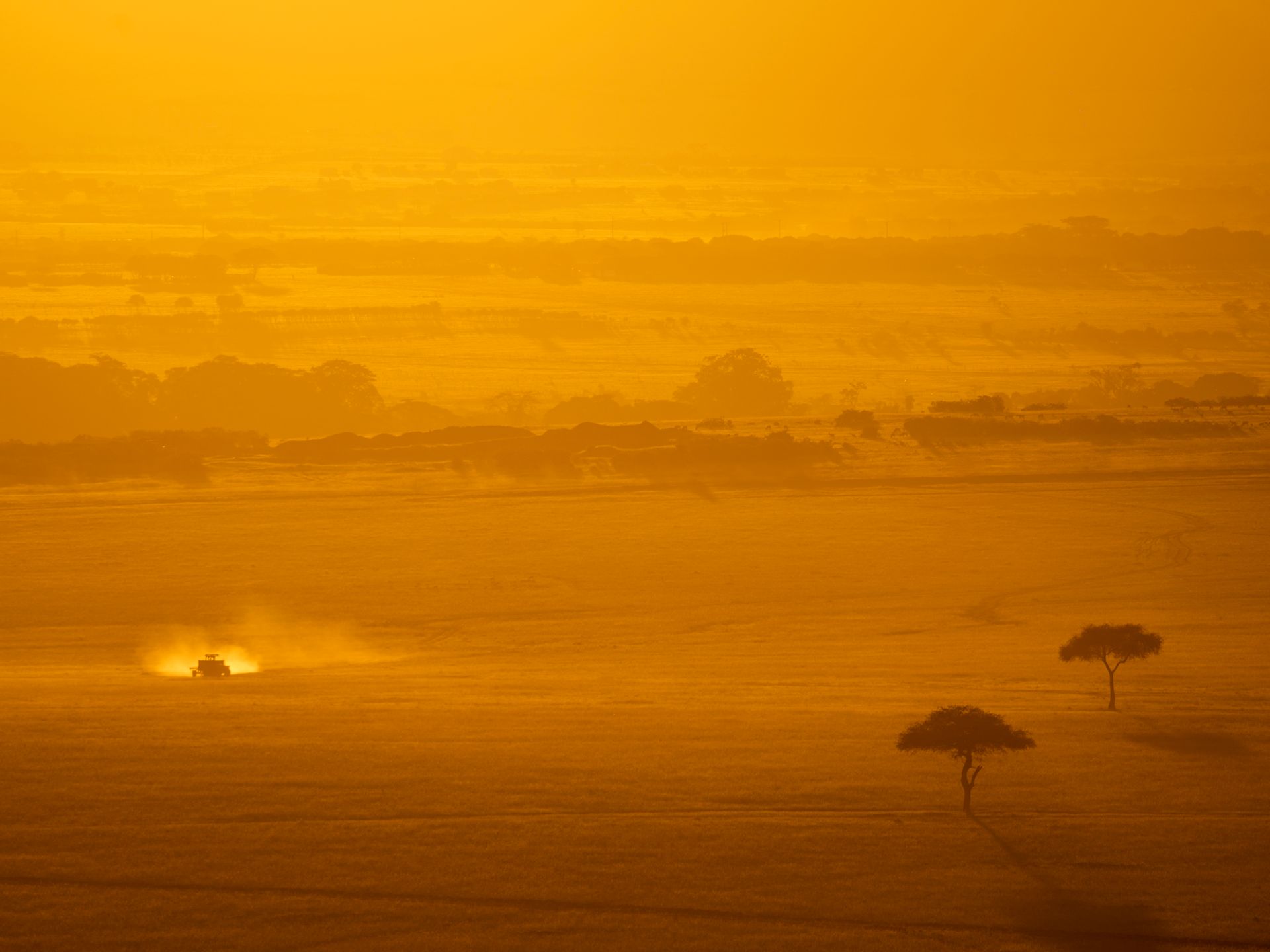
The next step
How would you like to experience Kenya?
Tell us what draws you to Kenya, who you want to travel with, and what you have in mind. We get to know you as a traveller first, then build from there together with a local partner who knows this country from the inside.