Southeast Asia
Vietnam
A country best understood at the table.
This is Vietnam
Three thousand kilometres, and a different country at either end.
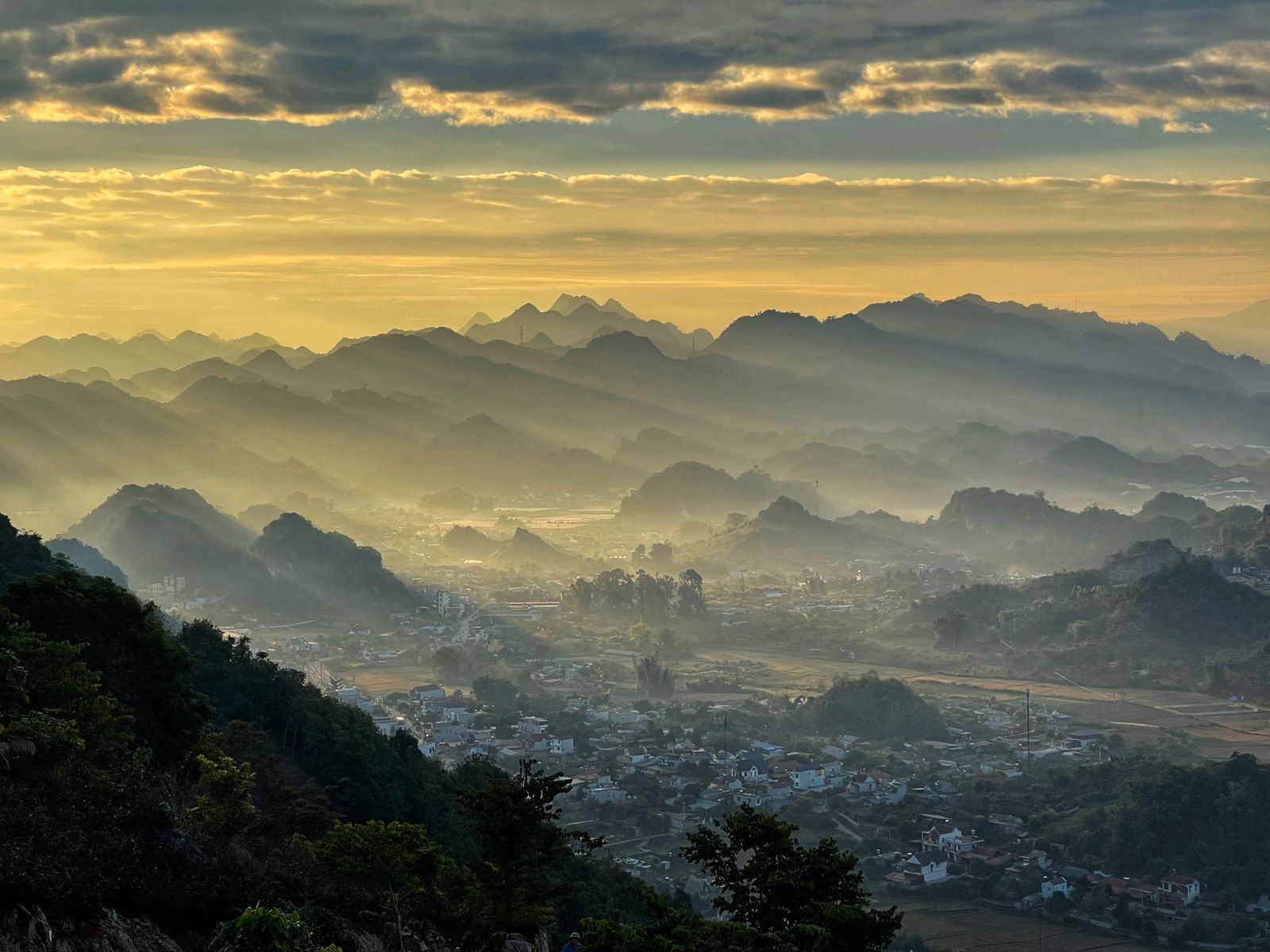
Vietnam is narrow and exceptionally long. From the mountains on the Chinese border to the last branch of the delta lies more than three thousand kilometres, and across that distance almost everything changes: the climate, the accent, the architecture, the temperament and, above all, the food.
The north has four seasons and can turn cold in January. The south knows only wet and dry, and is always warm. Hanoi is understated, formal and old; Ho Chi Minh City is loud, entrepreneurial and forward-looking. Between them lies a central stretch with an imperial past and its own, spicier cuisine.
What binds the country is water and work. Rivers as roads, rice paddies pressed against the mountainside, markets busiest at five in the morning, and someone cooking on the pavement everywhere you look.
Saying "we want to go to Vietnam" doesn't actually say very much. The question is which part, and at what pace.
At the table
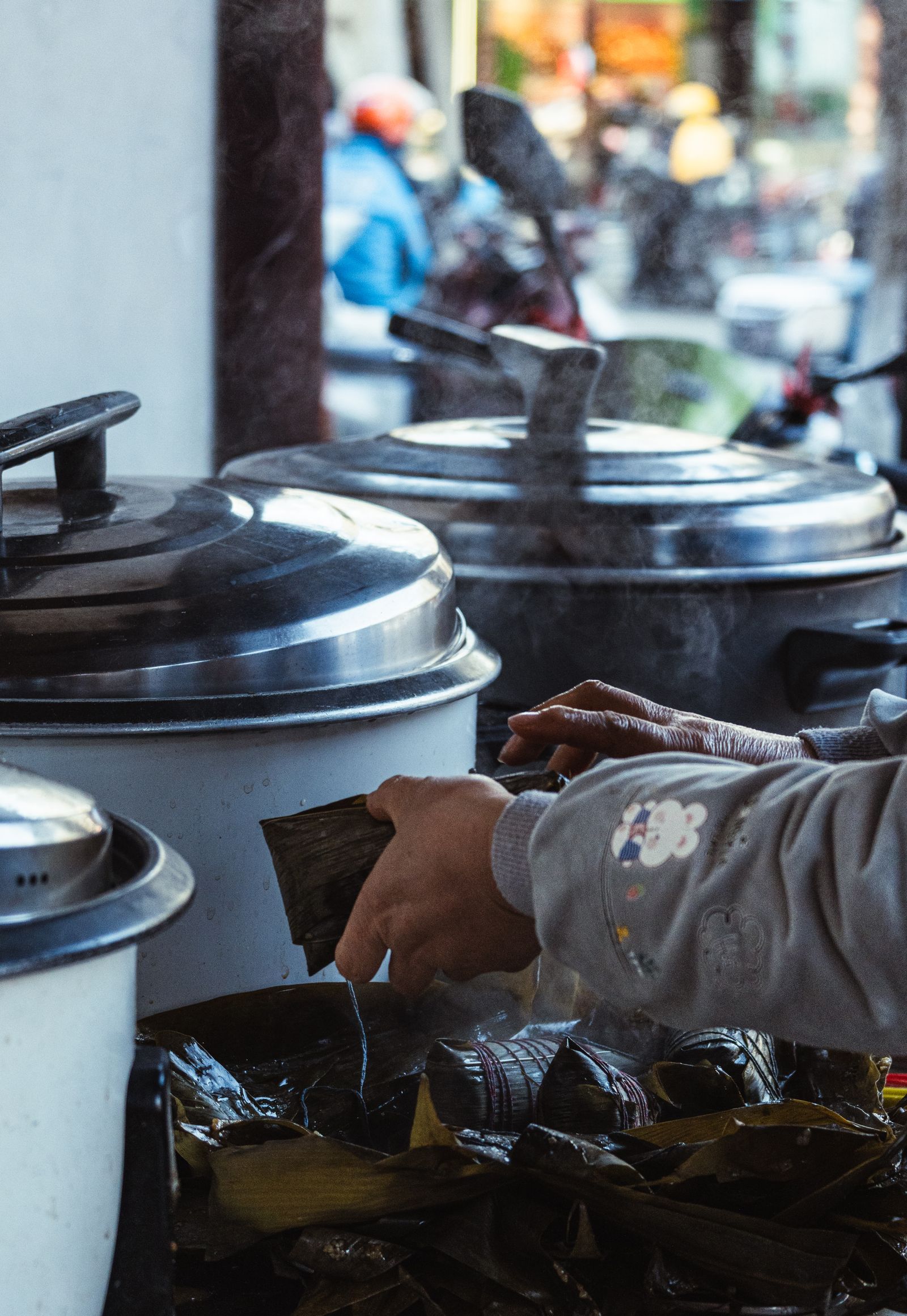
The shortest route into this country runs past a plastic stool.
Vietnamese cuisine is distinctly regional, and the differences are greater than visitors expect. Pho in the north is clear and understated; in the south it arrives with a mountain of herbs and a sweeter broth. The central stretch around the old imperial city eats spicier, in many small dishes at once.
Almost everything happens on the street, and almost always one stall does one thing. The woman on the corner has made the same dish for thirty years and nothing else. Understand that, and you eat better in Vietnam than anywhere.
And then there's coffee. Vietnam is one of the world's largest producers and has developed a coffee culture with nothing in common with Italy's: strong, with condensed milk, over ice, or, in Hanoi, whipped with egg yolk into something between a dessert and a drink.
For many of our travellers, food here doesn't become part of the trip, it becomes the thread that runs through it.
North to south
Seven Vietnams.
Each region has its own climate, cuisine and pace. Choosing matters more here than combining.
The capital
Hanoi
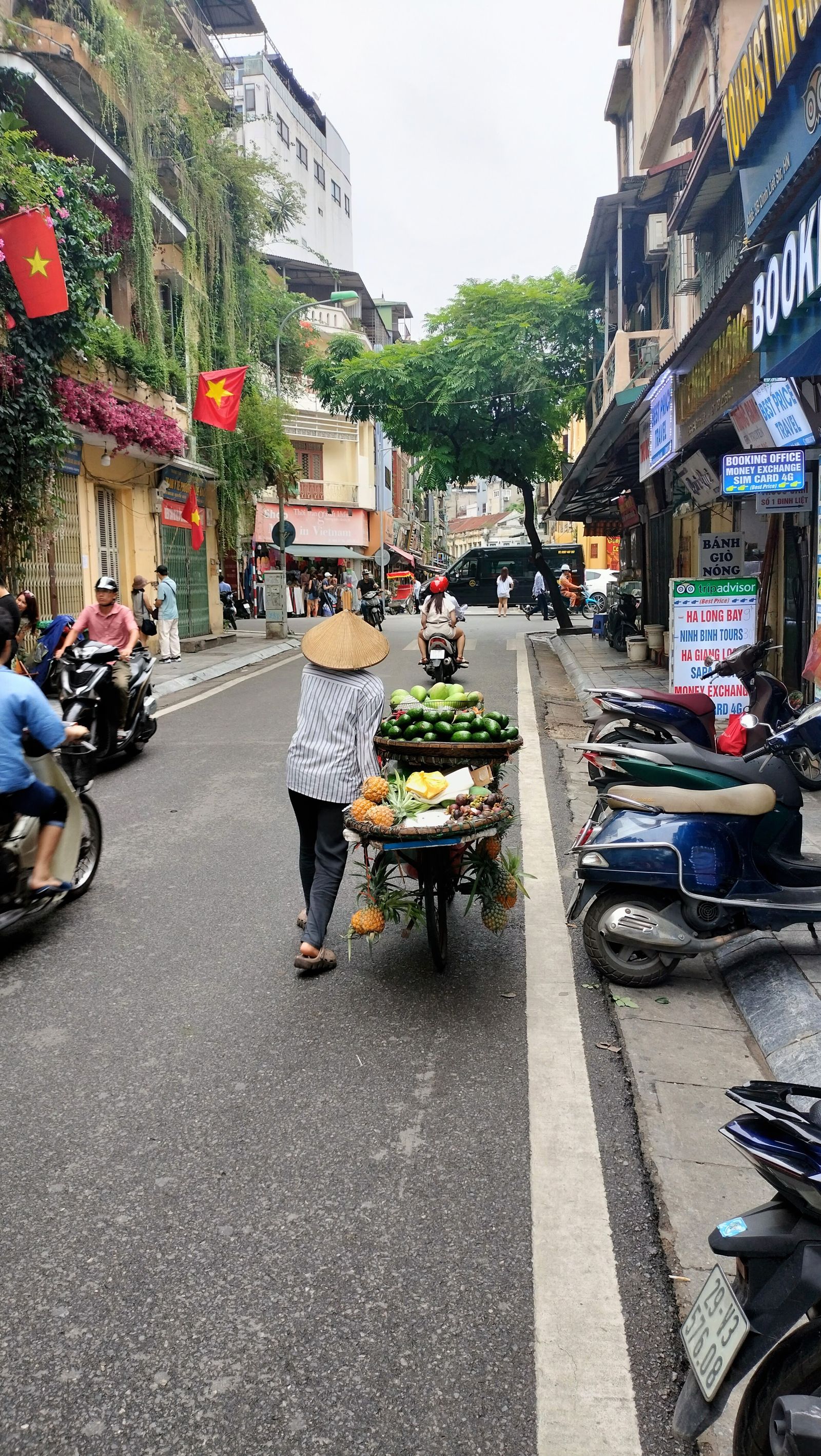
A thousand years old, with an old quarter where streets are still named after their trade. Hanoi is slower and more reserved than the south: coffee houses on first floors, lakes where people exercise at six in the morning, French facades slowly crumbling. The city doesn't reveal itself at once, and rewards those who stay longer than two nights.
The far north
The mountains on the border
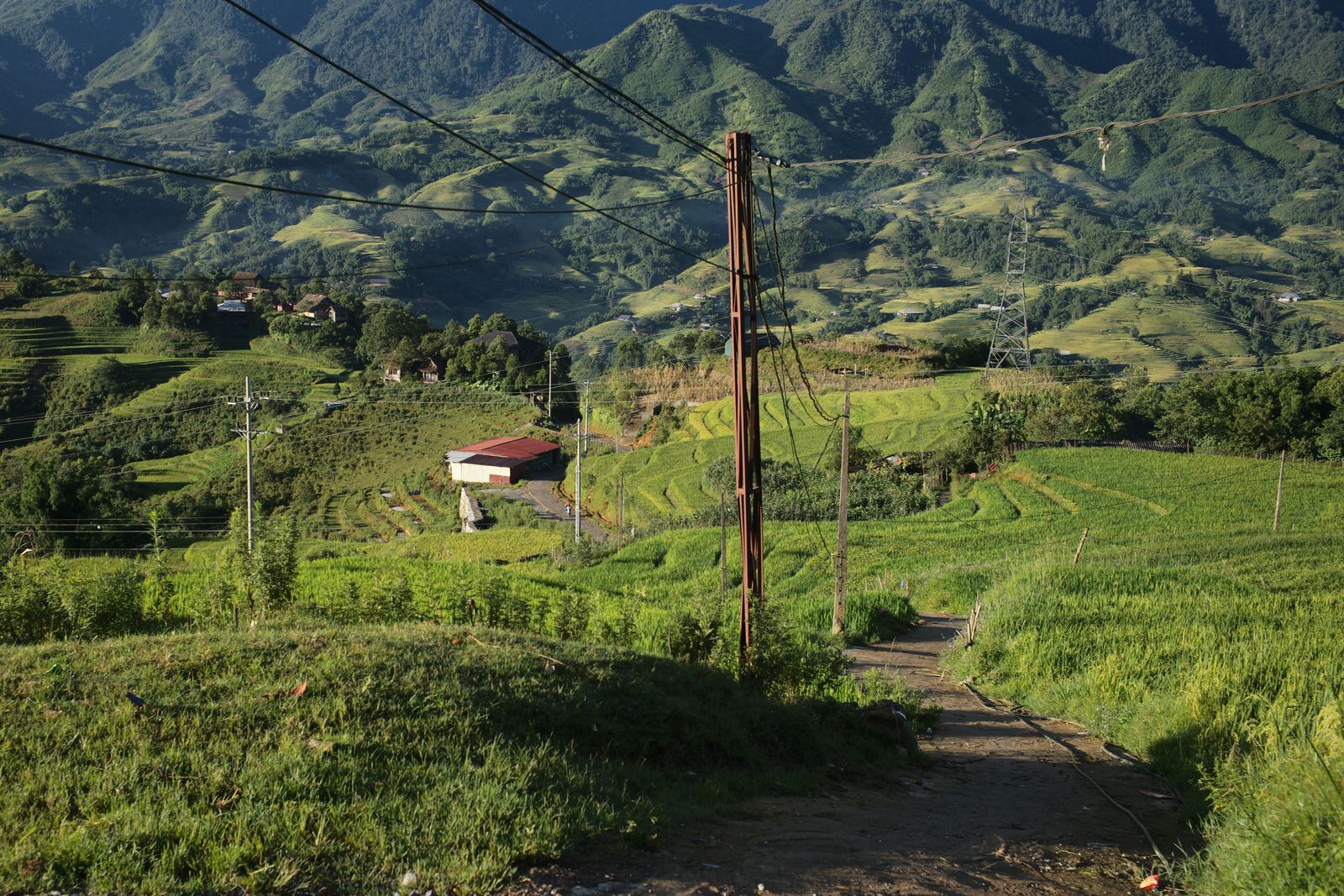
Limestone peaks, rice terraces climbing the slopes, and dozens of ethnic groups each with their own language and textiles. The best-known mountain town is now built up and busy; the areas further east, towards the Chinese border, are anything but. There you drive for hours along mountain roads with views that would be a national point of pride in Europe.
The Red River Delta
Bays and inland waters
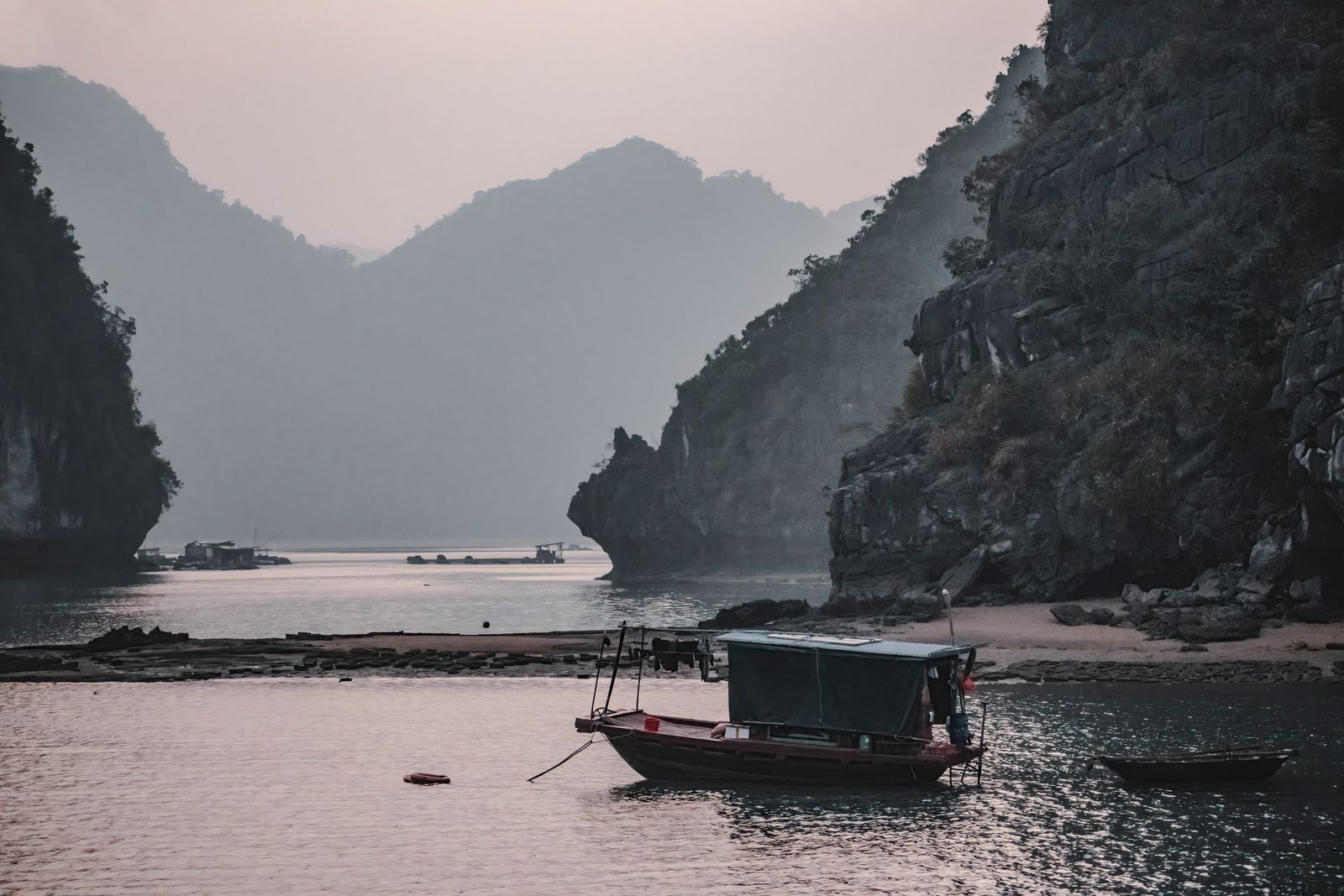
The famous bay with its limestone islands is genuinely spectacular, and genuinely busy. Neighbouring bays offer the same geology with a fraction of the boats. Inland lies an area sometimes called 'the bay on land': the same rock formations, but with rice fields and streams between them, to explore by rowing boat or bicycle.
The centre
Hue, the caves and the coast
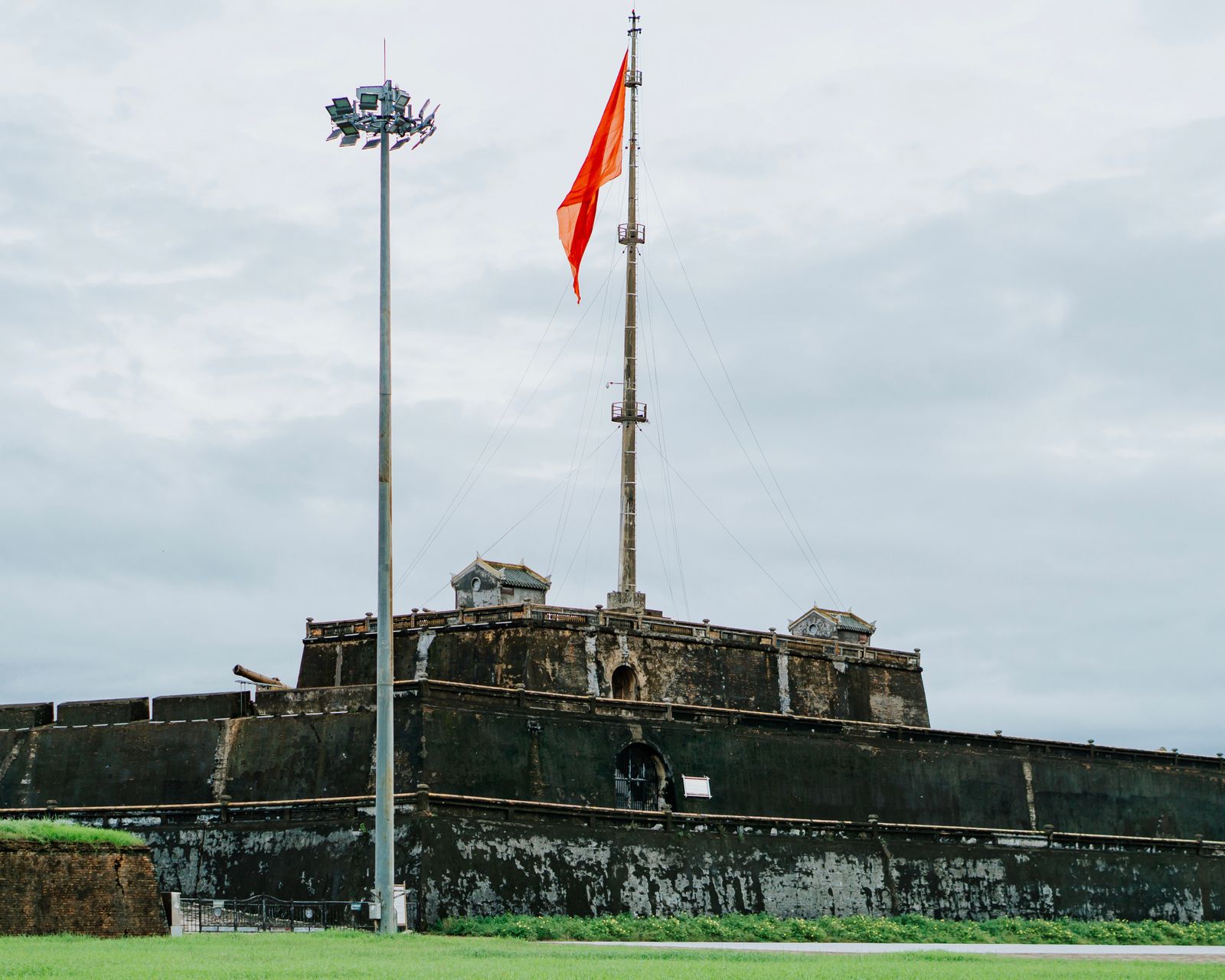
The old imperial city with its citadel and royal tombs, a cuisine more refined and spicier than elsewhere, and not far away a cave system that ranks among the most impressive in the world, with passages large enough for a skyscraper. Further south lies a small port town carrying centuries of Japanese, Chinese and European trading history.
The highlands
The coffee region
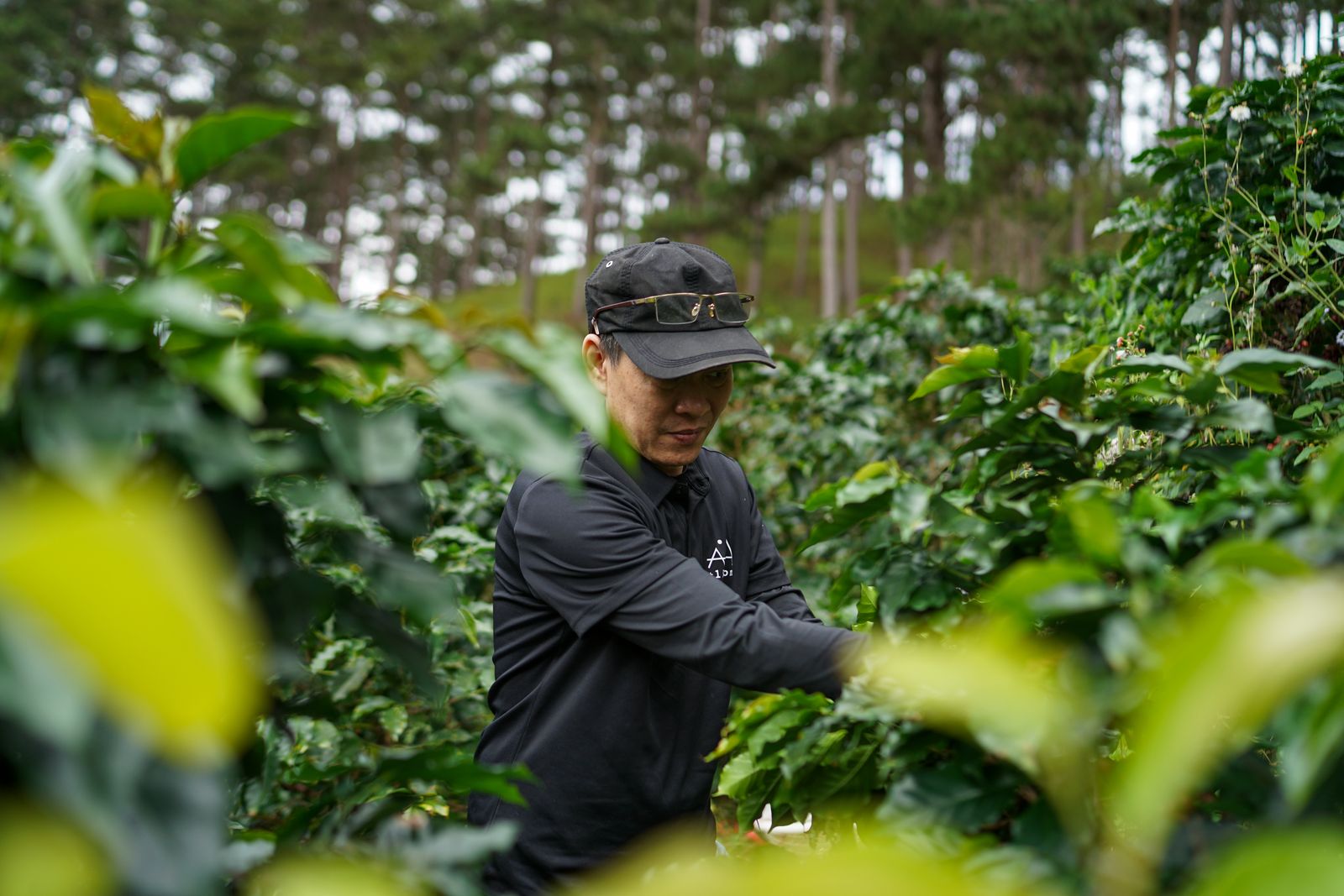
Little visited and all the more surprising for it: red earth, coffee plantations, waterfalls and communities with nothing to do with the coast. Anyone wanting to understand how Vietnam became the world's second-largest coffee producer should come here, and anyone who loves driving will find the country's finest roads.
The south
Ho Chi Minh City
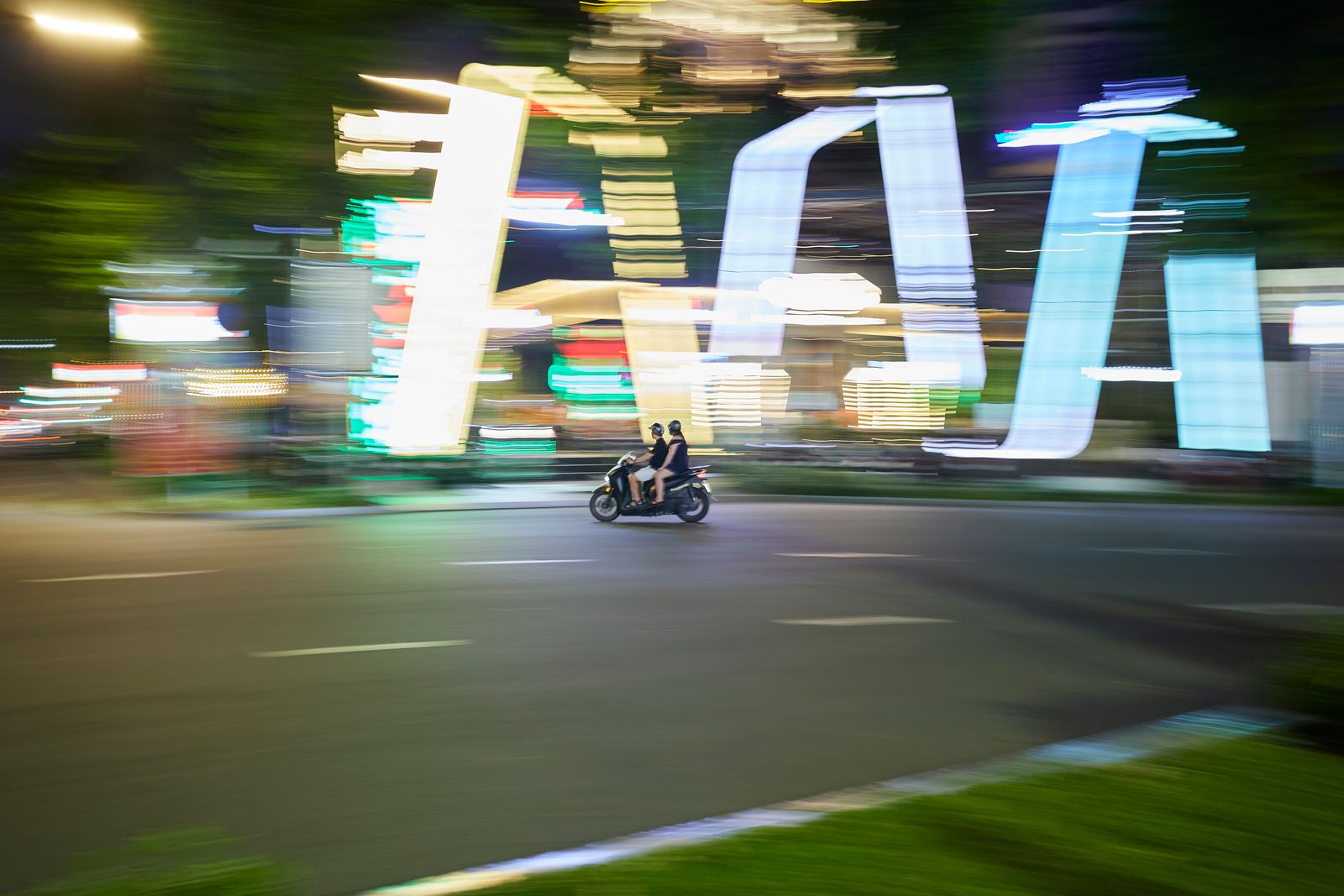
Faster, warmer and more entrepreneurial than Hanoi. A city of scooters, rooftop coffee bars, markets that never fall quiet and an architecture where the French era, the war years and new wealth stand side by side. Also the place where recent history is presented most vividly.
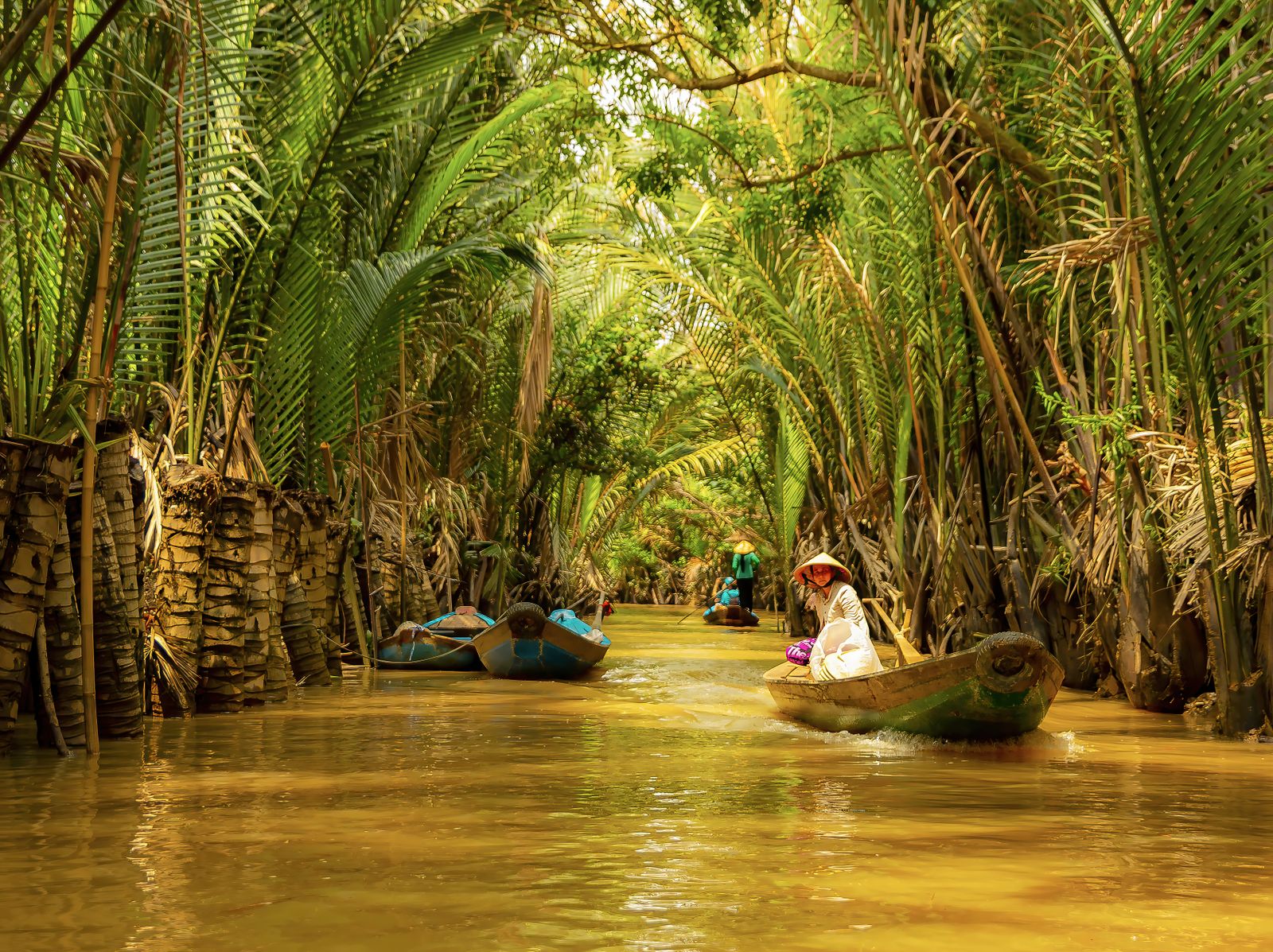
The Mekong Delta
Where the land becomes water
Nine river branches, endless canals and villages reachable only by boat. Floating markets busiest at five in the morning and empty by nine. Orchards, rice paper workshops and a pace that forces you to slow down. Staying overnight with a family along the water is no folklore here, just the ordinary way of things.
The water
Rivers here aren't scenery. They're roads.
Vietnam is often described as a country of rice, but rice is the consequence; water is the cause. Two major delta regions, a coastline of more than three thousand kilometres and mountain country where every slope is irrigated.
That explains the layout of the villages, the rhythm of the year, the cuisine and even the puppet theatre performed here on water basins.
See Vietnam only by road, and you miss half of how the country works.
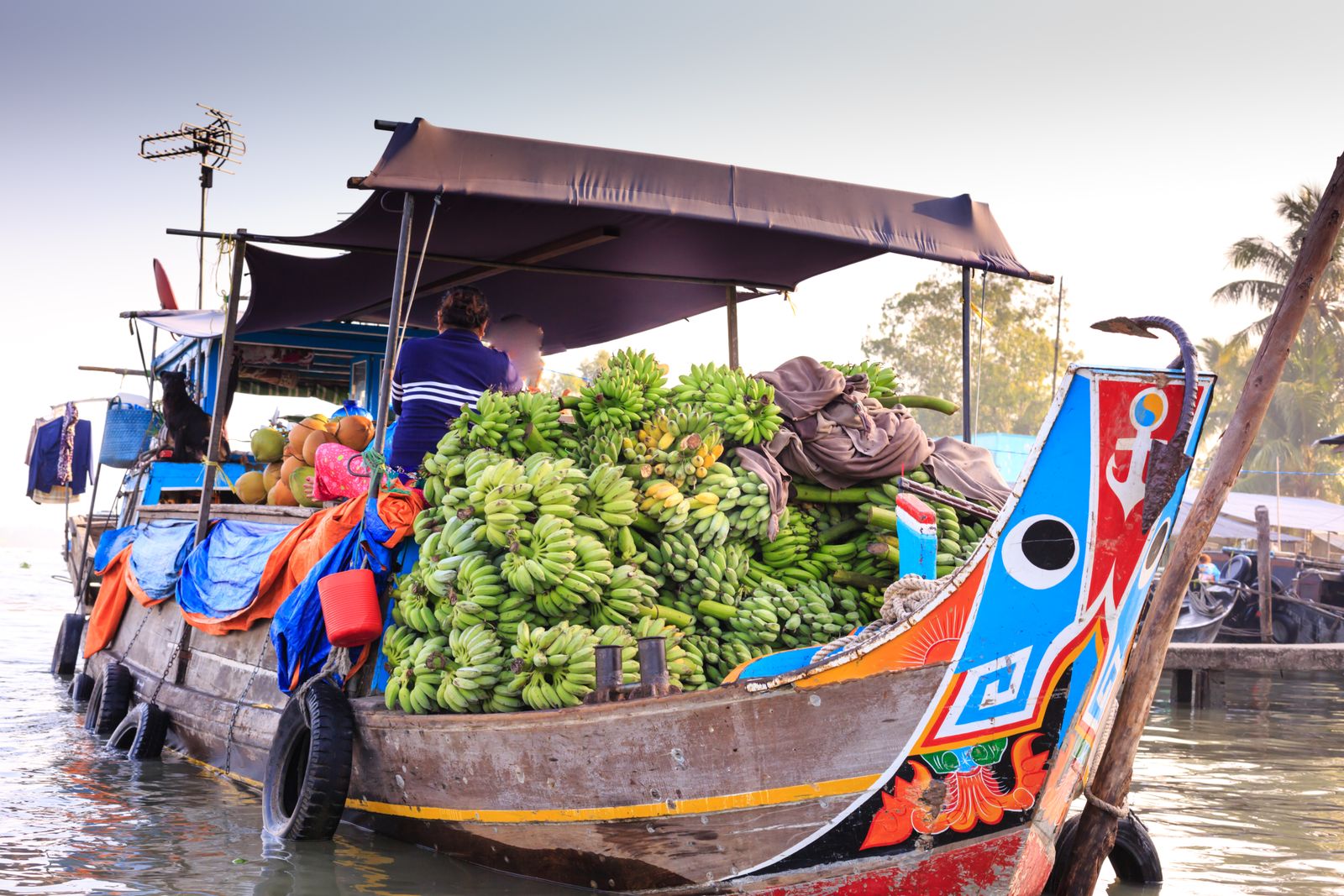
The market before sunrise
The floating markets in the delta aren't a show, they're wholesale trade. Arrive at half past five and you see commerce. Arrive at nine and you see boats full of tourists.
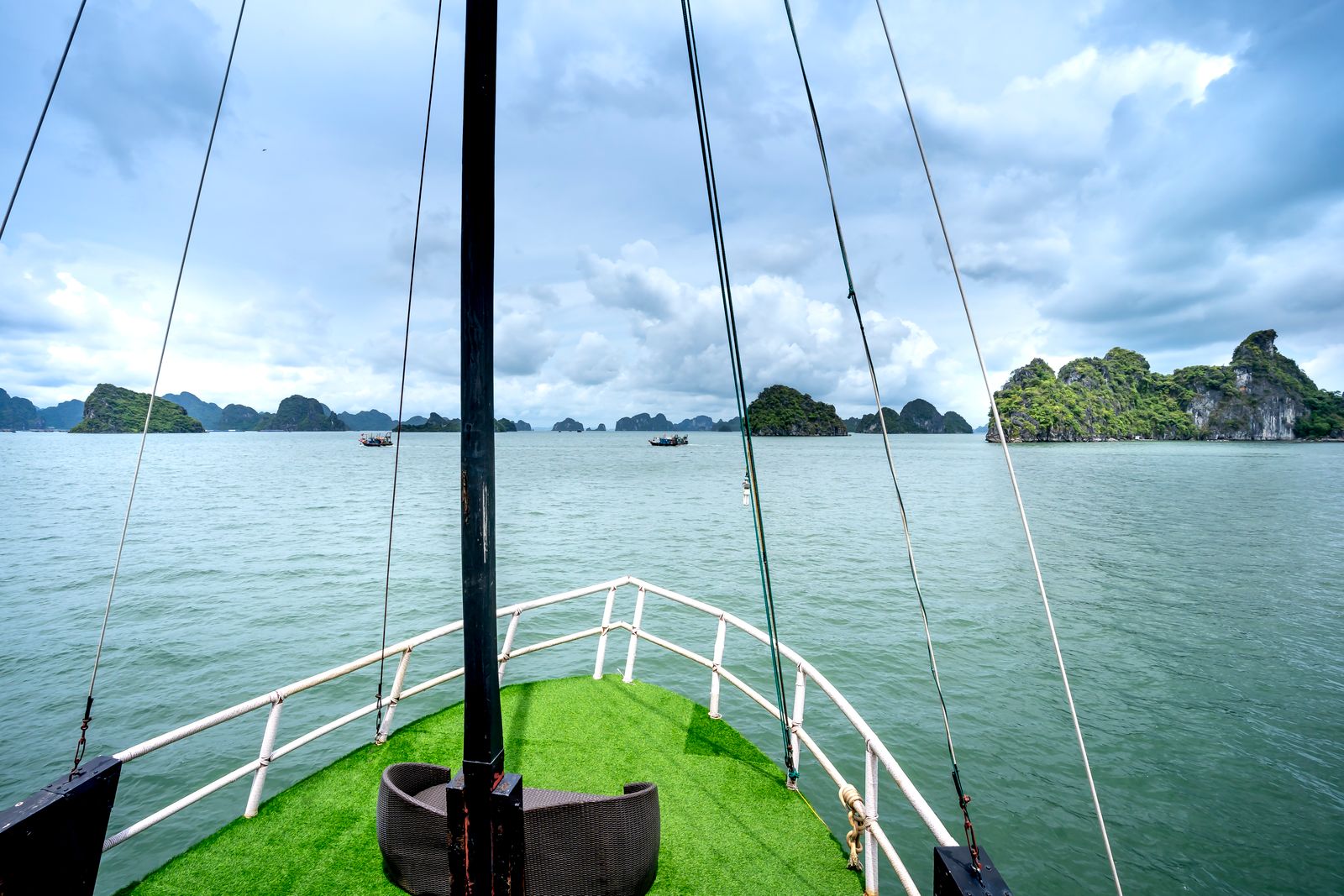
Sleeping on the water
In the northern bays, you can stay overnight on board. The difference lies in how many boats surround you, and so in which bay you choose, not in the vessel itself.
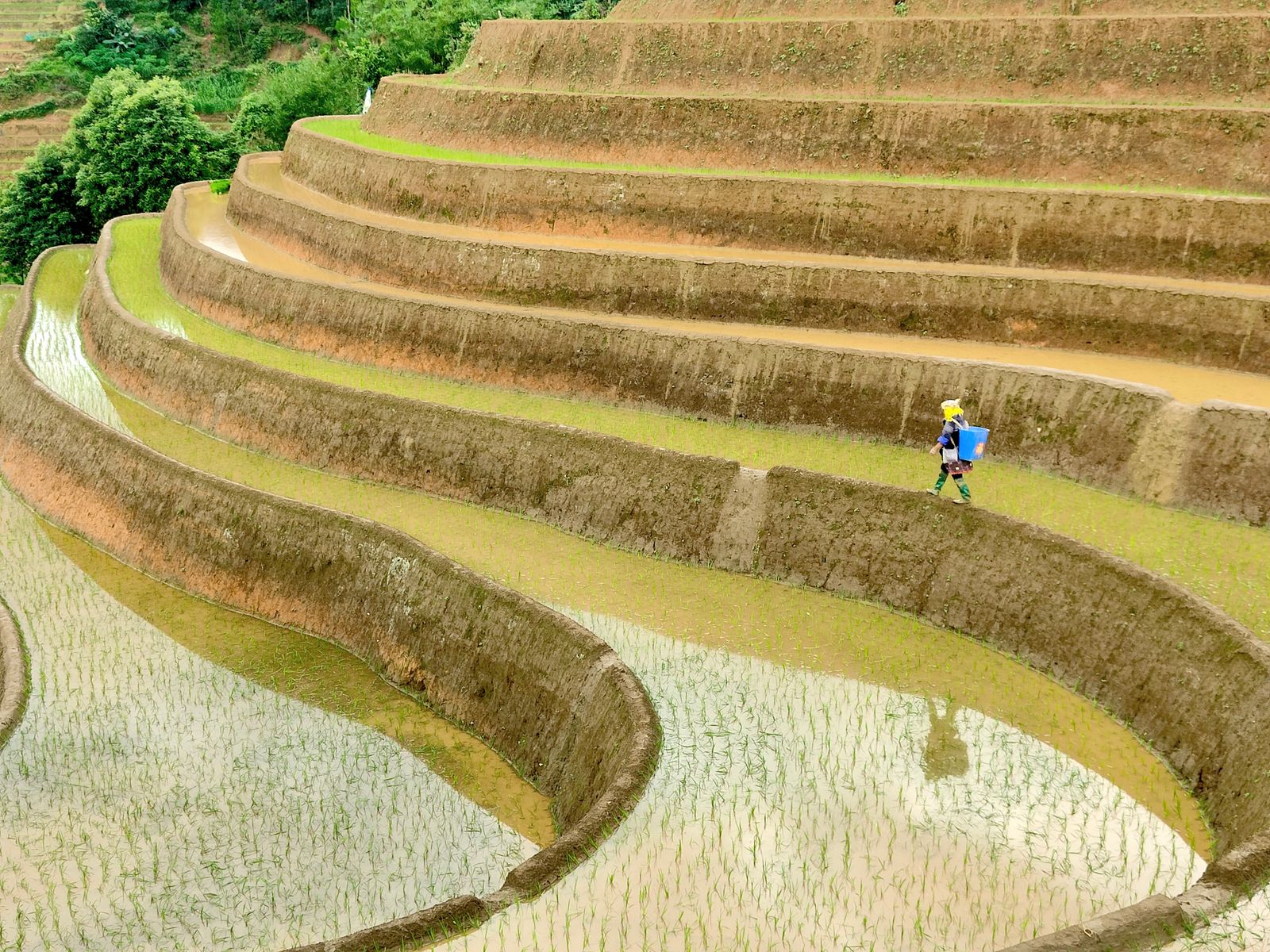
The rice calendar
Terraces lie mirror-smooth when flooded and turn golden just before harvest. Two completely different sights, weeks apart, and timed differently in every region.
People & history
A country that looks forward, and shows it.
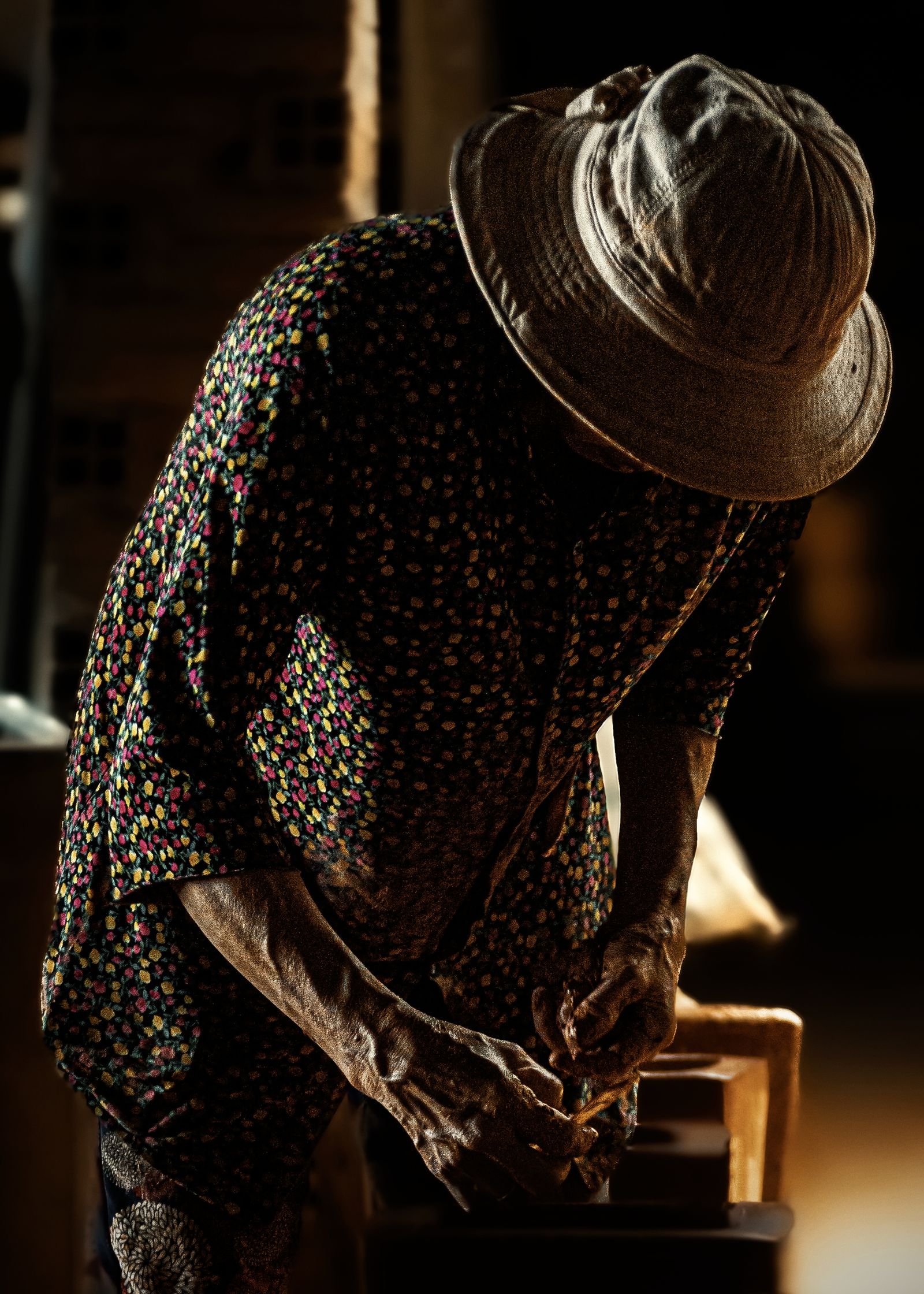
Vietnam counts fifty-four recognised ethnic groups. In the northern highlands, that means a different language, different textiles, a different market from one valley to the next. The great majority live in the lowlands, in a culture where family, education and enterprise carry real weight.
The war isn't glossed over. There are museums, tunnels and memorials, unmistakably told from one perspective. But visitors consistently notice how little it comes up in conversation. More than half the population was born after 1990.
What you do notice is pace. New businesses, new neighbourhoods, young entrepreneurs who know exactly what they want. A good guide here isn't someone who narrates the past, but someone who shows you the present.
Possibilities, not an itinerary
What could Vietnam be for you?
Not building blocks of a fixed route, but directions, to help you notice what draws you and what you'd rather skip.
Into the market, into the kitchen
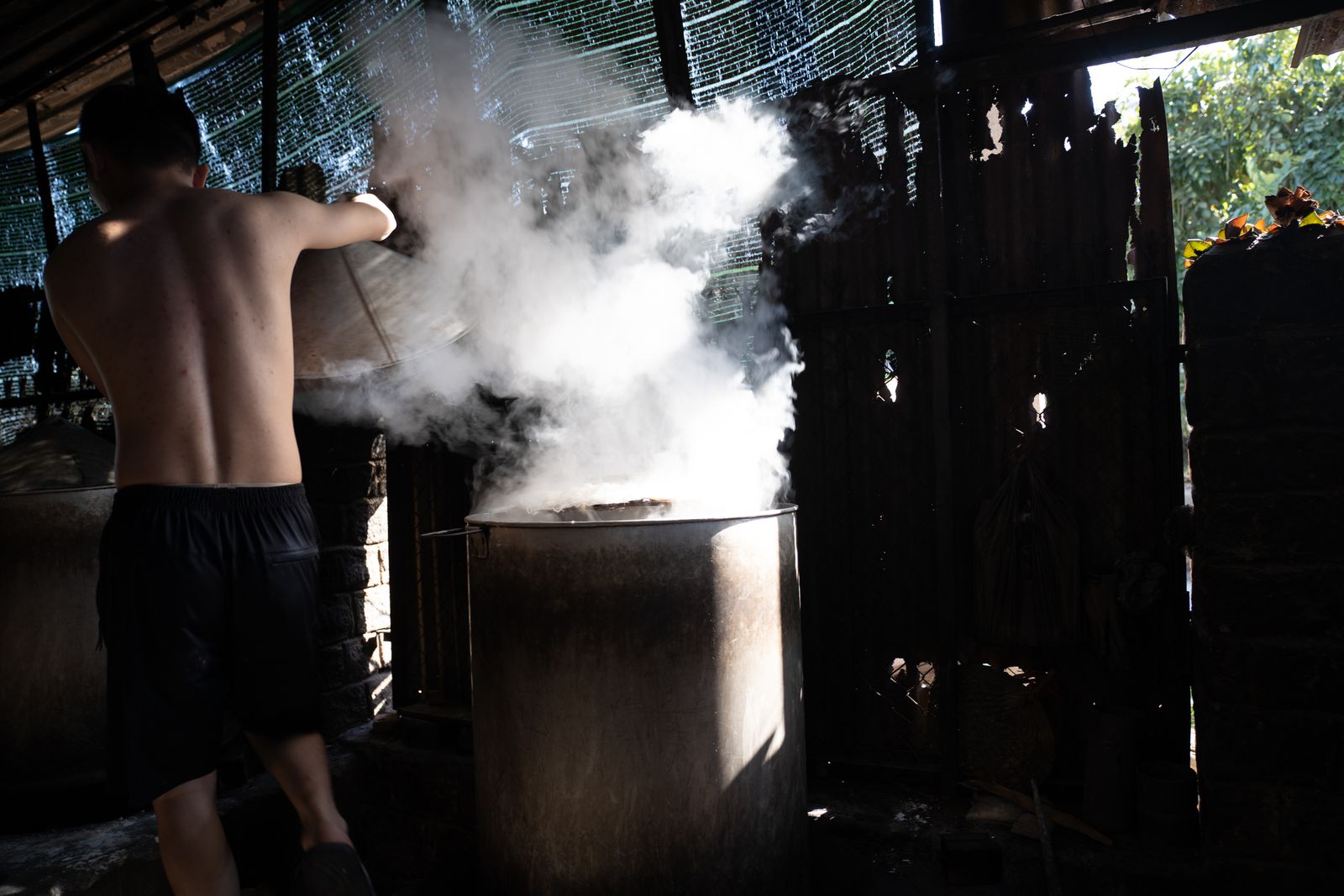
To the market at six in the morning with a cook, then cooking with whatever was there. Not a demonstration class in a hotel, but a real kitchen with real shopping.
The north by motorbike or jeep
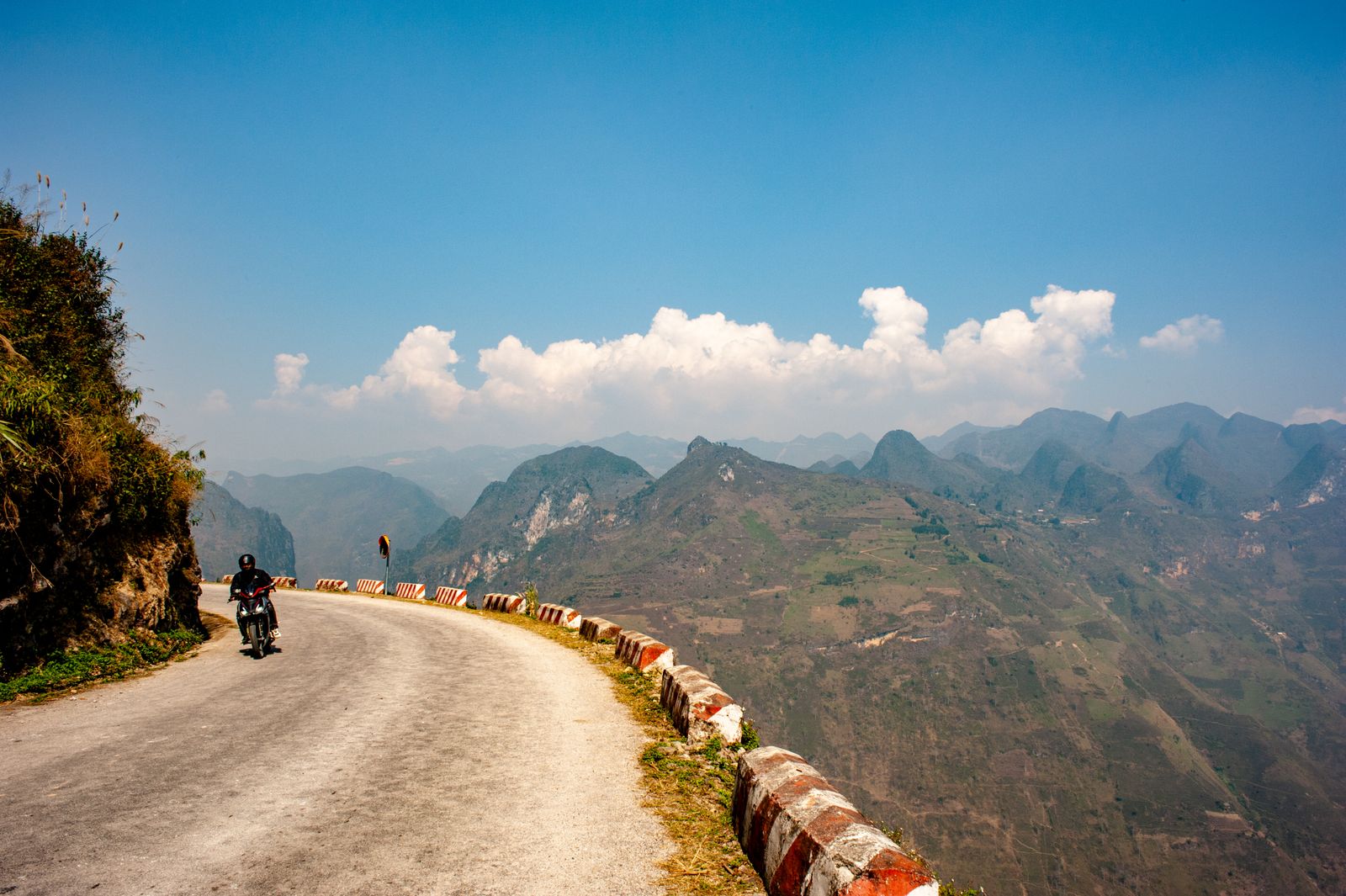
The mountain roads along the northern border rank among the finest in Asia. With a driver, or, if you have experience, behind the wheel yourself, staying overnight with families along the way.
Underground
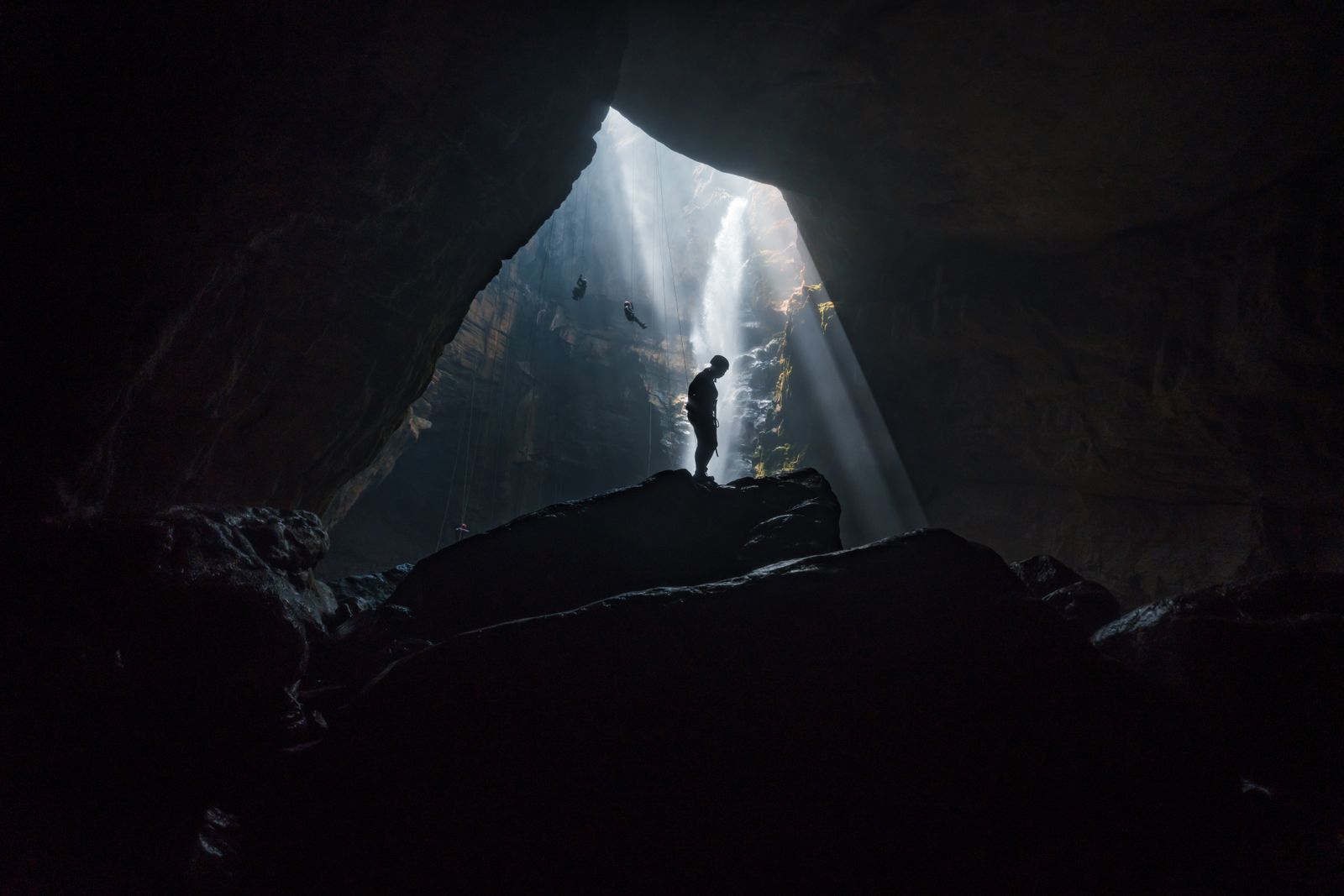
Multi-day treks in the cave region of central Vietnam, camping inside a cave and wading through rivers. Demands fitness, permits and months of preparation.
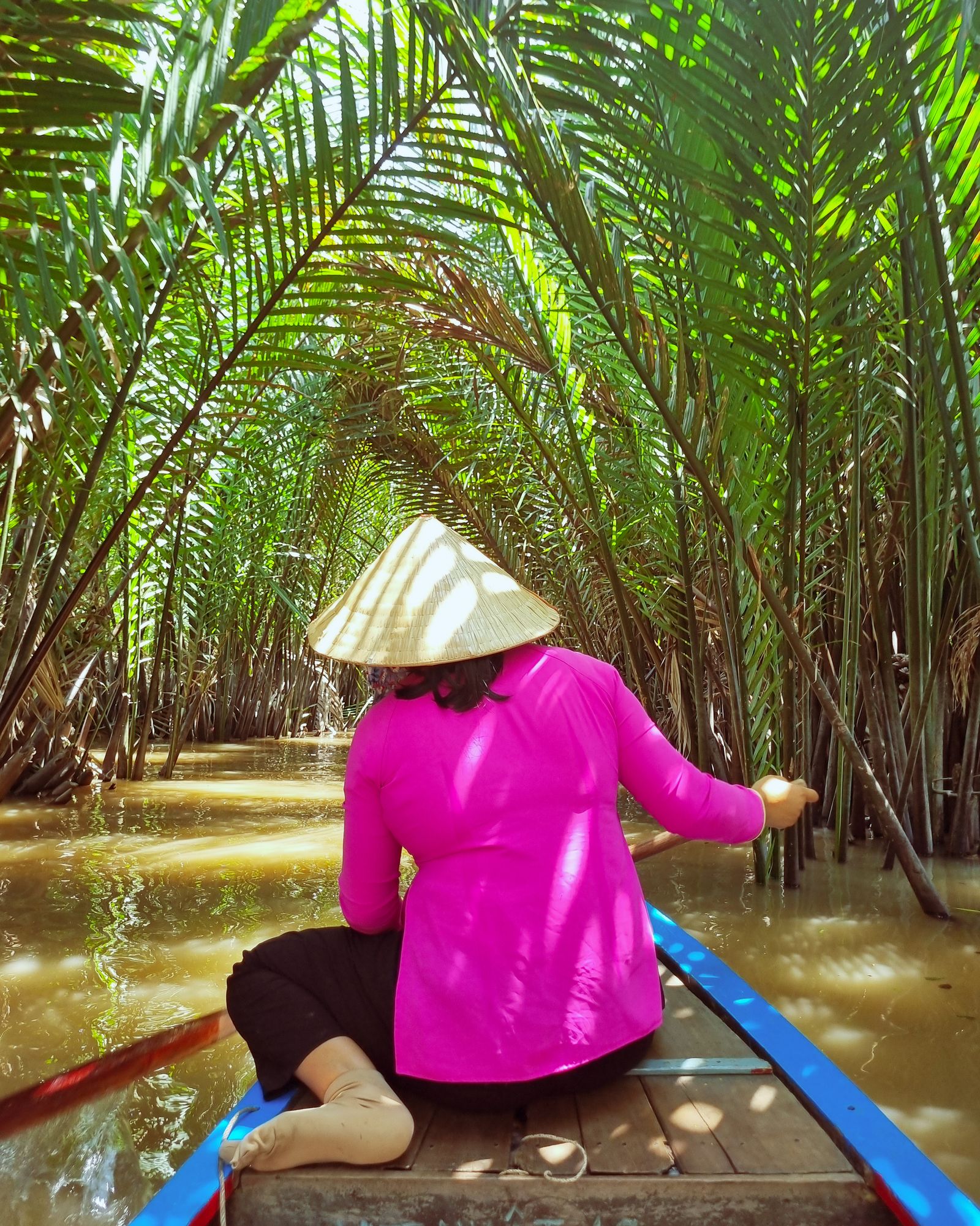
Slowly through the delta
Days on the water rather than hours, staying overnight with families and markets before sunrise. The part of Vietnam where the pace changes you most.
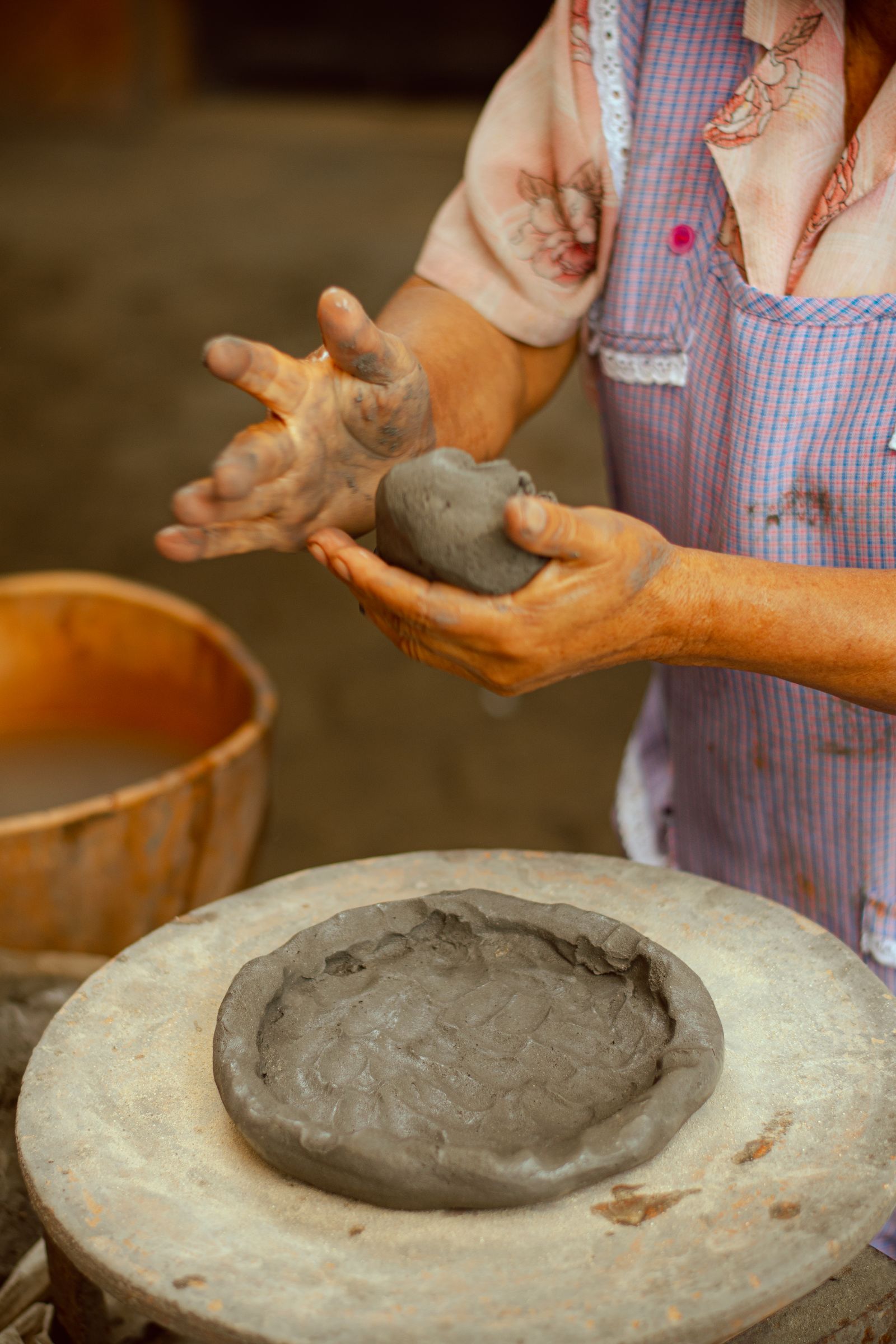
Craft up close
Silk, ceramics, lacquerware, rice paper, tailors. In many villages, people have done one thing for generations. Joining in says more than watching.
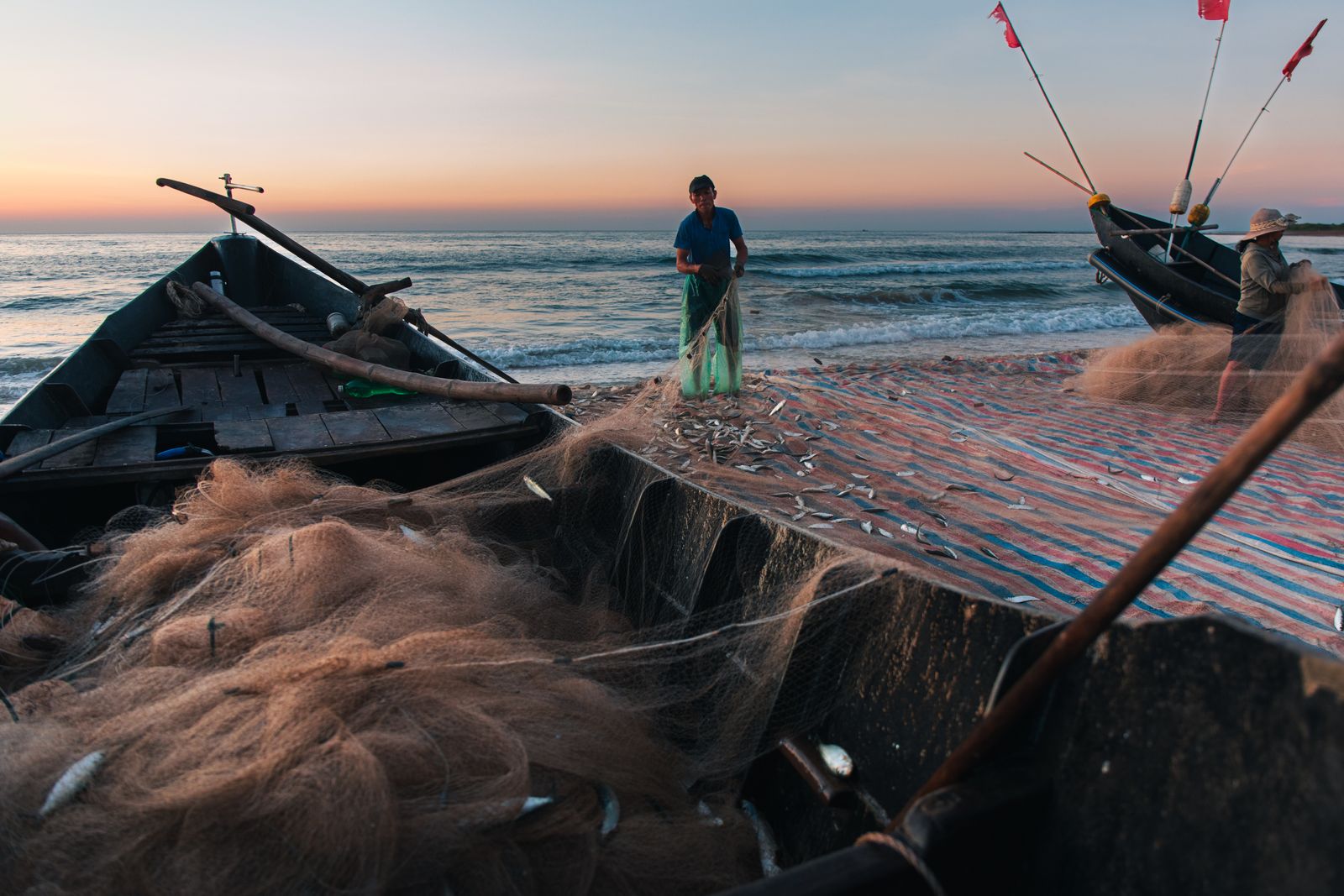
Coast without a resort
Vietnam has beautiful coastline, and also a lot of built-up coastline. There are still stretches where fishing villages set the pace, you just need someone who knows where.
These are possibilities.
Not your journey.
When would you travel?
There's no single season for the whole country.
This is the trickiest question for this destination, because the three regions don't move together. March to May and October to November are, taken as a whole, the most balanced: the north is mild, the centre is dry and the south is pleasant.
The north has real seasons: winters can be cool and grey, summers hot and wet. The centre gets most of its rain, and occasional typhoons, from September to November. The south knows only wet and dry, with the wet months bringing short, heavy downpours that rarely ruin a whole day.
So here it isn't the season that determines the route, but the route that determines the season. Anyone wanting to travel in August is better off skipping the central stretch than postponing the trip.
Jan
Feb
Mar
Apr
May
Jun
Jul
Aug
Sep
Oct
Nov
Dec
Mostly workable everywhere
Good, with regional nuance
Heat, rain or typhoon risk
Looking past the highlights
Where we look at this differently.
Two regions, not three. The classic trip covers north, centre and south in two weeks. That mostly buys you domestic flights and hotel changes. Doing two regions properly is almost always the stronger choice.
The bay has neighbours. Next to the famous bay lie neighbouring bays with the same rock formations and far fewer boats. Same experience, different crowds.
The highlands aren't only at the well-known mountain town. Further east towards the Chinese border, it's just as spectacular and far less built up. It costs a day of extra travel and changes the whole trip.
Getting up early pays off here more than anywhere. Markets, temples and streets are at their finest, and their most genuine, between five and seven in the morning. Breakfast at eight, and you see a different country.
A good guide isn't a luxury here. Outside the cities, English is rare, and the most interesting things often sit behind a conversation. That's the difference between looking and understanding.
Worth knowing
Practical, without the noise.
We discuss the full, current picture in person, including whatever matters specifically for your trip.
- Getting there
- Flights with one stopover to Hanoi or Ho Chi Minh City. Domestic flights are cheap and frequent.
- Documents
- Belgian travellers may need a visa or qualify for visa exemption depending on length of stay and purpose of travel. We help arrange this and confirm the current rules.
- Health
- Standard vaccinations apply for most travel areas; malaria prevention may be relevant in rural regions. Check with a travel clinic.
- Traffic
- Traffic looks chaotic and runs on its own logic. We advise against hiring a scooter yourself unless you have experience and solid insurance.
- Travelling with children
- Particularly well suited: Vietnamese people adore children, the food can be made mild, and distances are manageable with domestic flights.
- Paying
- Card payment works in cities and hotels; markets, street kitchens and the countryside remain cash only.
- Pace
- The country tempts you to keep moving. Three nights per place consistently delivers more than five places in ten days.
- Clothing
- Temples and pagodas require covered shoulders and knees. In the north, winter calls for a real coat in your suitcase.
Or perhaps this
Other destinations
Still weighing it up? That is no problem at all. The right country often only becomes clear once the conversation starts.
South-East Asia
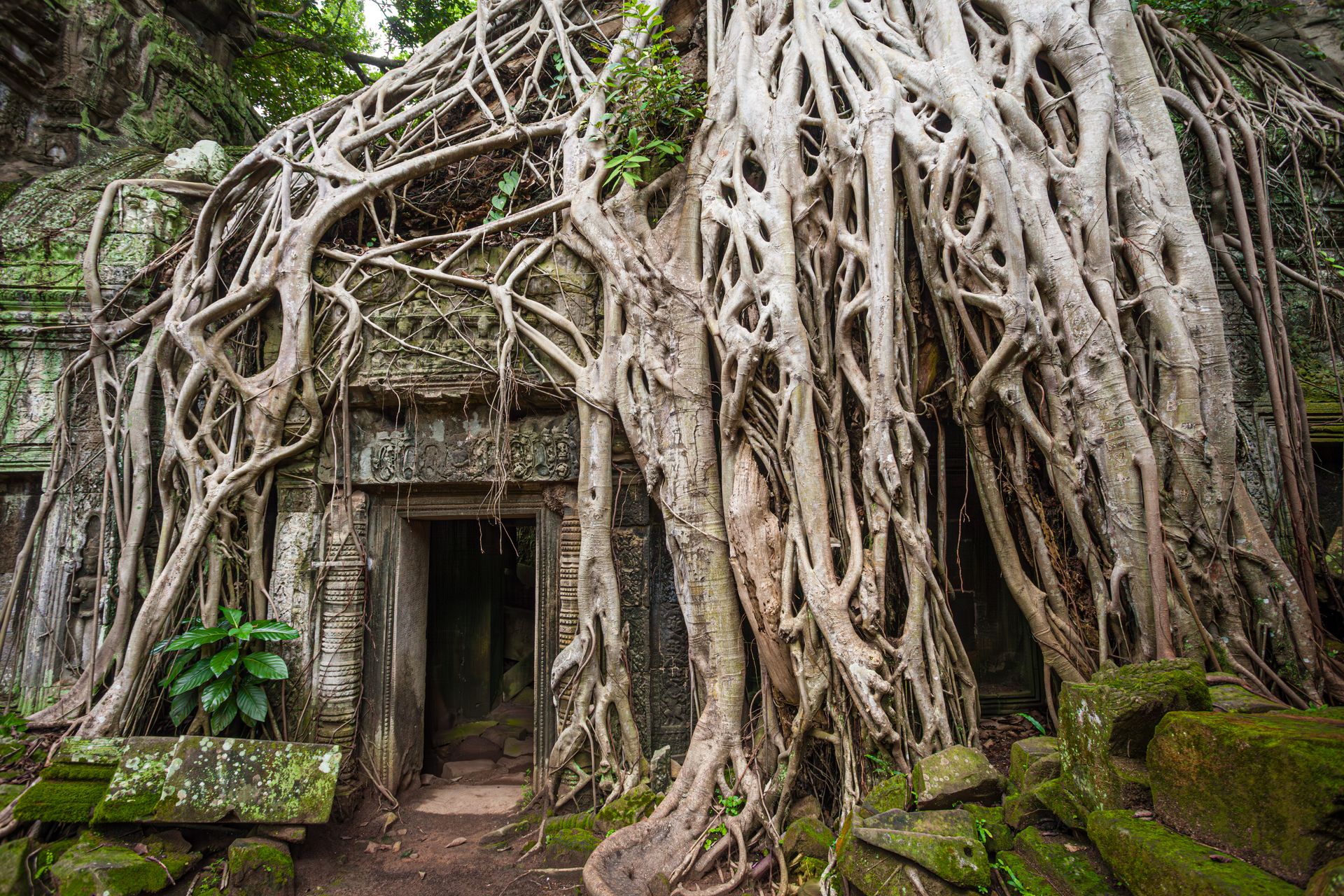
Cambodia
Overgrown temples and a quiet resilience that say more about the past than any history book.
South-East Asia
Laos
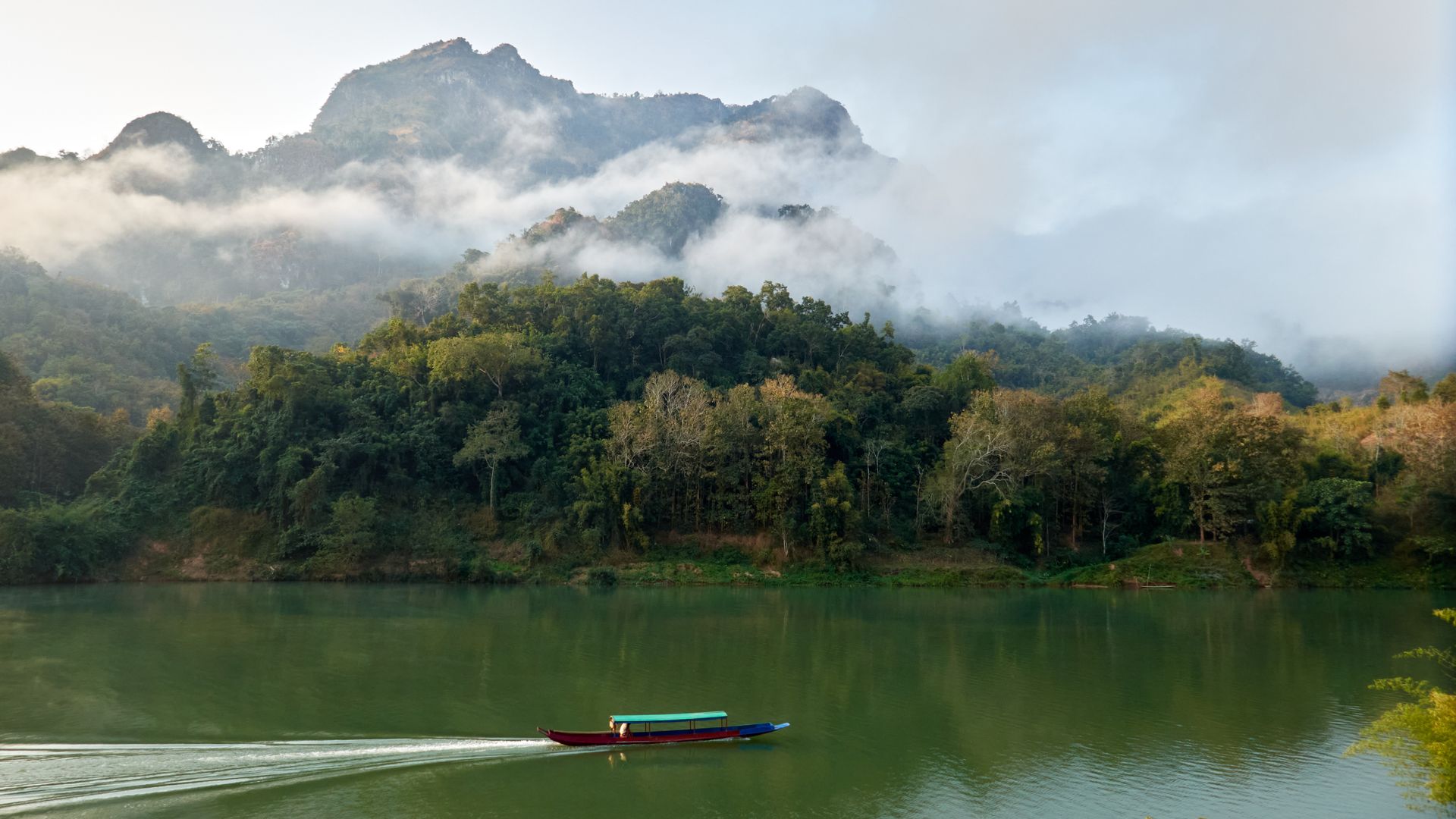
Time still flows with the river here, at a pace its neighbours traded for haste long ago.
South-East Asia
Thailand
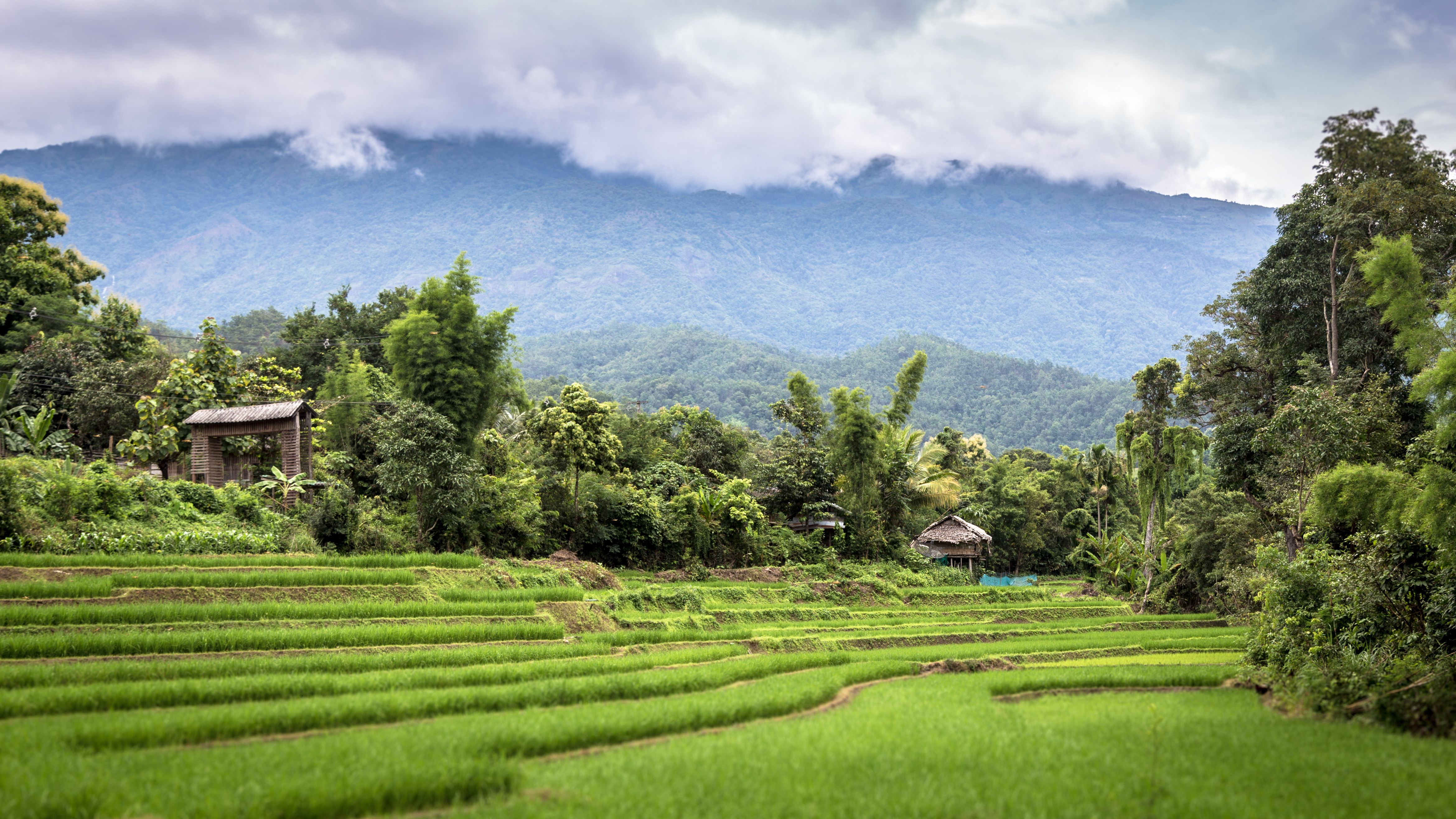
From busy Bangkok streets to quiet mountain villages in the north, this country has as many faces as it has provinces.
How it works
This is how your journey to Vietnam takes shape.
Six steps, from your first story to your homecoming. The conversation and the feasibility check cost you nothing.
-
01
Tell us your story
Fill in the form or give us a call. You do not need a route yet: a country, a period or just an idea is enough.
-
02
The conversation and the check
We talk through what you are looking for, by phone or by video, and check whether it can be done. If it can, we set down together what we will make for you.
-
03
We design your journey
We build your programme up, day by day, together with our own people in the country itself.
-
04
Your proposal
You read your journey day by day, with everything that is included. You say what you would like differently, until it is right.
-
05
Ready to depart
You send us your details, we send you your travel documents. You have one fixed contact who knows your journey.
-
06
Travelling, and after
Your contact stays reachable while you are away. Once you are home, we call one more time.
The next step
How would you like to experience Vietnam?
Tell us what draws you to Vietnam, who you want to travel with and what pace suits you. We start by getting to know you as a traveller and build from there, together with a local partner who knows this country from the inside.