North America
Canada
Too big for one trip, and that's the whole point.
This is Canada
The second-largest country in the world, with almost no one in it.
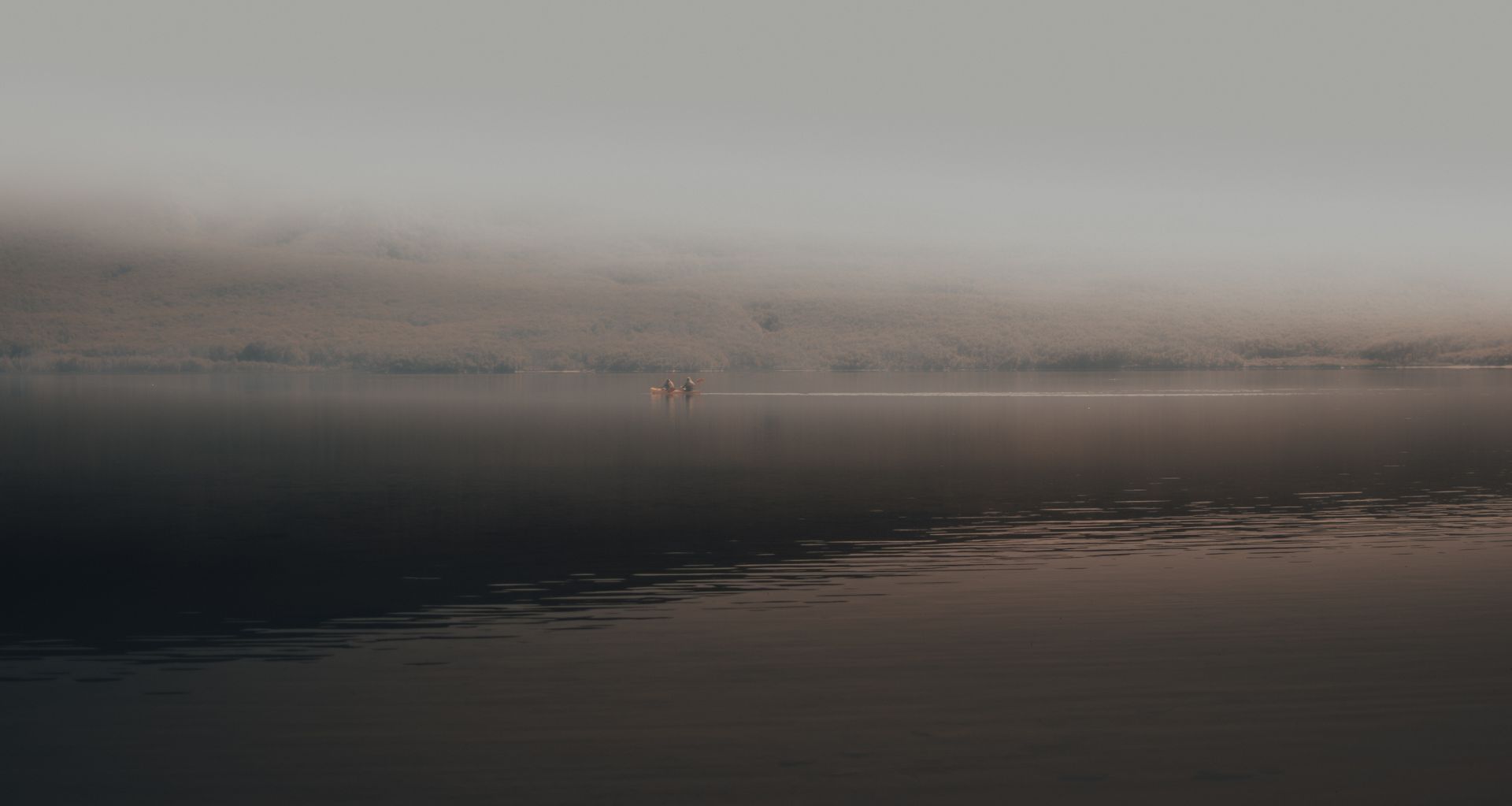
Canada covers close to ten million square kilometres and counts around forty million people, most of whom live within two hundred kilometres of the US border. Everything above that is forest, lake, tundra and ice.
That's the first thing to understand: here, emptiness isn't something you seek out, it's the default. There are more lakes in Canada than in the rest of the world combined. There are roads where you can drive half a day without passing a petrol station.
And it isn't one uniform country. The Atlantic provinces have a fishing culture with Irish and Scottish roots. Québec operates in French and thinks in French. The west looks towards the Pacific and towards Asia. The north is Inuit territory, where the light never fades in summer.
Saying you want to go to Canada hasn't actually said anything yet. The question is: which Canada.
Choosing
One region per trip. That's not a limitation, it's a liberation.
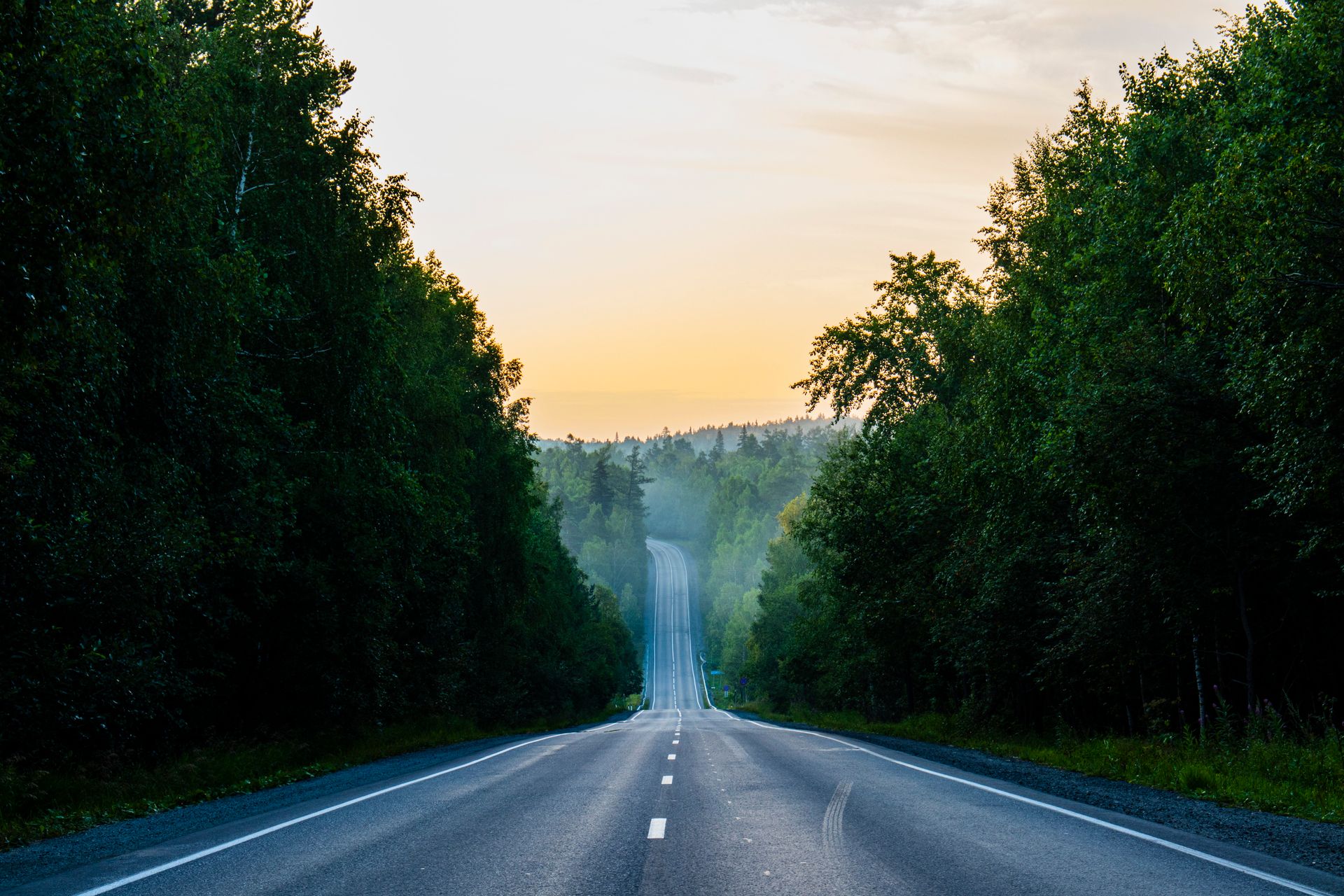
Vancouver and Halifax are further apart than Brussels and Kabul. Yet we regularly come across plans that combine the Rocky Mountains, Québec and Niagara Falls in two weeks, with five-hour domestic flights in between.
Canada rewards the opposite. One region, with time to walk, to canoe, to stay put when the weather turns, and to eat somewhere in the evening where the locals go.
There's one exception: the transcontinental train journey. That one is precisely designed to make you feel the distance, and for some travellers it's a trip in its own right.
So our first question about this destination is rarely "where", but "what kind of days do you want to have".
The different faces
Six countries under one flag.
Pick one, two at most. The rest will still be there next time.

The west
British Columbia and the coast
Rainforest that runs right to the sea, islands with whales and bald eagles, and a coastline you mostly reach only by boat or floatplane. Vancouver is a city between mountains and ocean with a strong Asian influence in its food. Further north lies a rainforest home to the rare white spirit bear, managed by First Nations who run the tourism themselves.

The mountains
The Canadian Rockies
The images everyone knows: turquoise lakes beneath glaciers, along a parkway ranked among the most beautiful in the world. It's also the busiest patch of nature in the country in July and August. Those wanting it quieter head to the neighbouring provincial parks and the lesser-known valleys: the same mountains, a fraction of the people.
The centre
The prairies and the north
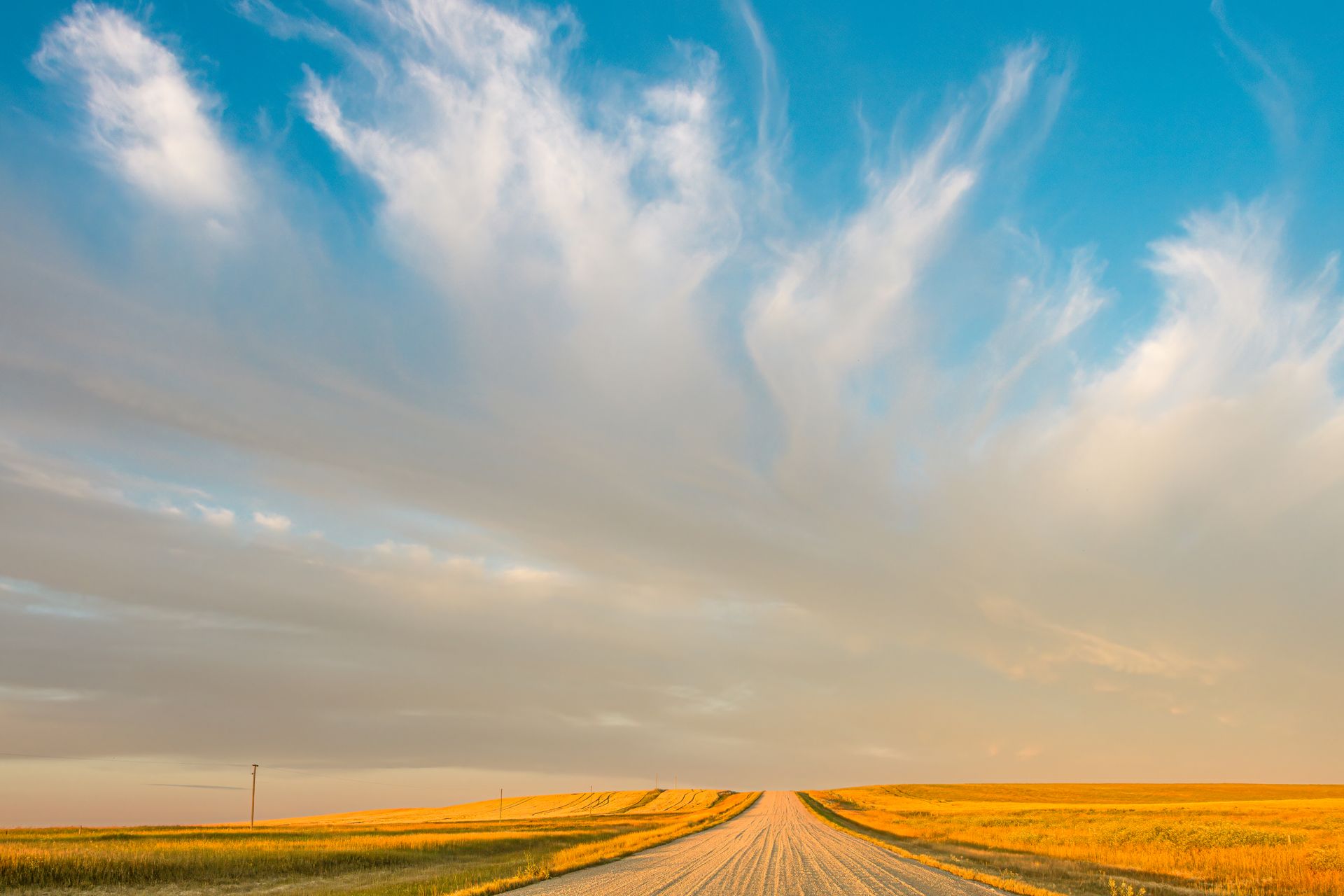
Flat, wide open, and largely overlooked by visitors. Here lie grain fields stretching to the horizon, badlands with dinosaur finds, and further north the tundra where polar bears gather in autumn to wait for the bay to freeze. It's also one of the most reliable places in the world for the northern lights.
Ontario
Lakes and cities
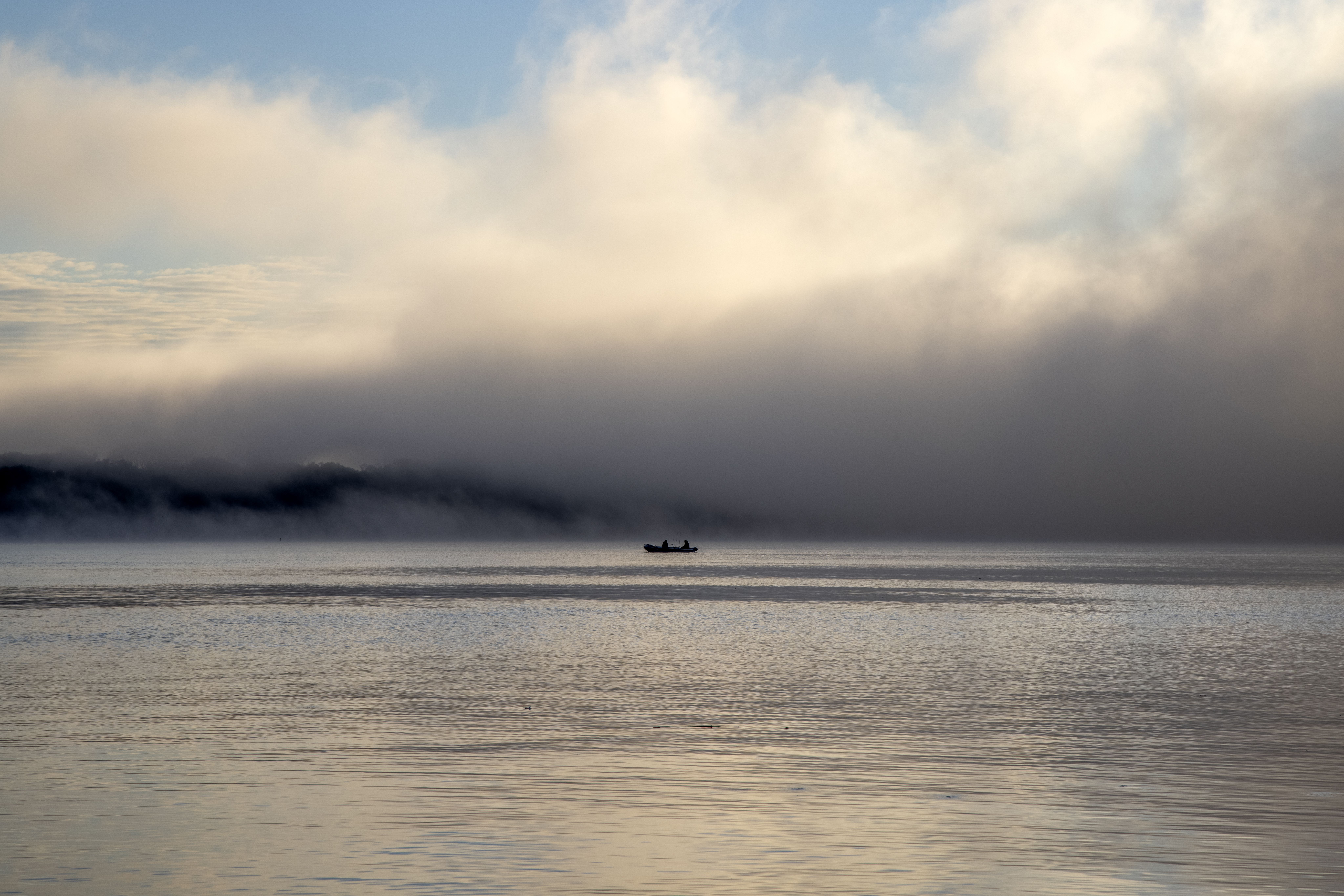
Toronto is the country's largest city and one of the most diverse in the world. A third of its residents were born elsewhere, and you notice that most of all at the table. Further north begins lake country: thousands of lakes across the Canadian Shield, where generations of Canadians head for their wooden cabin by the water, and where you can canoe for days without meeting a soul.

Québec
French Canada
A province that lives in French, with a walled old town unique in North America, a food scene that blends French and North American, and a distinct culture of its own. Along the Saint Lawrence, whales travel far inland, and the autumn colours in the forests are what draw people back.
The Atlantic coast
The eastern provinces
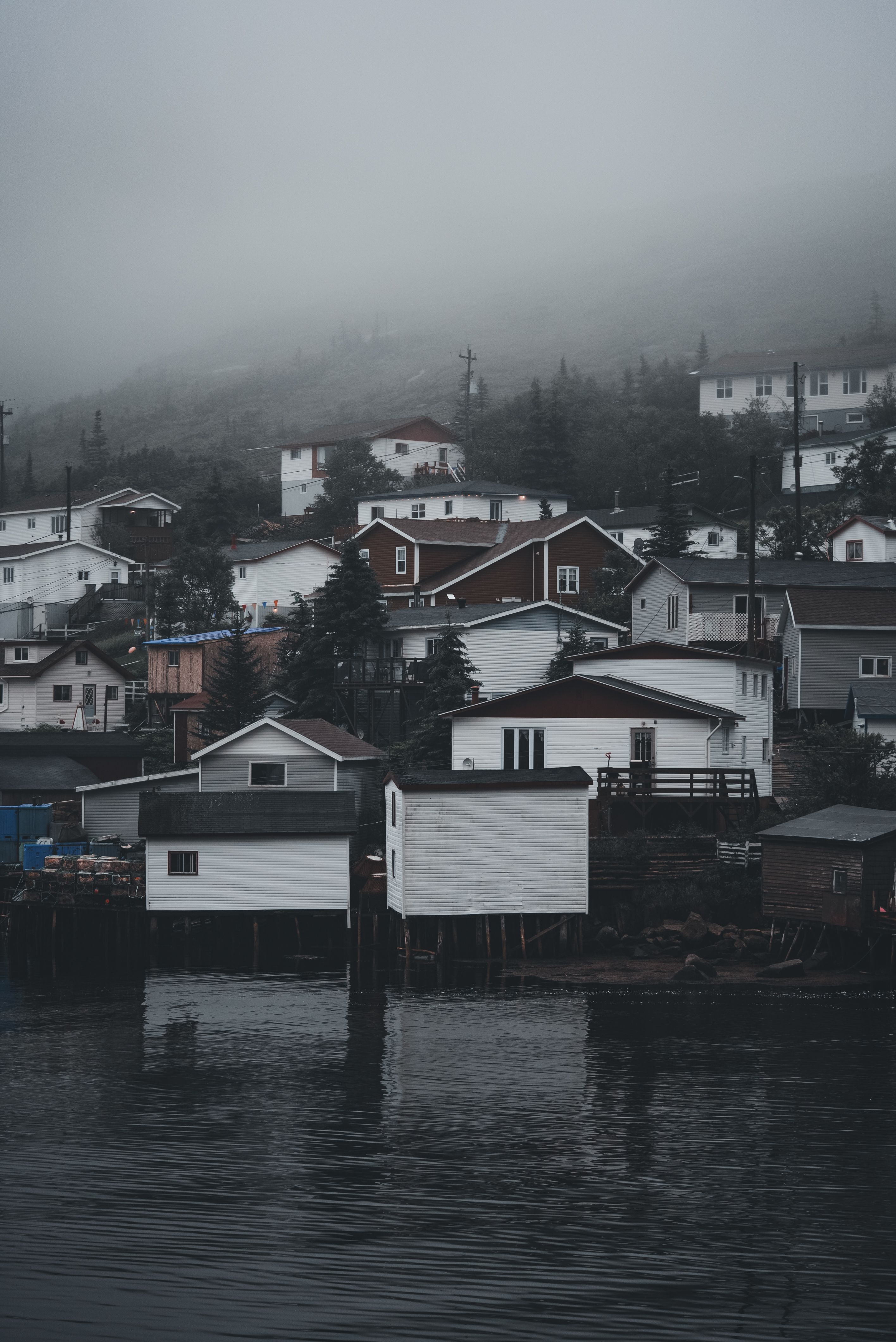
Fishing villages in bright colours, the highest tides in the world, cliffs with puffins, and icebergs drifting past in spring. The culture has Irish and Scottish roots, with a lively music tradition in the pubs. The least visited part of the country by Europeans, and the most relaxed.
Nature & wildlife
Animals you don't go looking for, you come across them.
Canadian wildlife works differently from a safari. There are no concentrations at watering holes and no vehicles tracking animals down. You're in their habitat, and what you see depends on patience, season and luck.
That gives the sightings a different character. A bear coming down a slope fifty metres away while you're out walking is a different experience from a lion seen from an open jeep.
It also asks something of you: knowing how to behave in bear country is basic kit here.
Bears
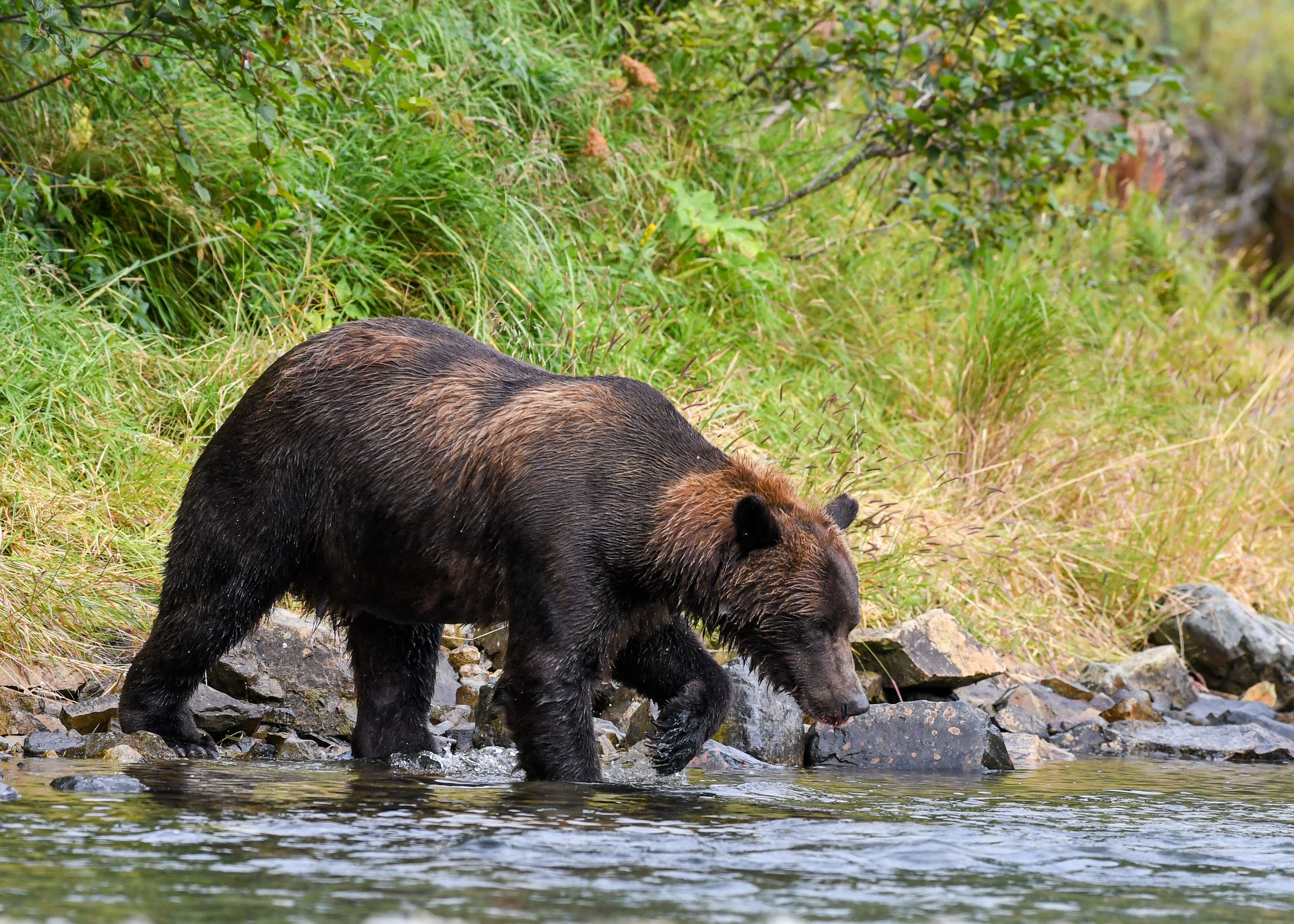
Black bears, grizzlies, and polar bears along the north coast. There are places where you can watch them responsibly: from platforms beside salmon rivers, or from the water.
Whales
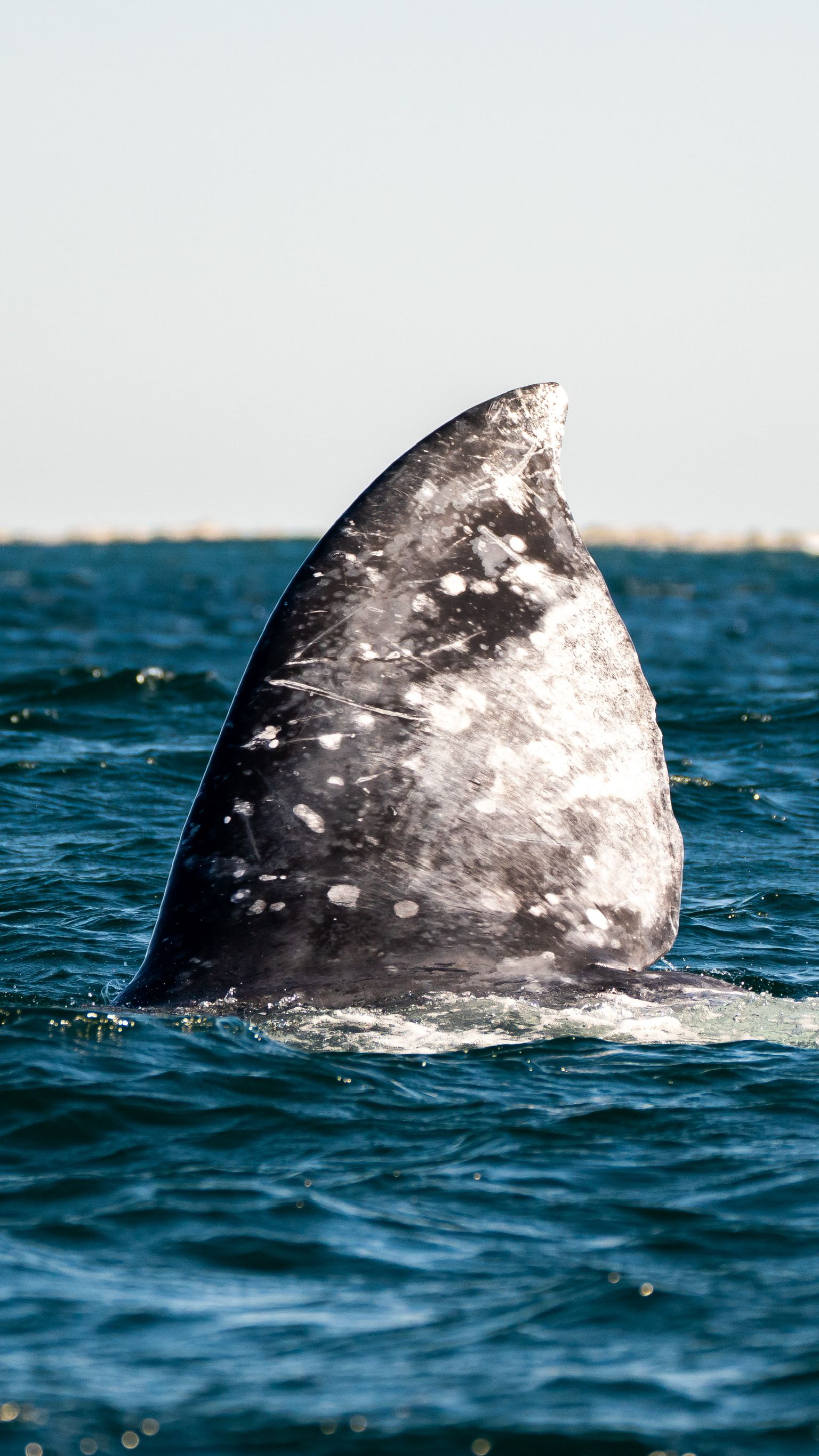
Orcas and humpbacks off the west coast, minke whales and beluga in the Saint Lawrence, and thousands of belugas in shallow water in the north.

The light of the north
Above the sixtieth parallel, the northern lights are often visible from August to April, with one of the highest success rates in the world.
People & cultures
The oldest cultures on the continent, and the newest.
Canada has more than six hundred recognised First Nations, plus the Métis and the Inuit in the north. Their history with the Canadian state is a heavy one: the residential schools, whose effects are still felt today, are now openly acknowledged and discussed.
At the same time, something is shifting in how visitors get to know those cultures. In more and more places, it's the communities themselves who organise the tourism: guides from the community, community-run stays, and stories told by the people themselves rather than about them.
On the other side stands a country that ranks among the most diverse in the world. More than a hundred and fifty languages are spoken in Toronto, and you notice that most of all at the table.
We work exclusively with providers who are led or endorsed by the community itself. For this destination, that's not a detail.
Possibilities, not an itinerary
What could Canada be for you?
Not stops on a fixed route, but directions to help you notice what draws you and what you'd rather leave out.
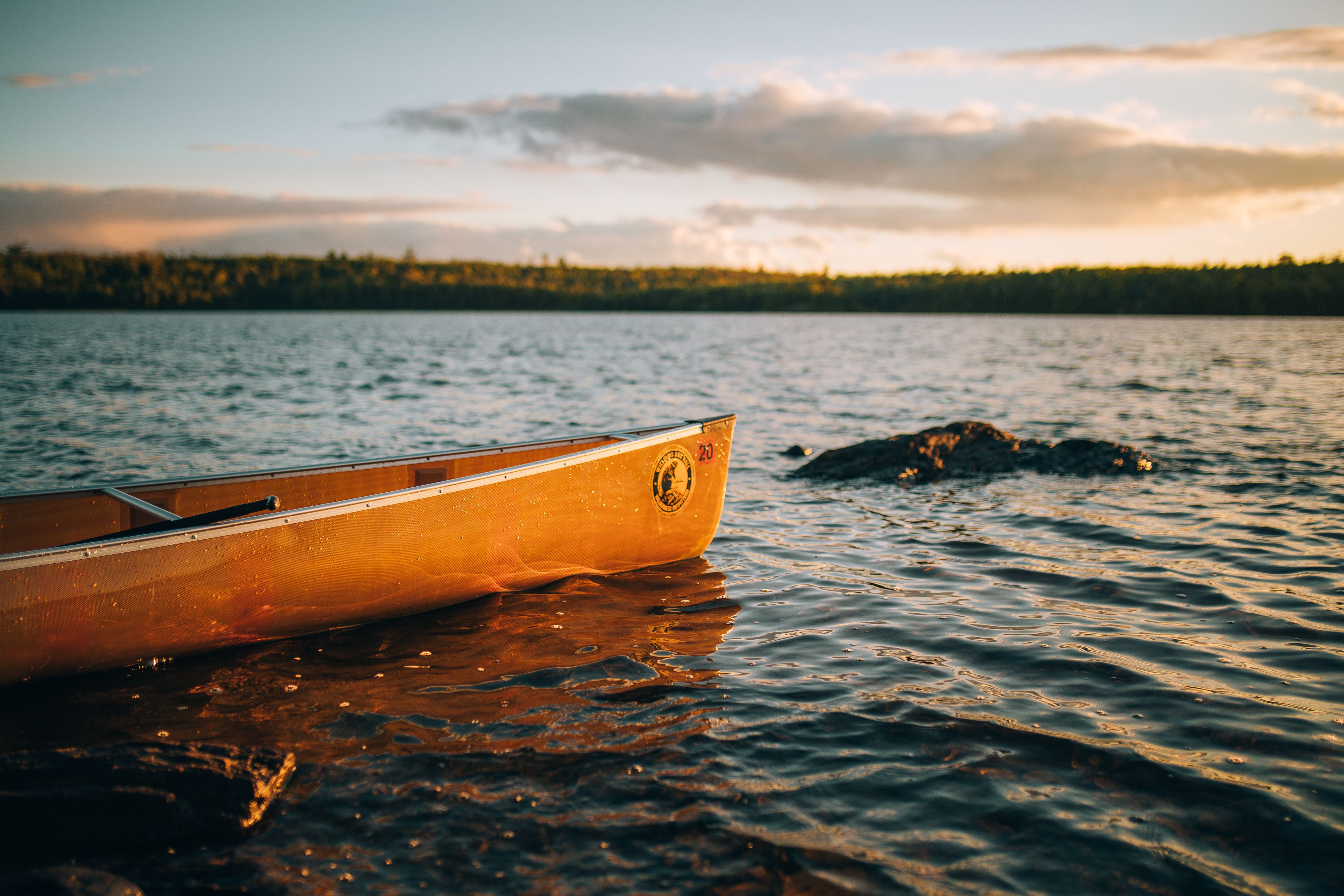
Canoeing and camping
Multi-day trips from lake to lake, portaging the canoe overland between them. Camping by the water, no signal, no other boats. About as Canadian as it gets.

Bears at the salmon run
In autumn, salmon head upstream and the bears gather. Watch from platforms or from the water, with guides who know the area.
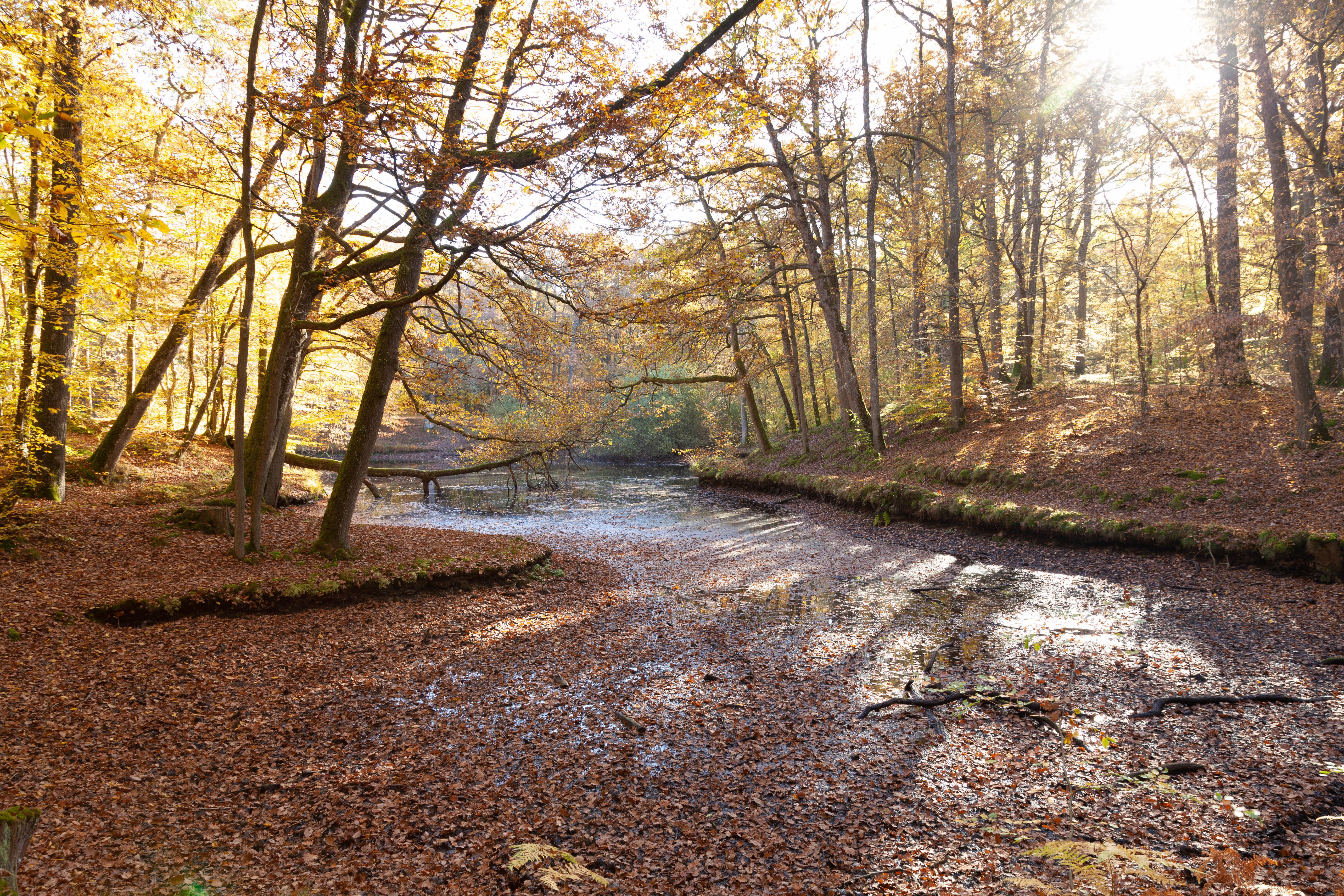
Autumn in the east
In late September and early October, the forests of Québec and Ontario turn a colour photographs can't quite capture. Two weeks, and the timing shifts every year.
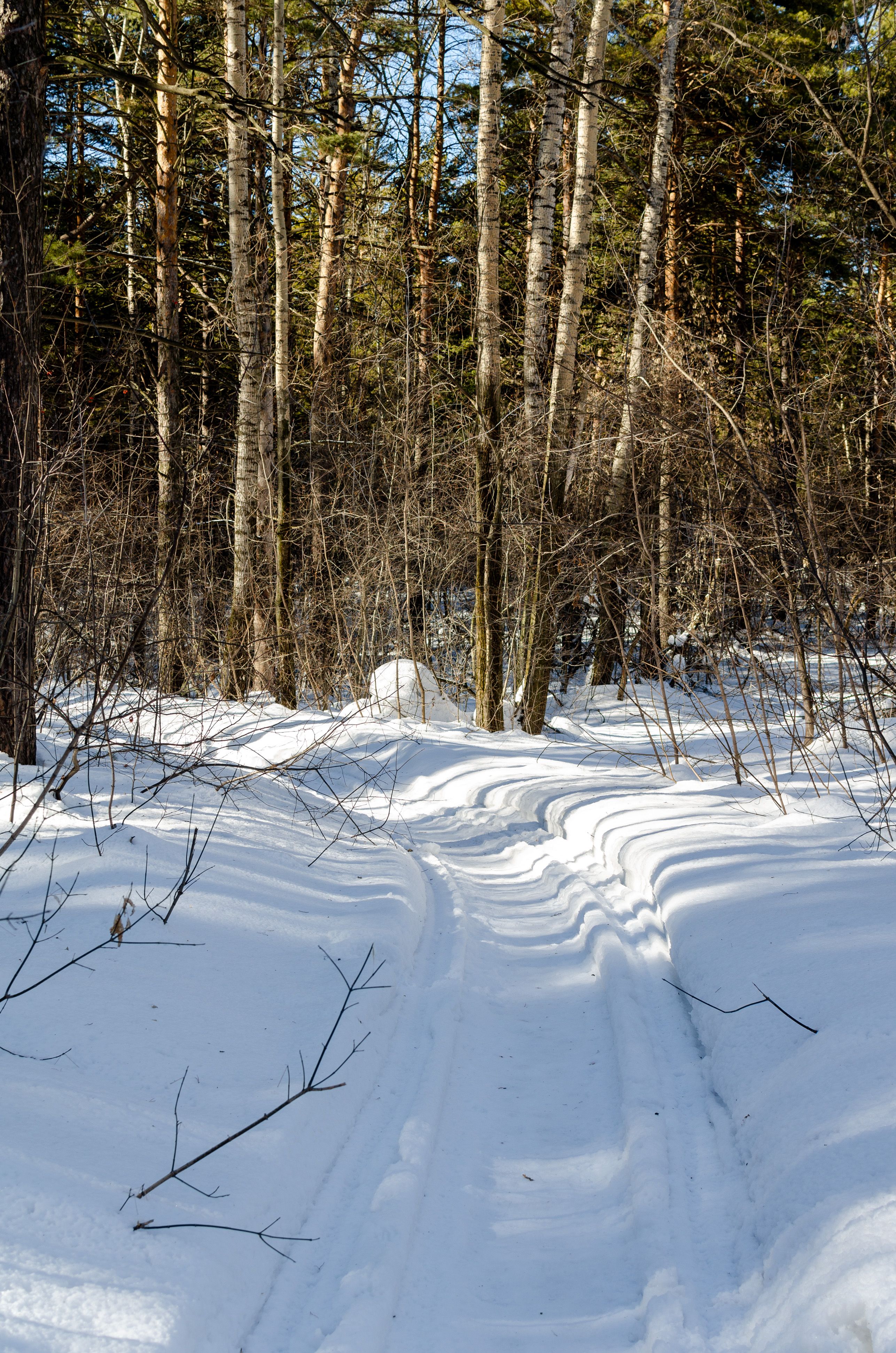
Winter as it's meant to be
Snowshoeing, dog sledding, ice fishing and evenings by the fire. Canadian winter isn't something to get through, it's a season with a programme of its own.

The train across the country
Days on end through prairies and mountains, with sleeper cabins and panorama cars. For those who don't want to skip the distance but experience it.
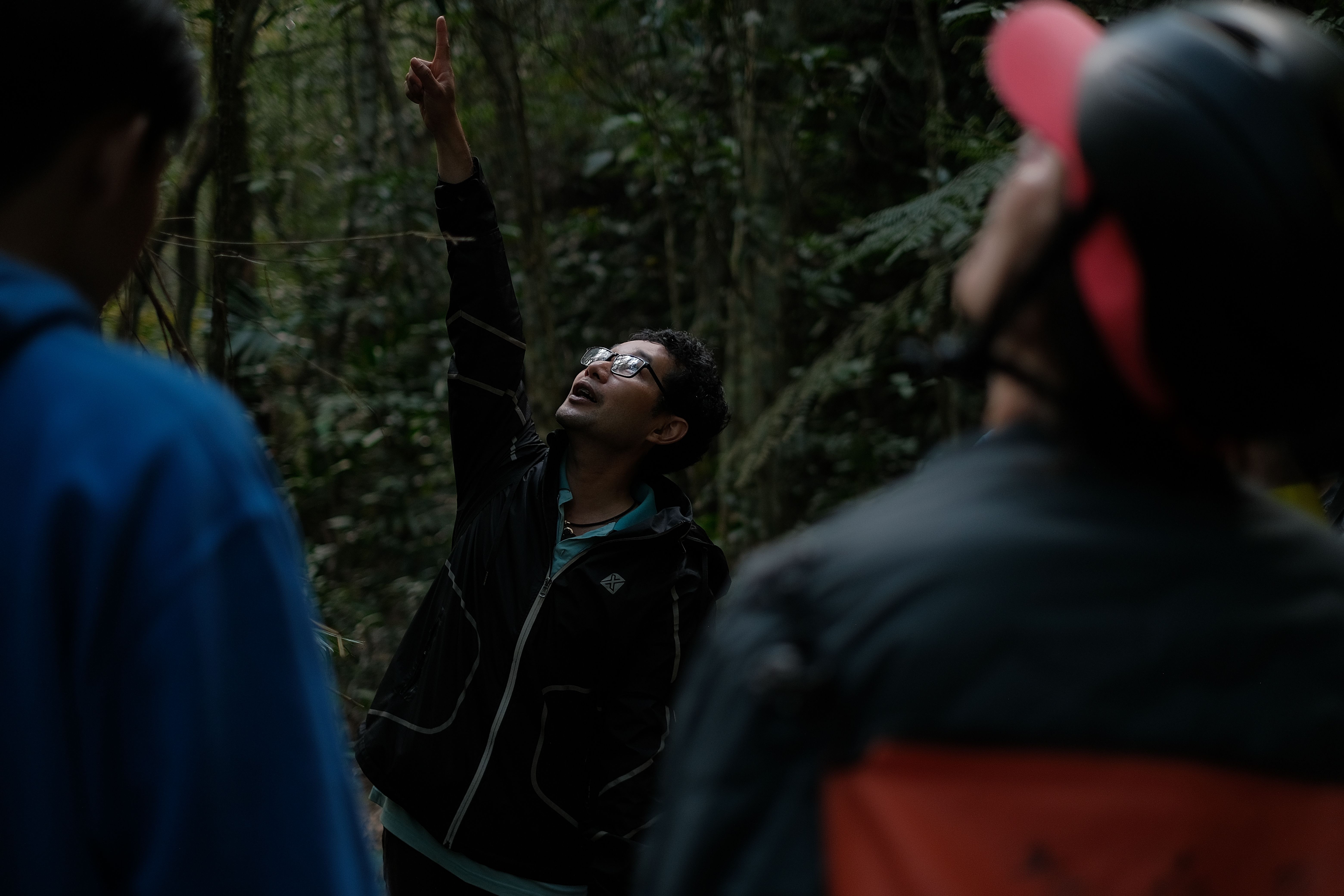
Travelling with the community
With First Nations or Inuit who organise the visit themselves: reading the land, hearing stories, eating what's been caught. It takes planning and respect, and gives back the most.
These are possibilities.
Not your journey.
When would you travel?
Four seasons that make four different countries.
June to September is the broad summer season: everything is open, the days are long and in the north the sun barely sets. July and August are also the busiest in the mountain parks; those who can, choose June or September instead.
Late September and October bring autumn, with colours in the east that justify a trip in themselves, fewer people, and bears eating their fill before winter.
December to March is proper winter: snow, cold you have to experience to understand, and the best season for the northern lights. Many activities exist only then.
April and May are the trickiest months. The snow is melting, many roads and lodges are still closed, and the landscape isn't green yet. That's the only period where we'd suggest a different destination.
Jan
Feb
Mar
Apr
May
Jun
Jul
Aug
Sep
Oct
Nov
Dec
Summer: everything open, long days
Winter and autumn: a season of its own
Transition: thaw, mud, a lot closed
Looking past the highlights
Where we look at it differently.
One region, genuinely. The temptation to combine east and west is strong and the distances are Asian in scale. One region with two weeks in it makes a trip; two regions mostly make airports.
Beyond the famous mountain parks. The provincial parks bordering the famous national parks share the same landscape with a fraction of the visitors, and often better trails.
The Atlantic side exists. Closer than the west, considerably cheaper, and barely visited by European travellers. For those after coast, music and space, it's the better choice.
Winter is not a second choice. For many travellers, Canadian winter is more memorable than summer: snow-hushed stillness, northern lights and activities that don't exist in July.
Book summer well ahead. Lodges in the mountain parks and huts along popular canoe routes fill up months in advance. Anyone starting to plan in March for July no longer has much choice.
Worth knowing
Practical, without the noise.
We'll go through the full, up-to-date picture with you in person, including whatever matters specifically for your trip.
- Getting there
- Direct flights to Montréal and Toronto, with a connection to the west coast. Domestic distances are large and flights correspondingly long.
- Documents
- Belgian travellers need an electronic travel authorisation, applied for in advance, before flying. We'll guide you through it.
- Distances
- Expect North American scale. What looks side by side on the map can be a day's drive apart.
- Bear country
- Many nature areas have rules around food storage and behaviour. That's not a formality; we'll give you a clear briefing on it.
- Travelling with children
- Excellent choice: safe, well-equipped parks, plenty of outdoor activities, and a short flight to the east.
- Mosquitoes
- In the boreal forest, June and July are mosquito months. It sounds like a detail, and in practice it decides how enjoyable a canoe trip is.
- Cost
- Accommodation in the mountain parks and during high season is expensive and limited. Deciding early makes a real difference here.
- Language
- In Québec, French is the working language and an attempt at it is appreciated. Elsewhere, English works everywhere.
Or perhaps this
Other destinations
Still weighing it up? That is no problem at all. The right country often only becomes clear once the conversation starts.
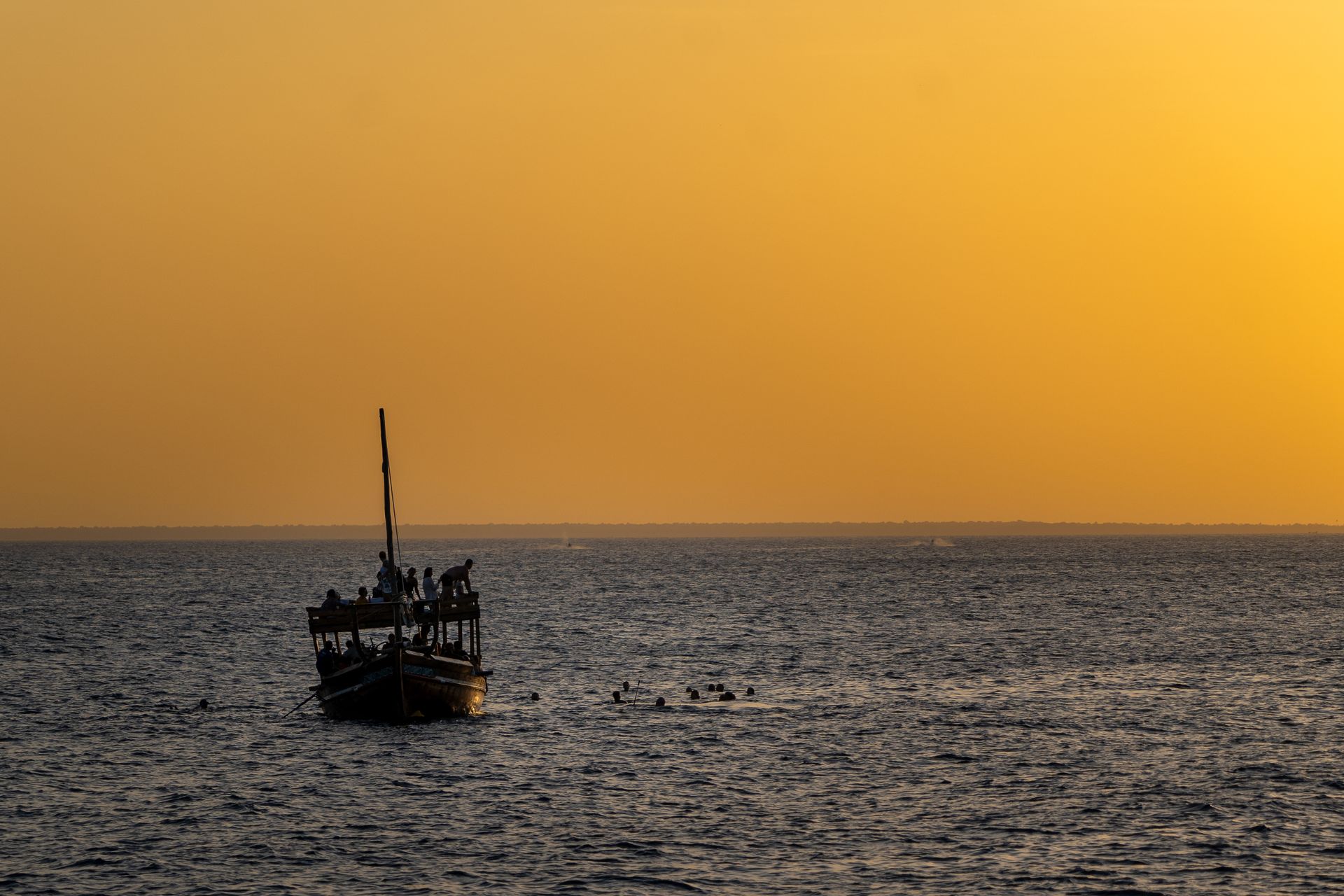
South-East Africa, Indian Ocean coast
Mozambique
A coastline tourism has yet to discover, still bearing clear traces of its Swahili and Portuguese past.
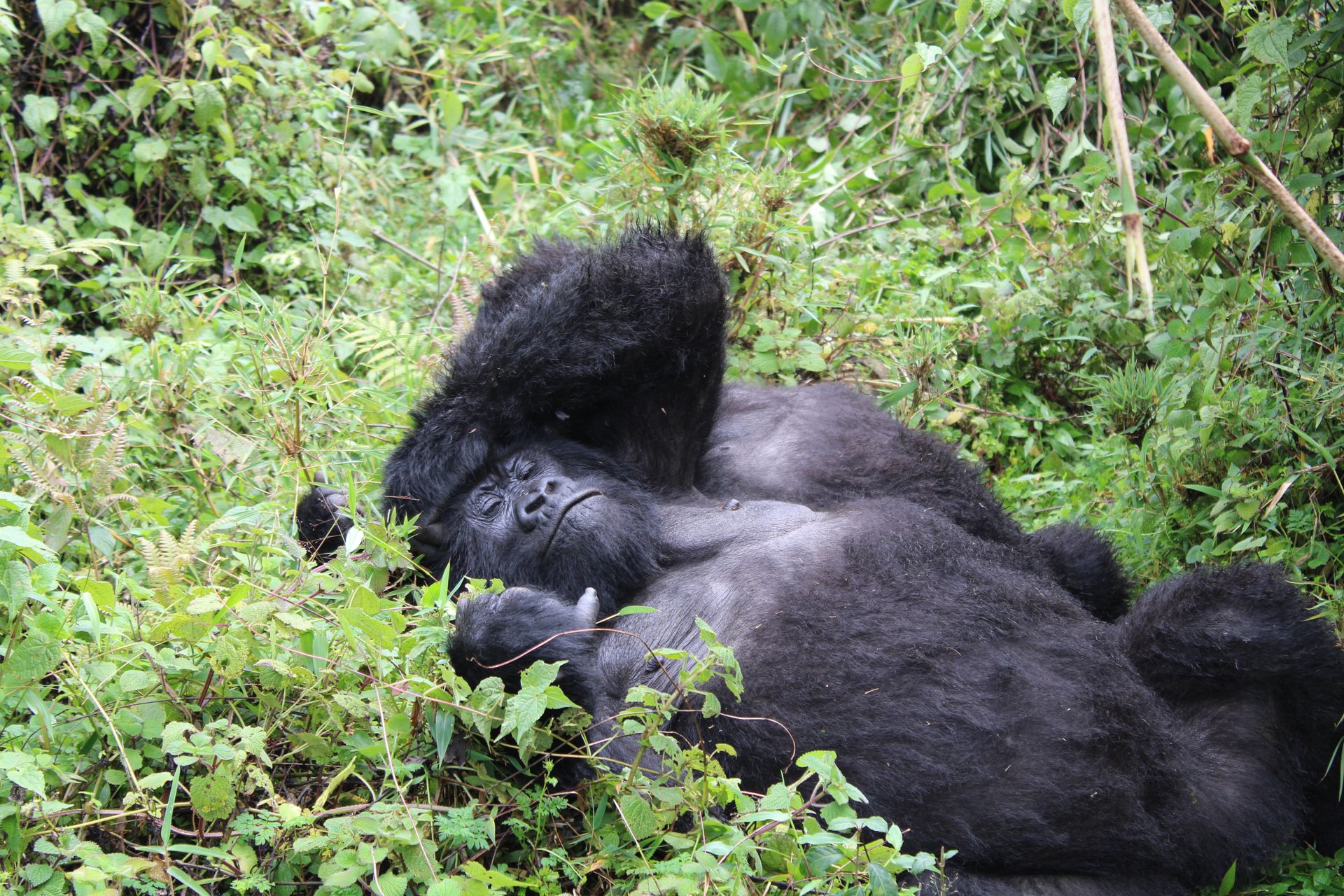
Central Africa, Great Lakes region
Rwanda
A country that doesn't hide its history, and has grown into one of the cleanest and greenest on the continent.
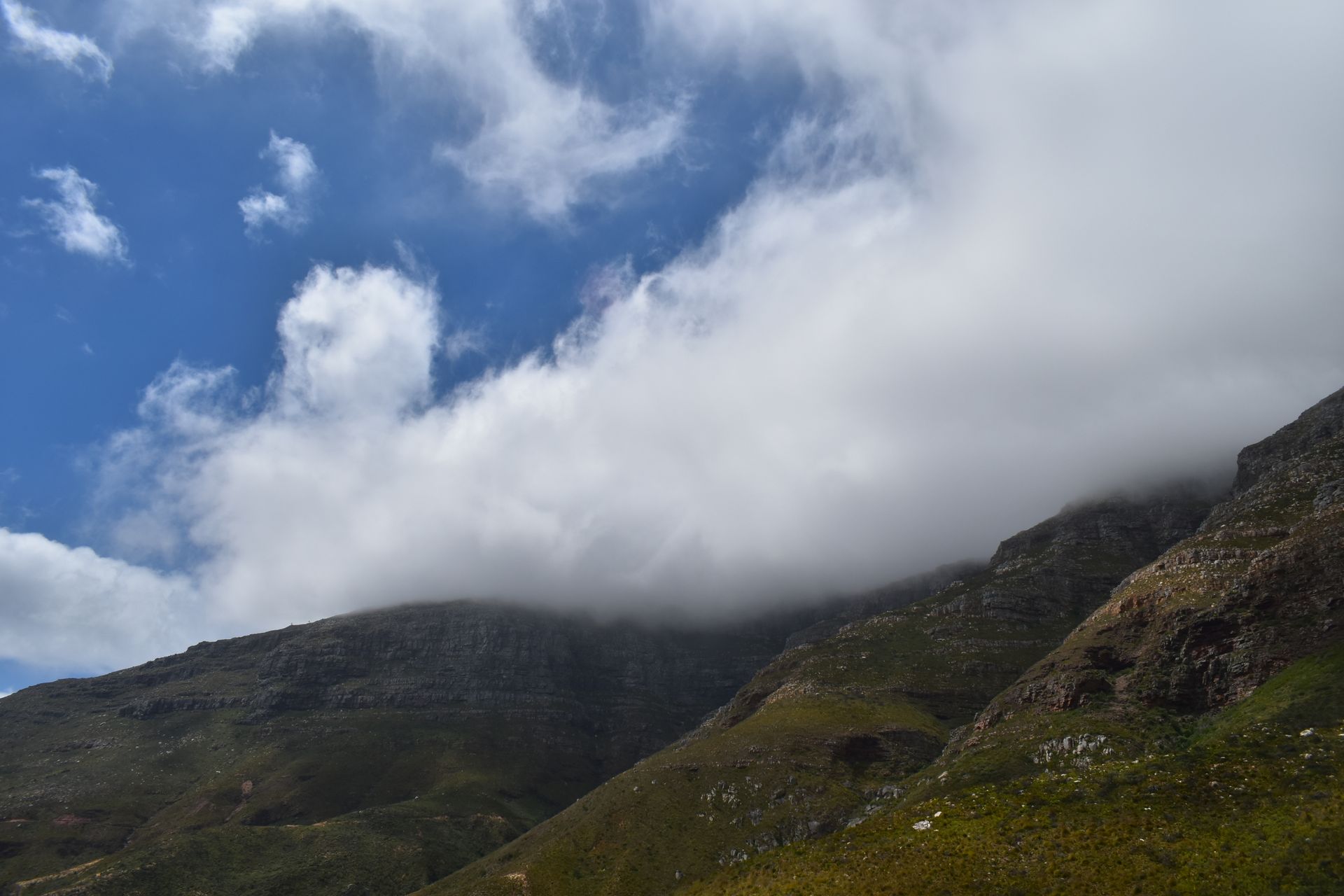
Southern Africa
South Africa
A country with so many faces that two travellers rarely tell the same story about it.
How it works
This is how your journey to Canada takes shape.
Six steps, from your first story to your homecoming. The conversation and the feasibility check cost you nothing.
-
01
Tell us your story
Fill in the form or give us a call. You do not need a route yet: a country, a period or just an idea is enough.
-
02
The conversation and the check
We talk through what you are looking for, by phone or by video, and check whether it can be done. If it can, we set down together what we will make for you.
-
03
We design your journey
We build your programme up, day by day, together with our own people in the country itself.
-
04
Your proposal
You read your journey day by day, with everything that is included. You say what you would like differently, until it is right.
-
05
Ready to depart
You send us your details, we send you your travel documents. You have one fixed contact who knows your journey.
-
06
Travelling, and after
Your contact stays reachable while you are away. Once you are home, we call one more time.
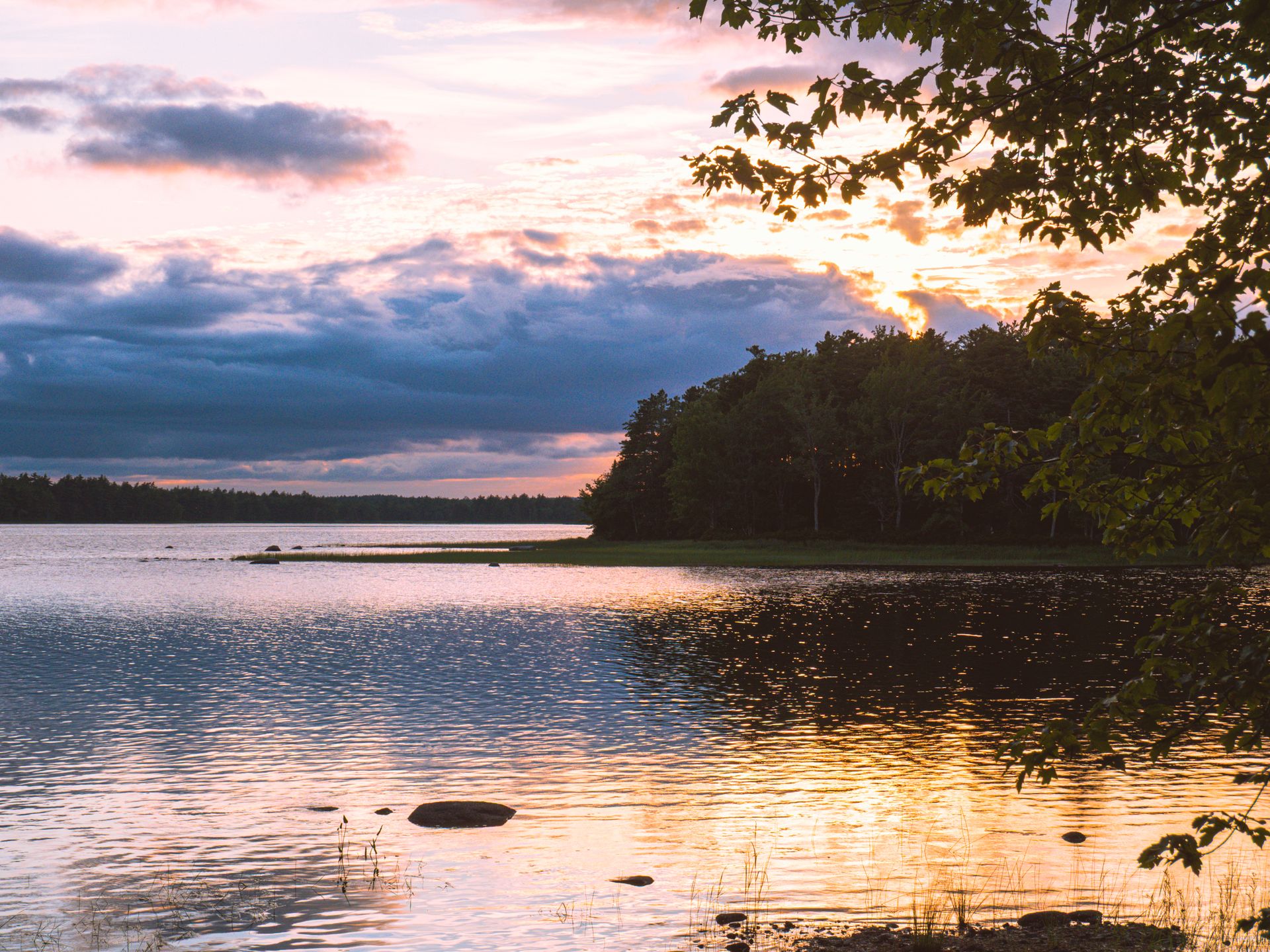
The next step
How would you like to experience Canada?
Tell us what draws you to Canada, which season you're thinking of and how much you want to move. We start by getting to know you as a traveller and build from there, together with a local partner who knows the region from the inside.