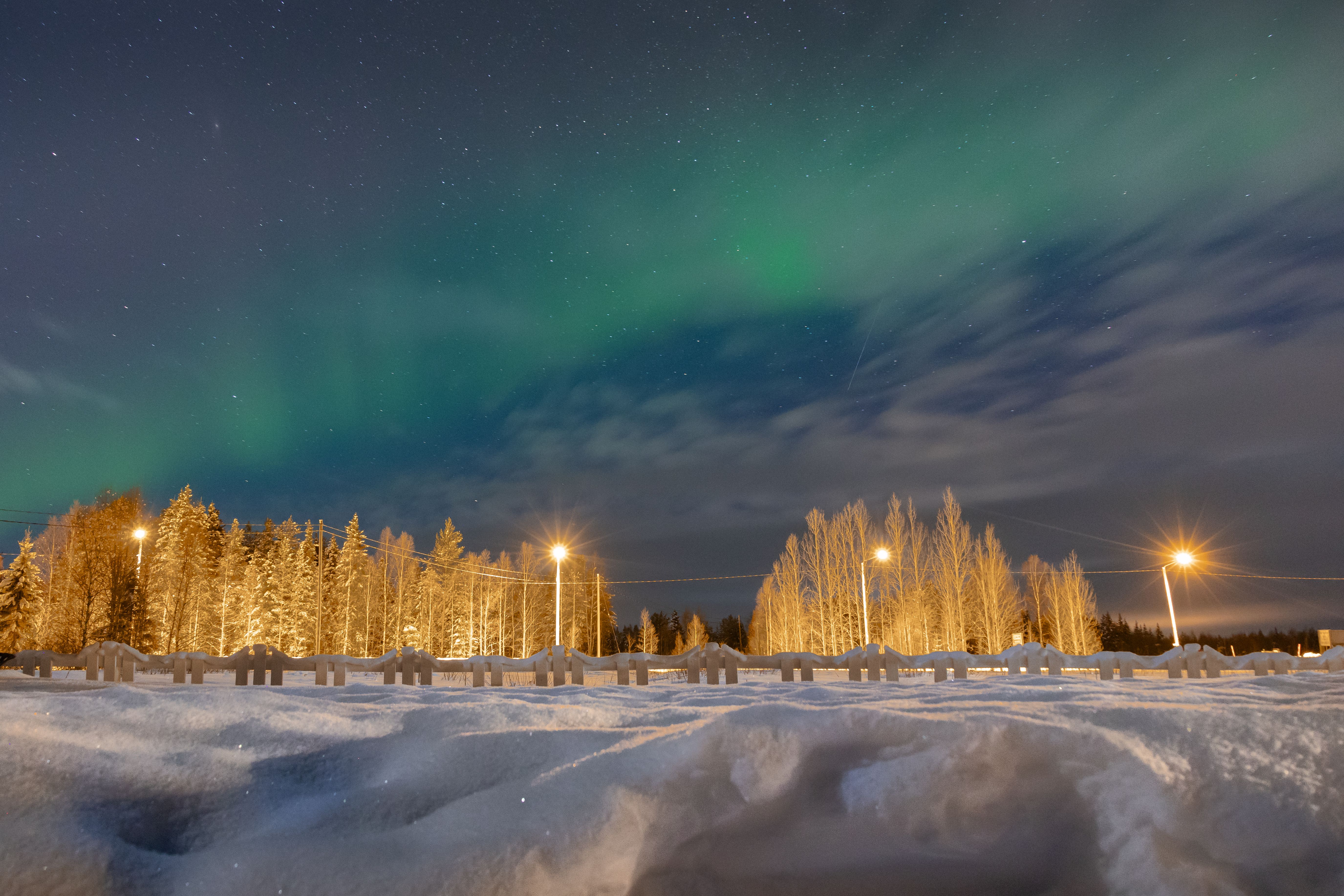
The High North
Lapland
A land that sets its clock by the light, not the hour.
This is Lapland
A region that doesn't bend to the calendar.
No season here is just a season.
A region without hard borders, where tundra and boreal forest live under a light that swings between two extremes throughout the year: months of sun, or months of night.
The map shows three countries here: Finland, Sweden and Norway. Those who live here tend to think instead in terms of Sápmi, the area where the Sámi moved with their reindeer herds long before national borders existed. Villages such as Inari, Kiruna and Alta lie hundreds of kilometres apart, and yet the region feels like one whole: the same stillness, the same cold, the same light governing everything.
We don't build a fixed route through this region. We start with what draws you: the night that never falls in June, the day that never comes in January, a meeting with those who have lived here for generations. Everything else follows from there.
The faces of the High North
One region, three angles.
Finnish, Swedish and Norwegian Lapland share the same light and the same cold, but the region changes character as you move from lake to fjell to fjord.

lakes and taiga
Finnish Lapland
Around Inari and Lake Inarijärvi, pine forest and open taiga alternate. This is where most of Finland's Sámi live, and where you still see reindeer fences along the road, not for show, but because the animals roam free.

fjell and mining country
Swedish Lapland
Around Kiruna and Abisko, the landscape turns barer and higher: fjell instead of forest, with the Abisko valley among the places where the sky is most often clear enough for the northern lights. Jukkasjärvi, further along the river, still lives off fishing and reindeer herding.

fjords and peaks
Norwegian Lapland
Where Sápmi meets the coast, near Alta and the Lyngen Alps, mountains rise straight out of the sea. The climate is milder here than further inland, the Gulf Stream often keeps the fjords ice-free, and fishing villages set the rhythm more than reindeer herders do.

reindeer trails
Sápmi, the land between
The real border doesn't run on the map but in the movements of the reindeer herds, which migrate between winter and summer pastures across land that crosses three national borders. Anyone travelling here notices that faster than customs does.

The people
A people who were here before Lapland was ever on a map.
The Sámi call their own territory Sápmi, not Lapland, a name imposed from outside. Their language, their clothing, their way of keeping reindeer: all of it existed centuries before the first tourist route was ever drawn. In many villages that tradition simply carries on, alongside smartphones and snowmobiles, not instead of them.
We deliberately don't look for a staged 'Sámi experience' with artificial light and props. Where a meeting is possible, it's with people who invite you because they want to, with time for conversation rather than a photo moment. Sometimes that means it doesn't happen. We think that's a more honest answer than a re-enacted version.
Wildlife and nature
Three trails through the same landscape.
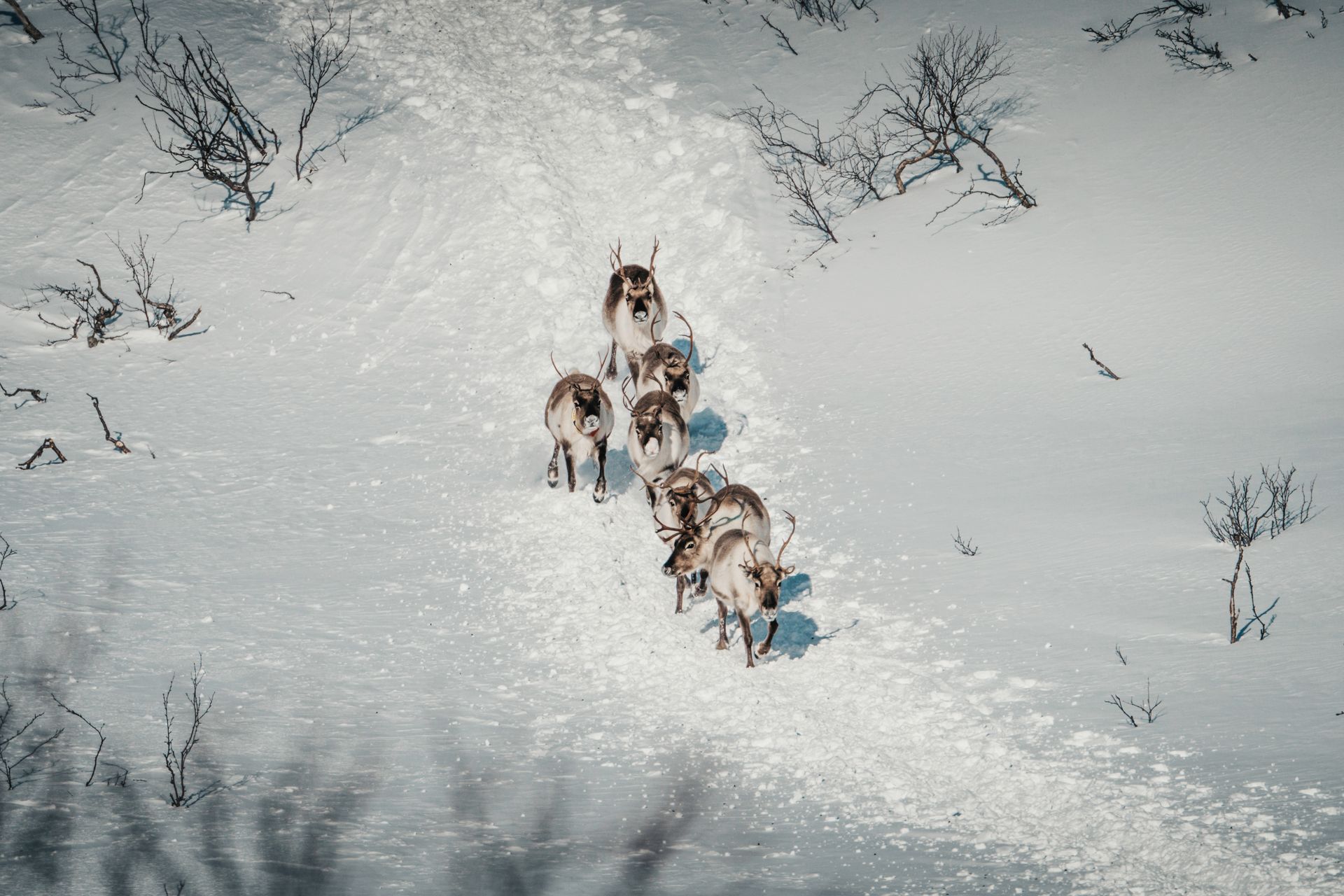
Reindeer
Not a zoo animal but a semi-wild one that sets the rhythm of the region: the migration between winter and summer pastures literally dictates where roads and railway lines run.

Elk
In the birch forests around the rivers, elk are easier to hear than to see, until dusk falls and they move out into the open.

White-tailed eagles
Above the Norwegian fjords, white-tailed eagles with a wingspan of more than two metres hunt, often at eye level from the cliffs.

The fjell between Kiruna and Abisko, where forest gives way to bare highland.
When would you travel?
A year of two extremes
In January, the sun doesn't rise above the horizon at all in some places: kaamos, the polar night, with a few hours of blue twilight as the day's high point. In June the opposite happens. The sun doesn't set for weeks on end. Between the two lies September, when the birch forests turn to ruska colours and the northern lights become visible again for the first time.
So there's no single 'best month', only a best month for what you're after: snow and polar light, the endless day, or the calm of the in-between season.
Jan
Feb
Mar
Apr
May
Jun
Jul
Aug
Sep
Oct
Nov
Dec
Top: the light, or precisely its absence, is at its strongest.
Good: transition periods with a character of their own, less predictable weather.
Fair: thaw or not yet any snow, the least rewarding time to travel.
What's possible
Possibilities, not a fixed programme.
This isn't a list to tick off. These are directions we work out together with you into something that fits your trip.
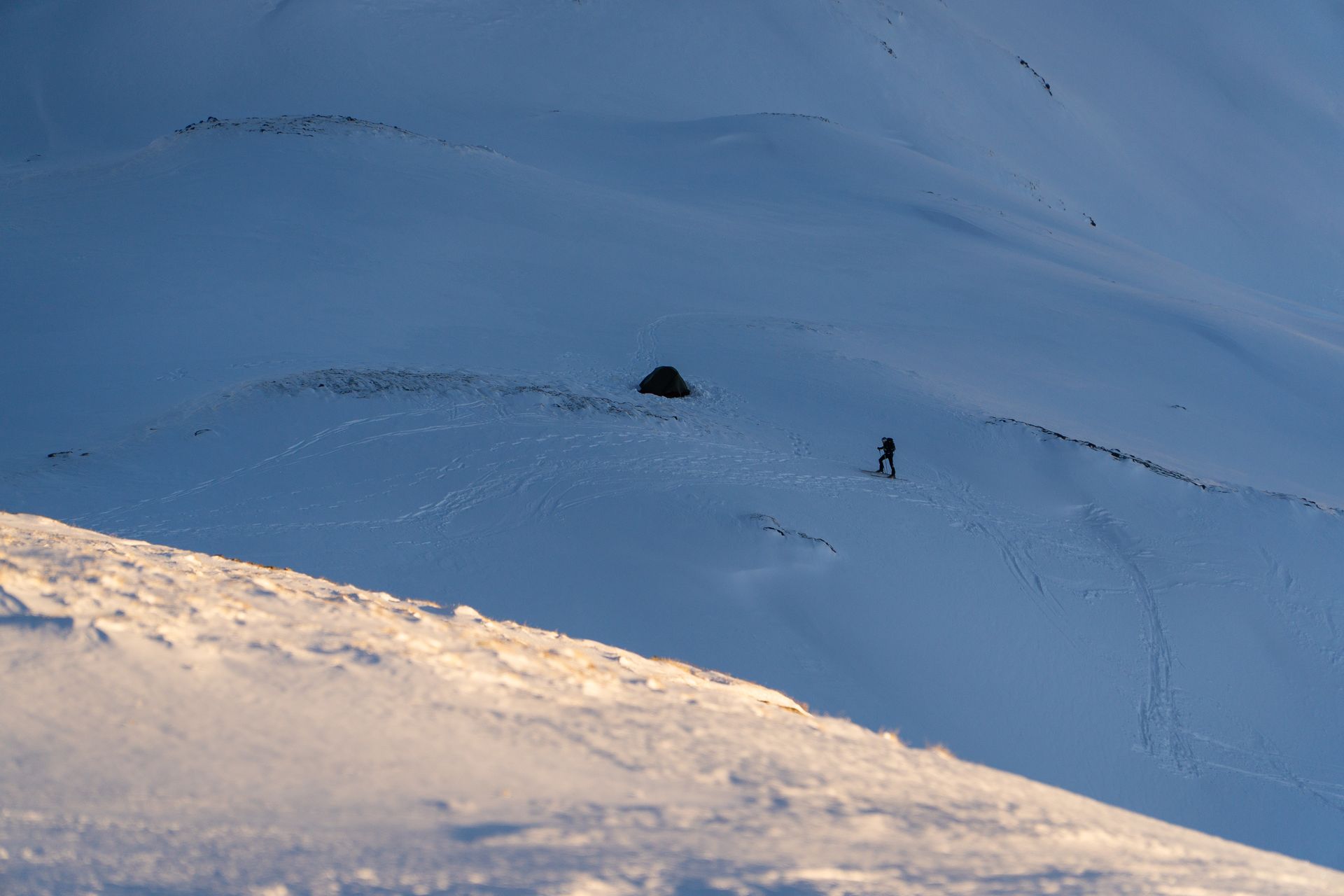
Into the fjell on skis or snowshoes
With a local guide who knows the terrain, from short outings to days far from anywhere inhabited.
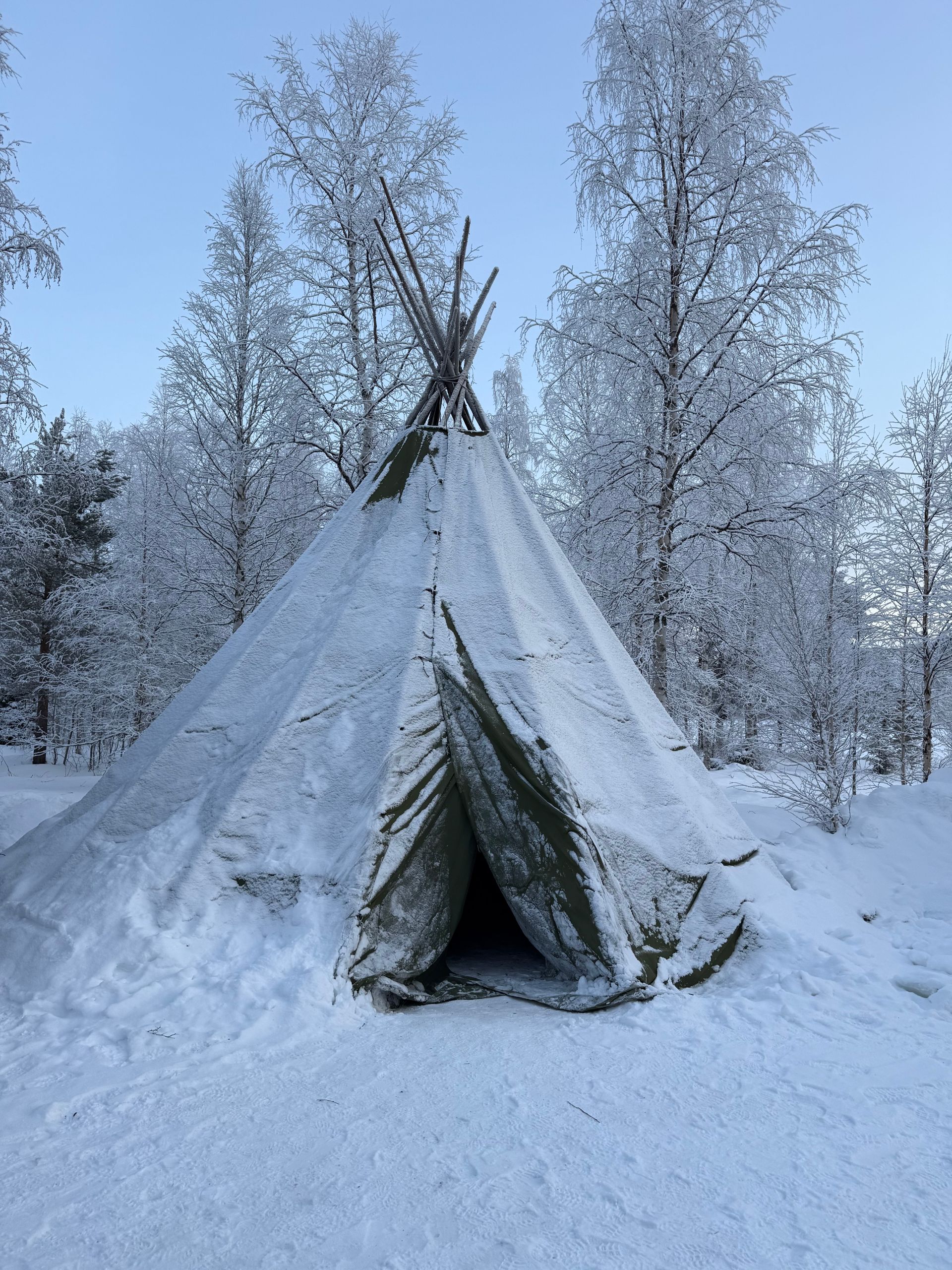
A night with a reindeer herder
Not as an attraction, but as a guest, with the chance to lend a hand if it suits, and otherwise simply to listen.

Sauna, and a hole in the ice
A combination that isn't tourism here but daily life: hot to cold, with nothing in between.

Walking or canoeing when the sun doesn't set
The midnight sun changes the whole idea of a day's schedule. There's no reason to stop early.

Waiting for the northern lights
With patience as the only strategy: a clear sky, a dark spot, and time not spent looking at your phone.
Combine what fits, leave out what doesn't appeal.
Looking past the highlights
Why we look at Lapland differently
Not a Christmas village Reindeer sleighs in Santa hats and a mocked-up village square have no place in our trips. What we do look for: the real work of those who make their living from reindeer here.
The light dictates the planning We fit dates to what you want to see, polar night, midnight sun or the in-between seasons, rather than imposing a fixed departure date.
The pace set by the cold At minus 25 degrees, everything takes longer: getting dressed, moving around, waiting. We build in room for that instead of packing the programme full.
Borders the region itself doesn't draw A trip can move seamlessly from Finland to Sweden to Norway. We think in terms of Sápmi, not customs lines.
Worth knowing
Practical, without the noise.
Practical, without taking the adventure out of it.
- Getting there
- Flights usually run via Helsinki, Oslo or Stockholm to regional airports such as Ivalo, Kiruna or Alta
- Documents
- A valid identity card is sufficient within the Schengen area; the same rules apply on the Norwegian side
- Clothing and cold
- Layers matter more than one thick coat. The right gear determines how long you can stay outside, not your willpower
- Pace
- Short winter days and endless summer days both call for a different rhythm than you're used to
- Language
- English is widely understood, even in the smaller villages
Here, what counts isn't how much you see,
but how long you keep looking.
Frequently asked questions
Is Lapland only worth visiting in winter?
No. Summer, with the midnight sun, is a completely different experience and at least as remarkable, with walking and canoeing well into the 'night'.
Can you guarantee the northern lights?
No one can guarantee that. It's a natural phenomenon. What we do: choose the right months, locations with little light pollution, and enough nights to improve the odds.
Do you combine Finnish, Swedish and Norwegian Lapland in one trip?
Often, yes. The distances are large, but a route that crosses the border usually gives the most complete picture of the region.
How cold does it really get?
In winter, temperatures down to -25°C or colder are normal inland; on the Norwegian coast the sea often keeps it milder.
Or perhaps this
Other destinations
Still weighing it up? That is no problem at all. The right country often only becomes clear once the conversation starts.
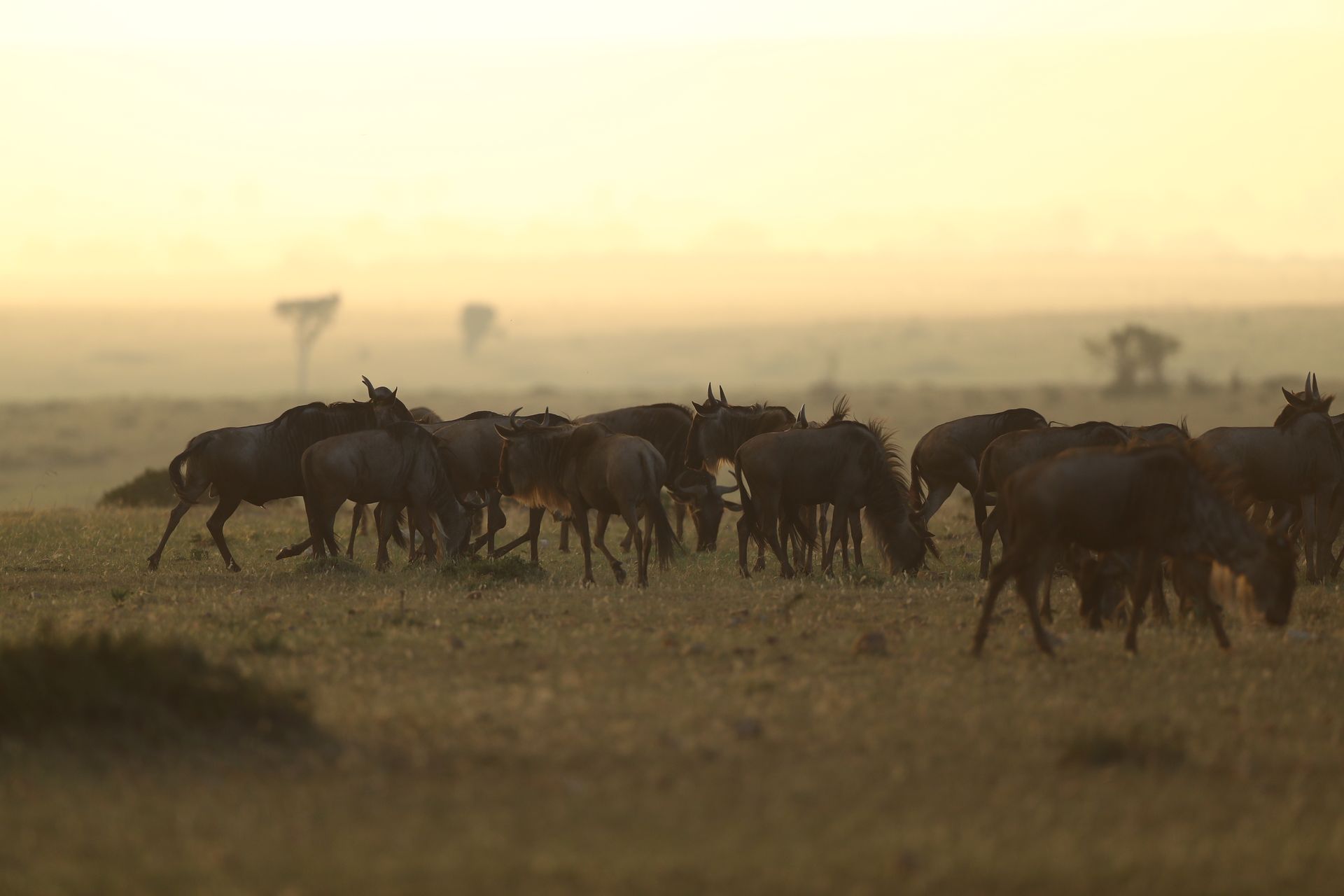
East Africa
Kenya
Wildlife and vast landscapes in a country that offers far more than the classic safari.
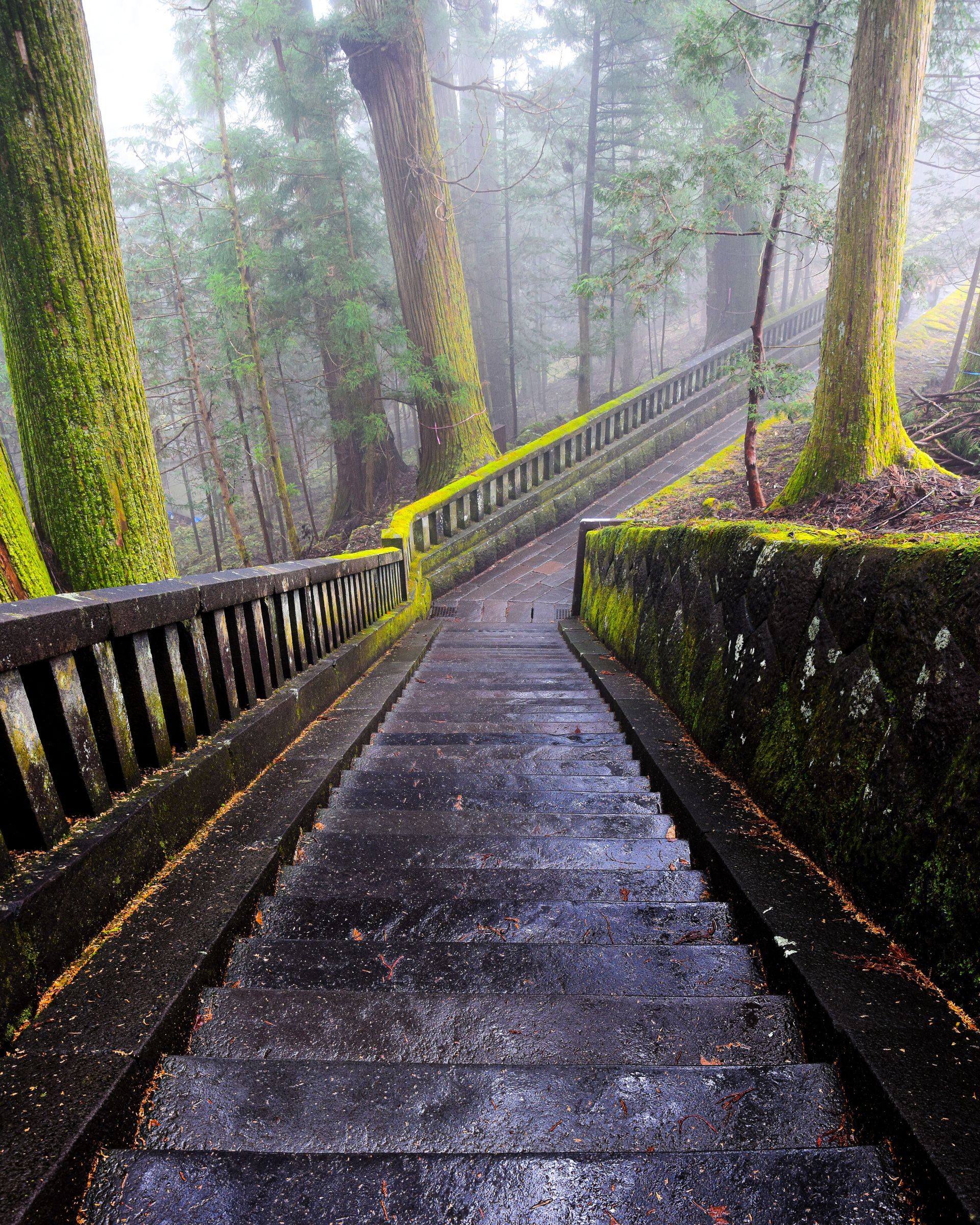
East Asia
Japan
A world where centuries-old tradition and radical modernity sit effortlessly side by side.
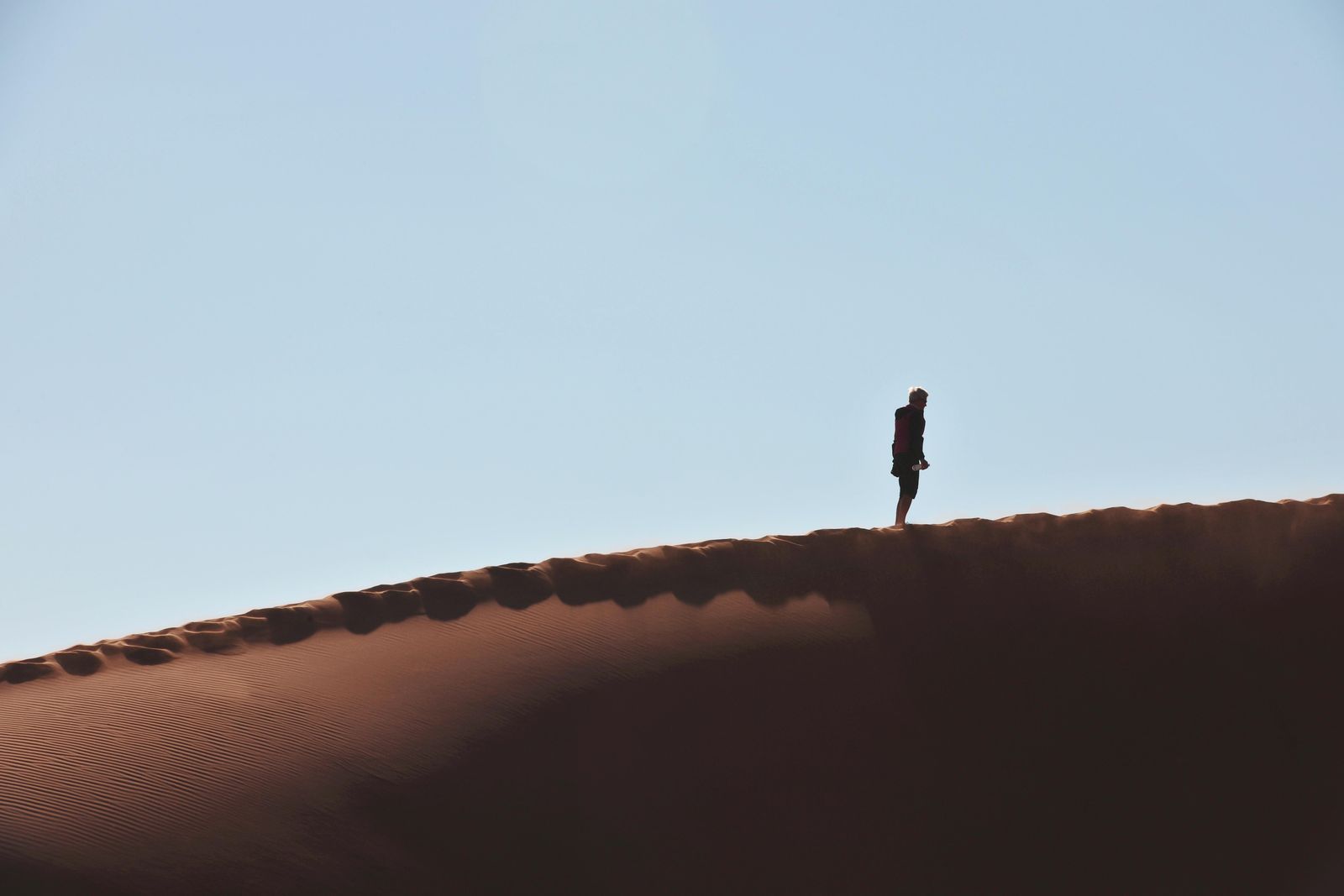
Southern Africa
Namibia
Silence on a scale found nowhere else, with deserts that change character every hundred kilometres.
How it works
This is how your journey to Lapland takes shape.
Six steps, from your first story to your homecoming. The conversation and the feasibility check cost you nothing.
-
01
Tell us your story
Fill in the form or give us a call. You do not need a route yet: a country, a period or just an idea is enough.
-
02
The conversation and the check
We talk through what you are looking for, by phone or by video, and check whether it can be done. If it can, we set down together what we will make for you.
-
03
We design your journey
We build your programme up, day by day, together with our own people in the country itself.
-
04
Your proposal
You read your journey day by day, with everything that is included. You say what you would like differently, until it is right.
-
05
Ready to depart
You send us your details, we send you your travel documents. You have one fixed contact who knows your journey.
-
06
Travelling, and after
Your contact stays reachable while you are away. Once you are home, we call one more time.
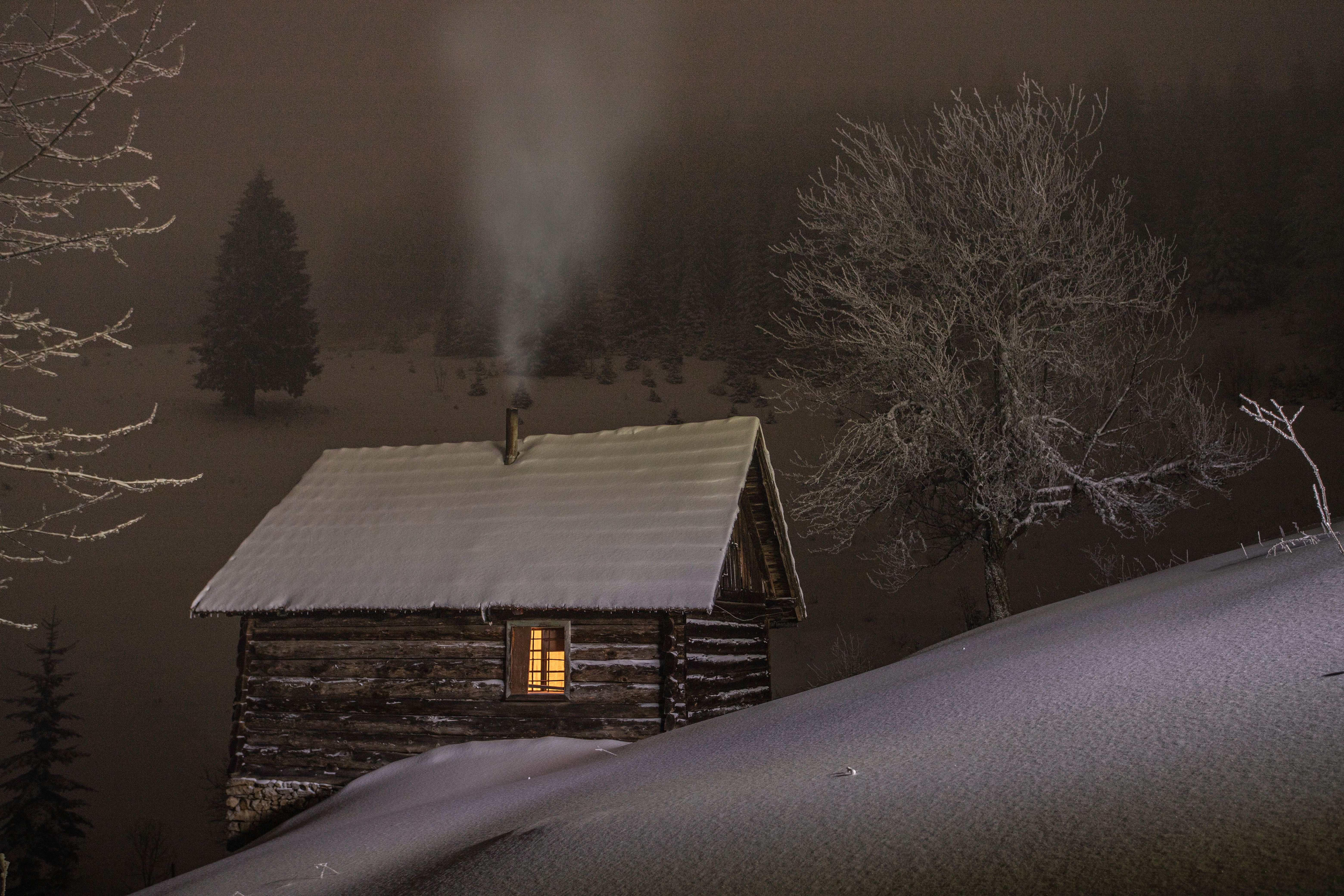
The next step
How would you like to experience Lapland?
Tell us whether you're after the stillness of the polar night, the light that doesn't set for weeks on end, or a meeting with those who have lived here for generations. We'll find the route that fits.