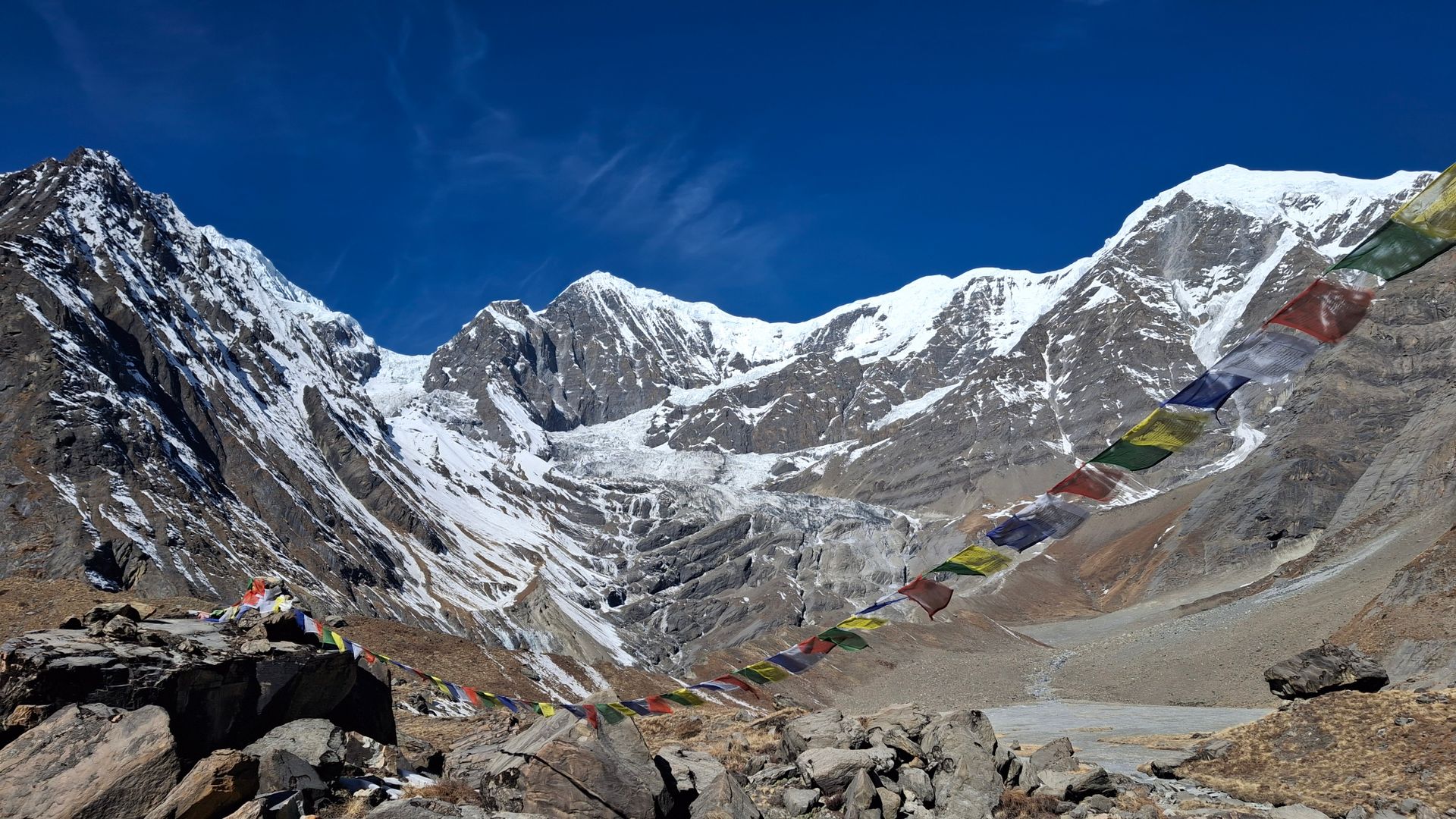
Central Himalaya
Nepal
A country that begins where the mountains stop being the only story.
This is Nepal
A country that refuses to be summed up by one peak.
Valleys and temple cities that tell as much about the country as the mountains do. This reaches far beyond Everest alone.
Nepal is often pitched as a waiting room for Everest, a country that only really begins where the base camps start. Arrive with that idea and you miss most of the story. Between Kathmandu, Patan and Bhaktapur lies a valley full of temple cities that stood long before any mountaineer ever set foot here, with woodcarving, squares and rituals still repeated daily.
Further out, the landscape shifts faster than you'd expect from a country named after a mountain range: subtropical lowland in the south, rolling terraced fields in the middle, and only right up in the north the string of eight-thousanders that shapes Nepal's image worldwide. In between live Newari, Sherpa, Tamang, Gurung and Tharu communities, each with their own language, cuisine and way of using the landscape.
QualiMundi builds a trip through Nepal around that breadth, not around one peak. That can mean a journey spending weeks in the mountains, just as much as a trip that never climbs above a thousand metres and still digs deeper into the country than most treks do.
The regions
Nepal is less one country than a stack of worlds.
The Kathmandu valley has little in common with Mustang, and Chitwan resembles neither. Reduce Nepal to mountains and you miss most of the map.
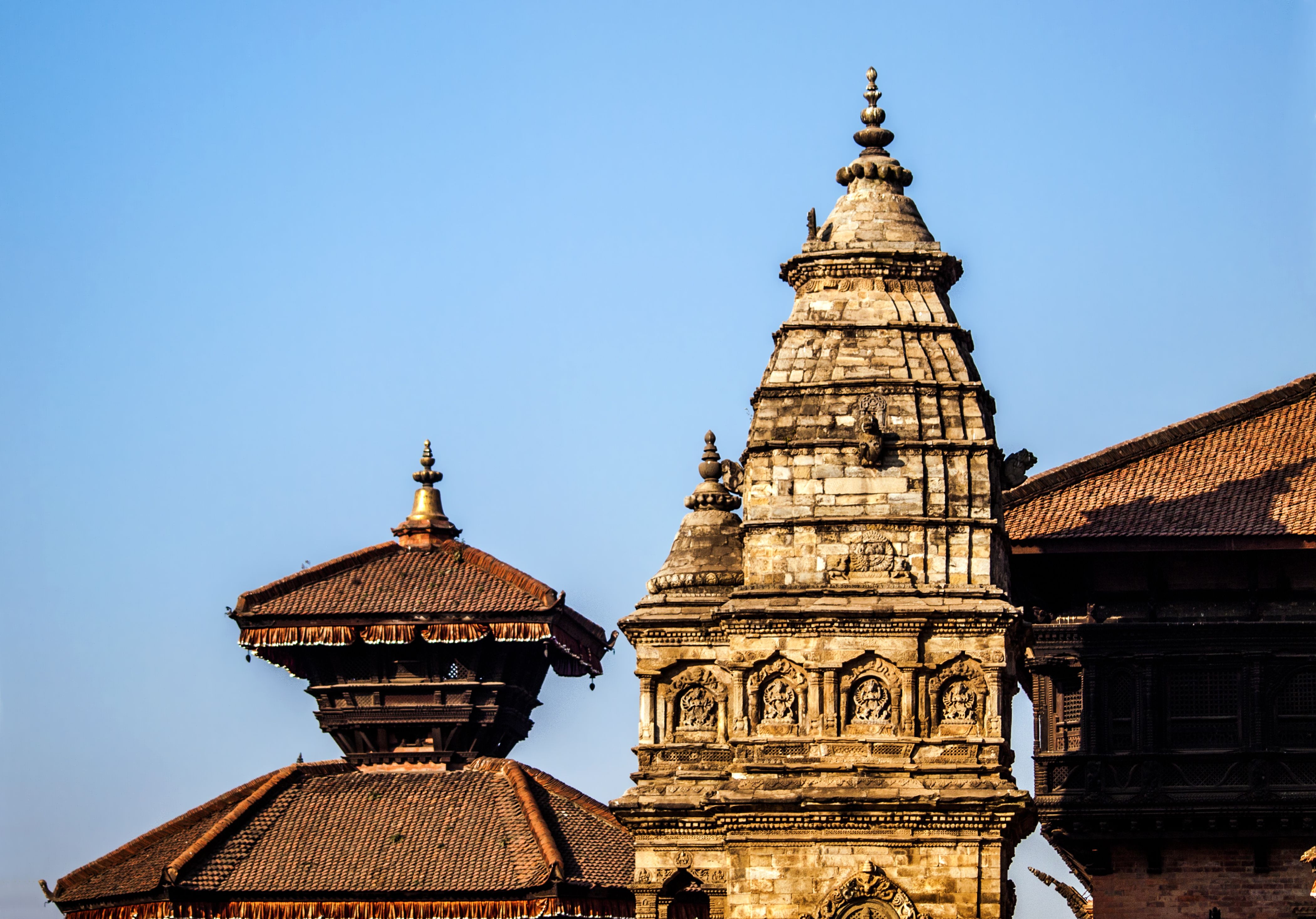
Valley of temple cities
Kathmandu, Patan, Bhaktapur
Three former kingdoms that once competed with each other, now three cities within walking distance of one another. Each square has its own temples, its own woodcarving, its own rhythm of morning offerings.

Lake, mountain wall and rest stop
Pokhara and the Annapurna
Pokhara sits on a lake that mirrors the Annapurna range on clear mornings. For some a base to head into the mountains, for others a place to do nothing for three days but watch that reflection.

Sherpa country, not base camp
Solukhumbu
Namche Bazaar, monasteries on mountain ridges, villages where daily life has revolved around yaks and trade over the passes for centuries, with or without a trek to the foot of Everest.

Less known, closer by
Langtang
A day's journey from Kathmandu and yet entirely different: Tamang villages, a valley that rebuilt itself after the 2015 earthquake, and trails far quieter than those towards Everest or Annapurna.
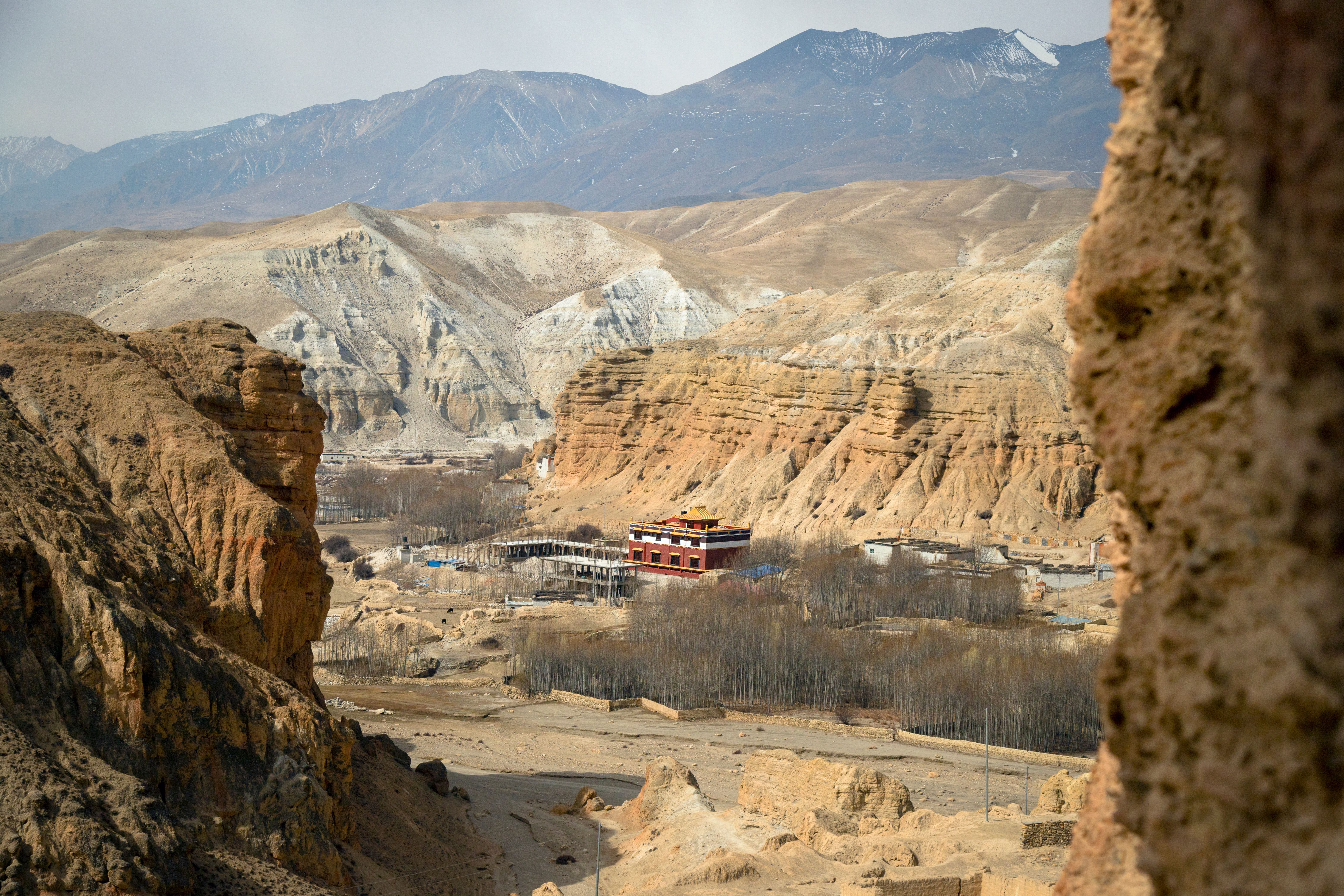
Forbidden kingdom
Mustang
A high plateau that resembles Tibet more than the rest of Nepal, with the walled city of Lo Manthang at its heart. Closed to outsiders until the 1990s, still one of the least visited corners of the country.

Jungle and lowland
Chitwan
Subtropical national park in the south, where rhinos wade through tall grass and the Rapti river is crossed by canoe. A different Nepal from the mountains, just a few hours' drive from Kathmandu.

Temples and everyday faith
In Bhaktapur, the square is never done praying.
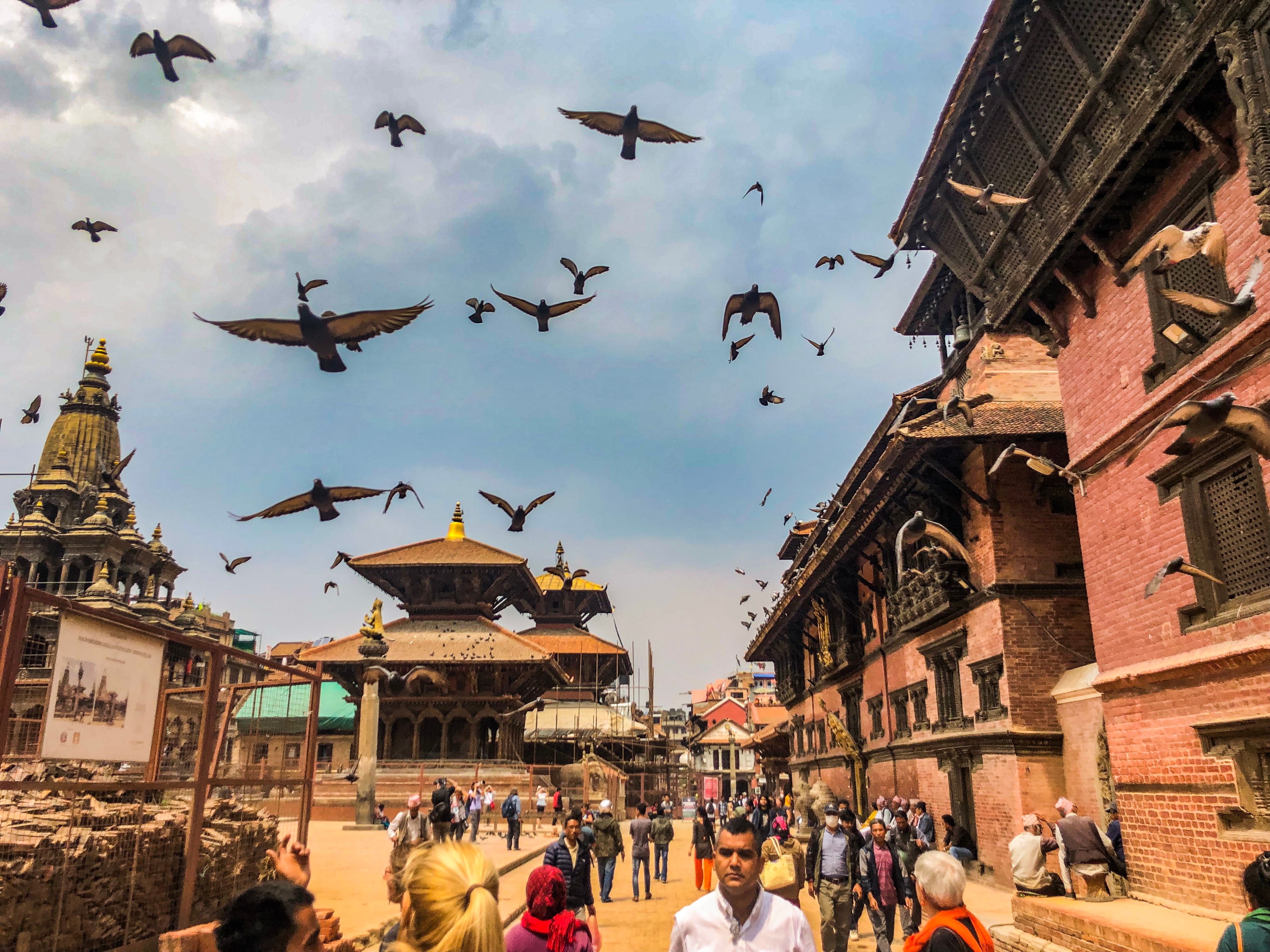
The Kathmandu valley holds seven UNESCO World Heritage sites within an area you could cross on foot in a few days. This is no open-air museum: the squares of Bhaktapur are still used for prayer, trade and drying produce. Red chillies and grain lie drying in the sun beside centuries-old wooden temples.
Hinduism and Buddhism don't simply coexist here, they run through one another: the same temple is visited by both communities, the same festivals, Indra Jatra, Bisket Jatra, draw both in. Newari craftsmanship, from woodcarving to metalwork, is the signature of the whole valley, from house doors to temple roofs.
Nepal is not a peak to climb.
It is a country to read layer by layer.
Looking past the highlights
How we look at Nepal
Beyond the base camp photo Most visitors know Nepal through a single image: a base camp, a glacier, a flag in the snow. We start by asking what you actually want to see. Often the answer is broader than one peak.
Altitude is a pace, not an achievement Above 2,500 metres, everything revolves around acclimatising, not speed. A trip that allows for that feels slower, but it also lets you truly arrive instead of pushing through exhausted.
Three faiths, not one story Hinduism, Buddhism and local animist traditions run into one another in Nepal. We don't flatten that into one simple spiritual narrative, we show where it grates and where it comes together.
Villages are not a backdrop A homestay in Langtang or Solukhumbu is not a staged experience but a household that lets you in. Our local experts know the difference between hospitality and a performance, and plan accordingly.
Nature and high mountains
From jungle to glacial valley, sometimes in the same week

Chitwan
Elephant grass, sal forests and the Rapti river make up one of the few places in Asia where rhinos still live in the wild. A jeep or a quiet canoe trip brings you closer than any zoo ever could.
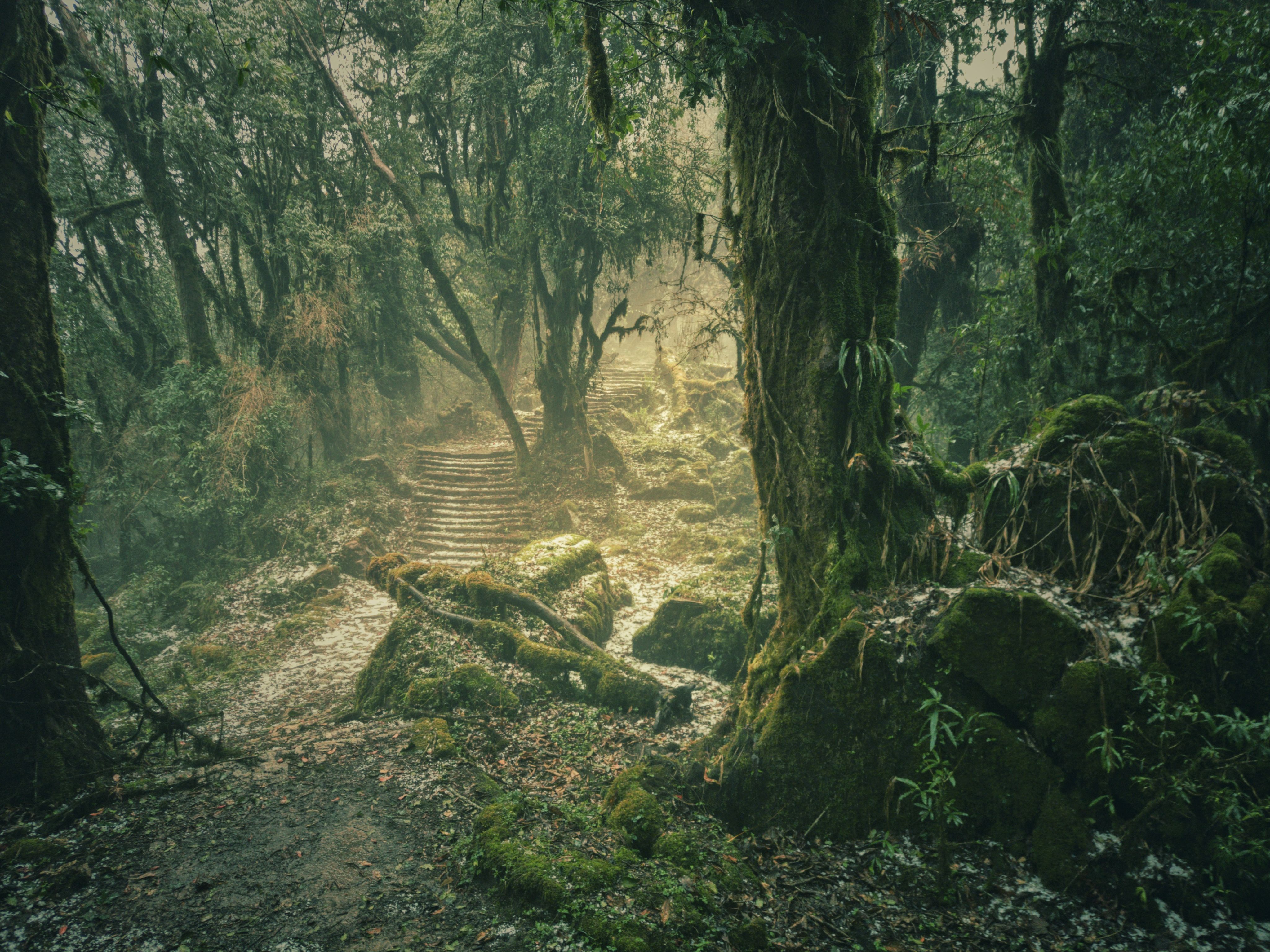
Flowering mountain forests
In March and April, the slopes around Ghorepani and Langtang turn red and pink with rhododendron, Nepal's national flower, growing here as forest rather than in a border.
Glacial valleys
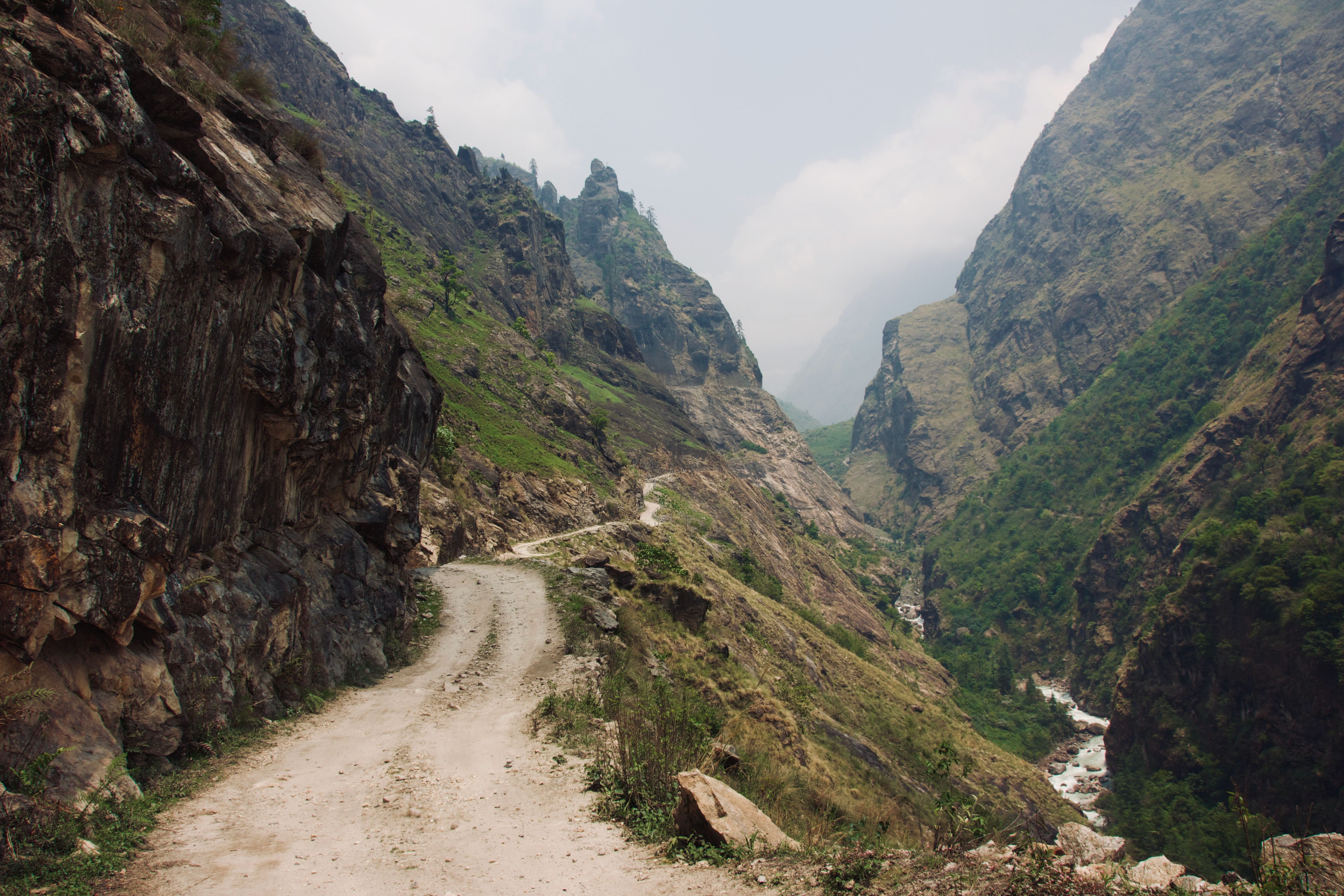
Beyond the last villages begin valleys of rock, ice and moraine, where the silence is as striking as the eight-thousanders you sometimes glimpse in the distance.

Terraced fields beneath the Annapurna: the path there tells as much of a story as the summit.
What's possible here
Nepal gives back as much on a temple square as on a mountain pass
No fixed programme, but a number of experiences that recur throughout a trip through Nepal, in whatever order and intensity suits you.

Walking at your own pace
From a trek of a few days to one of several weeks. Nepal's mountains lend themselves to both, without a base camp needing to be the only goal.

A night with a Sherpa or Tamang family
Sleeping under the same roof as the family who works the land, eating whatever is ready that day, and watching a mountain village wake up in the morning.
Rising early for a temple square
Bhaktapur or Patan before sunrise, when the first offerings are brought and the squares still belong to the residents rather than the cameras.

Into the jungle, on foot or by canoe
Chitwan isn't only seen from a jeep. A walk with a local guide or a canoe trip brings you eye to eye with an entirely different Nepal.

A flight over the Himalaya
For those who want to see the mountains without walking into them: a morning flight along the Himalayan range shows in forty minutes what a trek takes weeks to reveal.
Most travellers leave Nepal with a list for next time, not a box ticked off.
Food
Dal bhat isn't a side dish, it's the rhythm of the day
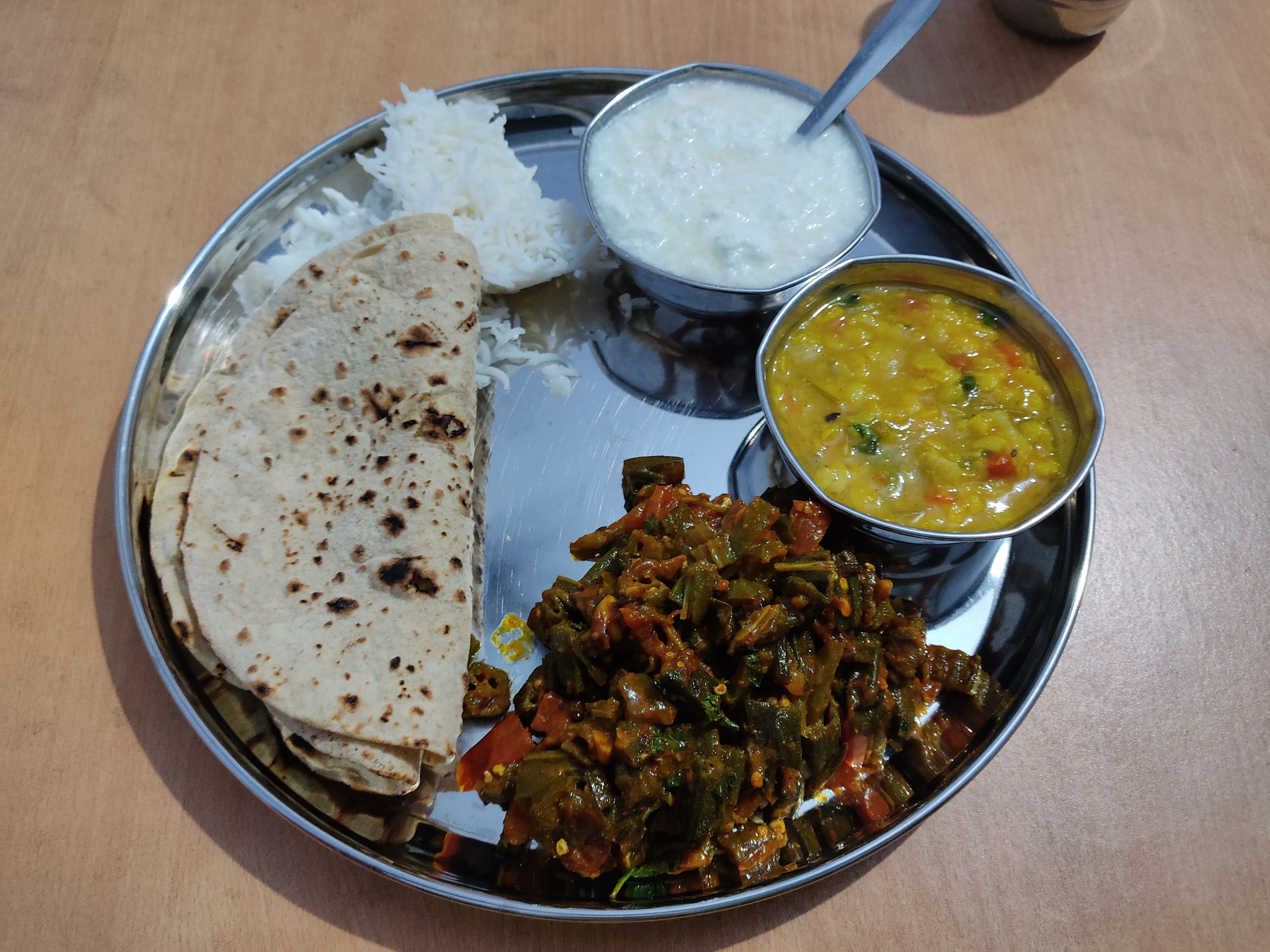
"Dal bhat power 24 hour" is printed on T-shirts along every trekking trail, and it's almost true: lentil soup, rice, vegetable curry and achar keep you going at altitude, with a second helping that comes without asking in most homes.
In the Kathmandu valley, Newari cuisine serves dishes rarely found on a tourist menu: yomari, a steamed rice dumpling filled with molasses, or bara, lentil pancakes with egg. Higher in the mountains it shifts to Thakali thalis and butter tea, made to keep you warm rather than to taste good first and foremost.
When would you travel?
When you go decides which Nepal you see
The monsoon, from June to September, washes out mountain trails and hides the views, a period to avoid if you want to see the Himalaya, unless you deliberately choose Mustang's rain-shadow region.
October and November follow right after the monsoon: the air is at its clearest, the terraced fields are still green and it's the season of Dashain and Tihar, the country's most important festivals. March and April bring a second peak, with rhododendron forests blooming across the hills.
Jan
Feb
Mar
Apr
May
Jun
Jul
Aug
Sep
Oct
Nov
Dec
Top: clear skies, stable weather, the mountains at their best.
Good: transition months, slightly less visibility, but quieter on the trails.
Fair: monsoon, heat or winter cold. Travel is possible, but with different expectations.
Worth knowing
Practical, without the noise.
Nepal calls for a different kind of planning than most destinations. Not harder, just slower.
- Getting there
- Direct flights from Europe to Kathmandu are scarce; most journeys route through a hub in the Middle East.
- Documents
- A visa can be obtained on arrival for most nationalities; a passport must remain valid for at least six months.
- Altitude and health
- Above 2,500 metres, acclimatising isn't optional, it's a necessity. We build the pace of a trip around it.
- Distance and time
- A hundred kilometres in the mountains can mean a full day's drive; distance on the map says little about travel time.
- Connectivity
- Wifi and mobile coverage are good in the Kathmandu and Pokhara valleys, and drop off the higher and more remote a village lies.
Frequently asked questions
Do you have to have been to Everest base camp to really know Nepal?
No. It's one experience among many, and not necessarily the most defining one. The temple cities of the Kathmandu valley or the villages of Langtang say just as much about the country.
How fit do I need to be to visit Nepal?
That depends entirely on what you choose. A trip through Nepal doesn't have to be a trek, and a trek doesn't have to demand extreme fitness. We set the pace together with you, not the other way round.
Is it safe to travel to Nepal after the 2015 earthquake?
Yes. Most tourist areas have fully recovered; at some heritage sites in the Kathmandu valley the rebuilding itself is still visible, and by now that's become part of the place's story.
Can Nepal be combined with another country?
Often, yes, depending on season and interest. Both Bhutan and Tibet are within reach, though each combination needs its own planning.
Or perhaps this
Other destinations
Still weighing it up? That is no problem at all. The right country often only becomes clear once the conversation starts.
United Arab Emirates
Dubai
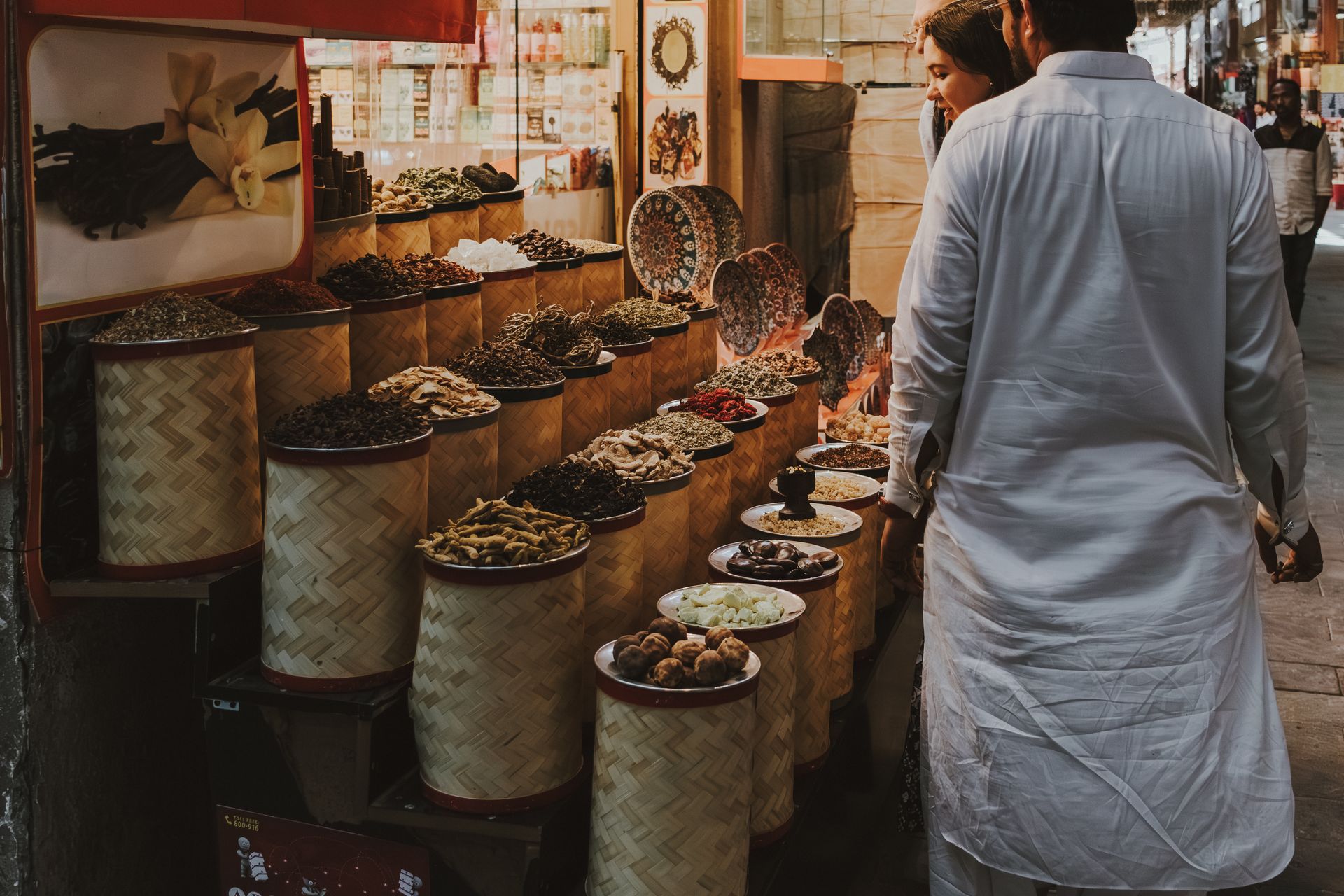
A city that keeps rewriting itself, though the old creek and its souks still hold on to the pace of life before the skyscrapers.
United Arab Emirates
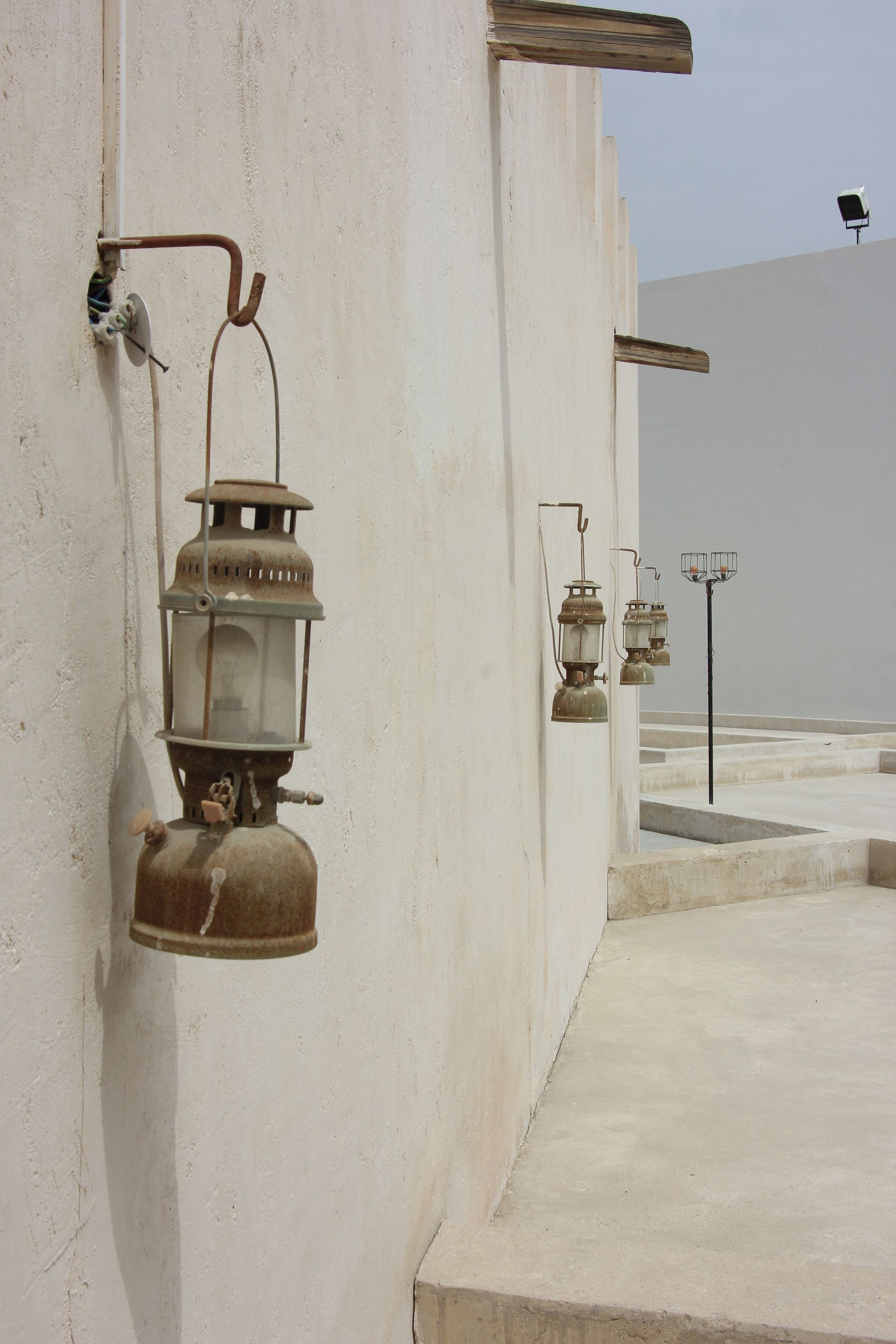
Sharjah
The most understated of the emirates, where culture and heritage matter more than height or gloss.
Scandinavia
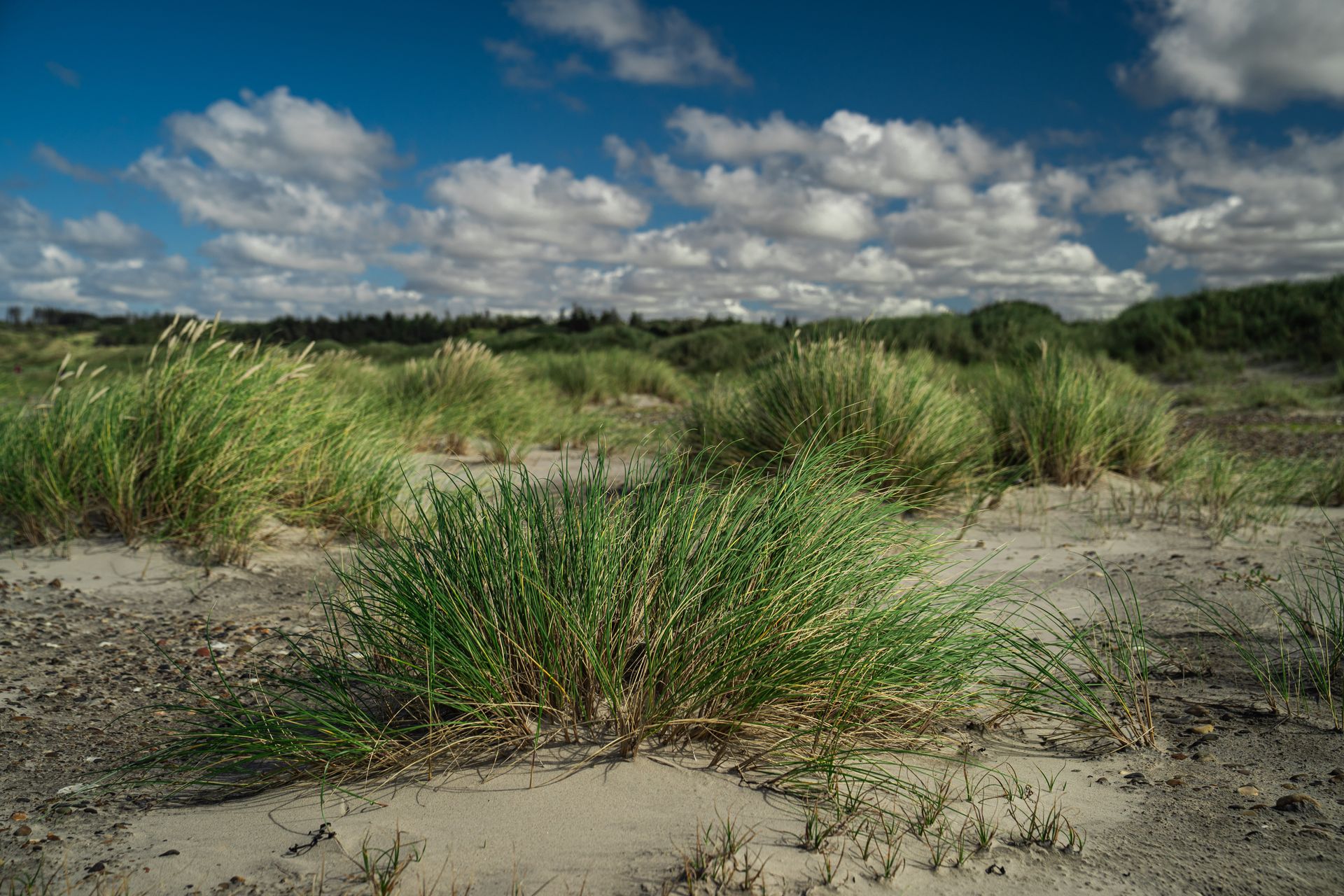
Denmark
Flat, coastal and steeped in a light that never shouts, a country that finds its calm in understatement.
How it works
This is how your journey to Nepal takes shape.
Six steps, from your first story to your homecoming. The conversation and the feasibility check cost you nothing.
-
01
Tell us your story
Fill in the form or give us a call. You do not need a route yet: a country, a period or just an idea is enough.
-
02
The conversation and the check
We talk through what you are looking for, by phone or by video, and check whether it can be done. If it can, we set down together what we will make for you.
-
03
We design your journey
We build your programme up, day by day, together with our own people in the country itself.
-
04
Your proposal
You read your journey day by day, with everything that is included. You say what you would like differently, until it is right.
-
05
Ready to depart
You send us your details, we send you your travel documents. You have one fixed contact who knows your journey.
-
06
Travelling, and after
Your contact stays reachable while you are away. Once you are home, we call one more time.
The next step
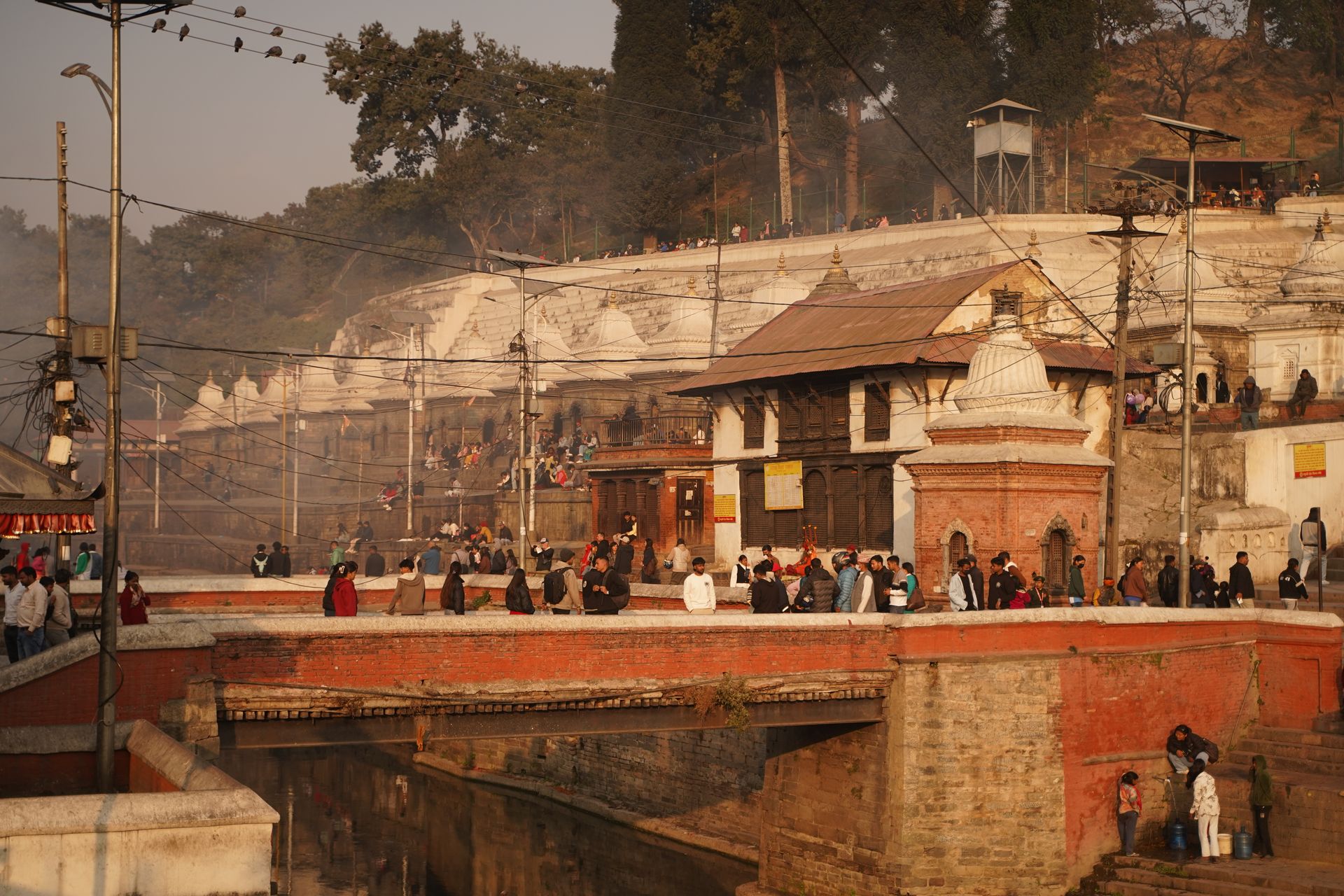
How would you like to experience Nepal?
Tell us whether it's mountains, temple cities, or both, and how much altitude you want to seek out. We build the rest of the story around that.