Central American lake district
Nicaragua
A country that hasn't had its edges smoothed off.
This is Nicaragua
The country that hasn't smoothed off its edges.
Two colonial cities, rivals for centuries, with a lake full of volcanic islands between them, rougher round the edges than its neighbours.
Granada and León are both older than most European capitals on this side of the ocean, and they agree on almost nothing. Granada, on the lake, grew rich through trade and built churches and merchant houses to show for it. León, further north, sided with the freedom fighters and the poets, and has celebrated that ever since. The rivalry between the two cities decided for centuries where the capital should sit, until nobody could settle it and Managua, halfway between them, broke the deadlock.
Between the two cities lies Lake Nicaragua, large enough to raise waves and once home to sharks that had adapted to fresh water. An island rises from it with two volcanoes, Ometepe, shaped like a figure eight, where life still revolves largely around the harvest and the ferry. Compared with the polished Costa Rica next door, Nicaragua hasn't smoothed off its edges: the roads are rougher, the facades more weathered, the people less used to the idea of a visitor coming to look at them.
The regions
One country, two cities that keep disagreeing
From colony to coast: Nicaragua changes face every hundred kilometres.

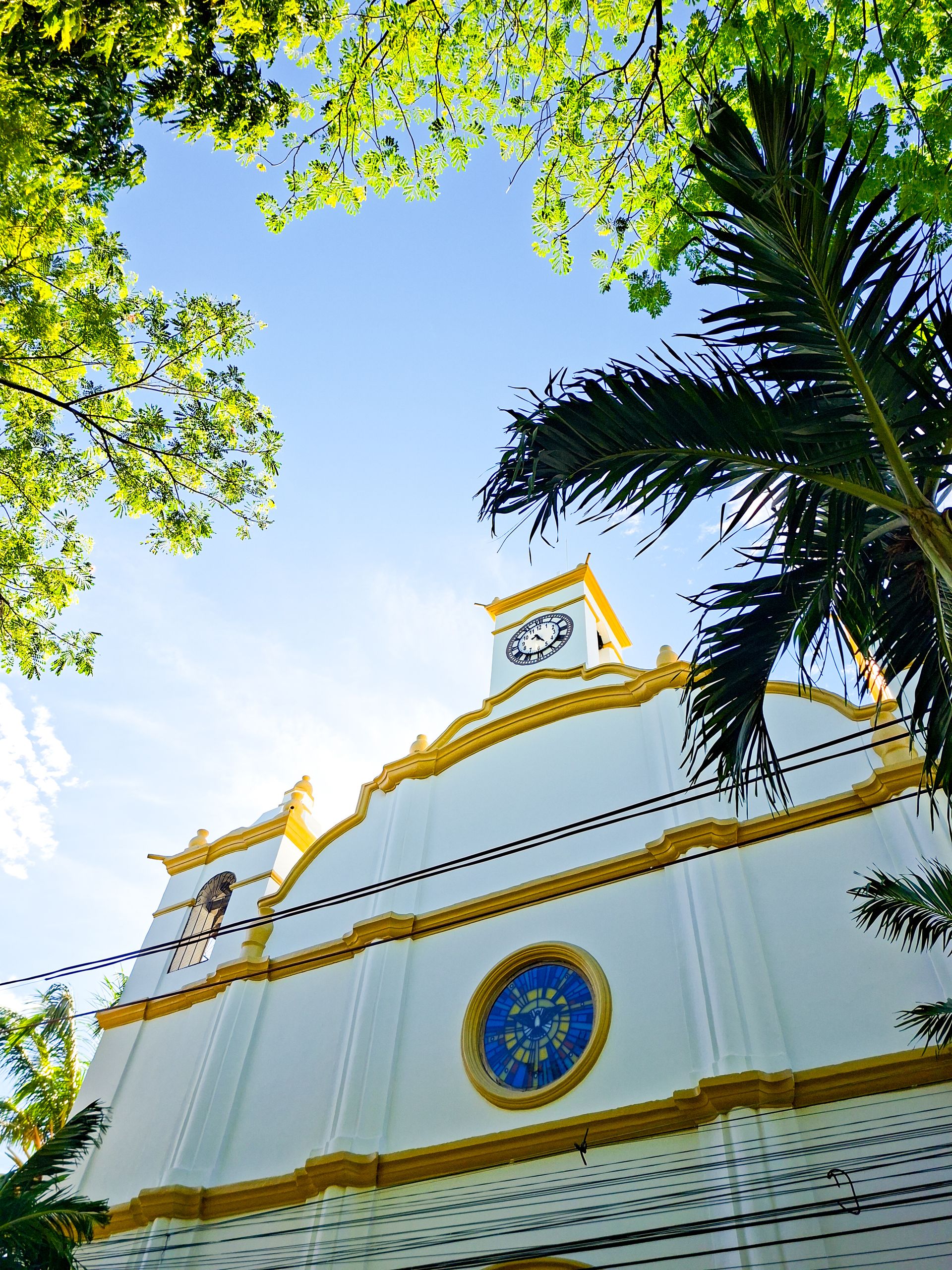
colonial city on the lake
Granada
The oldest colonial city on the mainland, built by Spanish traders who saw the lake as a route to the Caribbean Sea. Pastel-coloured facades, courtyards with mango trees, and a boulevard where everyone comes out in the evening.
the other capital
León
Where Granada traded, León thought: a university city, birthplace of poets and of the uprising that turned the country upside down in 1979. Its cathedral is the largest in Central America, with a roof you cross barefoot.

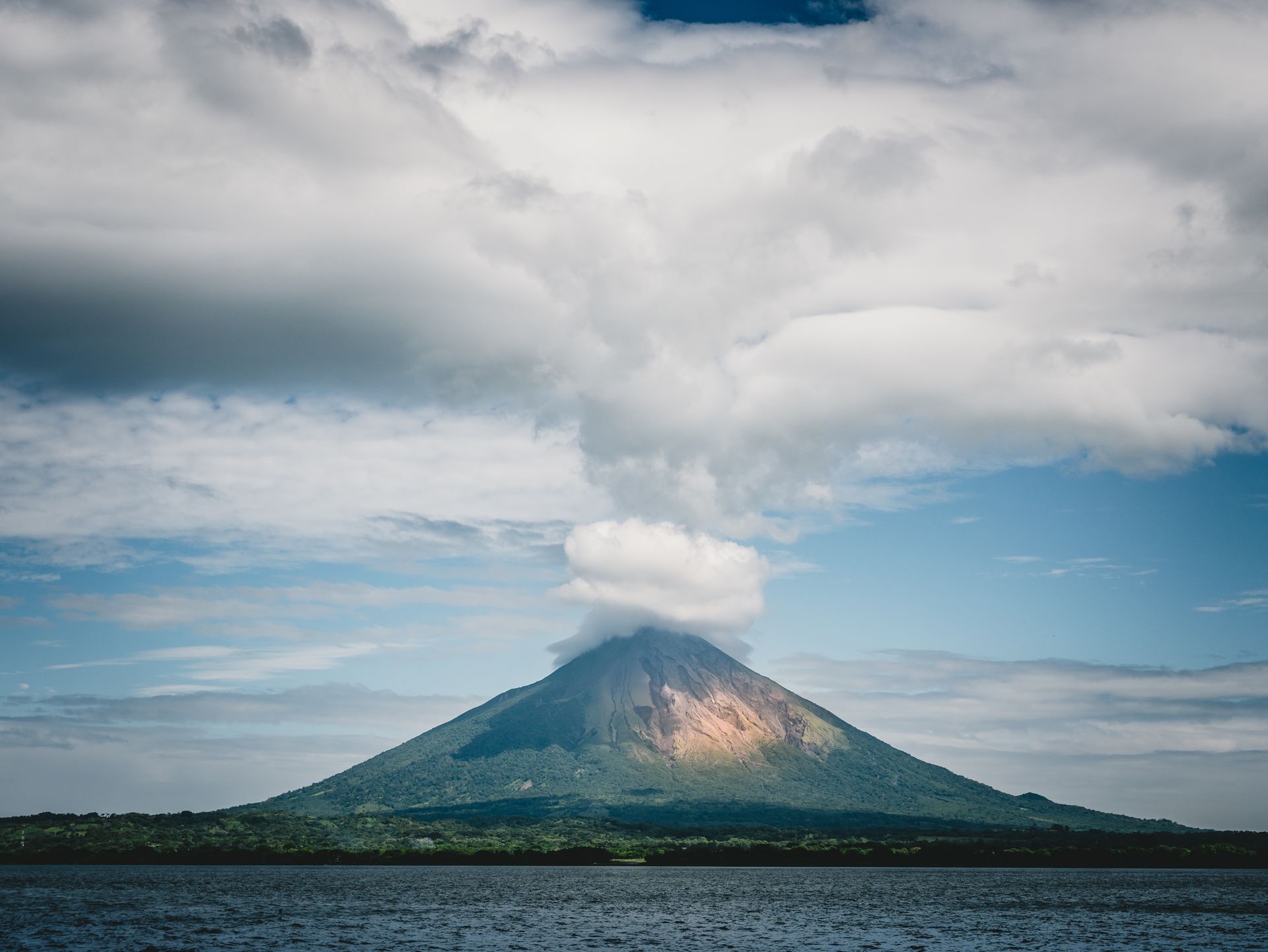
island in the lake
Ometepe
Two volcanoes rising out of Lake Nicaragua, joined by a narrow isthmus. Concepción is still active, Maderas carries a cloud forest on its slopes. The island lives to the rhythm of the ferry.
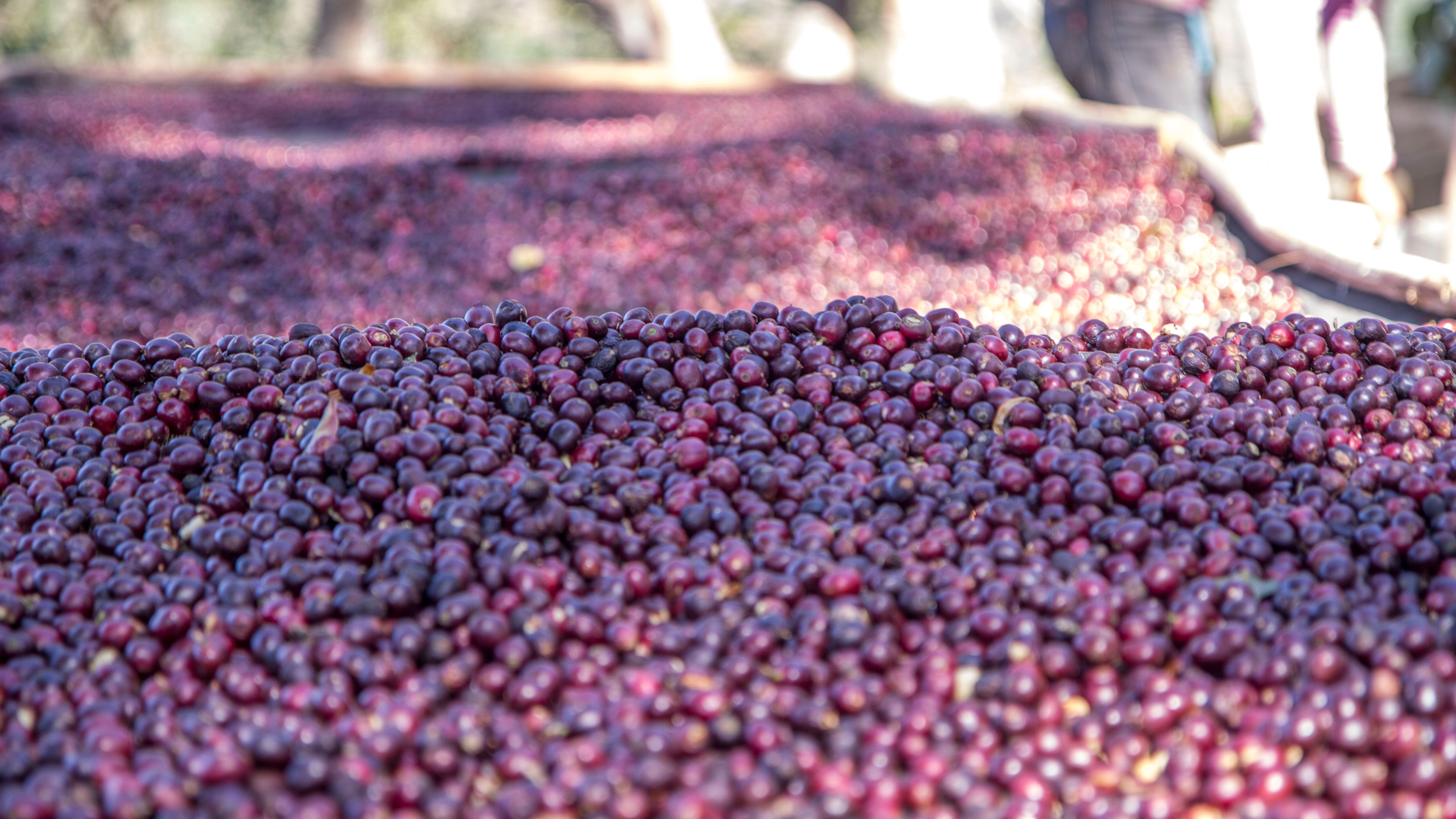
coffee and tobacco
The north
Around Estelí grows the tobacco behind some of the world's finest cigars; further into the mountains, near Matagalpa and Jinotega, coffee grows in the shade. Cooler, greener, and still barely discovered by tourism.
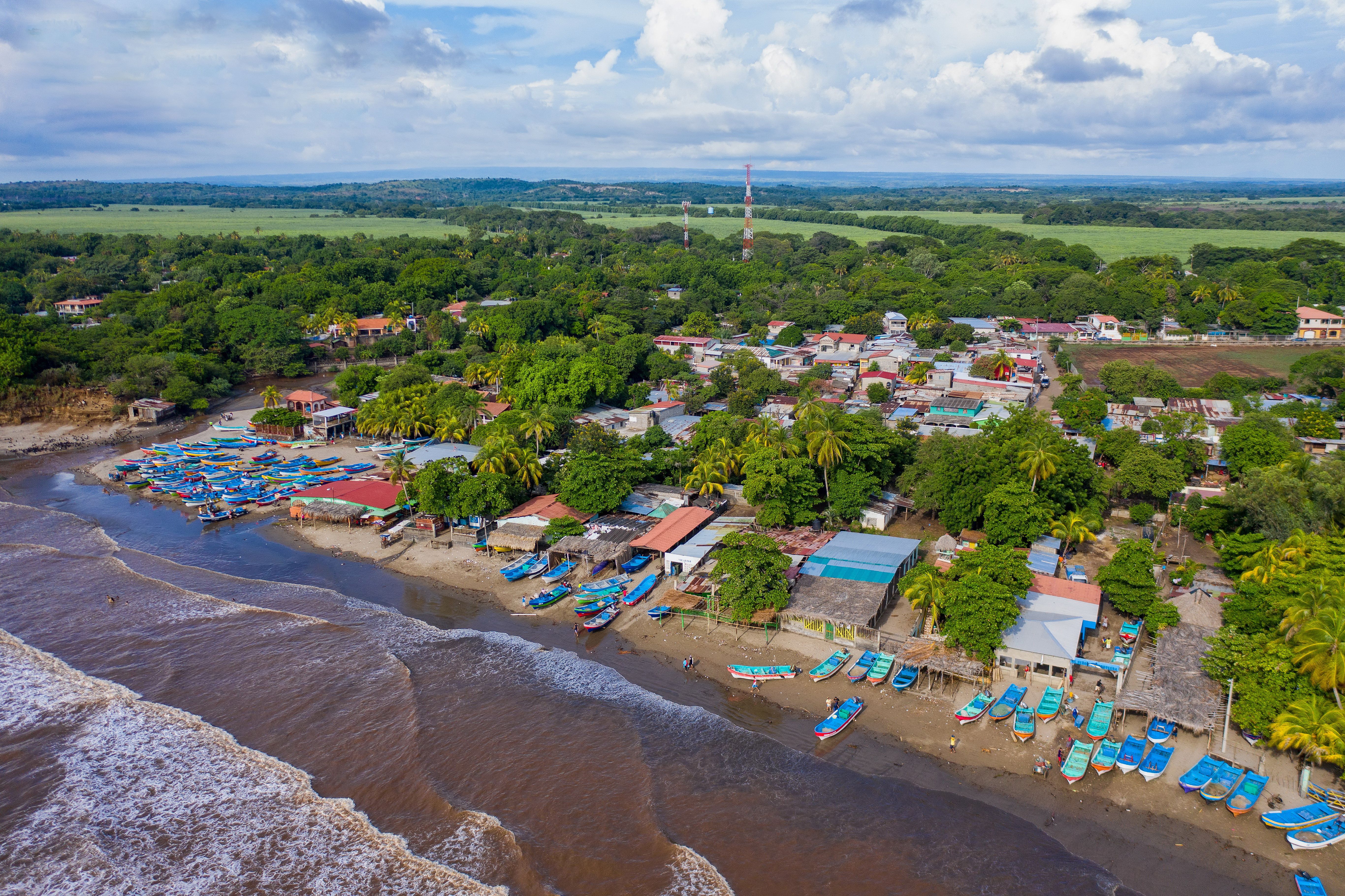
surf villages and bays
The Pacific coast
A string of bays south of San Juan del Sur where the waves draw crowds and the fishing villages are still fishing villages. Surfing by day, grilled fish on wooden tables by the beach at night.
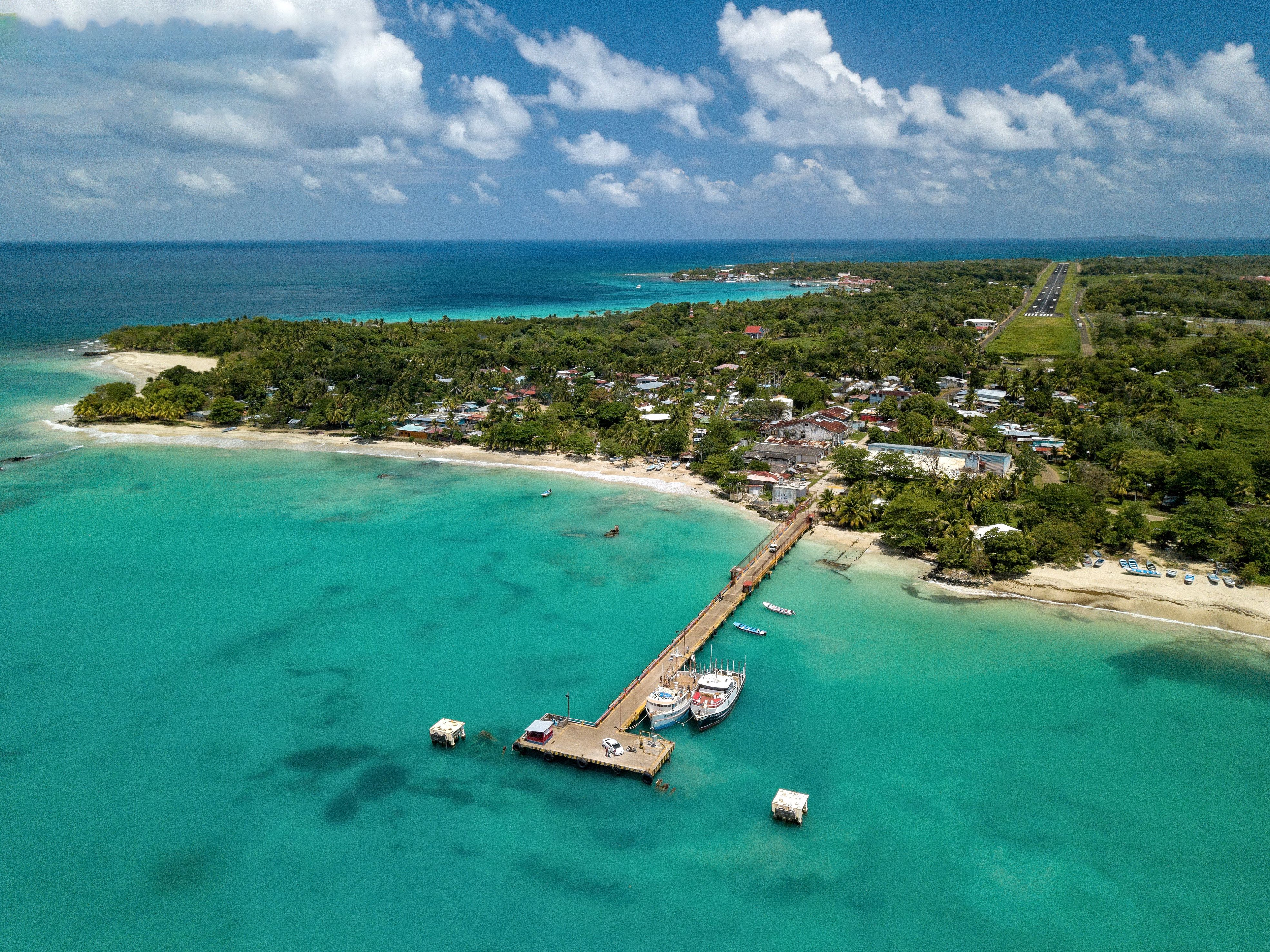
Caribbean side
Corn Islands
Two small islands off the Caribbean coast where English-Creole is the everyday language and the pace changes entirely. White sand, a reef just offshore, and an unhurriedness that has little to do with the rest of the country.


Granada trades, León thinks. And Nicaragua exists by grace of that tension.
Everyday Nicaragua
Baseball, not football.
Nicaragua is the only country in Central America where baseball is the national sport rather than football, a legacy the country would rather forget these days. On every square with a bit of space, someone is pitching and batting, with gloves that last three generations.
At the table it's gallo pinto, rice with beans, breakfast, lunch and often dinner too, topped up with whatever else is on hand. Flor de Caña, the rum that has aged in Chichigalpa for over a century, is the answer to almost every question after sunset. And on 7 December, all of Granada sets up an altar outside the door for La Purísima, with sweets for whoever comes by to sing.
Volcanoes and lake
A country still finding its rumble

Concepción and Maderas
Ometepe's two volcanoes rise above the lake like twins that share no resemblance: Concepción bare and smoking, Maderas covered in cloud forest with a hidden crater lake.

The crater of Masaya
One of the few volcanoes in the world where you can watch glowing lava churn in the crater at night, just a few hundred metres from the car park. The Spanish once called it the gateway to hell.
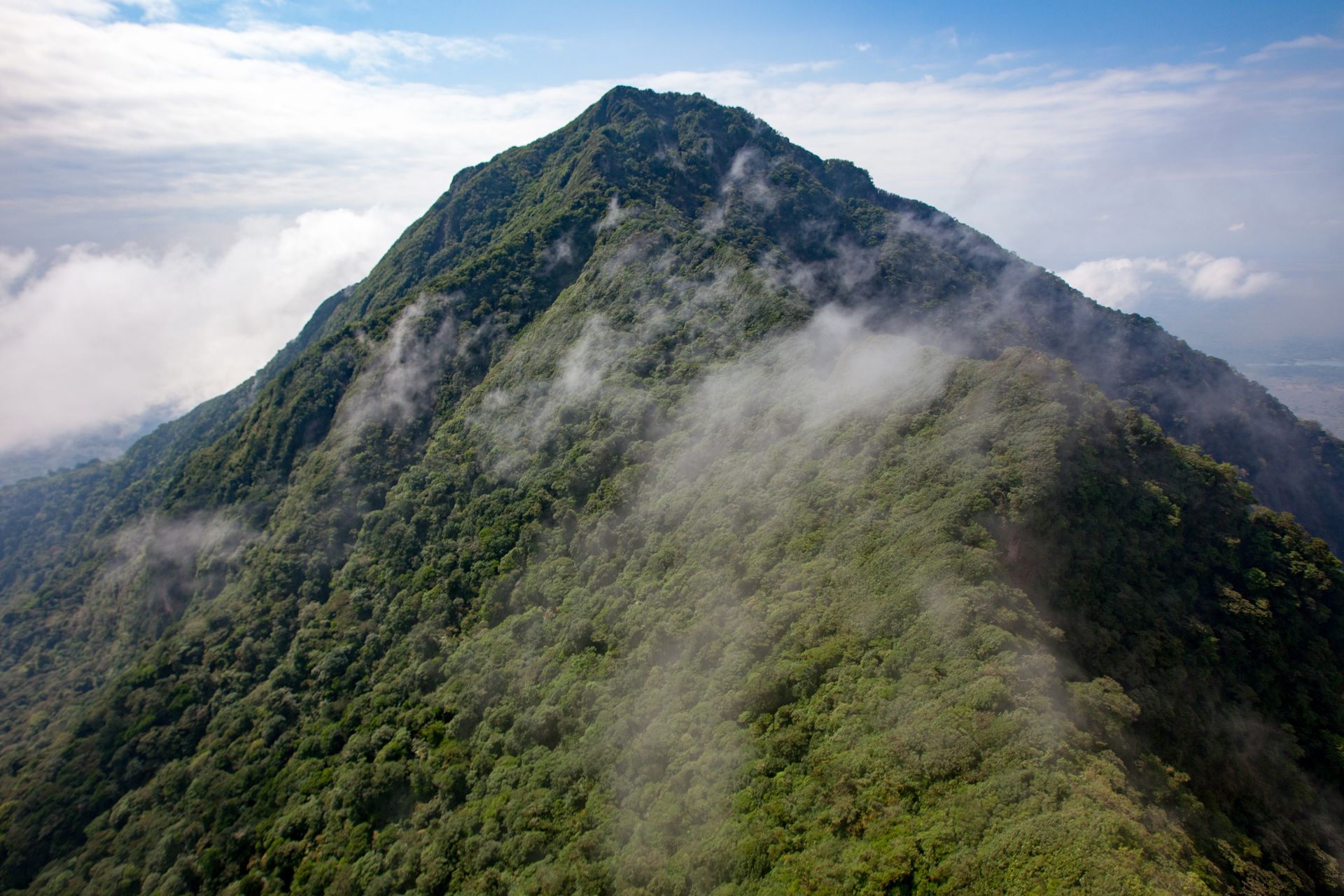
Mombacho
A dormant volcano near Granada, its slopes covered in cloud forest and coffee fincas. Climb above the mist on a clear day and the view stretches right across the lake.
When would you travel?
When to go to Nicaragua
The dry season runs from late November to April: clear blue skies, passable roads and the best time to climb a volcano or cross the lake. From May the landscape turns lush green, but unpaved roads grow muddier and rainfall increases the closer you get to the Caribbean coast.
September and October are the wettest months inland; if you have flexibility, plan a trip around the edges of the dry season rather than in the middle of it, when everything is busier and drier at once.
Jan
Feb
Mar
Apr
May
Jun
Jul
Aug
Sep
Oct
Nov
Dec
Top: dry, sunny, the best months to climb volcanoes and cross the lake.
Good: still fine travel weather, with a chance of a brief shower.
Fair: rainy season, greener landscape, but roads can turn muddy and the Caribbean coast sees more rainfall.
Looking past the highlights
Why QualiMundi looks at Nicaragua differently
Not the quiet alternative to Costa Rica. Book Nicaragua because it's supposedly 'cheaper' than its neighbour and you miss the point entirely. The country deserves its own perspective, not a comparison.
The history is still in the facades. The civil war and the revolution are not distant history. They live in the murals of León and the stories guides tell on the spot, not in a museum room.
Less infrastructure, more real encounters. Where the tourism machine is less built up, you end up talking to people themselves sooner than to a programme.
The lake is a route, not an obstacle. We plan around the water rather than around it. Ometepe, the small islands near Granada, the crossing itself, all belong to the trip.
What's possible
Nicaragua, your way
No fixed programme. But a number of experiences typical of this country, to think through together.

Walking through colonial Granada
The streets around Parque Central, the market, and a boat trip among the small islets (isletas) just off the city.

The crossing to Ometepe
By ferry across the lake, with the two volcanoes growing larger the closer you get.
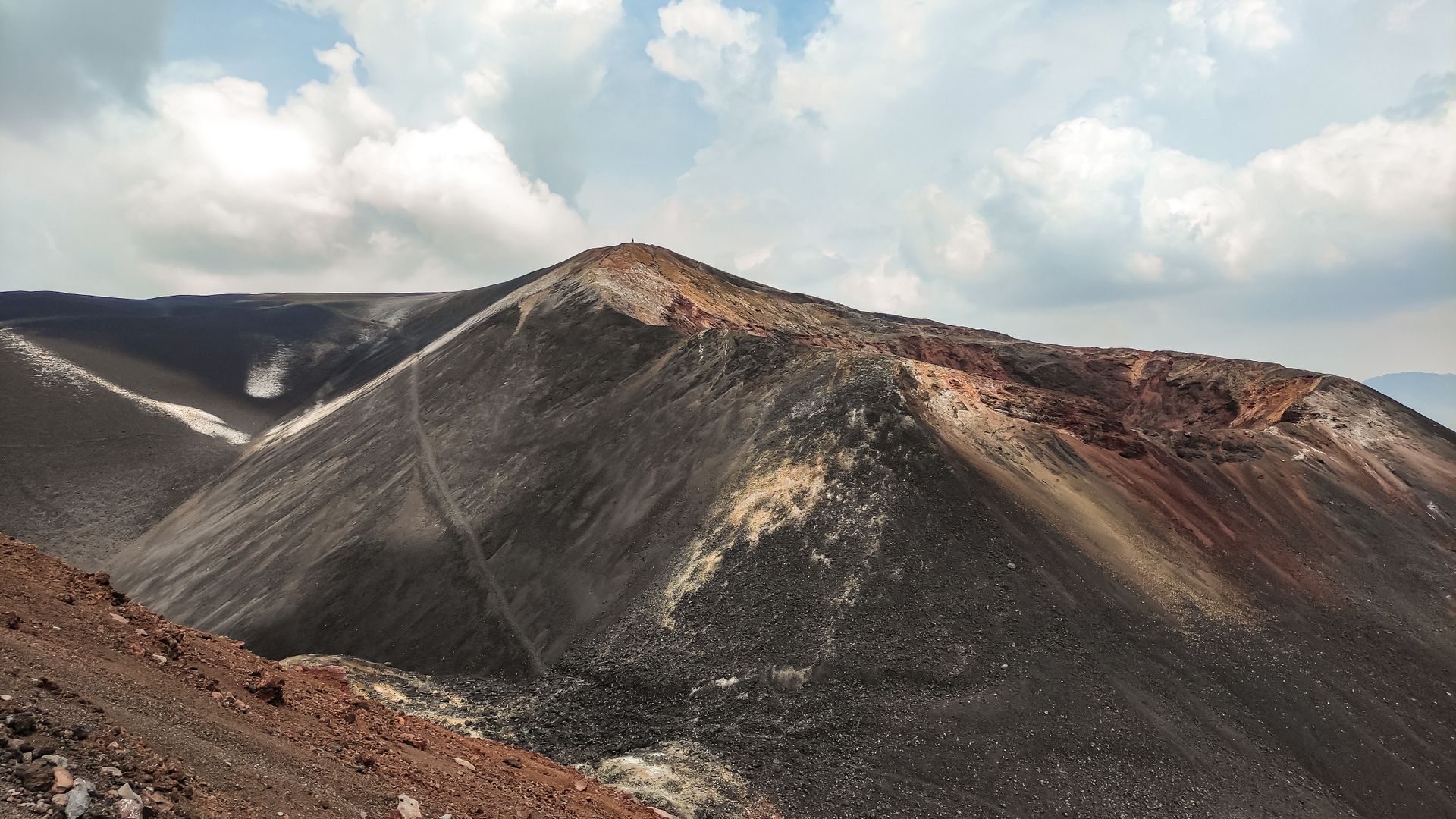
Climbing a volcano, or descending one
From the walk to the smoking crater of Masaya to sandboarding down the black slopes of Cerro Negro near León.

Tasting coffee where it grows
A visit to a finca in the mountains near Matagalpa or Jinotega, where the farmer still checks the harvest by hand.

Surfing or doing nothing on the Pacific coast
Popoyo and the bays near San Juan del Sur, for anyone who wants to stand on a surfboard, or would rather not.

Crossing over to the Caribbean side
The Corn Islands, where Creole English is spoken and the days pass without much of an agenda.
Every trip through Nicaragua is put together to measure. These are the building blocks, not the recipe.
Nicaragua doesn't show its best side.
It shows itself as it is.
Worth knowing
Practical, without the noise.
Practical, without taking the fun out of it.
- Getting there
- Flight via the United States or Panama to Managua; also combines well with an overland route through Costa Rica.
- Documents
- A passport valid for at least six months after arrival; Belgians don't need a visa for a short stay.
- Health
- No mandatory vaccinations for those travelling directly from Belgium; consider mosquito protection in the low-lying, humid regions.
- Pace
- Expect rougher roads and slower traffic than in Costa Rica. That's part of the country's character.
- Safety
- Nicaragua is generally considered safe for visitors; common sense and local judgement remain the best guide.
Frequently asked questions
Is Nicaragua safe to visit?
For visitors the country is generally calm and welcoming. As everywhere, the knowledge of a local expert who knows where and when pays off.
Can I combine Nicaragua with Costa Rica?
Certainly, the border crossing is smooth and many travellers combine both countries in one trip.
Do I need to speak Spanish?
It helps, but isn't essential. On the Caribbean islands, English is even the everyday language.
How do I get from Granada to Ometepe?
By ferry from San Jorge, a crossing of about an hour with views of the two volcanoes.
Or perhaps this
Other destinations
Still weighing it up? That is no problem at all. The right country often only becomes clear once the conversation starts.
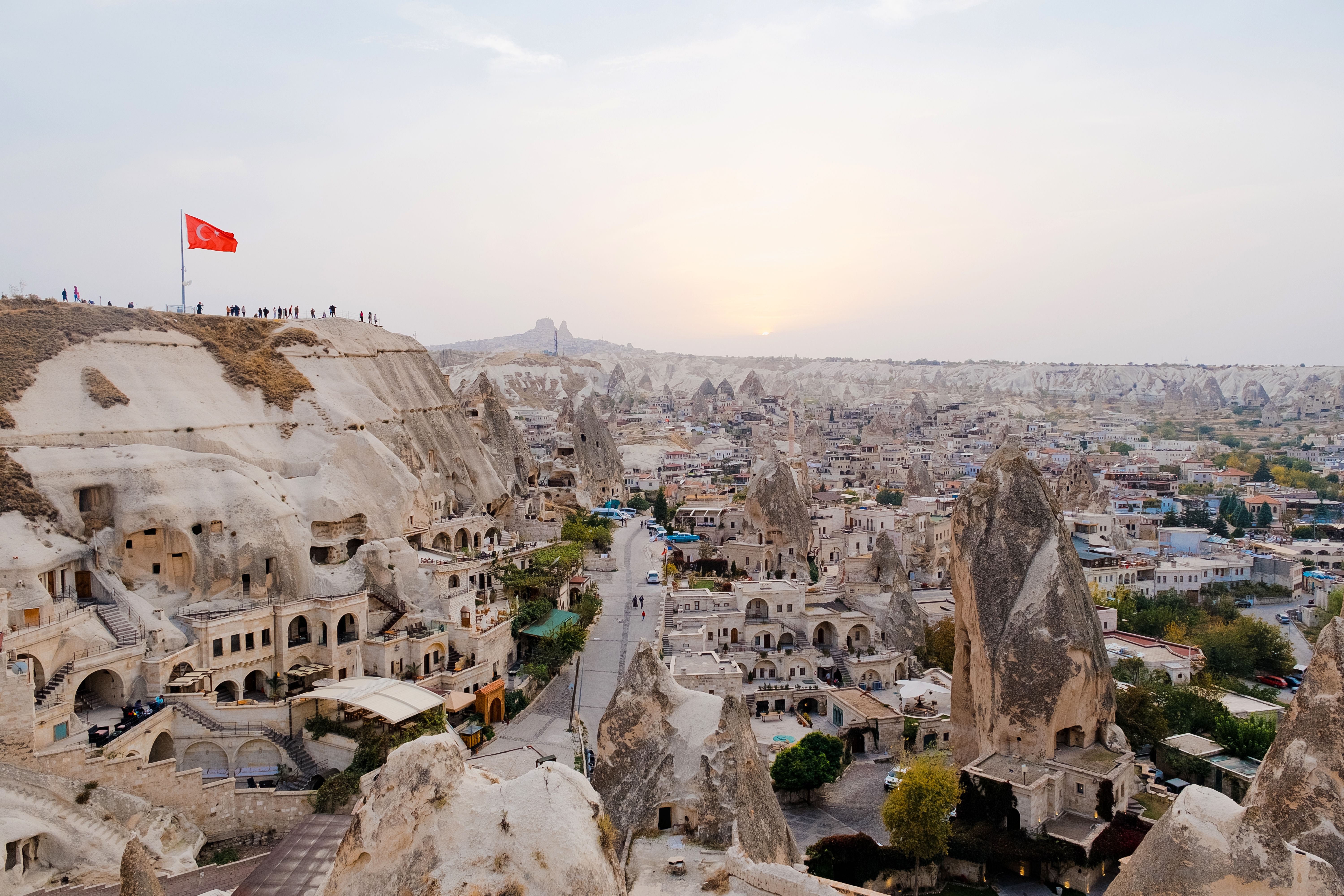
Anatolia
Turkey
A country spanning two continents and some ten layers of civilisation, with an interior far larger and quieter than its coast.
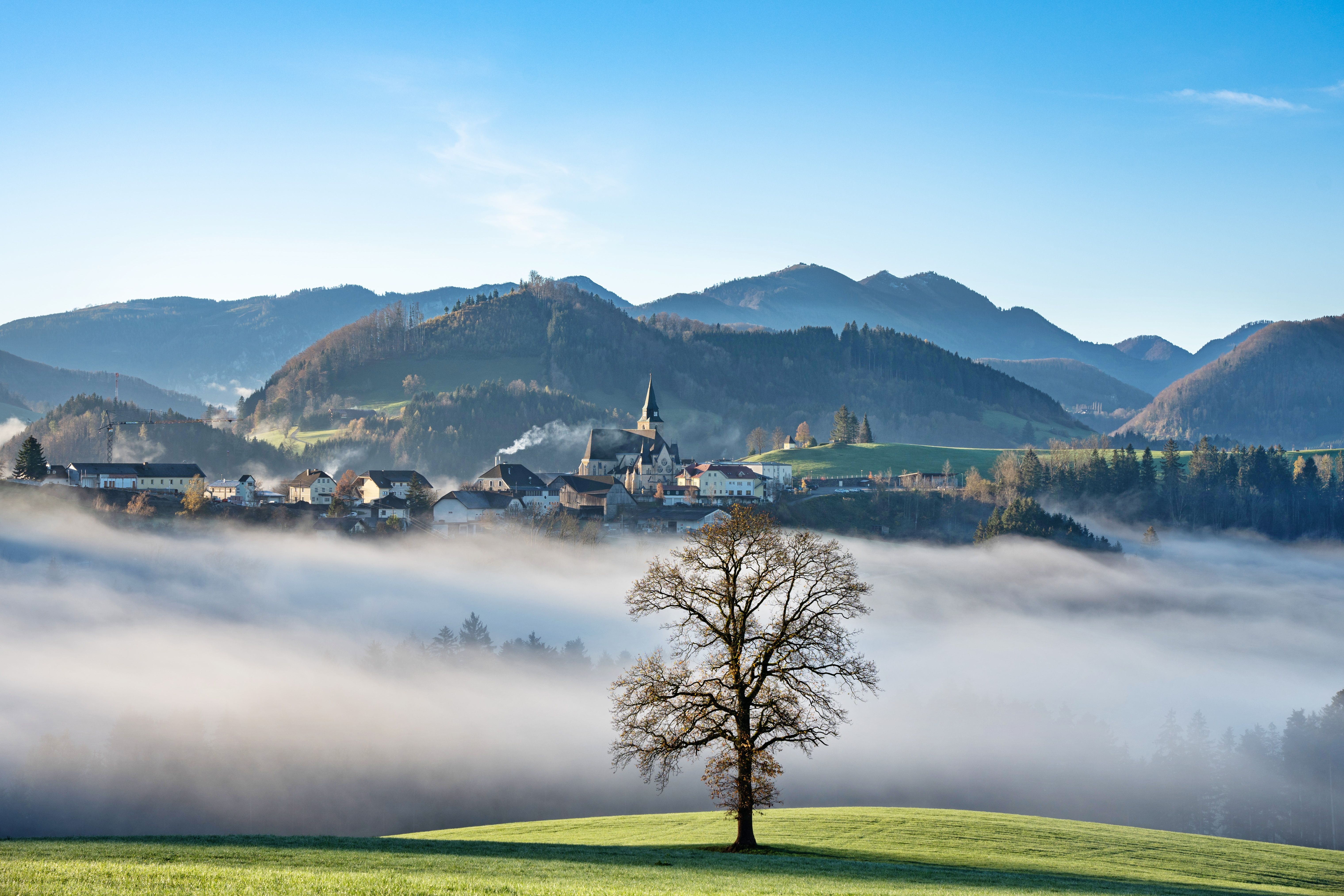
Alpine republic
Austria
Austria pairs the calm of high mountains with an urban elegance that rarely raises its voice.
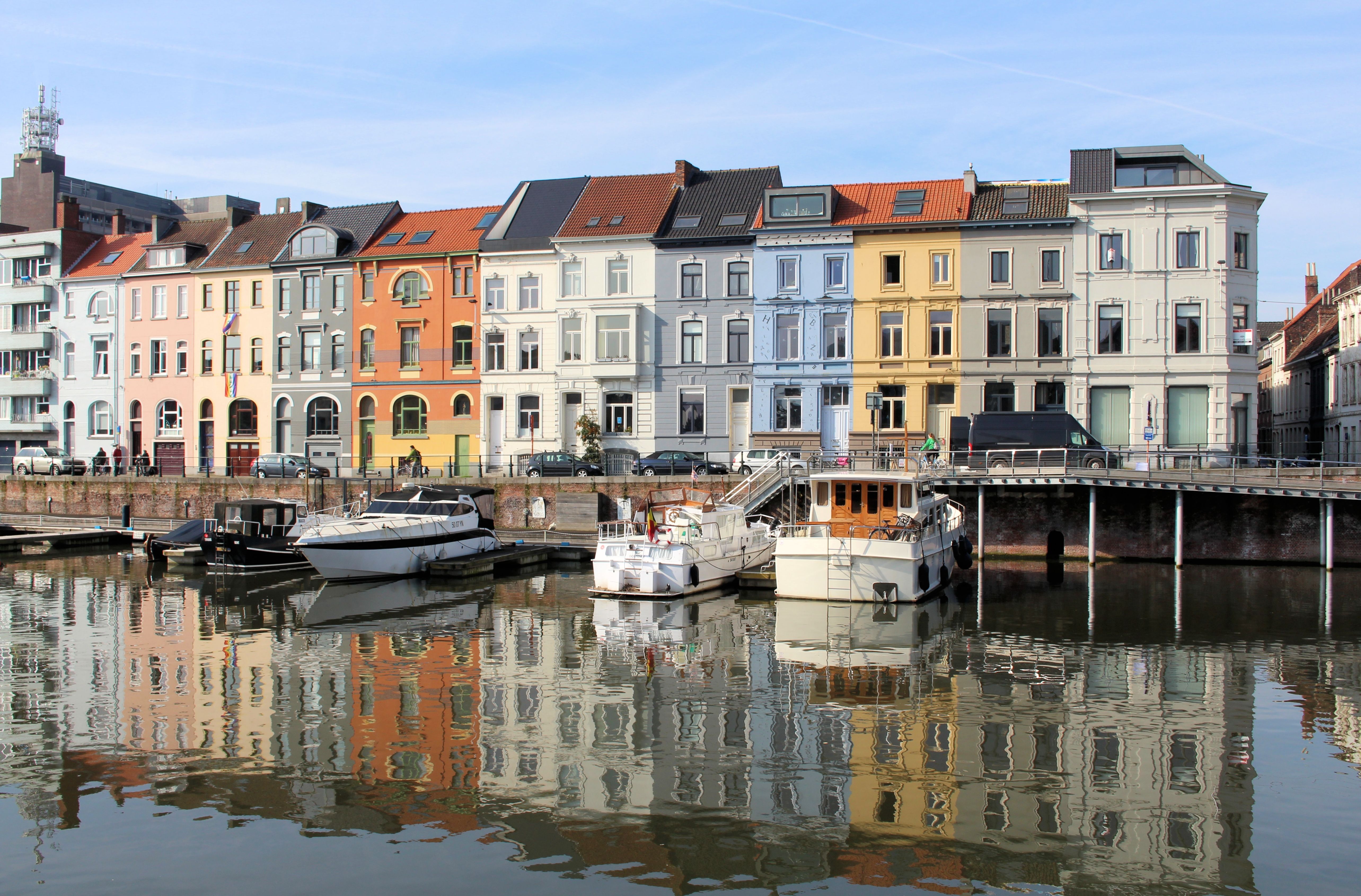
Low Countries
Belgium
Belgium keeps its grandeur indoors: behind a façade, in a workshop, on a plate, and never needs a big story to go with it.
How it works
This is how your journey to Nicaragua takes shape.
Six steps, from your first story to your homecoming. The conversation and the feasibility check cost you nothing.
-
01
Tell us your story
Fill in the form or give us a call. You do not need a route yet: a country, a period or just an idea is enough.
-
02
The conversation and the check
We talk through what you are looking for, by phone or by video, and check whether it can be done. If it can, we set down together what we will make for you.
-
03
We design your journey
We build your programme up, day by day, together with our own people in the country itself.
-
04
Your proposal
You read your journey day by day, with everything that is included. You say what you would like differently, until it is right.
-
05
Ready to depart
You send us your details, we send you your travel documents. You have one fixed contact who knows your journey.
-
06
Travelling, and after
Your contact stays reachable while you are away. Once you are home, we call one more time.

The next step
What are you looking for in Nicaragua?
Tell us whether it's the colonial streets, the volcanoes, the lake or the Caribbean stillness that draws you. We build the trip around what you're after, not the other way round.