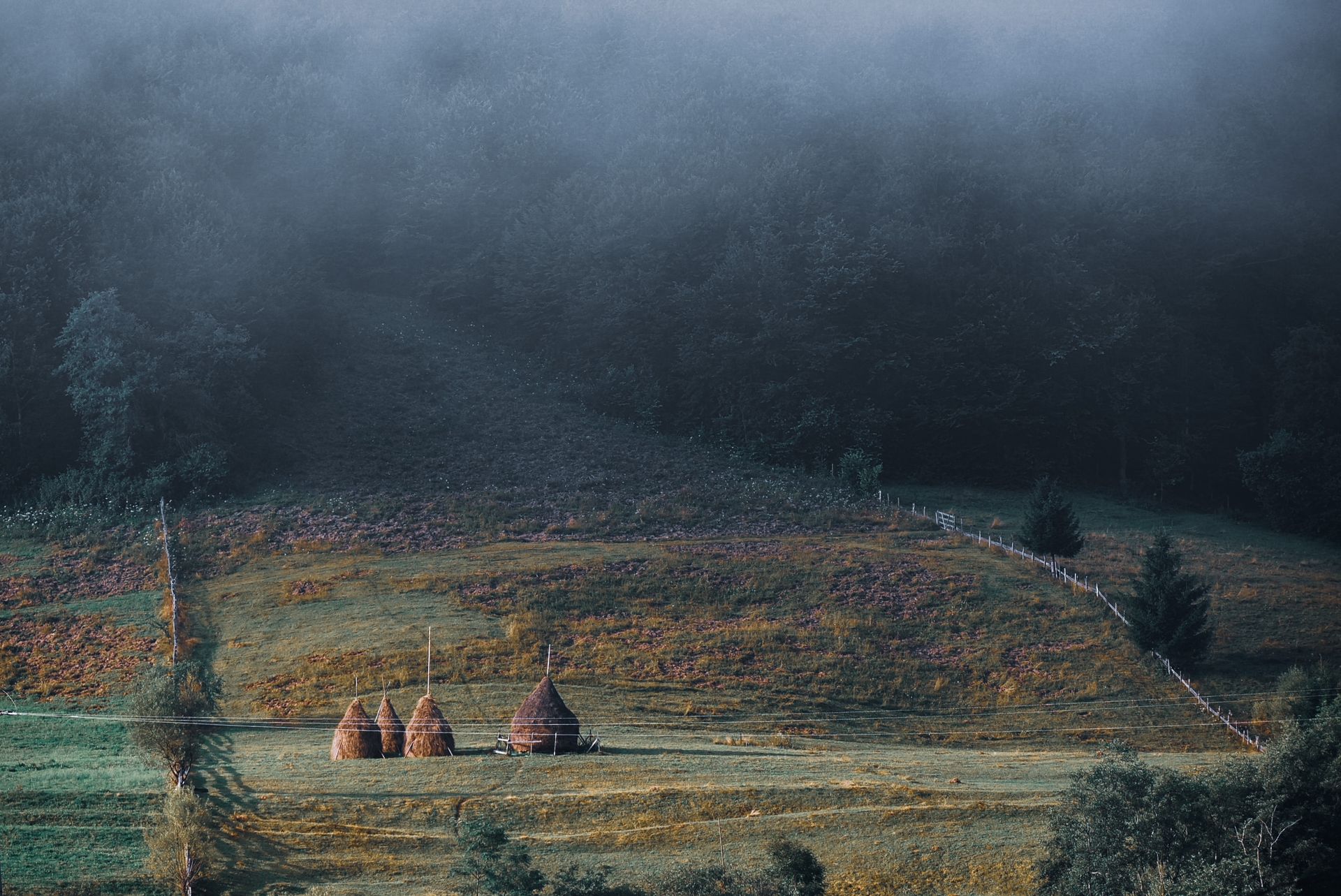
Carpathians and the Black Sea
Romania
Mountains, villages, and a capital with a mind of its own.
This is Romania
Romania won't be rushed.
Mountains where bears and wolves still roam freely, villages with a pace of their own, and a capital that keeps reinventing itself.
In Maramureș, a farmer still ploughs with horse and cart between two layers of morning mist, while that same morning in Cluj-Napoca starts with specialty coffee and an IT briefing. Romania is that kind of country: not a contradiction to resolve, but one that makes it all the more interesting.
We don't plan a castle circuit through Dracula scenery here. We look for the villages in the Apuseni where cheese is still weighed on a hand scale at market, the monasteries in Bucovina where frescoes have survived five hundred years outdoors, and the silence of the Retezat mountains, where you're more likely to meet a chamois than another walker.
The regions
One country, four entirely different speeds
Romania is too large and too varied to capture in a single image. Each region has its own rhythm, and we plan differently for each.

Fortified villages and Saxon churches
Transylvania
Sibiu, Sighișoara and the fortified churches scattered across the hills: the Saxon legacy is still visible on every street here, without ever tipping into open-air museum.

Europe's slowest region
Maramureș
Carved wooden gates bearing centuries-old symbols, haystacks scattered far up the hillsides, and a railway that still runs on steam through the Vaser Valley.

Belle Époque next to concrete
Bucharest
Once known as 'Little Paris', now a city that shows off its communist boulevards and rediscovered art deco quarters side by side, with one of the wildest nightlife scenes in Eastern Europe.

Painted monasteries
Bucovina
Fifteenth-century monasteries with frescoes painted inside and out, tucked among rolling hills close to the Ukrainian border.

Where the Danube meets the sea
Danube Delta and the coast
Europe's largest continuous reed marsh, home to more than three hundred bird species, and further on the quiet beaches near Vama Veche, far from the concrete strip of Mamaia.
Wilderness with big animals
Europe's largest untamed mountains outside Scandinavia and Russia

Bears and wolves
The Southern Carpathians hold the largest population of brown bears in Europe outside Russia, plus wolves and lynx. No safari promise, but a real chance in the early morning.

Retezat and Făgăraș
Glacial lakes, rolling alpine meadows and peaks up to 2,544 metres, with trails that stay surprisingly quiet even in summer.

Danube Delta
Pelicans, herons and a maze of channels you can only discover by boat or canoe, one of the continent's last untouched delta landscapes.

The Transfăgărășan winds over the Făgăraș mountains, from Curtea de Argeș to Sibiu, one of Europe's most photogenic mountain roads.

People and customs
A hospitality that won't be hurried
At a farm in Maramureș, you'll be handed țuică without being asked, home-distilled plum brandy, often still warm from the still. You can refuse, but it's rarely appreciated.
Romanian hospitality has been passed down generation after generation in the countryside, while the cities, Cluj-Napoca foremost, have changed in a decade from grey industrial town to one of Eastern Europe's fastest-growing tech hubs. Both worlds exist side by side, often within the same family.
Looking past the highlights
Why we look at Romania differently
Beyond Dracula Bran Castle draws coachloads of tourists for a story that has little to do with the castle's actual history. We'd rather plan a morning with a cheesemaker in the Apuseni than a photo in a fake crypt.
The pace of the countryside In many Romanian villages, the season still sets the daily rhythm: haymaking in June, apple picking in September, slaughtering pigs around Christmas. We plan around that, not against it.
Two speeds, one trip A trip through Romania can combine a weekend in buzzing Bucharest with four days off the grid in the Retezat, without ever feeling forced.
A local expert, not a remote tour guide Our contact on the ground lives in Brașov, speaks Romanian and Hungarian, and knows the families who run B&Bs in Maramureș personally.
What's possible
Possibilities, not a fixed itinerary
We build every trip around what draws you. A sample of what's possible:

Hiking in the Făgăraș
Multi-day treks along glacial lakes, staying in mountain chalets or, for those who want it, a tent by a lake.

By horse and cart through Maramureș
An afternoon riding along with a local farmer, from hayfield to village market.

Canoeing in the Danube Delta
An early start for the best birdwatching, followed by lunch with freshly caught fish at a fishing family's table.
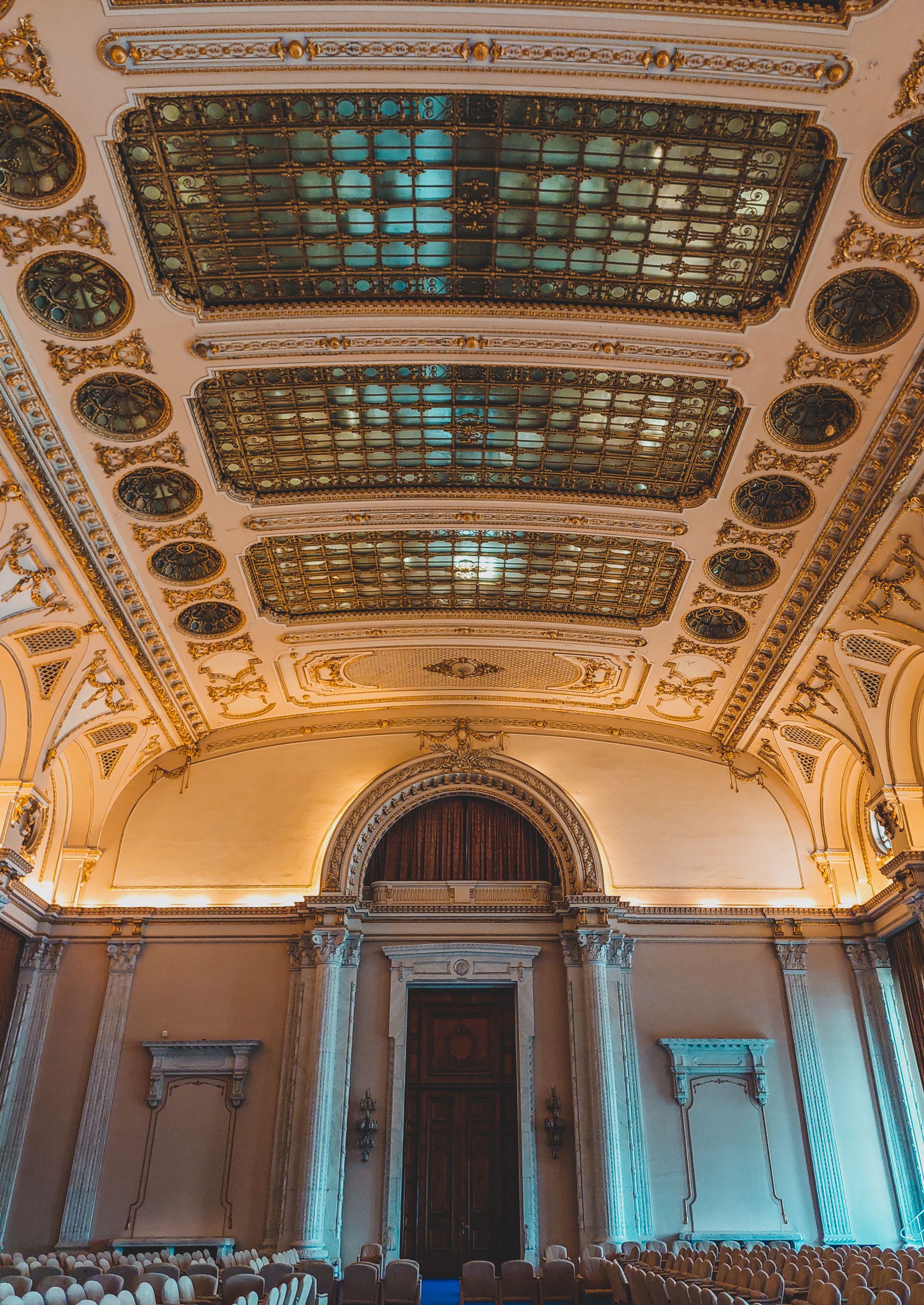
Architecture walk in Bucharest
From the vast Parliament building to hidden art deco passages, with a guide who knows the city as a resident, not as a script.

Bear watching near Zărnești
From a hide at dusk, guided by a ranger who has tracked the animals for years.
These are possibilities.
Not your journey.
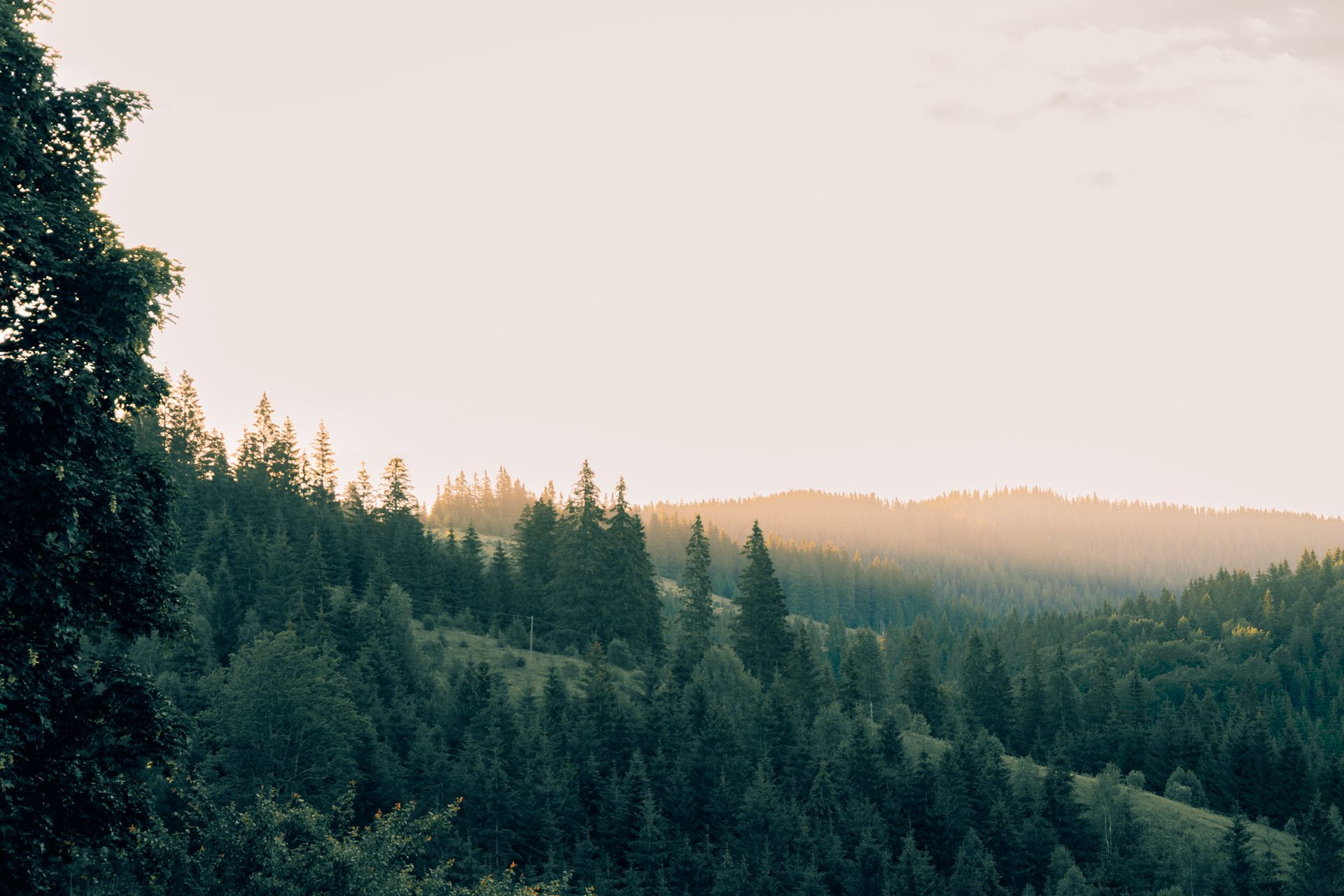
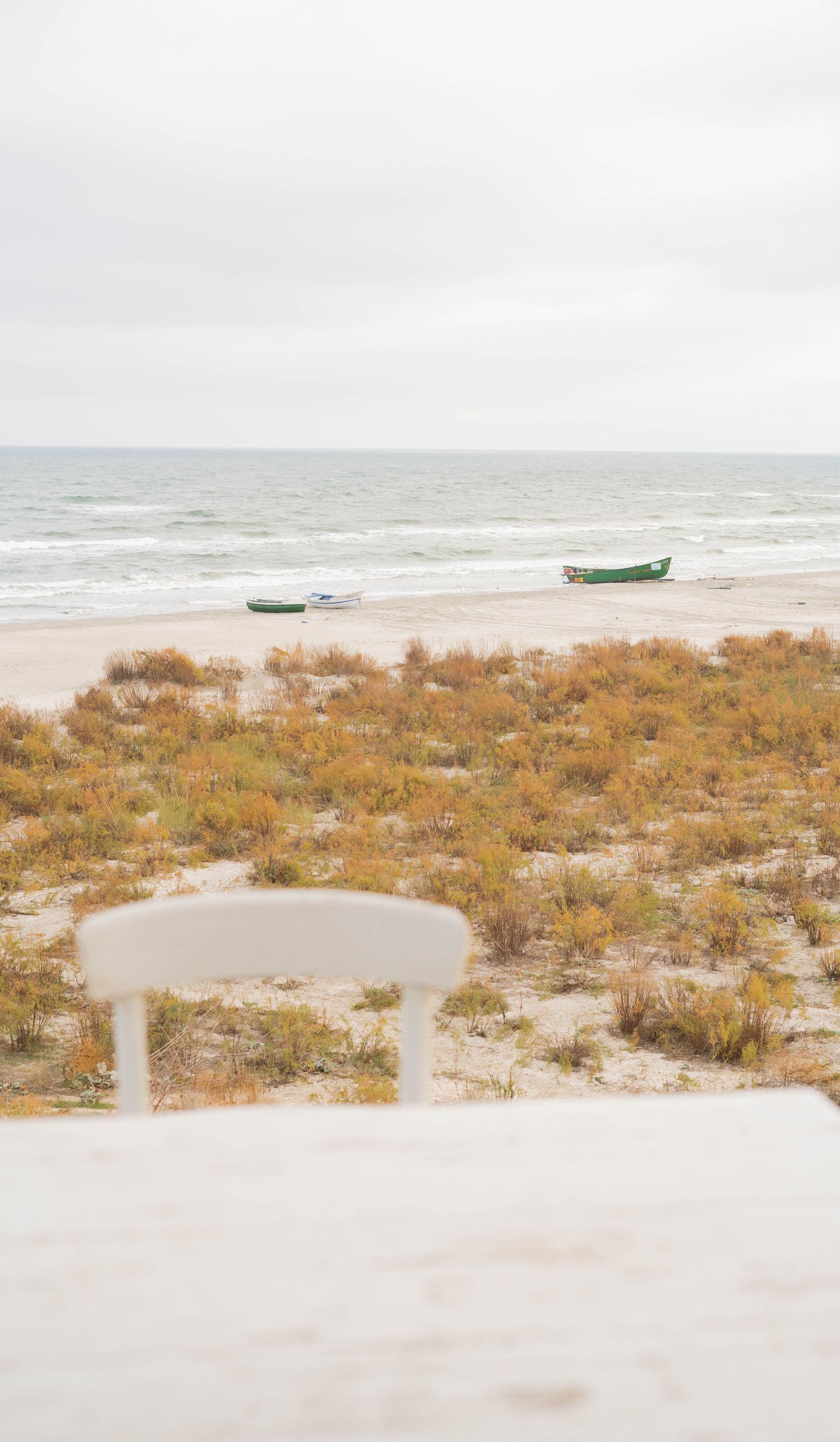
A country where high season on the coast says nothing about the stillness a hundred kilometres away in the mountains.
Romania has nothing to prove.
It simply exists, at its own pace.
When would you travel?
When to go to Romania
The mountains are at their best from June to September, when the alpine meadows bloom and most trails are free of snow. On the Black Sea coast the season runs a little longer, from May into October.
Winter is not a dead season: Bucovina under snow and the Christmas markets in Sibiu and Brașov hold a completely different, quieter appeal.
Jan
Feb
Mar
Apr
May
Jun
Jul
Aug
Sep
Oct
Nov
Dec
Top: mountains at their greenest, coast at its warmest.
Good: quieter, cooler, ideal for Bucharest and the monasteries.
Fair: winter, beautiful for those seeking snow and stillness, not for mountain walking.
Worth knowing
Practical, without the noise.
Practical matters, in brief:
- Getting there
- Direct flights from Brussels to Bucharest; Cluj-Napoca and Sibiu are reachable with a connection and sit closer to the Carpathians.
- Documents
- Romania is an EU member state; an identity card is enough for Belgians.
- Health
- No mandatory vaccinations, though a tick check after mountain walks is a sensible precaution.
- Pace
- Expect narrow mountain roads and slow rural routes. Distances on the map say little about travel time.
Frequently asked questions
Is Romania safe to travel?
Yes. The major cities and tourist regions are as safe as most European destinations; in the mountains the same precautions apply as in any other high mountain range.
Is English widely spoken?
Well enough in Bucharest, Cluj-Napoca and Brașov. Less so in the countryside, where travelling with a local guide or driver who knows the region works just as well.
Should I worry about bears?
No, not with common sense. Bear watching is done guided, from a distance; chance encounters on hiking trails are rare and seldom dangerous if you follow the basic rules.
Can a trip through Romania combine mountains and coast?
Certainly, though it takes more travel time than the map suggests. We plan for that deliberately, with enough buffer.
Or perhaps this
Other destinations
Still weighing it up? That is no problem at all. The right country often only becomes clear once the conversation starts.
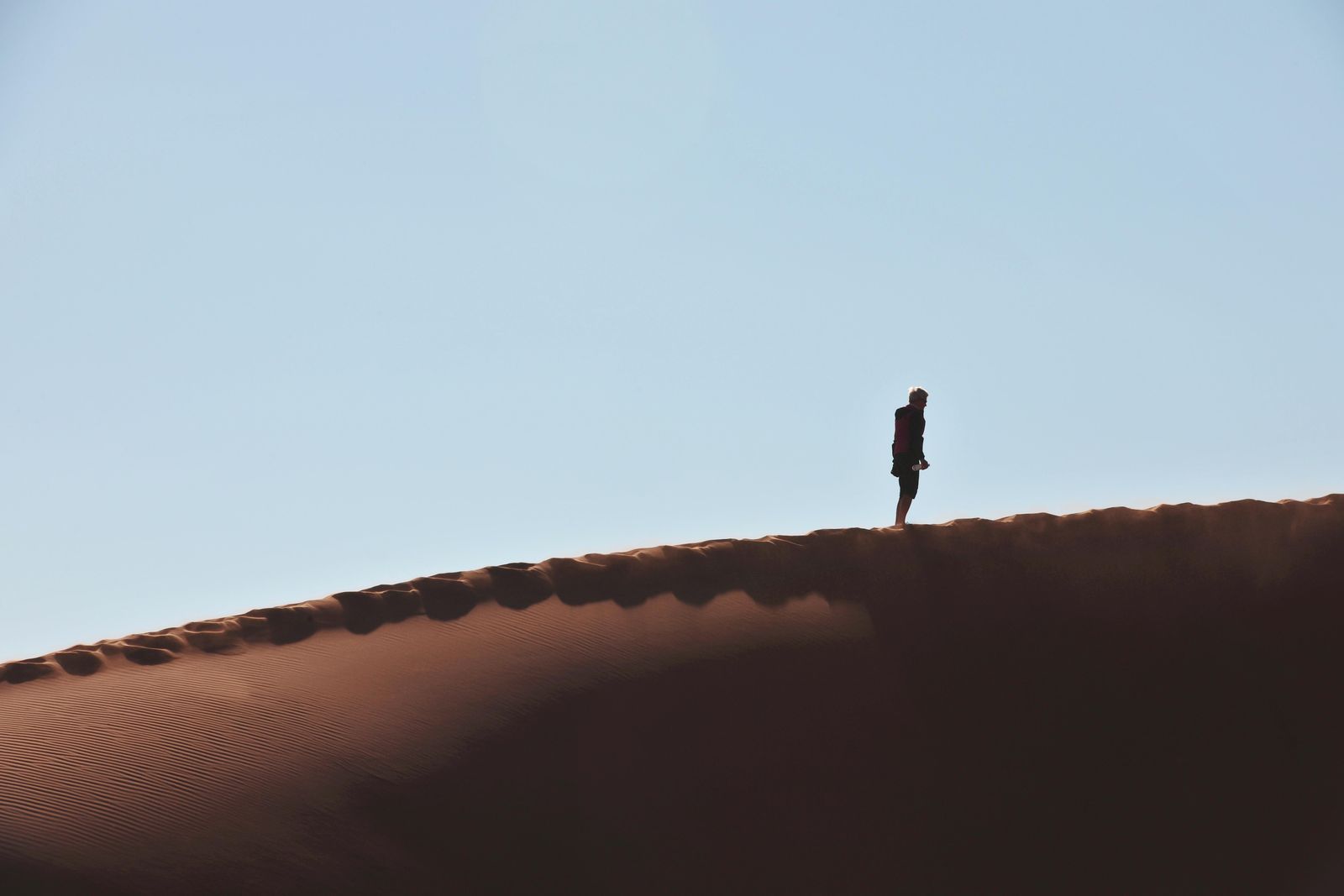
Southern Africa
Namibia
Silence on a scale found nowhere else, with deserts that change character every hundred kilometres.
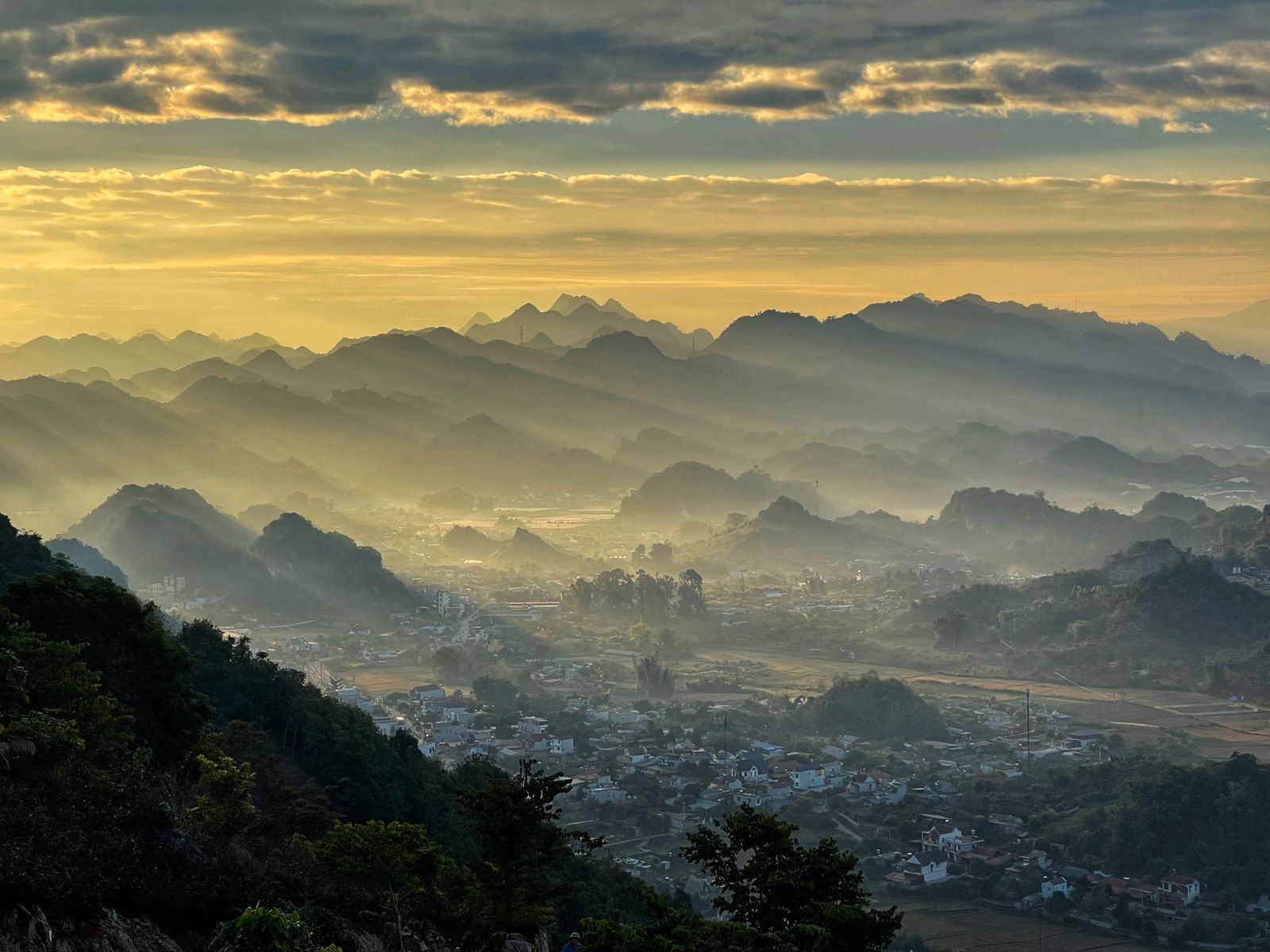
South-East Asia
Vietnam
A country best discovered at the table, one that feels like an almost different place from north to south.
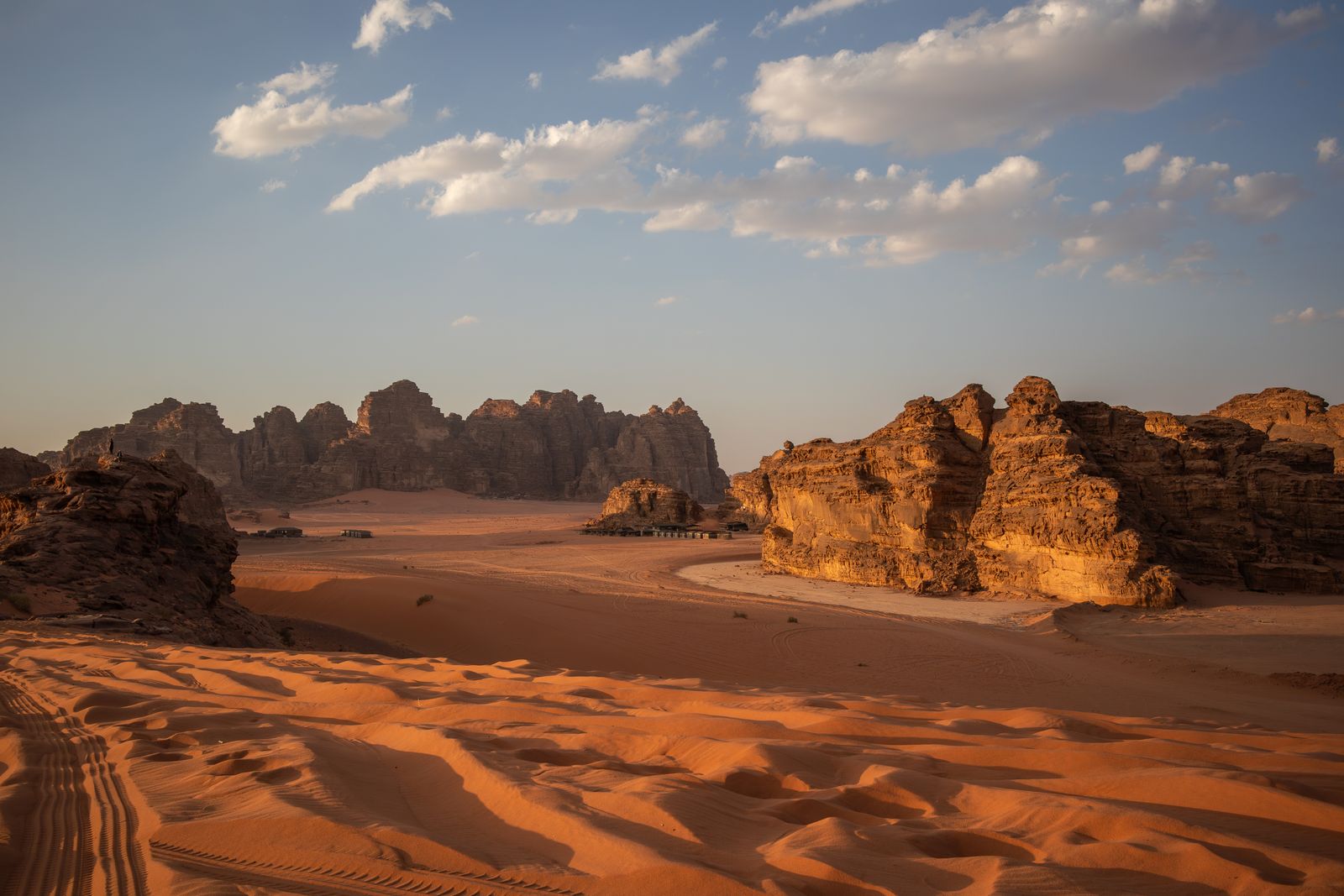
Middle East
Jordan
Desert, history and a hospitality that often turns out to be the most memorable part of the journey.
How it works
This is how your journey to Romania takes shape.
Six steps, from your first story to your homecoming. The conversation and the feasibility check cost you nothing.
-
01
Tell us your story
Fill in the form or give us a call. You do not need a route yet: a country, a period or just an idea is enough.
-
02
The conversation and the check
We talk through what you are looking for, by phone or by video, and check whether it can be done. If it can, we set down together what we will make for you.
-
03
We design your journey
We build your programme up, day by day, together with our own people in the country itself.
-
04
Your proposal
You read your journey day by day, with everything that is included. You say what you would like differently, until it is right.
-
05
Ready to depart
You send us your details, we send you your travel documents. You have one fixed contact who knows your journey.
-
06
Travelling, and after
Your contact stays reachable while you are away. Once you are home, we call one more time.

The next step
How do you picture your Romania?
Mountains full of bears and wolves, a slow village in Maramureș, or the energy of Bucharest. Tell us what draws you, and we'll build the trip around it.