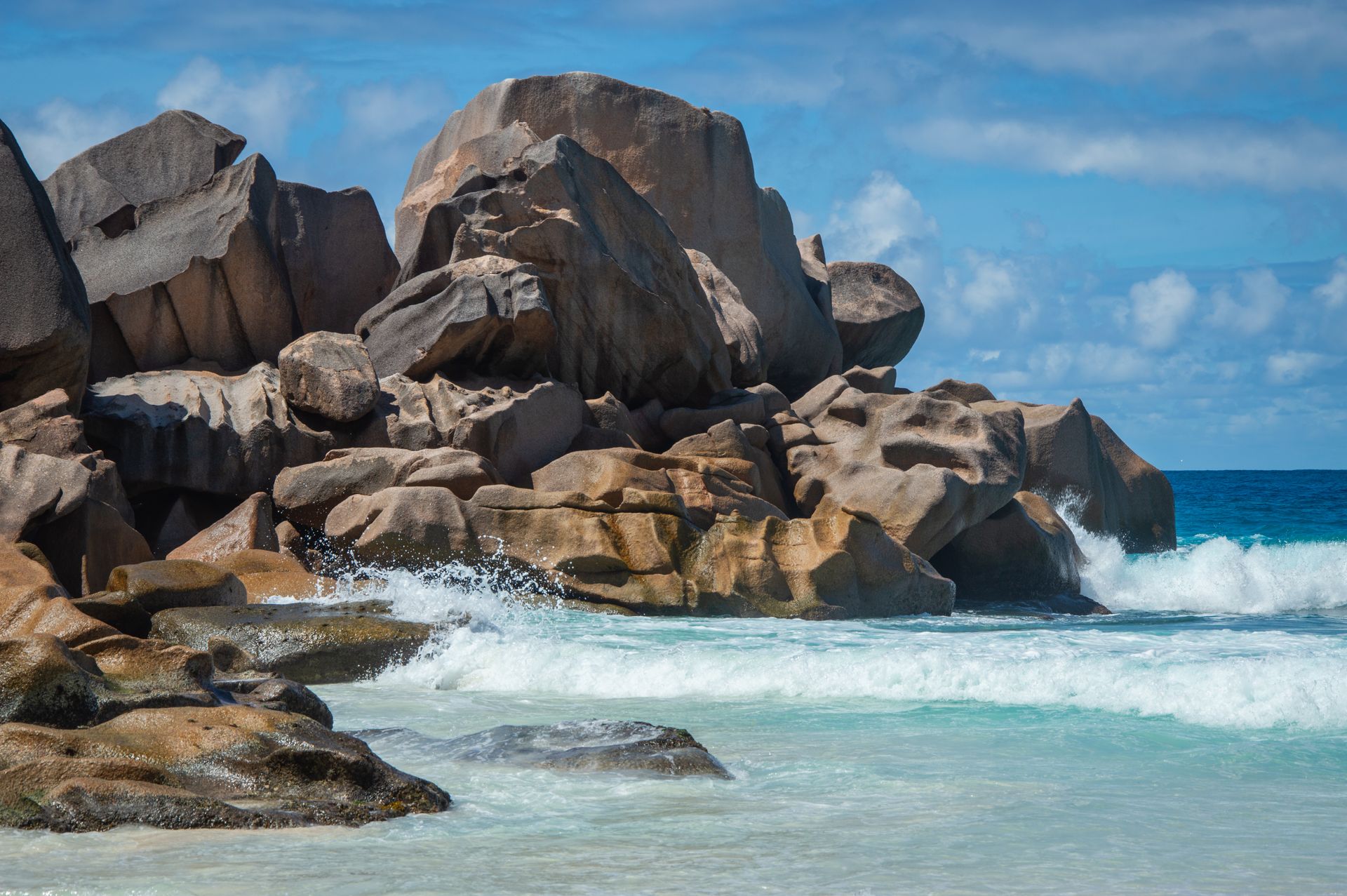
Indian Ocean, granite islands
Seychelles
Smaller on the map than in reality.
This is the Seychelles
There's a primeval forest a hundred metres from the beach that nobody photographs.
An archipelago where granite, primeval forest and sea sit so close together it feels almost implausible: boulders three metres high lean over the sand, and a hundred metres on a forest begins that has barely changed in millions of years.
The Seychelles are sold as a backdrop for a honeymoon, but anyone who looks past the beach finds a different country: a hundred and fifteen islands, fewer than fifty of them inhabited, a population of just over a hundred thousand, and a primeval forest on Praslin older than most of the stories told about it.
Mahé, Praslin and La Digue form the granite heart of the archipelago. The rest is coral, scattered across hundreds of kilometres of ocean, reachable only by boat or small plane. That distinction, between rock and reef, between close by and far away, is the first thing you need to understand to see the Seychelles properly.
The islands
Three islands close by, a hundred islands far away
Mahé, Praslin and La Digue lie close together and can be combined in one trip. The rest of the archipelago lies further out, is smaller, and calls for a different pace.
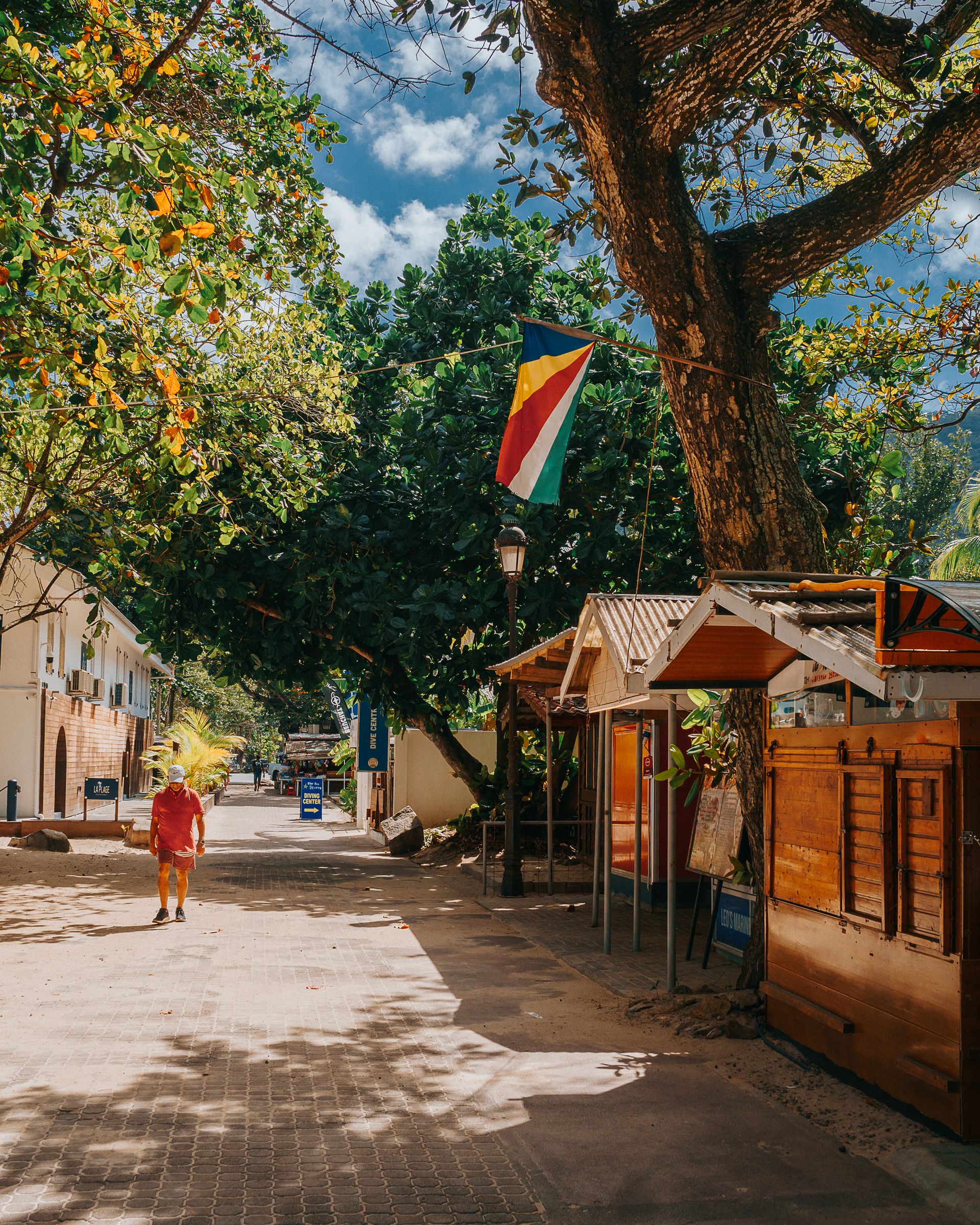
The granite heart
Mahé
The largest of the islands, with Victoria, one of the smallest capitals in the world, on the coast, and Morne Seychellois National Park at its centre: rainforest reaching almost to the mountain top, with trails that rarely meet another walker.

The primeval forest
Praslin
Ten kilometres long and largely covered by the Vallée de Mai forest, where the coco de mer grows, a palm found nowhere else in the wild. The bays at its edge, such as Anse Lazio, are a result of that forest, not the reason to come.

Without cars
La Digue
Bicycles and ox carts instead of traffic, granite boulders that run straight into the sea at Anse Source d'Argent, and a pace set by the last boat back to Praslin.

Uninhabited and densely wooded
Silhouette and the inner islands
Silhouette is almost entirely rainforest, with much of the island protected as a national park; smaller islands such as Curieuse and Cousin are reserves where tortoises and seabirds get more space than people.

Coral, not granite
The outer islands
The Amirantes, Alphonse, Farquhar and the UNESCO atoll of Aldabra lie hundreds of kilometres further out, flat coral islands without the rock of the inner islands, reachable by small plane or a multi-day boat trip, and rarely visited.
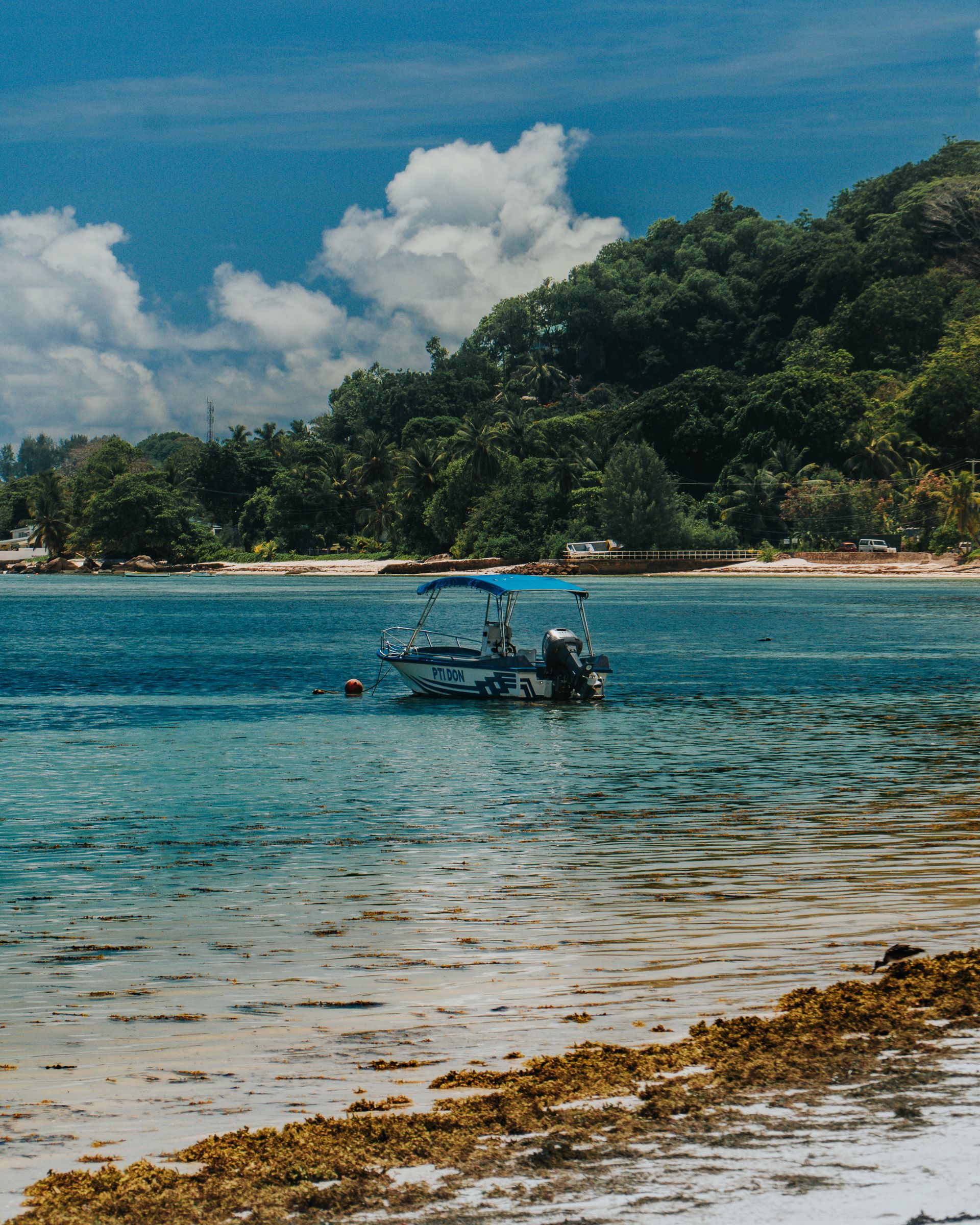
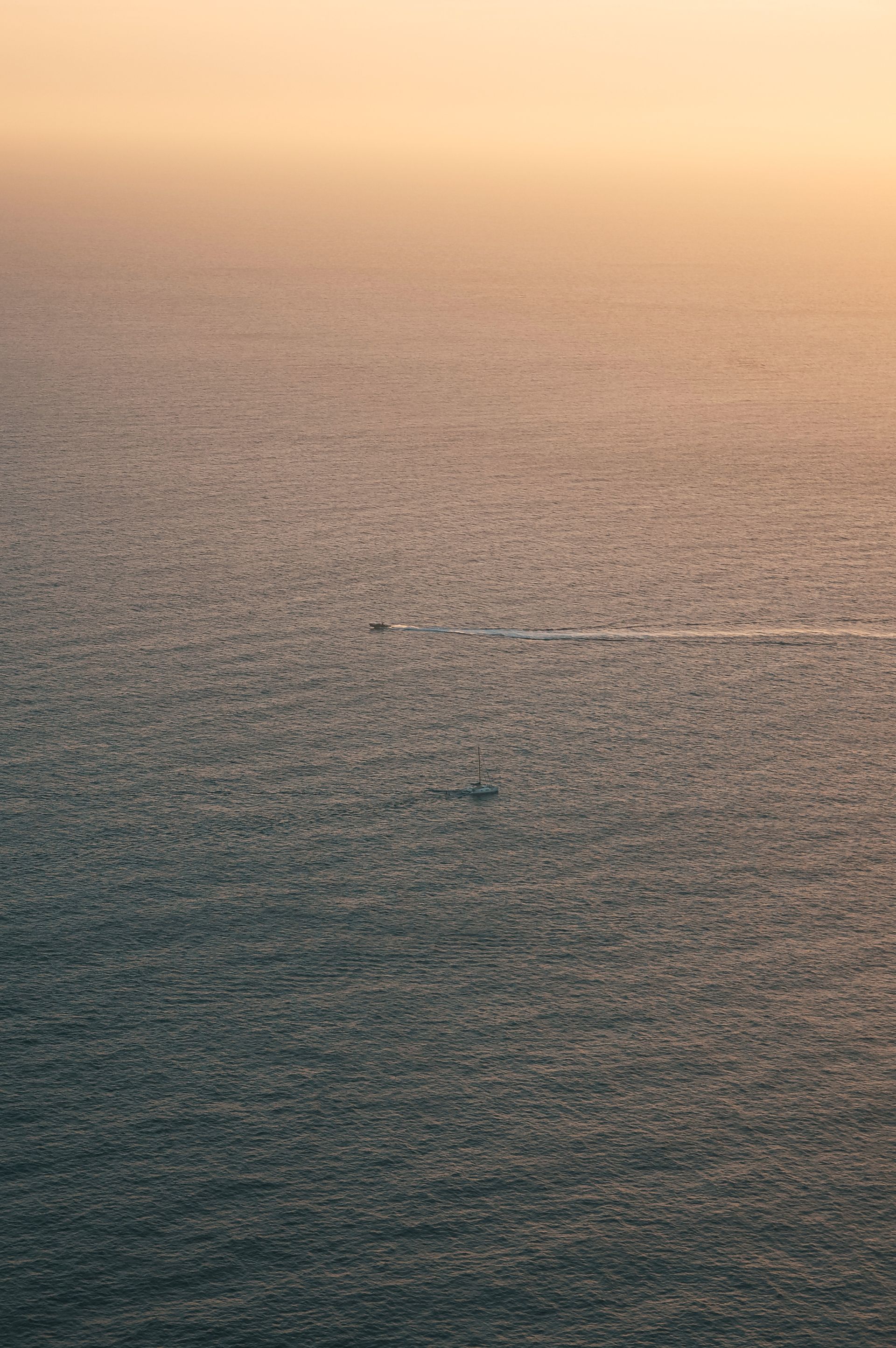
A fishing boat at dawn, somewhere among the Amirantes, the Seychelles that don't make the postcard.

Primeval forest and ocean
A forest that existed before it had a name
The Vallée de Mai on Praslin is one of the few primeval forests in the world that has never been planted or replanted. The coco de mer, a palm with the heaviest seeds in the plant kingdom, has grown here so long that Charles Darwin took the forest for a remnant of paradise, a claim that by now says more about the nineteenth century than about the forest itself.
Walk through it and what strikes you most is the silence: no mammals, but the black parrot found nowhere else, and light that only reaches the forest floor in strips. It's one of the few places on the islands where the ocean plays no part at all.
Life between granite and reef
Three forms of wilderness
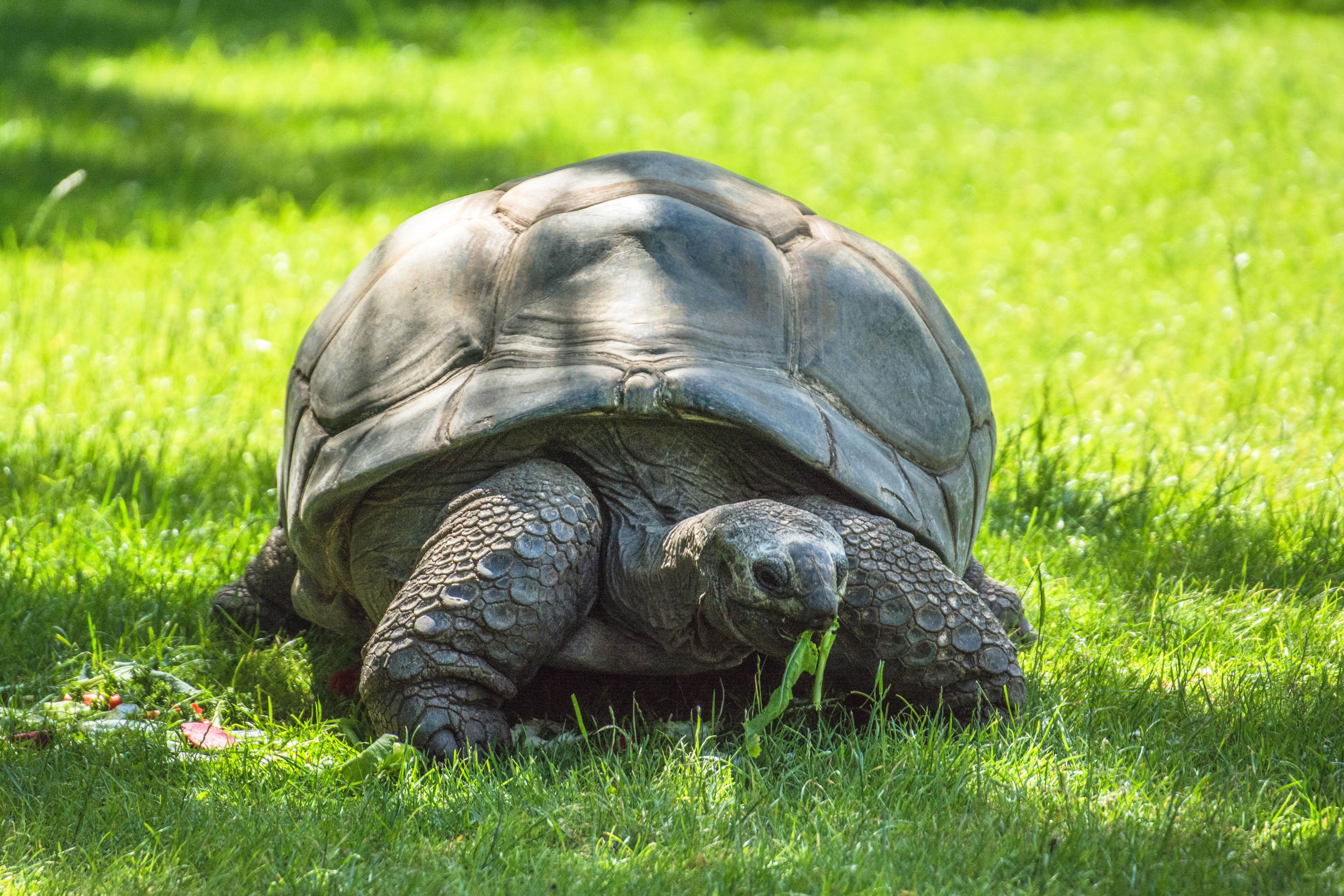
Giant tortoises
More than a hundred thousand live on Aldabra, the largest population in the world; on Curieuse and a few other islands, smaller groups roam free, descendants of a breeding programme that saved the species from extinction.

Seabird colonies
Cousin Island and Bird Island are home to hundreds of thousands of fairy terns, noddies and frigatebirds; these are research reserves rather than sights, with a daily limit on visitor numbers.
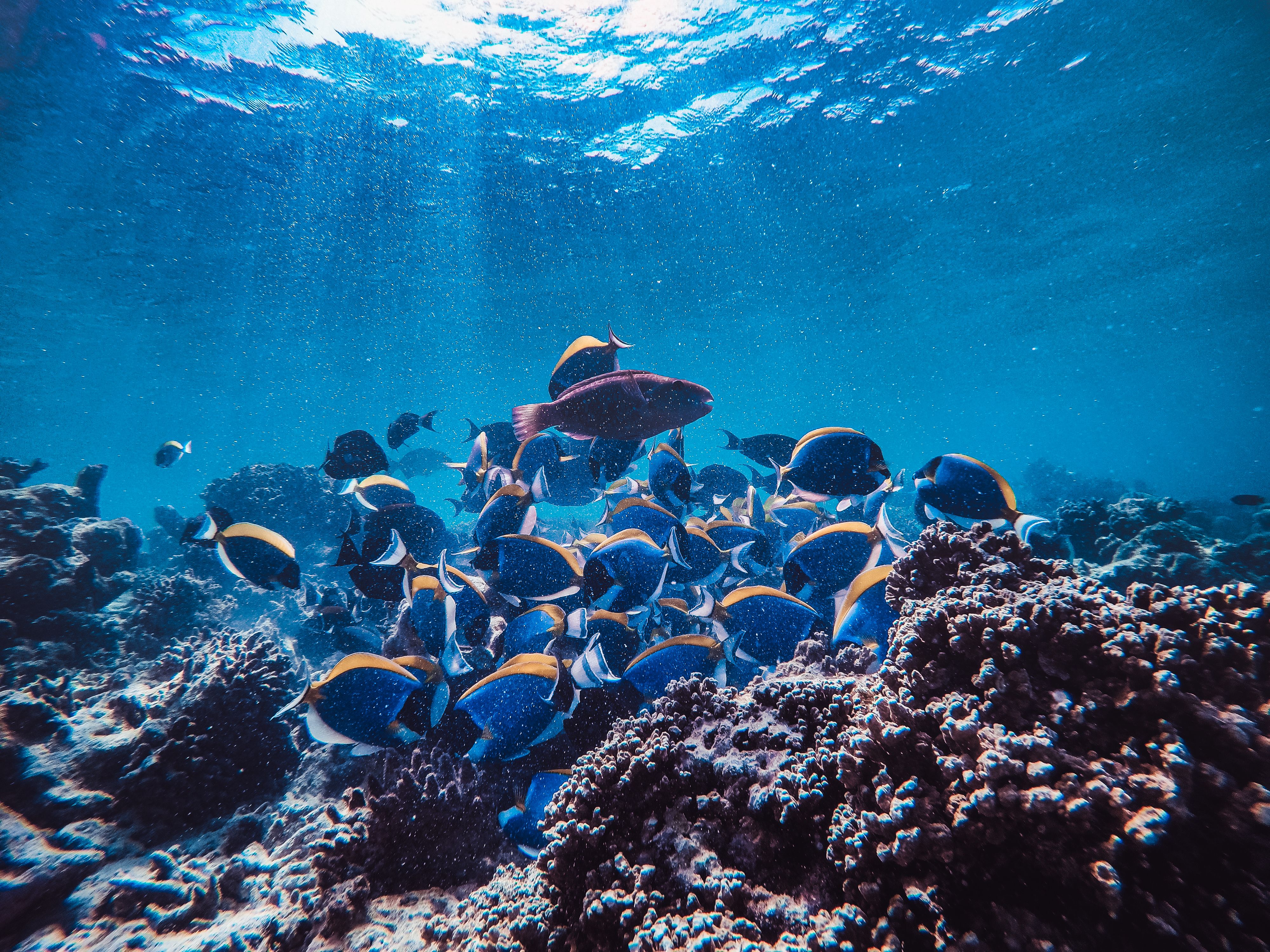
The reef
Around Sainte Anne and Baie Ternay lies coral recovering from the 2016 bleaching; clear water and granite formations beneath the surface make snorkelling here just as rewarding as diving.
No brochure image survives the first hour in the primeval forest.
What remains is granite, shade and a silence older than the story told about it.

People and table
A hundred thousand people, three languages, one kitchen
Seychellois Creole is the language of daily life, English that of government, French that of history. Most people switch between the three without effort. The population is a mix of African, French, Indian and Chinese descent, visible in names, faces and above all in the kitchen.
At the fish market in Victoria, early in the morning, the night's catch changes hands: red snapper, tuna, squid. Kari koko, fish stewed in coconut milk with turmeric, and ladob, a sweet mash of plantain and sweet potato, sit closer to everyday eating than to a restaurant menu.
Looking past the highlights
How we look at the Seychelles
The outer islands aren't a day trip Aldabra and the Amirantes can be half a day away by boat or small plane. Anyone who wants to see them needs to make a separate chapter of it, not an add-on to Praslin.
The boat decides the route From May to September the south-east trade wind brings rougher water between Praslin and La Digue; we plan crossings around that reality rather than a fixed schedule.
Small stays small With just over a hundred thousand residents, the infrastructure can't grow endlessly to match visitor numbers. We deliberately choose small-scale guesthouses and local operators over the large chains on the coast.
The primeval forest asks for attention, not a photo The Vallée de Mai existed long before tourists came to look. We plan time for it rather than a twenty-minute stop.
What's possible
No fixed programme, but a number of real directions
These aren't day excursions from a brochure, but the shapes a trip here can take. We work out the details together with you.
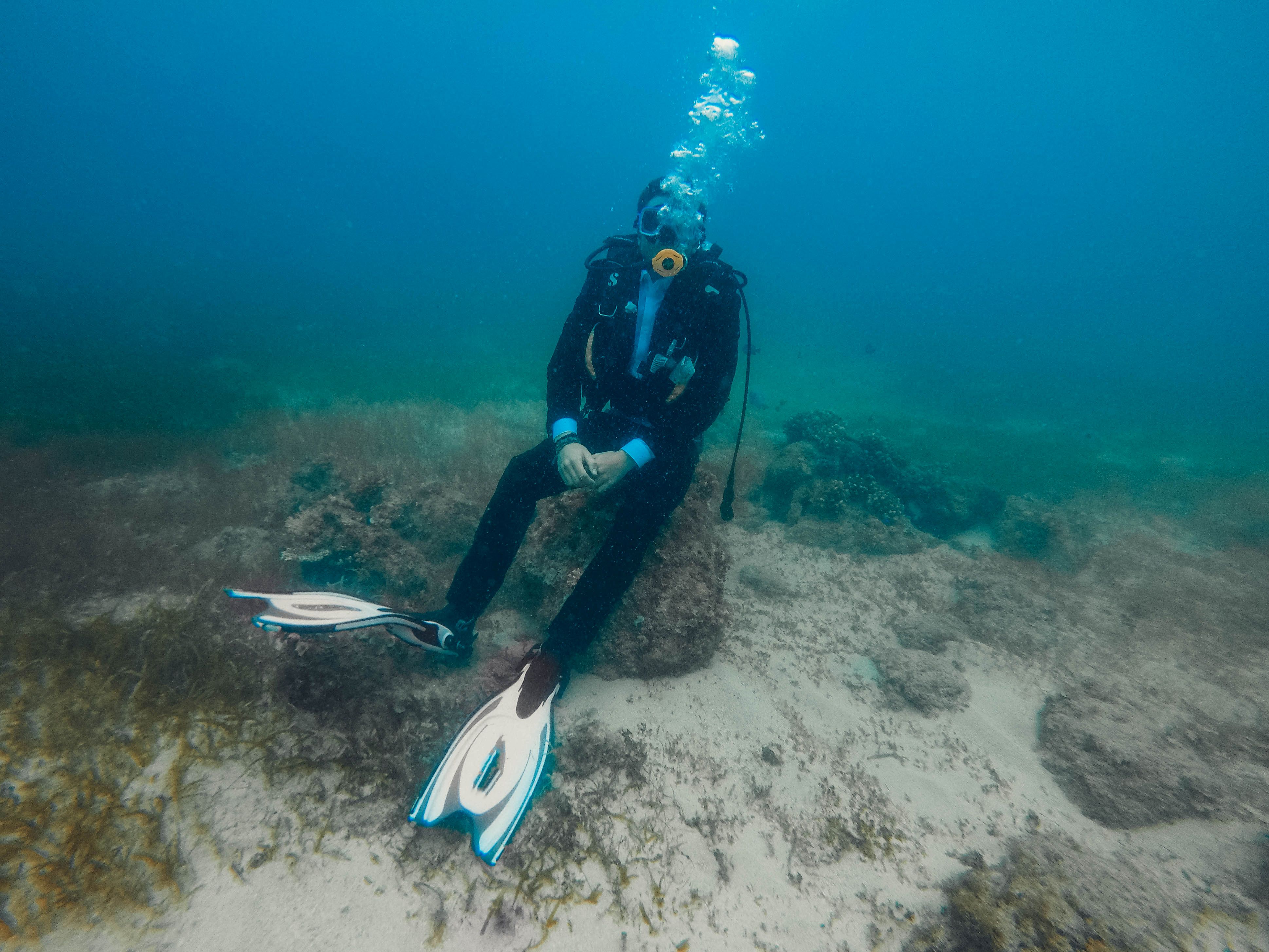
Underwater at Sainte Anne
Snorkelling or diving among granite formations that continue below the waterline, with visibility reaching up to twenty metres on a good day.

Walking on Morne Seychellois
Trails through rainforest to viewpoints over Mahé, usually without meeting another walker.

Curieuse and the tortoises
A boat trip to the reserve where giant tortoises roam free among the mangroves.
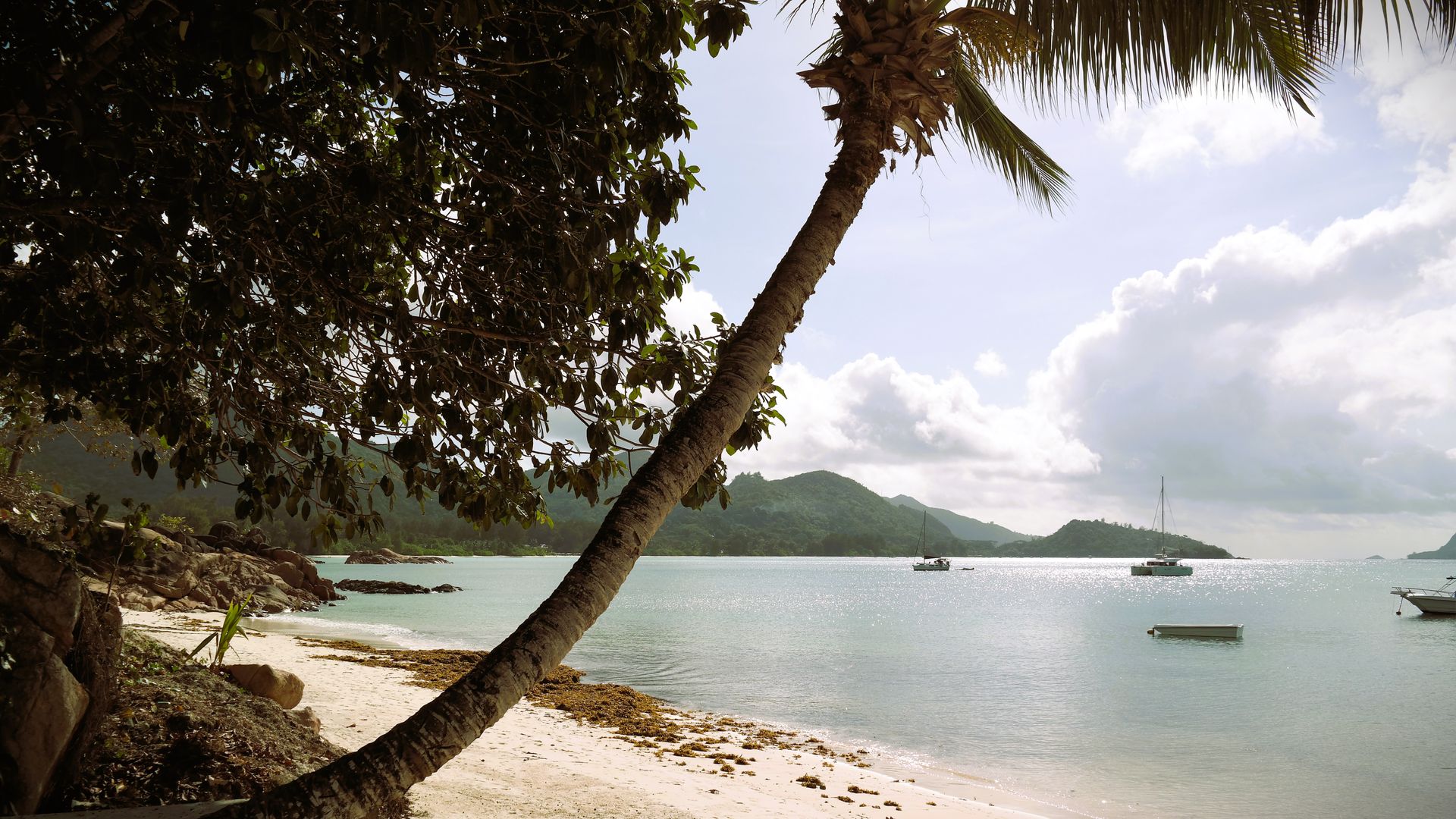
Heading out with a local fisherman
A morning at sea to the rhythm of the catch, not a tourist timetable.
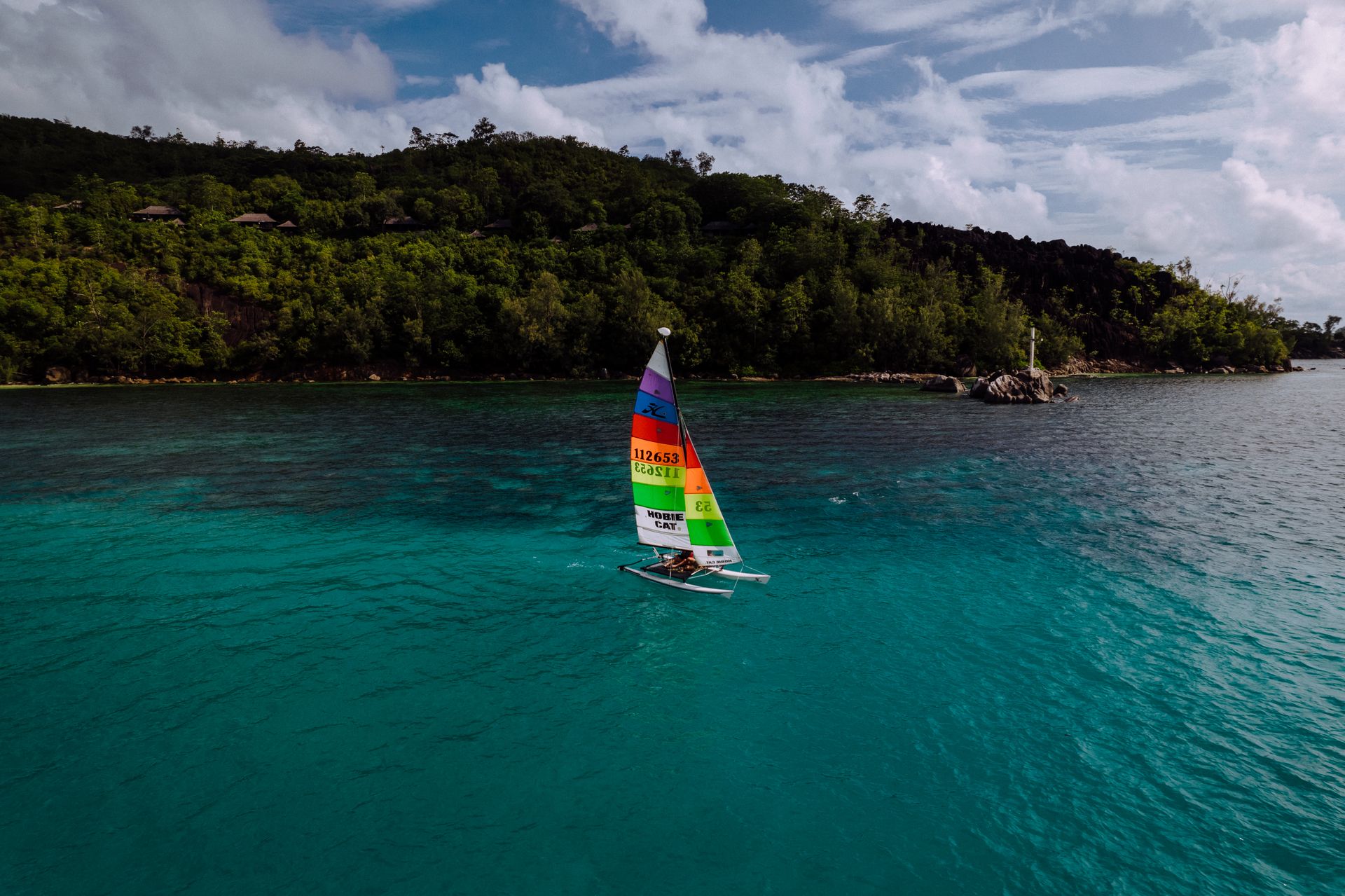
Sailing to the outer islands
For those with several days: a trip towards the Amirantes or beyond, past islands that rarely see a visitor.
Every combination depends on season, boat times and how many islands you really want to see. We think that through with you in advance.

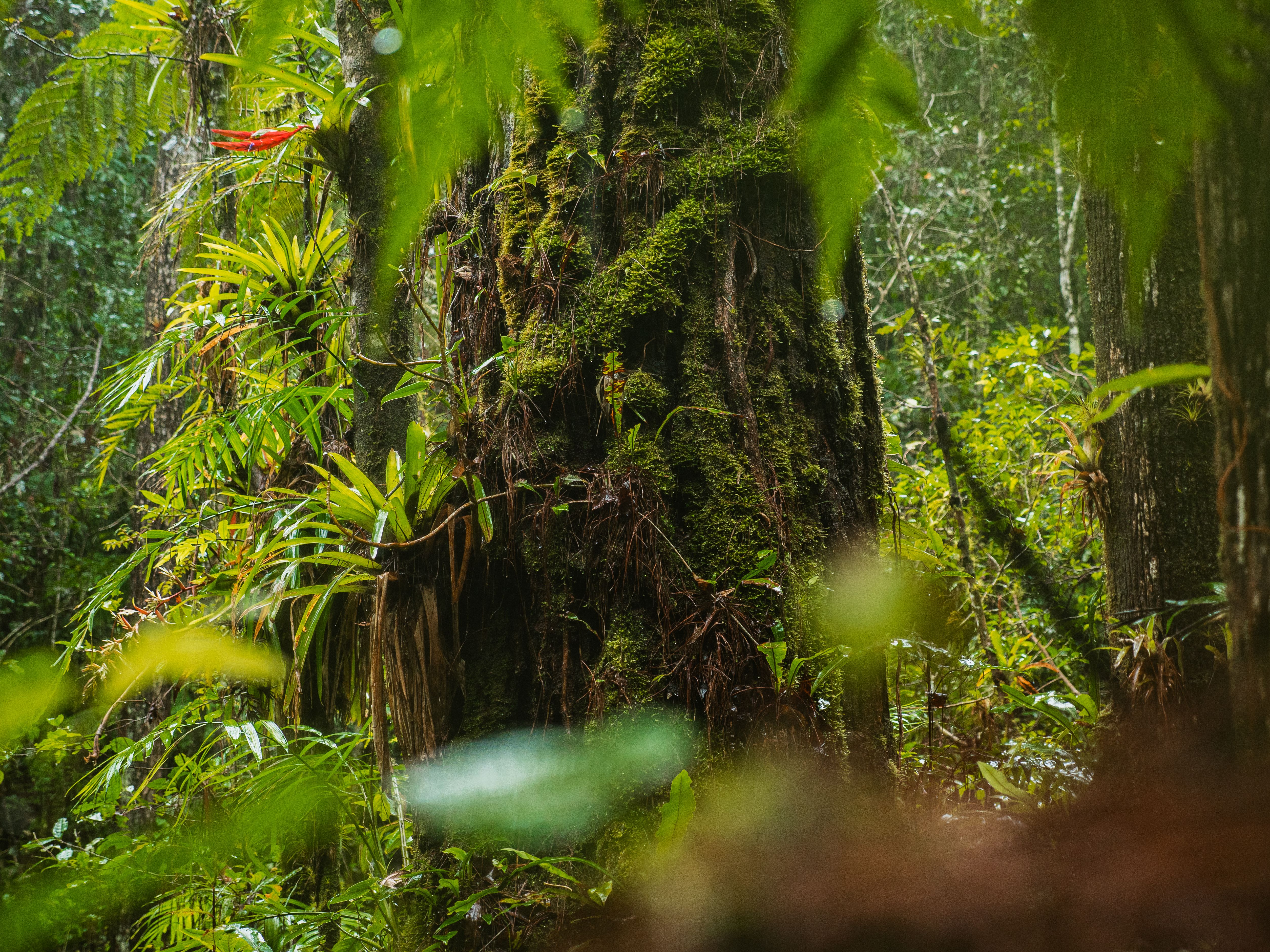
Between granite and primeval forest lies at most a hundred metres.
When would you travel?
When to go to the Seychelles
There's no rainy season that shuts everything down, but there are two monsoons that shape the weather and the sea. From late May to September the south-east trade wind blows: drier and cooler, with rougher seas on the east coast and sometimes tricky crossings between islands.
From November to March the wind turns north-west: warmer, more humid, with a chance of short, heavy showers, but calmer water. April and October, between the two monsoons, are usually the calmest months, both at sea and in the weather.
Jan
Feb
Mar
Apr
May
Jun
Jul
Aug
Sep
Oct
Nov
Dec
Top: calm seas and little wind, ideal for crossing between islands.
Good: pleasant weather, with the occasional wind or shower.
Fair: stronger trade winds and rougher seas, especially on the east coast. Not impossible, but for those who know and want it.
Worth knowing
Practical, without the noise.
Practical matters that shape the trip, not a box-ticking exercise.
- Getting there
- No direct flight from Brussels; usually a stopover via Doha, Addis Ababa, Abu Dhabi or Nairobi.
- Documents
- A passport valid well beyond the trip is enough; a residence permit is arranged on arrival, no visa needed in advance.
- Health
- No malaria on the islands; sun and coral call for more caution than illness does.
- Pace
- Getting from island to island means a ferry or a short flight; anyone wanting to see several islands needs to allow time for it.
- Distances between islands
- Mahé, Praslin and La Digue lie close together; the outer islands are hours further out, reachable only by boat or small plane.
Or perhaps this
Other destinations
Still weighing it up? That is no problem at all. The right country often only becomes clear once the conversation starts.
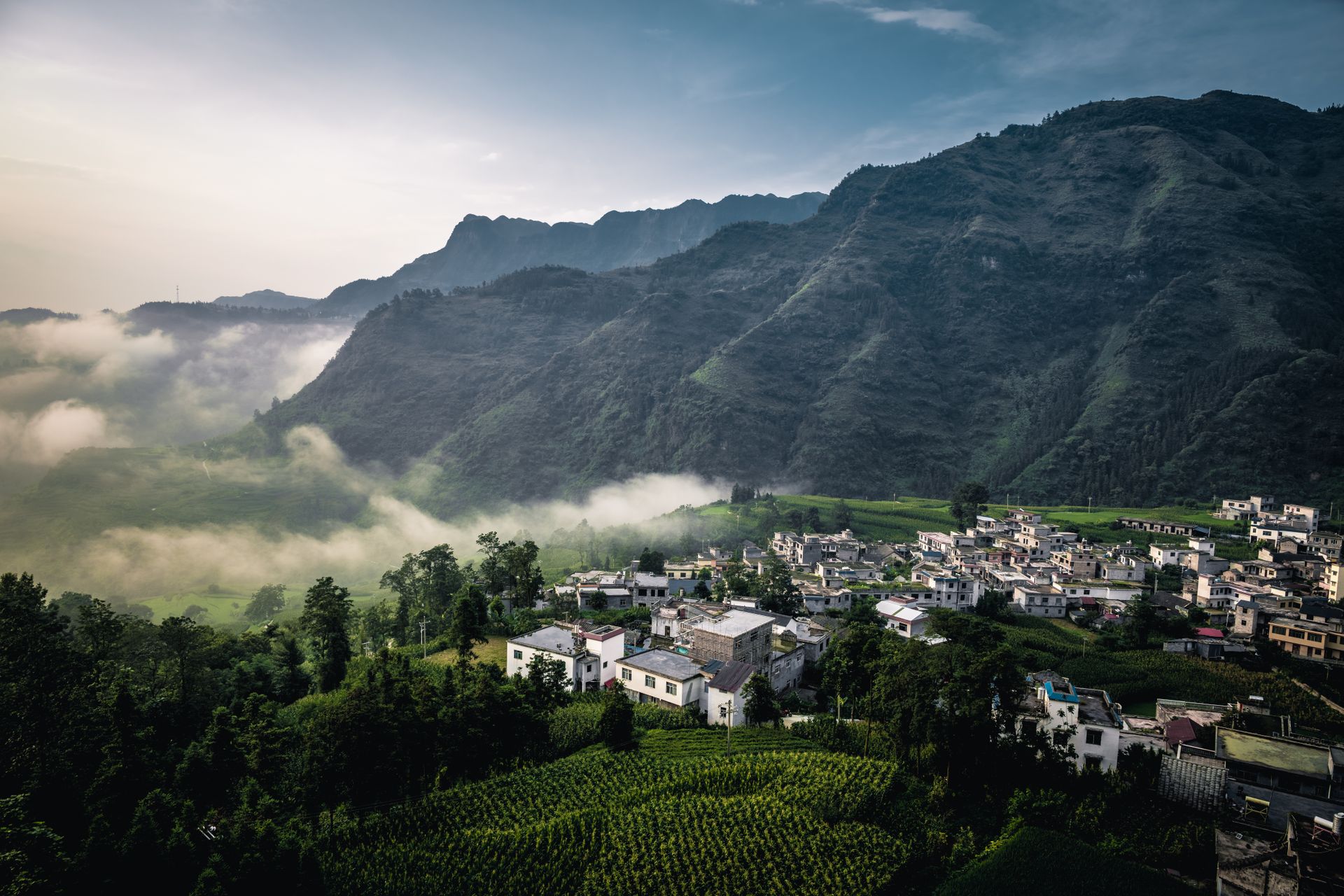
East Asia
China
Ancient traditions, fast-paced cities and still landscapes exist side by side, in a country that seems to reinvent itself everywhere you look.
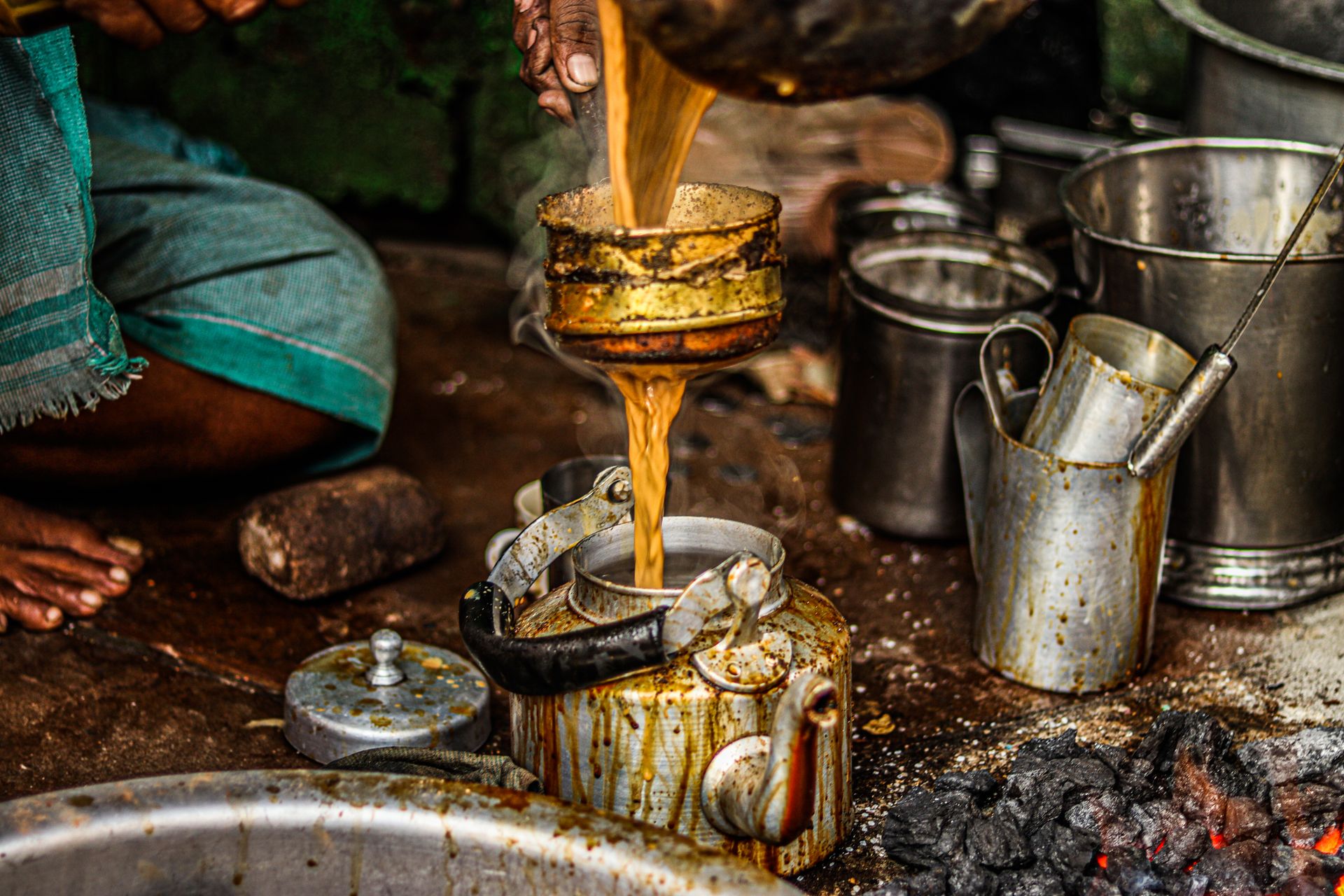
South Asia
India
Sacred and everyday, silence and noise: extremes that simply coexist on this subcontinent, no explanation needed.
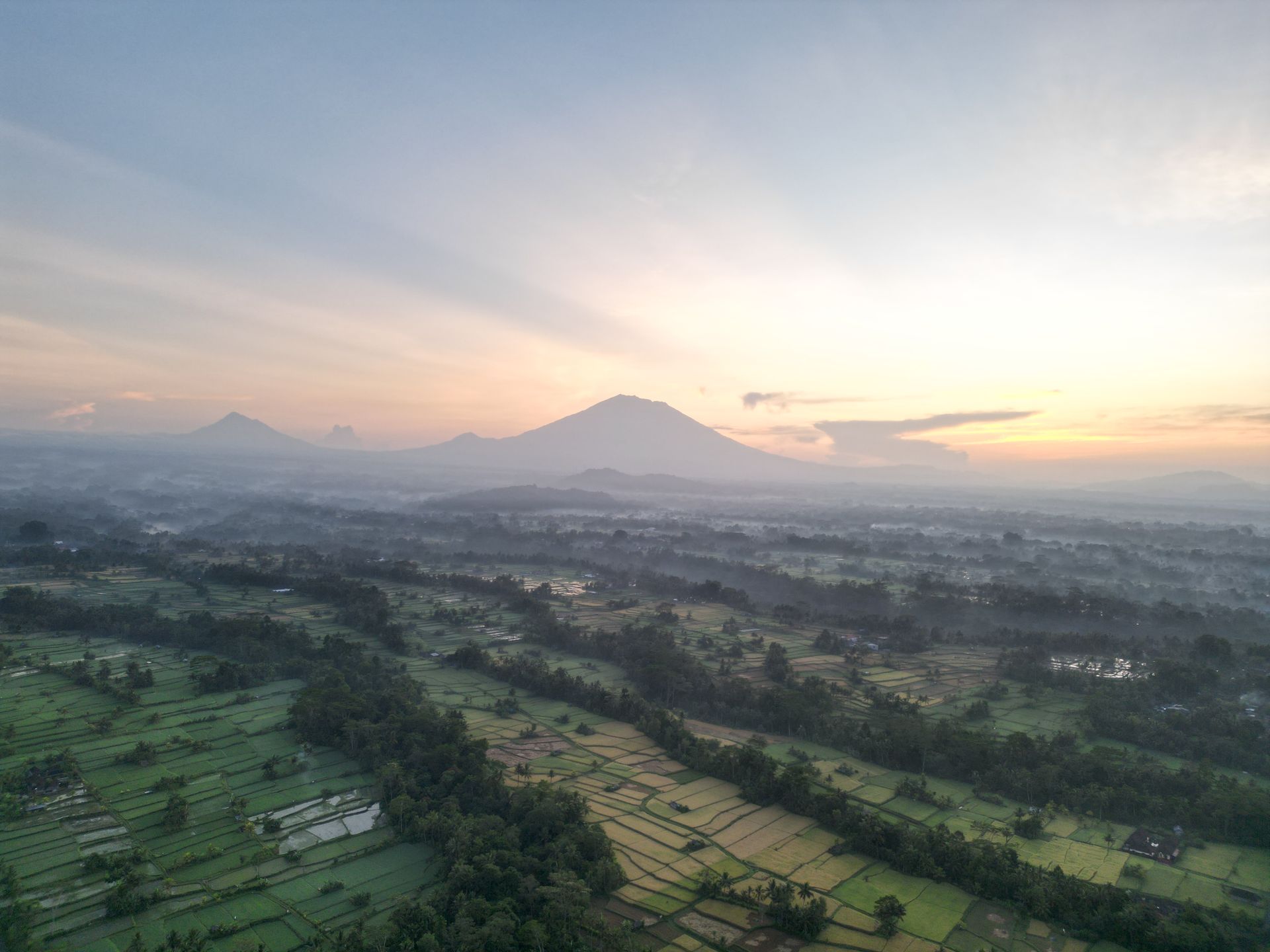
South-East Asian archipelago
Indonesia
Thousands of islands, no two alike: an archipelago that stretches far beyond the Bali most people know.
How it works
This is how your journey to Seychelles takes shape.
Six steps, from your first story to your homecoming. The conversation and the feasibility check cost you nothing.
-
01
Tell us your story
Fill in the form or give us a call. You do not need a route yet: a country, a period or just an idea is enough.
-
02
The conversation and the check
We talk through what you are looking for, by phone or by video, and check whether it can be done. If it can, we set down together what we will make for you.
-
03
We design your journey
We build your programme up, day by day, together with our own people in the country itself.
-
04
Your proposal
You read your journey day by day, with everything that is included. You say what you would like differently, until it is right.
-
05
Ready to depart
You send us your details, we send you your travel documents. You have one fixed contact who knows your journey.
-
06
Travelling, and after
Your contact stays reachable while you are away. Once you are home, we call one more time.
The next step
How would you like to see the Seychelles?
Tell us whether you're drawn to the primeval forest, the outer islands, or simply want stillness between granite and sea. We'll work out what that looks like for you.