South-East Asian city-state
Singapore
Order and jungle, side by side without effort.
This is Singapore
Order and jungle that flow into each other here without effort, with a kitchen that says more about the country's character than the skyline ever could.
Think of Singapore and the skyline usually comes first: Marina Bay Sands, the Supertrees, a city that grows upwards. What those images leave out is how much of the city grows inwards instead. Rainforest pushes its way between the skyscrapers, macaques cross the paths at MacRitchie as if no metropolis had ever been built around them, and the streets of Chinatown, Little India and Kampong Glam sit within walking distance of one another without any one of them shouting over the rest.
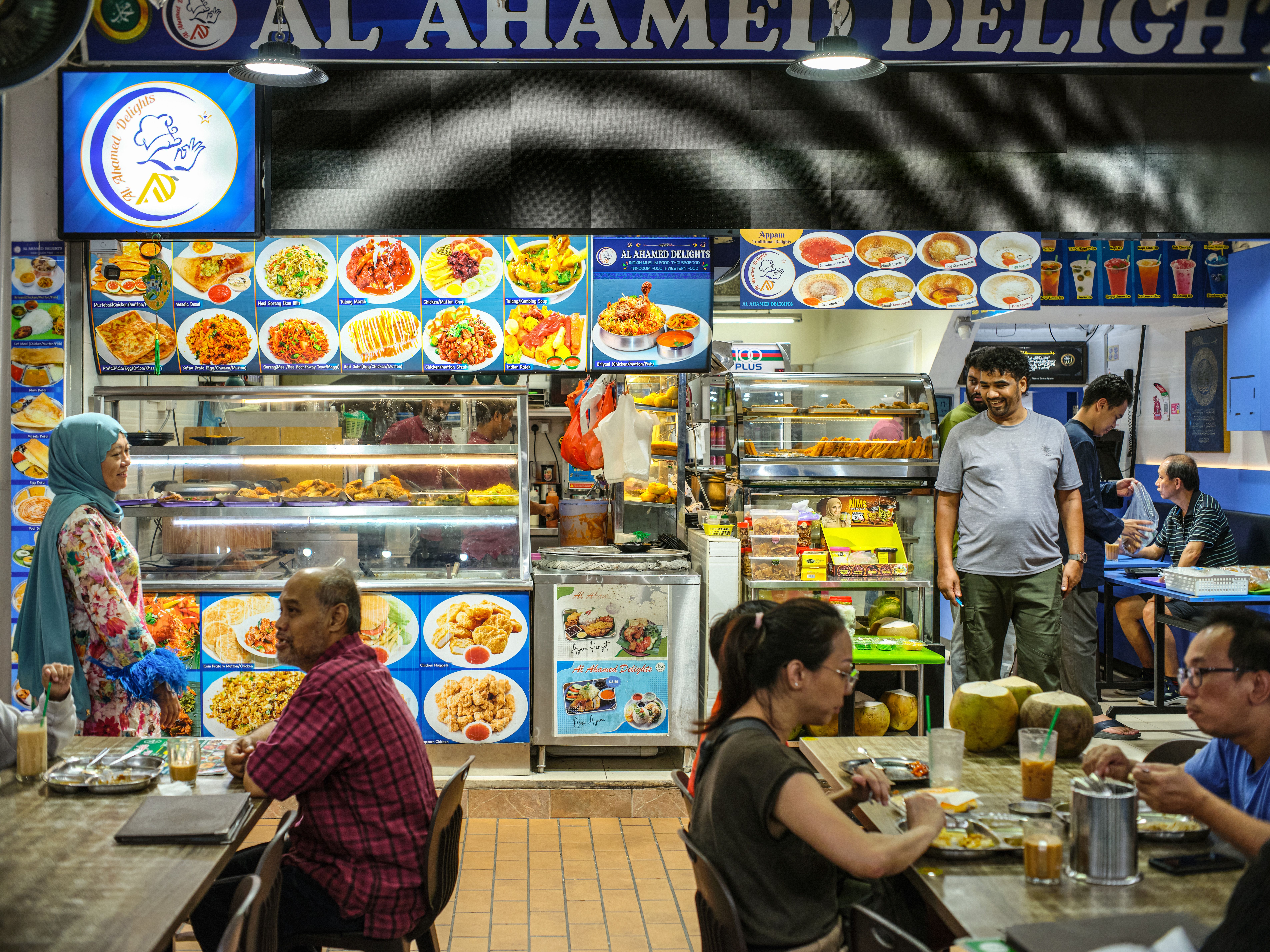
What the country truly reveals sits on the tables of its hawker centres. At Maxwell Food Centre or Tiong Bahru Market, Chinese, Malay, Indian and Peranakan traditions cook side by side, exactly as the population has done for generations. That side-by-side existence, never blended into something neutral, never separated into distinct worlds, says more about Singapore's character than any skyline could.
The kitchen
A table that tells a fuller story than the skyline
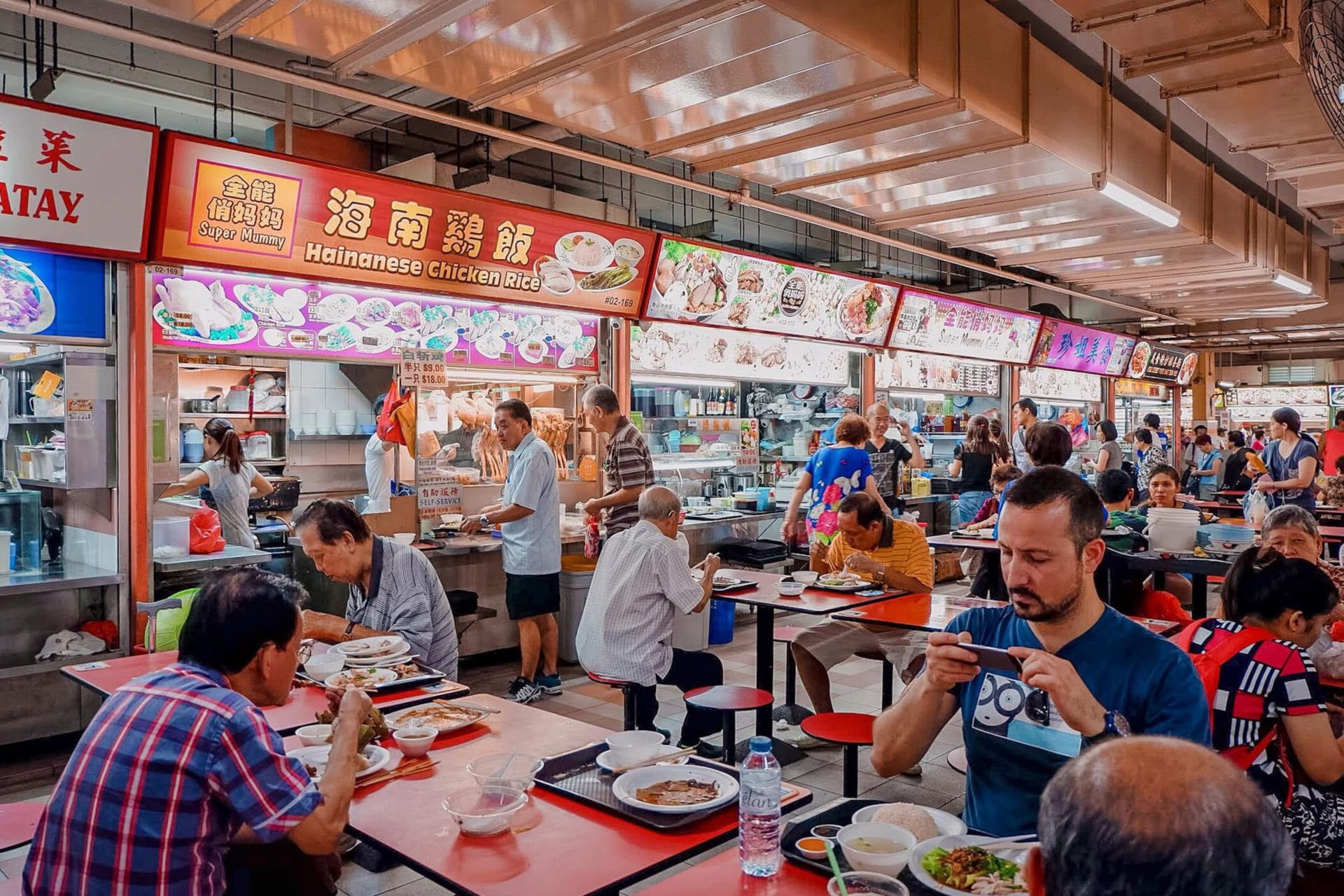
At Tekka Centre, Newton Food Centre or Chinatown Complex, dozens of stalls stand side by side, each specialising in exactly one dish a family has spent decades perfecting. Laksa, char kway teow, Hainanese chicken rice, roti prata, bak kut teh, biryani: the menu of a hawker centre is a map of who arrived here and stayed.
Peranakan or Nonya cuisine goes a step further still. A fusion born from marriages between early Chinese traders and the local Malay population, recognisable in dishes like ayam buah keluak or kueh found nowhere else in quite the same form. Eating in Singapore means reading the country's migration history, one dish at a time.
The neighbourhoods
An island that rewrites itself street by street
Singapore is small enough to shift mood within a single afternoon, and large enough that the shifting never grows tiresome.

district
Chinatown
The Sri Mariamman Temple and the Buddha Tooth Relic Temple within walking distance of each other, shophouses on Ann Siang Hill, and the steaming aisles of Chinatown Complex.
district
Little India
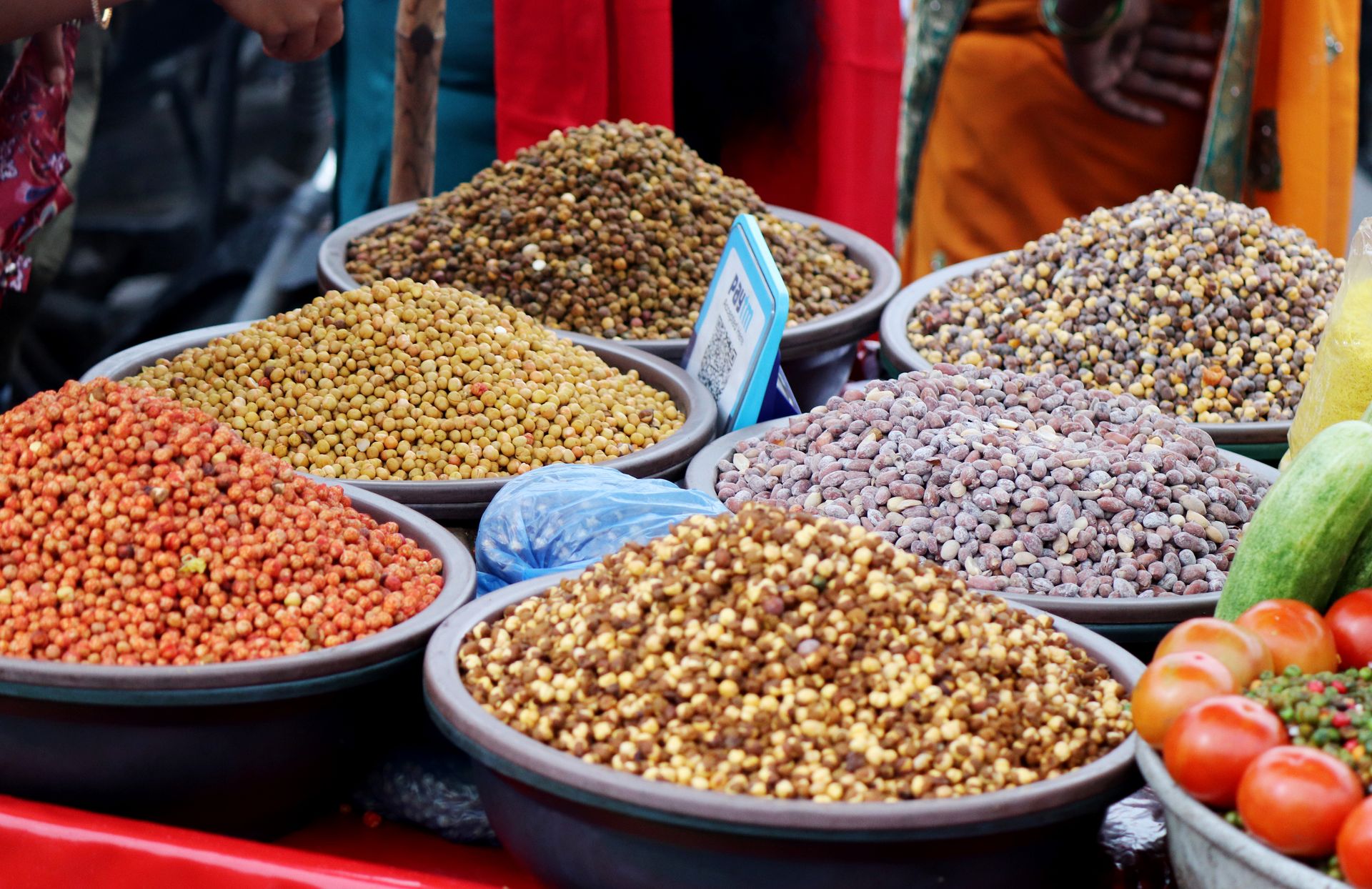
Serangoon Road breathes spices and flower garlands, with Tekka Centre as its culinary heart and the colourful Sri Veeramakaliamman Temple as a fixed landmark.

district
Kampong Glam
The Sultan Mosque dominates the skyline, Arab Street trades in textiles and carpets, and Haji Lane fills in the evening with small studios and cafés.
district
Tiong Bahru
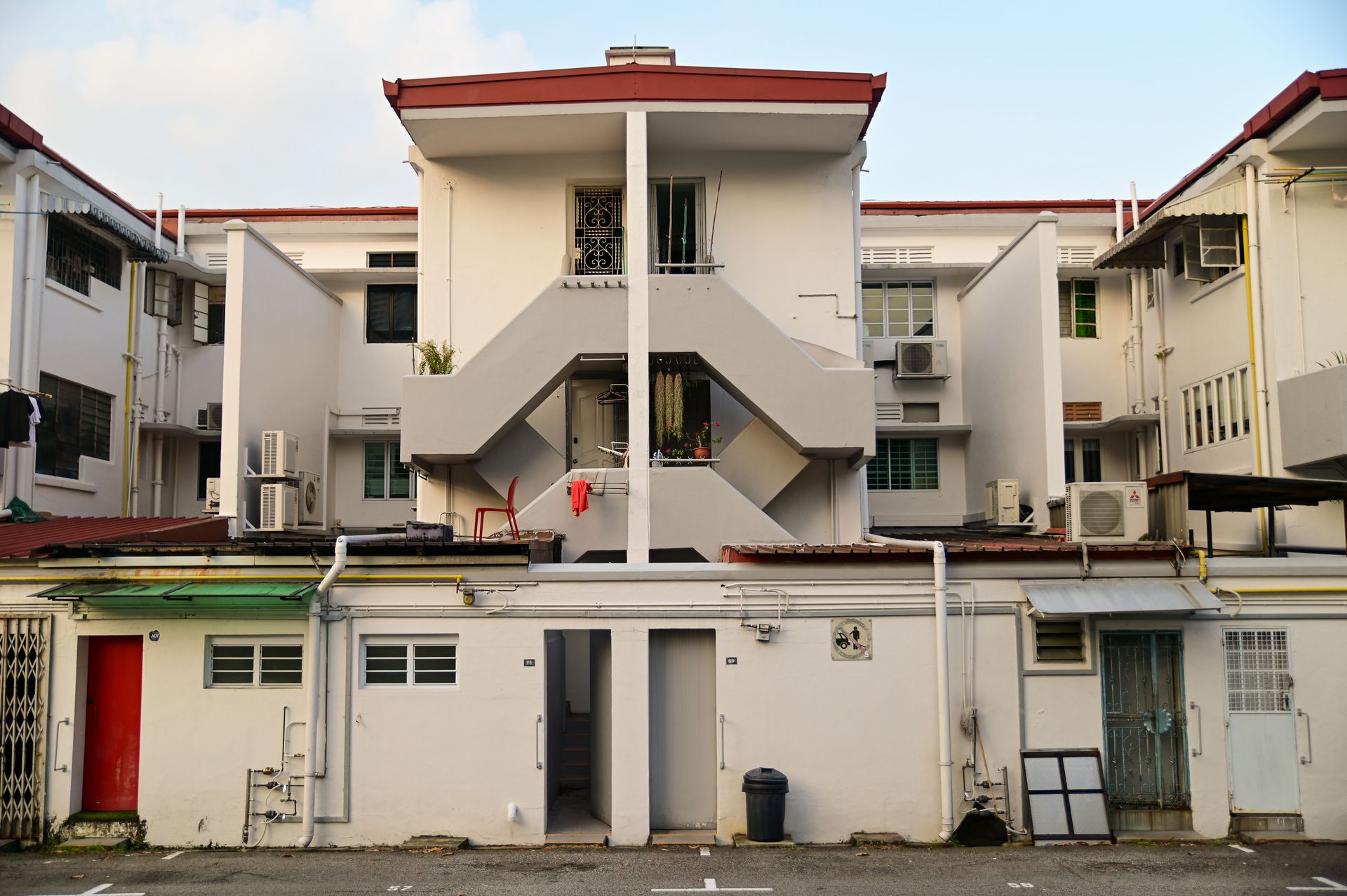
Art deco architecture from the 1930s, quieter than downtown, with independent bookshops and bakeries that keep the neighbourhood feeling local rather than touristy.

district
Katong and Joo Chiat
Pastel-coloured Peranakan shophouse facades, a laksa tradition locals defend fiercely, and traces of the Eurasian community that lived here for centuries.
Nature
Rainforest that was never built away
Less than half an hour from the financial district, a different Singapore begins: a country that has deliberately left much of its original rainforest standing.
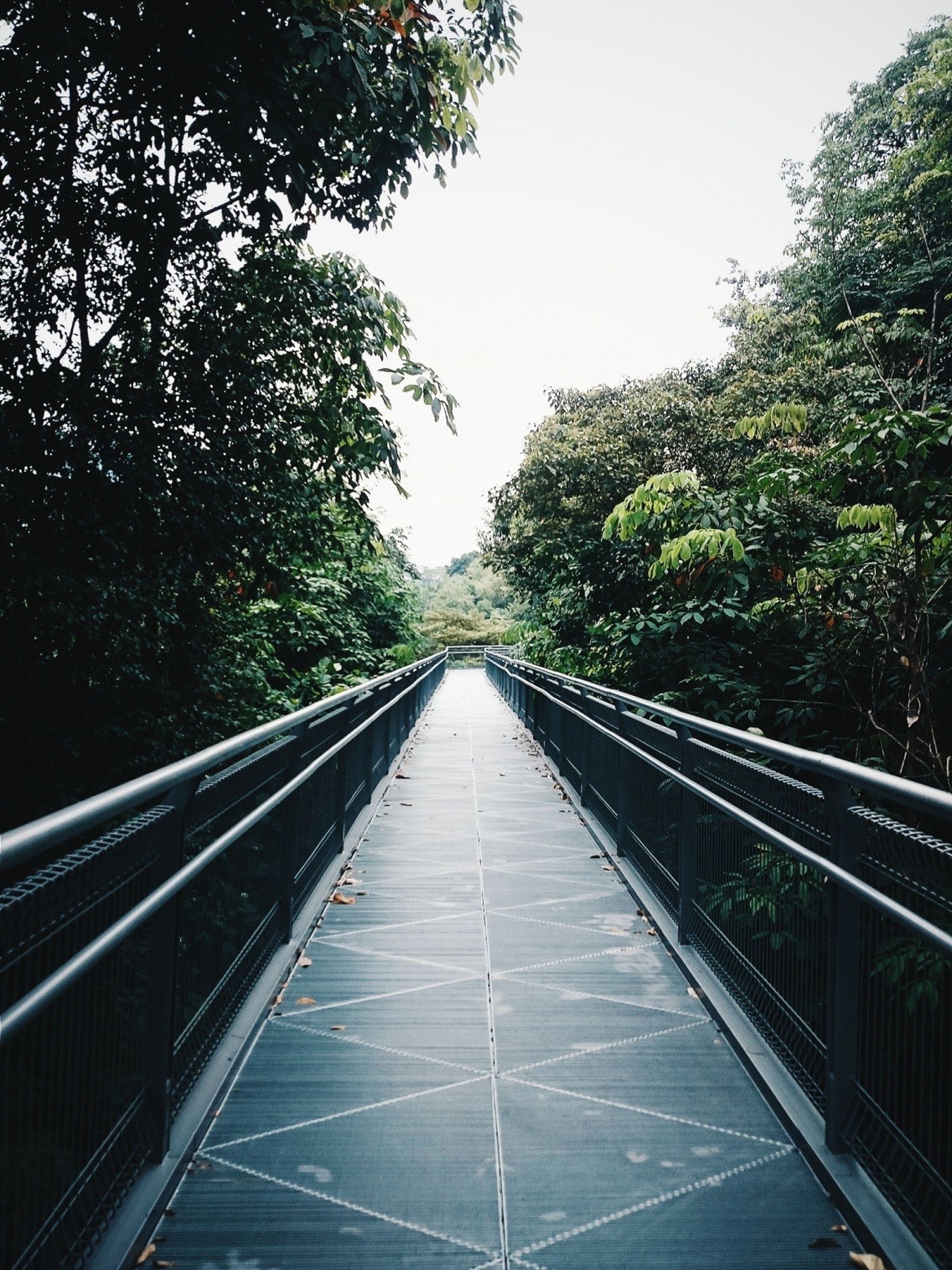
MacRitchie Reservoir
One of the last remnants of primary forest on the island, with the TreeTop Walk suspended high above the canopy and long-tailed macaques that treat the paths as their own territory.

Sungei Buloh Wetland Reserve
Mangroves and mudflats where thousands of migratory birds touch down between September and March, with the occasional estuarine crocodile lingering at the water's edge.

Pulau Ubin
A bumboat from Changi Point carries you to a kampong island where time has stood still: cycling paths, wooden houses, and not a skyscraper in sight.

The Southern Ridges link parks together over bridges like the Henderson Waves. Nine kilometres of green without ever leaving the city.
Looking past the highlights
Why we look at Singapore differently
Not an endpoint, a hinge Johor and Malacca lie across the causeway, Bintan and the Riau Islands are a short boat ride away. For anyone heading further into the region, Singapore works less as a stopover than as an efficient starting point.
Multicultural without the staging Four official languages, neighbourhoods that are still genuinely lived in: the coexistence of traditions here isn't an attraction staged for visitors, it's how the city has functioned since it began.
A garden city by policy, not by marketing NParks' park connector network and the mandatory green compensation for new developments are decades-old regulation, not a recent branding exercise.
Small country, big shift in pace A thirty-minute train ride can take you from the bustle of the financial district to the stillness of a nature reserve. The compactness itself creates the contrast.
What's possible
Singapore is never just one visit
What follows isn't a day-by-day programme, but the ingredients from which we build a route together, shaped around what draws you to this country.

A hawker trail with a local guide
Someone who knows the story behind every stall, from a third-generation chicken rice stand to the street corner where the first laksa was sold.

Architecture between shophouse and Supertree
Colonial facades alongside the engineering of Marina Bay, with an eye for what each building says about its own era.
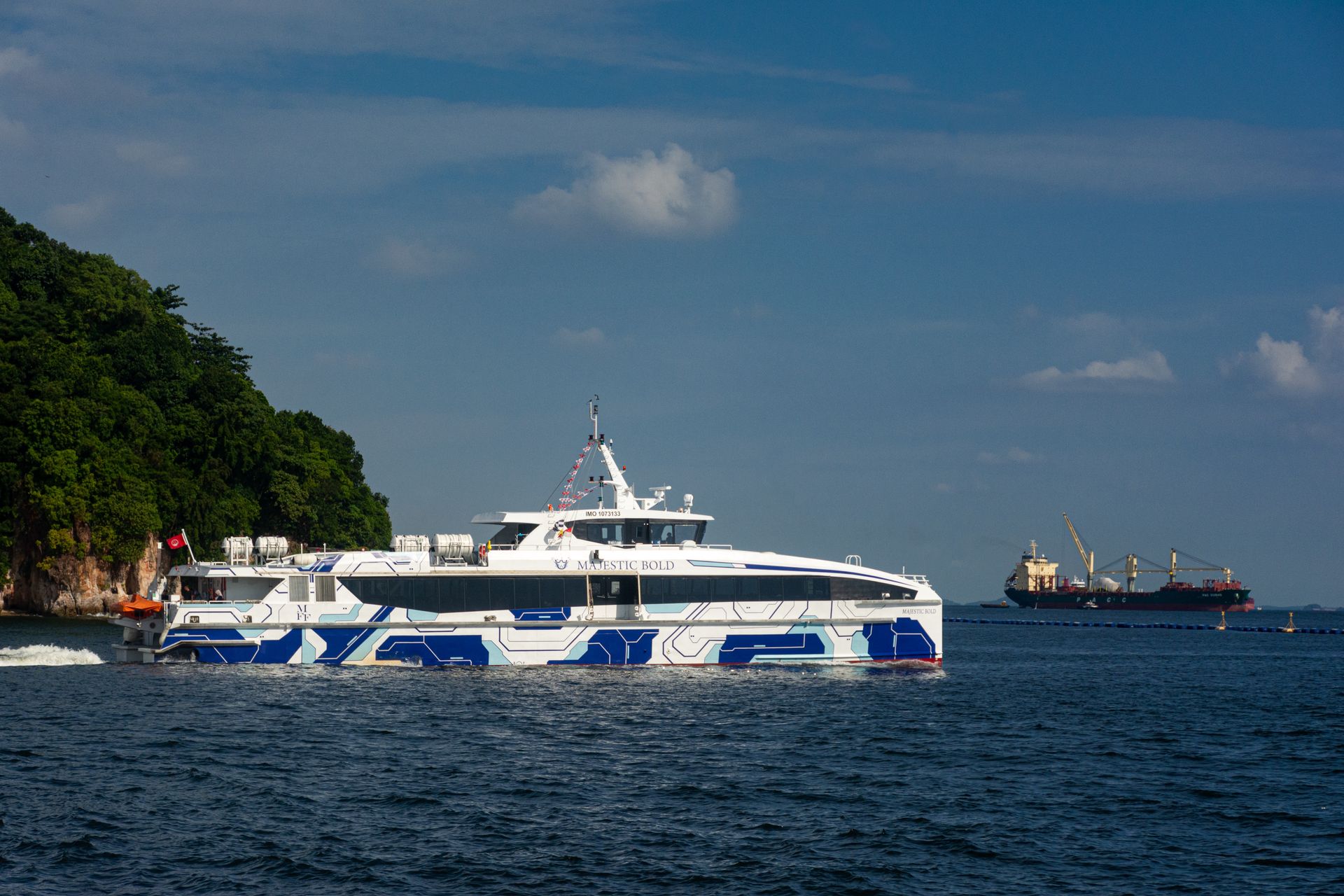
Island-hopping towards Indonesia or Malaysia
Bintan or the Riau Islands by boat from HarbourFront, Johor and Malacca across the causeway, Singapore as a base for anyone wanting to go further.

Sailing to the Southern Islands
St John's Island and Kusu Island are barely twenty minutes by boat from the city, and yet the skyline vanishes there completely.

Seeking out Peranakan heritage
The Peranakan Museum, the colourful facades of Koon Seng Road, and where possible a conversation with someone who keeps that culture alive day to day.
Every route is built differently, depending on what you're after: stillness, flavour, architecture, or a hop across to the islands nearby.
When would you travel?
Warm all year, wet in varying degrees
Singapore sits close to the equator and has no seasons in the classic sense. It stays warm and humid all year round. The difference lies in rainfall: the north-east monsoon brings the wettest spells from December to March, while February to April is usually the driest and calmest stretch.
Jan
Feb
Mar
Apr
May
Jun
Jul
Aug
Sep
Oct
Nov
Dec
Top: the driest and most predictable, ideal for combining the city and the nature reserves without interruption.
Good: warm and largely dry, with a chance of short, heavy showers that pass quickly.
Fair: the north-east monsoon brings longer spells of rain, especially around the turn of the year.
Worth knowing
Practical, without the noise.
The practical side, without planning the adventure out of it.
- Getting there
- No direct flight from Belgium; expect one stopover, usually via the Middle East or South-East Asia
- Documents
- Visa-free for Belgians for up to 30 days; a passport valid well beyond the travel dates is sufficient
- Health
- No mandatory vaccinations; medical care and hygiene rank among the best in the region
- Pace
- Small enough to have everything close together, but the heat and humidity call for built-in pauses
A city that keeps order
without ever taming its jungle.
Questions that come up often
Isn't Singapore mostly a stopover?
For anyone staying two nights, perhaps. But give the neighbourhoods, the hawker culture and the nature reserves some time, and you find a destination with a story of its own, not just a stopover on the way to the rest of South-East Asia.
How much time do you need?
That depends on what you're after. A few days go a long way for anyone who just wants a taste of the city; anyone wanting to include Pulau Ubin, the nearby islands or a trip to Malacca should build in more room. We work that out together, tailored, with no fixed day-by-day schedule.
Can you combine Singapore with other countries?
Yes, and it happens often. Johor and Malacca lie across the causeway, Bintan and the Riau Islands are a short boat ride away, and further east the rest of the Indonesian archipelago or Borneo opens up.
Is it a suitable destination with children?
Certainly. The country is safe, clean and clearly organised, with enough variety between city and nature to hold the interest of younger travellers too.
How hot does it really get?
Tropical and humid, all year round, with temperatures that rarely stray far from thirty degrees. The difference between months lies mainly in rainfall, not temperature.
Or perhaps this
Other destinations
Still weighing it up? That is no problem at all. The right country often only becomes clear once the conversation starts.
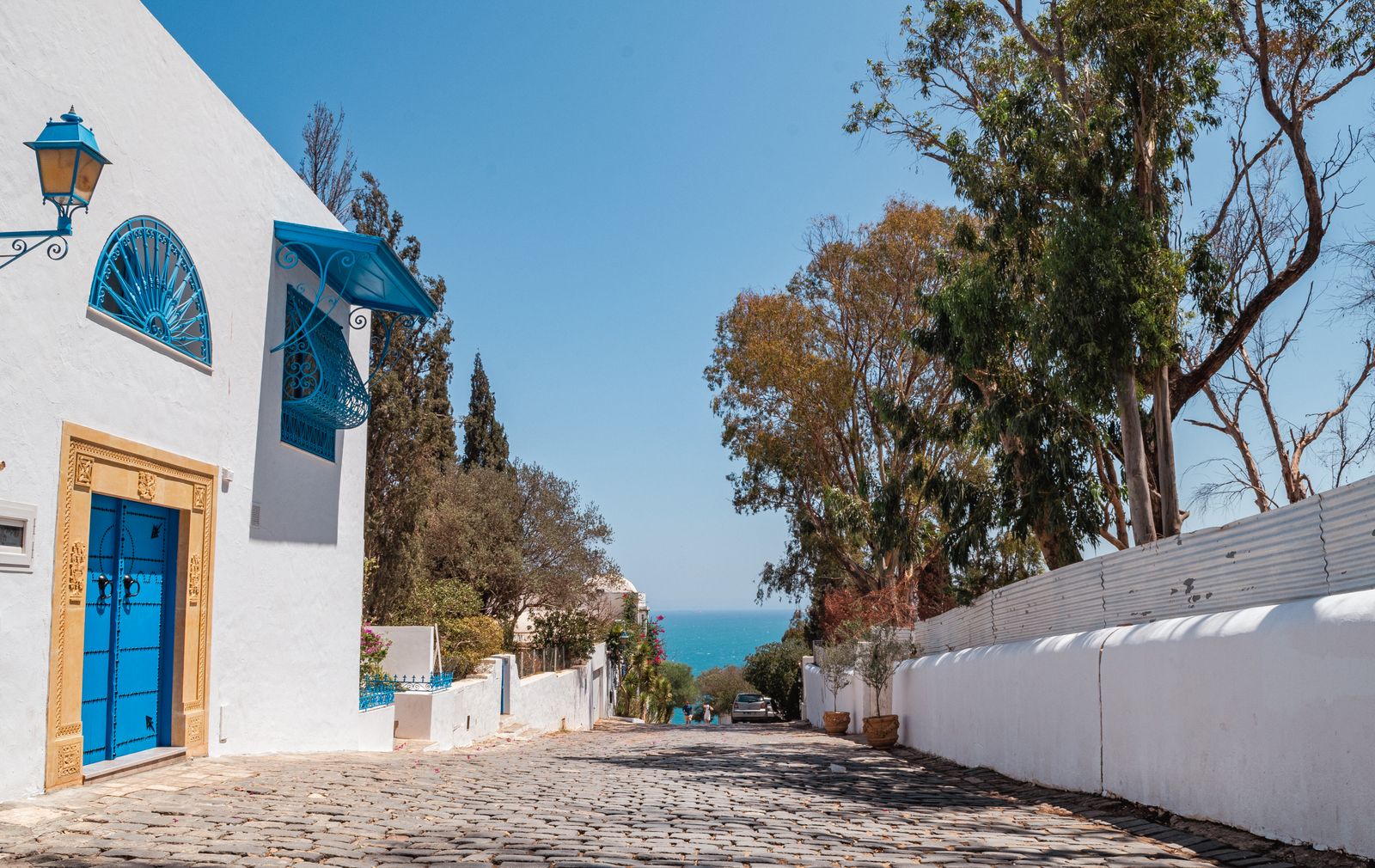
Maghreb, Mediterranean coast
Tunisia
A small country where three thousand years of history and the edge of the Sahara lie just a few hours' drive apart.
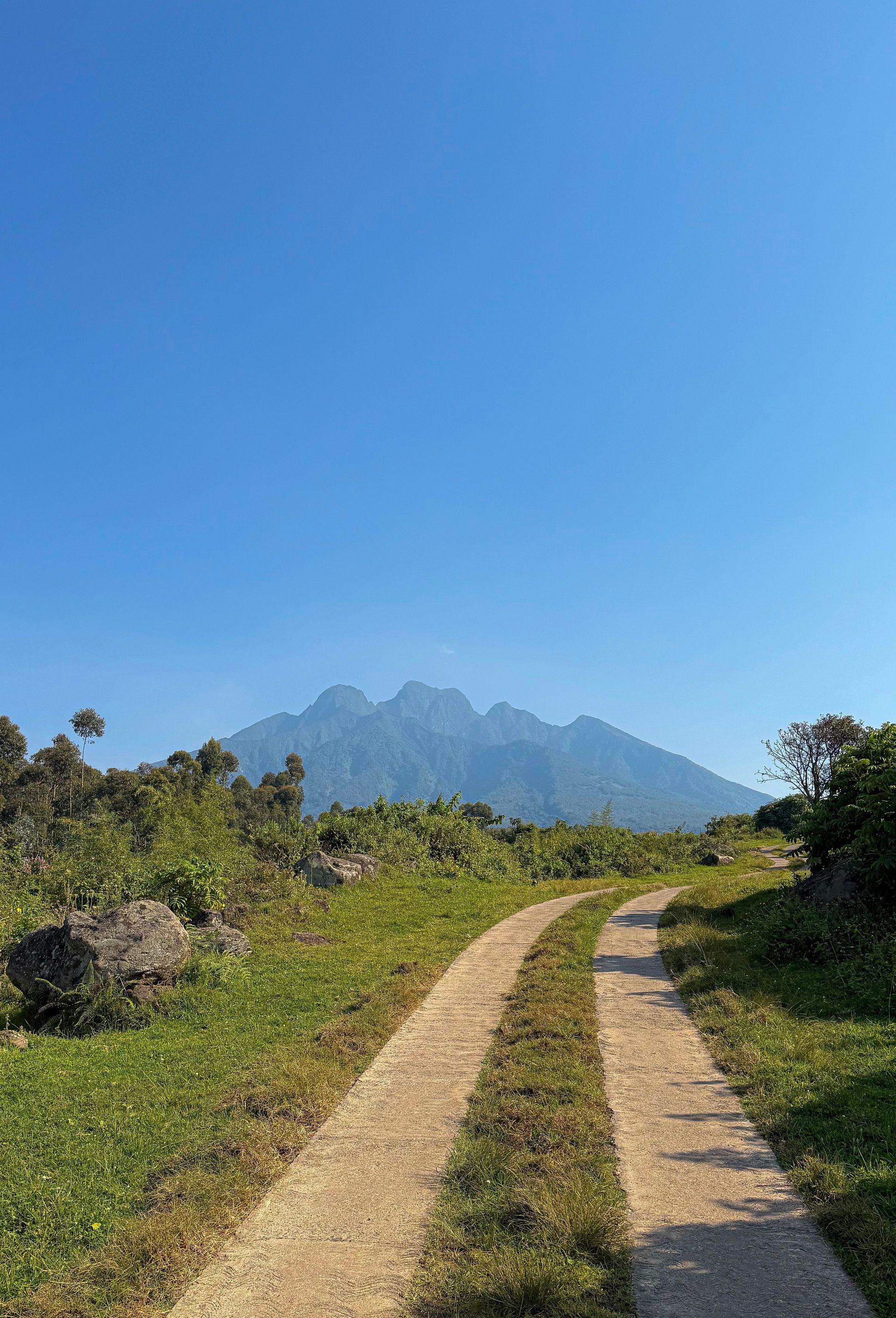
East Africa, Great Lakes region
Uganda
A land of volcanoes, rainforest and the source of the Nile, closer together than the map suggests.
Southern Africa, Zambezi valley
Zambia
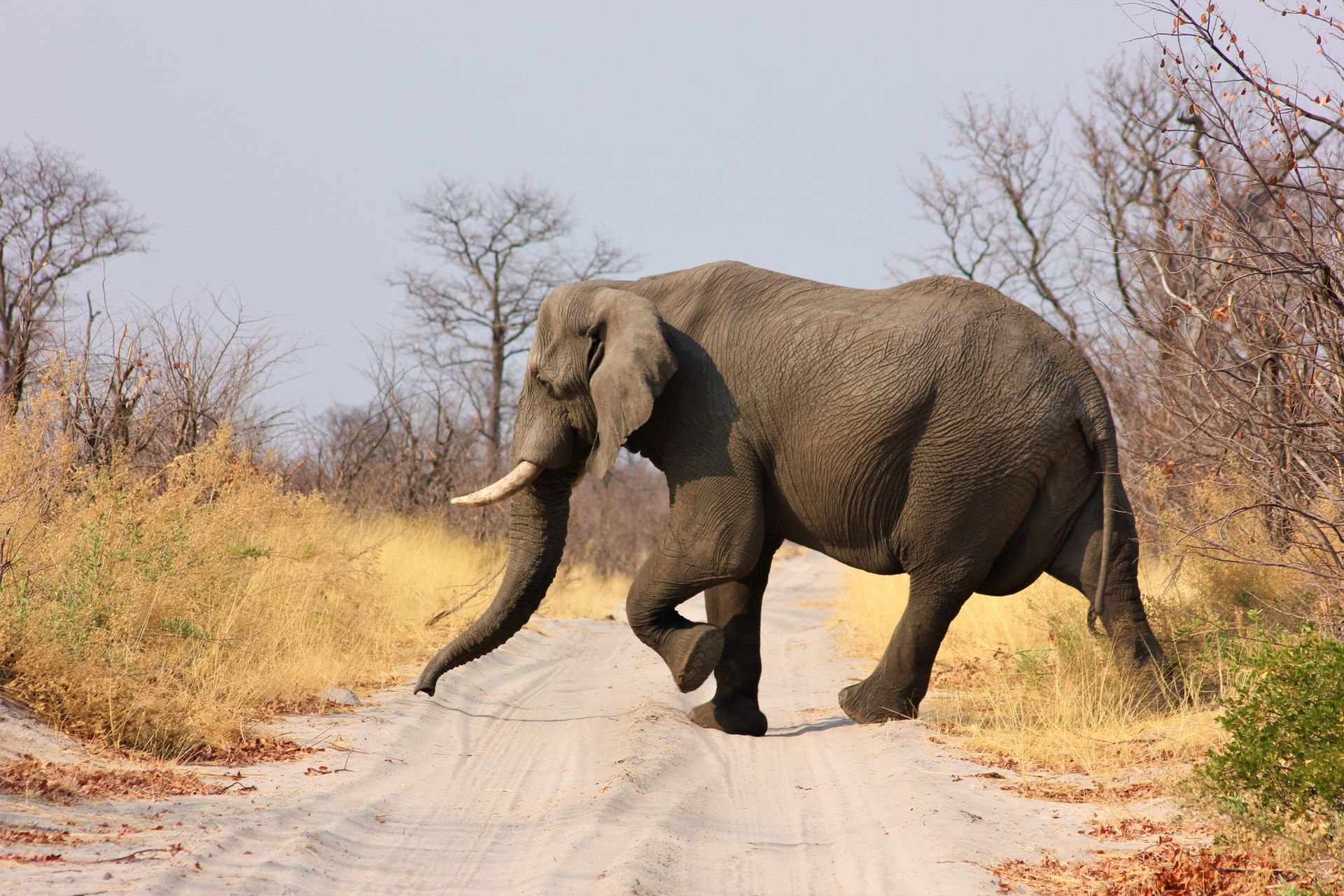
A country where the wilderness is still given real space, and the waterfall at its edge almost becomes an afterthought.
How it works
This is how your journey to Singapore takes shape.
Six steps, from your first story to your homecoming. The conversation and the feasibility check cost you nothing.
-
01
Tell us your story
Fill in the form or give us a call. You do not need a route yet: a country, a period or just an idea is enough.
-
02
The conversation and the check
We talk through what you are looking for, by phone or by video, and check whether it can be done. If it can, we set down together what we will make for you.
-
03
We design your journey
We build your programme up, day by day, together with our own people in the country itself.
-
04
Your proposal
You read your journey day by day, with everything that is included. You say what you would like differently, until it is right.
-
05
Ready to depart
You send us your details, we send you your travel documents. You have one fixed contact who knows your journey.
-
06
Travelling, and after
Your contact stays reachable while you are away. Once you are home, we call one more time.

The next step
How would you like to experience Singapore?
A hawker trail with a guide who knows the history behind every stall, a hop across to the islands nearby, or the stillness of a nature reserve within walking distance of the skyline. Tell us what draws you, and we'll build a route to match.