Eastern Himalayas
Bhutan
A country that keeps its own door ajar.
This is Bhutan
A country that keeps its own door ajar
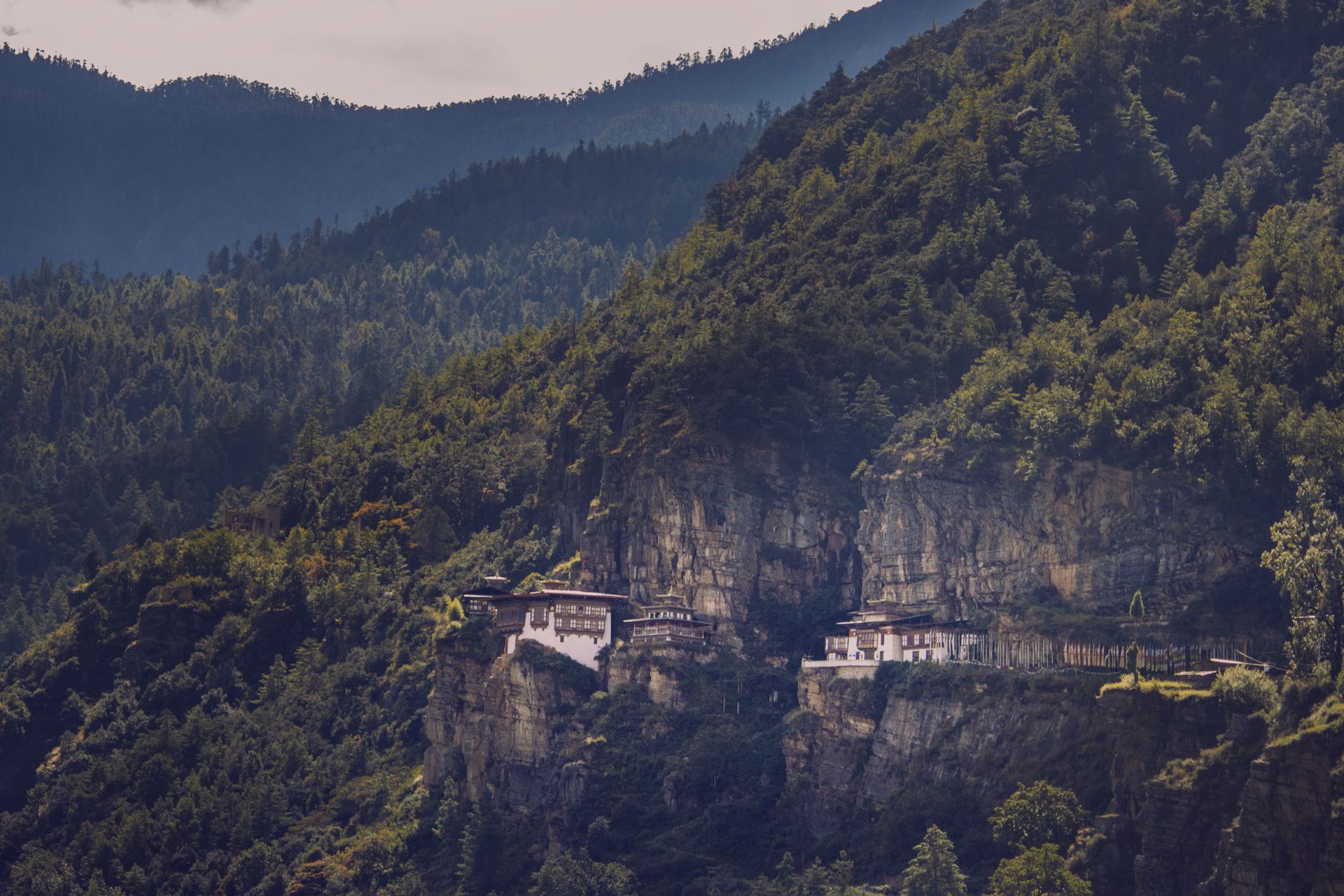
Monasteries clinging to cliffs, valleys free of traffic, and access the country deliberately keeps limited. A calm its neighbours lost long ago.
Thimphu is the only capital in the world without a single traffic light. At the busiest junction, an officer in white gloves directs the traffic, deliberately, because the city council once chose against installing one. That detail says something about how Bhutan makes decisions: slowly, deliberately, and not automatically in the direction its neighbours already went.
The country does not open itself easily. Every visitor travels with a dedicated local guide and driver, and pays a daily fee that keeps visitor numbers low and goes directly towards free education and healthcare. No mass tourism, no development overtaking the dzongs and valleys before they are ready for it.
The regions
Five valleys, five faces
Bhutan is narrow but tall: from the subtropical southern border to the snow-covered northern border, the landscape, and the mood, changes every hundred kilometres.
arrival
Paro
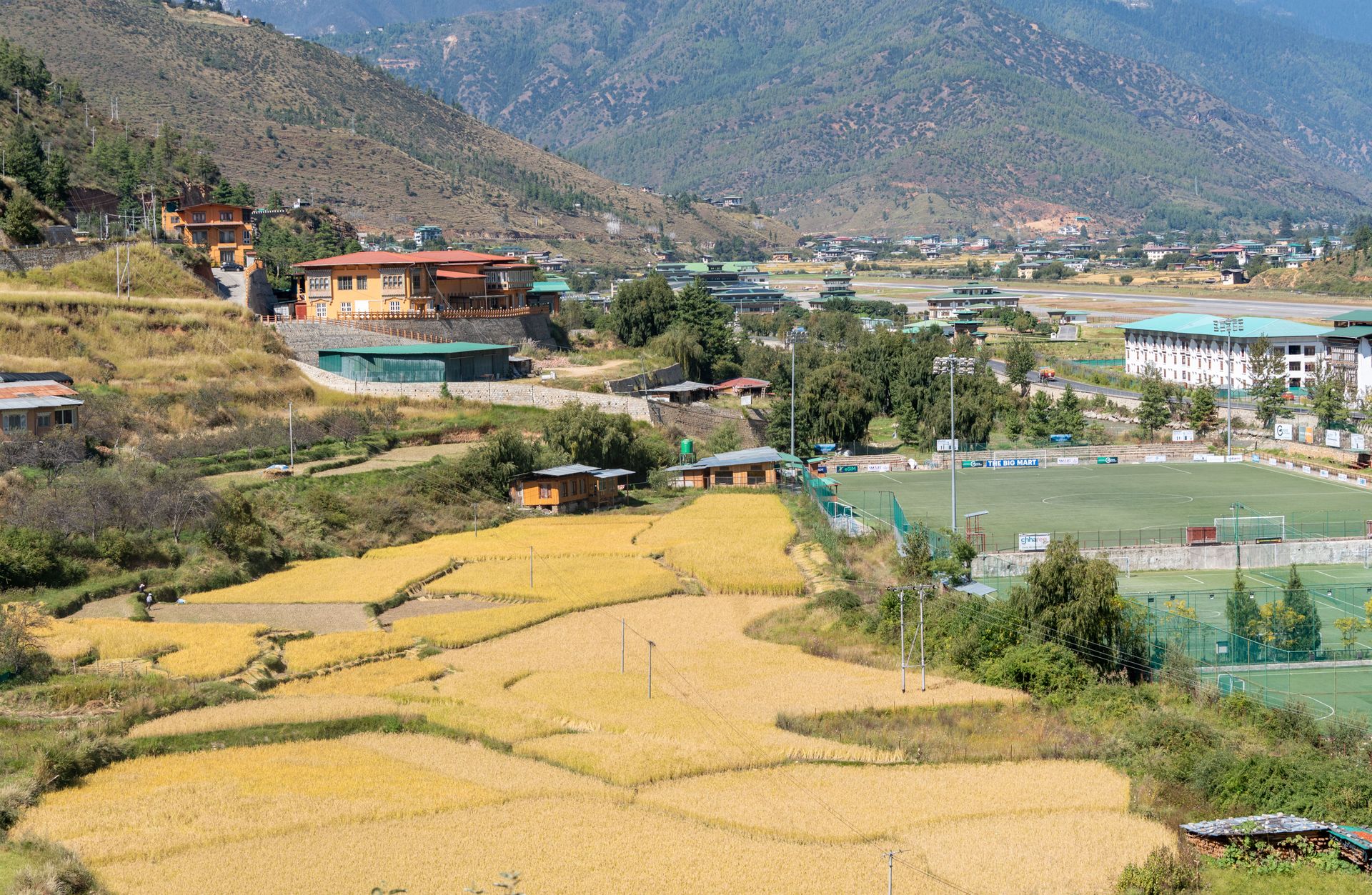
Where every aircraft slips in between the mountainsides, and where Taktsang, the Tiger's Nest, clings to a 900-metre cliff. Rice terraces fill the valley right up to the foot of the rocks.

capital
Thimphu
The country's largest city has barely 115,000 residents. Tashichho Dzong houses both the government and a monastery; at the weekend market, farmers from the surrounding valley still sell their own harvest.

former capital
Punakha
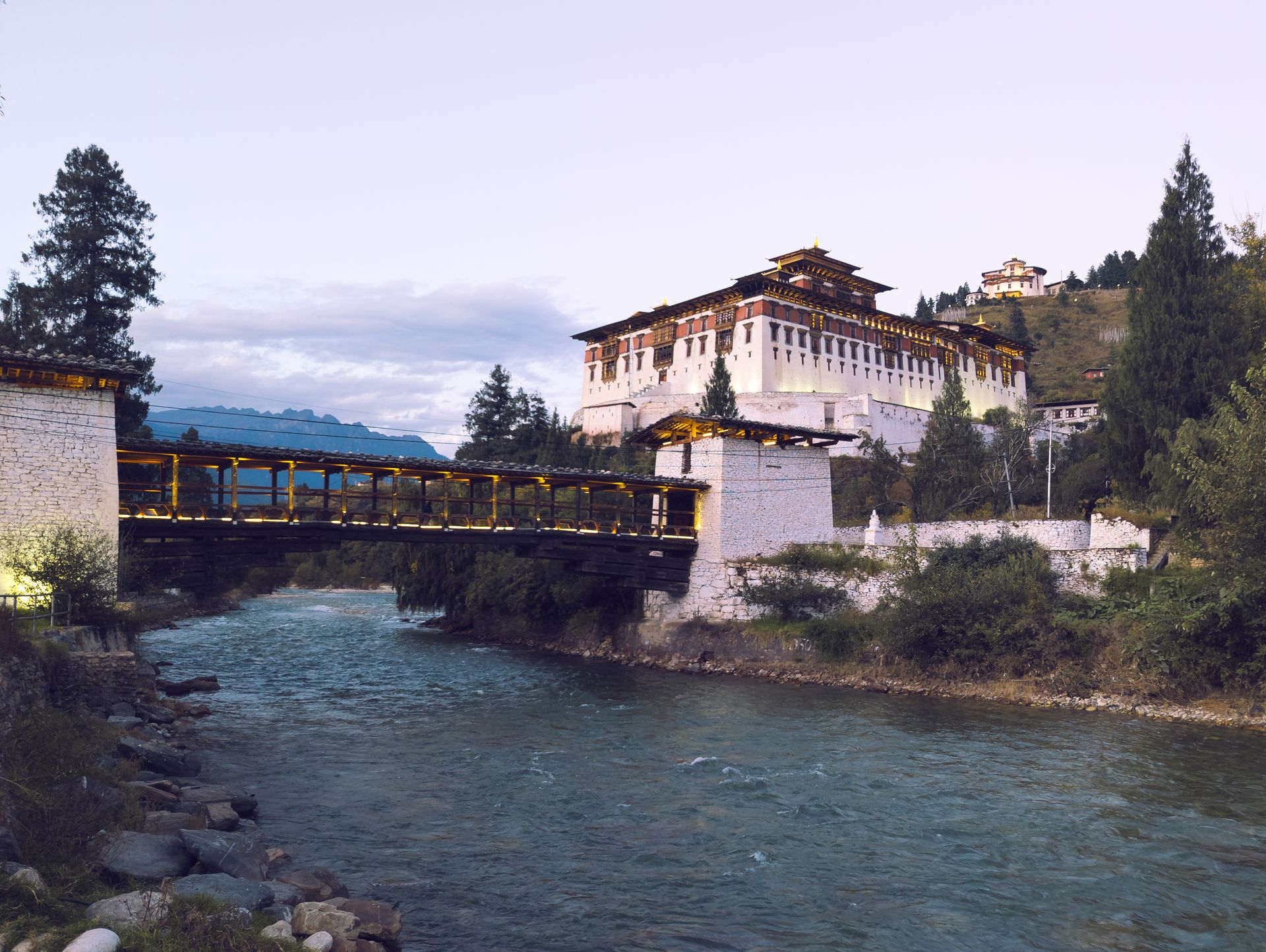
Lower and warmer than Thimphu: orange trees line the road, and Punakha Dzong sits at the confluence of the Mo Chhu and Pho Chhu rivers, one of the most photogenic buildings in the Himalayas.
glacial valley
Phobjikha
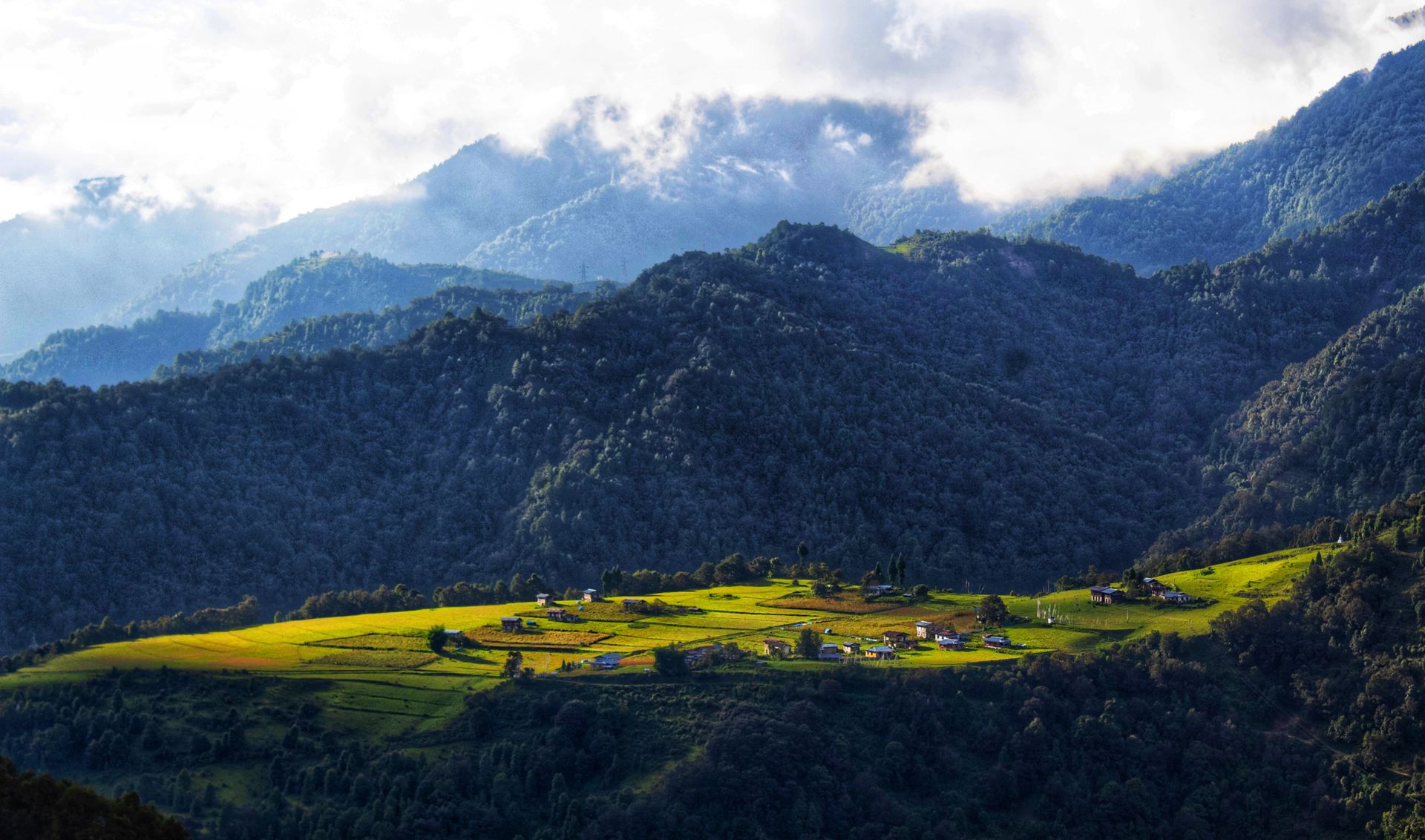
No power lines run overhead through this wide, flat valley, deliberately, out of respect for the black-necked cranes that fly in from Tibet every winter.

spiritual heart
Bumthang
Four valleys at the heart of the country, home to Bhutan's oldest temples and a tradition of buckwheat, honey and cheese you will not taste quite the same way anywhere else.
Not a backdrop, just everyday life
A faith that shapes the rhythm of the day
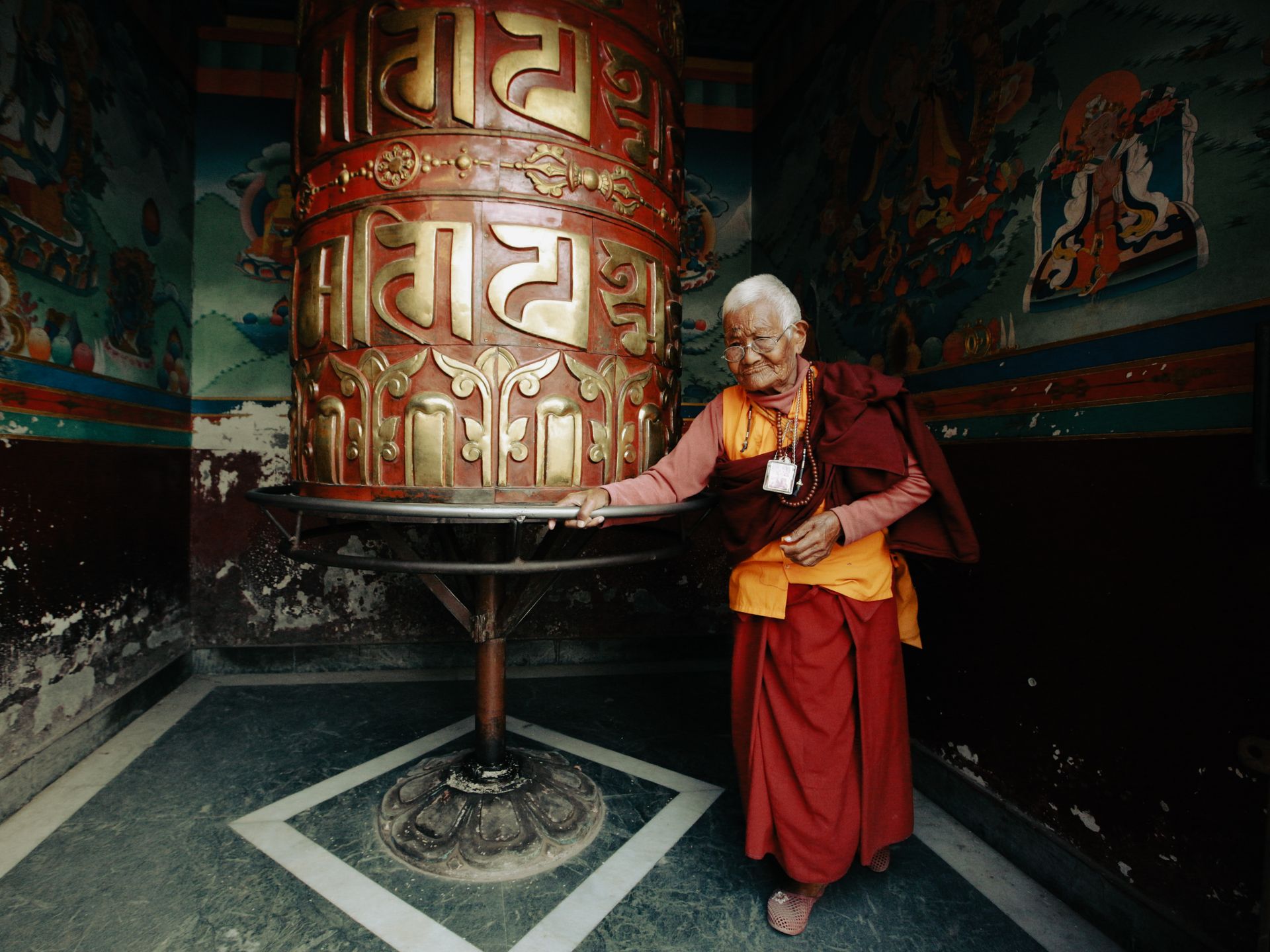
In every dzong, monks and civil servants sit literally under the same roof: the building is both monastery and town hall, an arrangement that has held for centuries. Prayer wheels turn on water power along the rivers, children learn the sutras alongside arithmetic, and a tsechu, the annual masked festival, draws whole villages together, not for the cameras but because that is simply how it has always been.
Vajrayana Buddhism is not a backdrop for a photo here, but the framework within which decisions are made: a new bridge, a harvest, a marriage. Travelling with a local guide, you notice conversations often start at a temple. Not because it is on the itinerary, but because it is where the village itself comes together.
A country in layers
From jungle to eternal snow, in a single country

From subtropical to alpine
The south borders the Indian lowlands and is densely forested and humid; heading north, the land climbs to peaks over 7,000 metres. More than seventy per cent of Bhutan remains forest, a minimum enshrined in the constitution.

The black-necked crane
Every autumn, hundreds of black-necked cranes land in the Phobjikha valley, after a journey over the Himalayas from the Tibetan plateau. The bird is welcomed there as a blessed guest, with its own festival in November.
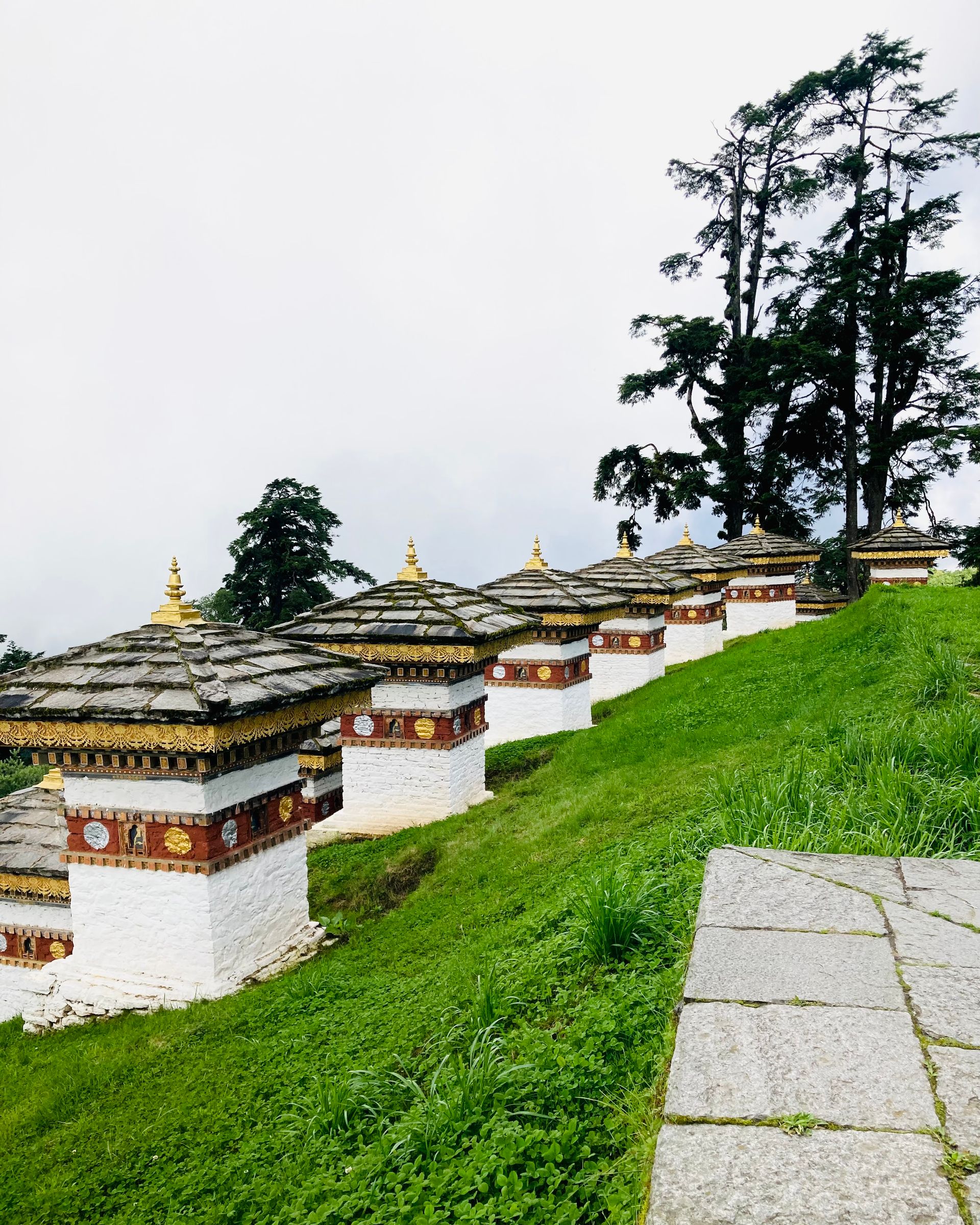
Passes lined with rhododendrons
Roads such as the Dochu La or the Chele La wind over passes above 3,400 metres. In April and May, the slopes turn red and pink with wild rhododendrons, one of the few moments when the landscape does not hold still.
What a journey here can be
No fixed itinerary, but a country full of openings
QualiMundi does not build a day-by-day schedule. Instead, a route around what moves you. Some of the openings Bhutan offers:
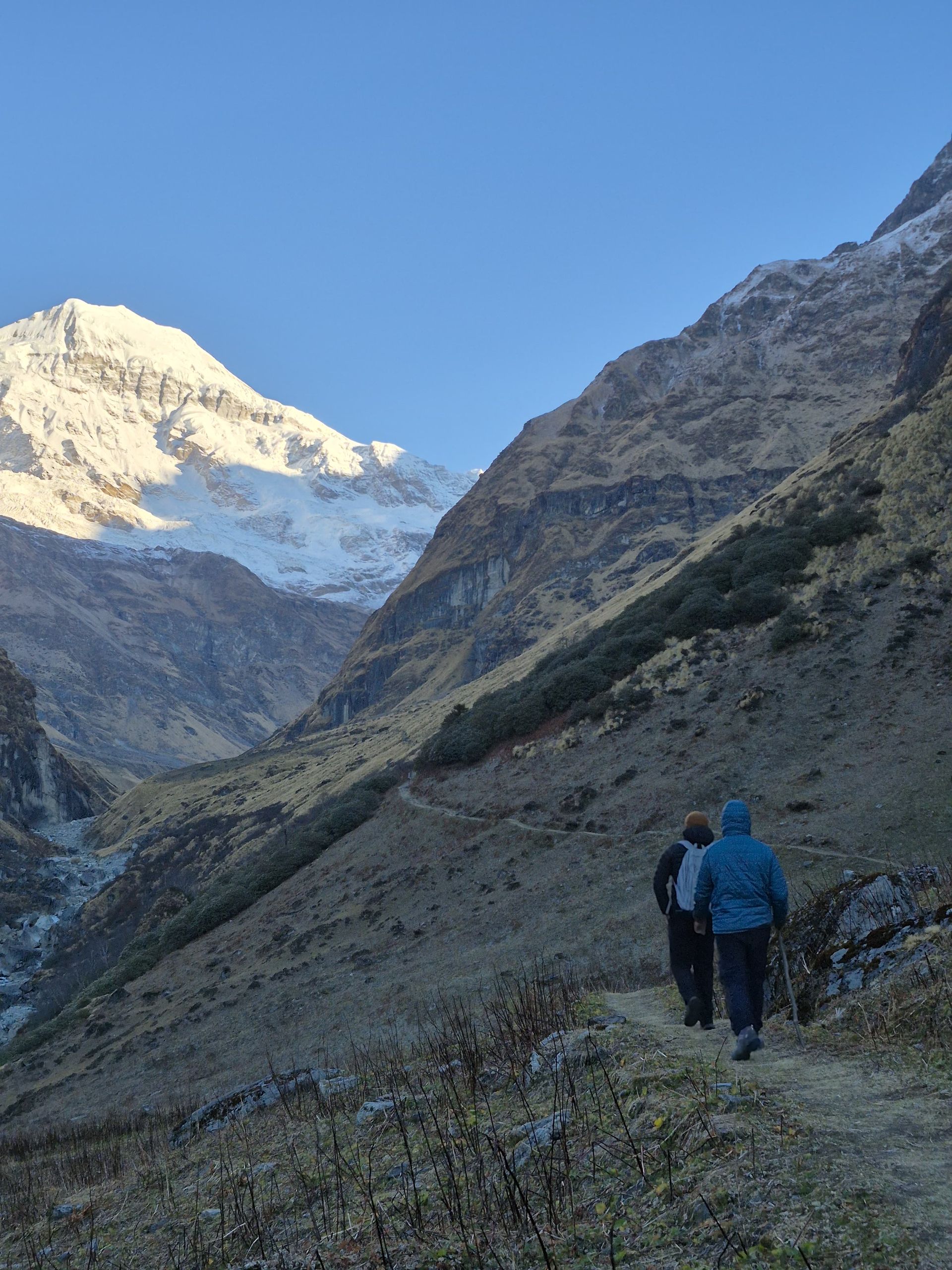
A trek at altitude
From a short two-day trek between Paro and Thimphu to a two-week trek towards Jomolhari, with mountain lakes and yaks as your only company.

Attending a tsechu
Masked monks dance for days on end in the square of a dzong, surrounded by countless families from the area in their finest kira and gho. Tourists watch from the edges.

An archery match
Archery is the national sport and often turns up unannounced at the edge of a village, complete with singing and teasing between the two teams.

A night with a farming family
A wooden bathtub heated with glowing stones (dotsho), a meal of ema datshi around the fireplace, a conversation the guide translates and sometimes carries on himself.
What you actually do, we decide together, with your dedicated guide as the link, not the obstacle.
Looking past the highlights
Why QualiMundi looks at Bhutan differently
Limited access is policy, not marketing The daily fee every visitor pays is not artificial scarcity but a deliberate choice by the Bhutanese government: lower numbers, higher impact, and part of the proceeds going directly towards free education and healthcare for its own population.
A guide is the journey, not an add-on Because a local guide and driver are a legal requirement, the nature of a trip through Bhutan changes fundamentally: you meet the country through someone who knows it, not through a guidebook.
Pace is a given, not a setback Mountain roads turn short distances on the map into long drives in practice. Understanding that in advance means planning at a calmer pace, and seeing more along the way than someone racing to make up time.
More than the happiness cliche Bhutan is rarely mentioned without the term 'happiest country', as if that told the whole story. The reality is more complex: a young generation living between smartphone and monastery, an economy searching for balance, a country in transition, not a time capsule.

Taktsang, the Tiger's Nest monastery, after a climb of more than two hours along the cliff face above Paro.
When would you travel?
When to go to Bhutan
Bhutan has no season entirely free of rain, but it does have clear peaks. From March to May, the rhododendrons bloom on the passes and the air turns clear again after winter; from September to November, the monsoon retreats and the mountains stand at their sharpest against a deep blue sky.
Summer brings monsoon clouds that hide the high peaks from view, while winter brings cold, clear days, lovely for the dzongs in the lower valleys, but with snow-covered passes towards the east and at altitude.
Jan
Feb
Mar
Apr
May
Jun
Jul
Aug
Sep
Oct
Nov
Dec
Top: clear skies, blooming passes or the monsoon-free autumn light, the best visibility on the mountains.
Good: quieter in terms of crowds, with a chance of cold at altitude or changeable weather in the lower valleys.
Fair: monsoon rain in summer or severe cold on the high passes towards the east.
Worth knowing
Practical, without the noise.
Practical matters, without losing the romantic picture:
- Access
- A visa is applied for through a licensed local operator, together with the daily fee. QualiMundi helps arrange this.
- Arrival
- Only via Paro International Airport, with a landing between the mountainsides that few pilots worldwide are certified to fly.
- Health
- Most valleys lie between 1,200 and 2,700 metres. Manageable for most travellers, but treks above 3,500 metres need time to acclimatise.
- Pace
- Expect long drive times for relatively short distances: mountain roads wind, and that is part of the country's rhythm.
- Paying
- Cash remains important outside the towns; card payment is not a given everywhere.
Bhutan counts its visitors,
not its sights.
Frequently asked questions about Bhutan
What travellers ask us most often beforehand.
Do you really need a guide for the whole trip?
Yes, that is a legal requirement. A dedicated local guide and driver accompany you everywhere. In practice, this quickly becomes the heart of the trip, not a limitation.
Is Bhutan physically demanding because of the altitude?
The main valleys lie between 1,200 and 2,700 metres and are manageable for most travellers. Anyone considering a trek above 3,500 metres should build in some extra time to acclimatise.
Can you still change your route along the way?
Within the limits of the permit system, yes. Your route is agreed in advance, but your guide adjusts the pace and content along the way to what interests you.
How much time do you need for Bhutan?
Because of the long drive times on mountain roads, a week is often the minimum to see more than one valley at a relaxed pace, without rushing from dzong to dzong.
Or perhaps this
Other destinations
Still weighing it up? That is no problem at all. The right country often only becomes clear once the conversation starts.
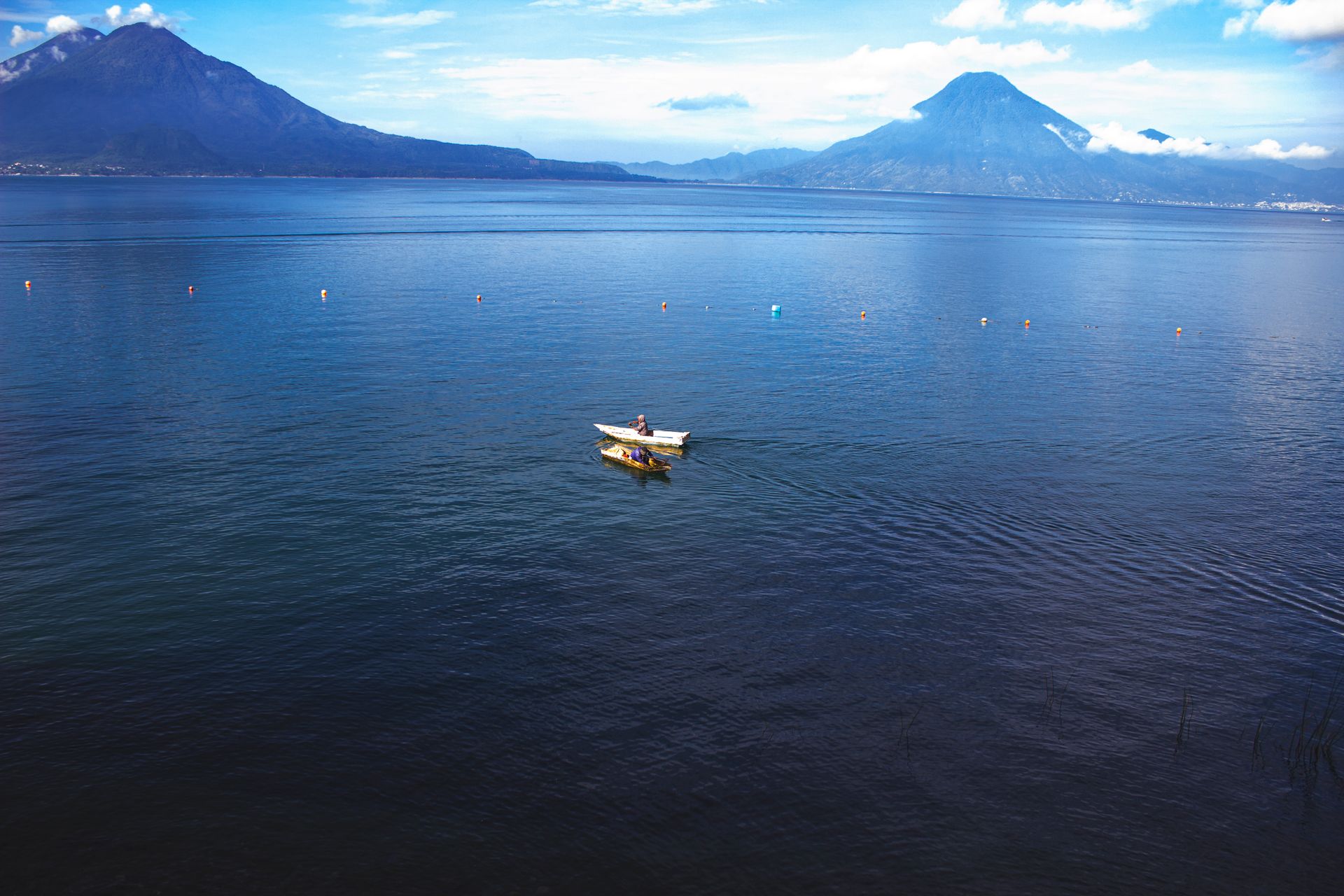
Central American highlands
Guatemala
A highland where Maya culture isn't a backdrop but sets the rhythm of everyday life.
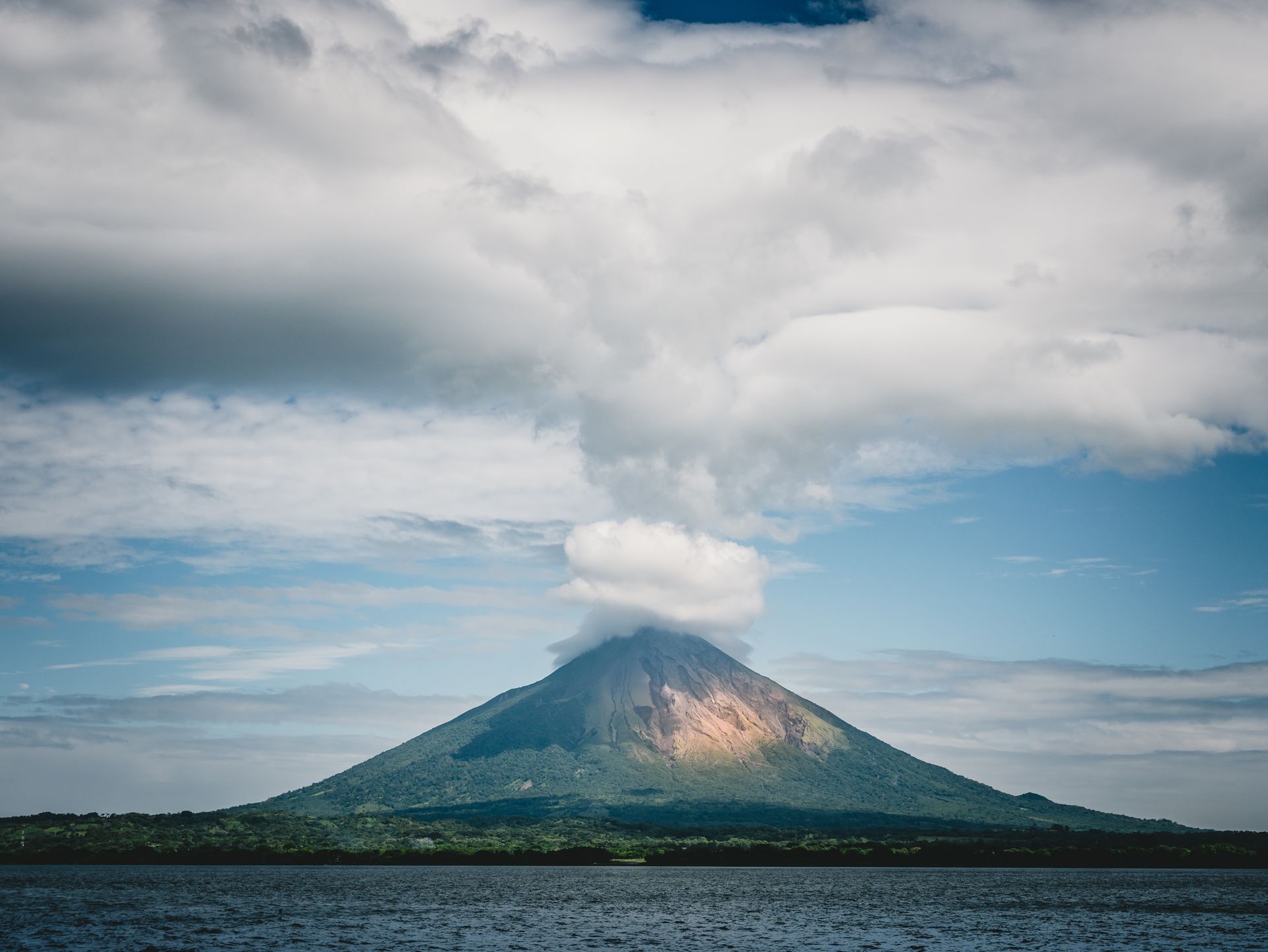
Central American lake district
Nicaragua
Two colonial cities, centuries-old rivals, separated by a lake dotted with volcanic islands, rougher around the edges than its neighbours.
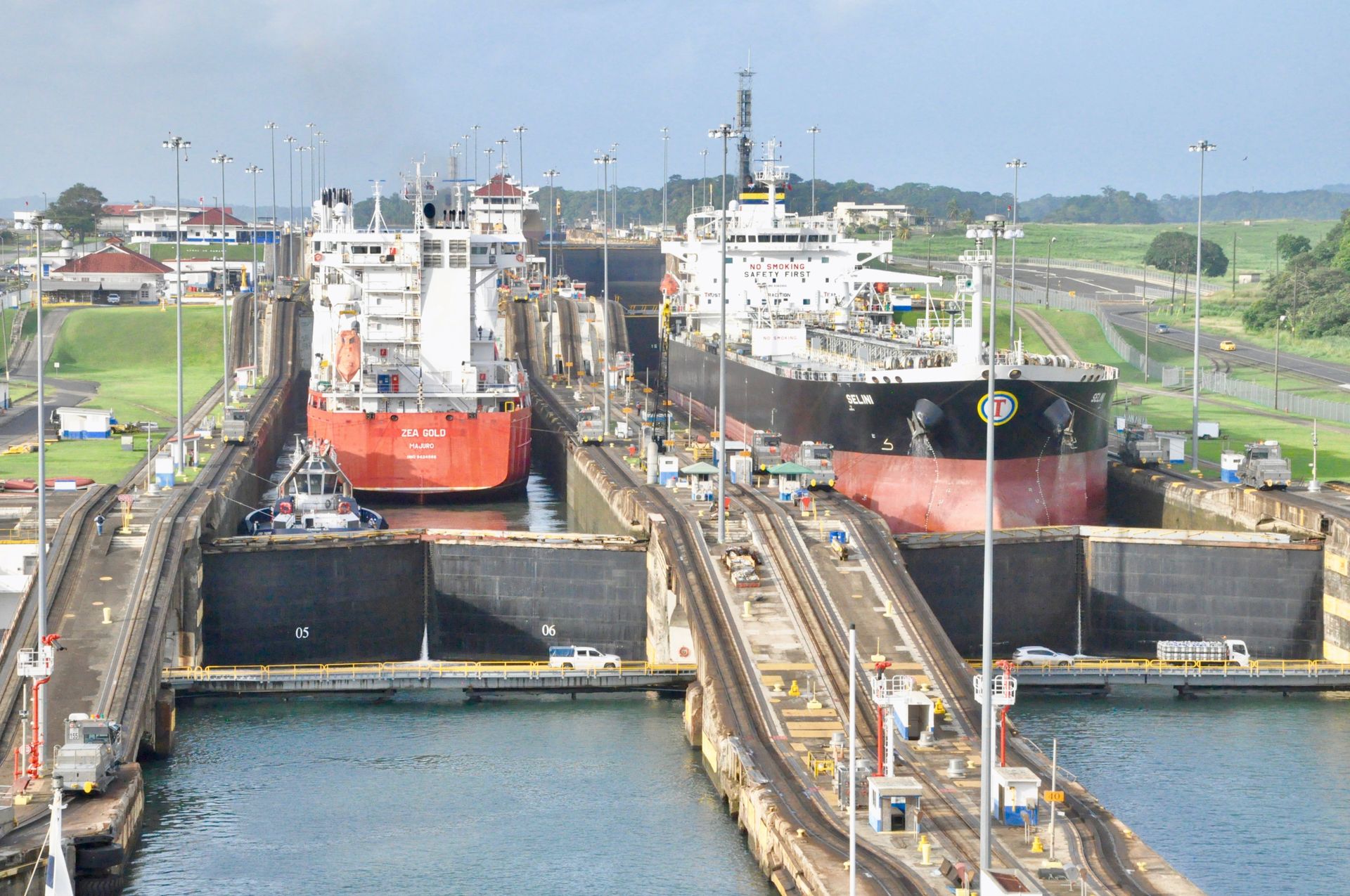
Central American isthmus
Panama
An isthmus where two oceans almost touch and the rainforest reaches right up to the edge of the city.
How it works
This is how your journey to Bhutan takes shape.
Six steps, from your first story to your homecoming. The conversation and the feasibility check cost you nothing.
-
01
Tell us your story
Fill in the form or give us a call. You do not need a route yet: a country, a period or just an idea is enough.
-
02
The conversation and the check
We talk through what you are looking for, by phone or by video, and check whether it can be done. If it can, we set down together what we will make for you.
-
03
We design your journey
We build your programme up, day by day, together with our own people in the country itself.
-
04
Your proposal
You read your journey day by day, with everything that is included. You say what you would like differently, until it is right.
-
05
Ready to depart
You send us your details, we send you your travel documents. You have one fixed contact who knows your journey.
-
06
Travelling, and after
Your contact stays reachable while you are away. Once you are home, we call one more time.
The next step
How would you like to experience Bhutan?
A trek over a high pass, a tsechu that happens to coincide with your trip, a night with a farming family in Bumthang: tell us what appeals to you, and we will build the route around it.