South America
Brazil
Rainforest, coast and metropolis: each in a different rhythm.
This is Brazil
A country so vast it constantly contradicts itself.
Brazil is not a country, it is a continent that happens to share one flag. In the north, the Amazon breathes at a pace that has held for thousands of years; in the southeast, São Paulo pushes forward as if night were an obstacle to overcome. Between them lie colonial mountain towns that have looked the same for three centuries, a coastline thousands of kilometres long, and a wetland so full of life it outdoes the Amazon in visible wildlife.
Anyone wanting to turn this into a single trip inevitably has to choose. We prefer to think in fragments: one region in depth rather than a whole country at a glance. Which fragment that becomes depends on what you're after: stillness, rhythm, nature, or a city that never quite finishes speaking.
The regions
Six faces of one country
Brazil cannot be captured in a single trip. These are the regions where we see a story worth telling.

rainforest
The Amazon around Manaus
From Manaus you sail up the Rio Negro, past floating villages and rainforest that stretches right to the waterline. Spend a few nights in a lodge deep in the forest, and you'll hear it grow louder at night than during the day.

colonial interior
Ouro Preto and the mountain towns of Minas Gerais
Once the heart of Brazil's gold and diamond mining, now a string of mountain towns with baroque churches and cobbled streets that have barely changed. Tiradentes and Ouro Preto lie within walking distance of each other, amid red earth and green hills.

Afro-Brazilian coast
Salvador da Bahia and the Nordeste coast
In Pelourinho, Salvador's historic quarter, the country's Afro-Brazilian heritage is at its most tangible: in the food, the music and the churches. Further north the coast stretches along endless beaches and fishing villages that barely make it onto a map.

wetland
The Pantanal
This is the largest wetland on Earth, and the most reliable stretch of South America for spotting a jaguar in the wild. Outside the dry season the landscape transforms completely, with most of it under water.

city between mountains and sea
Rio de Janeiro and the Mata Atl\u{00e2}ntica
Rio is the city where rainforest, granite and ocean meet within a square kilometre. Behind the well-known beaches lies the Tijuca forest, one of the largest urban rainforests in the world, with views few cities can match.

metropolis
S\u{00e3}o Paulo
No beach, no skyline postcard, but the city where Brazil's food, art and immigration history come together most closely. Spend a few days across the neighbourhoods of Vila Madalena and Liberdade, and you'll taste a different Brazil than the coast reveals.

At the table
A cuisine that changes with every state
Brazilian cuisine is not one thing. In Bahia it revolves around moqueca, a fish or prawn stew with coconut milk and dend\u{00ea} oil; in the south the ga\u{00fa}chos\u2019 churrasco reigns, with meat turning for hours over charcoal. In the Amazon you eat tacac\u{00e1} with jambu, a leaf that makes your tongue tingle, and fish that was still swimming in the river that morning.
What returns everywhere is the influence of three continents: indigenous, African and Portuguese, blended without ever fully merging. A market in Bel\u{00e9}m differs from a market in Ouro Preto as much as Antwerp differs from Athens.
Nature and wildlife
Three ecosystems, three rhythms
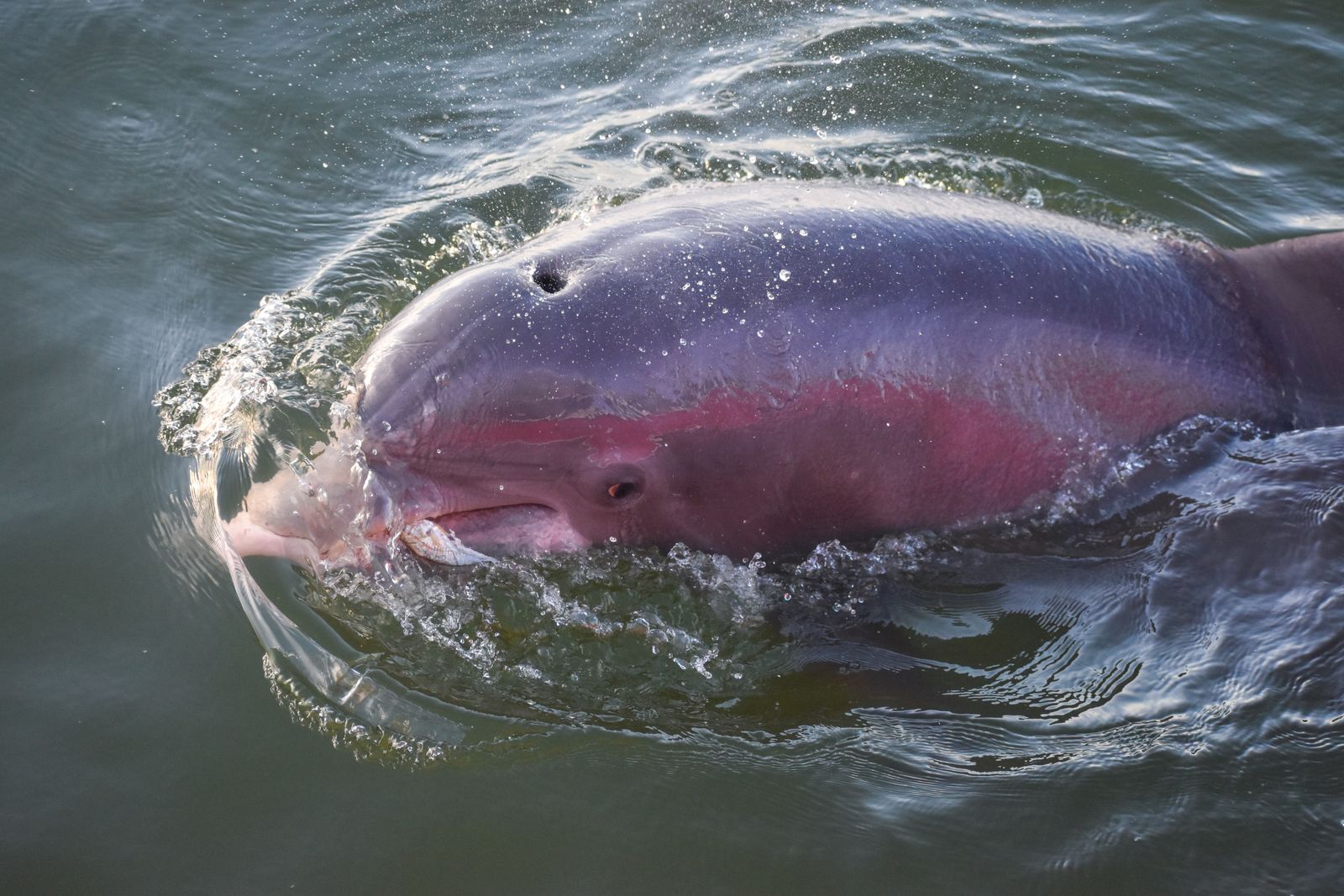
The Amazon
More species live here than anywhere else on Earth, but most of them don't show themselves easily. Patience and a good guide make the difference between a walk through the forest and an actual encounter.

The Pantanal
Where the Amazon conceals, the Pantanal reveals. Open plains and waterways make this the best place in the world to spot jaguars, capybaras and macaws in the wild.

Fernando de Noronha
An archipelago two hours' flight from the coast, where sea turtles and dolphins come closer to shore than anywhere else in Brazil. Access is limited, which keeps the island unusually quiet.
Brazil is not a destination.
It is a choice of which Brazil you want to see.
Looking past the highlights
Why we look at Brazil differently
No round-trip cliché Cramming Rio, the Amazon, the Iguaçu Falls and Salvador into two weeks mainly earns you flight tickets. We would rather visit two or three regions properly than six regions in passing.
Local knowledge per region A guide in Manaus knows the river, not necessarily Minas Gerais. Because Brazil's regions differ so sharply in culture and landscape, we work with people who live there, region by region.
Pace as a choice Domestic flights can break a trip into fragments. We deliberately plan fewer transfers, so that a region gets the time to reveal itself.
More than the coast The Brazilian coast gets most of the attention, but the interior, the Cerrado, the mountain towns, the wetland, tells a different story about the country.
Possibilities
What's possible here, not what's compulsory
No fixed itinerary, but directions worth thinking about.
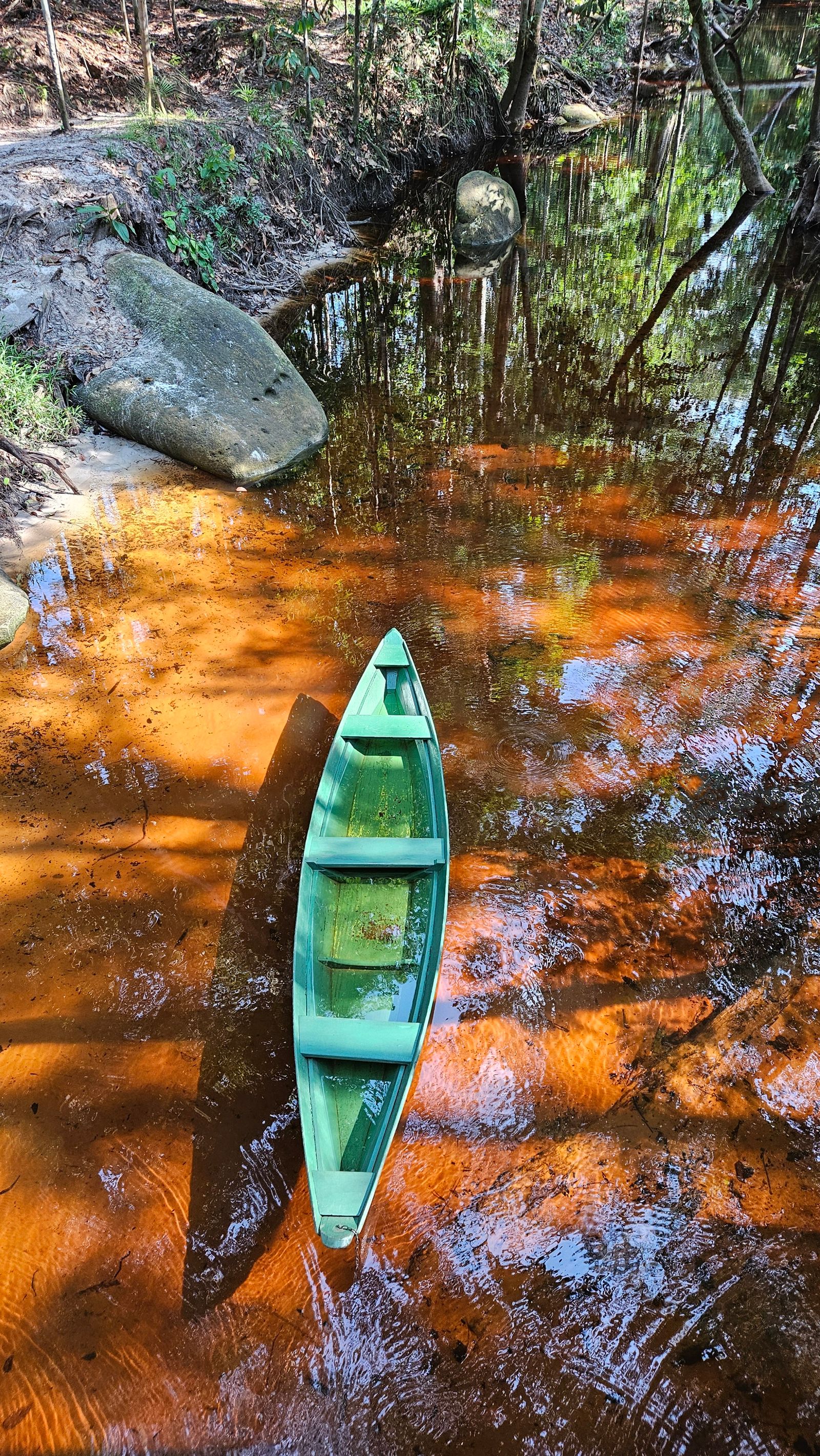
Days on the water in the Amazon
By canoe or river boat, staying overnight in a lodge or with a local family. Here, the river's rhythm sets the pace of the day.

Spotting jaguars in the Pantanal
Boat trips in the early morning and late afternoon, when the chance of catching a glimpse of the animal is highest.

Baroque stillness in Minas Gerais
Walking cobbled streets and churches lined with gold leaf, in mountain towns where time has visibly stood still.

Capoeira and cuisine in Salvador
Tasting, hearing and seeing the country's Afro-Brazilian history in the streets of Pelourinho.

Diving at Fernando de Noronha
A protected marine reserve with underwater visibility unmatched anywhere along the Brazilian coast.
These are directions, not a route. What you end up doing, we build around what drives you.

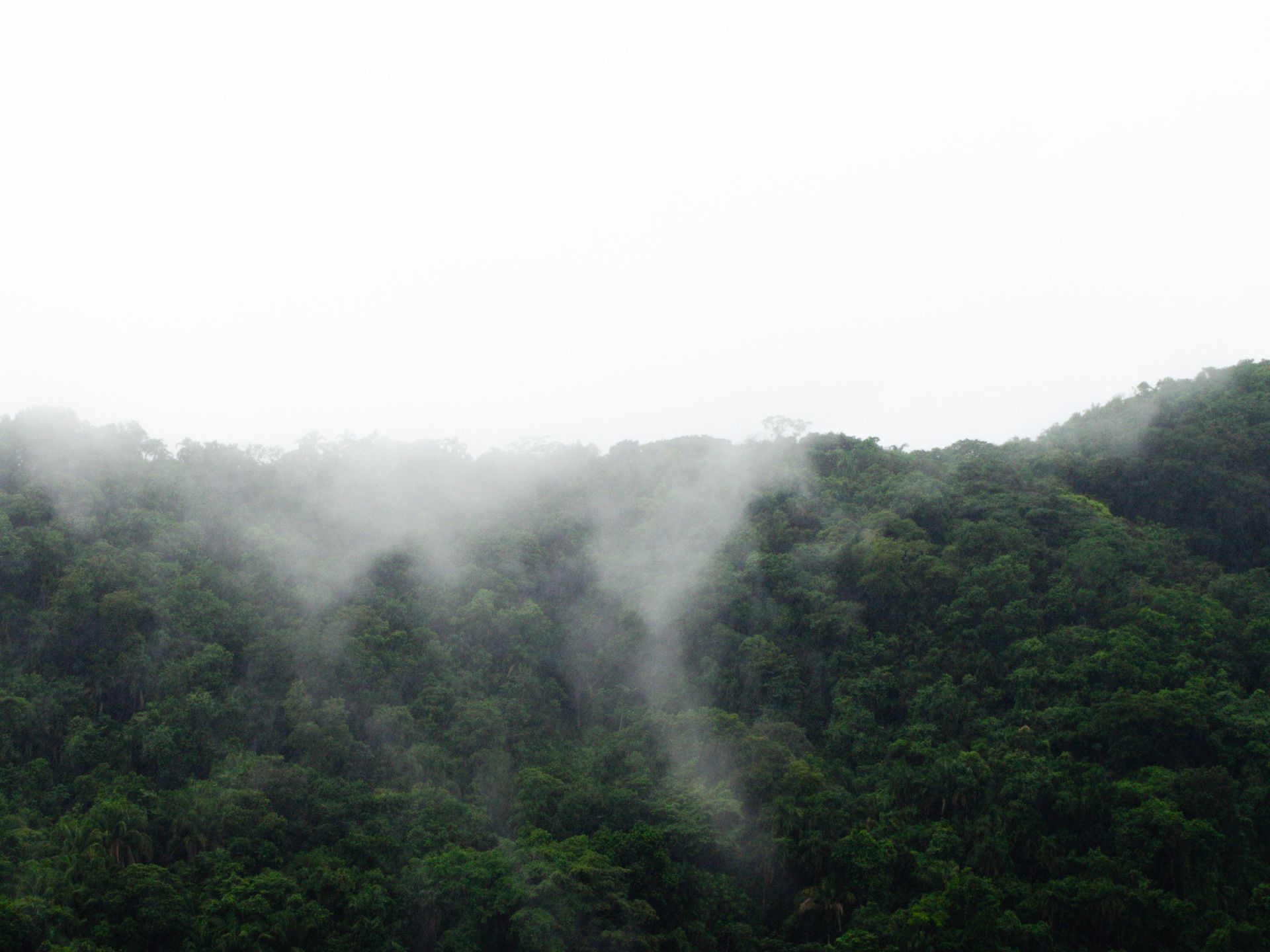
Morning mist over the rainforest near Manaus, before the river wakes.
When would you travel?
When to travel
There is no single right time for the whole of Brazil. The country is too vast and too spread across climate zones for that. For the Amazon and the Pantanal, the dry season, from May to September, is when wildlife is easiest to see.
The Nordeste coast around Salvador is pleasant almost year-round, with the wettest months between April and July. Rio and Minas Gerais are at their best in the cooler, drier months, from April to October.
Jan
Feb
Mar
Apr
May
Jun
Jul
Aug
Sep
Oct
Nov
Dec
Top: dry season in the Amazon and the Pantanal, with the best chance of wildlife.
Good: pleasant in most regions, with a chance of rain on the coast.
Fair: rainy season inland, still possible to visit, but with different expectations.
Worth knowing
Practical, without the noise.
A few things that make planning easier.
- Arrival
- Direct flights land in S\u{00e3}o Paulo or Rio de Janeiro; domestic flights bridge the long distances from there.
- Documents
- A passport valid well beyond the return date is sufficient for most nationalities; check visa requirements before departure.
- Health
- A yellow fever vaccination is recommended for anyone visiting the Amazon or the Pantanal.
- Distances
- Brazil is larger than Western Europe. Expect domestic flights or long bus journeys between regions.
- Language
- Portuguese is the working language; English is not a given outside the big cities and tourist centres.


Between rainforest and ocean lies an entire continent of transitions.
Frequently asked questions
Can Brazil be combined with other countries in the region?
Certainly. The Igua\u{00e7}u Falls sit on the border with Argentina, and the Pantanal borders Bolivia. For some regions, a combined trip is a logical step.
What about safety in the big cities?
As in any major city worldwide, Rio or São Paulo call for an ordinary level of alertness. With the right local guidance and knowledge of which neighbourhoods to visit when, that's easy to manage.
Is the Amazon accessible year-round?
Yes, but the experience changes considerably with the water level. In the wet season you paddle among the treetops; in the dry season you walk paths that are otherwise underwater.
How much time do you need to see Brazil properly?
Given the distances, less is often more: visiting two or three regions in depth works better than a country full of flight tickets.
Or perhaps this
Other destinations
Still weighing it up? That is no problem at all. The right country often only becomes clear once the conversation starts.
South America
Argentina
From city rhythm to Patagonian wind, a country whose vast distances are part of the appeal.
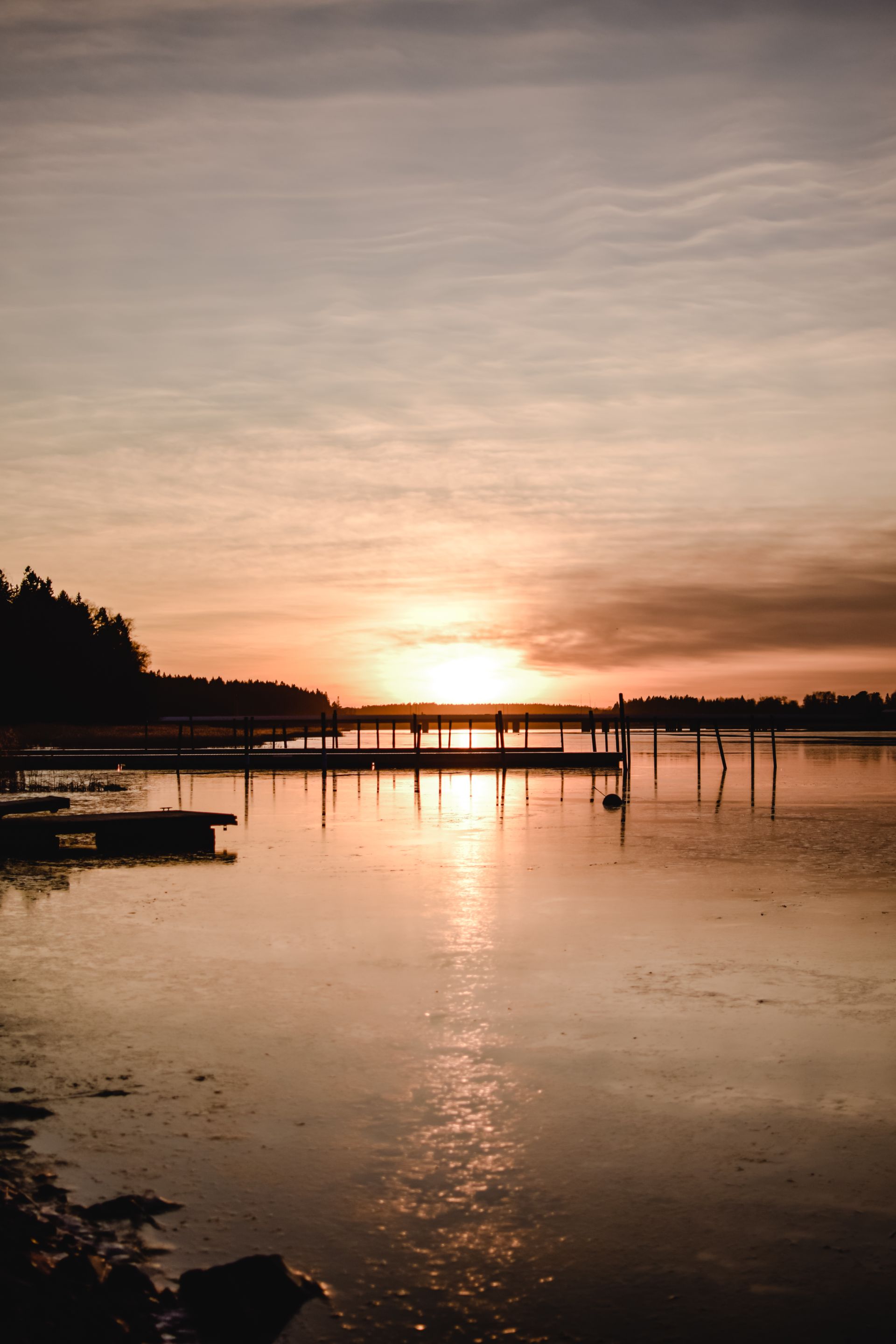
Nordic countries
Finland
Forest and water alternate so often that the boundary blurs, a country that never needs to sell its silence because it already has plenty.
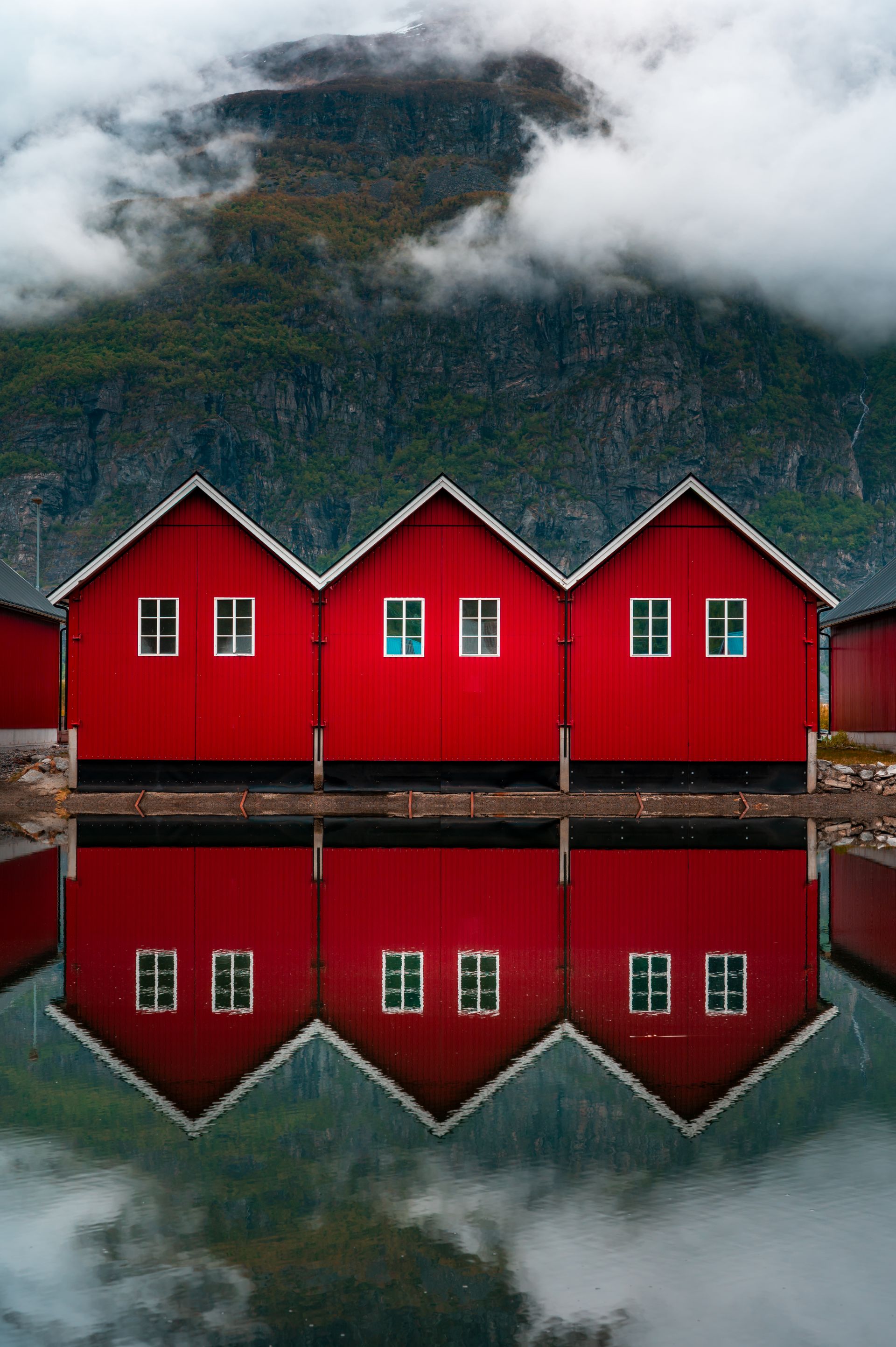
Scandinavia
Norway
Vertical and unyielding: rock faces plunging straight into the fjords, with villages clinging to the edge between mountain and water.
How it works
This is how your journey to Brazil takes shape.
Six steps, from your first story to your homecoming. The conversation and the feasibility check cost you nothing.
-
01
Tell us your story
Fill in the form or give us a call. You do not need a route yet: a country, a period or just an idea is enough.
-
02
The conversation and the check
We talk through what you are looking for, by phone or by video, and check whether it can be done. If it can, we set down together what we will make for you.
-
03
We design your journey
We build your programme up, day by day, together with our own people in the country itself.
-
04
Your proposal
You read your journey day by day, with everything that is included. You say what you would like differently, until it is right.
-
05
Ready to depart
You send us your details, we send you your travel documents. You have one fixed contact who knows your journey.
-
06
Travelling, and after
Your contact stays reachable while you are away. Once you are home, we call one more time.
The next step
How would you like to experience Brazil?
On the river in the Amazon, among the baroque churches of Minas Gerais, or somewhere along a coast that hasn't made it onto your list yet. Tell us what you're looking for, and we'll think along about which fragment of this country suits you.