Scandinavia
Norway
Nothing here runs straight: the coast, the roads, the light.
This is Norway
Vertical and unyielding.
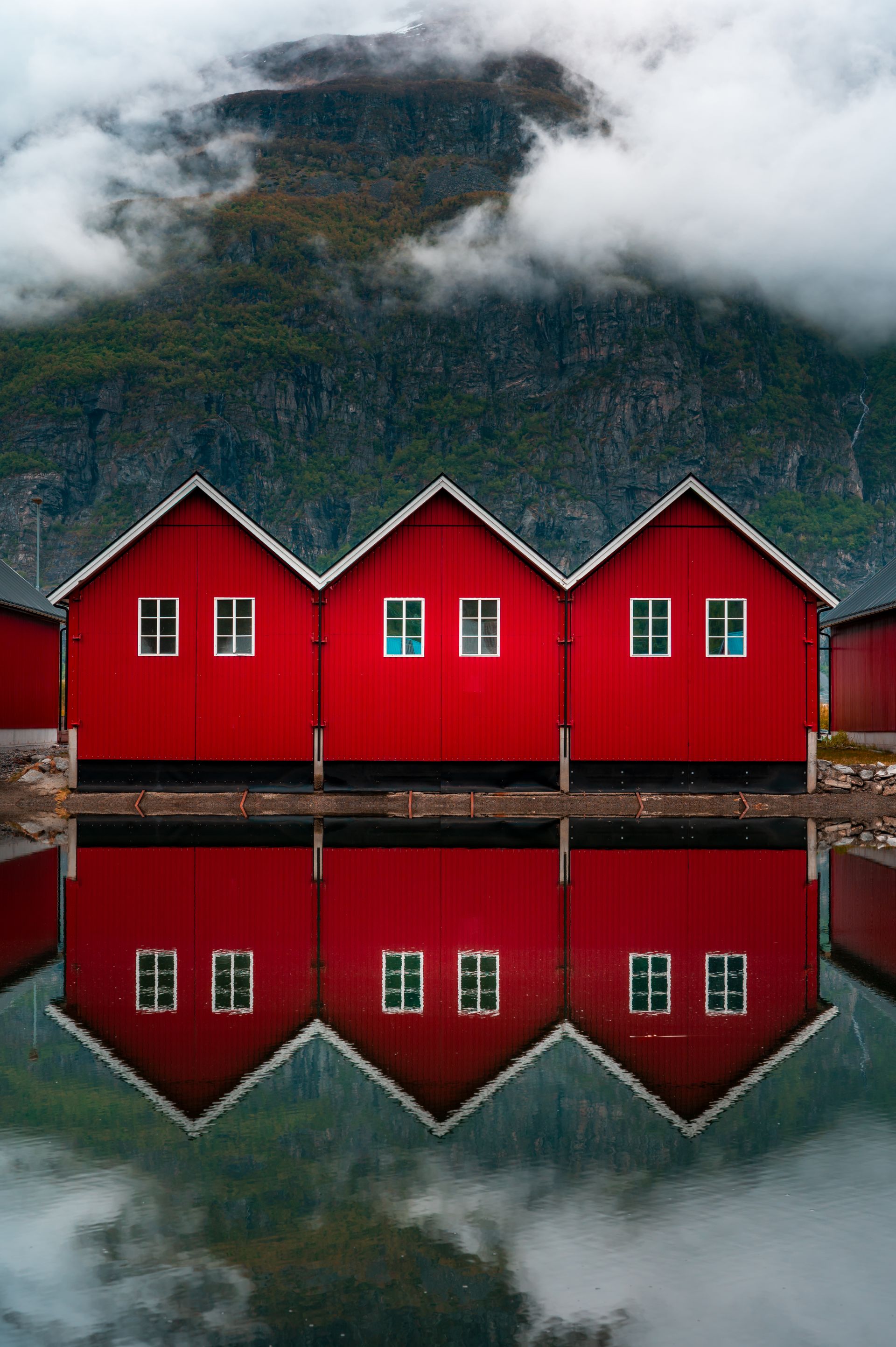
Rock walls that plunge straight into the fjord, villages clinging to the edge between mountain and water.
Norway allows no compromise between land and water. The fjords cut hundreds of kilometres into the interior, flanked by walls so steep that the sun barely clears them in winter. Villages like Undredal or Geiranger don't sit beside the landscape, they're pressed against it, a handful of houses on the only flat metre of ground available.
That verticality forces a different way of travelling. Roads make hour-long detours to skirt a fjord, ferries are not an attraction but infrastructure, and a village of three hundred people can be a world of its own, two mountain passes from the next. Anyone who comes here learns to slow down, because the landscape allows nothing else.
From the gentle hills around Oslo to the bare coastline of Finnmark, seventeen hundred kilometres further north, Norway is not one landscape but a stack of extremes, kept liveable at this latitude only by the Gulf Stream.
The regions
A country you don't see in one visit.
Norway stretches across a span of latitude that would reach from Copenhagen to Cape Town. Each region is a different country with a different light.

fjords
Vestlandet
The Sognefjord cuts two hundred kilometres into the land here, with side arms like the Nærøyfjord so narrow that both walls fall into shadow at once. Between the rocks lie orchards where the fjord's milder climate lets apples and cherries grow at a latitude where that shouldn't really be possible.

islands
Lofoten and Vesterålen
Granite peaks nearly a thousand metres high rise straight out of the sea, with white beaches and fishing villages like Reine and Å between them, where cod still hangs to dry on wooden racks. In winter this is one of the few places you can watch the northern lights over open water rather than over forest or ice.

far north
Nord-Norge and Finnmark
Beyond the Arctic Circle the landscape turns barer and the light more extreme: midnight sun in June, polar night in December. This is also Sápmi, home to the Sami people, where reindeer herders still move their herds hundreds of kilometres between summer and winter grounds.
inland
Trøndelag
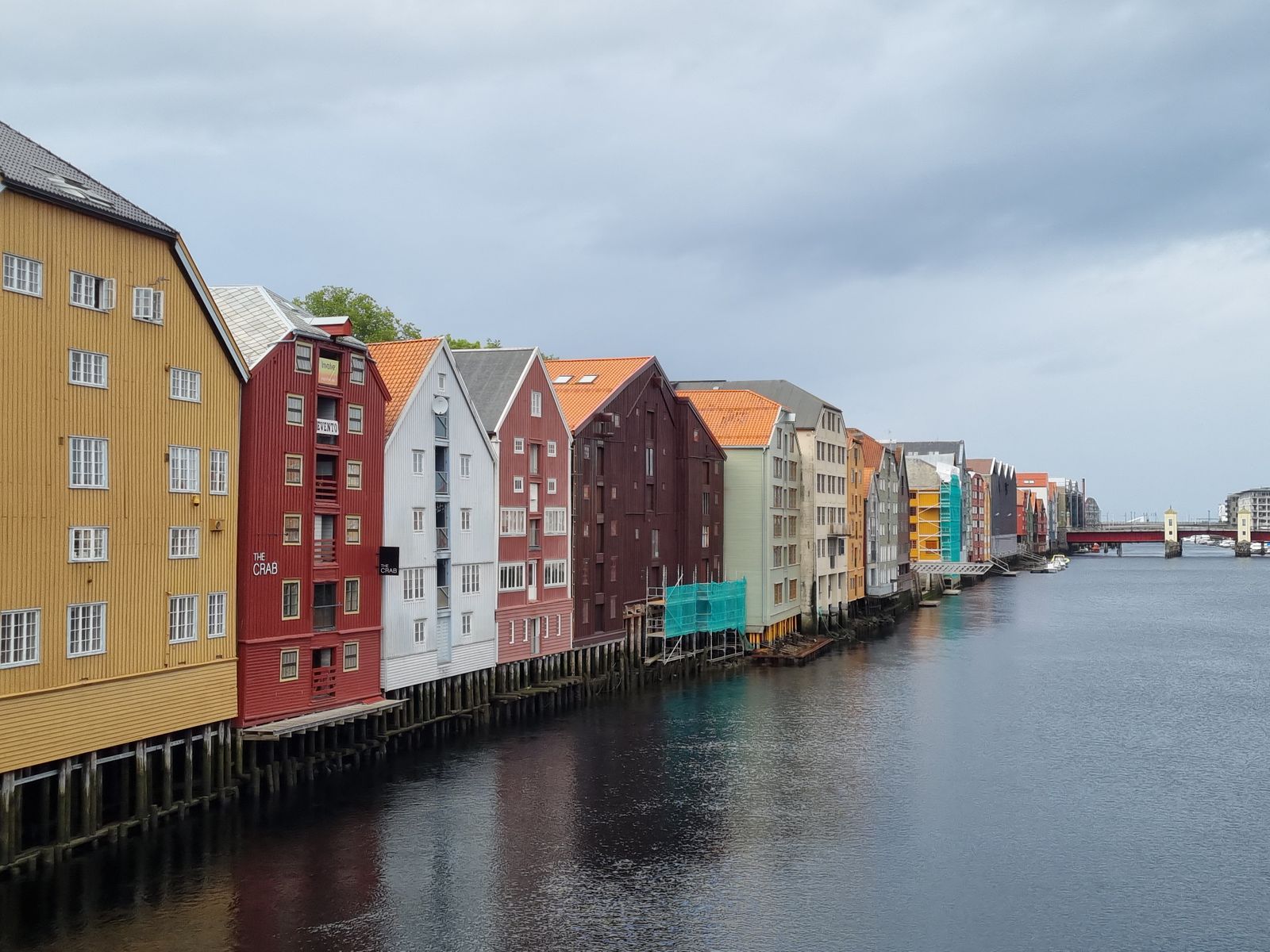
Around Trondheim, Norway softens a little: rolling farmland, wooden warehouses along the Nidelva, a medieval cathedral that was for centuries the goal of pilgrimages. This is the region where you get to know the country without constantly looking up at a mountain wall.

capital
Oslo and Østlandet
Oslo sits at the end of its own fjord, with forest on three sides of the city, close enough that residents go for a walk in it before breakfast. It's the most relaxed way into the country: compact, functional, without the distances that define the rest of Norway.

south coast
Sørlandet
The south coast is Norway at its softest: white-painted wooden towns like Risør and Lyngør, an archipelago coastline dotted with small islands, summers when the whole country seems to sail this way. The contrast with the fjords further north could hardly be greater.
Culture
A hut, a boat, and no one else.
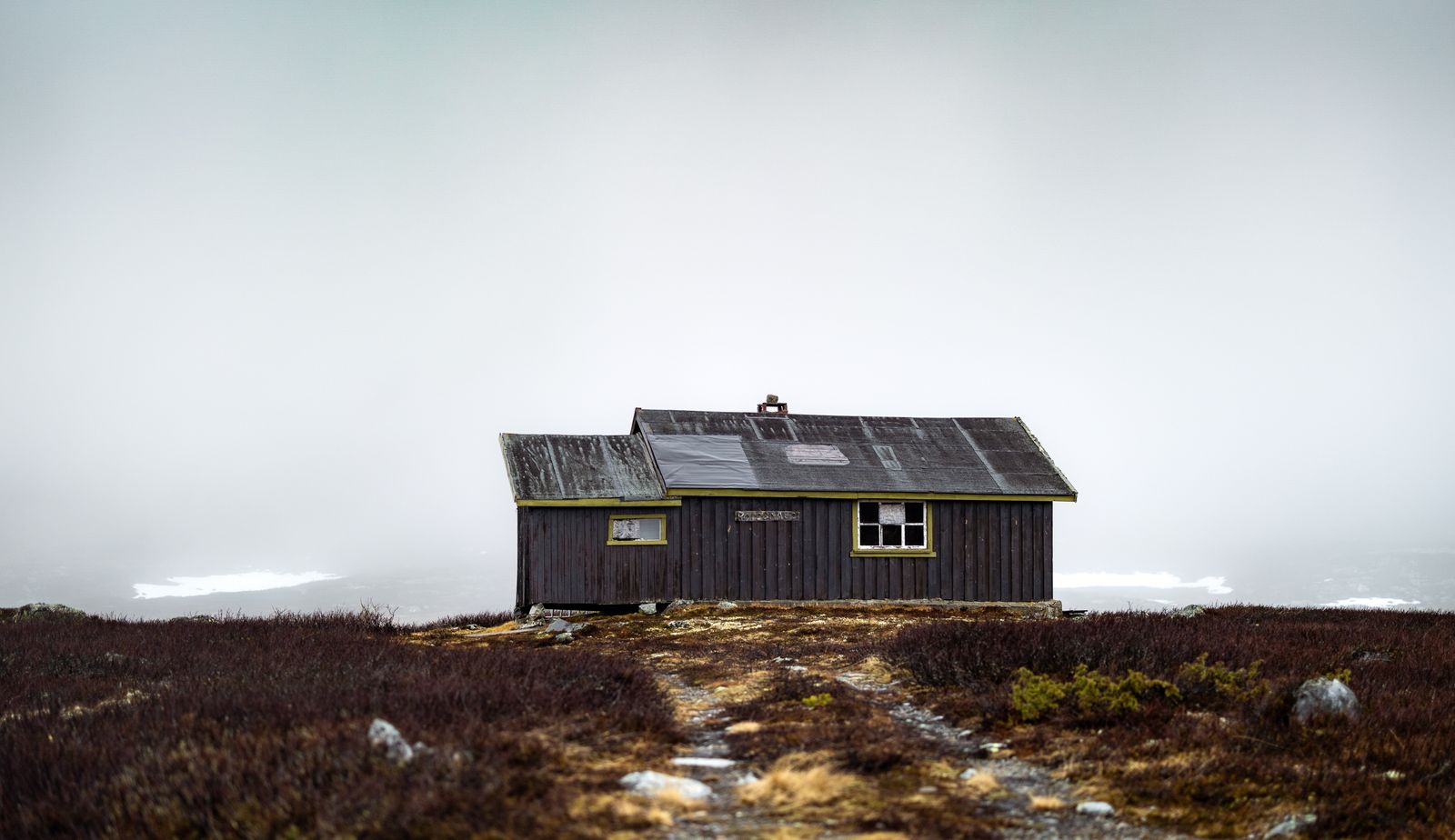
Friluftsliv, the free life outdoors, is not a marketing term in Norway but a habit passed down through generations. A large share of the population has access to a hytte, a cabin, often without power or running water, somewhere on a fjord, a lake or in the mountains, and heads there weekend after weekend, not to do anything in particular, but to have nothing to do for a while.
That same simplicity turns up on the plate: klippfisk and rakfisk, brunost on rye bread, a pan of fish that was swimming an hour earlier. It's a cuisine that shows off little and lets you taste a lot, built around whatever the coast and the seasons happen to provide.
Nature
Light that sets the clock, not the other way round.
Light without night
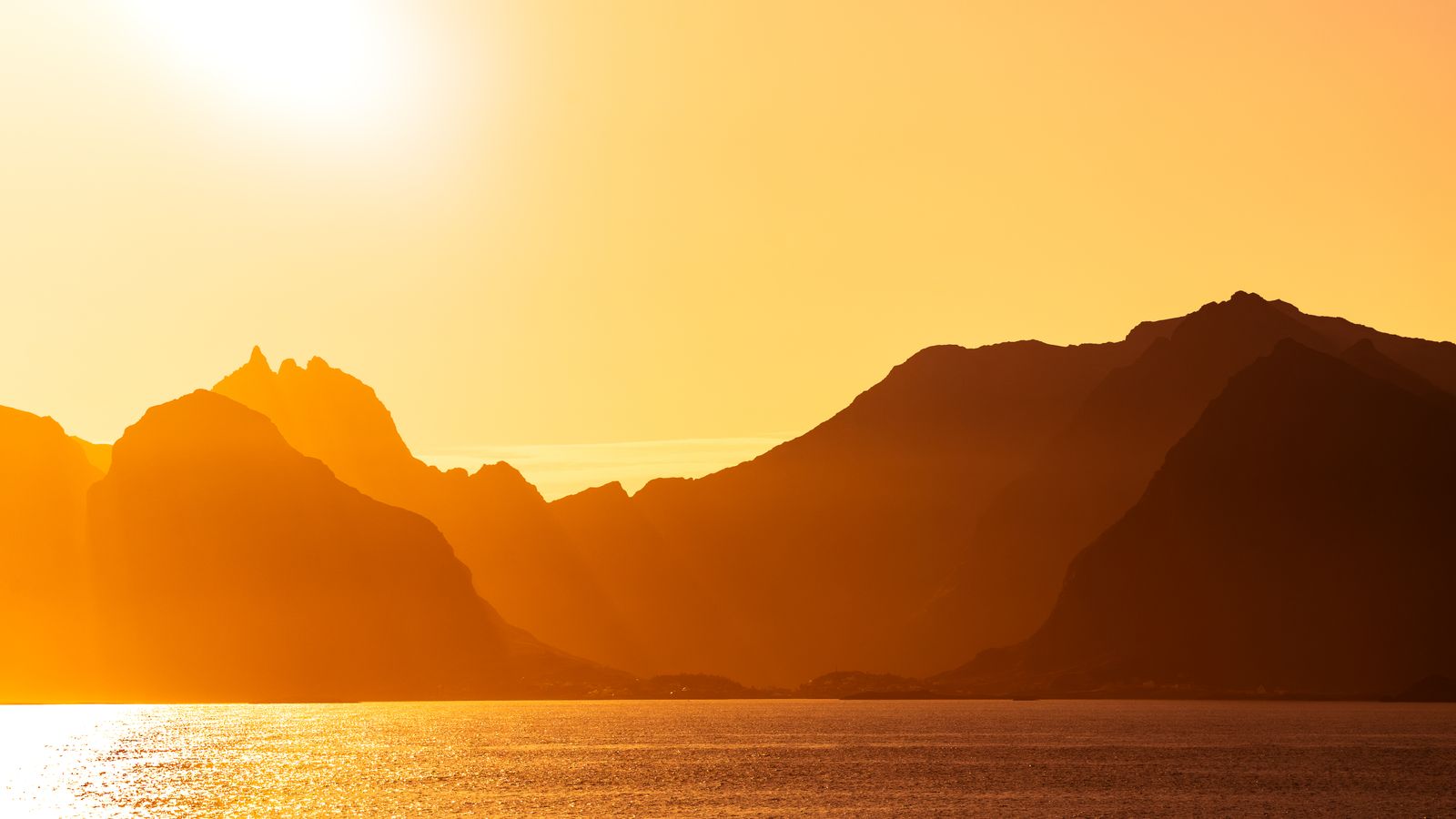
Above the Arctic Circle, the sun doesn't set from late May to mid-July. Villages live round the clock, fishing boats head out at midnight and children play outside at hours when it would long since be dark elsewhere.

Light as the only show
Winter is the opposite: long nights when the northern lights might appear over Tromsø, Alta or the Lofoten Islands, never guaranteed, which makes them worth more than any scheduled attraction.
Wildlife that shapes the coast
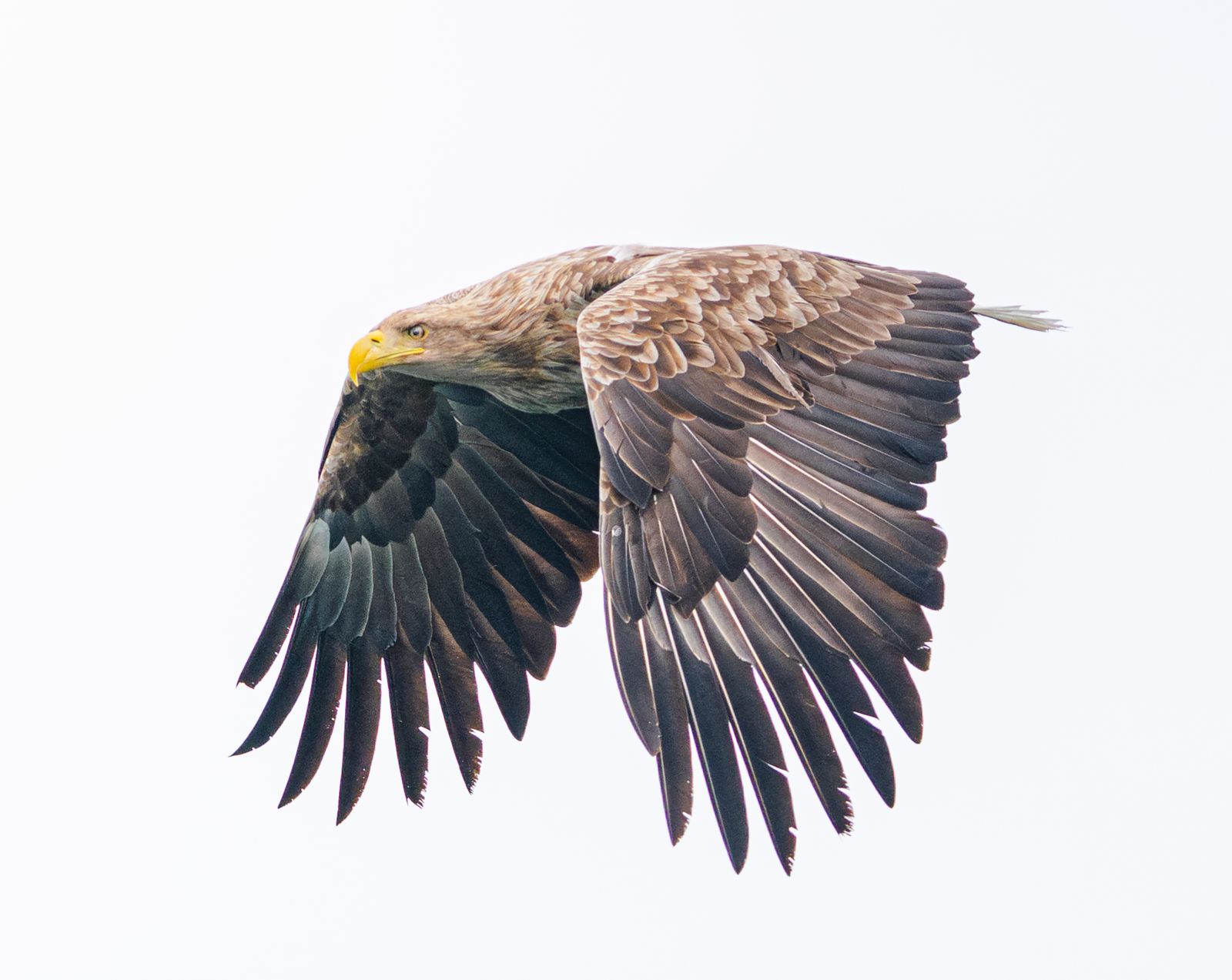
Sea eagles nest along the fjords, orcas and humpbacks hunt herring off the coast near Skjervøy and Tromsø in winter, and reindeer cross roads in Finnmark without any hurry. Here, the human is the guest, not the other way round.
Norway doesn't ask to be admired.
It asks you to adapt.
What you can do here
Moving at the landscape's own pace
Nothing in Norway is in a hurry. What's possible here depends on the season and the weather. And that's exactly the point.

Hiking beyond the well-known paths
Beyond Preikestolen and Trolltunga lie hundreds of lesser-known routes: across plateaus in the Jotunheimen, along fjord edges in Vestlandet, or over the bare mountains of Lofoten with sea in view on both sides.
Kayaking on still water
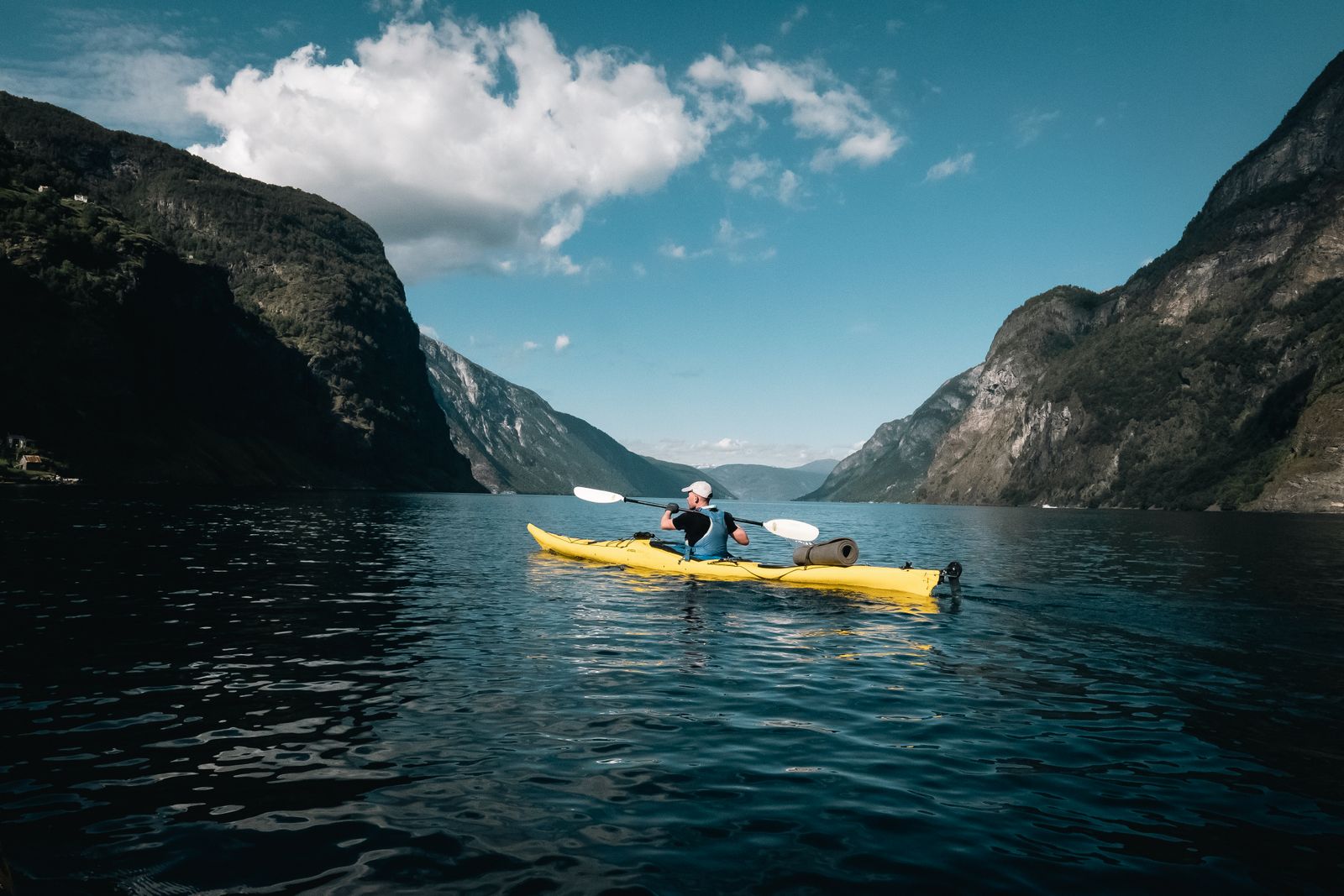
A fjord at sunrise, no engine noise, just the sound of the paddle. Kayaking here is less a sport than a way to really feel the scale of the landscape.
Staying in a rorbu
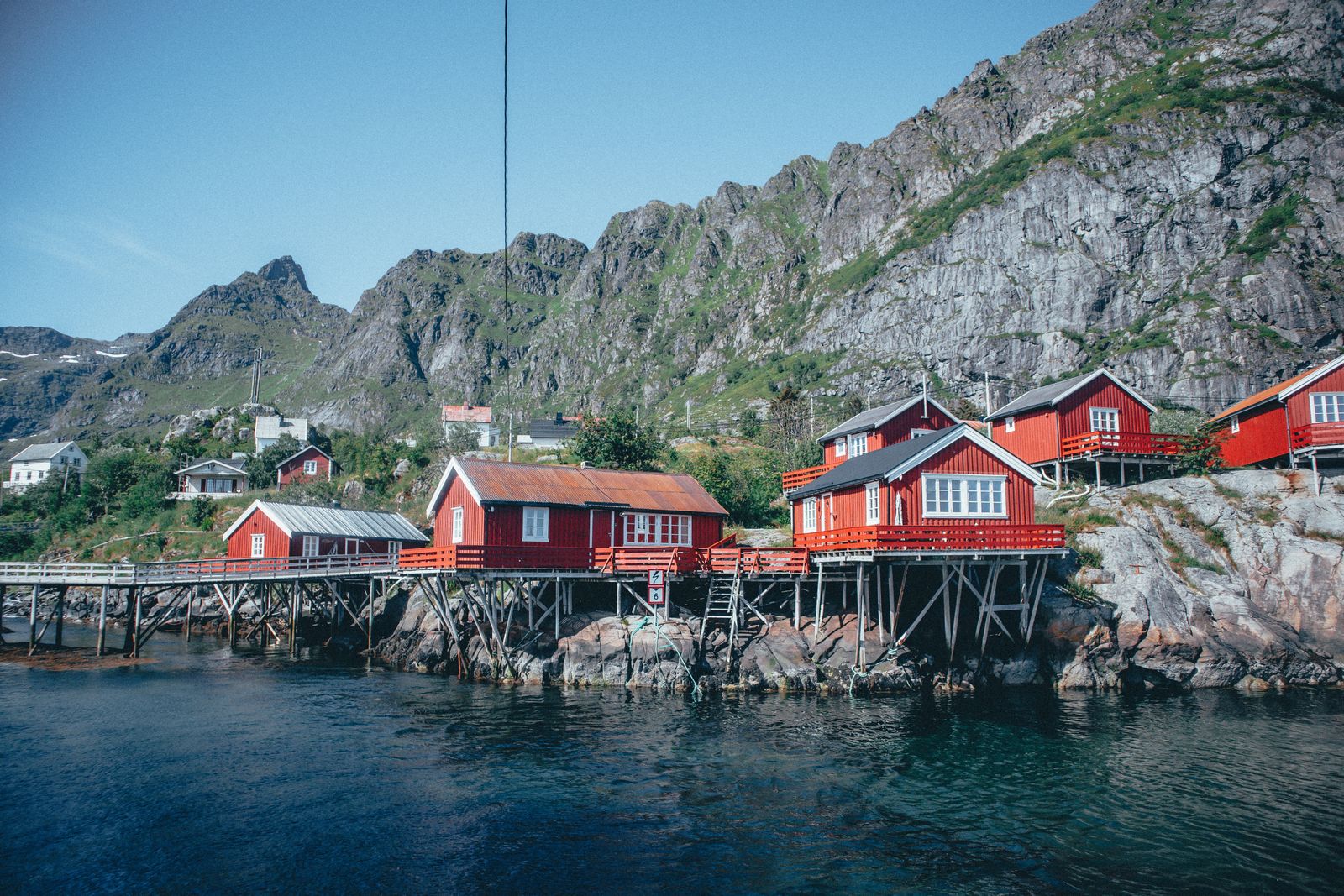
The fishermen's cabins on stilts in Lofoten are still in use, partly as homes for fishermen, partly for guests who want to sleep on the water for a night rather than beside it.
Into the polar night, by sled or ski
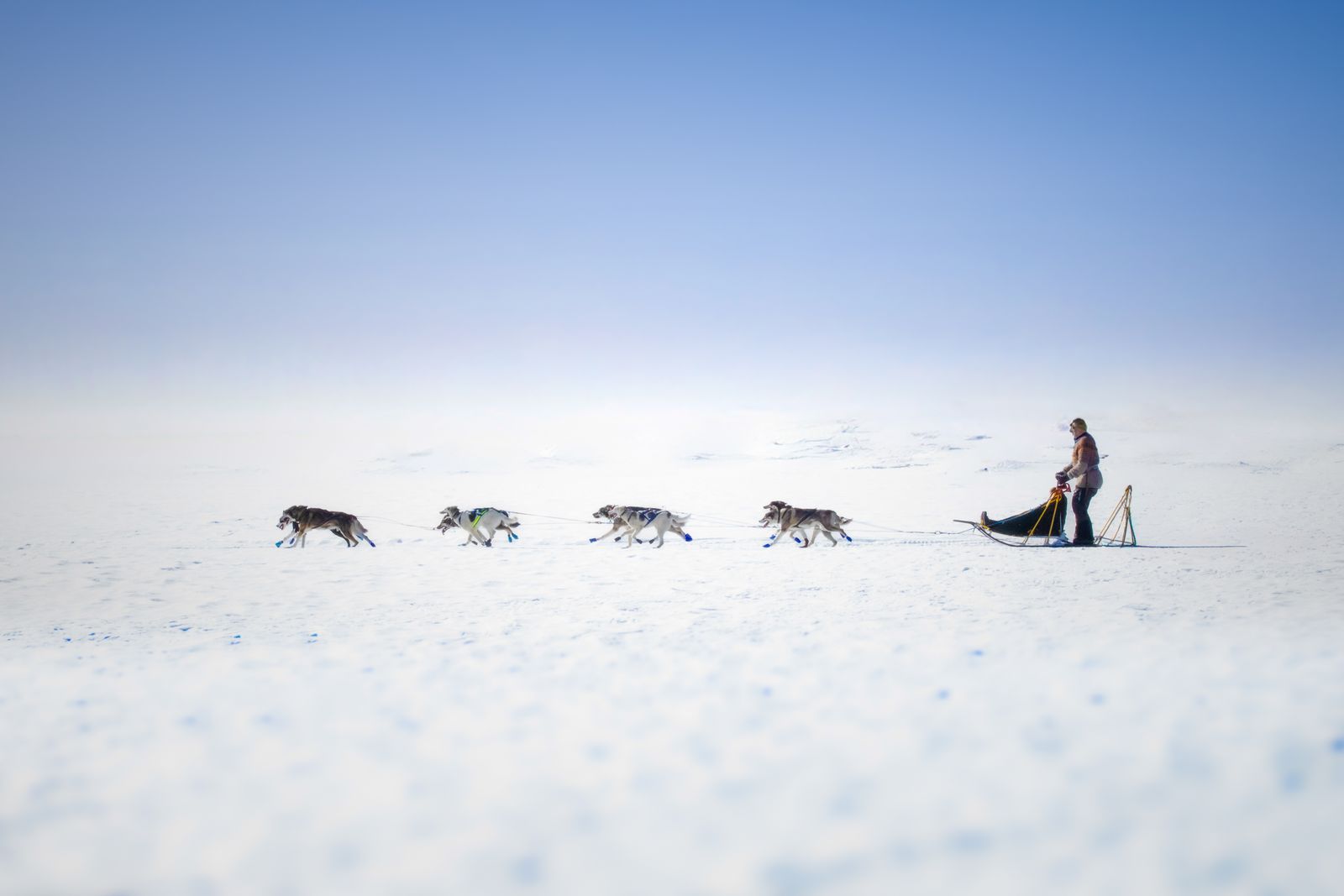
In the north, winter doesn't mean standing still: dog sledding trips, cross-country skiing through pine forest, or simply standing outside waiting for the sky to move.
Following the coast by boat
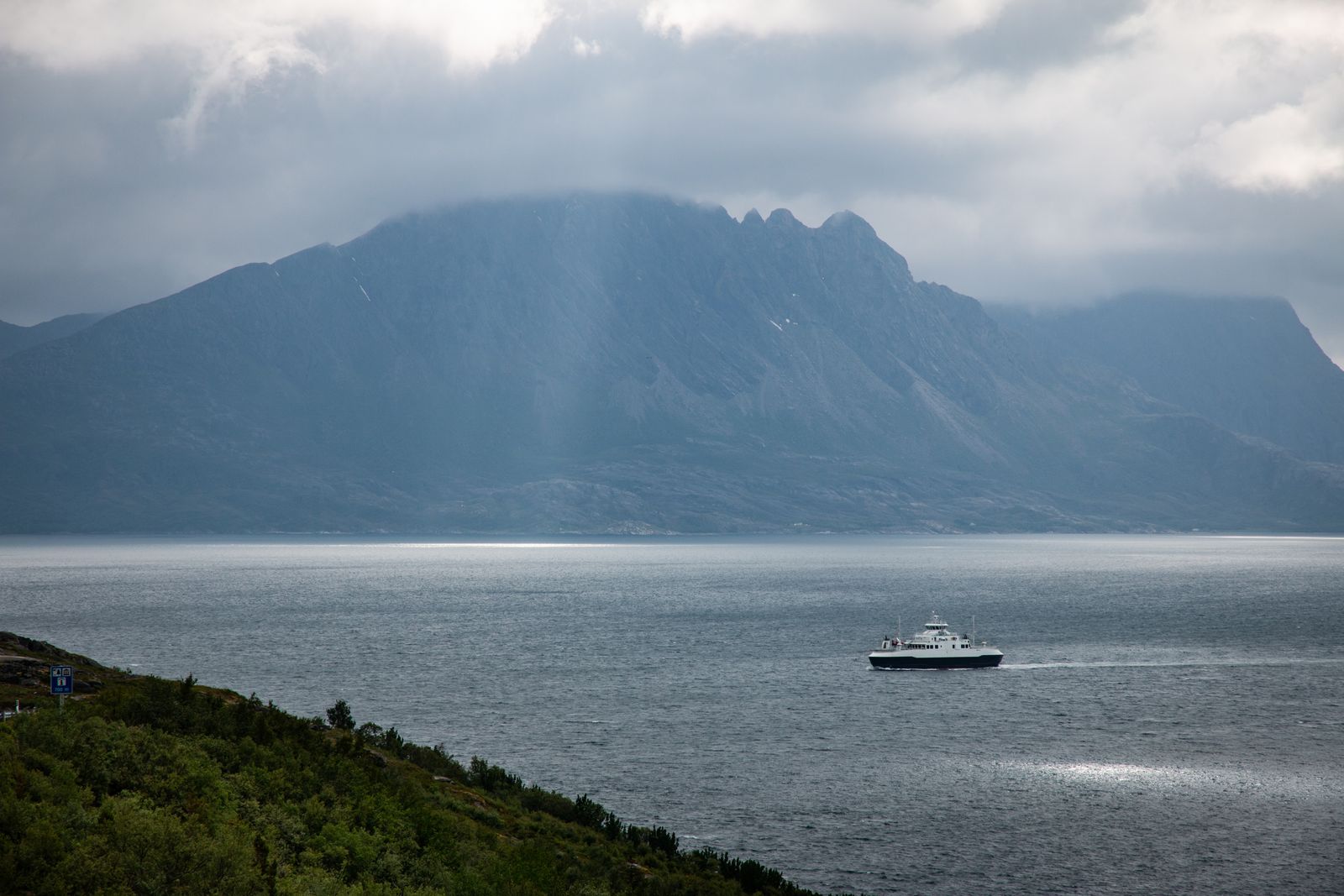
Norway's coastline is longer than most countries' entire border, and by boat, from small local ferries to multi-day coastal voyages, you reach villages the road can barely get to.
What you choose depends on what you're after: movement or stillness, company or solitude. We tailor it to you, not to a fixed route.
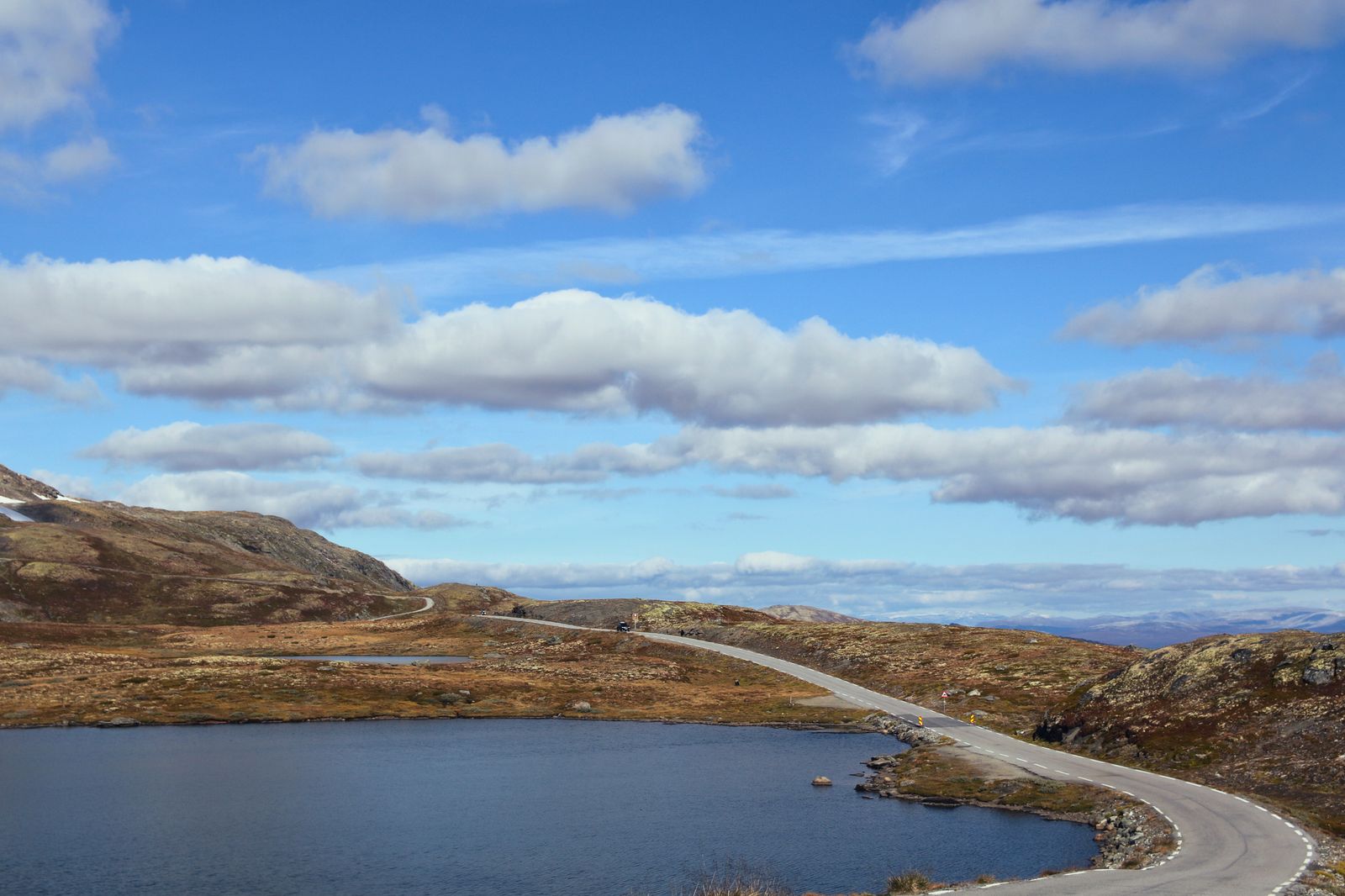
A road winding along the Aurlandsfjord, somewhere between two tunnels. No destination, just a reason to slow down.
When would you travel?
When you go decides what you see.
Norway has no single best time, it has two opposites. From June to August there's light deep into the night, mountain paths are free of snow and the fjord ferries run their full schedule. From December to February it's the reverse: short days, sometimes no daylight at all in the far north, and stable, cold air that makes the northern lights visible.
The months in between are transitional: beautiful light, fewer crowds, but also unpredictable weather and mountain roads that may still be closed or only just reopening.
Jan
Feb
Mar
Apr
May
Jun
Jul
Aug
Sep
Oct
Nov
Dec
Top: midnight sun and hiking routes open in summer, or stable clear nights for the northern lights in winter.
Good: quieter, beautiful light, most routes and ferries running.
Fair: transitional months with unpredictable weather and mountain roads that may still be closed.
Looking past the highlights
How we look at Norway
Not the whole country in two weeks Norway is roughly as long as the distance from Oslo to Rome. We would rather build a trip around two or three regions that travel well together than a route that puts you back in the car every single day.
The weather decides, not the schedule A mountain pass can close, a ferry can be cancelled, the northern lights can skip a night. We plan with margin, not a tight hour-by-hour programme that comes under strain at the first cloud.
Silence counts as a destination The best moments in Norway are often places with no name on the map: a fjord arm with no other traffic, a cabin with no neighbours. We take those seriously, not as filler between the well-known viewpoints.
The north is not a day trip Sápmi and the coastal areas above the Arctic Circle deserve time of their own, not an excursion from Oslo. For those who genuinely want to go, we plan room for it, or we leave it out entirely.
Worth knowing
Practical, without the noise.
Practical matters that shape travel through Norway.
- Getting there
- Direct flights from Brussels to Oslo; further north usually via a connection in Oslo or Bergen.
- Documents
- An ID card is sufficient for EU citizens; no visa required.
- Health
- No specific vaccinations required; the European Health Insurance Card is accepted.
- Pace
- Distances are often greater than the map suggests. Fjords and mountains can turn a hundred kilometres into a full day's drive.
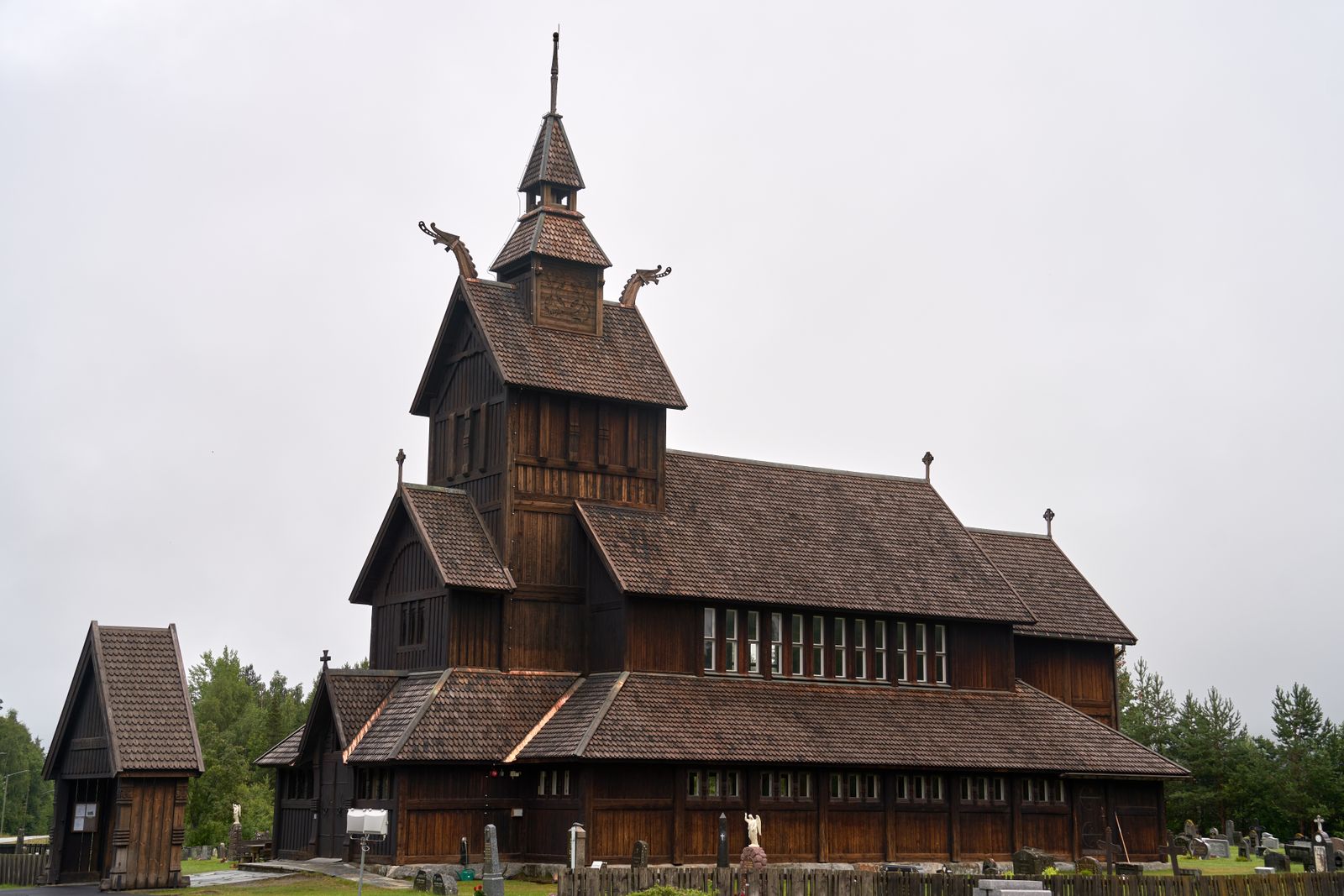

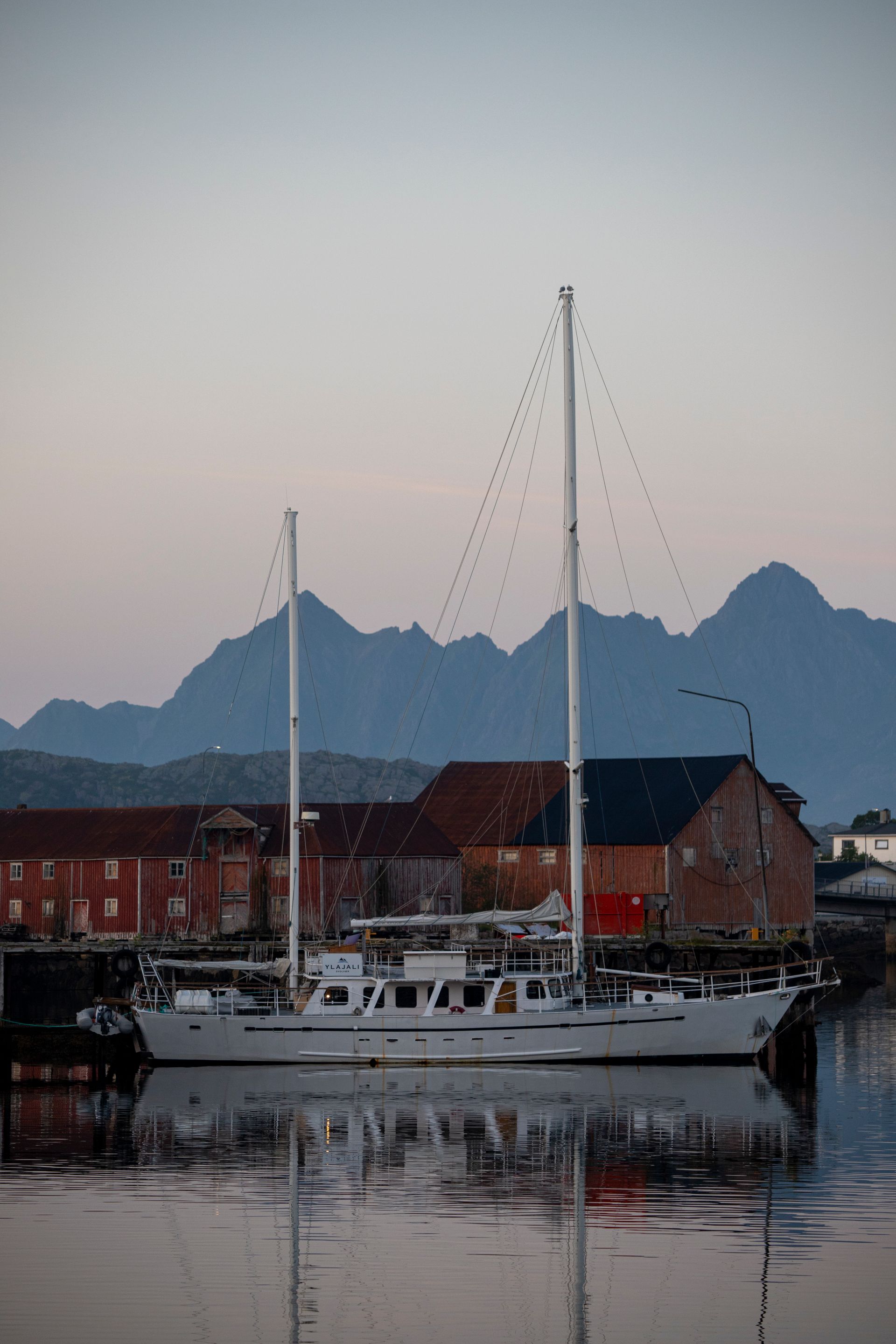
Two sides of the same coast: a church that has stood still for centuries, a harbour that never does.
Questions
What travellers often ask us before setting off for Norway.
Is Norway expensive?
Norway is known as one of Europe's pricier destinations, especially for food and drink. We factor that into how we build a trip, without cutting what makes the trip worthwhile.
Can you drive yourself?
Yes, and for anyone wanting to see the fjords and smaller villages, a car is often the best option. The roads are well maintained, though mountain passes and ferry crossings take more time than the distance on the map suggests.
Is the northern lights sighting guaranteed?
No, and anyone who promises that is overselling it. What we can do is choose the right period, place and enough nights to make the chance a real one.
Is Norway worth visiting outside summer?
Absolutely, though the country changes character completely: winter is about snow, the northern lights and a slower pace, summer about long days, hiking and the fjords at their greenest.
Or perhaps this
Other destinations
Still weighing it up? That is no problem at all. The right country often only becomes clear once the conversation starts.
Scandinavia
Denmark
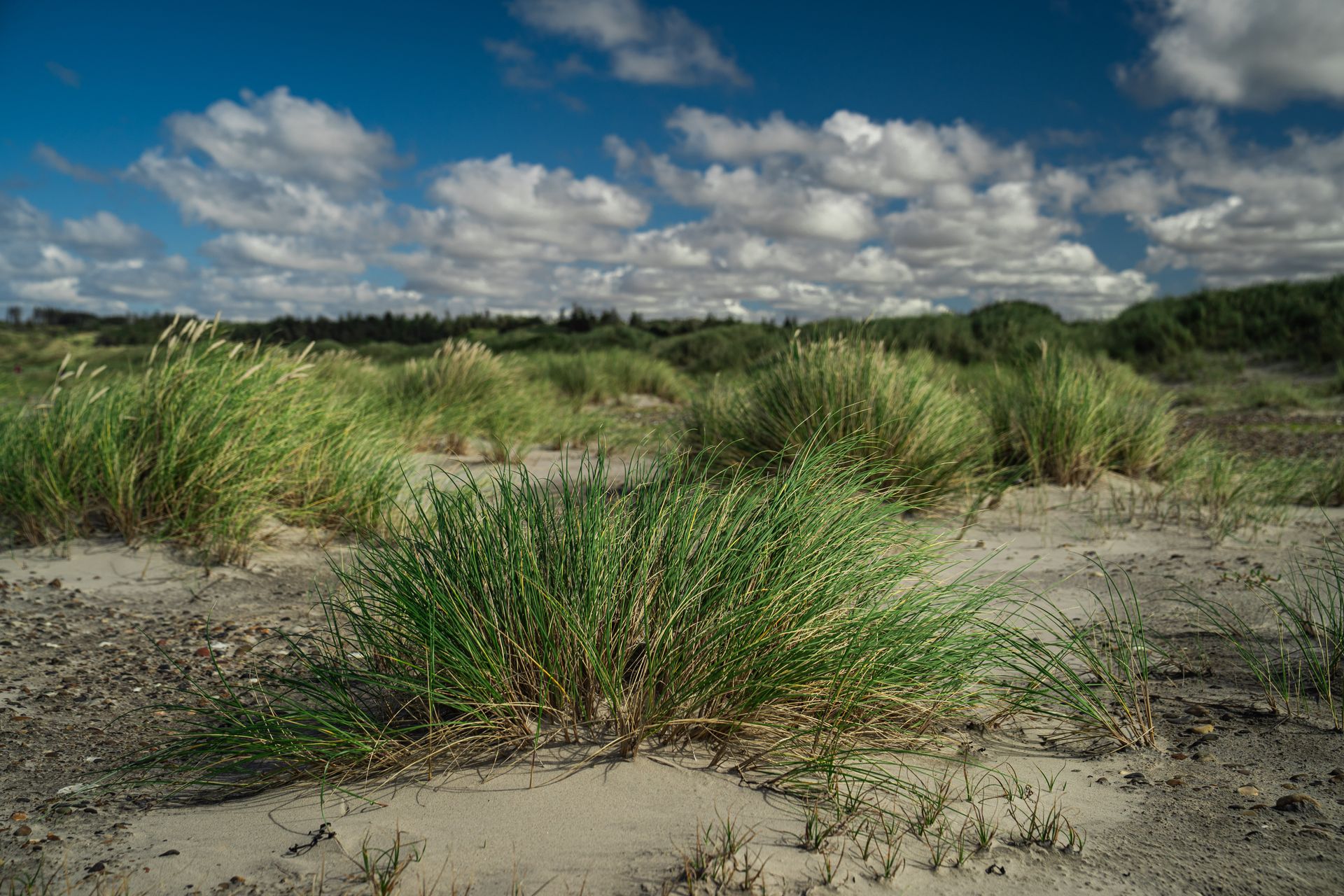
Flat, coastal and steeped in a light that never shouts, a country that finds its calm in understatement.
Scandinavia
Sweden
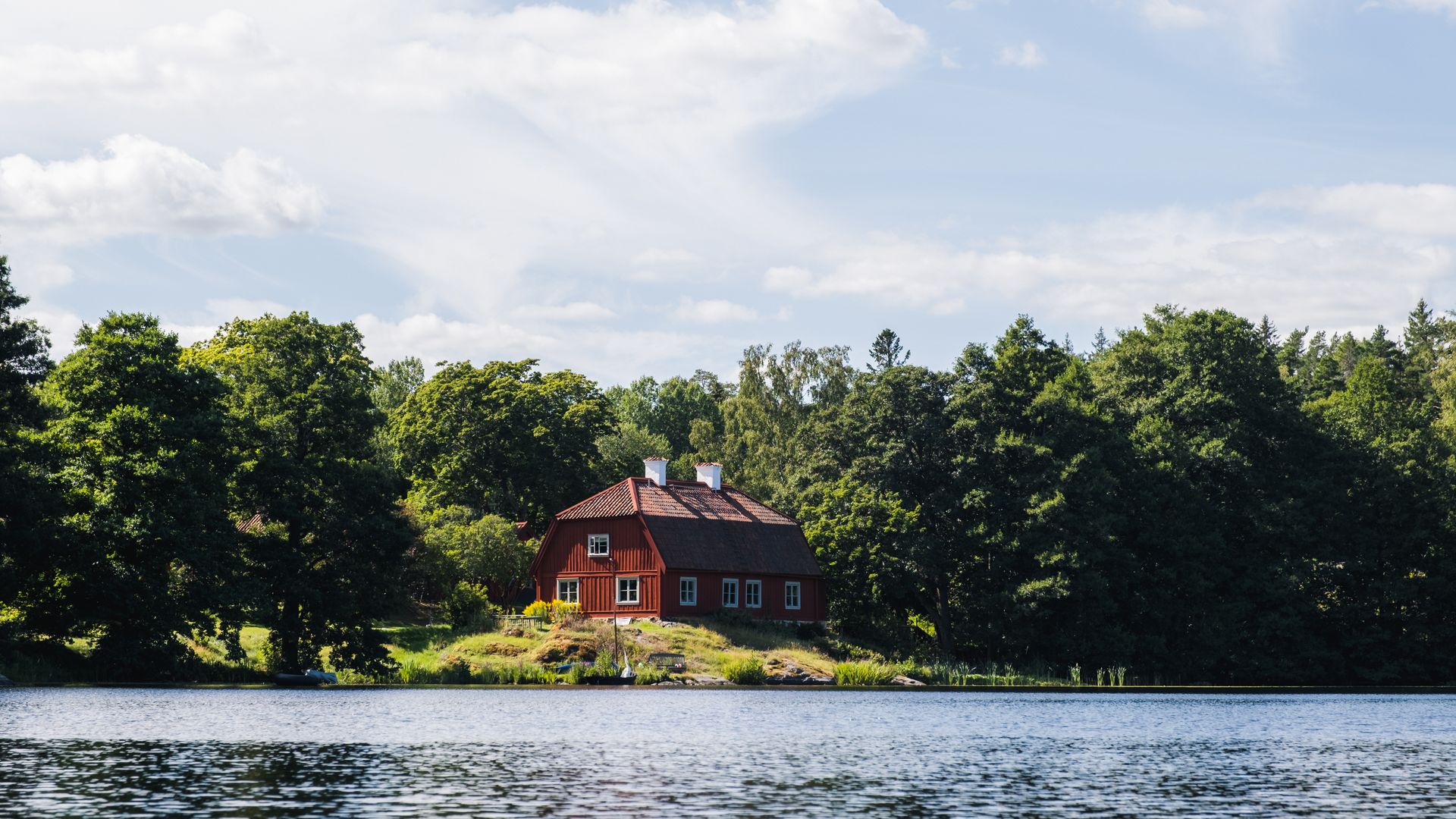
Forest and water repeat in every direction, broken only by rust-red villages that feel as much a part of the scenery as the pine trees themselves.
Balkans
Bulgaria
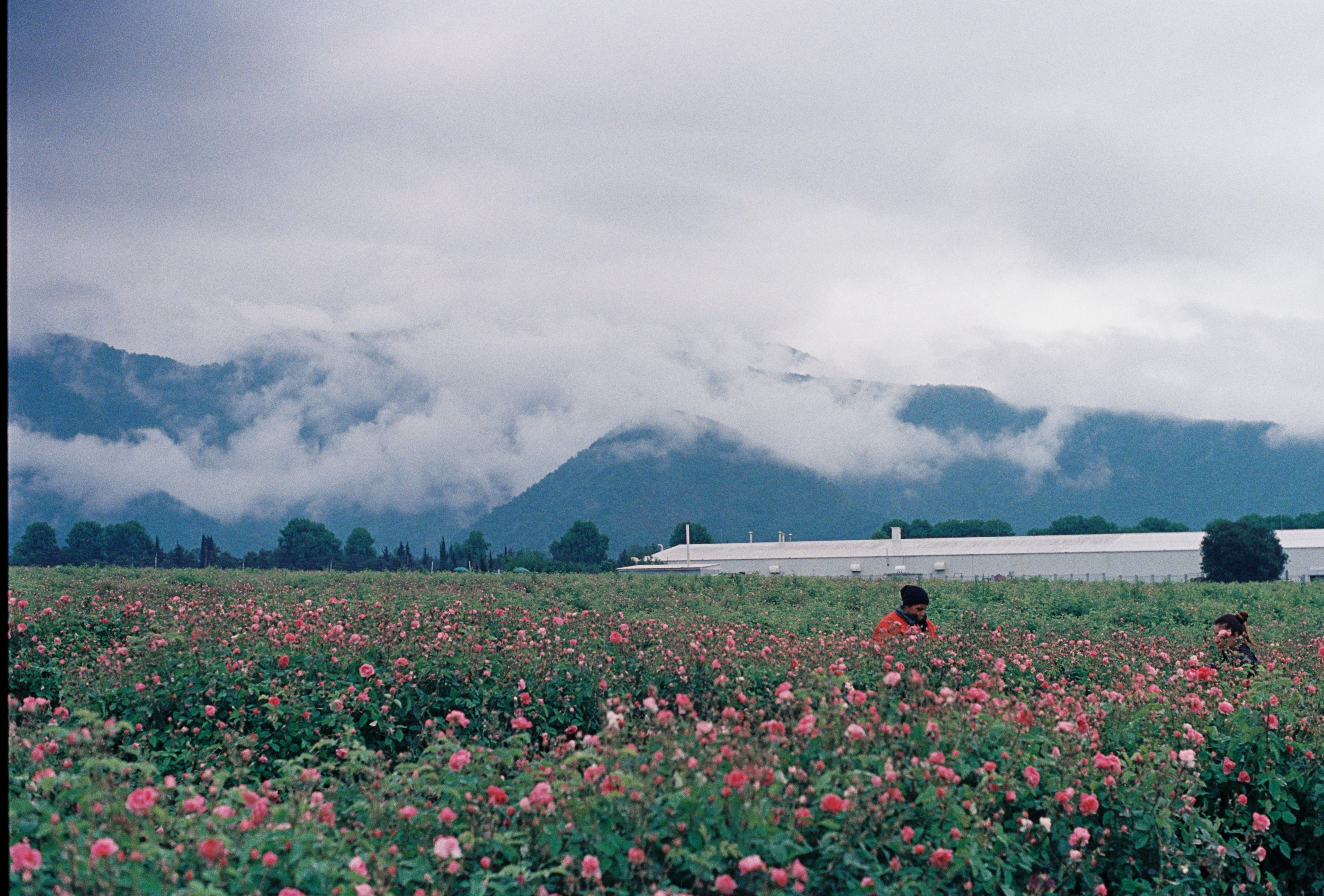
Bulgaria is a land of rose fields and mountain villages that has not yet learned to perform for visitors.
How it works
This is how your journey to Norway takes shape.
Six steps, from your first story to your homecoming. The conversation and the feasibility check cost you nothing.
-
01
Tell us your story
Fill in the form or give us a call. You do not need a route yet: a country, a period or just an idea is enough.
-
02
The conversation and the check
We talk through what you are looking for, by phone or by video, and check whether it can be done. If it can, we set down together what we will make for you.
-
03
We design your journey
We build your programme up, day by day, together with our own people in the country itself.
-
04
Your proposal
You read your journey day by day, with everything that is included. You say what you would like differently, until it is right.
-
05
Ready to depart
You send us your details, we send you your travel documents. You have one fixed contact who knows your journey.
-
06
Travelling, and after
Your contact stays reachable while you are away. Once you are home, we call one more time.
The next step
How would you like to see Norway?
Tell us whether you're after quiet, movement, light that never sets, or the dark instead. We build the trip around your answer.