Balkans
Bulgaria
An interior bigger than its coastline suggests.
This is Bulgaria
A country that hasn't yet turned its face to the camera.
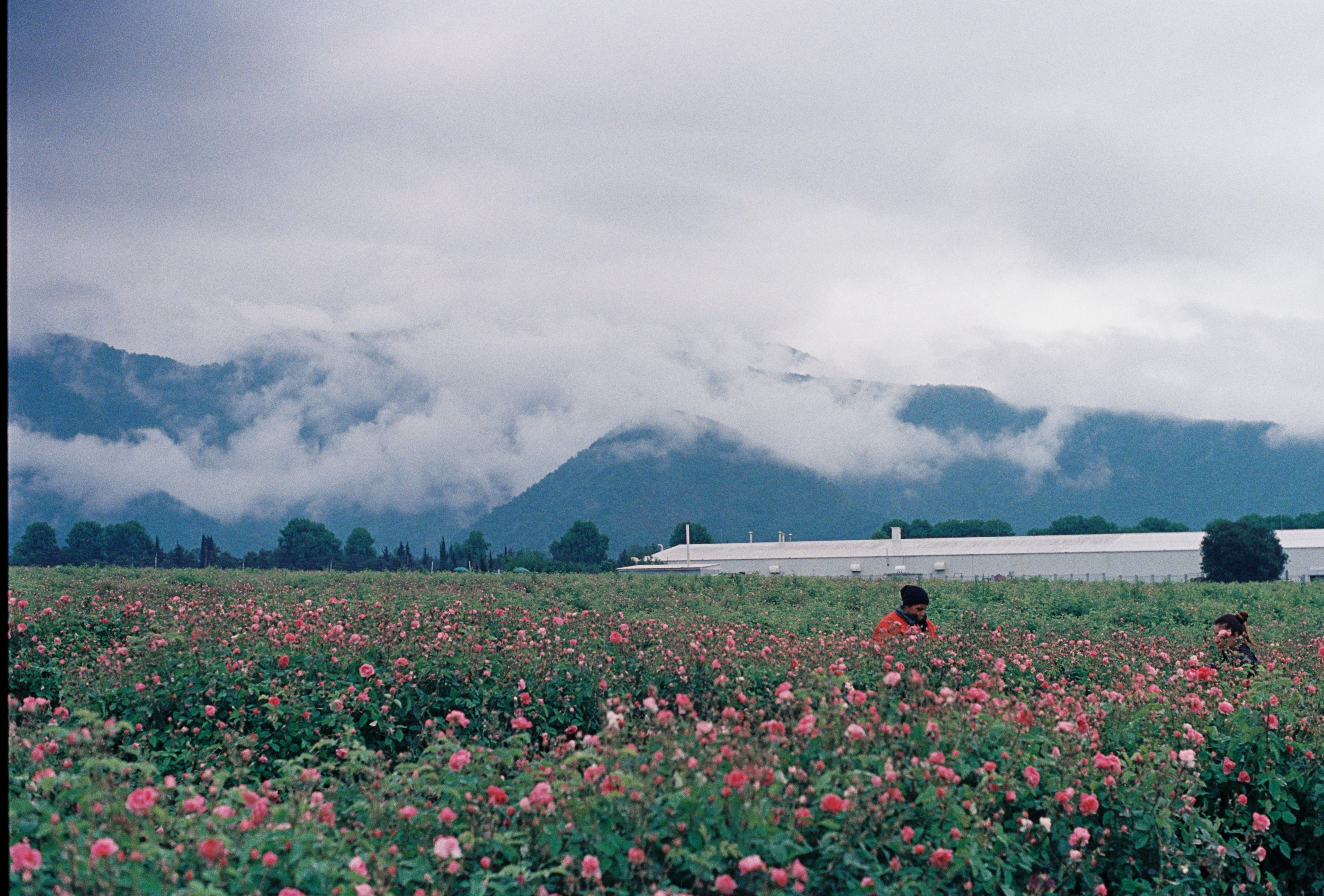
Bulgaria is a land of rose fields and mountain villages that hasn't learned to perform for visitors yet. Where Provence has set its lavender in the right light for decades, the Rose Valley near Kazanlak simply carries on: an agricultural region where the picking starts at four in the morning in May, long before the first visitor wakes up.
Anyone who only knows the country from its Black Sea coast has yet to see most of it. Inland lie three mountain ranges, Rila, Pirin, the Rhodopes, with peaks above two thousand metres, monasteries that stood before Bulgaria was even a state, and Thracian burial mounds that archaeologists are still uncovering.
For the tailor-made traveller, that makes it a country without a rehearsed answer. No fixed photo stop, but a village like Shiroka Laka where the bagpipe is still made, not performed for a group.
The regions
Six faces of one country.
Bulgaria doesn't fit into a single region. Each area has its own rhythm, from the monastic stillness of Rila to the terrace buzz of Plovdiv's Kapana district.
capital and mountain
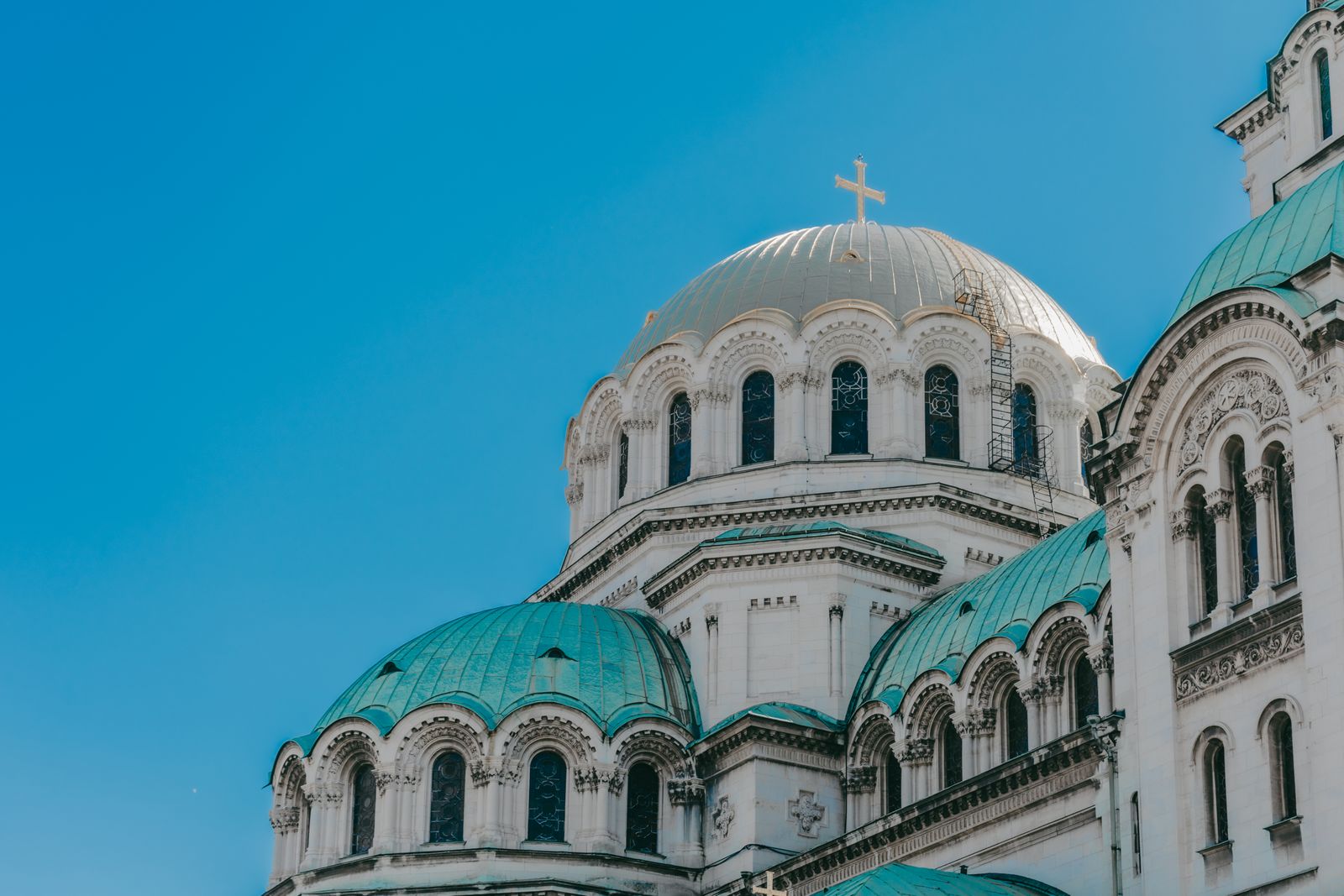
Sofia and Vitosha
A capital where a mosque, a synagogue and two cathedrals stand within a stone's throw of each other, and where Mount Vitosha is barely half an hour away: a city walk in the morning, a summit trail above two thousand metres by afternoon.

high mountains
Rila and Pirin
Rila Monastery, with its black-and-white striped facades and frescoes full of devils and saints, is Bulgaria's best-known image, but behind it begin the Seven Rila Lakes and the Pirin mountains, where you can walk for hours without meeting another soul.

border with Greece
The Rhodopes
A rolling, forested range with tobacco villages like Shiroka Laka, monasteries like Bachkovo and karst caves like the Devil's Throat. This is where the bagpipe is still made, not just played.
oldest city in Europe
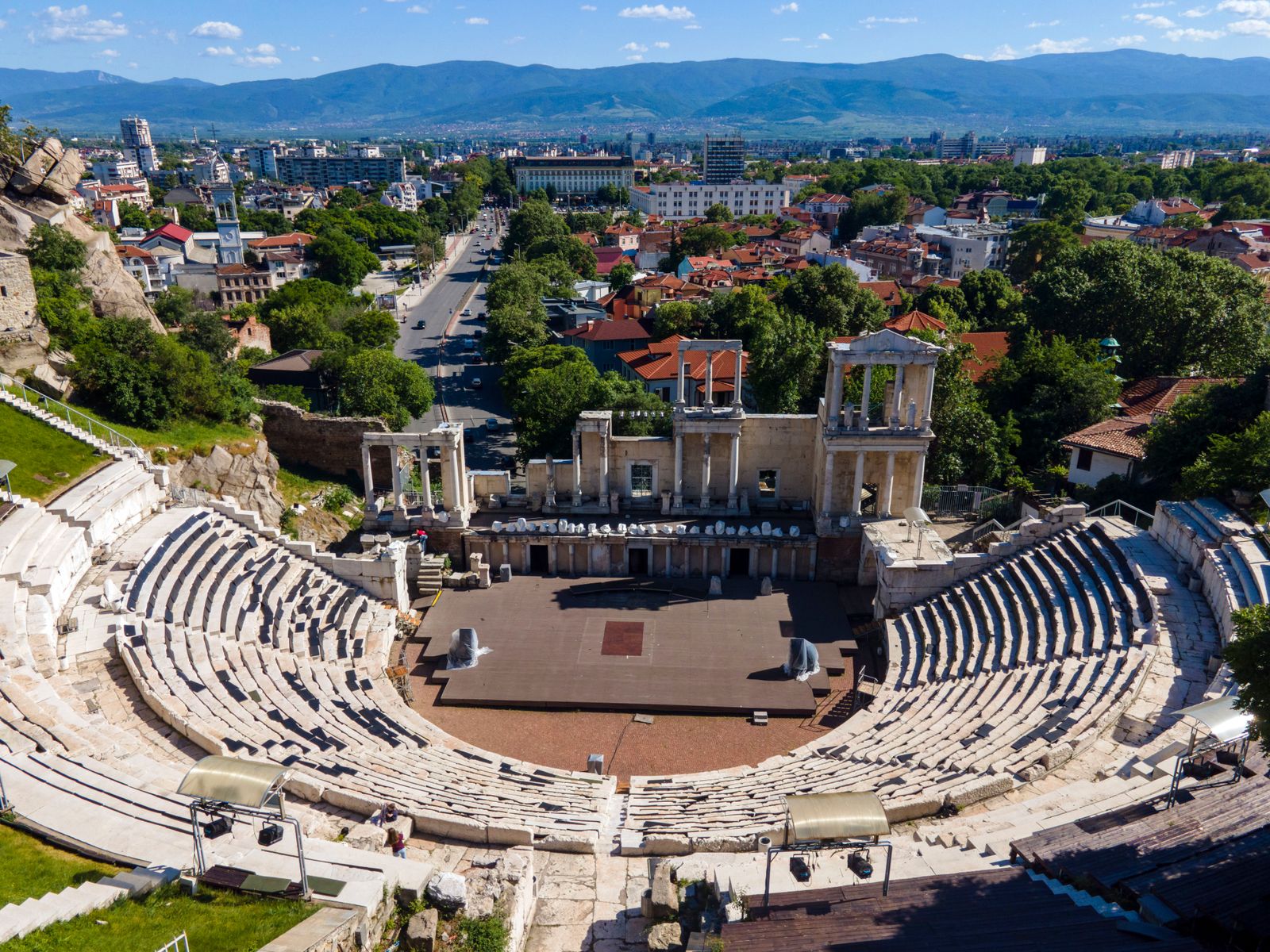
Plovdiv
A city inhabited before Rome existed, with a Roman amphitheatre right in the old centre and the creative Kapana district next door: Ottoman houses, wine bars and studios all mixed together.

between two mountain ranges
The Rose Valley
Near Kazanlak the rose harvest for rose oil takes place in late May, in a valley enclosed by the Stara Planina, the range that splits the country in two and where footpaths rarely need a signpost.

medieval capital
Veliko Tarnovo
The Tsarevets fortress rises above a city that was capital of the Second Bulgarian Empire for three centuries. Houses cling to the rock face, and in the evening the ruin lights up without becoming a spectacle.

People and faith
Five hundred years under foreign rule, and the language survived in a monastery.
When the Ottoman Empire ruled Bulgaria for five centuries, it was the Orthodox monasteries that kept the Bulgarian language, icon painting and church music alive. Frescoes in Rila and Bachkovo show not only saints but devils with an almost satirical edge, monks who held nothing back.
That history also explains today\u2019s hospitality: a mehana, the traditional tavern, is rarely just a restaurant. Rakia is poured before the meal begins, and a conversation with the owner often outlasts the meal itself.
Bulgaria proves nothing.
It just sits there, and has done for centuries.
The mountains and the river
Three faces of Bulgaria's nature.

Rila and Pirin
Glacial lakes above two thousand metres, pine forests with brown bears and chamois, and a silence rarely broken in summer by more than a shepherd's dog.

The Rhodopes
Above the gorges near Madzharovo, griffon vultures circle, a species that has returned here after nearly disappearing. The region ranks among the last places in Europe where you can watch them hunt in the wild.

The Danube and Srebarna
In the far north, where the Danube forms the border with Romania, lies Lake Srebarna: a breeding ground for Dalmatian pelicans and hundreds of other waterbirds, with hardly any visitors beyond the birdwatchers themselves.
What's possible here
No itinerary, just possibilities.
QualiMundi doesn't put together a daily schedule. Instead, a route that fits what you're looking for. Some of the building blocks that tend to return:
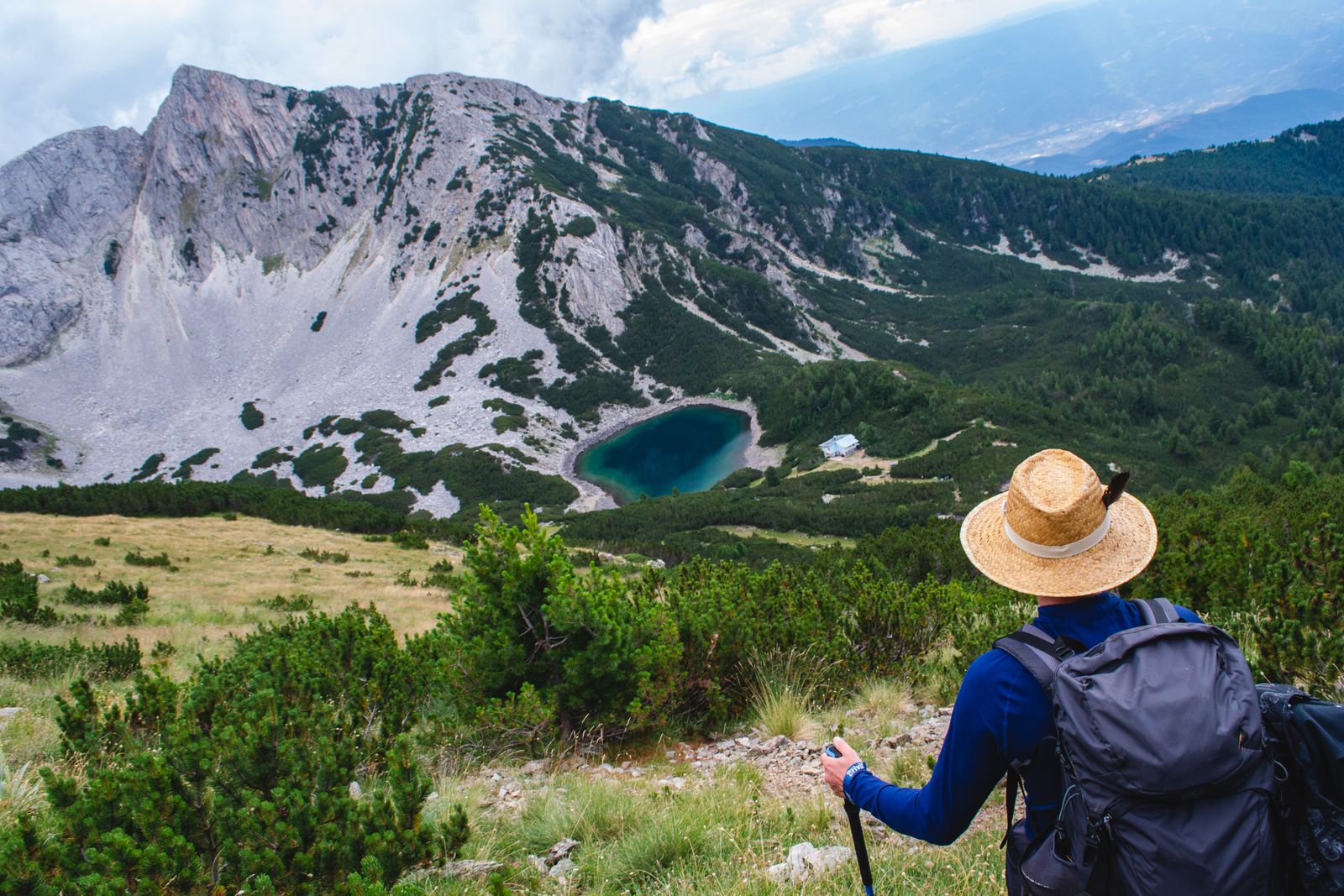
Walking without a guide requirement
In Pirin and Rila, trails exist that you can follow yourself with a local map and a good pair of boots, from an afternoon walk to a multi-day trek.

Reading frescoes with someone who knows them
The iconography of a Bulgarian monastery tells a story that only opens up with explanation. A local guide who knows the symbolism makes the difference between looking and truly seeing.

Following the rose harvest
In late May and early June, picking near Kazanlak is still done by hand, before the sun evaporates the oil from the petals.

Tasting wine in Melnik
In Bulgaria's smallest town, wine cellars are cut into sandstone, where the broussa grape has been vinified for generations.
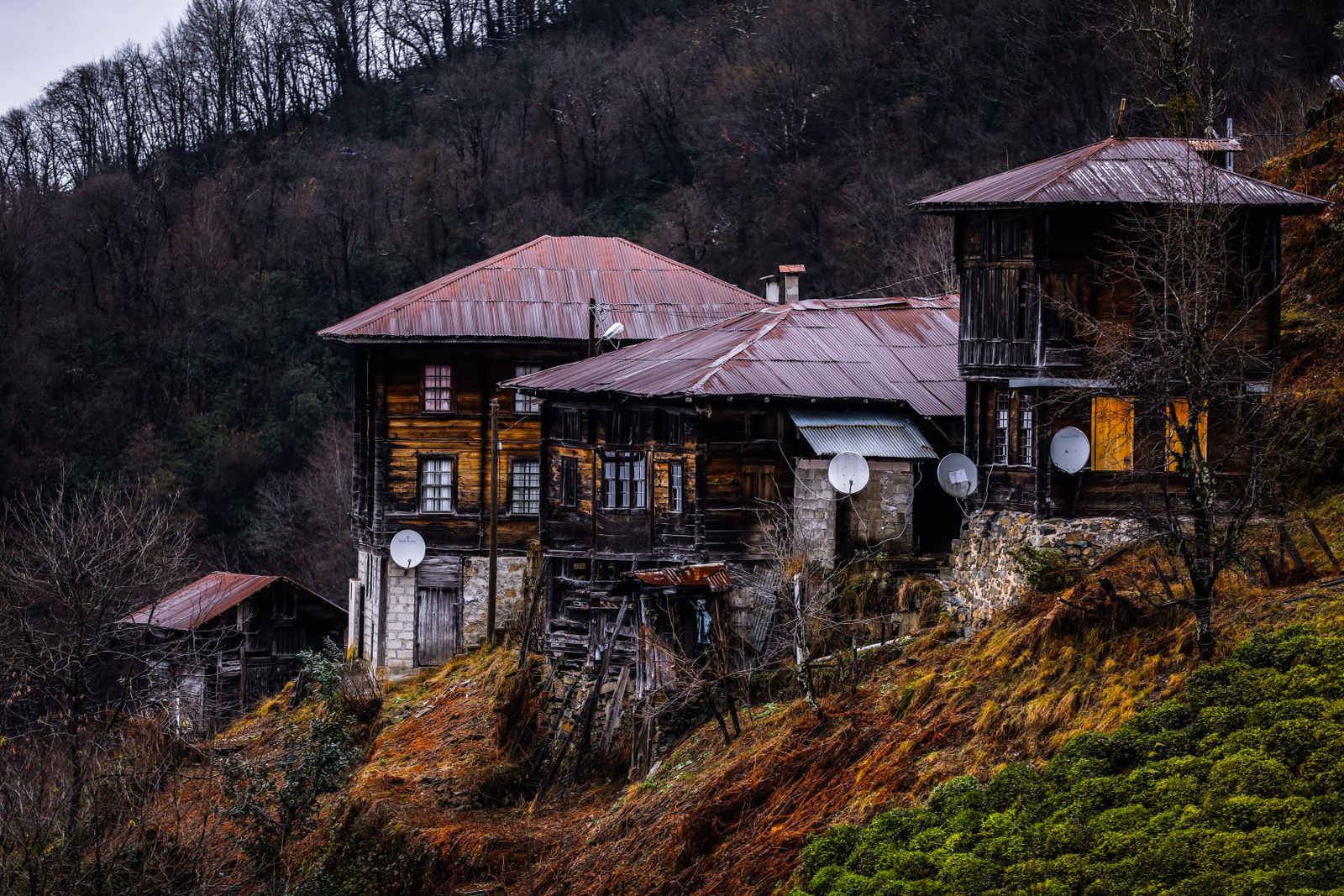
A night in a Rhodope village
Sleeping above a mehana in Shiroka Laka or Kovachevitsa, where breakfast comes with homemade honey and the village falls quiet again by evening.
What your route becomes depends on what you're looking for, not on a fixed list.

The rose harvest near Kazanlak, before the sun evaporates the oil from the petals.
When would you travel?
When to visit Bulgaria.
Late May and June coincide with the rose harvest in the Rose Valley and with mountain trails just clear of snow. September and October bring calm, clear days in the Rhodopes and Rila, with the autumn colours at their best.
July and August are warm in the lowlands around Plovdiv and Sofia, but pleasant in the mountains. The winter months are quiet outside the ski resorts, lovely for anyone wanting to see the country without foreign visitors, less suited to actively exploring monasteries and villages.
Jan
Feb
Mar
Apr
May
Jun
Jul
Aug
Sep
Oct
Nov
Dec
Top: clear weather, active nature and the rose harvest or autumn colours at their best.
Good: warm to hot in the lowlands, pleasant in the mountains.
Fair: cold to cold and wet; monasteries and villages sit quiet.
Worth knowing
Practical, without the noise.
A few things that make travelling through Bulgaria easier.
- Getting there
- Direct flights to Sofia; Plovdiv and Varna usually require a connection
- Documents
- An identity card is sufficient: Bulgaria is an EU and Schengen country
- Currency
- The euro since January 2026, after years of preparation for the switch from the lev
- Language
- Bulgarian in Cyrillic script; English mainly in the cities, less so in the countryside
- Pace
- Mountain roads in the Rhodopes and Pirin are narrow and slow. Plan for time, not distance
Frequently asked questions
Do I need to see the coast too?
Not necessarily. Alongside the well-known resorts, the Black Sea coast also includes a town like Nessebar, with an old centre full of medieval churches, but the heart of Bulgaria lies inland.
Is it manageable without speaking Bulgarian?
In Sofia and Plovdiv, yes; beyond that, it gets harder. A local driver or guide solves that in practice, and opens doors that would otherwise stay shut.
How active do I need to be to experience the mountains?
Not necessarily very active: a short walk from Rila Monastery already reveals a lot. Anyone wanting more can build up to a multi-day trek in Pirin.
Can Bulgaria be combined with another country?
Yes, the border regions with northern Greece and Romania lie close to the Rhodopes and the Danube, for anyone wanting a route that crosses the border.
Or perhaps this
Other destinations
Still weighing it up? That is no problem at all. The right country often only becomes clear once the conversation starts.
Scandinavia
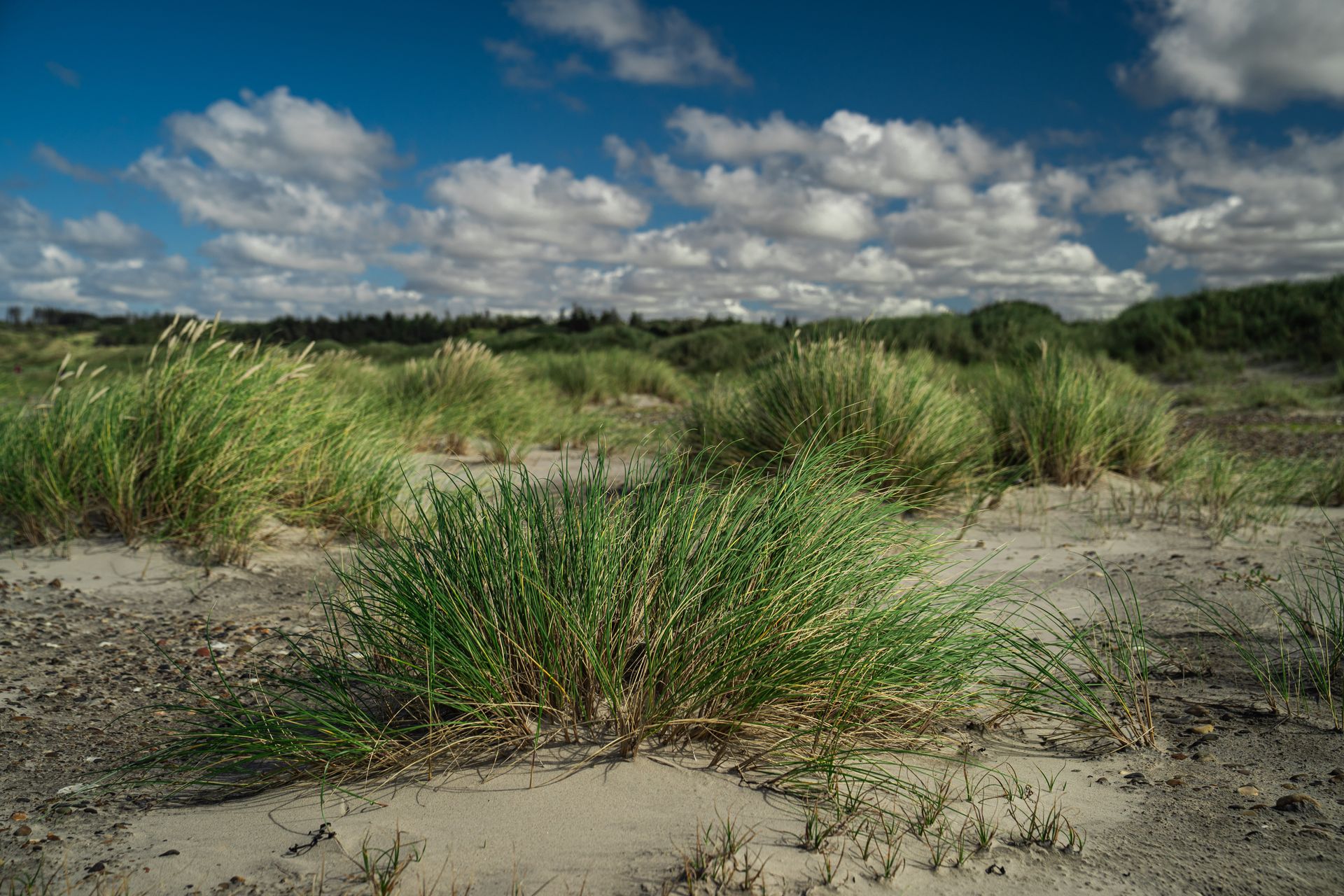
Denmark
Flat, coastal and steeped in a light that never shouts, a country that finds its calm in understatement.
Nordic countries
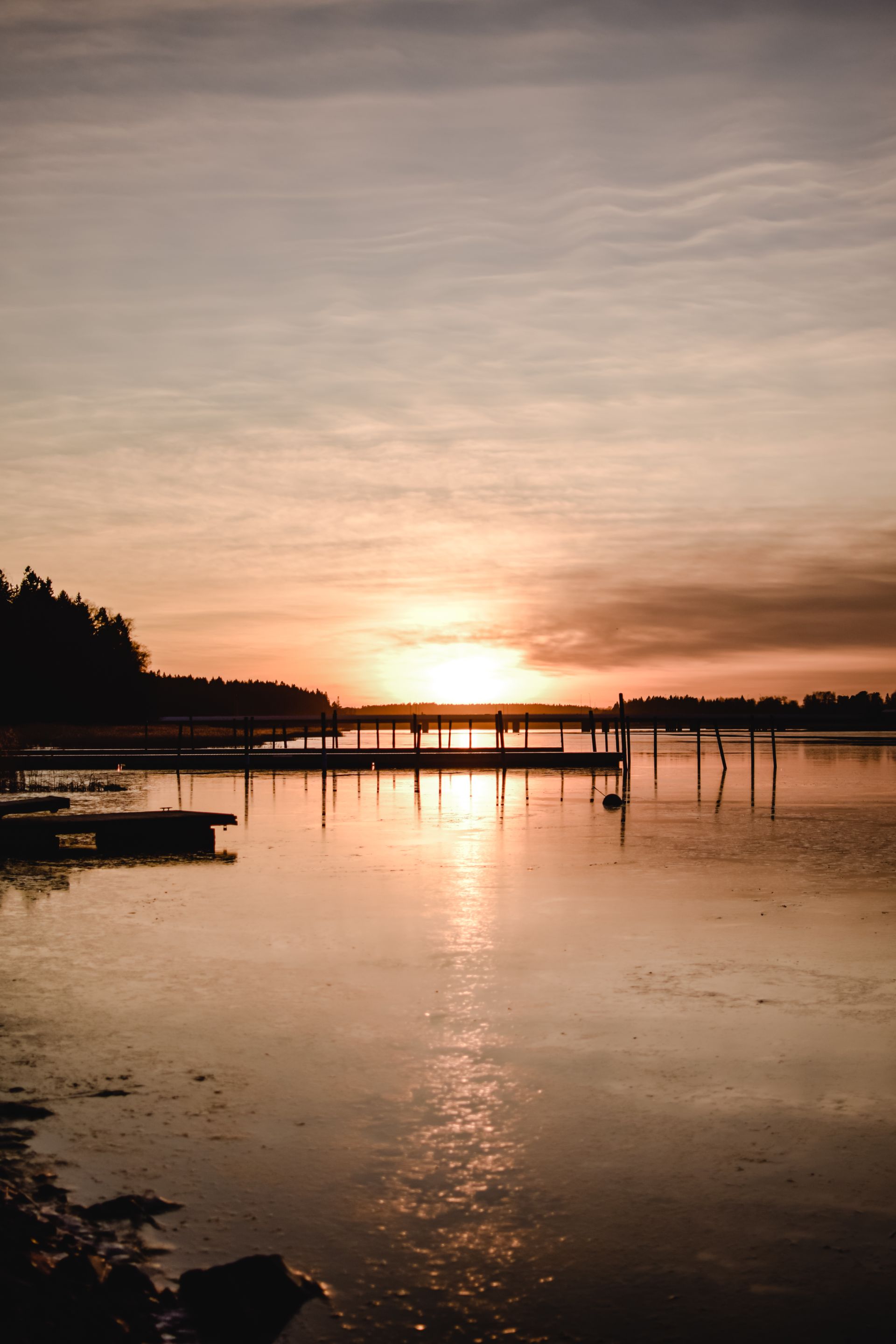
Finland
Forest and water alternate so often that the boundary blurs, a country that never needs to sell its silence because it already has plenty.
Scandinavia
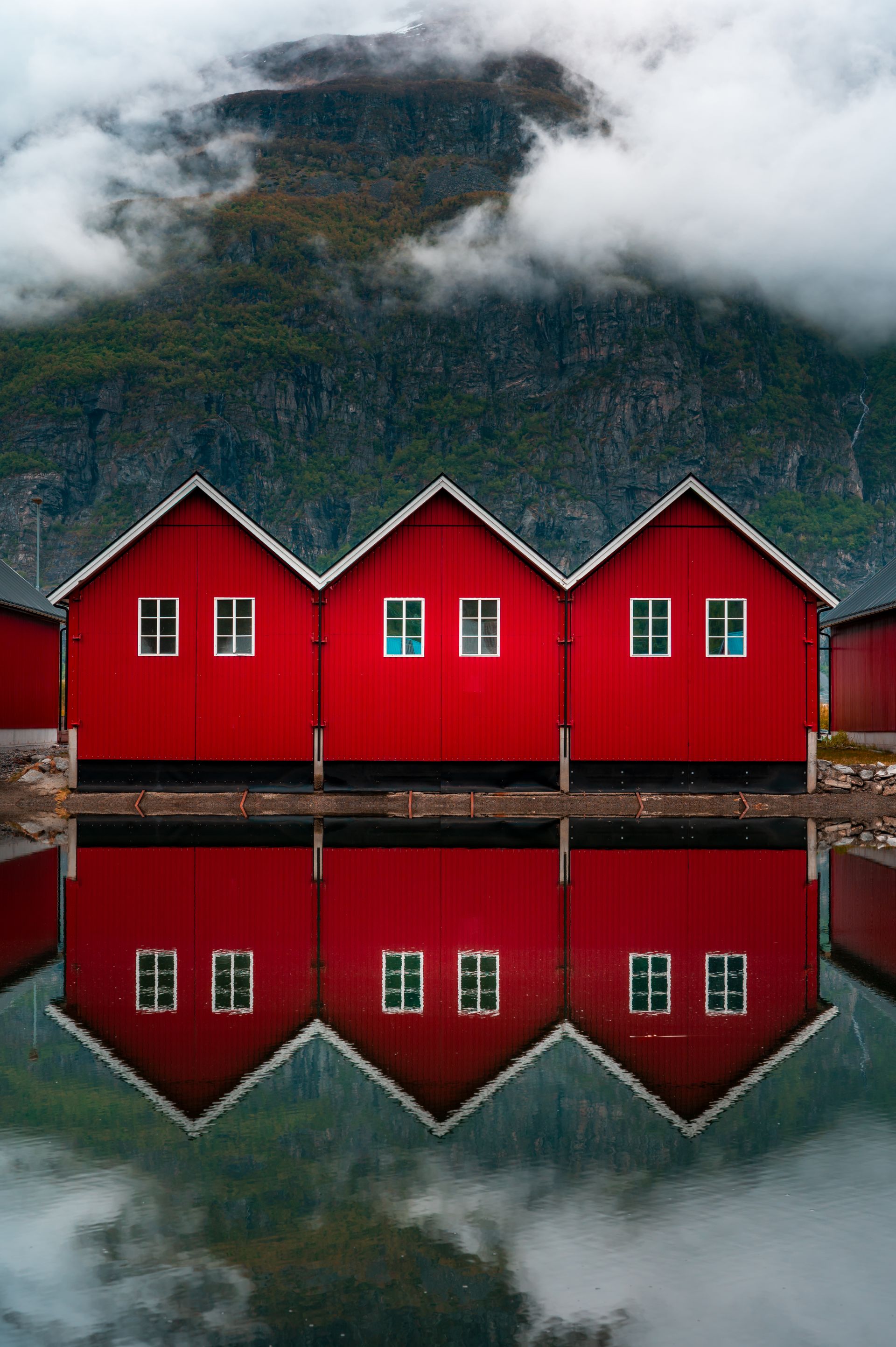
Norway
Vertical and unyielding: rock faces plunging straight into the fjords, with villages clinging to the edge between mountain and water.
How it works
This is how your journey to Bulgaria takes shape.
Six steps, from your first story to your homecoming. The conversation and the feasibility check cost you nothing.
-
01
Tell us your story
Fill in the form or give us a call. You do not need a route yet: a country, a period or just an idea is enough.
-
02
The conversation and the check
We talk through what you are looking for, by phone or by video, and check whether it can be done. If it can, we set down together what we will make for you.
-
03
We design your journey
We build your programme up, day by day, together with our own people in the country itself.
-
04
Your proposal
You read your journey day by day, with everything that is included. You say what you would like differently, until it is right.
-
05
Ready to depart
You send us your details, we send you your travel documents. You have one fixed contact who knows your journey.
-
06
Travelling, and after
Your contact stays reachable while you are away. Once you are home, we call one more time.

The next step
What draws you to Bulgaria?
A rose field at sunrise, a monastery full of frescoes, a village where the bagpipe is still made rather than performed for show. Tell us what you have in mind, and we\u2019ll build a route around it.