Eastern Mediterranean
Cyprus
An island that calls itself Greek, feels Turkish, and is fully neither.
This is Cyprus
An island that calls itself Greek, feels Turkish, and is fully neither.
The border runs straight through the capital, and through every simple story about this island.
Cyprus lies closer to Beirut than to Athens, and you can feel it. The island carried Venetian fortresses, Ottoman baths and British colonial architecture long before it ever became a state of its own, and since 1974 a ceasefire line has run straight through the middle, patrolled by the United Nations, cutting Nicosia into two halves. Greek Cypriots in the south, Turkish Cypriots in the north, and a generation on both sides that grew up with the same music but a different alphabet on the street signs.
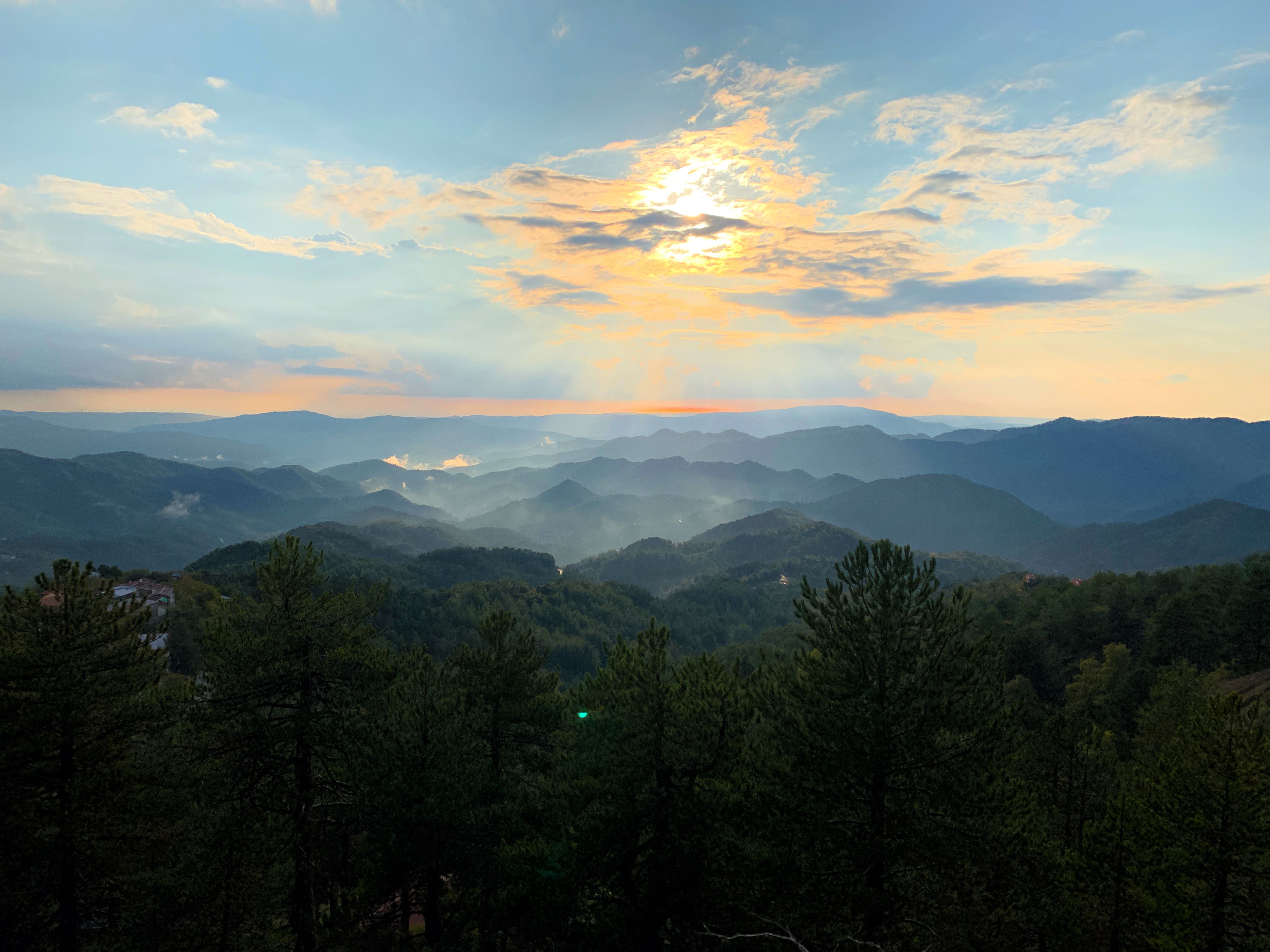
Most visitors know the coast from photographs: white apartment blocks, marinas, Ayia Napa at sunset. We prefer to drive the other way, inland, where the Troodos mountains rise above 1,900 metres and villages such as Kalopanayiotis and Omodos are still built from stone quarried in their own hills. There, the island isn't called Cyprus but Kýpros, a name that comes from copper, cuprum, mined here for centuries by Phoenicians and Romans.
What QualiMundi looks for here isn't the brochure island but the island in between: the border line you can cross with a passport, the vineyards at a thousand metres, the monasteries still inhabited by monks who bottle their own Commandaria.
The divided capital
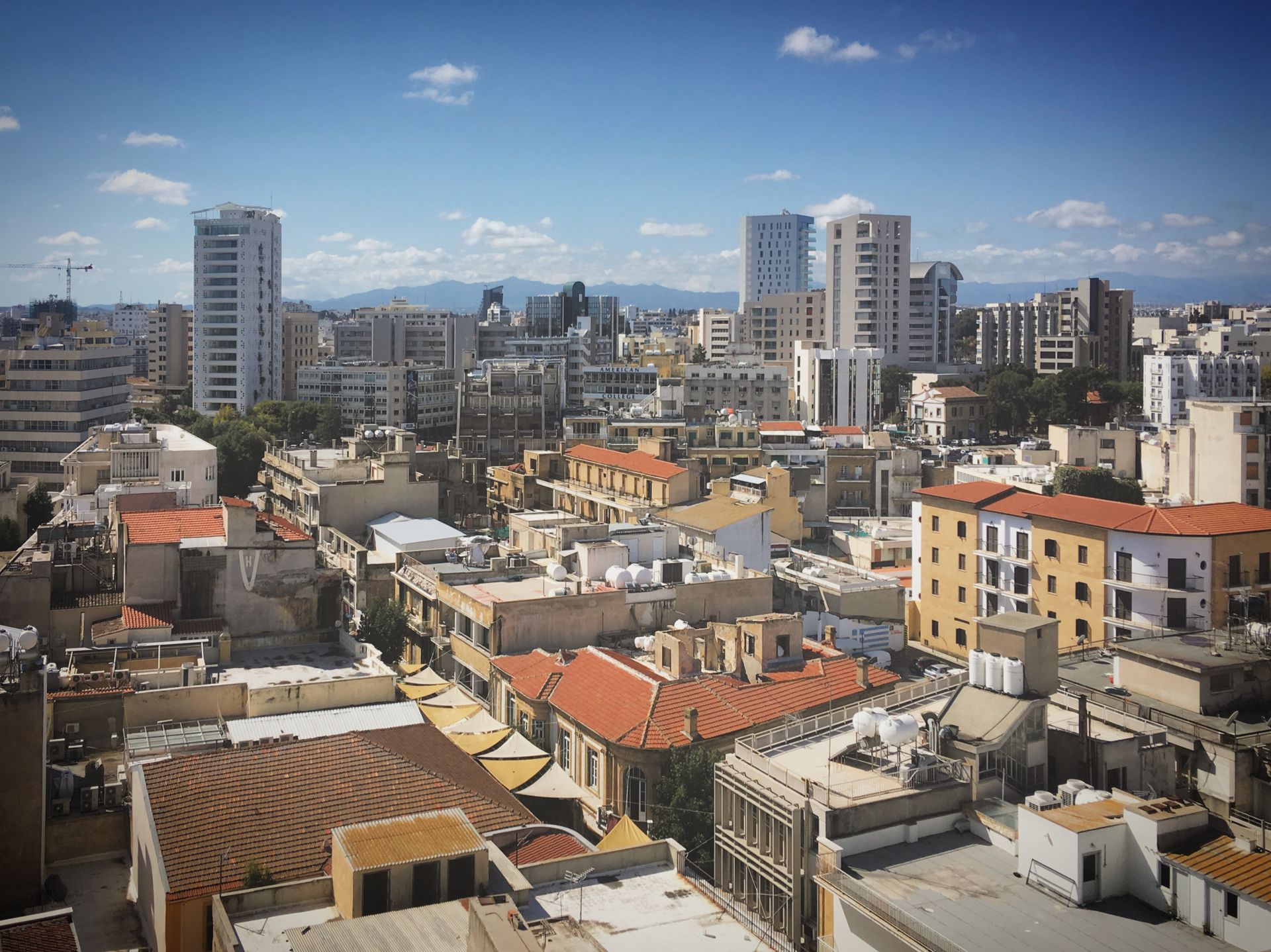
Nicosia is the last capital in Europe still split in two.
Walk north from the Ledra Street crossing and you show a passport at a checkpoint, then stand ten metres further on in a different currency, a different alphabet and a different kind of morning, even though the clock stays the same. The Venetian city wall still embraces both sides as one; it's the old town itself that was cut in two in 1974 with barbed wire and sandbags, a border that now mostly consists of abandoned houses with trees growing straight through the roofs.
On the southern side, Laïki Geitonia has been restored into a quiet walking quarter with small workshops; on the northern side stands the Büyük Han, a sixteenth-century Ottoman caravanserai, still standing as a craft market. We don't plan a 'visit to both sides' as a box to tick, but one unhurried morning of walking. The border is the attraction here, not an obstacle in between.
The regions
Five faces of the same island
Cyprus is small enough to cross in a few hours and large enough to look entirely different from one region to the next.
inland
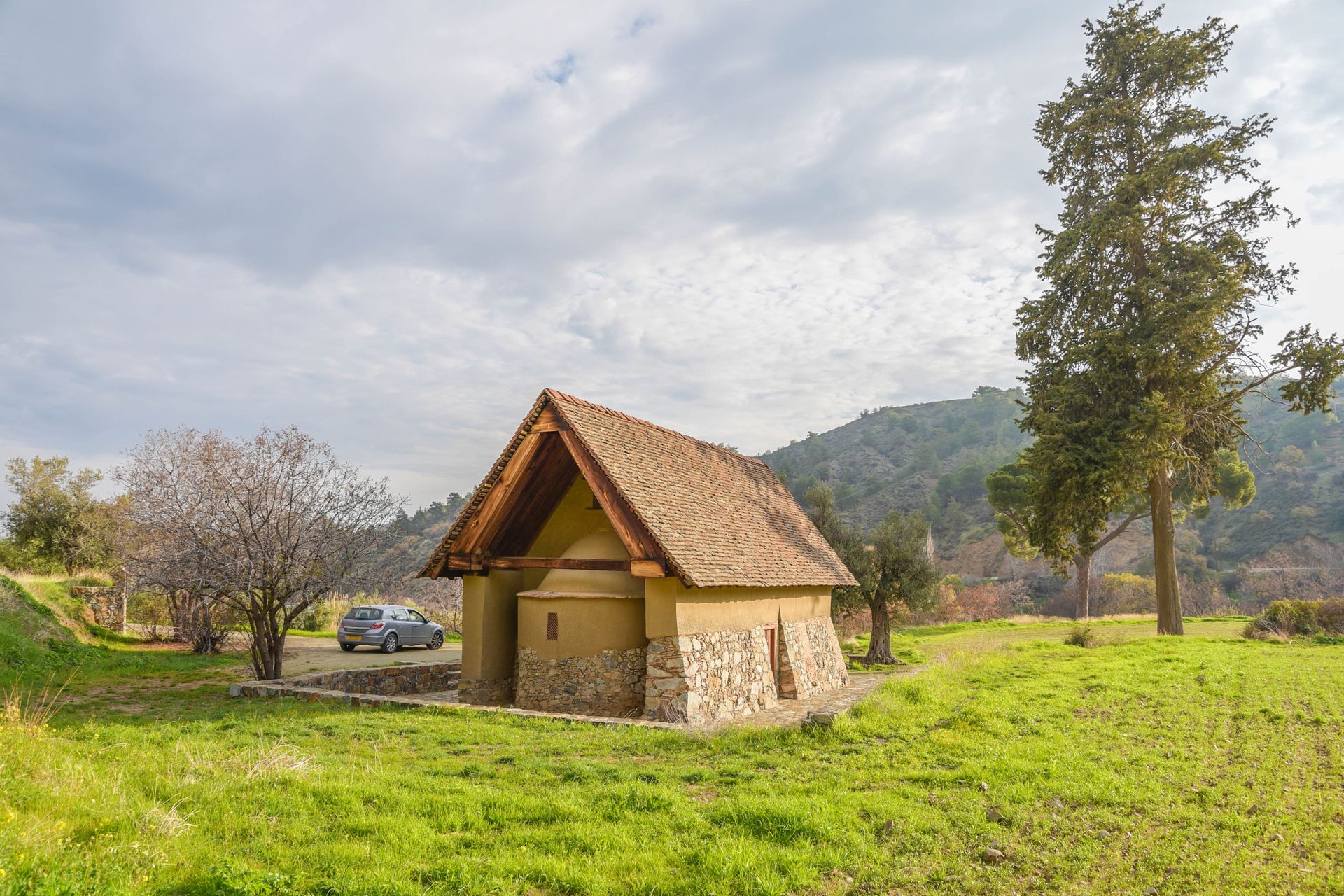
The Troodos mountains
Wine villages above a thousand metres, small painted churches on the UNESCO list, and the Kykkos monastery, which has guarded its own icon for centuries. Snow falls on the Mount Olympus summit in winter, on the same island where the coast sits above thirty degrees in July.
coast and antiquity
Paphos and the south coast
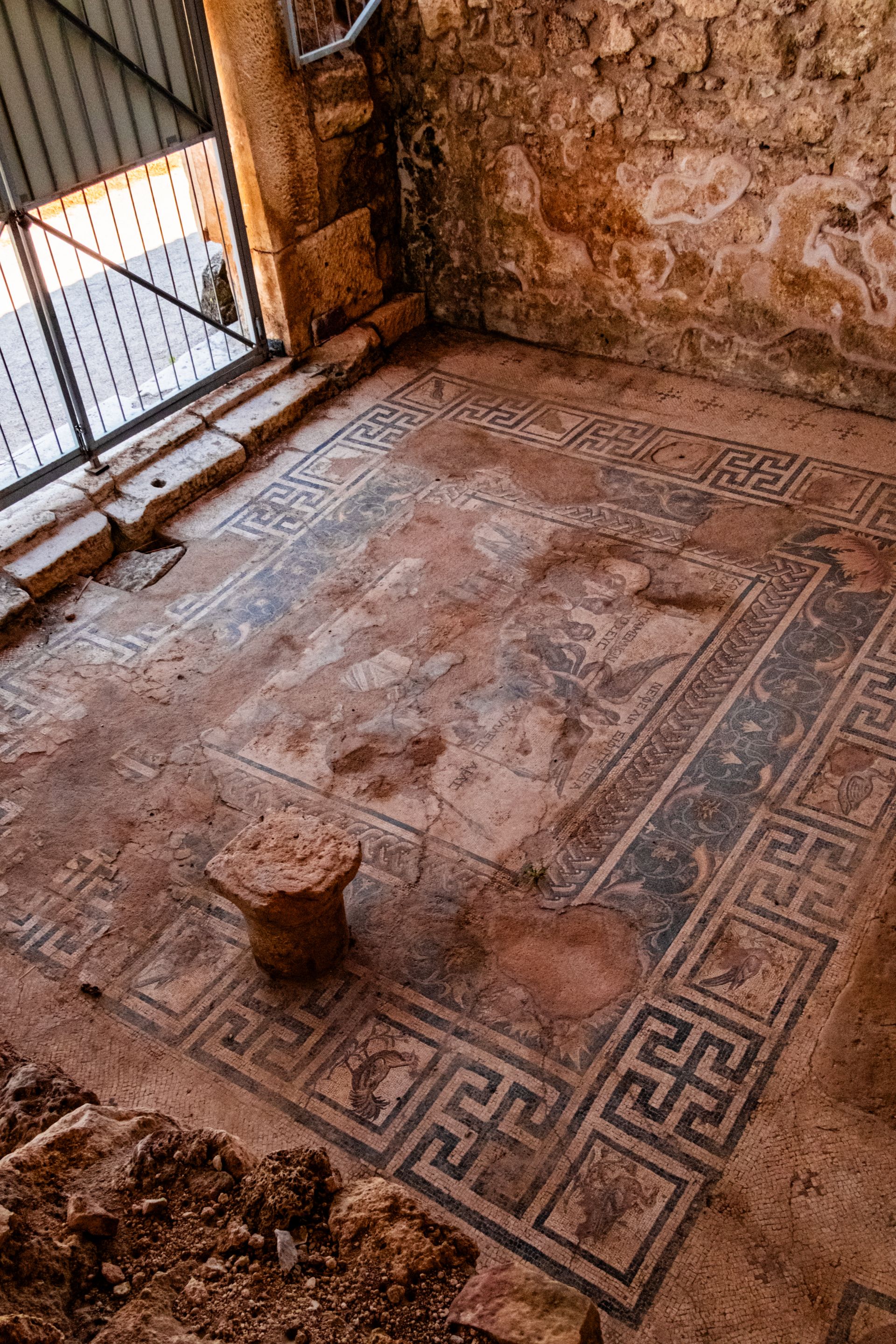
Roman mosaic floors from houses still half buried in sand, the rock-cut chambers of the Tombs of the Kings, and Kourion a little further on, with an amphitheatre that still looks out to sea. The depth here isn't in the beach but beneath it.
remote north
The Karpas peninsula
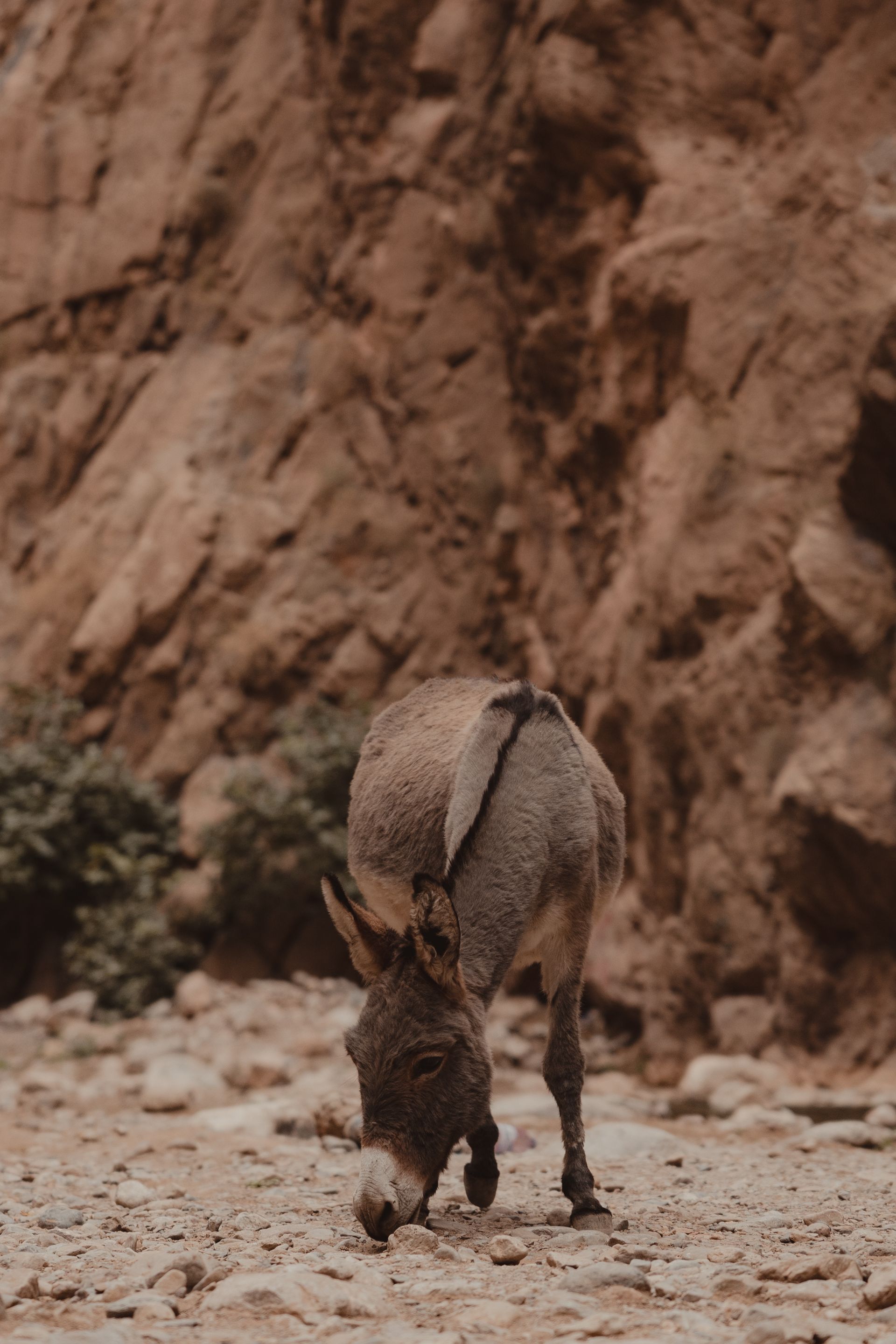
The narrow spur in the far north-east, where wild donkeys wander freely along the road, where the Apostolos Andreas monastery stands on the tip of the cape, and where sea turtles still lay their eggs at night on beaches without a single sunbed.

bird migration
Larnaca and the salt lake
From November to March, thousands of flamingos land here on the dried-out salt lake, with the sixteenth-century Hala Sultan Tekke mosque as backdrop. In the town itself stands the Church of Saint Lazarus, built above the grave of the man who, according to tradition, spent his second life here.

abandoned city
Famagusta and Varosha
Inside the Venetian walls of Famagusta stands a Gothic cathedral that has served as a mosque since the fourteenth century. Right next to it lies Varosha, once the island's busiest coastal resort, largely sealed off since 1974 and only recently partly reopened, a town that has stood still exactly as it was.
What lives here
An island with its own species
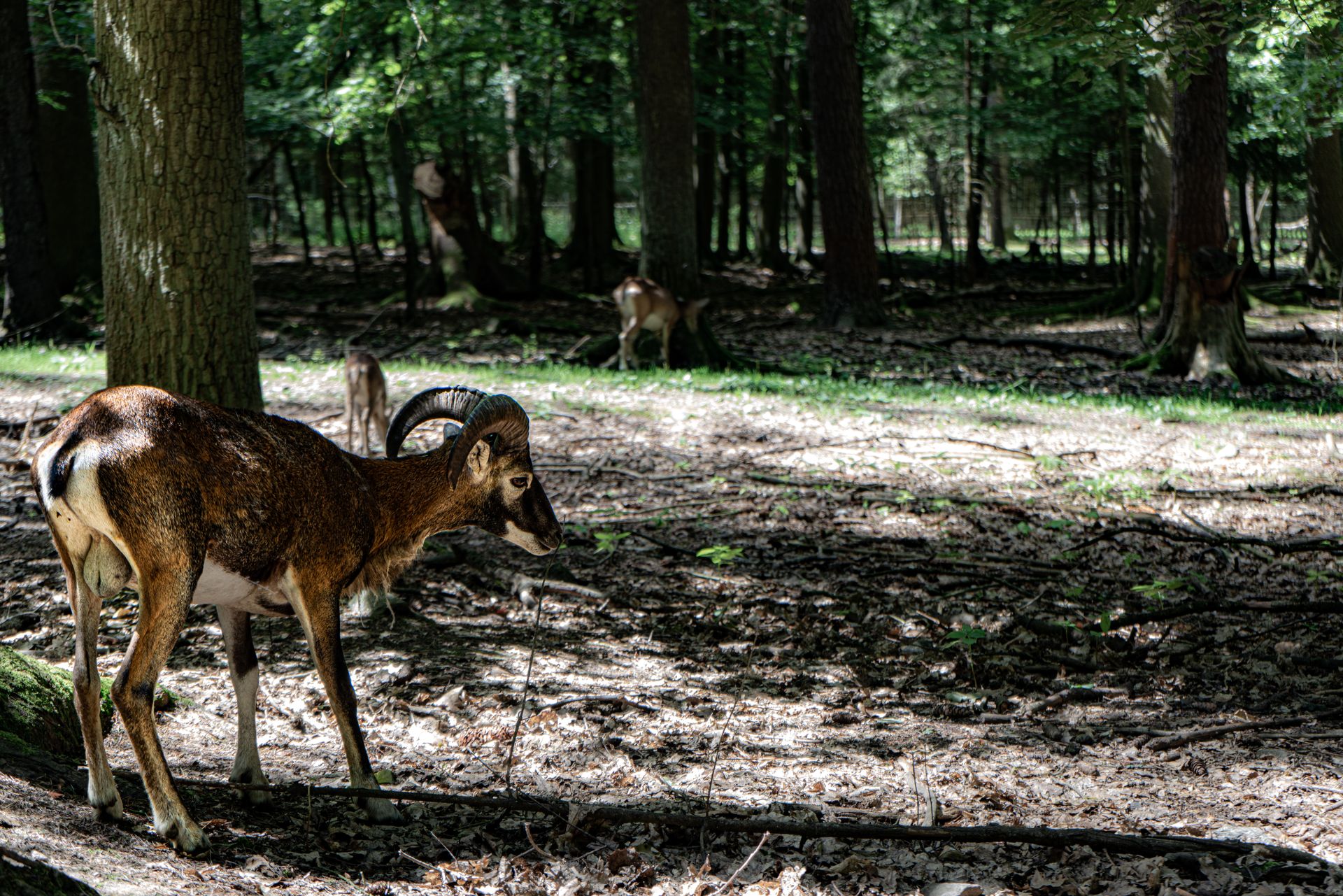
The Cyprus mouflon
A wild sheep found nowhere else, once nearly hunted to extinction and now protected in the Paphos Forest and the Cedar Valley. Seeing one takes patience and an early walk, not a safari promise.
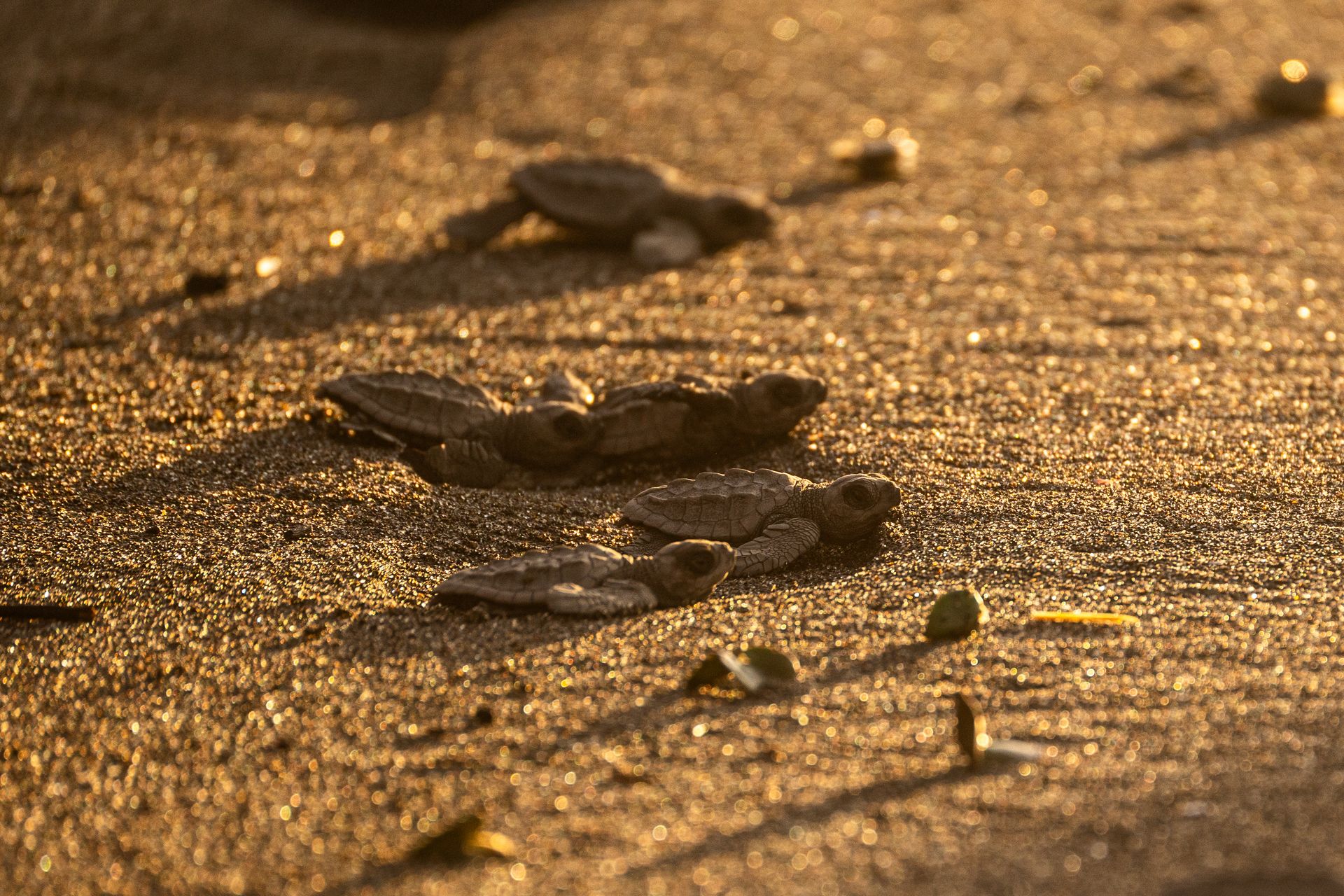
Loggerhead and green turtles
Between May and August, loggerhead and green turtles come ashore at Lara Bay in the south-west and Alagadi in the north to nest, two of the best-protected breeding beaches in the Mediterranean.

Flamingos on the salt lake
Every winter, thousands of flamingos settle on the salt lakes of Larnaca and Akrotiri, on their way between Africa and Europe. An island that draws swimmers in summer becomes a stopover for migrating birds in winter.

Food and wine
Halloumi here isn't an import, it's a border question.
The cheese that by now sits in supermarkets across Europe originally came from village kitchens on both sides of the ceasefire line, and who gets to call themselves Cypriot enough to make it remains a live conversation. We'd rather just eat it warm off the grill, in a village taverna, alongside a meze table that can run to thirty small dishes: stewed snails, grilled octopus, chickpea purée, wild greens that only appear on the menu in spring.
In the wine villages around Omodos and Vasa, producers make Commandaria, one of the oldest documented wines in the world still in production, from native grape varieties such as Xynisteri and Mavro that grow nowhere else. The vineyards here sit as high as a thousand metres, cooler, slower, with a harvest that doesn't begin until September.
Looking past the highlights
Why we see this island differently
The border isn't a footnote We deliberately plan a crossing to the north, with the right papers and the right transport. A car hired in the south usually can't cross. We don't ignore it.
The interior comes first Most trips to Cyprus start and end on the coast. We prefer to start in the Troodos, where the temperature, the pace and the landscape are entirely different from the picture most people have of this island.
Wine older than the name Bordeaux Commandaria is mentioned in sources predating the Crusades. Anyone who thinks only of beach bars here misses one of the oldest wine traditions in the world.
Archaeology without a fence Beyond the well-known sites near Paphos lie lesser-visited places such as the Neolithic settlement of Choirokoitia and the ruins of Salamis near Famagusta, often with remarkably few other visitors.

Kalopanayiotis, one of the painted church villages of the Troodos on the UNESCO list.
When would you travel?
When you go decides which Cyprus you see
In July and August the coast easily climbs above thirty degrees and the best-known spots fill up, which is why we prefer to send those months inland, where the altitude keeps things more bearable. April and May bring wild flowers to the Troodos and a green that disappears the rest of the year; September and October bring the wine harvest and a sea still warm enough to swim in, without the summer crowds.
December to February is mild on the coast and can bring snow to the Mount Olympus summit. For those who prefer walking to swimming, this is a quiet season with few other travellers.
Jan
Feb
Mar
Apr
May
Jun
Jul
Aug
Sep
Oct
Nov
Dec
Top: mild to warm, the landscape at its best, no heat peak.
Good: pleasant for travel, with a caveat: early heat, shorter days or crowds at the best-known spots.
Fair: high-summer heat on the coast, or a quiet, cooler winter season, still workable, but a different kind of trip.
Worth knowing
Practical, without the noise.
A few things that make the difference between a smooth trip and a surprise along the way.
- Crossing the border
- Both sides can be visited with a valid passport; a car hired in the south usually can't enter the north without separate insurance.
- Documents
- EU citizens travel visa-free through the Republic of Cyprus; the north only requires a passport stamp at the border, no visa.
- Health
- No mandatory vaccinations; in summer, sun protection and enough water matter more than an extensive travel first-aid kit.
- Pace
- Expect narrow mountain roads in the Troodos. A distance of forty kilometres can easily take an hour and a half.
- Currency
- Euro in the south, Turkish lira in the north. Bring two wallets if you're visiting both sides.
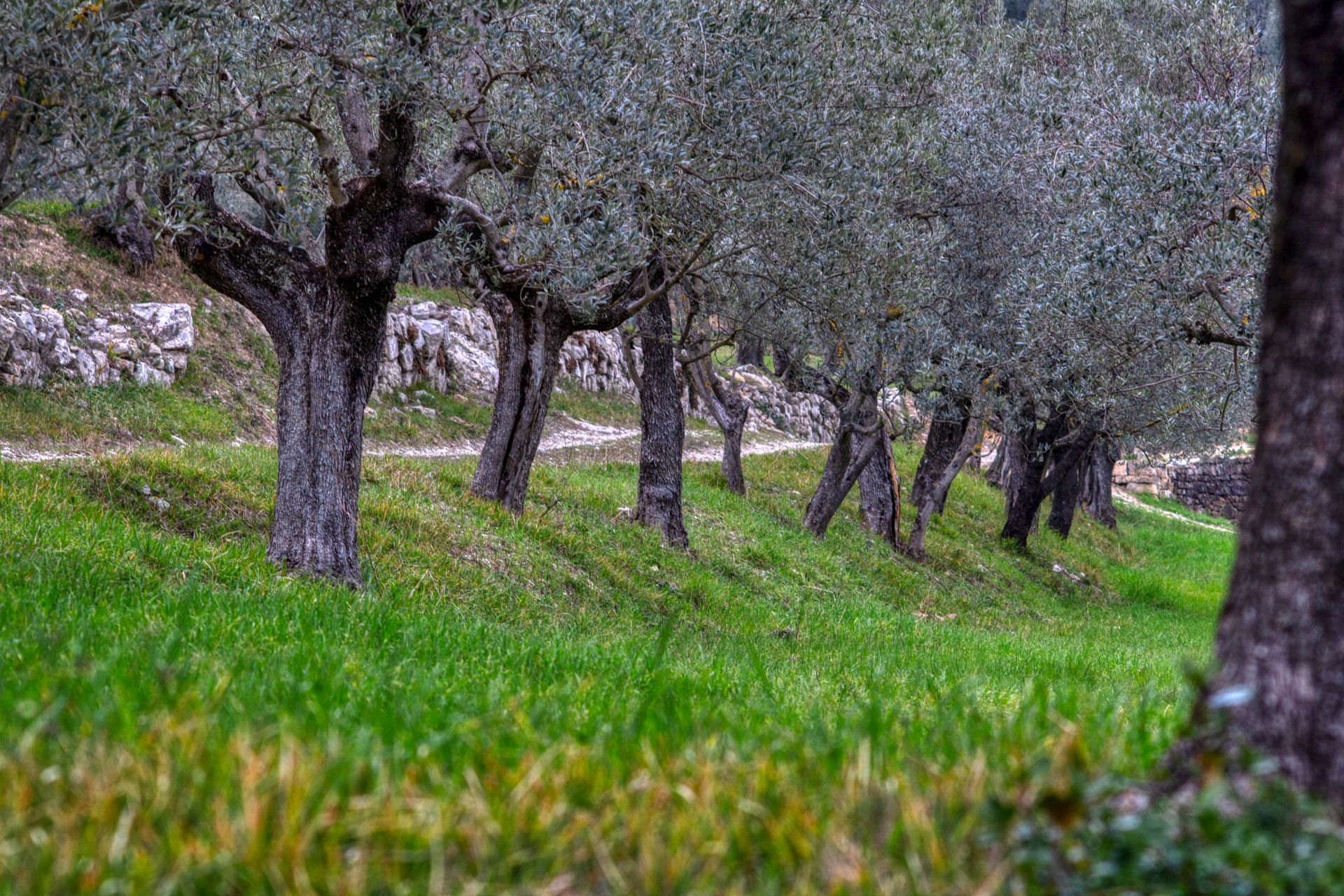

Between olive grove and salt flat lies the same island.
Cyprus isn't a story with two sides.
It's an island you only really know once you've seen both.
Questions we're often asked
Can we just travel to the north of Cyprus?
Yes, with a valid passport you cross the border in Nicosia or at one of the other crossings without a visa. A car hired in the south usually can't cross with you. For that we arrange a separate hire car or transport that is allowed over.
Is Cyprus a beach destination or a culture destination?
Both, though we rarely plan it as a pure beach trip. The coast is there, but the mountain villages, the monasteries and the excavations give the island its depth. You come across the sea along the way, not as the main goal.
How hot does it get in summer?
On the coast, temperatures in July and August easily reach thirty-five degrees. In the Troodos mountains, at a thousand metres and higher, it's noticeably cooler, one reason we recommend the interior for exactly those months.
Is English spoken in Cyprus?
Widely and well, a legacy of the British period up to 1960. In the mountain villages and on the north coast, a few words of Greek or Turkish help you get further than the tourist conversation.
Or perhaps this
Other destinations
Still weighing it up? That is no problem at all. The right country often only becomes clear once the conversation starts.
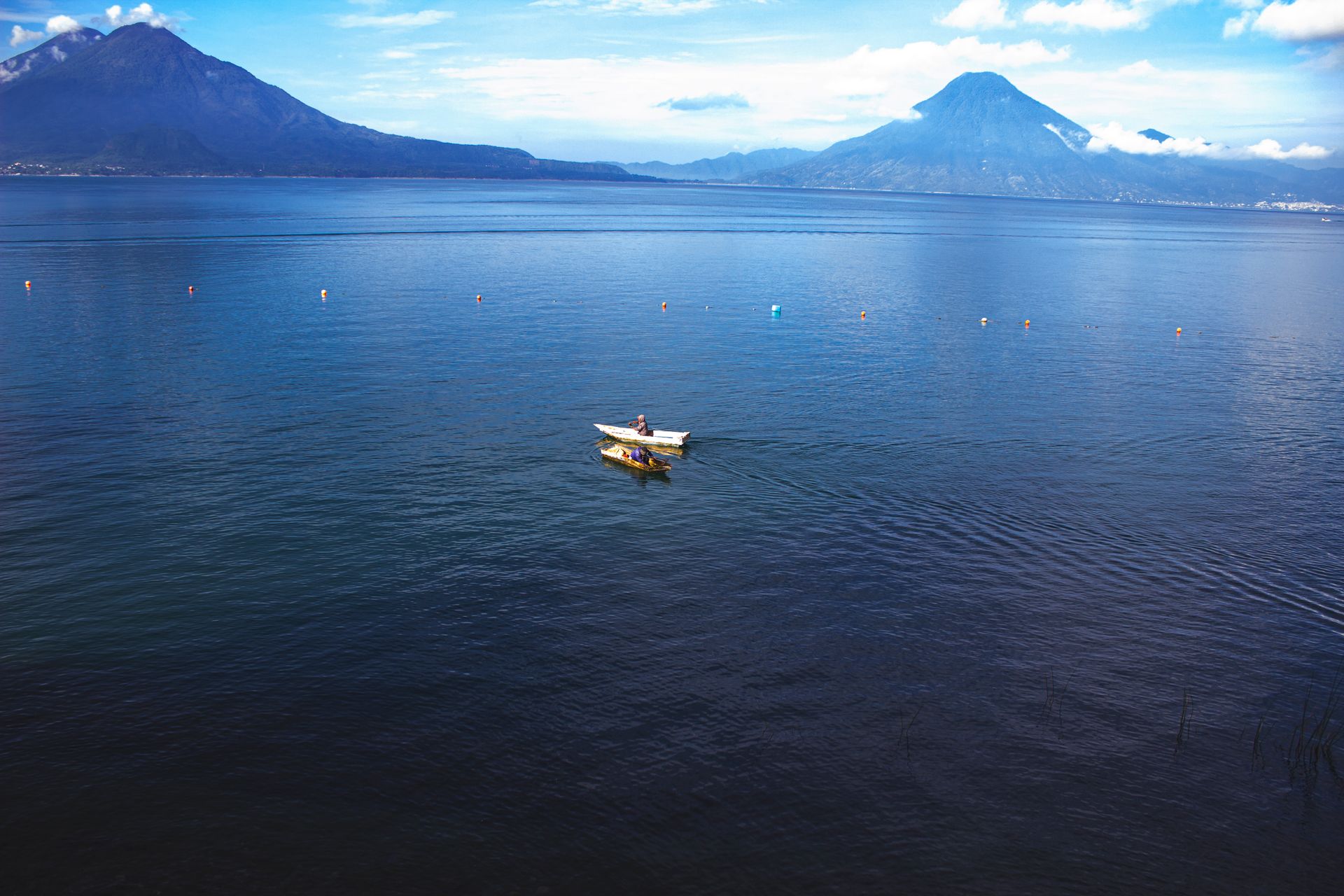
Central American highlands
Guatemala
A highland where Maya culture isn't a backdrop but sets the rhythm of everyday life.
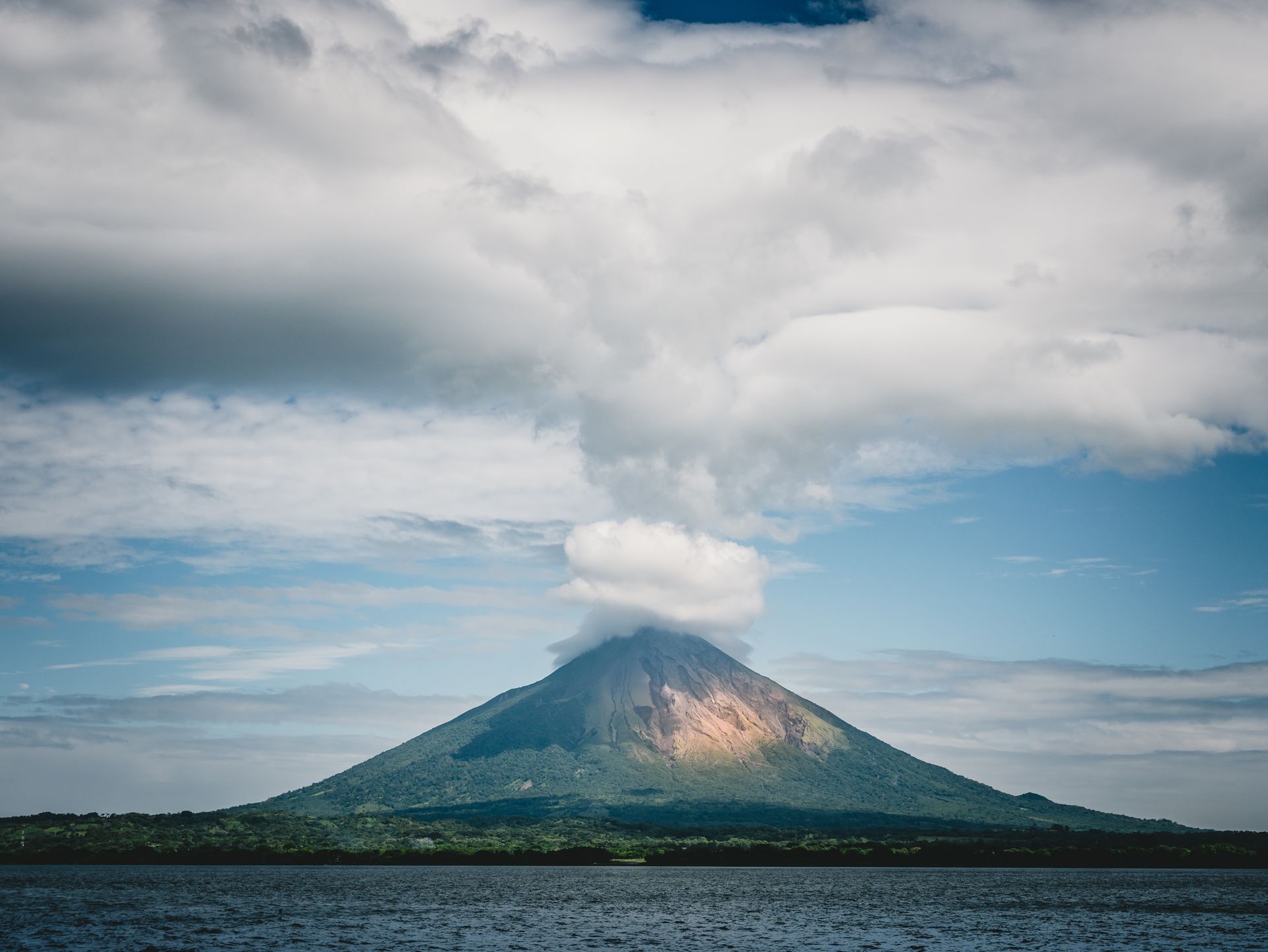
Central American lake district
Nicaragua
Two colonial cities, centuries-old rivals, separated by a lake dotted with volcanic islands, rougher around the edges than its neighbours.
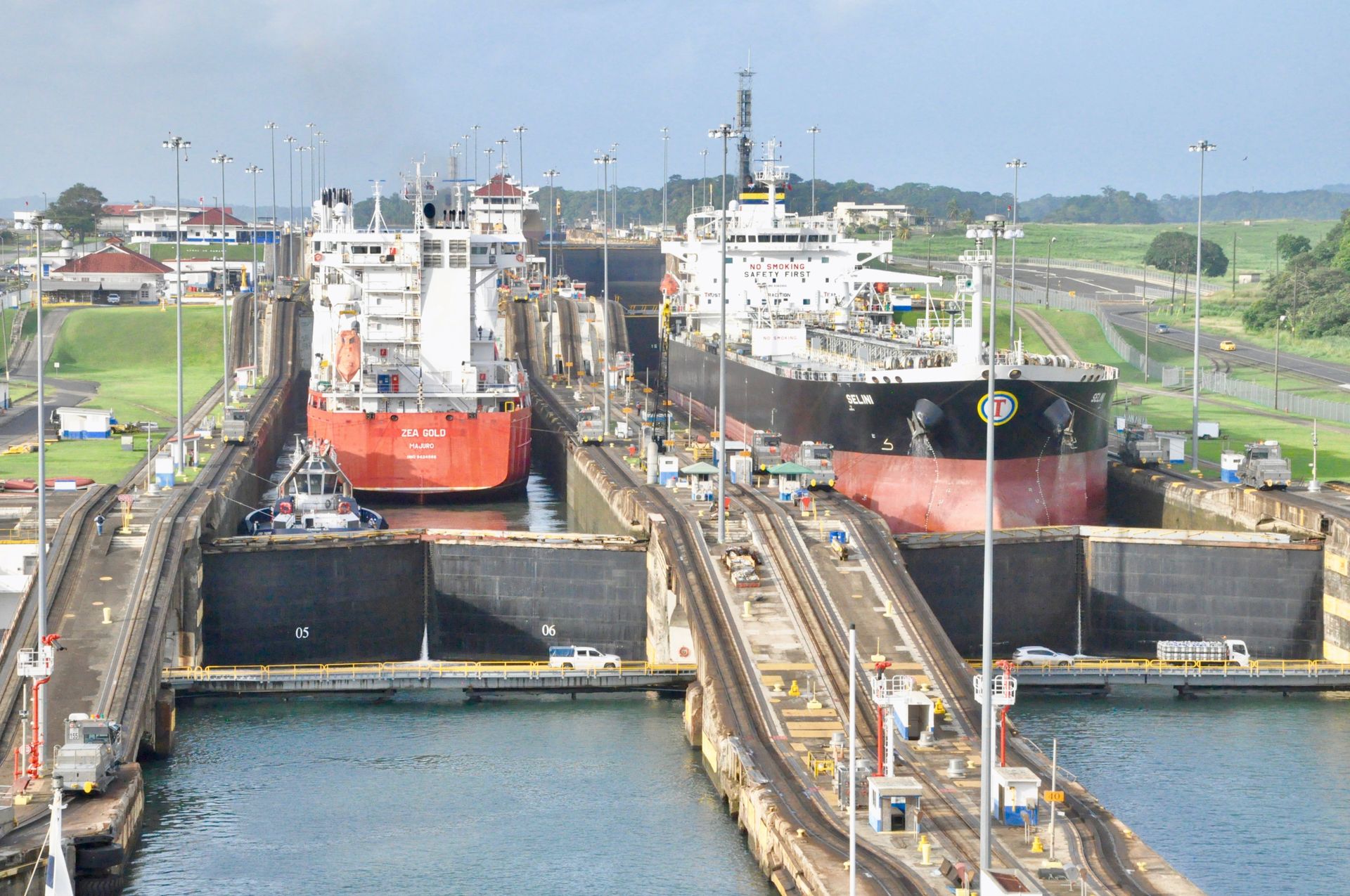
Central American isthmus
Panama
An isthmus where two oceans almost touch and the rainforest reaches right up to the edge of the city.
How it works
This is how your journey to Cyprus takes shape.
Six steps, from your first story to your homecoming. The conversation and the feasibility check cost you nothing.
-
01
Tell us your story
Fill in the form or give us a call. You do not need a route yet: a country, a period or just an idea is enough.
-
02
The conversation and the check
We talk through what you are looking for, by phone or by video, and check whether it can be done. If it can, we set down together what we will make for you.
-
03
We design your journey
We build your programme up, day by day, together with our own people in the country itself.
-
04
Your proposal
You read your journey day by day, with everything that is included. You say what you would like differently, until it is right.
-
05
Ready to depart
You send us your details, we send you your travel documents. You have one fixed contact who knows your journey.
-
06
Travelling, and after
Your contact stays reachable while you are away. Once you are home, we call one more time.
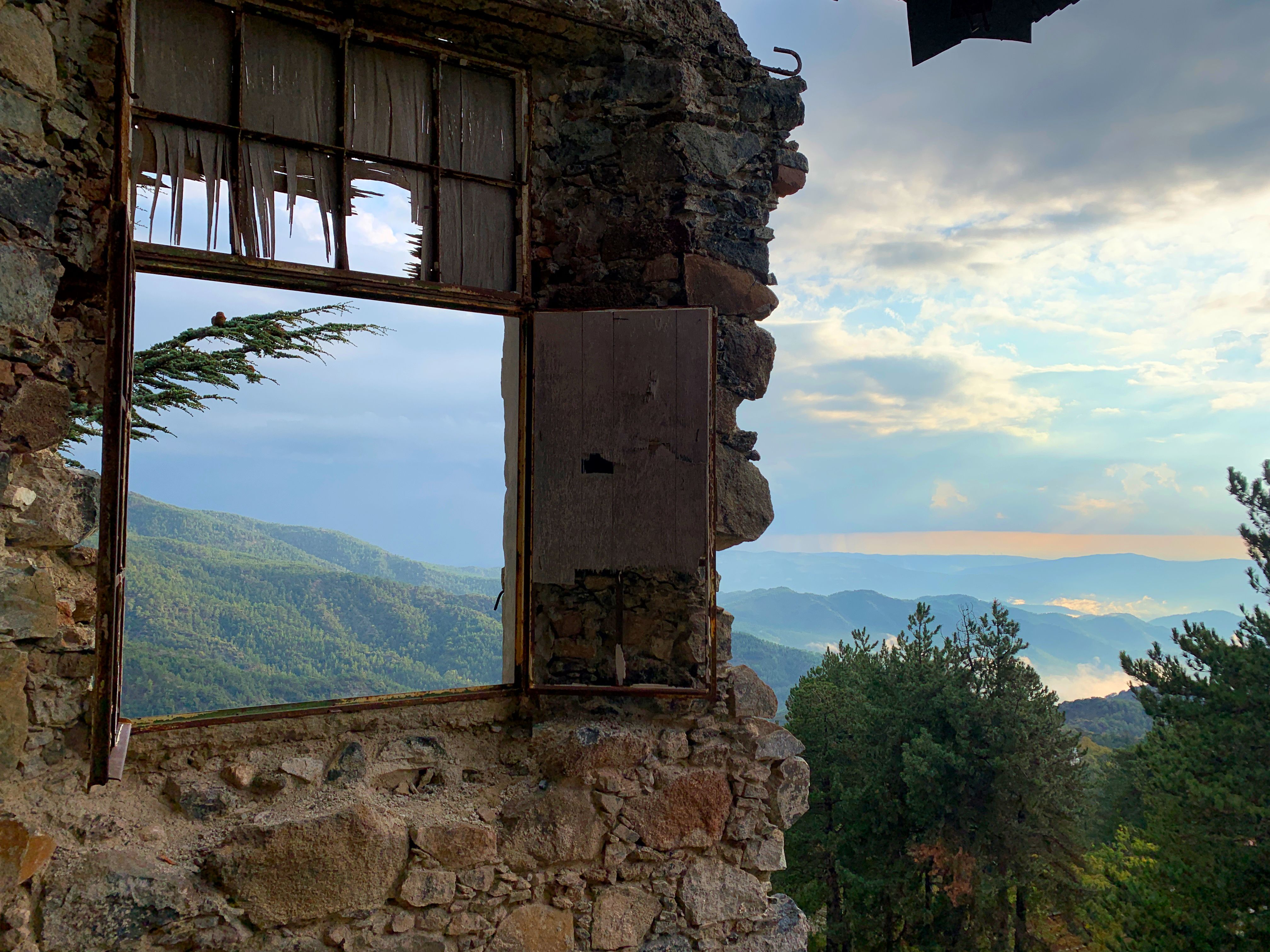
The next step
How would you like to discover Cyprus?
Tell us whether you're drawn to the mountain villages of the Troodos, the excavations at Paphos, or the quiet of the Karpas peninsula in the north. We build the trip around what you're looking for, not around a fixed programme.