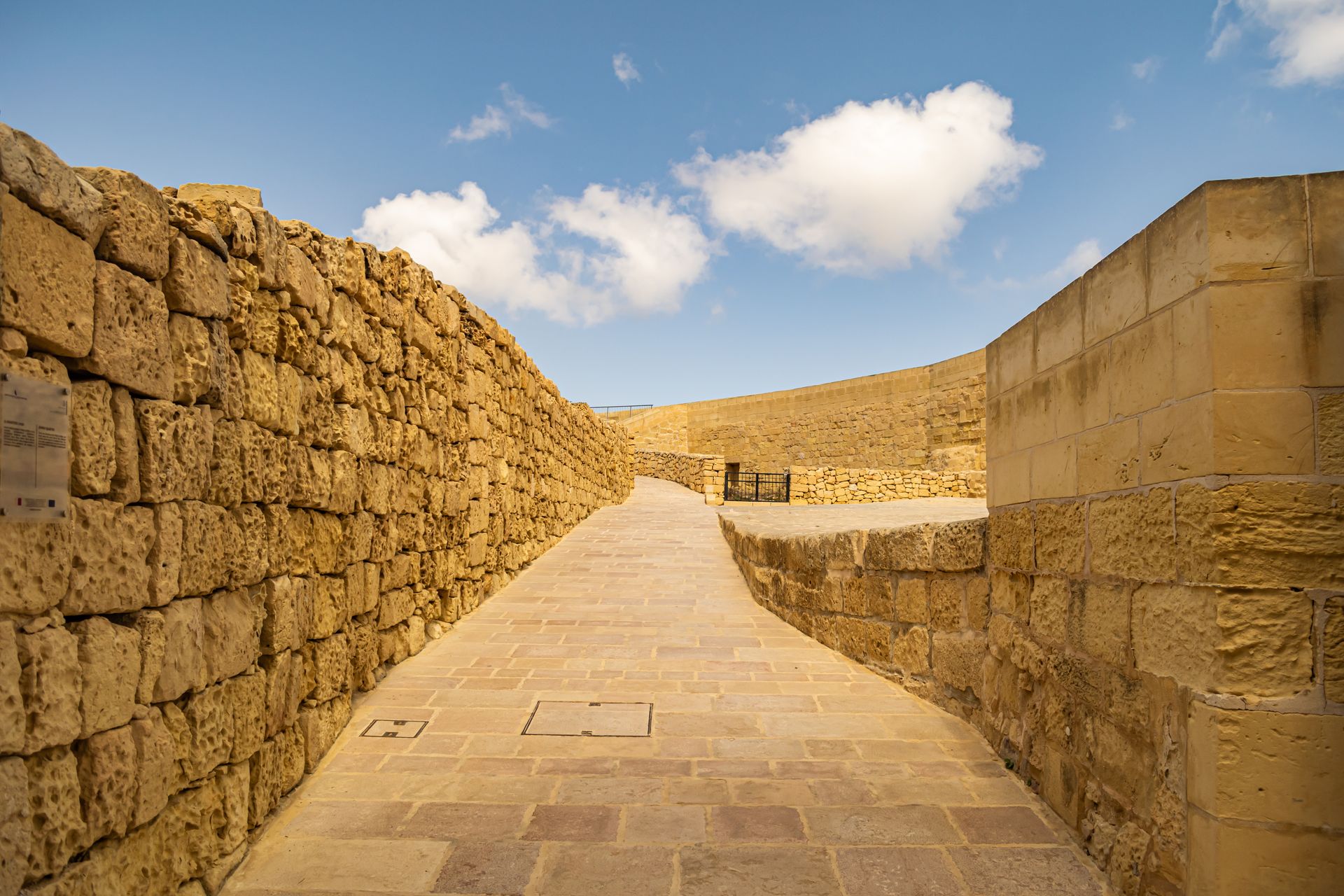
Central Mediterranean
Malta
An island of limestone and fortress walls where every layer of history is still legible.
This is Malta
An island that never tidied away its history.
Malta is an island of limestone and fortress walls where every layer of history is still legible.
Malta is small enough to drive round in a morning, yet more is packed into it than countries ten times its size. Beneath Valletta lie temples thousands of years older than the city itself. Above them stands a fortress city built by the Order of Malta to never again be besieged. Between the two lie centuries of Phoenicians, Arabs, Sicilians, French and British, each leaving something still visible today: a word in Maltese, the shape of a balcony, a road that keeps to the left.
Those layers don't sit neatly one after another. They lie on top of each other. In Mdina you can walk in the evening through streets without cars, while a stone's throw away Valletta is simply a capital with offices, washing on balconies and a harbour that still works. The limestone changes colour with the light, greyish in the morning, honey-toned by evening, and that might be the one thing the whole island has in common.
Anyone who comes here for sun and sea alone misses what Malta does best: a country that reads well once you take the time to look.
The islands
Three islands, three different paces.
Malta, Gozo and Comino are a boat ride apart, yet each feels different. Where you stay doesn't just shape the view. It shapes the pace of your whole trip.
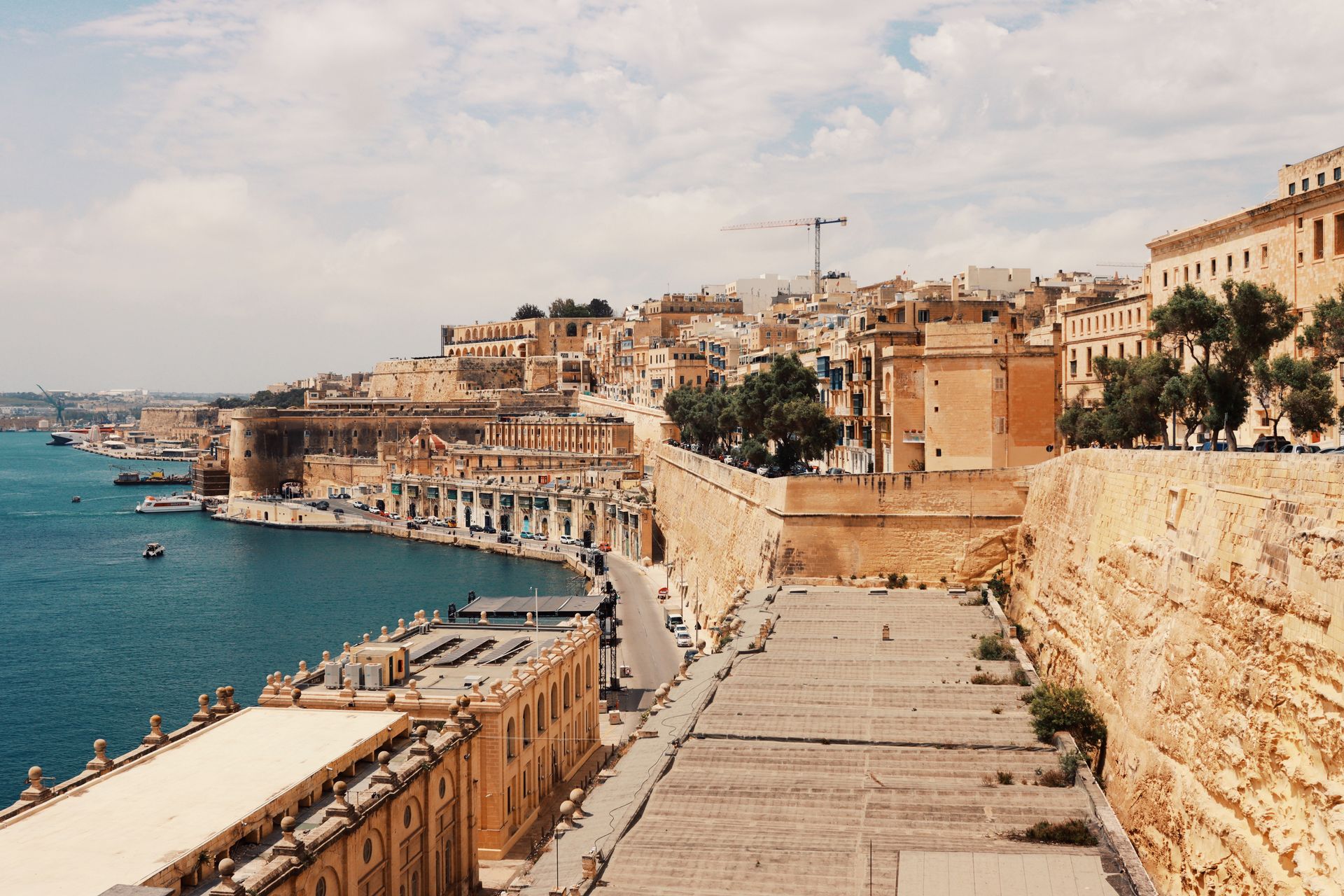
capital
Valletta
A fortress city on a peninsula, built after the Great Siege of 1565 and still within the same walls today. Narrow streets with washing lines on wrought-iron balconies, a harbour where ferries and fishing boats moor side by side, and a skyline that shifts as the sun moves across the bastions.

quiet
Mdina and Rabat
The former capital, left largely undisturbed since the sixteenth century. A few hundred people still live within the walls, and no car may enter after dark. Rabat, just outside, is livelier: an ordinary Maltese town with a market and catacombs beneath its streets.
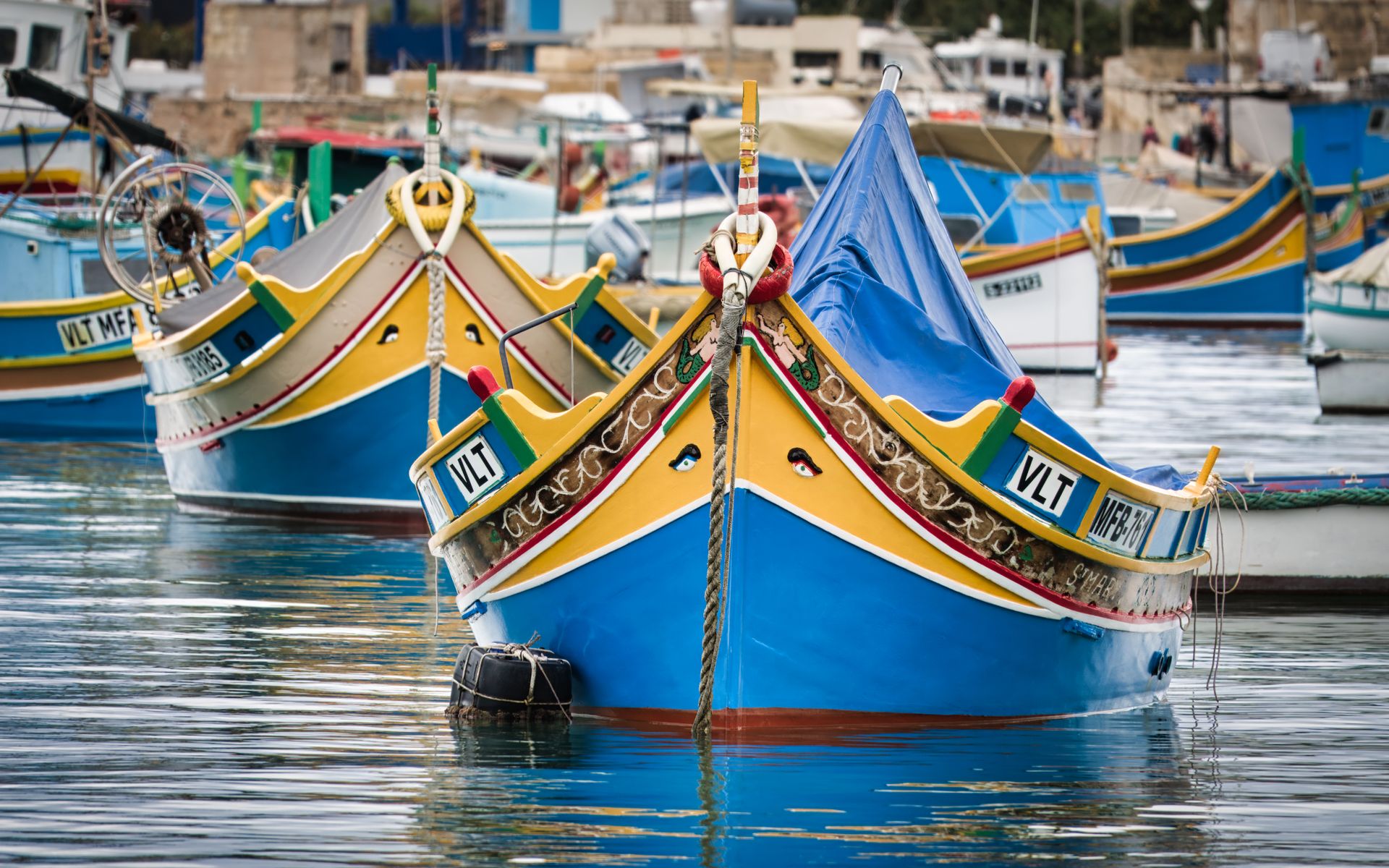
fishing
Marsaxlok and the south
A fishing harbour with brightly painted luzzu boats and a market on the quay every Sunday. The south of the island is more industrial than the rest, a refinery, a power station, but unpolished precisely because of it.
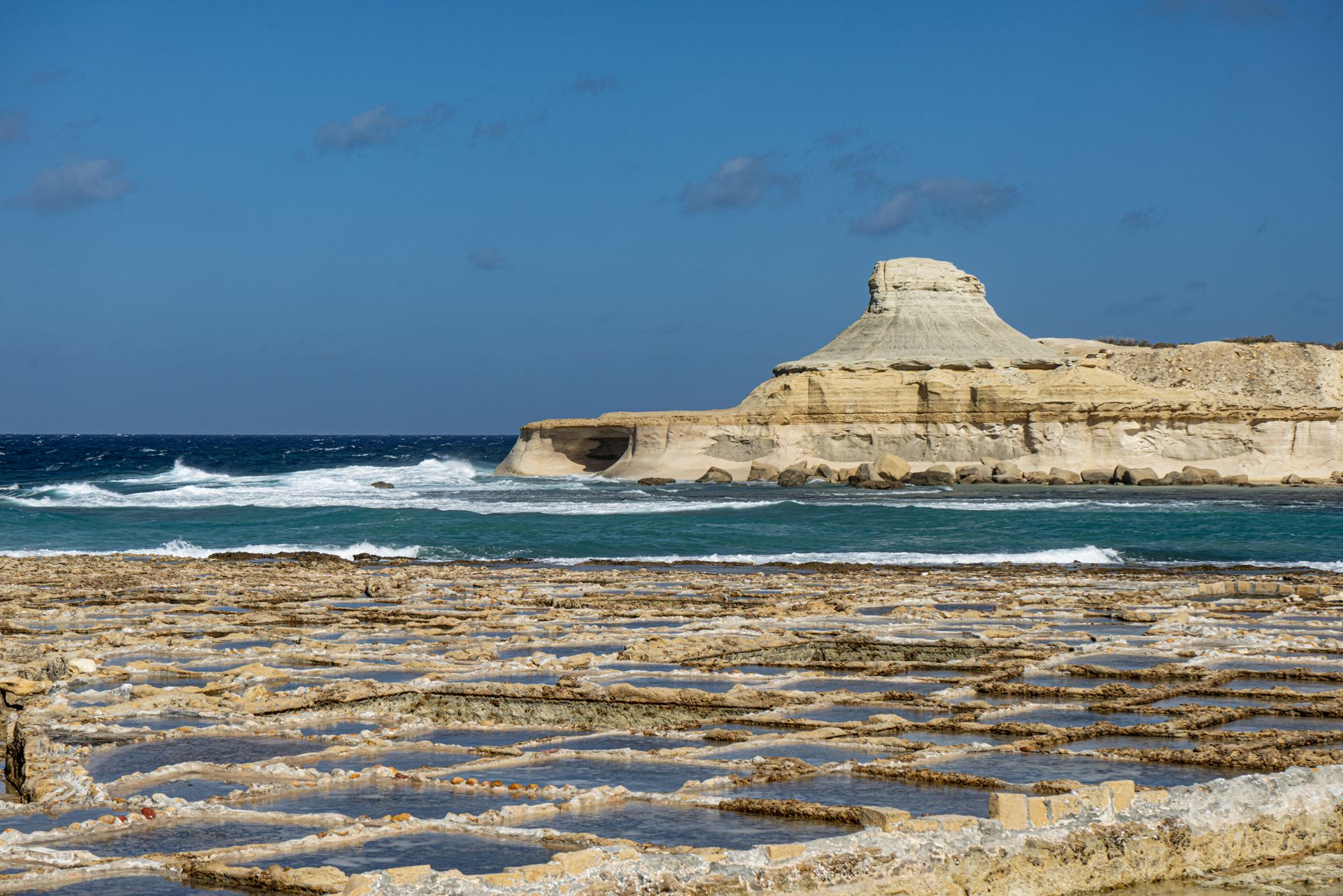
pace
Gozo
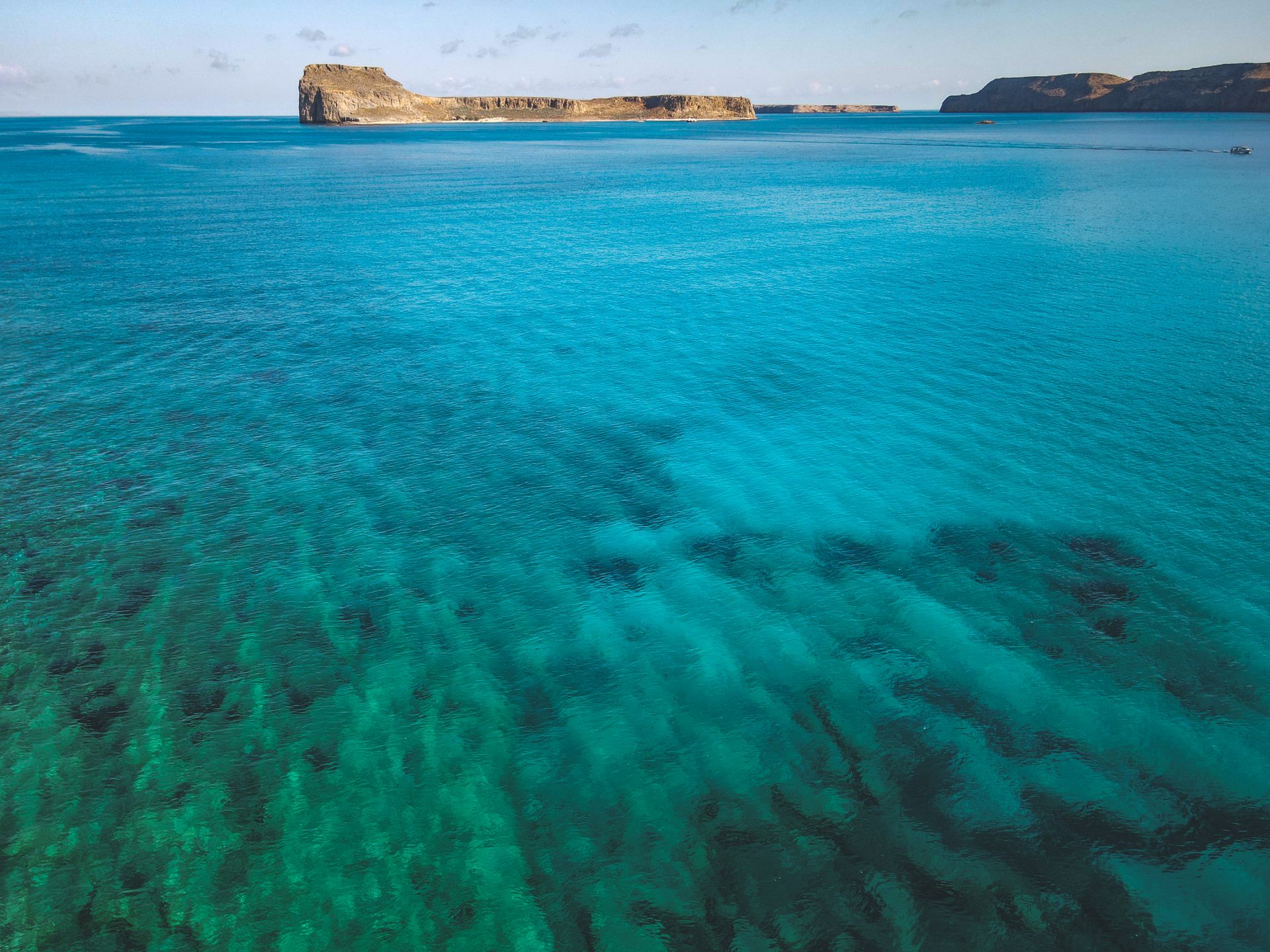
Smaller, greener, slower. Terraces of vines, salt pans at Xwejni, and a pilgrimage church at Ta' Pinu visible from a distance. Stay here and within a day you notice Gozo runs to a different rhythm than the main island.
emptiness
Comino
Almost uninhabited, save for a handful of people. The Blue Lagoon is one of the busiest spots in the country by midday. Early in the morning, before the first boats arrive, it's simply a bay.
Looking past the highlights
Why we don't sell Malta as a sun island.
Small is an advantage, not a limitation. 316 km² sounds limited, but it means you can stand in a fortress town in the morning and on a cliff at the other end of the island by afternoon. We plan around that deliberately, not to fit more in, but because the distances allow you to stay longer somewhere.
History here doesn't disappear, it stacks up. In most of Europe, one period dominates. On Malta, neolithic temples, Arab street plans, knightly architecture and British telephone boxes sit literally on top of each other. That calls for looking slowly, not ticking off a checklist of sights.
The language betrays where the country comes from. Maltese is the only Semitic language written in the Latin alphabet: an Arabic base threaded with Sicilian and English loanwords. One sentence carries the trace of three trade routes.
Crowds concentrate, so we deliberately avoid those spots. Sliema and St Julian's draw the bulk of visitors. We don't send people there. We look for the side of the island where a balcony is still just a balcony, not a photo spot.
At the table
A cuisine shared across three continents.
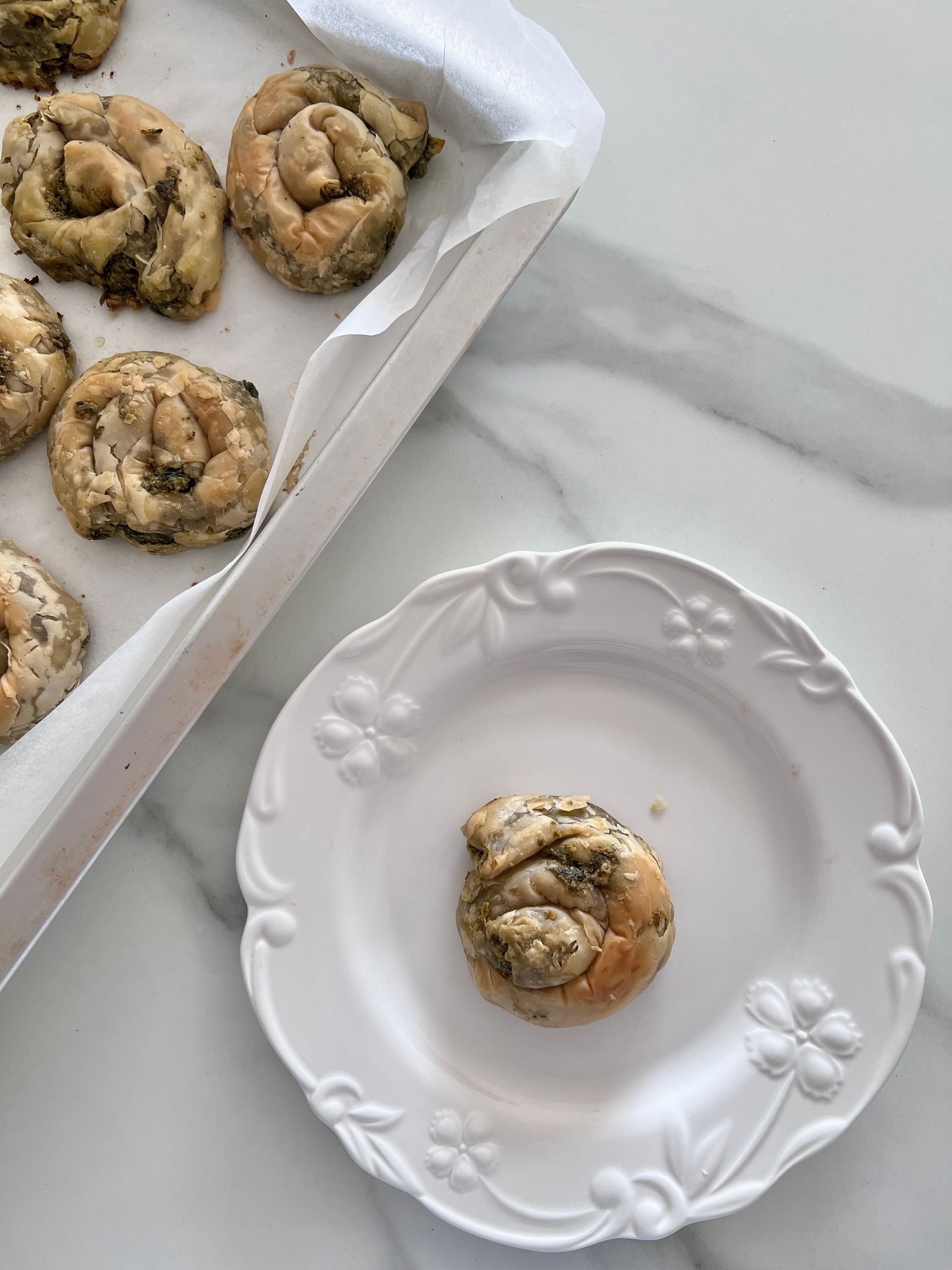
Maltese food can never be explained by one tradition alone. Pastizzi, crisp pastry parcels filled with ricotta or peas, are eaten early in the morning, standing up, at a stall. Fenkata, a rabbit stew with garlic and wine, is a Sunday family tradition rooted in centuries of hunting rights. Ftira, the flat Maltese bread, is topped in ways that owe as much to Sicily as to North Africa.
On Gozo you taste the difference straight away: local wine from the terraces around Victoria, goat's and sheep's cheese still made on the farm. A Sunday lunch there easily runs to three hours, and no one thinks that excessive.
Malta doesn't let itself be ticked off in a day trip.
It reads layer by layer.
Coast and water
Water without sunloungers.
Dingli Cliffs
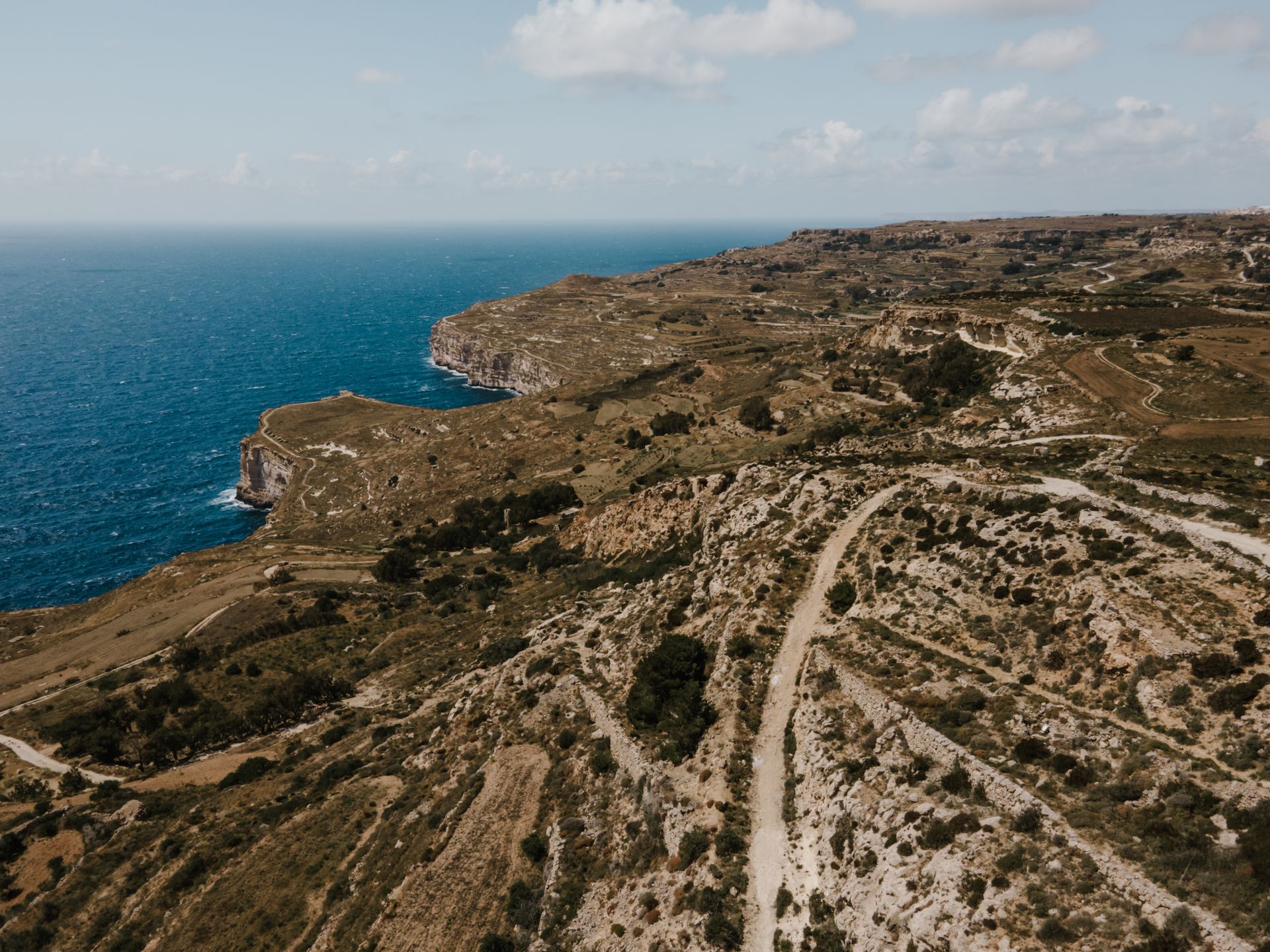
Malta's west coast drops straight into the sea, over 200 metres in places. No beach, no parasols. Just a footpath and, on a clear day, a view of the islet of Filfla.
Wrecks and caves
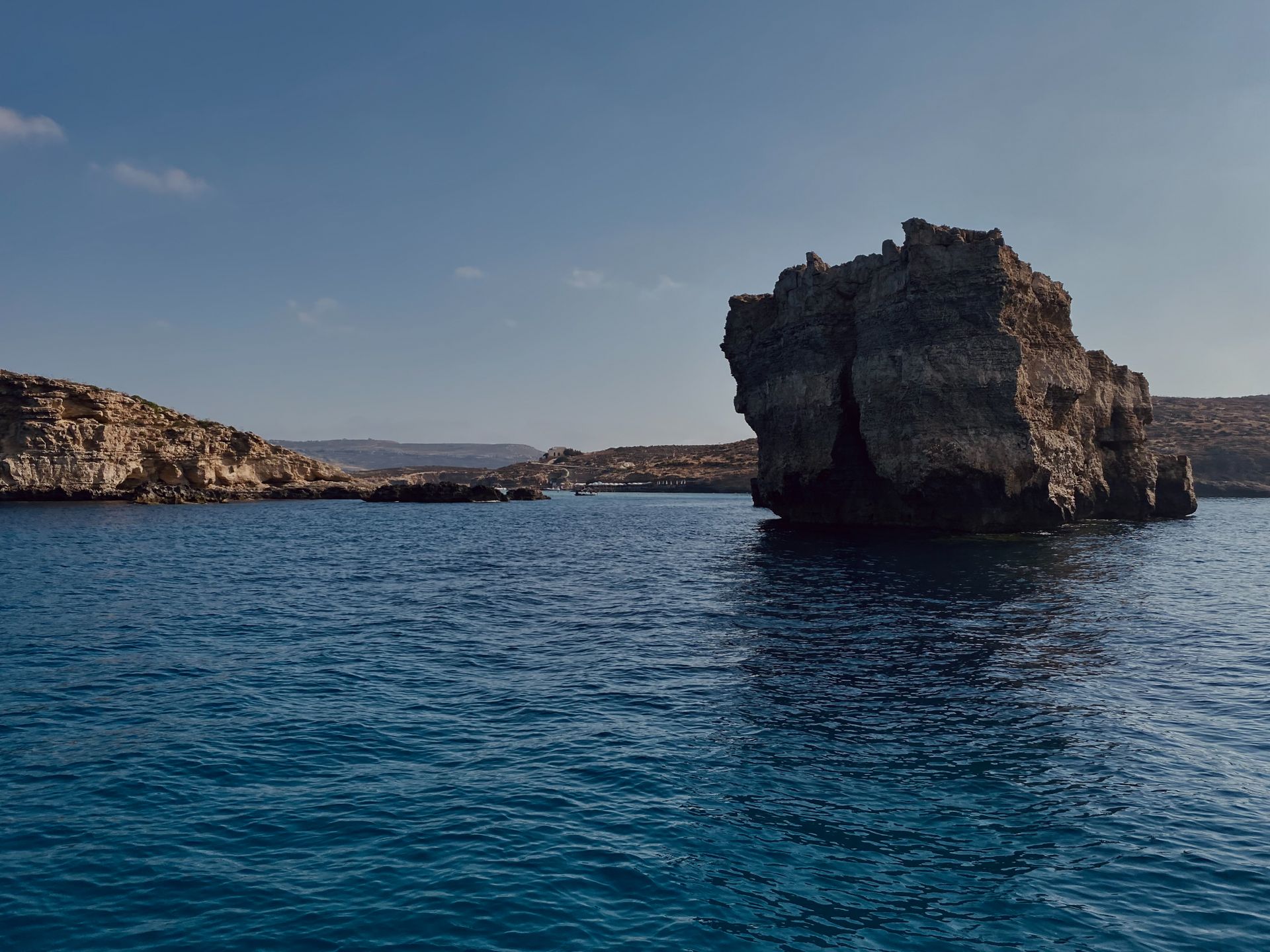
The water around Malta is clear enough to dive to Second World War wrecks and underwater caves without much experience. The Blue Grotto is quiet early in the morning, a queue of boats later in the day.

The coast of Gozo
Wied il-Mielaħ, a natural rock arch with a cove beneath it, or the salt pans at Qbajjar, Gozo's coastline is wilder and quieter than the main island's.
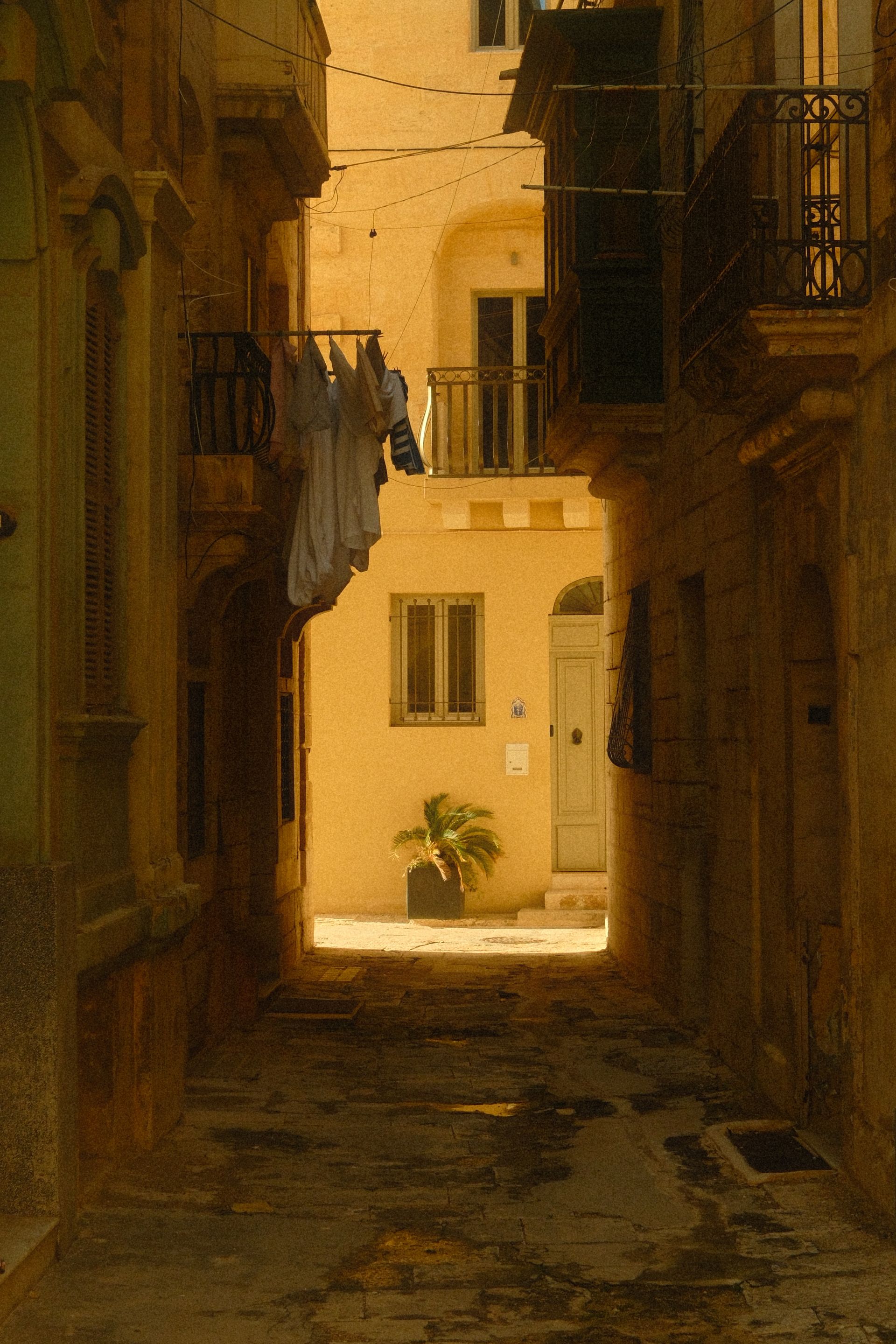
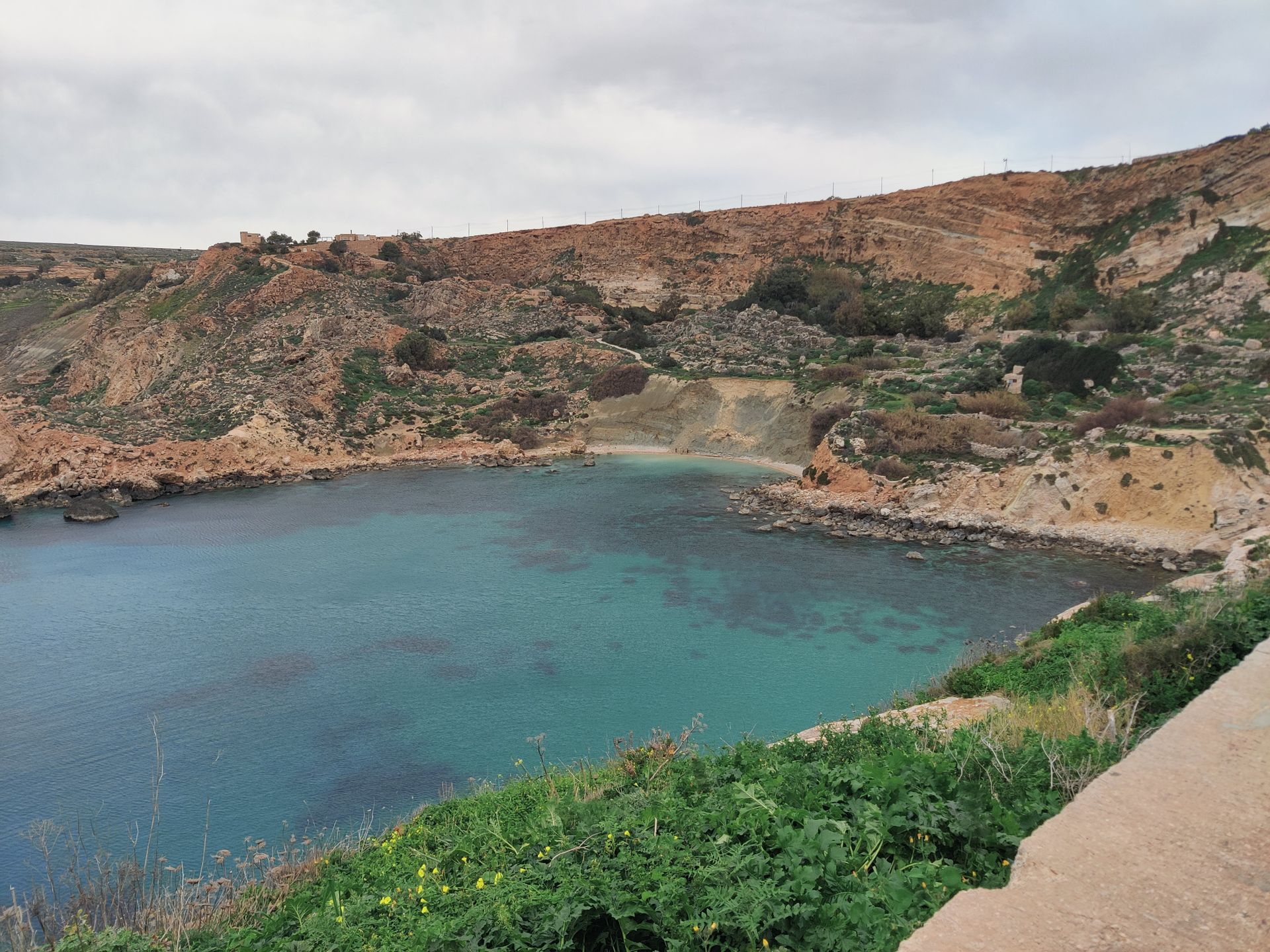
A street too narrow for two cars. A bay without sunloungers.
What's possible here
Malta rewards exploring on foot and on water.
No fixed programme. But a number of things typify the island and that we often build in, depending on what draws you.
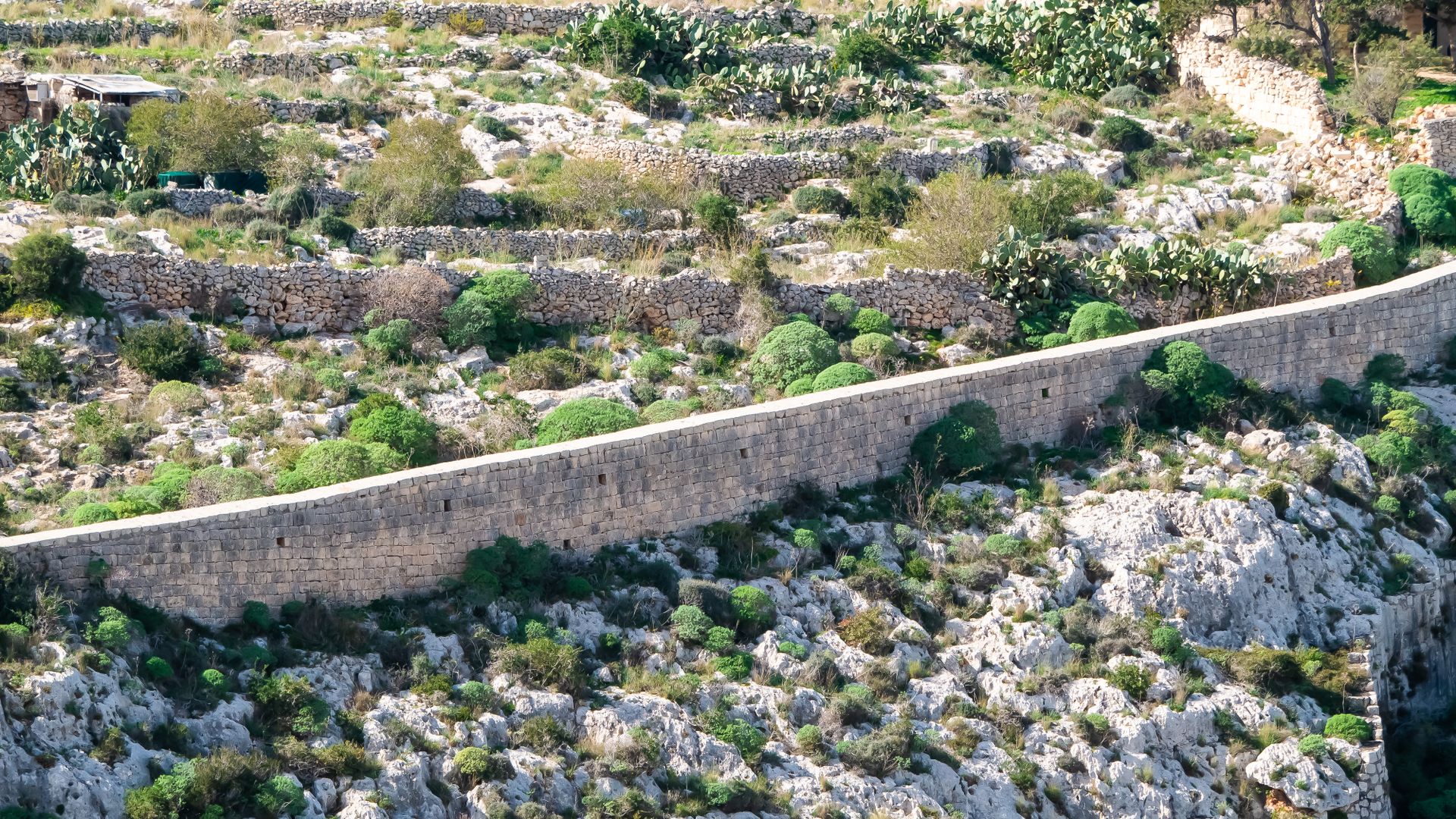
Walking the Victoria Lines
A nineteenth-century British defensive line running across the island, now a footpath with views over fields and villages instead of enemy troops.
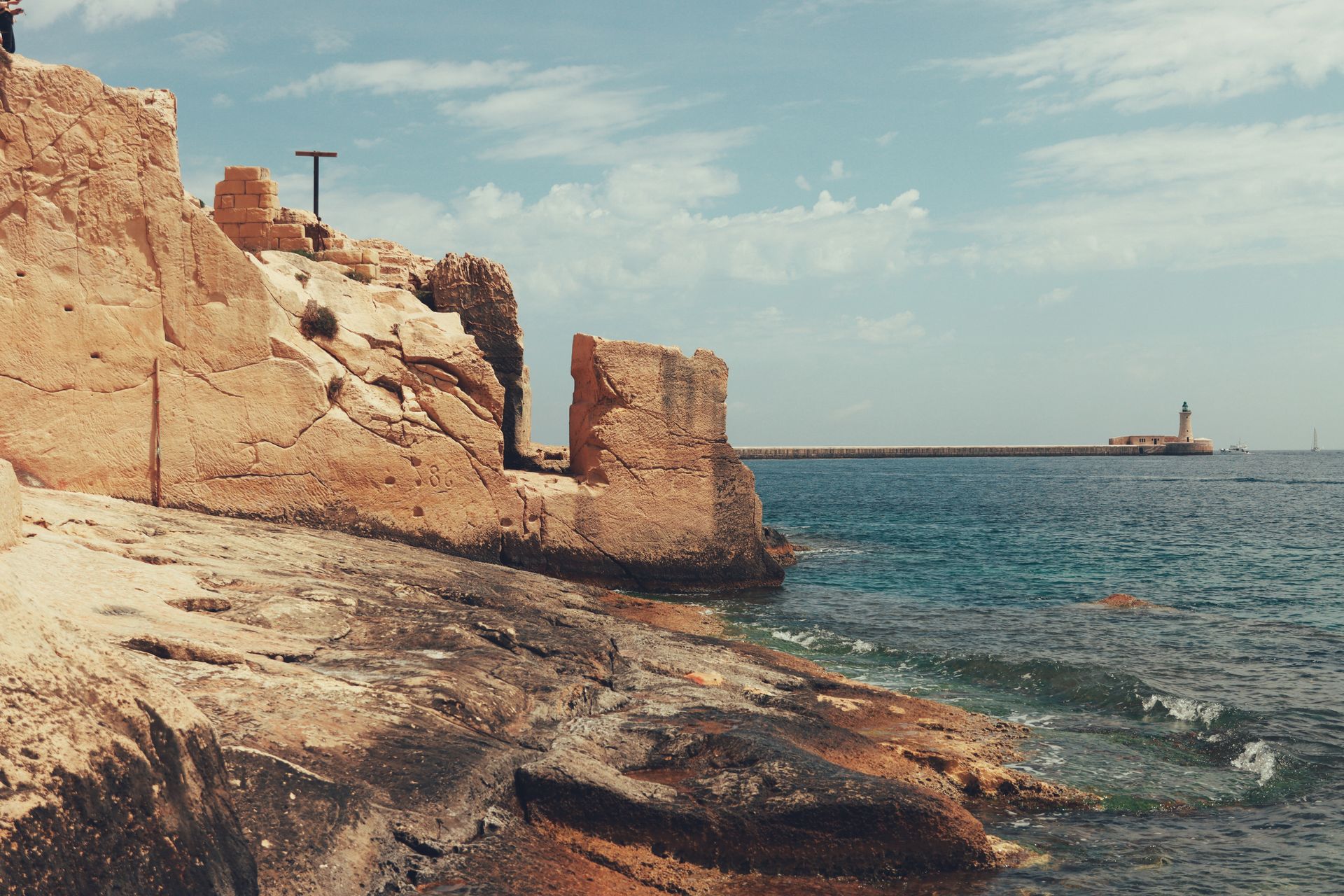
A morning at the temples of Ħaġar Qim
Megalithic structures older than Stonehenge and the pyramids of Giza, perched on the edge of a cliff above the sea. Early in the day, before the coaches arrive, you often have them almost to yourself.

Crossing to Comino before the crowds
A short boat ride from Cirkewwa, ideally before nine in the morning, while the Blue Lagoon is still a bay and not yet a destination.

Diving or snorkelling the wrecks of Gozo
Reqqa Point and the wreck of the Xlendi make Gozo one of the quieter diving destinations in the Mediterranean.

A Sunday in Marsaxlok
The weekly fish market on the quay, followed by lunch with fish landed that same morning, no staging for tourists, simply how the village has worked for generations.
What we build into this depends on who's travelling and what they're looking for. These are directions, not a route.
When would you travel?
When to travel to Malta
Malta has a mild Mediterranean climate: dry, hot summers and mild, rainy winters. July and August are the busiest and hottest months. Temperatures above 35°C are not unusual, and the islands fill with day-trippers from cruise ships.
April to June and September to October offer the best balance: warm enough to swim, quieter on the streets and in the temples, and evening light that shows the limestone at its best. Winter is mild. Rain comes in showers, not lingering cold. And that's exactly when Valletta feels most like itself: a city people live in, not just visit.
Jan
Feb
Mar
Apr
May
Jun
Jul
Aug
Sep
Oct
Nov
Dec
Top: pleasant weather and manageable crowds.
Good: fine travel weather, with occasional crowds or rain.
Fair: workable, but with heat, crowds or rainfall to bear in mind.
Worth knowing
Practical, without the noise.
A few things that make travelling in Malta easier.
- Getting there
- Direct flights from Brussels, about 3 hours.
- Driving
- Drive on the left, as in the United Kingdom. And the roads are narrower than the distances on the map suggest.
- Language
- Maltese and English are both official; English will get you everywhere.
- Pace
- Distances look small on paper, but think in travel time, not kilometres: a 20 km drive can involve traffic and winding roads.
- Accessibility
- Many historic centres, such as Valletta and Mdina, are car-free or paved with cobblestones. Comfortable shoes are not an unnecessary luxury.
Frequently asked questions
Is Malta suitable if you don't like crowds?
That depends on where and when. Sliema and St Julian's are busy, as is the Blue Lagoon in the middle of the day. Gozo, early mornings and the autumn offer a completely different Malta.
Can you combine Malta, Gozo and Comino in one trip?
Yes. The ferry between the islands runs frequently, and the crossing takes anywhere from a few minutes to half an hour, depending on the route. The question isn't whether it's possible, but how much time you want to give each island.
Is the island large enough for a longer stay?
Physically Malta is small, but its layers, historical, culinary, and scenic, give a longer stay just as much substance as a bigger country. The difference lies in the pace, not the size.
Or perhaps this
Other destinations
Still weighing it up? That is no problem at all. The right country often only becomes clear once the conversation starts.
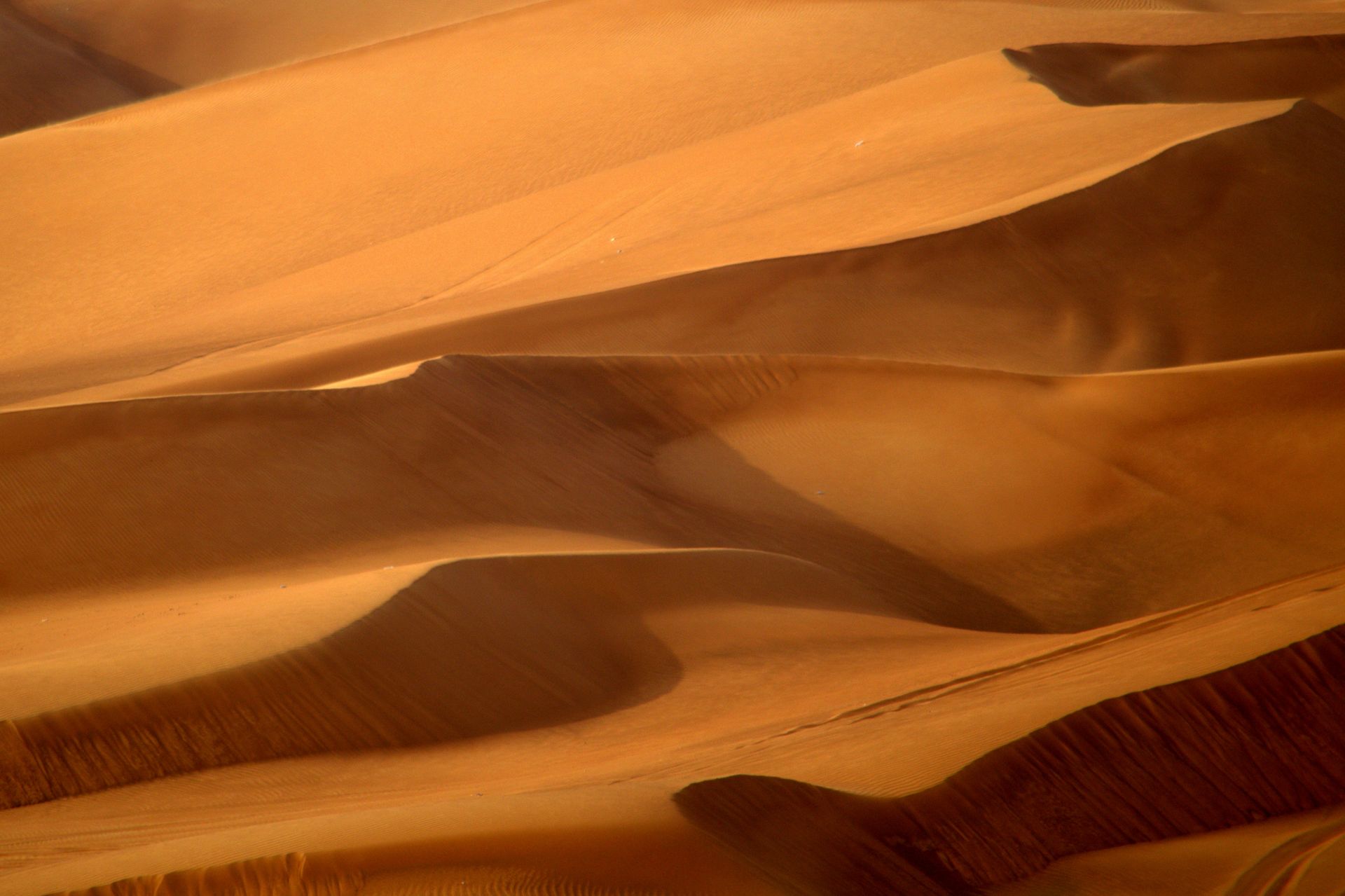
Arabian Gulf
United Arab Emirates
Seven emirates, not all of them skylines. Beyond the famous cities lies a land of dunes, wadis and oasis villages that move at a very different pace.
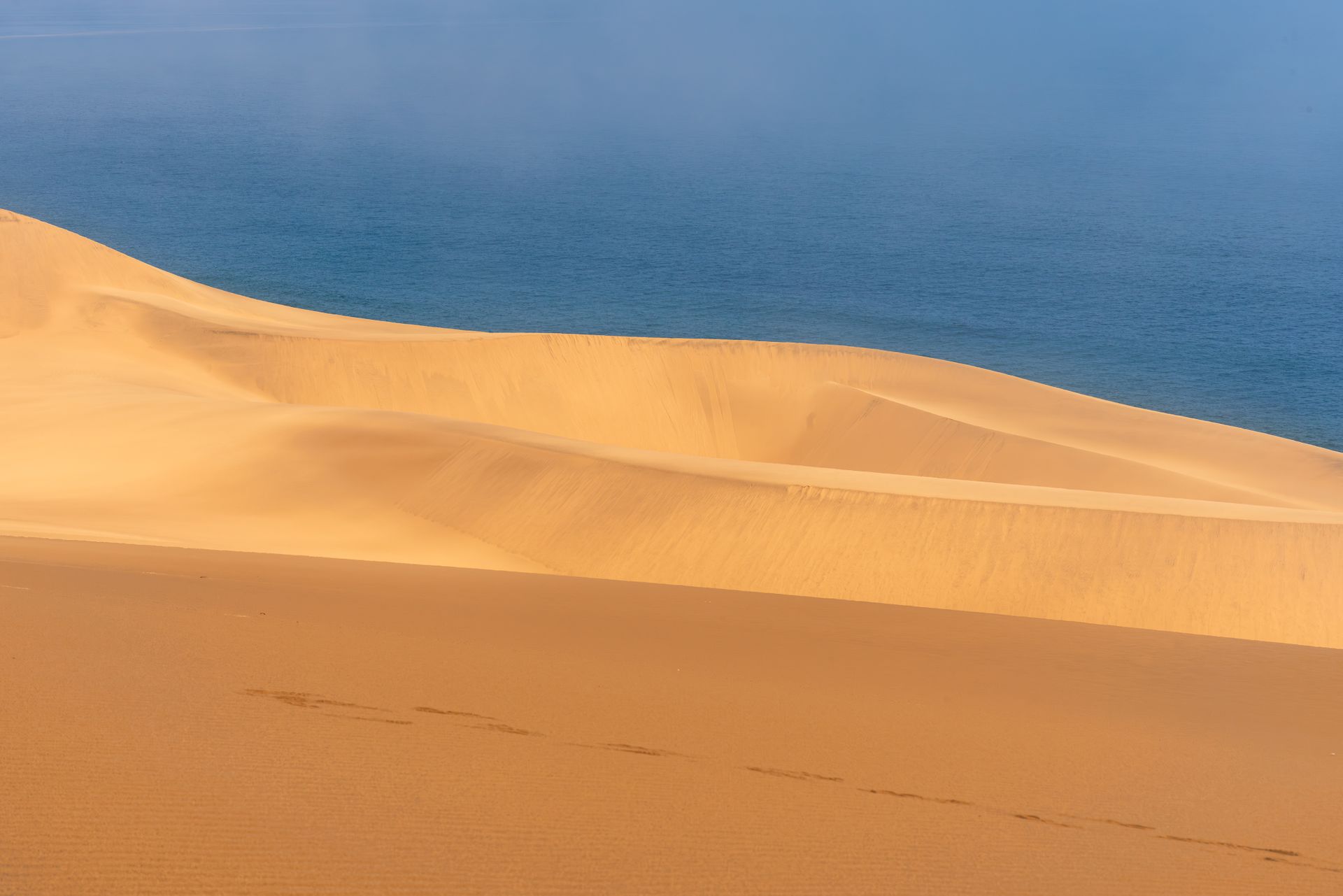
Arabian Gulf
Qatar
A peninsula that rebuilt itself within a few decades, yet just beyond the new skyline remains quiet and bare.
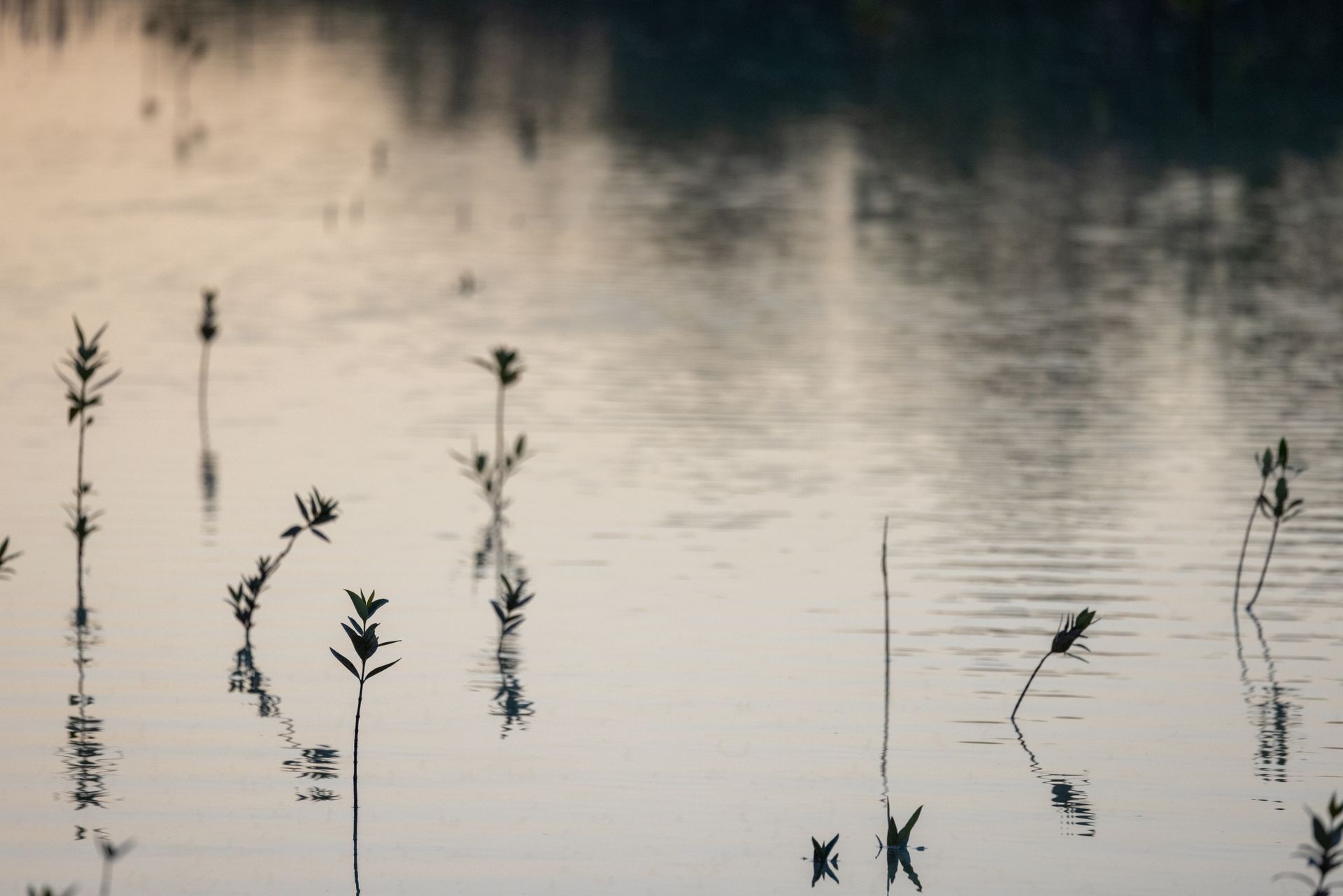
United Arab Emirates
Abu Dhabi
The capital prefers to govern with calm rather than noise, putting its wealth towards culture and space rather than spectacle.
How it works
This is how your journey to Malta takes shape.
Six steps, from your first story to your homecoming. The conversation and the feasibility check cost you nothing.
-
01
Tell us your story
Fill in the form or give us a call. You do not need a route yet: a country, a period or just an idea is enough.
-
02
The conversation and the check
We talk through what you are looking for, by phone or by video, and check whether it can be done. If it can, we set down together what we will make for you.
-
03
We design your journey
We build your programme up, day by day, together with our own people in the country itself.
-
04
Your proposal
You read your journey day by day, with everything that is included. You say what you would like differently, until it is right.
-
05
Ready to depart
You send us your details, we send you your travel documents. You have one fixed contact who knows your journey.
-
06
Travelling, and after
Your contact stays reachable while you are away. Once you are home, we call one more time.

The next step
How would you like to experience Malta?
Tell us what draws you: the history beneath Valletta, the quiet of Gozo, the water around Comino before it gets busy. We build from that starting point, not a fixed route.