Arabian Gulf
Qatar
Stillness a stone's throw from the skyscrapers.
This is Qatar
A peninsula that rebuilt itself within a few decades, yet stays quiet and bare just beyond the new skyline.
Barely forty years ago, Doha was little more than a low coastline of fishing boats and a fort. Today a skyline stands that rivals Singapore or Dubai, raised at a pace few cities have ever matched. Anyone who only looks at it misses the land around it: a peninsula barely 160 kilometres long, where the desert begins within half an hour's drive and the Gulf defines the coast on three sides.
Just beyond that new city lies another Qatar. In Al Wakrah, fishermen still haul their boats onto the sand every day. In the south, at Khor Al Adaid, the dunes slide straight into the sea with no road leading there. In the north, the abandoned fort of Zubara has stood as it does now for centuries, long before an oil platform ever appeared on the horizon.
We don't build an itinerary that drags you from skyline to dune to souq. We'd rather ask what you're actually after: a silent morning, a conversation with a falconer, a night in the desert without a generator, and work out from there which part of Qatar fits.
The faces of Qatar
Small on the map, surprisingly layered on the ground.
Qatar can be crossed by car in a single day, but hurrying is exactly how you miss the interesting part. Four places that show how differently this peninsula feels.
capital, rebuilt
Msheireb
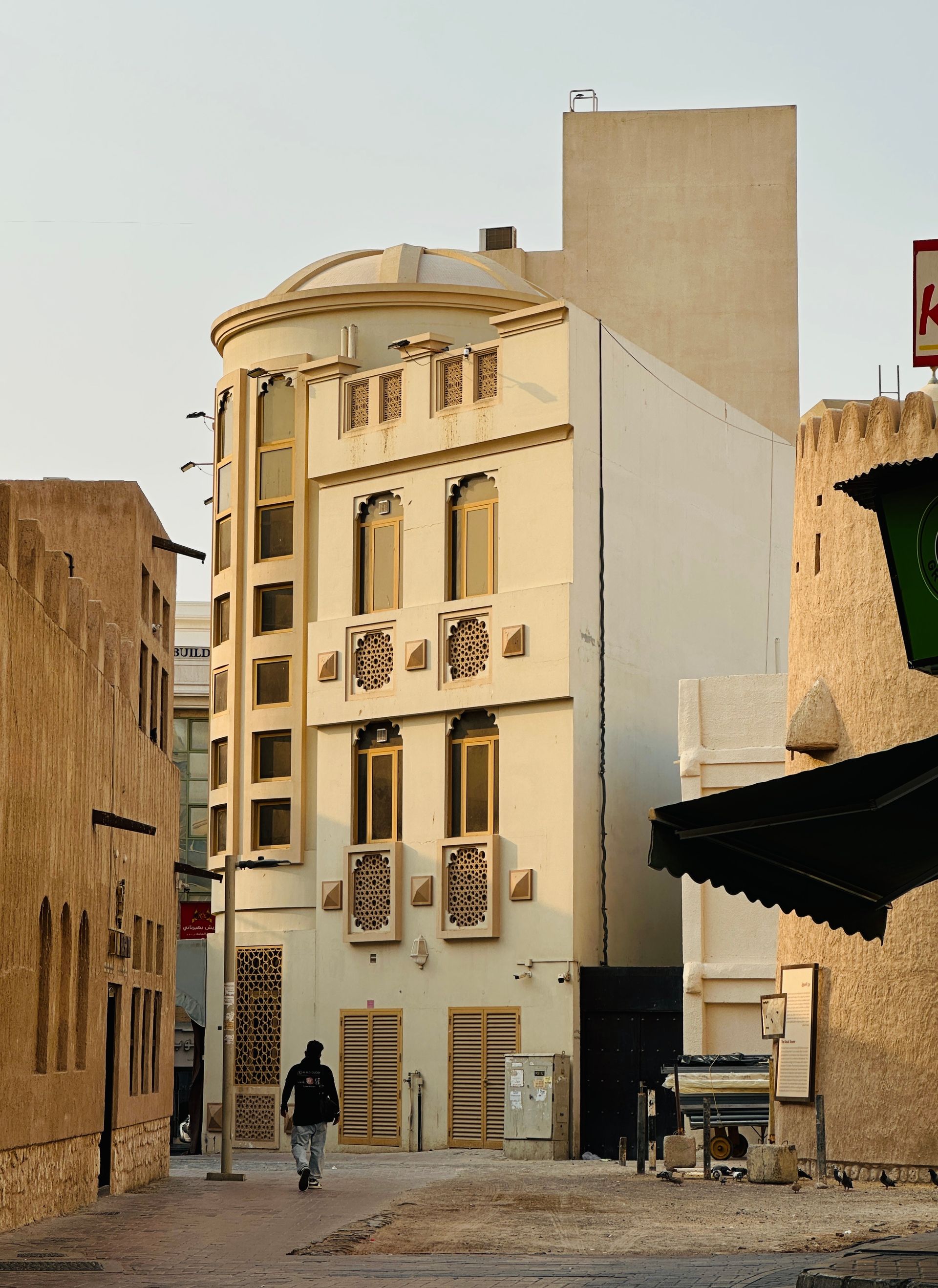
The district where Doha began, levelled and rebuilt around the old scale: low façades, courtyards, streets for pedestrians. A few hundred metres away the towers rise, but here the deliberate choice was not to build upward.

fishing village, southeast
Al Wakrah
Half an hour south of Doha, and yet a different rhythm entirely: a restored souq without chain stores, a fishing harbour that still genuinely works, streets where early morning brings more gulls than people.
coast, north
Zubara
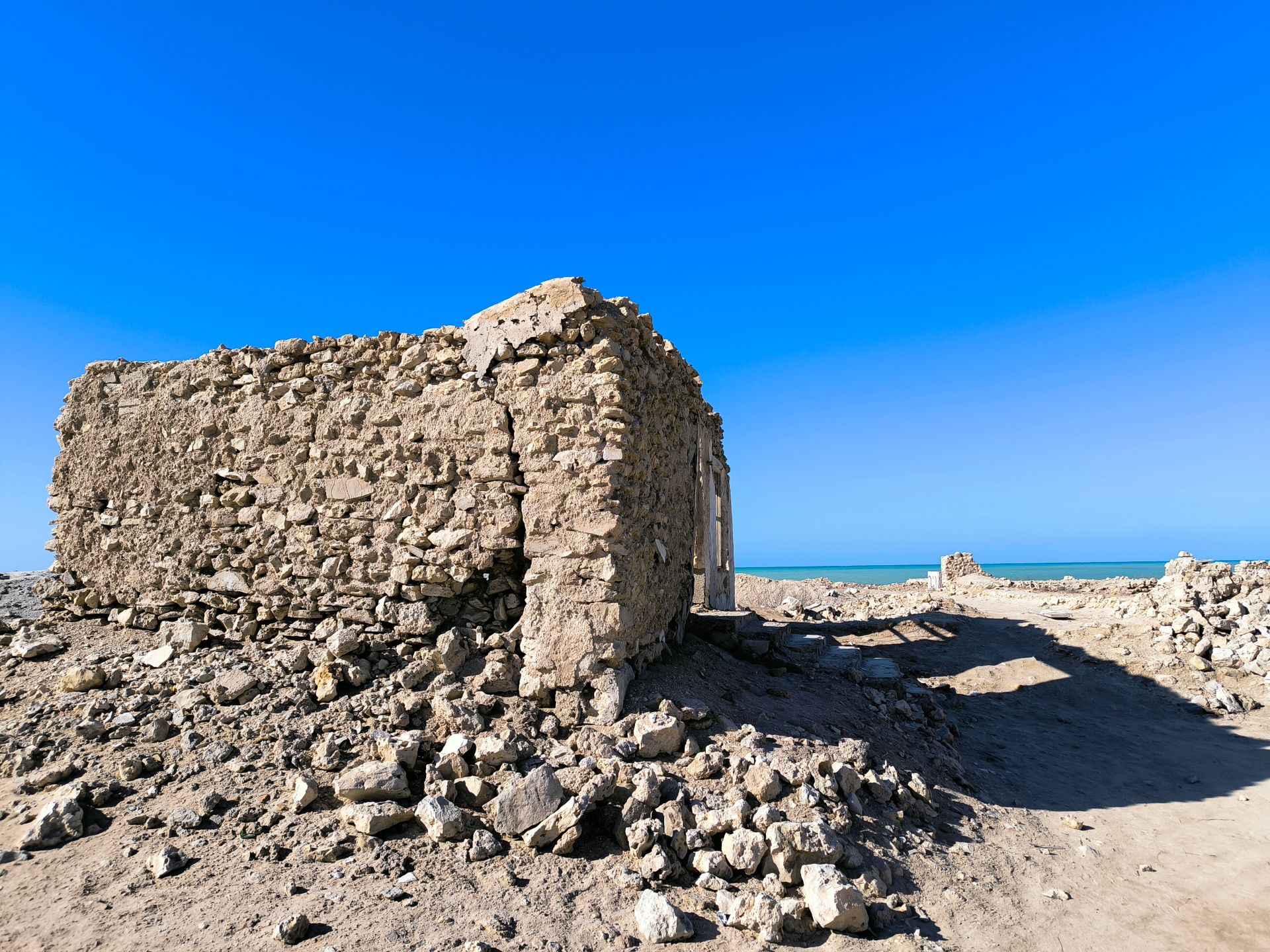
One of the wealthiest pearling towns on the Gulf in the eighteenth century, now a UNESCO ruin on a deserted coast. Few visitors make it out here, and that's precisely what keeps the place standing.
coast, west
Dukhan
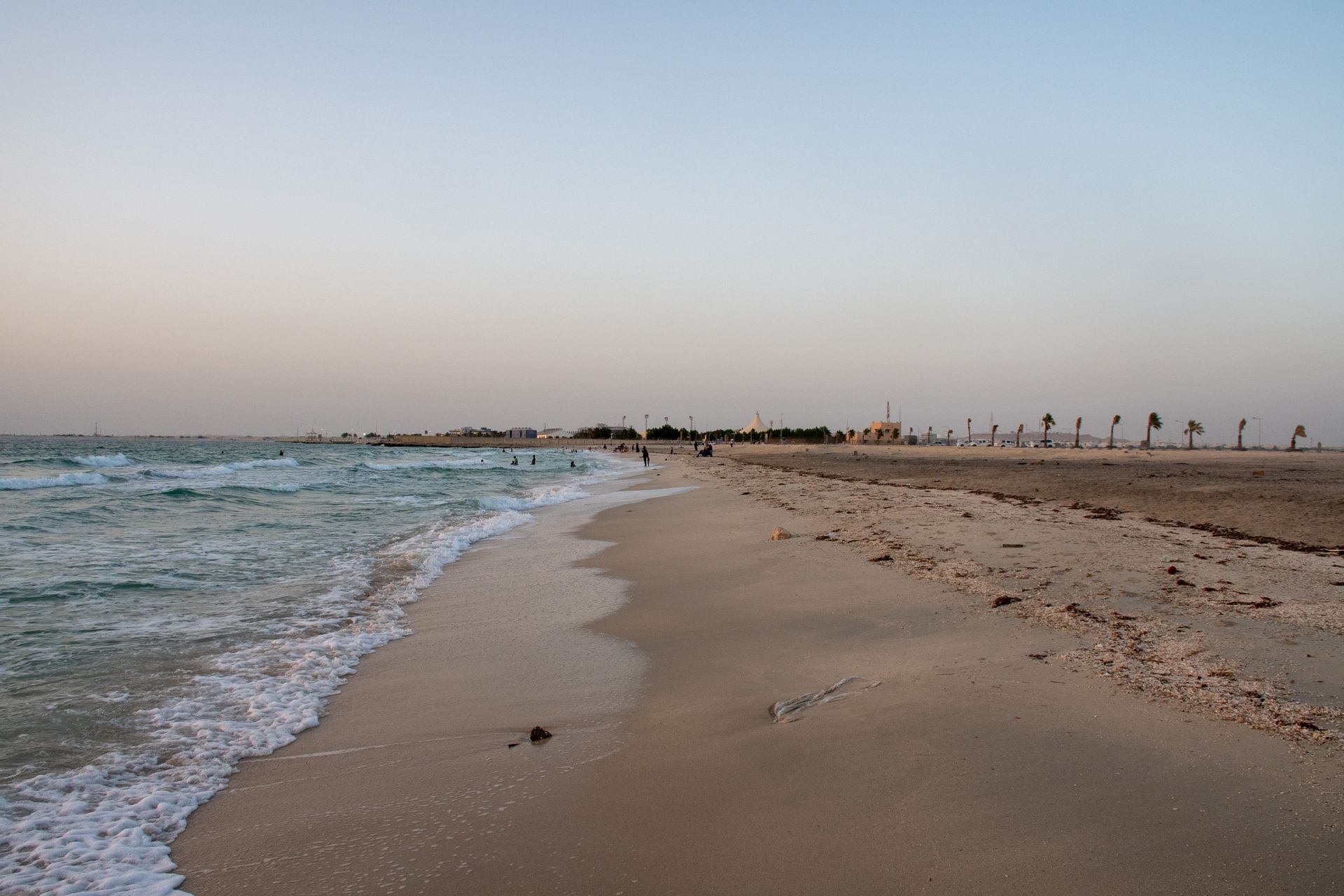
The west coast, where the oil industry once began and has since been largely returned to emptiness. Quiet beaches without sunbeds, and a light that falls differently than on the Doha side.
Heritage
A culture that doesn't perform for visitors.
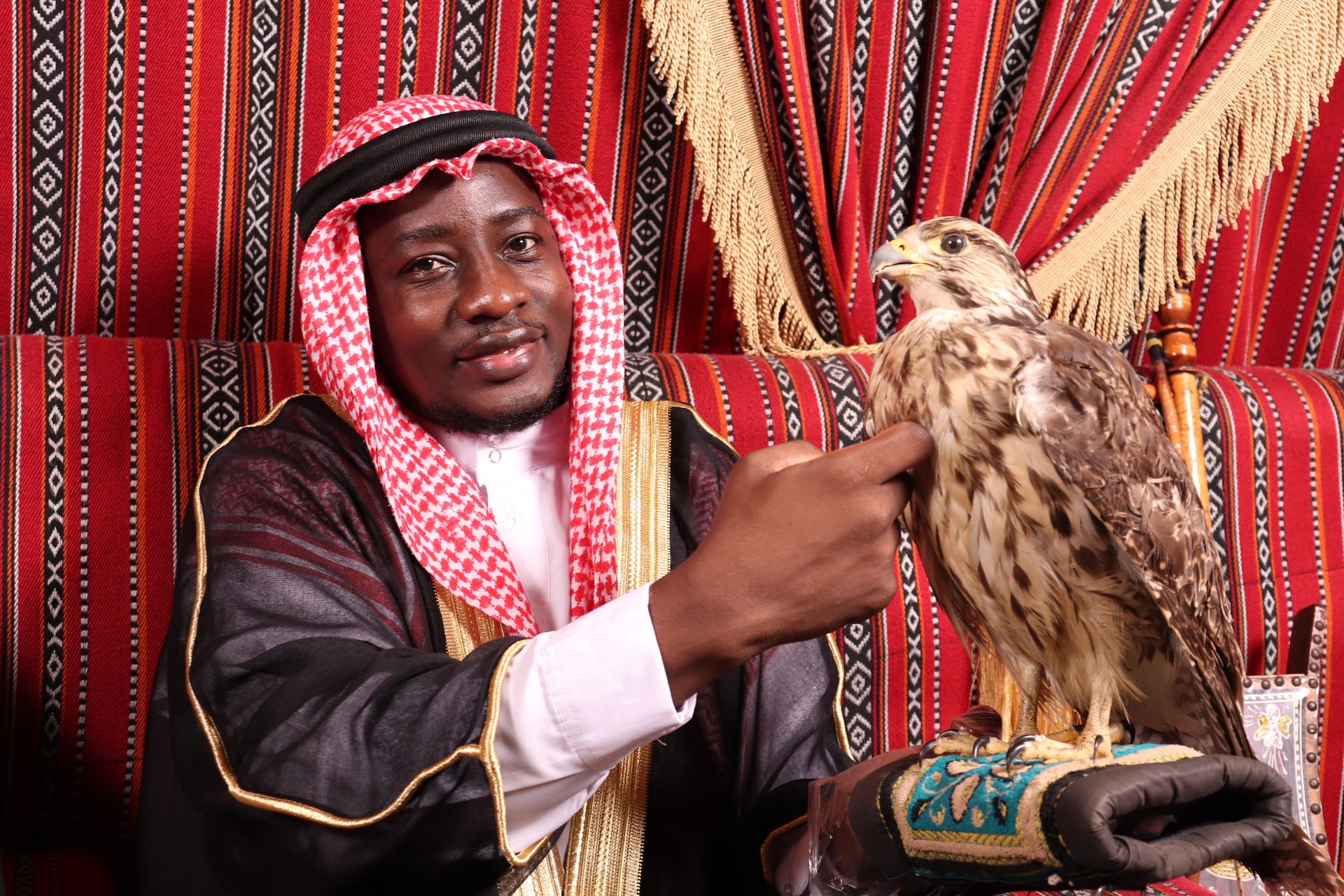
Before there was oil, there was the pearl. Qatari divers spent months out on the Gulf, and the rhythm of that life, early departures, hard silence, respect for those who know the sea, still shapes how people here talk about hospitality. A majlis isn't a stage set; it's the room where a family receives guests, and where a conversation carries more weight than a tour.
Falconry here isn't folklore staged for tourists but a living practice: at the falcon market by Souq Waqif, birds are inspected, fed and cared for daily by men who make it their profession. On Friday mornings, camels race at the Al Shahaniya track, guided by robot jockeys since children were banned from riding, a detail that says more about contemporary Qatar than any skyscraper.
Desert and water
Where the peninsula stops pretending to be a city.

Khor Al Adaid
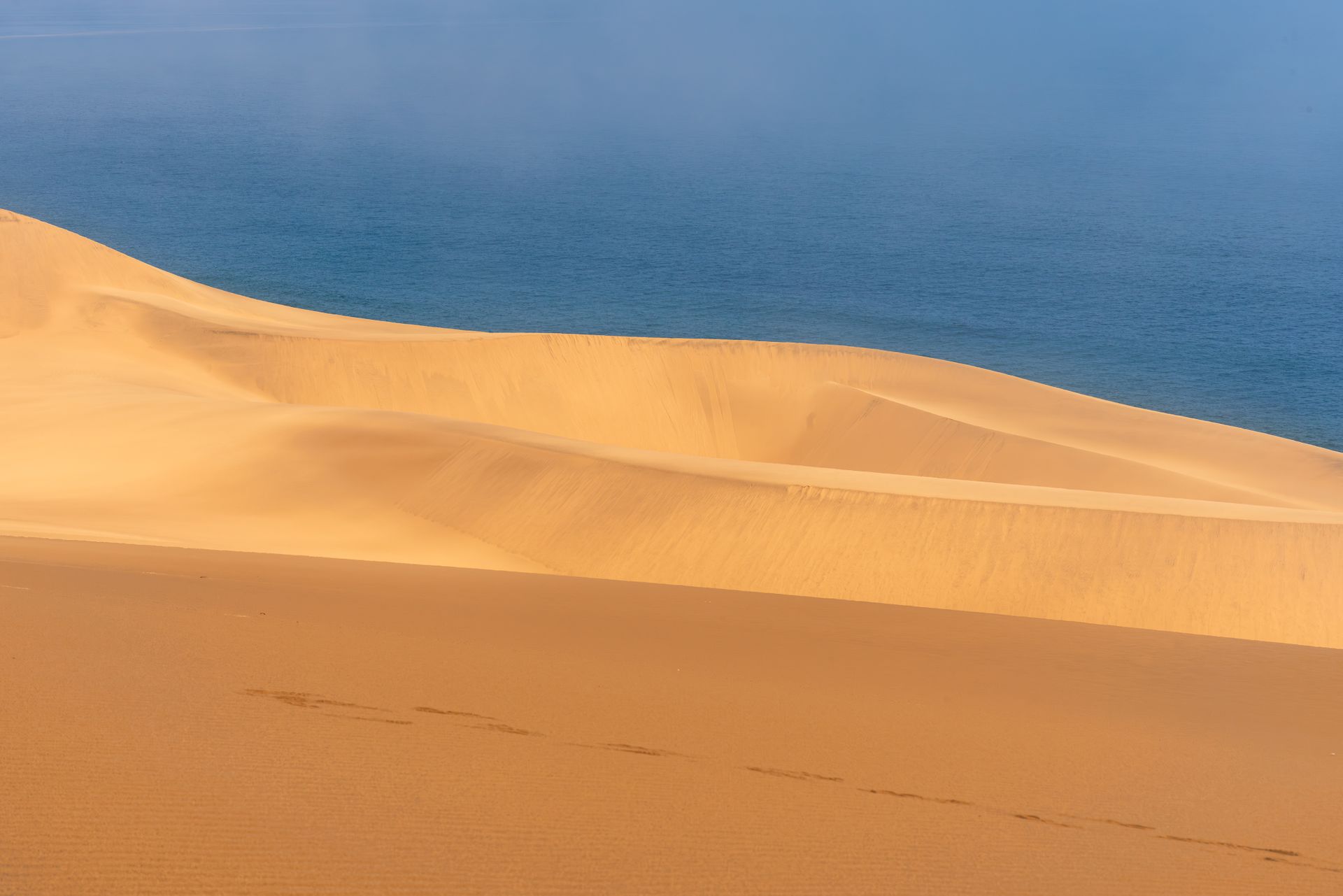
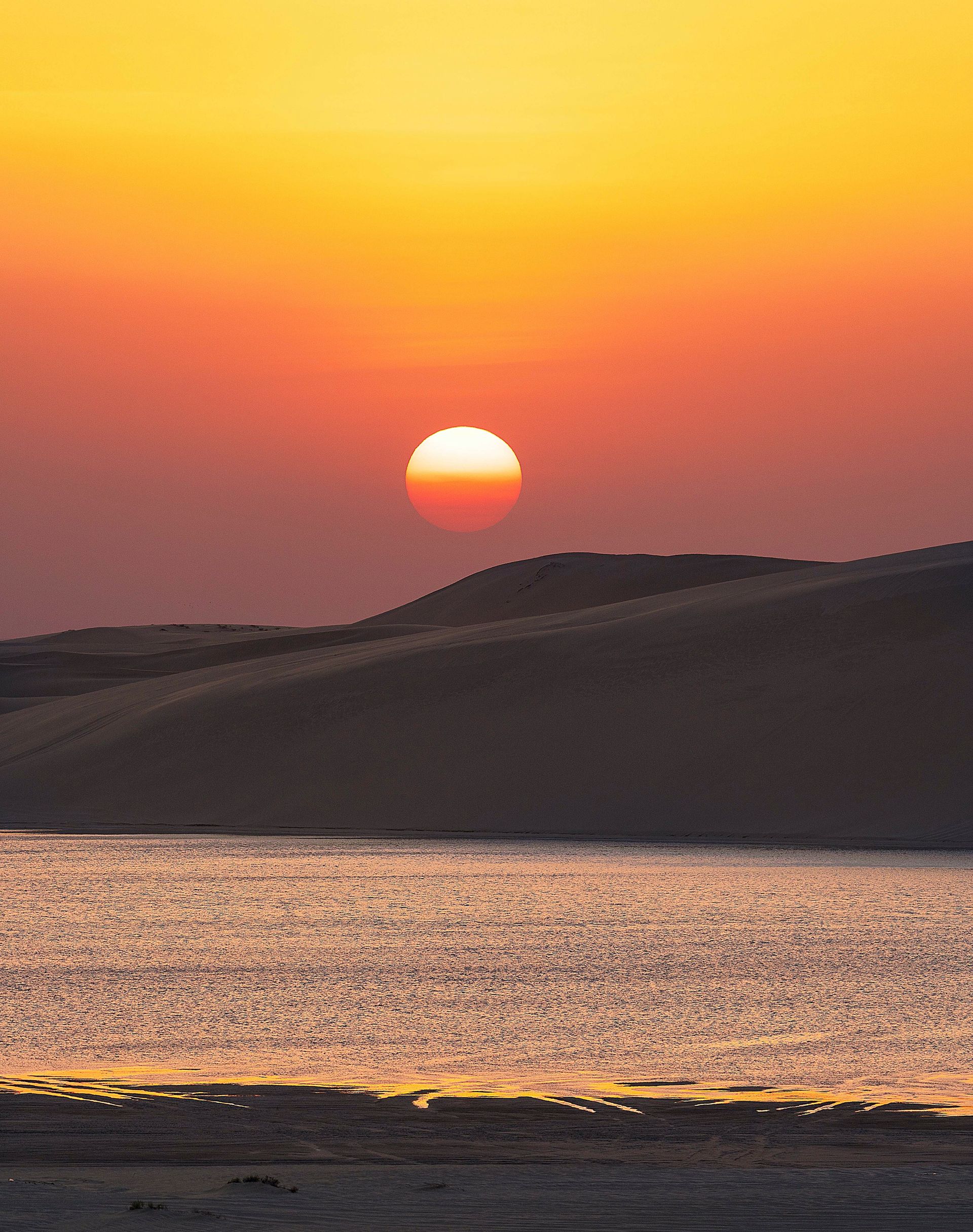
Where the dunes of the southern desert slide into the Gulf with no transition at all. No road leads there. You drive a 4x4 across kilometres of sand until the water is suddenly beside you. Towards sunset, there's no sound but wind.

Al Reem Reserve
A protected stretch of desert west of Doha where the Arabian oryx, once nearly extinct, once again roams in small herds. No safari park with paths, just flat land and animals that decide for themselves how close they come.

Purple Island
A mangrove islet in the bay near Al Khor, reachable by kayak, named after a vanished Phoenician dye works. Herons and flamingos, and not another boat in sight.
What's possible here
No fixed itinerary. Rather, a set of ways into the country.
These aren't day trips we impose. They're starting points from which we build, together with you, a route that suits you.

A night in the desert
A camp without the hum of a generator in the south, close to Khor Al Adaid. No entertainment programme, just darkness and a sky you never see in Doha.

With a falconer
A private visit to someone who has worked with birds of prey their whole life: watching the training, hearing why this bird matters so much here, no show laid on.

Souq Waqif by night
The restored souq after sunset, when the light turns warmer and the spice stalls and tea houses take over from the shopping streets.
Sailing on a dhow
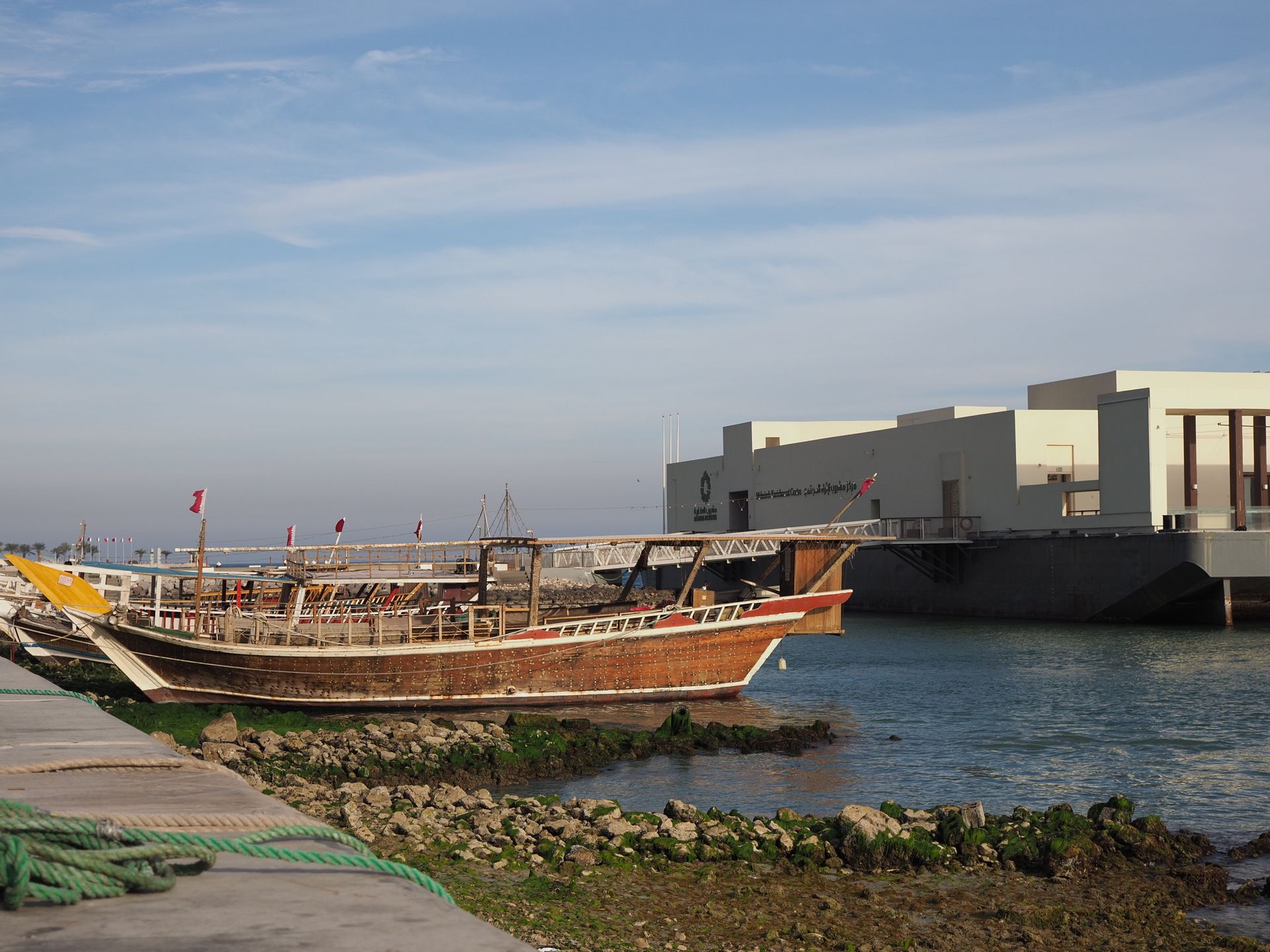
A trip on a traditional wooden boat from the old harbour or from Al Wakrah, moving at the pace of those who fish it daily, not a fixed sailing schedule.
Museums without hurry
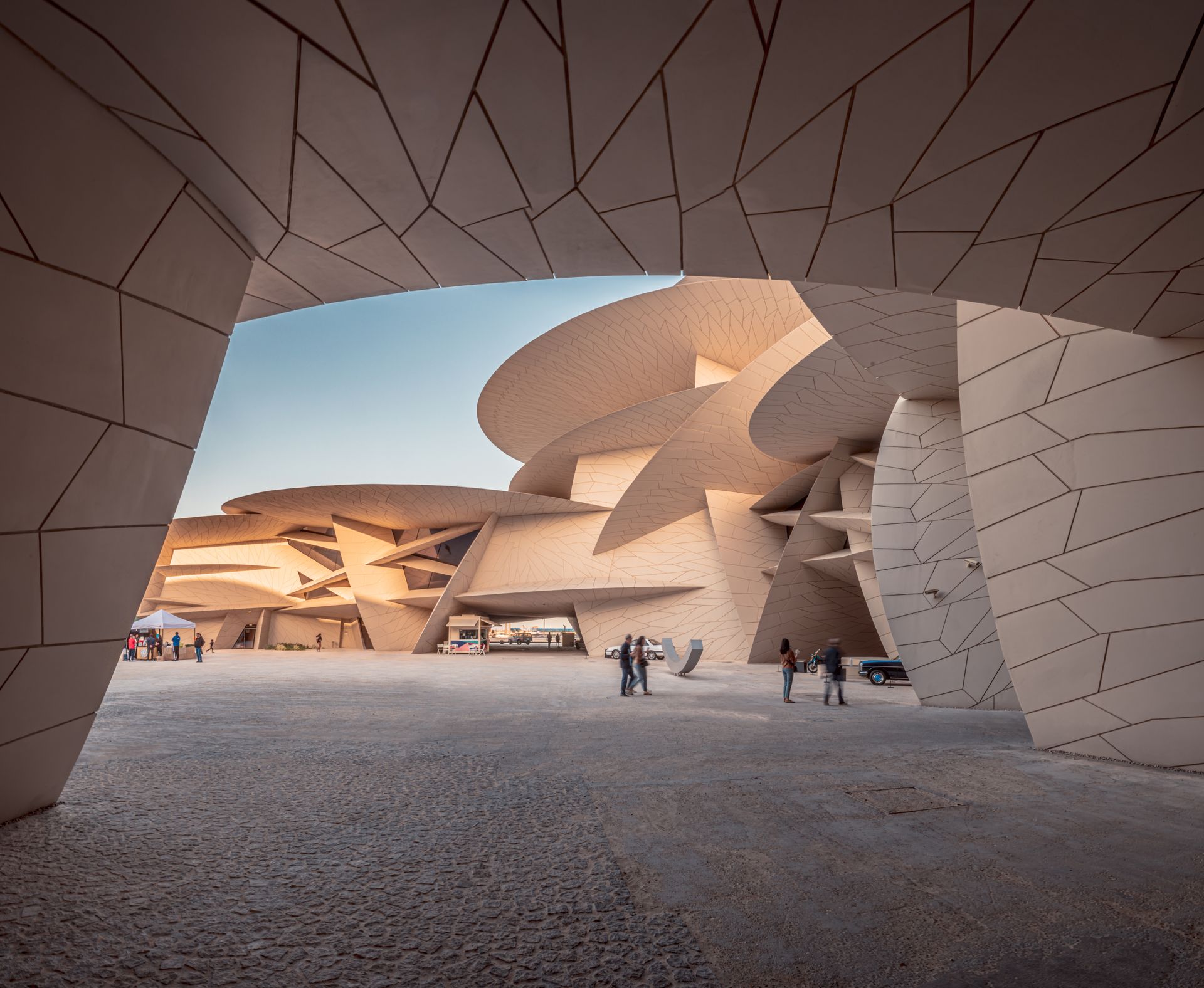
The Museum of Islamic Art and the National Museum, with a guide who takes time over the architecture, the desert-rose shape of one, the old fort beneath the other, rather than rushing through the halls.
Whatever you choose here, it isn't about ticking things off. It's about taking time in a place that's still catching its own breath.

Cuisine
A table that reveals how many trade routes met here.
Machboos is the dish you meet everywhere: slow-cooked rice with chicken, lamb or fish, spiced with turmeric, cinnamon and dried lime, a recipe that owes as much to Persia and India as to the Gulf itself. That's no accident: Qatar always sat on a trade route, and the food here is a sum, not a single local story.
Karak, strong tea brewed with milk and cardamom, is poured at street stalls often run by South Asian workers, a habit that says as much about the country's population today as about the taste. Anyone who sits down with a family for a meal notices above all how much honour goes into hospitality: rarely is too little served.

Al Wakrah, early morning: fishing boats ready to leave, long before the city wakes.
When would you travel?
When you go decides how much of the country you can take.
Between June and September, temperatures in Doha climb past 45 degrees, and even early morning offers little relief. Anyone travelling then shifts their rhythm automatically: the outdoors belongs mainly to early and late hours, the rest of the day to indoors or the water.
November to March is the opposite: dry, mild days around twenty to twenty-five degrees, ideal for the desert and for long walks through Msheireb or Souq Waqif. Also bear Ramadan in mind, which shifts every year. Many eateries close during the day then, which changes the pace of a visit without spoiling it.
Jan
Feb
Mar
Apr
May
Jun
Jul
Aug
Sep
Oct
Nov
Dec
Top: pleasant in the day, cool enough in the evening for the desert.
Good: still bearable, but the midday heat forces a slower pace.
Fair: scorching, life shifts mainly indoors and to the evening.
Looking past the highlights
Why we look at Qatar differently
Small isn't a drawback Qatar can be crossed by car in a day. We don't use that compactness to cram in more places, but to give more time to fewer of them.
We plan around the heat, not a timetable Between June and September, temperature decides what a day allows. We build the rhythm on that, early and late hours outdoors, rest in between, rather than a fixed schedule that ignores it.
No obligatory shopping stop Many itineraries in the Gulf push visitors towards a mall. We simply skip that step, unless someone asks for it themselves.
Access through people, not a ticket counter A conversation with a falconer, an invitation into a majlis, a trip out with a fisherman from Al Wakrah. That kind of access comes through who we know on the ground, not through an activity list.
Worth knowing
Practical, without the noise.
A few things that make the difference between a smooth visit and one that chafes.
- Getting there
- Direct flights from Brussels; Hamad International Airport is twenty minutes from central Doha.
- Visa
- Belgians receive a free thirty-day tourist visa on arrival.
- Clothing
- Qatar is more conservative than Dubai: covering shoulders and knees outside hotels and beaches is the norm, for men and women alike.
- Alcohol
- Available only in hotel bars and restaurants, not in public spaces.
- Pace
- The country is compact. The temptation is to cram too much into one day. We deliberately build breathing room into the schedule.
- Ramadan
- Many restaurants close during the day during the fasting month; a visit remains perfectly possible, just at a different pace.
Frequently asked questions
Is Qatar enough on its own, or is it better combined with another country?
Qatar comfortably carries a stay of several days on its own, especially if you take time for the desert and coast alongside Doha. It also combines well with another country further along the Gulf for travellers wanting more coastline or more nature. We discuss that per traveller.
Can a woman travel through Qatar alone?
Yes, Qatar is considered one of the safer destinations in the region for solo travel. Clothing that covers shoulders and knees outside hotels and beaches helps you keep a low profile, but that's about all it takes.
Can you experience the desert without joining a convoy of jeeps?
Yes. Alongside the large group tours, small-scale outings exist with a single guide and a single vehicle, including towards Khor Al Adaid. We arrange that in advance, not on the spot.
Or perhaps this
Other destinations
Still weighing it up? That is no problem at all. The right country often only becomes clear once the conversation starts.
Arabian Gulf
United Arab Emirates
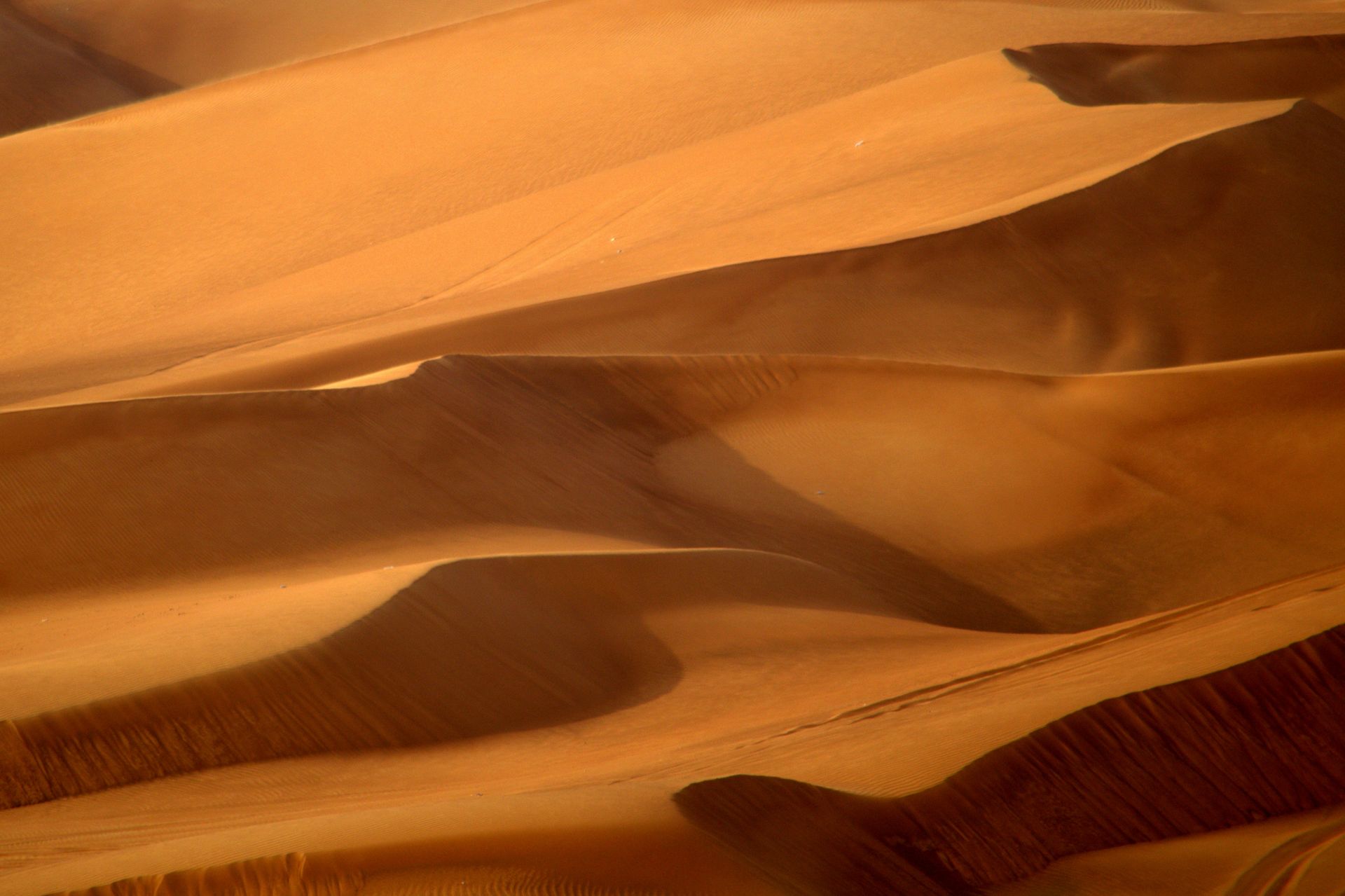
Seven emirates, not all of them skylines. Beyond the famous cities lies a land of dunes, wadis and oasis villages that move at a very different pace.
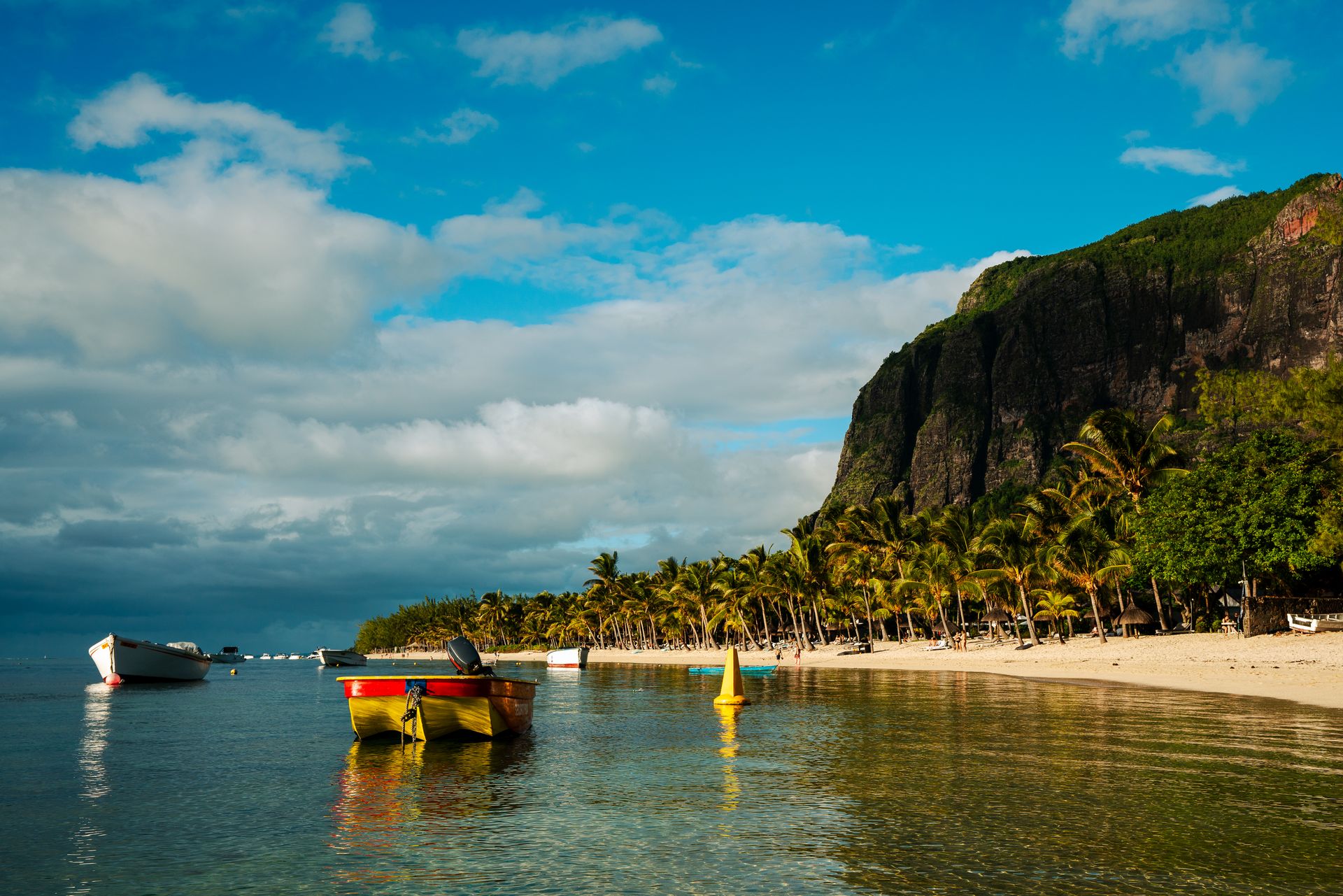
Mascarene Islands, Indian Ocean
Mauritius
An island where Indian, African, Chinese and French influences live side by side, far beyond the image of a villa on the beach.
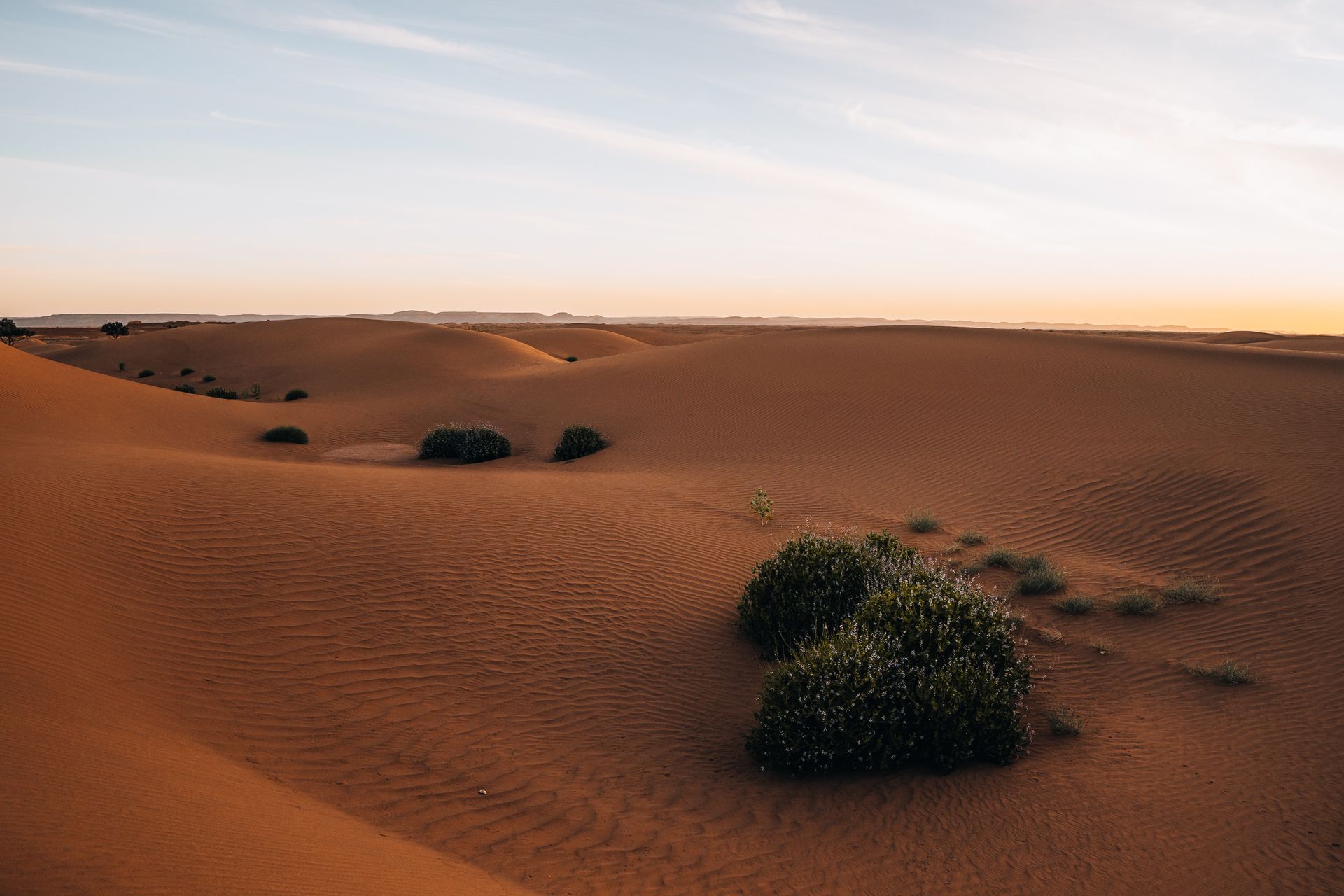
Maghreb, north-west Africa
Morocco
A country where desert, mountains and coast merge within a few hours' drive, and the cities hold their own just as well.
How it works
This is how your journey to Qatar takes shape.
Six steps, from your first story to your homecoming. The conversation and the feasibility check cost you nothing.
-
01
Tell us your story
Fill in the form or give us a call. You do not need a route yet: a country, a period or just an idea is enough.
-
02
The conversation and the check
We talk through what you are looking for, by phone or by video, and check whether it can be done. If it can, we set down together what we will make for you.
-
03
We design your journey
We build your programme up, day by day, together with our own people in the country itself.
-
04
Your proposal
You read your journey day by day, with everything that is included. You say what you would like differently, until it is right.
-
05
Ready to depart
You send us your details, we send you your travel documents. You have one fixed contact who knows your journey.
-
06
Travelling, and after
Your contact stays reachable while you are away. Once you are home, we call one more time.
The next step
What draws you to Qatar?
A weekend in Doha on the way elsewhere, a quiet week between desert and coast, or that one conversation with a falconer or a fisherman. Tell us what you're after, and we'll build from there.