Arabian Peninsula
Oman
The Arabia that never built a skyline.
This is Oman
The Arab country that decided not to build skyscrapers.
While its Gulf neighbours poured their wealth into towers and islands, Oman chose something else. A height restriction applies to new buildings, modern construction has to fit the traditional style, and old quarters were restored rather than demolished.
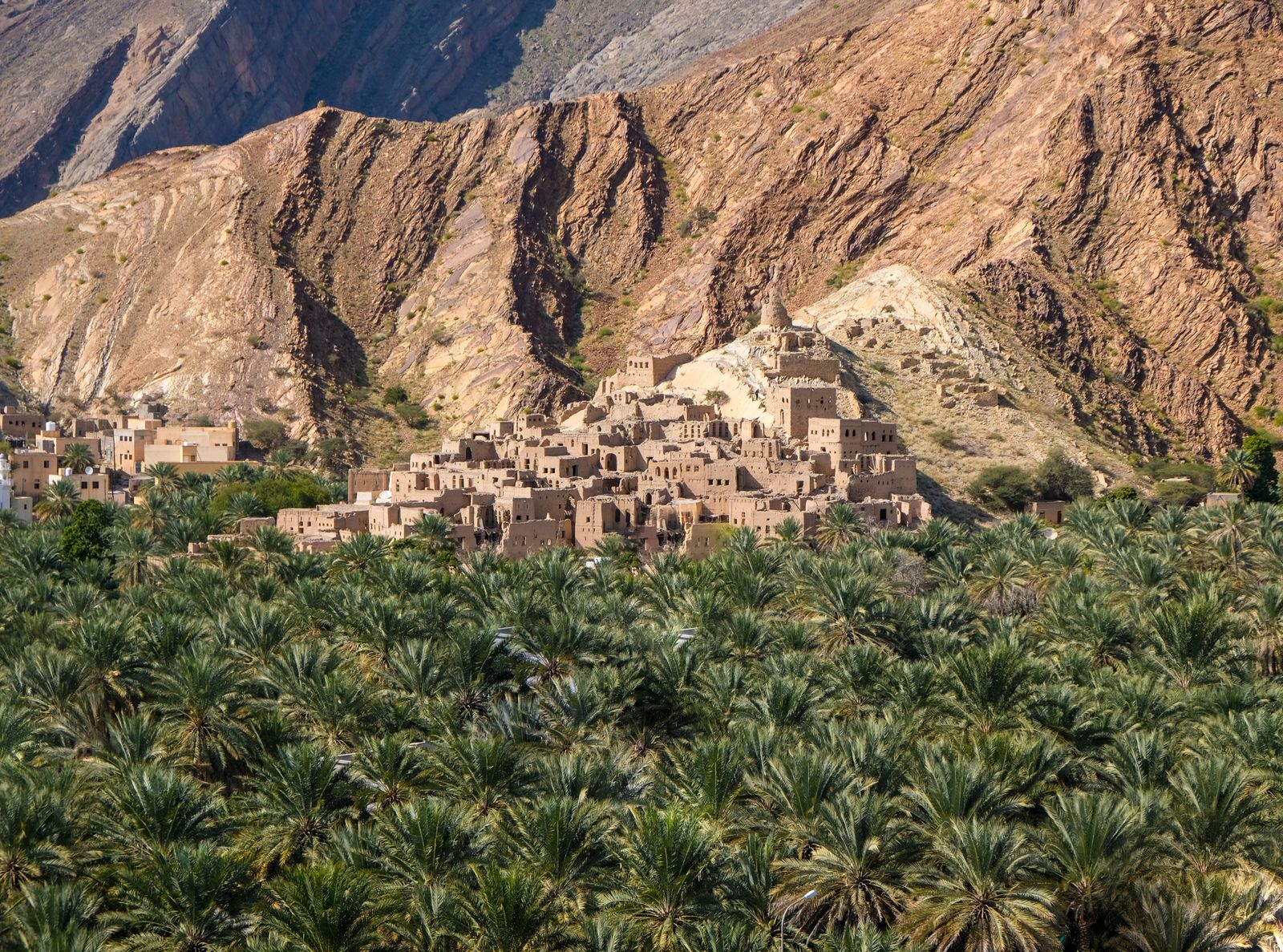
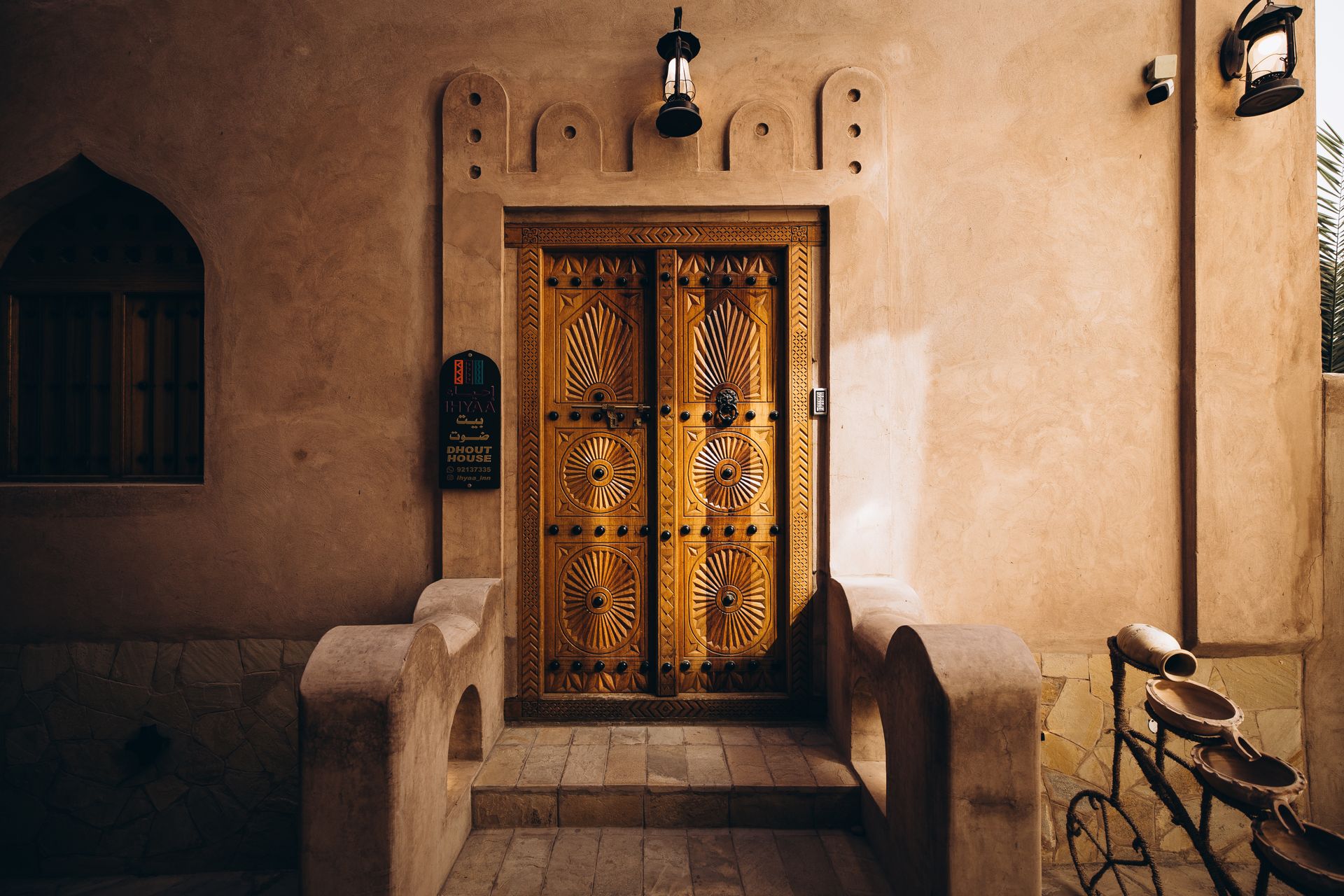
The result is a country that looks the way the Arabian Peninsula did before oil: white houses with wooden doors, forts on every mountain pass, souks selling frankincense because people actually use it, not because visitors expect it.
Add to that a geography nobody expects. A mountain range reaching three thousand metres, terraced with roses and pomegranates. Gorges that run with water all year round. A desert with dunes a hundred metres high. And in the far south, a region that turns green in summer thanks to the monsoon. In Arabia.
Oman is the quietest way to get to know the Arab world, and at the same time one of the most varied.
Restraint
A country that doesn't sell itself.
Arrive in Oman and you notice something straight away that's hard to put into words: nobody pulls at your sleeve. At the market you're left in peace. Prices are what they are. Nobody calls out after you.
That fits a culture where modesty is highly valued and where tourism has been built up deliberately slowly. Oman received barely any visitors for decades and has only expanded its infrastructure in recent years. Paced on purpose.
For travellers that means excellent roads, little crowding, and a sense of safety that almost everyone mentions. It also means you have to make an effort to get beneath the surface; the country doesn't push itself on you.
Tick off forts here and you'll see a beautiful country. Strike up a conversation and you'll see something else.
The different faces
Mountains, wadis, desert and two seas.
In a single day's drive you go from sea level to three thousand metres and back again.

The capital
Muscat
A city that stretches for dozens of kilometres between the mountains and the sea, without a single tall building. The old harbour with its two Portuguese forts, a souk selling frankincense and silver, an opera house, and a mosque with a prayer carpet that took years to make. Muscat isn't a city to rush; it runs on a low flame, and that's exactly the point.
The Hajar Mountains
The mountains
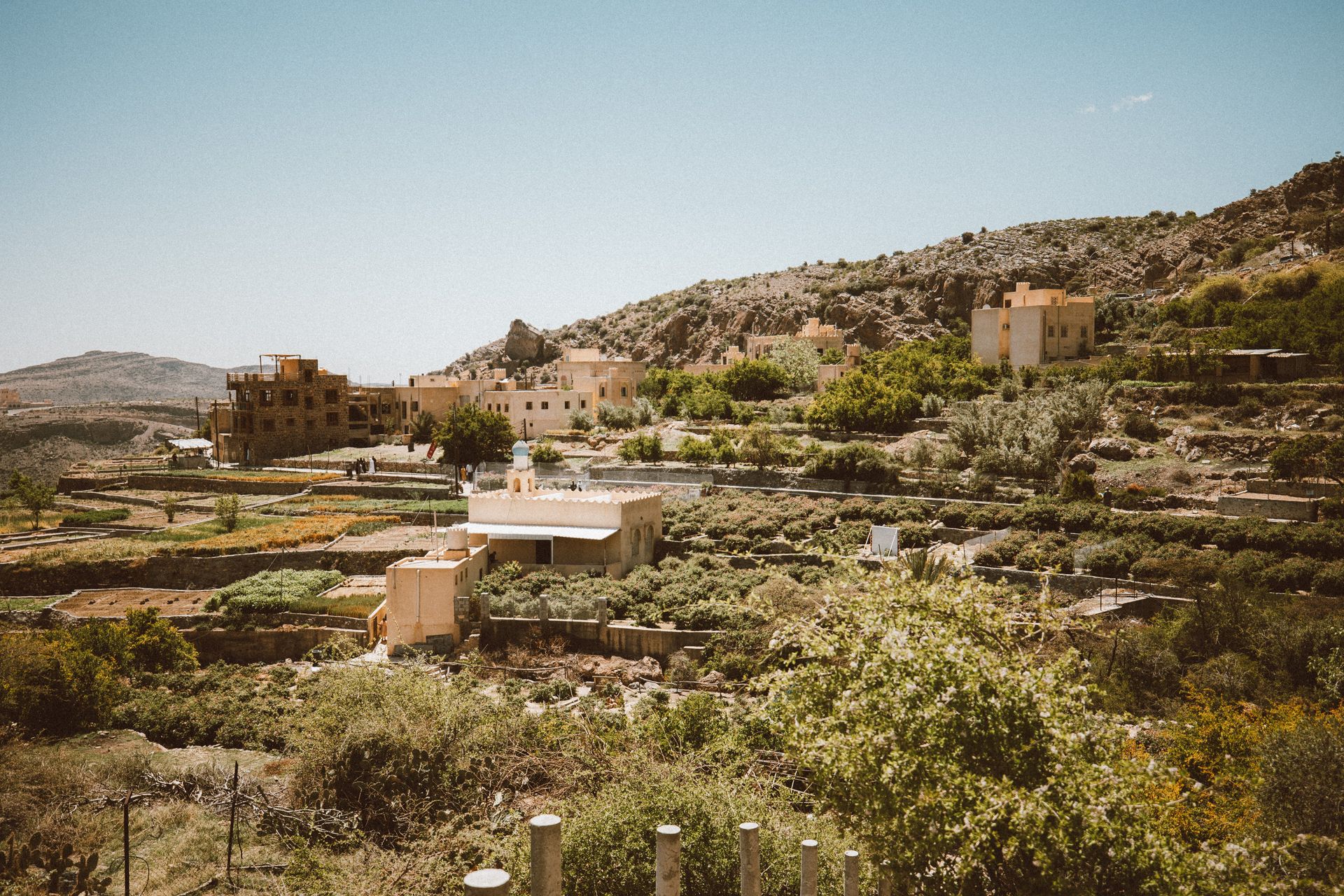
A range that rises like a wall behind the coast, with a canyon known as the Grand Canyon of Arabia and a plateau where roses are grown for rosewater. In the villages perched on its ledges, centuries-old irrigation channels still carry water down from the mountains, a system on the World Heritage list and still run by the villages themselves.
The wadis
Water between the rocks
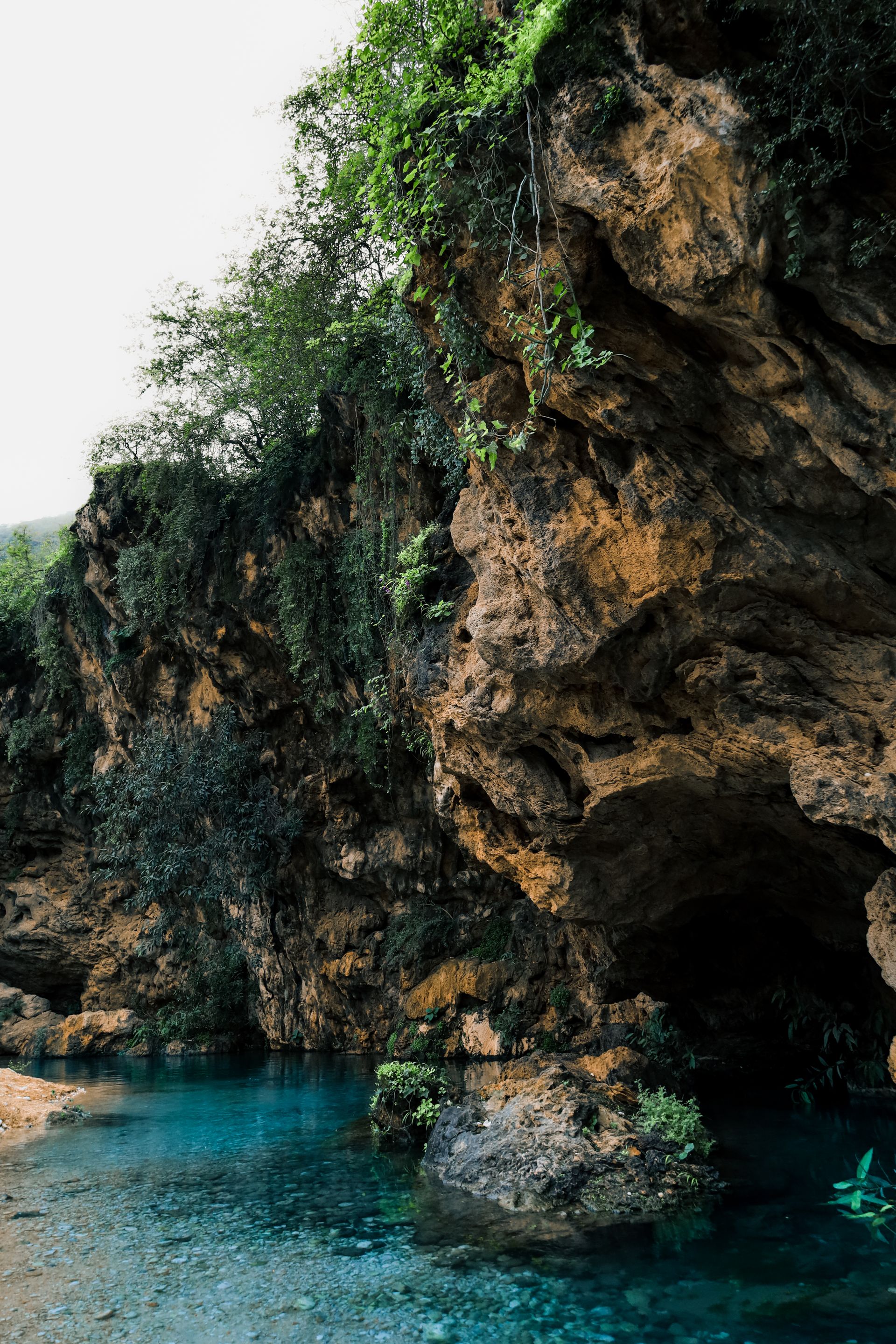
Gorges that carry water all year round, with turquoise pools between walls hundreds of metres high and date palms on the valley floor. Some you can reach by car, others only on foot or by swimming. For Omanis, these are simply the places you take the family on a Friday.
The desert
The sand sea
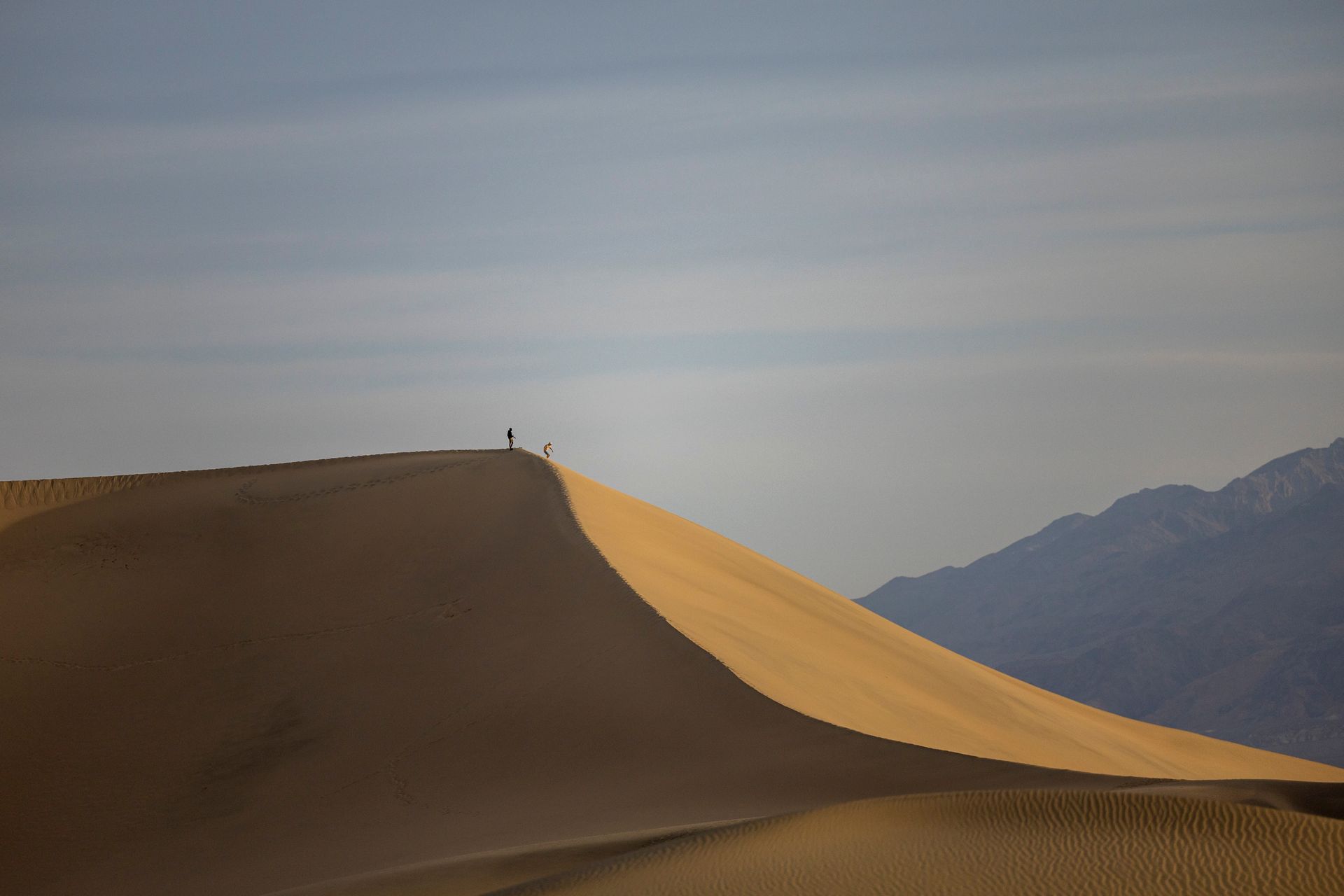
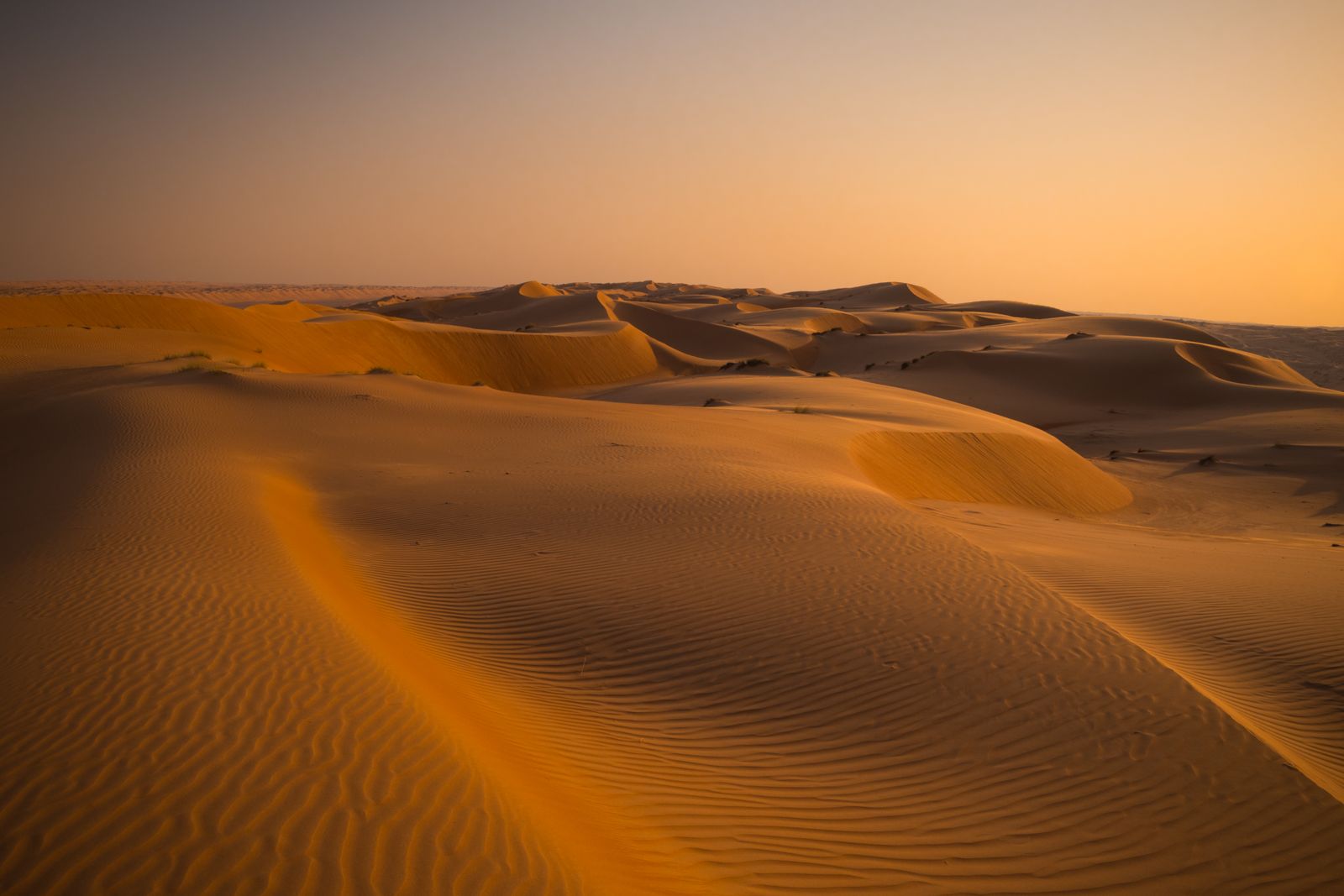
On the edge of the Empty Quarter, the largest sand desert in the world, dunes shift from ochre to deep orange as the day wears on. You can stay overnight in camps run by Bedouin families. Further inland begins an emptiness reached only by expeditions.
The east coast
Turtles and fishing villages
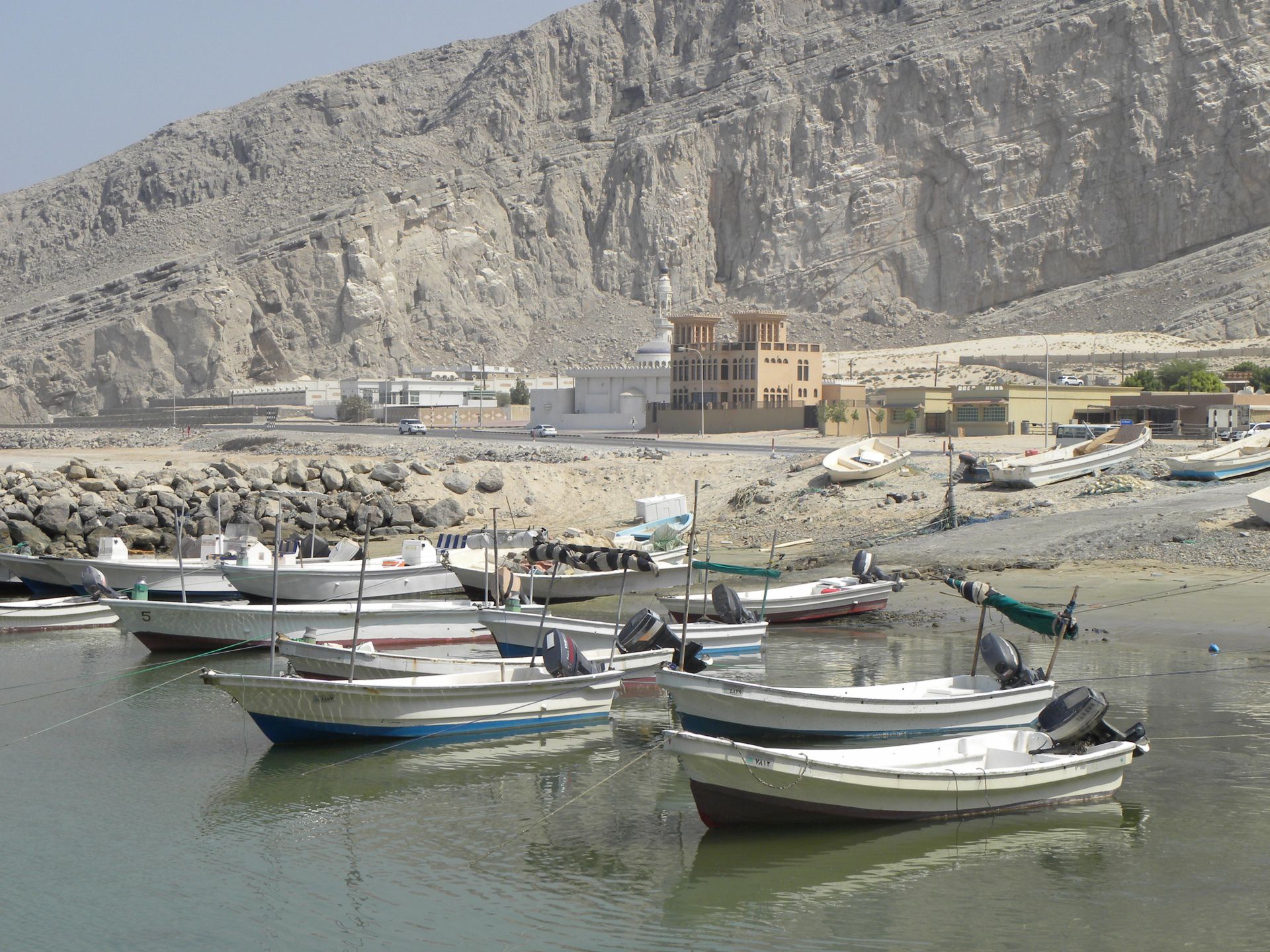
A coastline of white beaches, small harbours where the catch comes in each morning, and a reserve where sea turtles come ashore to lay eggs all year round, at night, under supervision, and with strict rules. Further north lie fjord-like inlets where dolphins swim.
The far south
Dhofar
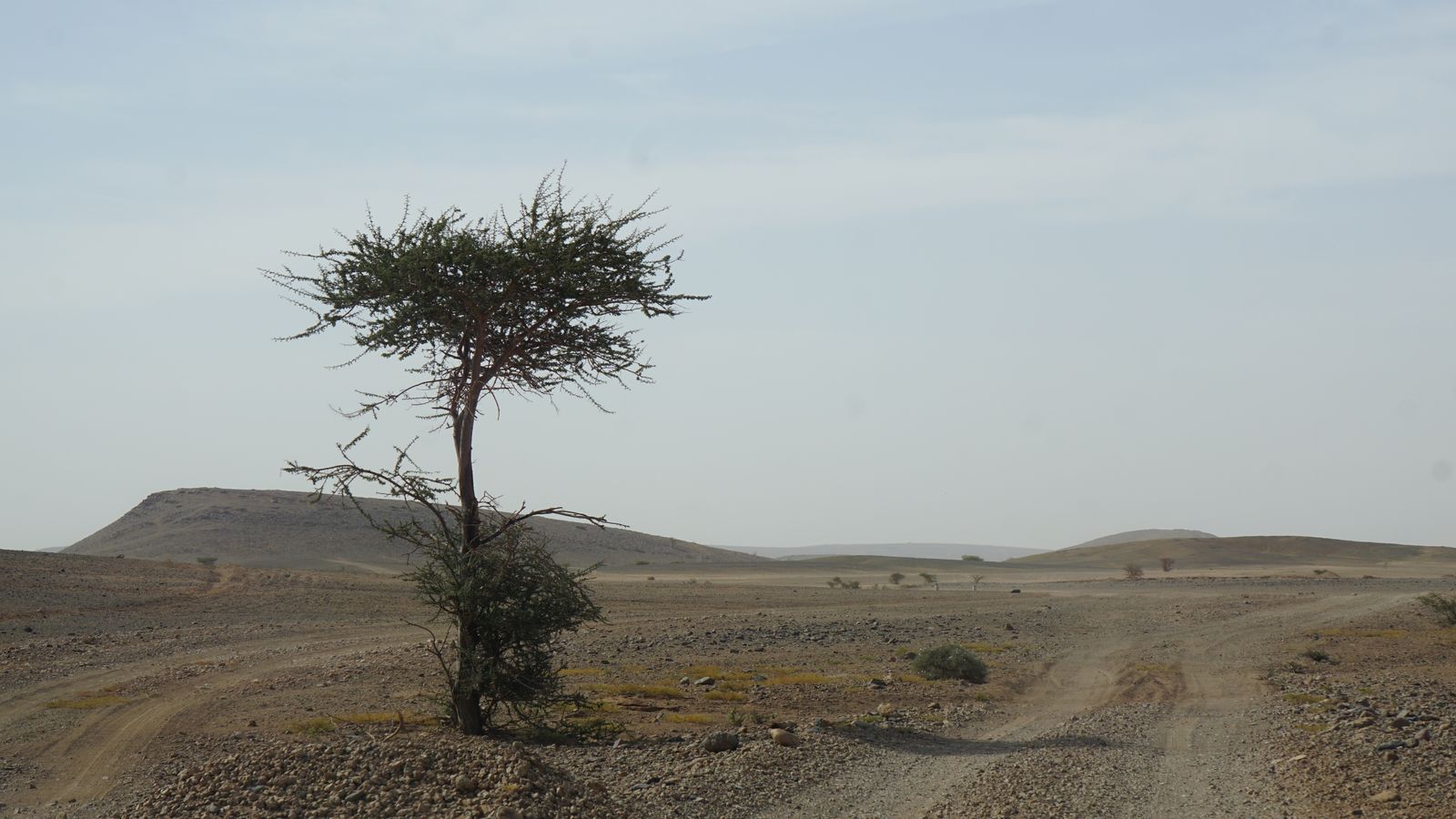
A region that has little in common with the rest of the country. From June to September the monsoon brings mist and drizzle, turning the desert into green hills with waterfalls and camels in the fog. The rest of the year it's a subtropical coastline lined with coconut palms. This is also where the frankincense tree grows, the one that made this region rich for centuries.
Water in the desert
A thousand years of irrigation, still running.
It's easy to see Oman as a country of stone and sand. But what made it habitable is a water system more than a thousand years old: channels that carry water from the mountains across kilometres to the villages, entirely by gravity.
Its distribution is still managed communally today. Who gets how much water and when is decided locally, following rules generations old. Some villages still use a sundial for it.
Have this system explained while standing beside it, and you'll understand how this country works.
The channels
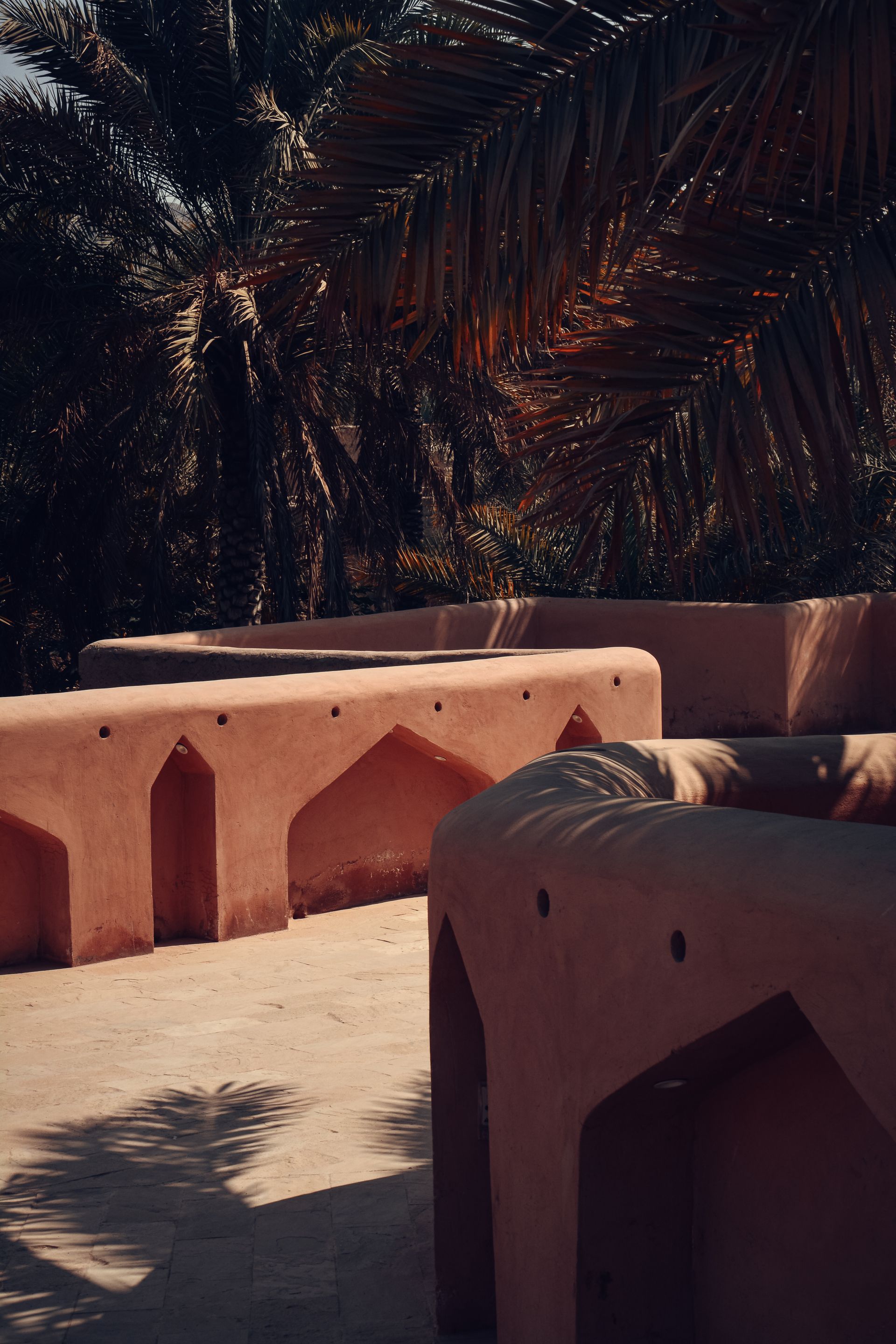
Narrow open channels running through villages and date plantations, the water audibly flowing. Heritage that is simply still in use.
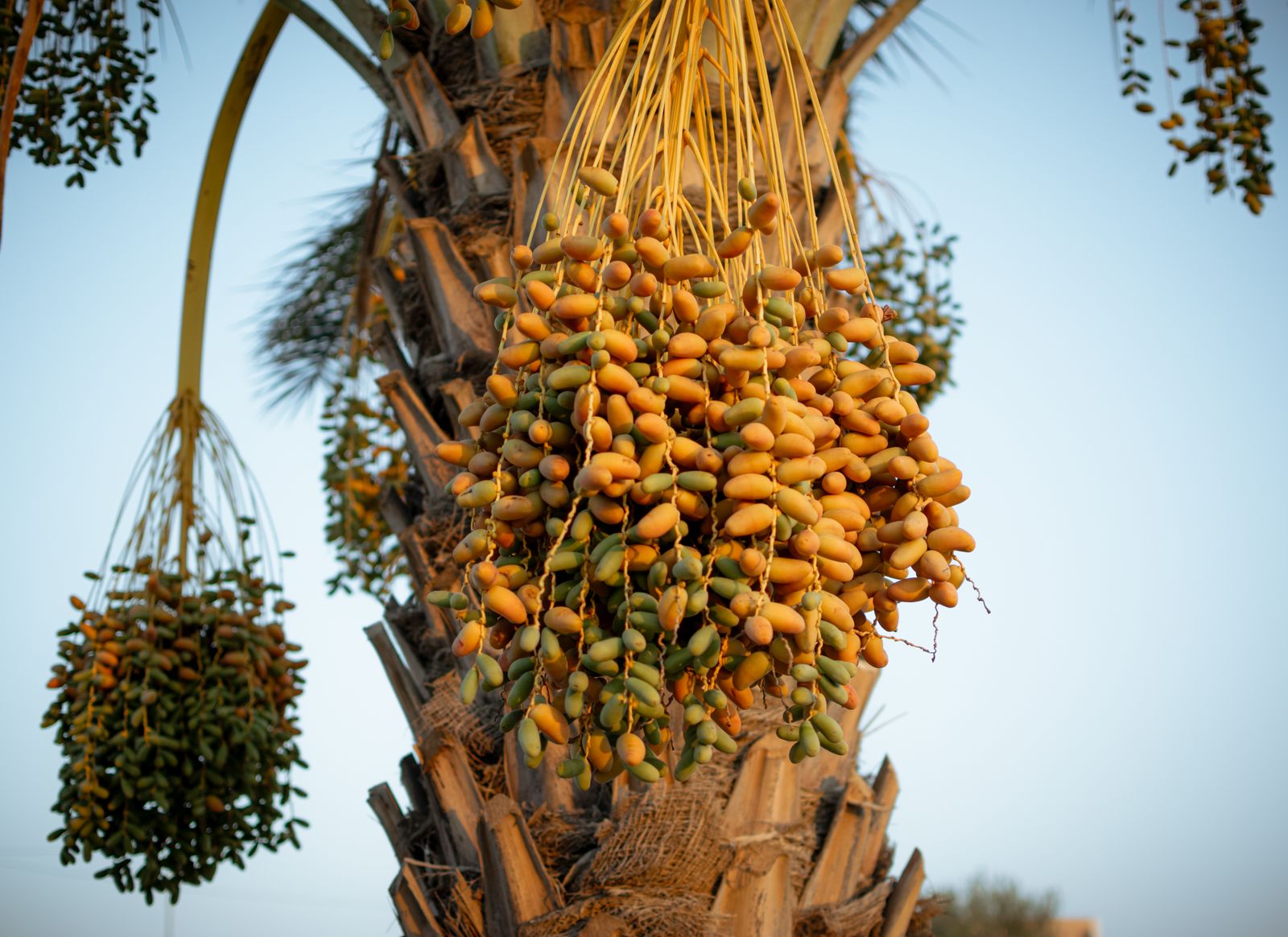
Dates
Dozens of varieties grow here, each with its own use. During harvest, the bunches hang wrapped in cloth and the villages work round the clock.

Frankincense
The resin drawn from the trees of the south connected this coast with Egypt, Rome and India for centuries. It's still burned here daily.

Culture & hospitality
Coffee with cardamom, and the time that comes with it.
Omani hospitality begins with kahwa: lightly roasted coffee with cardamom, served in small cups, with dates alongside. There's a rhythm to it. You drink several, and shake your cup when you've had enough.
Manners here are formal and warm at once. Greetings are lengthy, and you ask after a family's wellbeing before talking about anything else. Skip that step and you miss the point.
Oman is Muslim, following its own branch, Ibadism, known for its tolerance. Hindu temples and churches stand here too, and that coexistence is actively championed.
As a visitor you're rarely restricted, but modest clothing is appreciated, for men and women alike. That's not a burden; it's a way of showing you understand where you are.
Possibilities, not an itinerary
What could Oman be for you?
Not fixed stops on a set route, but directions, to help you notice what draws you and what you'd rather leave out.

Into the mountains
Walking old donkey paths between villages perched on ledges, or a multi-day trek across the plateau. Cool, spectacular and barely visited.

Exploring wadis by swimming
Some gorges can only be followed through the water, with short climbs and pools in between. Cooling, and the most physical thing the country has to offer.
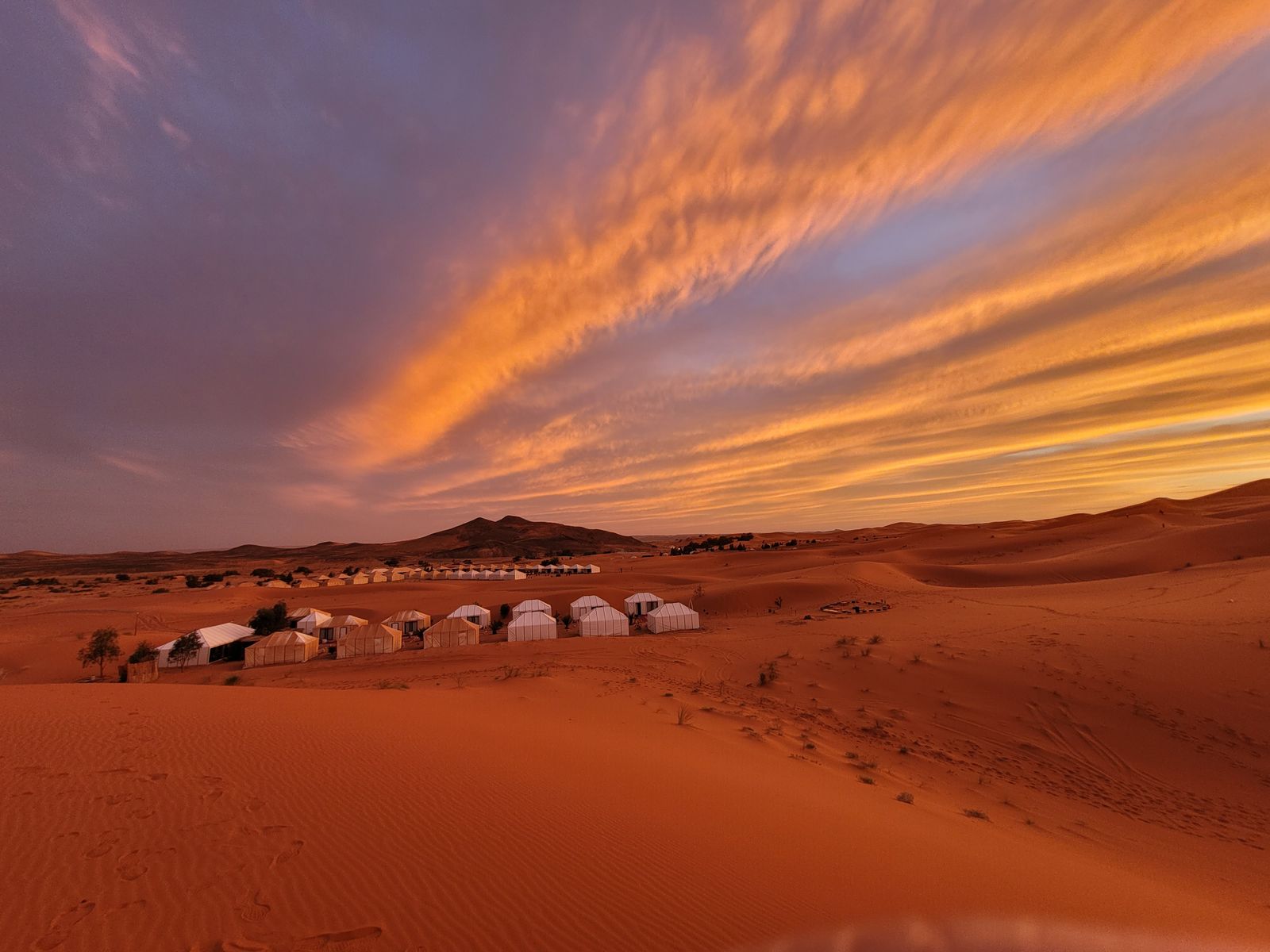
A night in the dunes
Staying overnight with a family in the sand desert, food cooked over the fire and a silence that is absolute. From simple camp to distinctly comfortable.

At sea
Dolphins offshore, diving around islands with intact coral, or sailing between the steep inlets in the far north where the mountains drop straight into the sea.
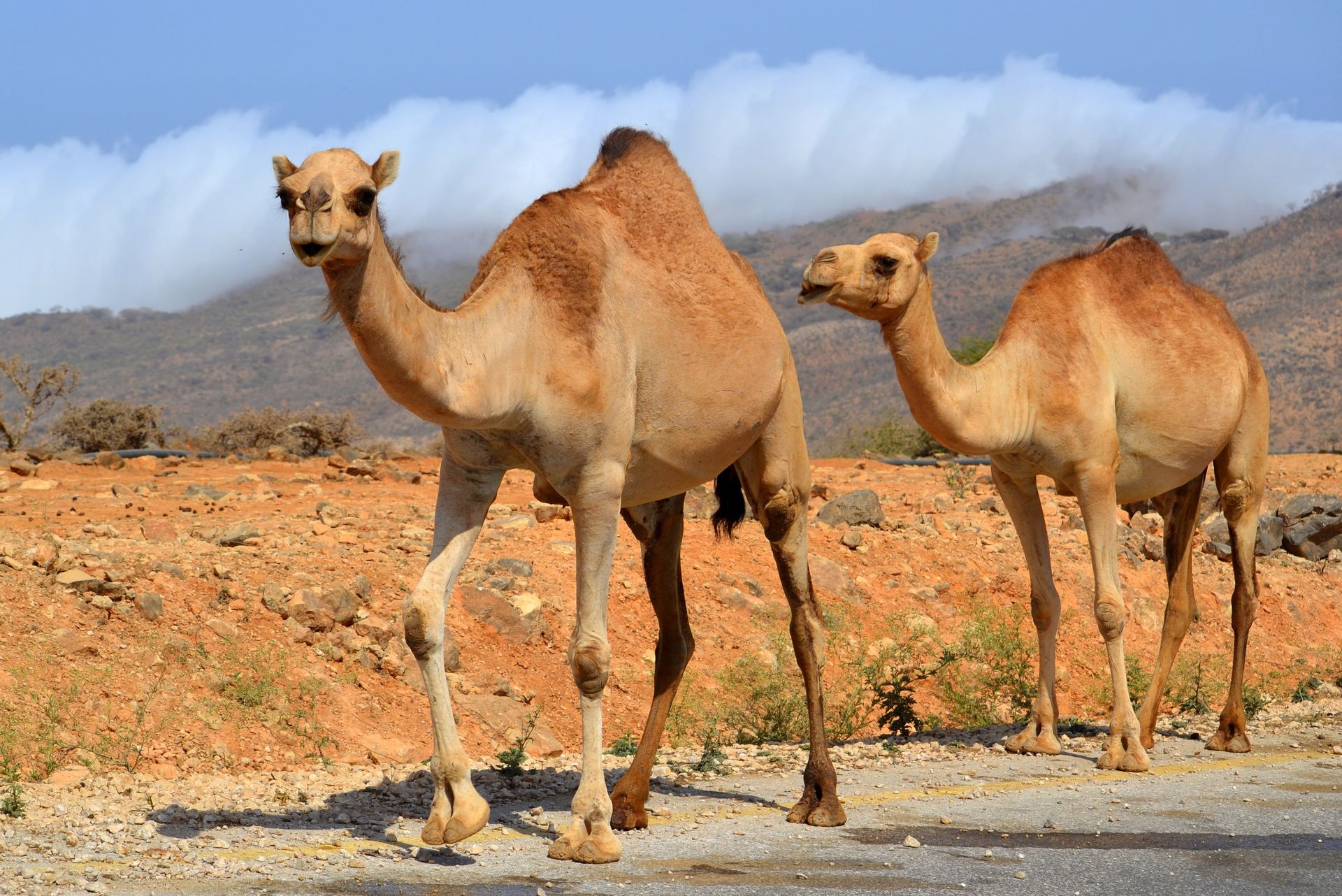
The green monsoon
Head south in July and August, when the hills turn green and mist hangs among the camels. Utterly unexpected for Arabia, and barely known among European travellers.
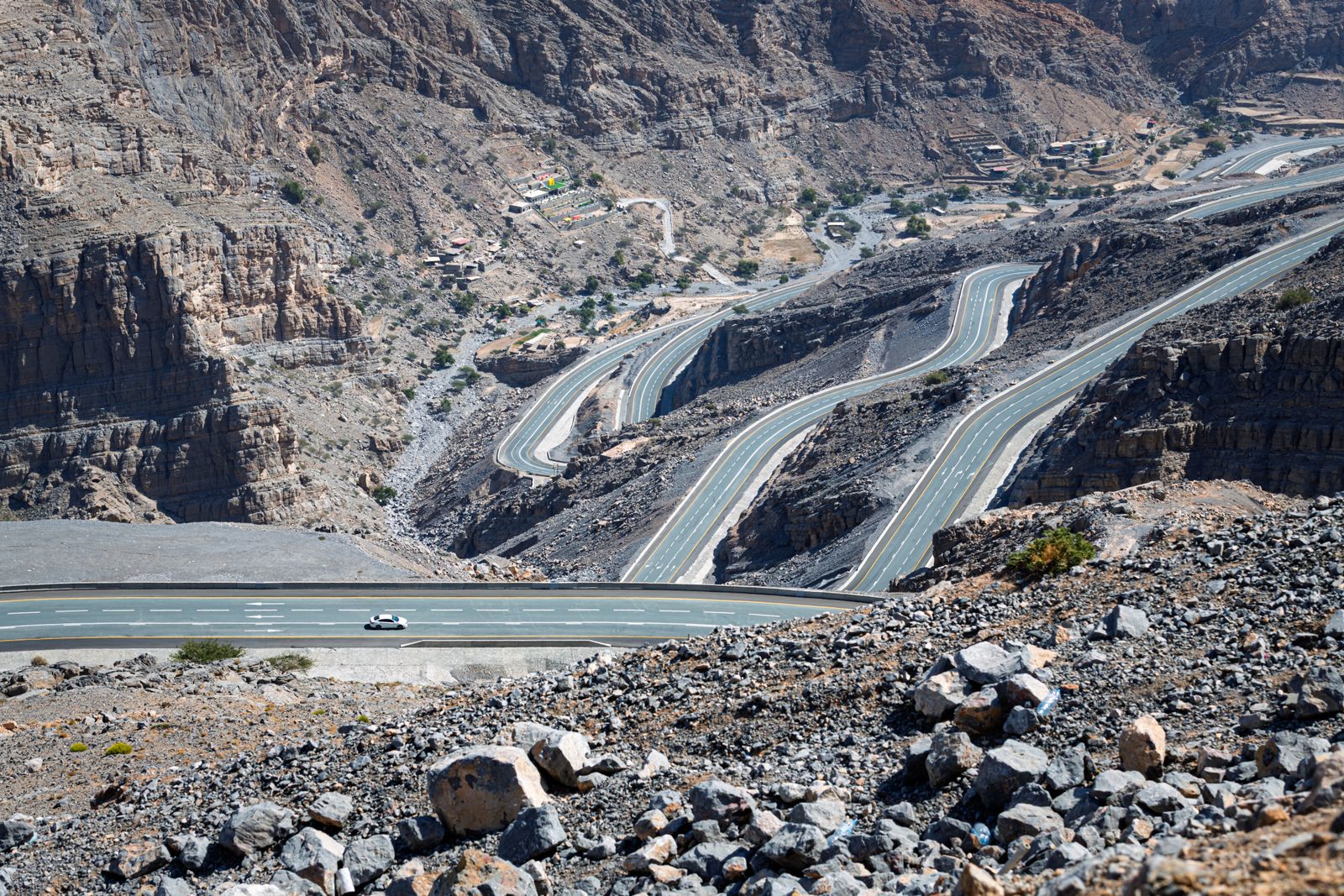
Driving yourself
Oman has excellent roads and is one of the most pleasant countries in the world to self-drive. Mountain passes and sand tracks do call for a 4x4 though.
These are possibilities.
Not your journey.
When would you travel?
Winter is the season here. Except in the south.
From October to April it's pleasant: daytime temperatures around twenty-five to thirty degrees, cool at night, and even cold in the mountains. This is the period when walking, the desert and the coast all work well.
From May to September it turns extremely hot along the coast and inland, with temperatures above forty degrees and high humidity by the sea. Travel is possible, but then the day needs to be planned around the heat, with the mountains as a refuge.
And then there's the exception that makes the trip worthwhile: from late June to early September, the far south catches the tail end of the Indian monsoon. While the rest of Arabia is baking, it sits around twenty-five degrees there, green and misty. For visitors from the Gulf that's the season; for Europeans it's practically unknown.
Oman, then, has two high seasons, in different parts of the country.
Jan
Feb
Mar
Apr
May
Jun
Jul
Aug
Sep
Oct
Nov
Dec
Pleasant across the whole country
Workable, with attention to the heat
Very hot, except in the south
Looking past the highlights
Where we look at things differently.
The mountains over the desert. The dunes appear in every itinerary, the plateau rarely does. Yet that's precisely where you find the villages, the terraces and the walks that set this country apart.
Two nights in the desert, not one. One night means arriving at sunset and leaving after breakfast. It's the second day when things go quiet and you actually get something of the place.
The south in summer. The green monsoon in Dhofar is one of the most curious natural phenomena on the peninsula, and European travellers barely know it exists.
Self-driving really works here. Unlike in many destinations, self-driving in Oman is comfortable and safe. That changes the character of the trip, provided you judge the sand tracks realistically.
Go and visit people. The difference between a nice trip and a memorable one lies in the encounters: a date farmer, a guide from a mountain village, a family in the desert. You don't organise that from a screen.
Worth knowing
Practical, without the noise.
We discuss the full, up-to-date picture in person, including whatever matters specifically for your trip.
- Getting there
- Flights with one stopover to Muscat, usually seven to nine hours travel time. Short enough for a ten-day trip.
- Documents
- For Belgian travellers, depending on the length of stay, either a visa exemption applies or a visa needs to be requested in advance. We help arrange this.
- Health
- No special vaccinations beyond the standard schedule. Heat and dehydration are the main things to watch.
- Self-driving
- Roads are excellent; a 4x4 is required for mountain passes and desert tracks, and sometimes experience too. Wadis can turn dangerous quickly in the rain.
- Clothing
- Shoulders and knees covered outside the hotels, for men too. Women wear a headscarf when visiting mosques.
- Alcohol
- Only available in hotels and a handful of licensed venues; not in shops or restaurants elsewhere.
- Travelling with children
- Very suitable: safe, short distances, wadis to swim in, and a culture that welcomes children warmly.
- Payment
- Card payment works widely in the cities; in rural areas and with small vendors, cash is still needed.
Or perhaps this
Other destinations
Still weighing it up? That is no problem at all. The right country often only becomes clear once the conversation starts.
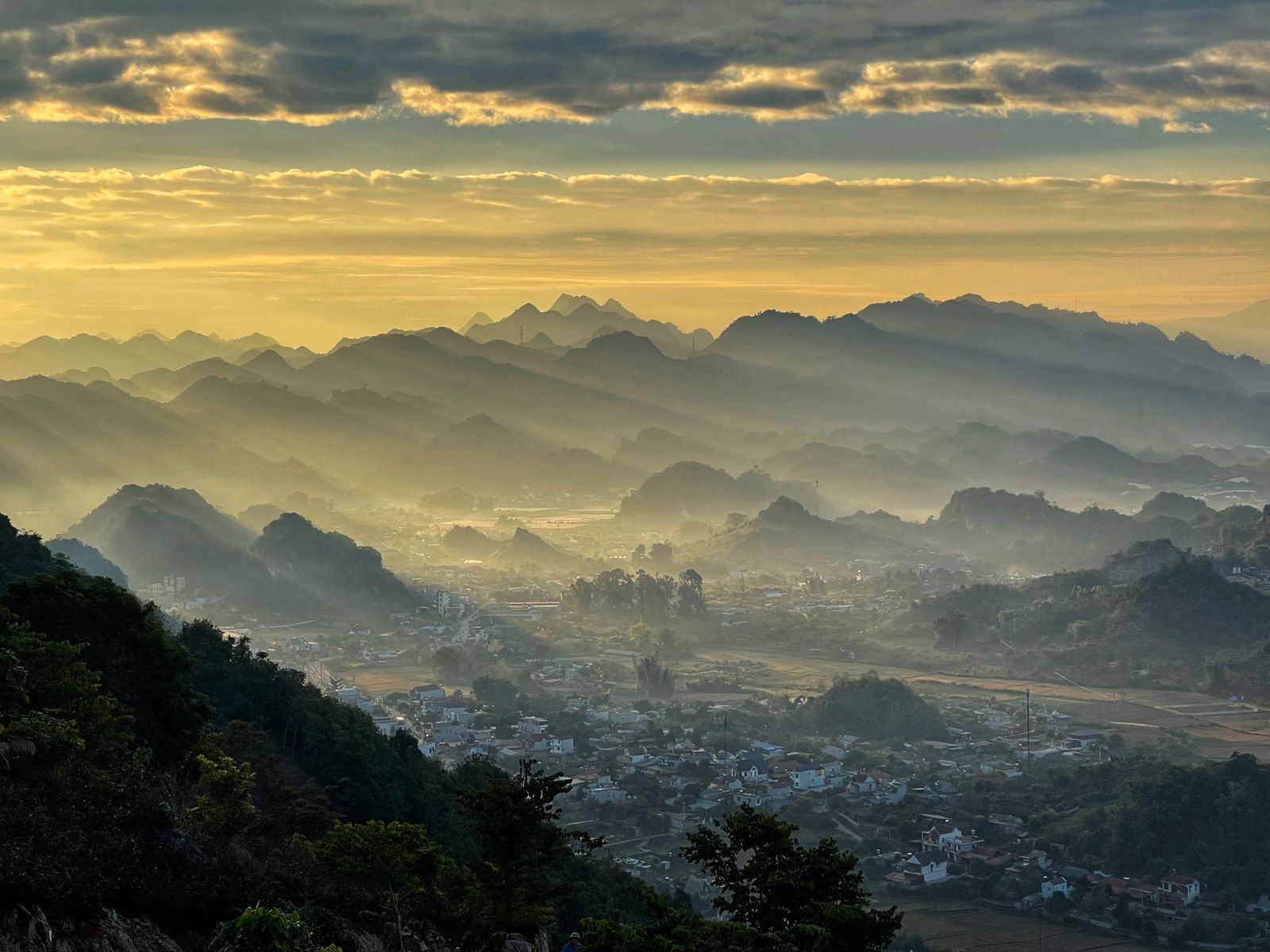
South-East Asia
Vietnam
A country best discovered at the table, one that feels like an almost different place from north to south.
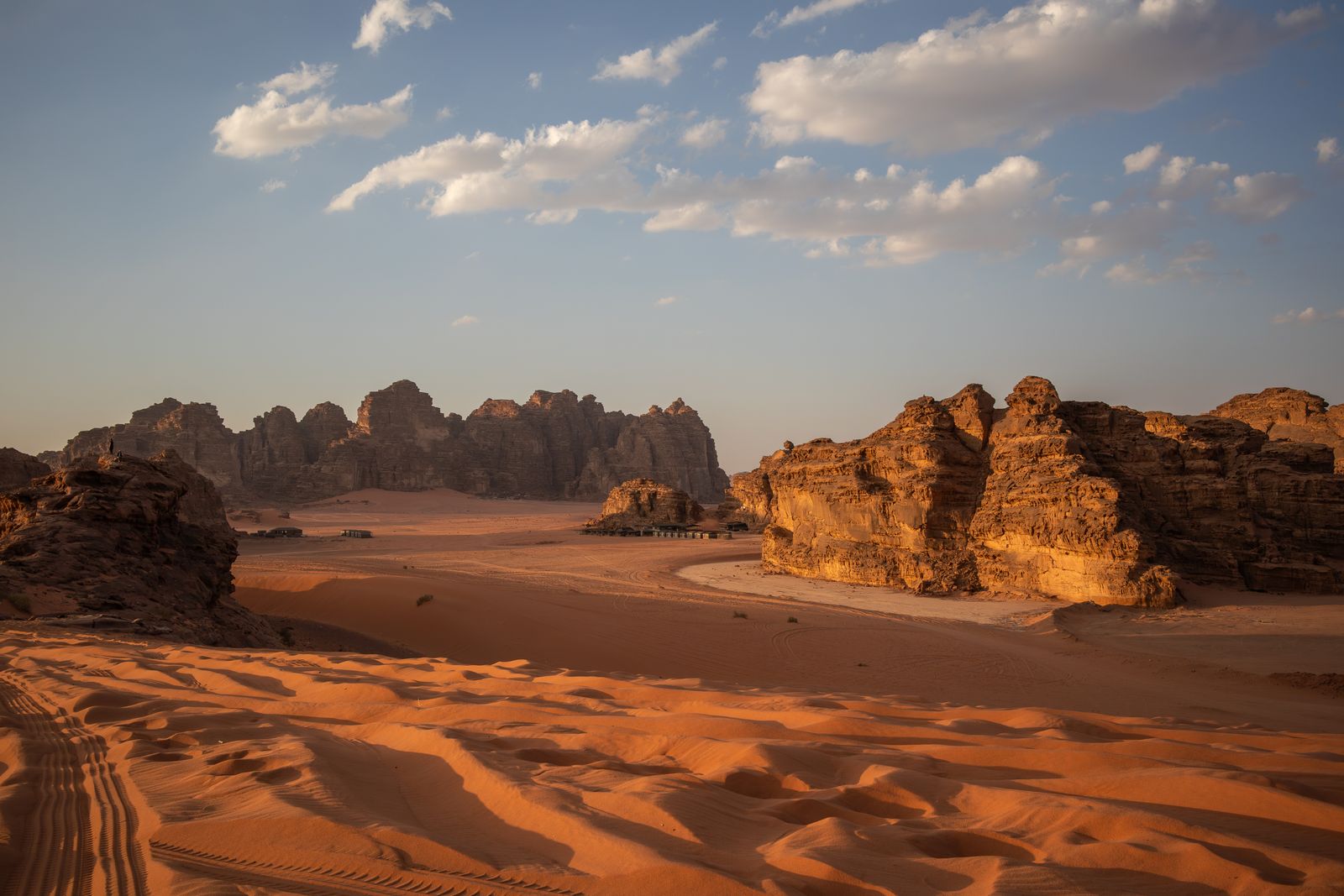
Middle East
Jordan
Desert, history and a hospitality that often turns out to be the most memorable part of the journey.
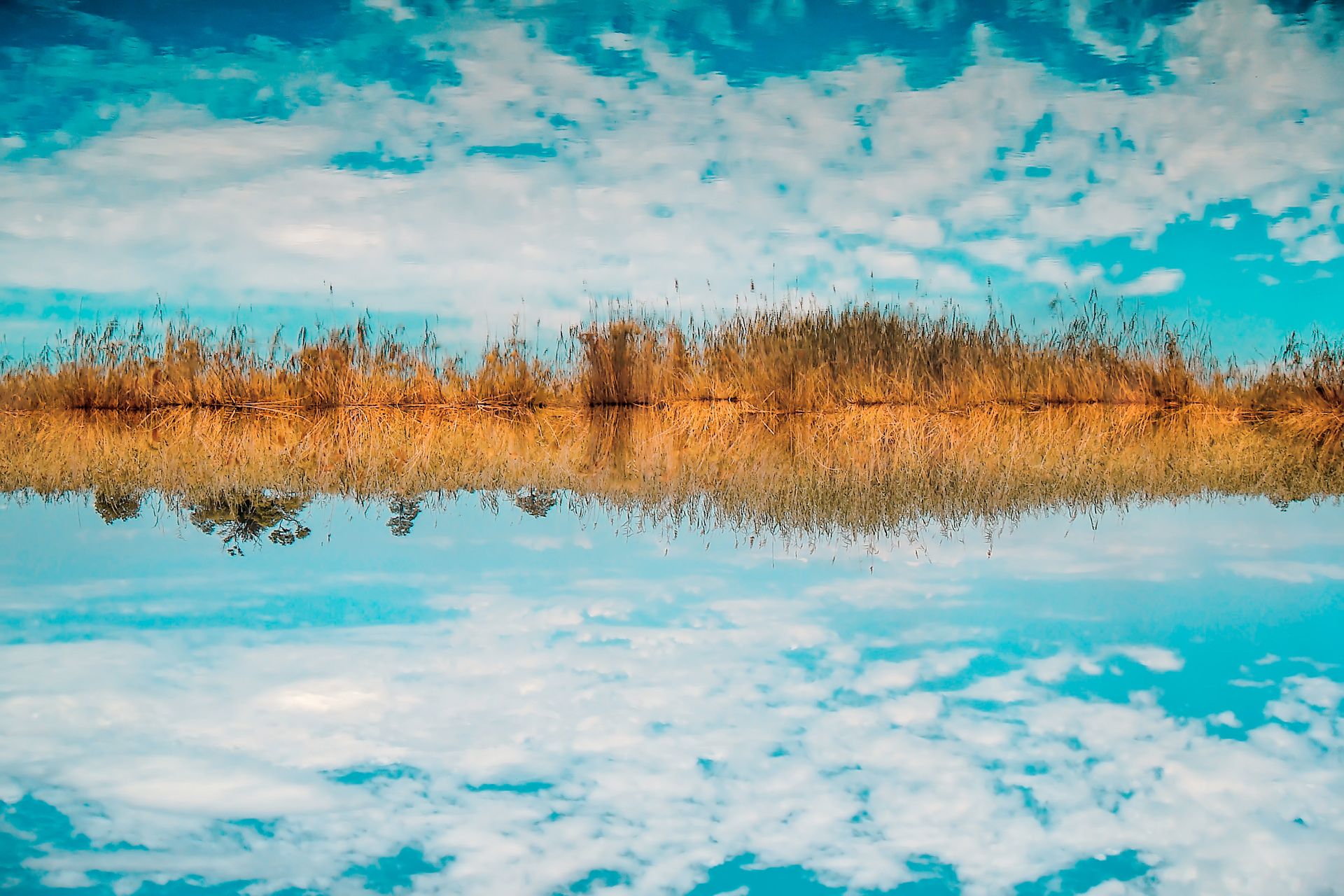
Southern Africa
Botswana
A delta that changes with every season, in a country that deliberately keeps visitor numbers low across a vast expanse.
How it works
This is how your journey to Oman takes shape.
Six steps, from your first story to your homecoming. The conversation and the feasibility check cost you nothing.
-
01
Tell us your story
Fill in the form or give us a call. You do not need a route yet: a country, a period or just an idea is enough.
-
02
The conversation and the check
We talk through what you are looking for, by phone or by video, and check whether it can be done. If it can, we set down together what we will make for you.
-
03
We design your journey
We build your programme up, day by day, together with our own people in the country itself.
-
04
Your proposal
You read your journey day by day, with everything that is included. You say what you would like differently, until it is right.
-
05
Ready to depart
You send us your details, we send you your travel documents. You have one fixed contact who knows your journey.
-
06
Travelling, and after
Your contact stays reachable while you are away. Once you are home, we call one more time.
The next step
How would you like to experience Oman?
Tell us what draws you to Oman, who you're travelling with and how adventurous you'd like to go. We get to know you as a traveller first, then build from there, together with a local partner who knows this country from the inside.