Alps-Adriatic region
Slovenia
Mountains, caves and coast, never far from one another.
This is Slovenia
A country with nothing to prove.
The Alps, karst caves and a strip of coast lie a few hours apart, in a country that never overstates itself.
Slovenia is small enough to drive from mountain village to vineyard in a single afternoon, and large enough that you never feel you've missed something. There's no single headline attraction that everything builds towards: no one lake, no one cave, no one city carrying the whole story on its own.
What stands out is the tone. Slovenian hospitality is precise rather than showy; the cuisine gives away neighbours on three sides without tying itself to any one of them; and even the famous places get talked about with a certain matter-of-factness. That makes it a country you have to go and see for yourself to understand what everyone means, rather than one that a single image can sum up.
The regions
Five landscapes that share no resemblance.
What makes Slovenia special isn't a single region but the distance between them: never more than a few hours' drive.

mountains
Julian Alps & Bohinj
Triglav, the country's highest peak, lends its name to the national park around it. Lake Bohinj sits one valley over from Bled and draws no postcards, only walkers climbing towards the Savica waterfall or the Vogel alpine meadow. In winter it's ski country, and for the rest of the year a base for mountain treks ranging from half a day to a week.

river
Soča Valley
The Soča flows emerald green through a gorge that owes its colour to limestone. Kayakers and rafters know the river well, but the valley also lives through small towns like Kobarid and Bovec, where the First World War is still woven into walking trails and museums.
underground
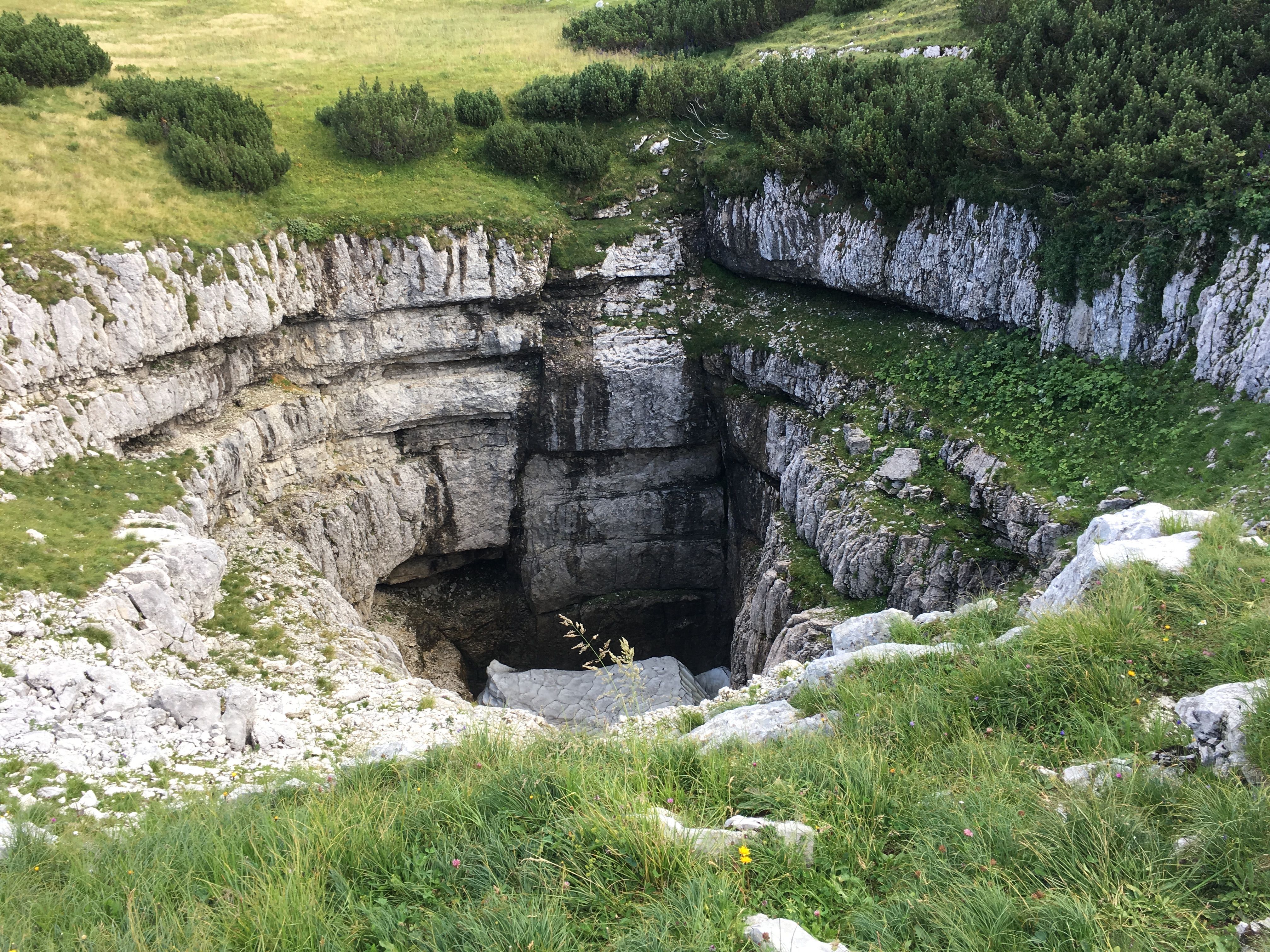
Kras
The region that gave its name to the word 'karst' is a landscape of sinkholes, dry riverbeds and caves running hundreds of metres deep. Škocjan is UNESCO-listed and overwhelming in scale; Postojna is more accessible. Above ground, that same limestone soil produces the pršut and teran wine the region takes pride in.
city
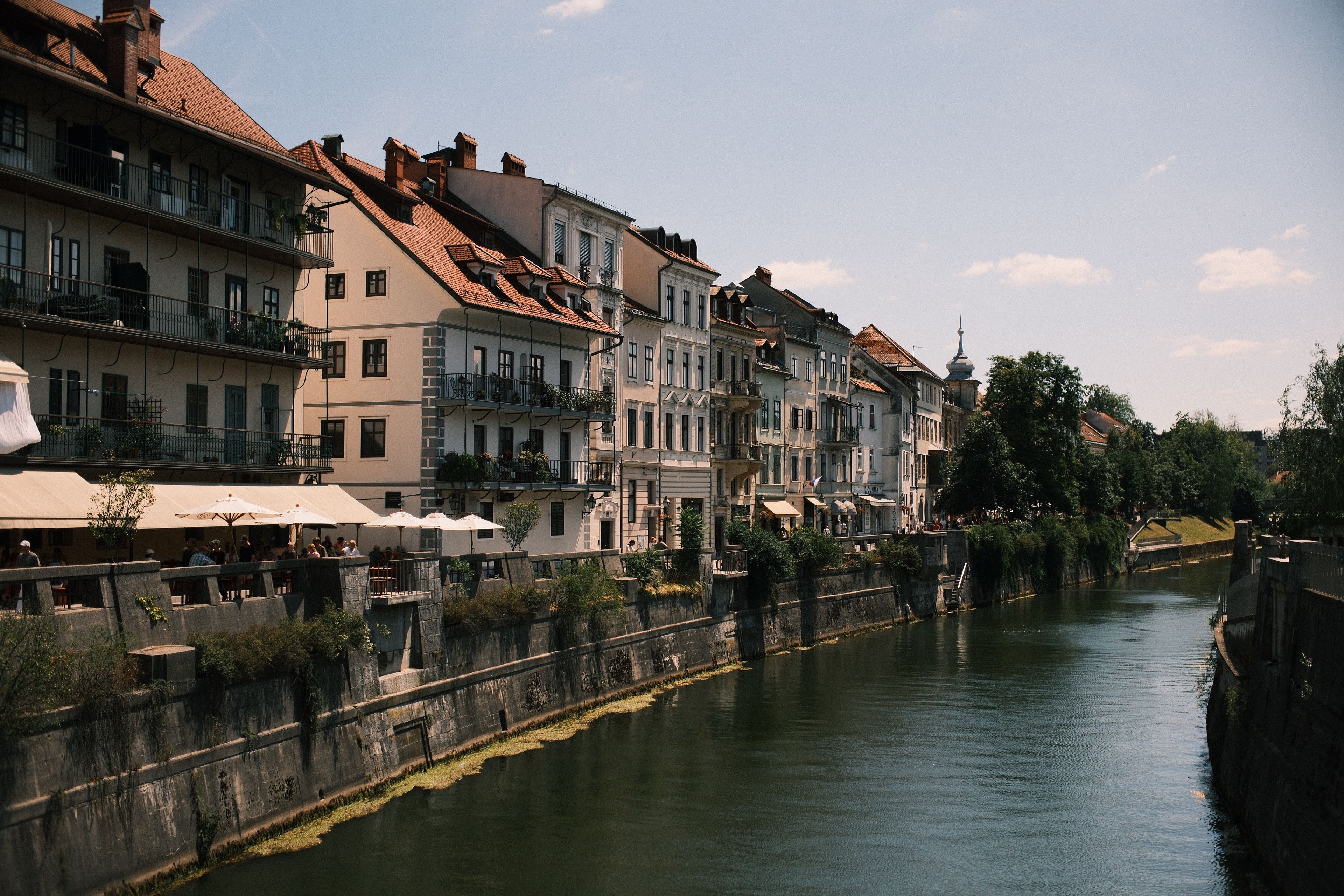
Ljubljana
A capital without high-rises, built around a river with terraces at eye level with the water. Ljubljana is compact enough to cross on foot and lively enough to spend two days there without repeating yourself.
coast
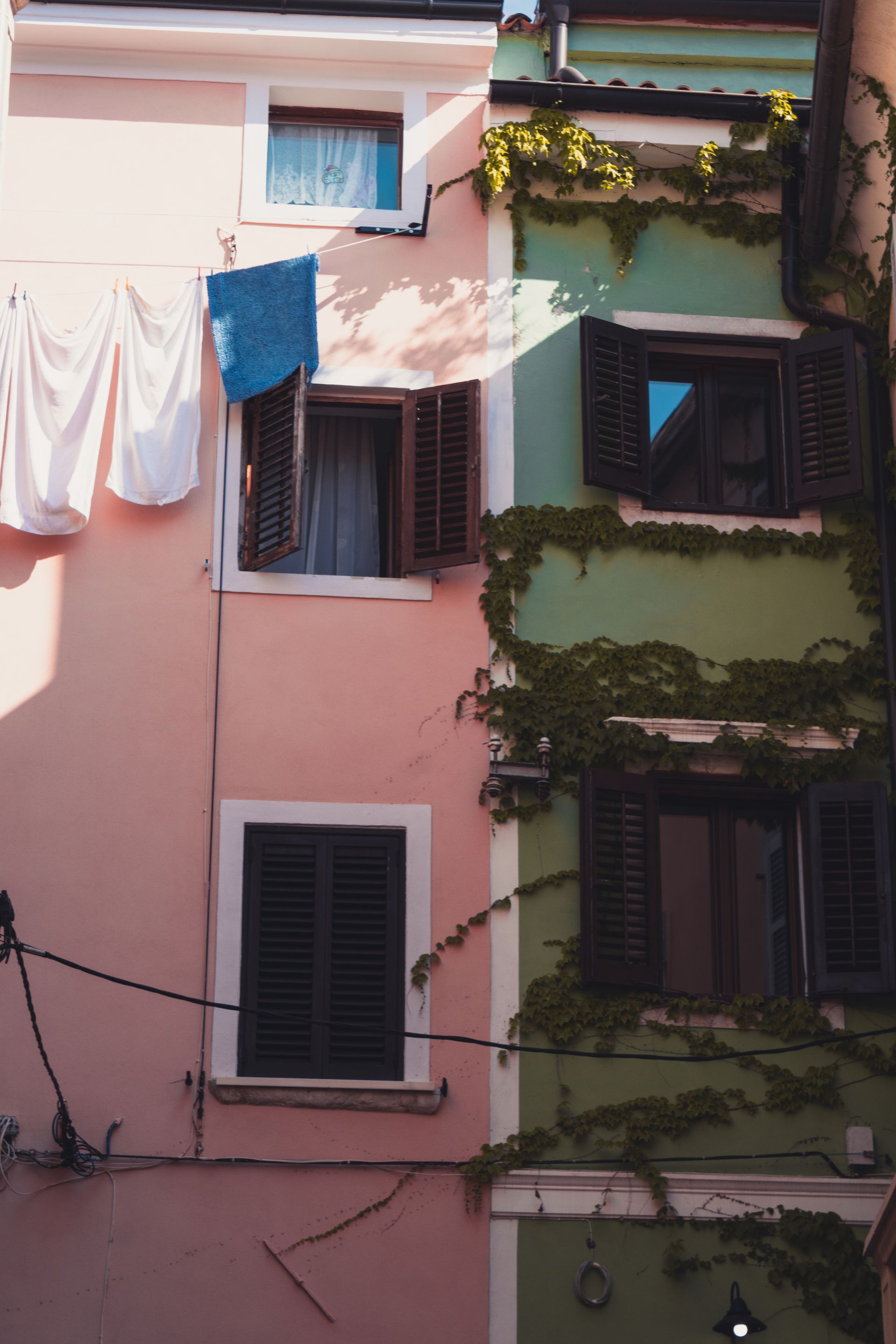
Slovenian coast
Barely 46 kilometres long, but enough for Piran, a Venetian town on a headland that cars can barely enter, and for Koper, less touristy and closer to everyday Slovenia.

wine country
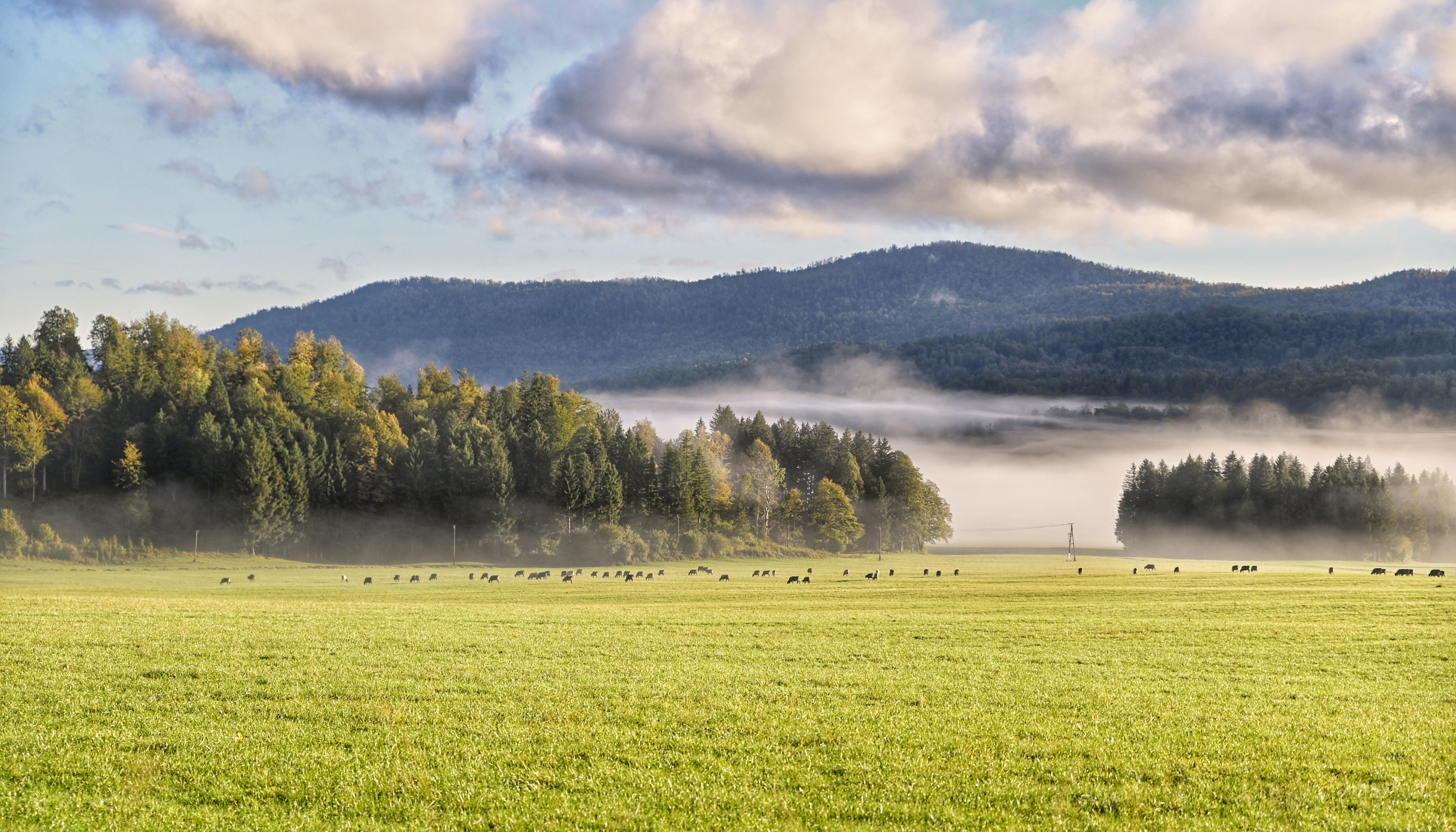
Štajerska & Prekmurje
Eastern Slovenia, against the Hungarian border, is rolling wine country around Ptuj and Maribor, home to the oldest still-producing vine in the world. Further into Prekmurje, the cuisine turns Pannonian: paprika, goose fat, bograč soup.

Škocjanske jame: one of the largest underground gorges in the world, and one no photograph ever quite captures.
Nature and underground
More than half the country is forest.
What you see above ground is only half the story. Slovenia is one of the most forested countries in Europe, and beneath the Kras lies a network of caves that still hasn't been fully mapped.

Triglav National Park
More than 800 square kilometres of forest, rock face and high mountains, with chamois and ibex once again at home here after reintroduction. The park covers almost the entire western mountain edge of the country.
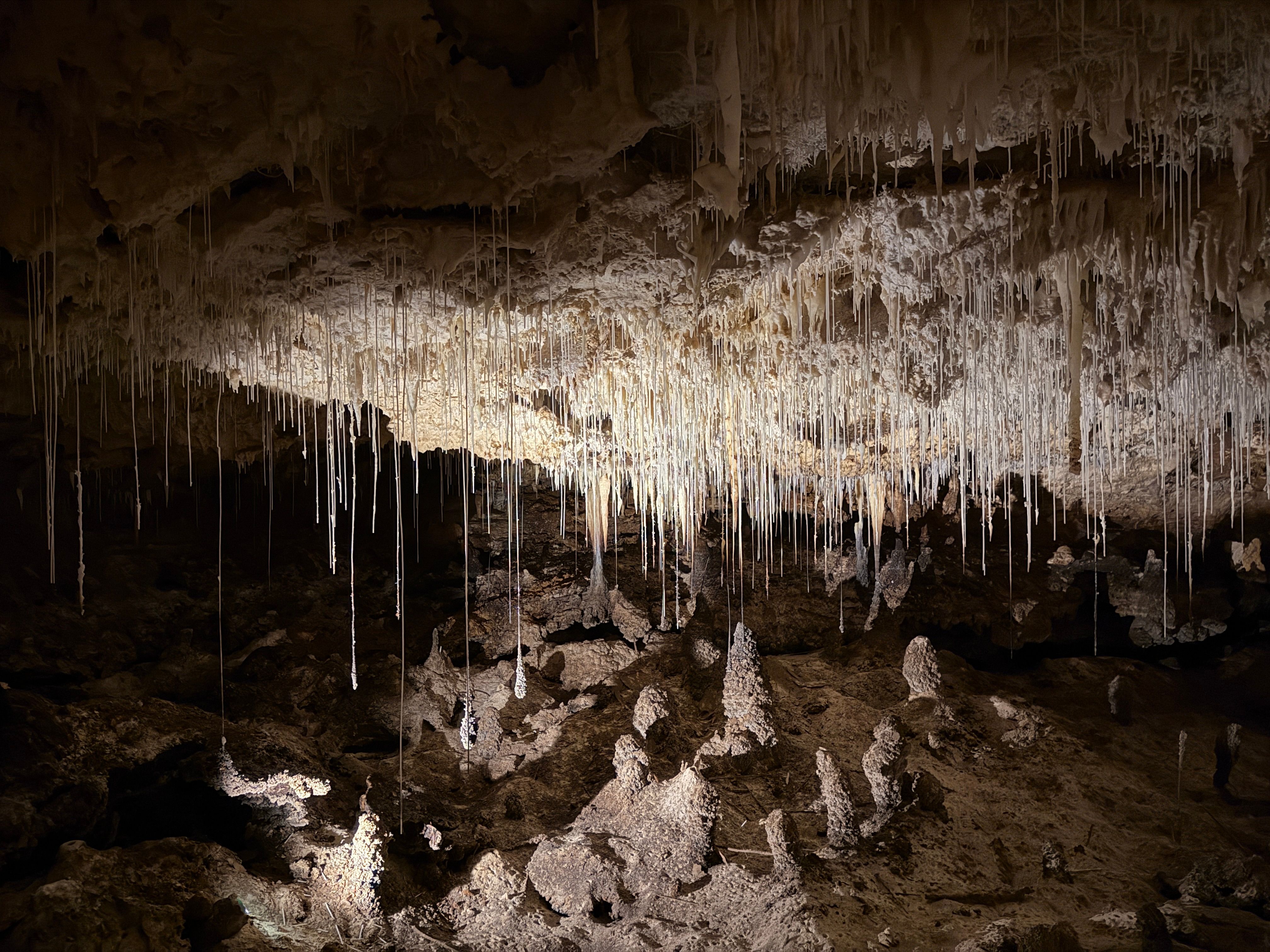
The underground world of the Kras
The caves of the Kras are home to the olm, a blind, pale salamander once mistaken for decades as a baby dragon. It's the kind of creature you only get to know if you're willing to look underground.

The Soča and its tributaries
The water is so clear you can count stones three metres down. The marble trout, endemic to this river system, lives wild nowhere else in the world.
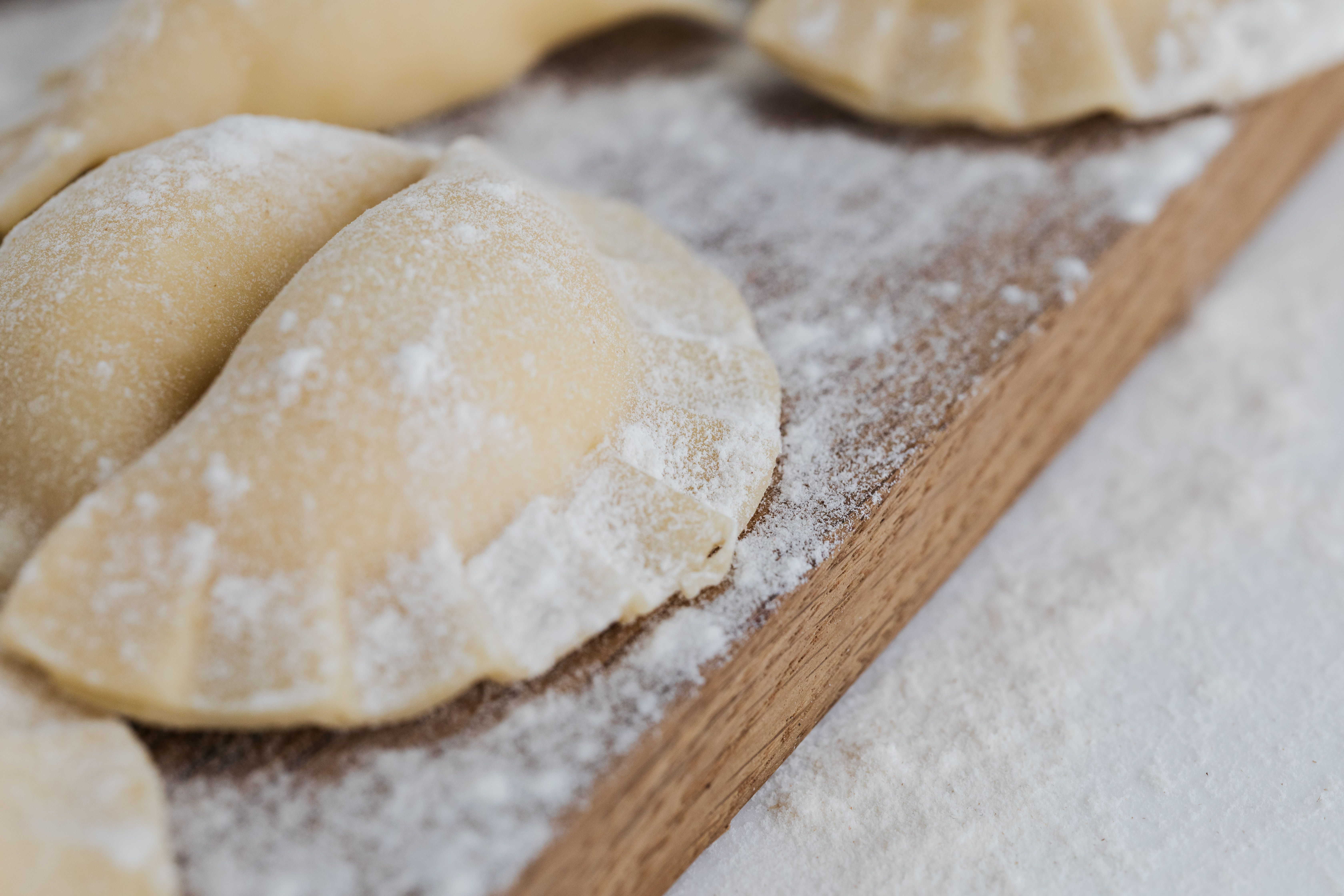
At the table
A cuisine with three neighbours and no identity crisis.
Slovenian cuisine doesn't choose between its neighbours, it combines them. In the west you taste Italy: olive oil, fish, teran wine from the Kras. In the north, Austrian influence shows up in pastries and dairy. In the east, towards Hungary, it turns Pannonian: paprika, goose fat, hearty soups.
Idrija, a mining town inland, has a dish all its own: žlikrofi, small potato-filled dumplings that have carried protected status since 2010. And bees are no side note here. Slovenia counts more beekeepers per capita than any other European country, and World Bee Day, held every year on 20 May, was a Slovenian idea the United Nations later adopted.
Slovenia doesn't win you over with superlatives.
It wins you over with how much fits into a country you could cross in a single day.
What you can do here
Possibilities, not a programme.
What follows isn't a route, but a sense of what's possible once the destination is settled.

Walking in the Julian Alps
From short walks around Lake Bohinj to multi-day routes past mountain huts towards Triglav.

On the water on the Soča
Kayaking, rafting, or simply an afternoon by the water in Bovec or Kobarid.

Exploring caves beyond the lit path
Beyond Postojna and Škocjan, caving trips exist that go further than the tourist route.

Wine routes in Vipava and Štajerska
Small-scale estates where the winemaker opens the door themselves, far from the big names.

Coastal villages on foot
From Piran to Koper, with time for the Sečovlje salt pans in between.

Thermal springs
Rogaška Slatina and Dolenjske Toplice offer a different kind of rest, less known outside the region.
Any of these elements can be combined into a trip tailored to who's travelling with you and how much time you have.
Looking past the highlights
Why we look at Slovenia differently
No Bled cliché One lake with an island isn't the country. We'd rather send you to Bohinj, the Kras or the Soča Valley than to the most photographed spot in Central Europe.
Small country, big contrast Because the distances are short, a trip here can take three completely different landscapes seriously instead of skimming just one.
Unhurried hospitality Slovenian hosts don't talk loudly about what they have to offer. Ask, and you get more than you would by simply booking.
Three cultural edges Alpine, Mediterranean and Pannonian influences don't clash here, they live side by side: in the cuisine, in the architecture, in the landscape.
When would you travel?
When to visit Slovenia
May to early July is the greenest stretch: waterfalls at their strongest, alpine meadows in bloom, no summer crowds yet. September and October bring the wine harvest in Štajerska and autumn colour in the mountains, with quieter roads than in July and August.
The summer months travel well but bring more crowds to the coast and around the best-known lakes. December to February is ski season for anyone heading specifically to the mountains: a different kind of trip from the rest of the year, more compact and focused on the Alps.
Jan
Feb
Mar
Apr
May
Jun
Jul
Aug
Sep
Oct
Nov
Dec
Top: landscape at its best, roads and trails easily accessible, without the summer crowds.
Good: travels well, with more visitors along the coast and around the best-known lakes in July and August.
Fair: not the strongest window for a general tour, unless the goal is specifically winter sports in the mountains.
Worth knowing
Practical, without the noise.
A few practical points for planning a trip.
- Getting there
- No direct flight from Belgium; connect via Frankfurt, Munich or Vienna. Also combines well with an overland trip through Austria.
- Documents
- An identity card is enough for EU citizens; Slovenia is a Schengen and eurozone country.
- Health
- No special precautions needed; in the mountains the usual rules around altitude and changing weather apply.
- Pace
- A compact country doesn't ask to be rushed, but it does invite combining. Expect short journeys between landscapes that look little alike.
Frequently asked questions
Can you combine the Alps, the Kras and the coast in one trip?
Yes, the distances are short enough to take all three seriously over two to three weeks, without it turning into a checklist trip.
How busy is the coast in July and August?
Piran and Portorož mainly draw domestic and regional visitors then; it gets lively, not overwhelmed the way the Croatian coast further south can be.
Is Slovenia also a winter sports destination?
Kranjska Gora and Vogel offer solid pistes, but that's a different trip from the rest of the year: more compact and focused on the mountains alone.
Do you need a car?
For the Alps and the Kras, yes; Ljubljana and the coast work fine without a car too, with train or transfer in between.
Or perhaps this
Other destinations
Still weighing it up? That is no problem at all. The right country often only becomes clear once the conversation starts.
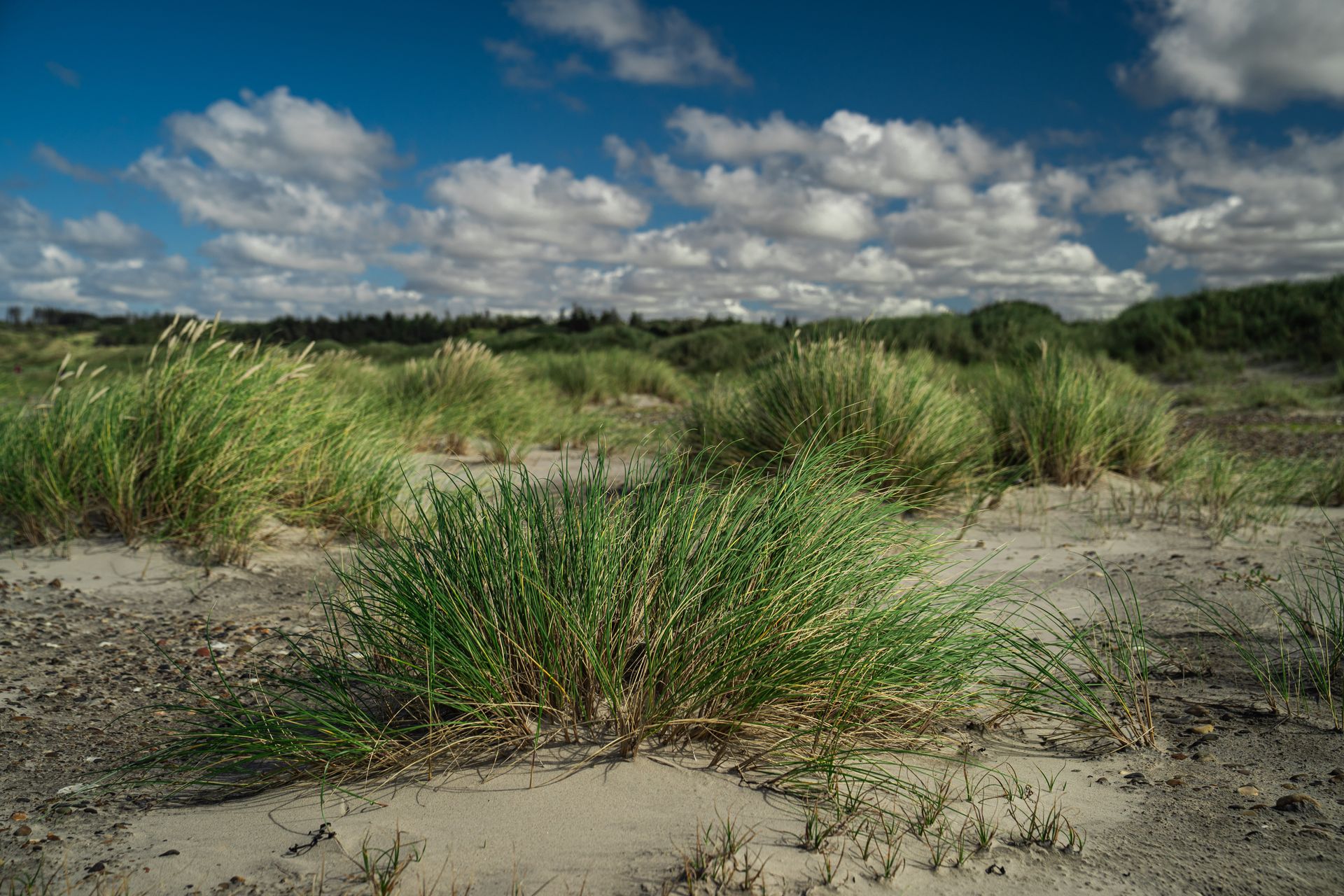
Scandinavia
Denmark
Flat, coastal and steeped in a light that never shouts, a country that finds its calm in understatement.
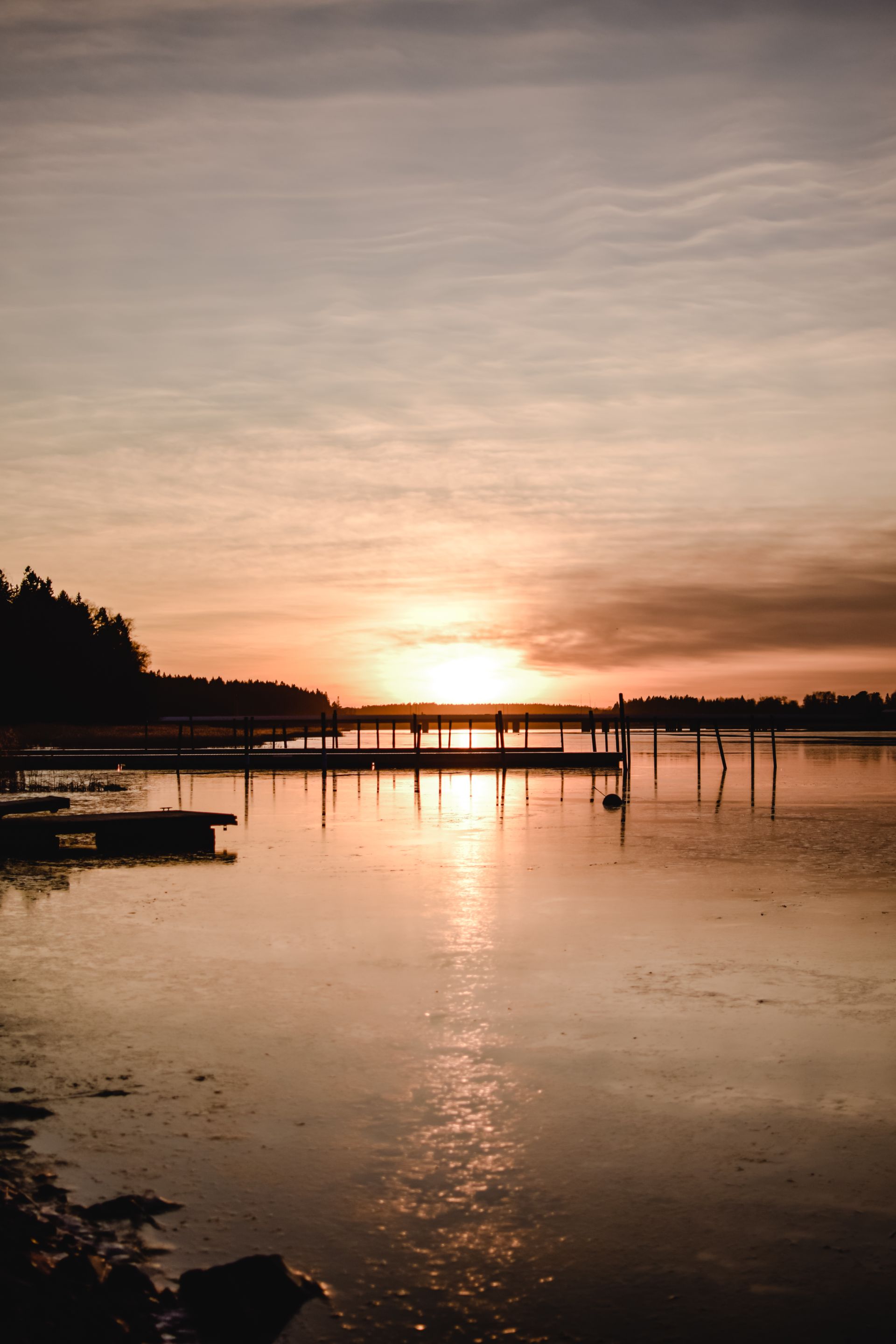
Nordic countries
Finland
Forest and water alternate so often that the boundary blurs, a country that never needs to sell its silence because it already has plenty.
Scandinavia
Norway
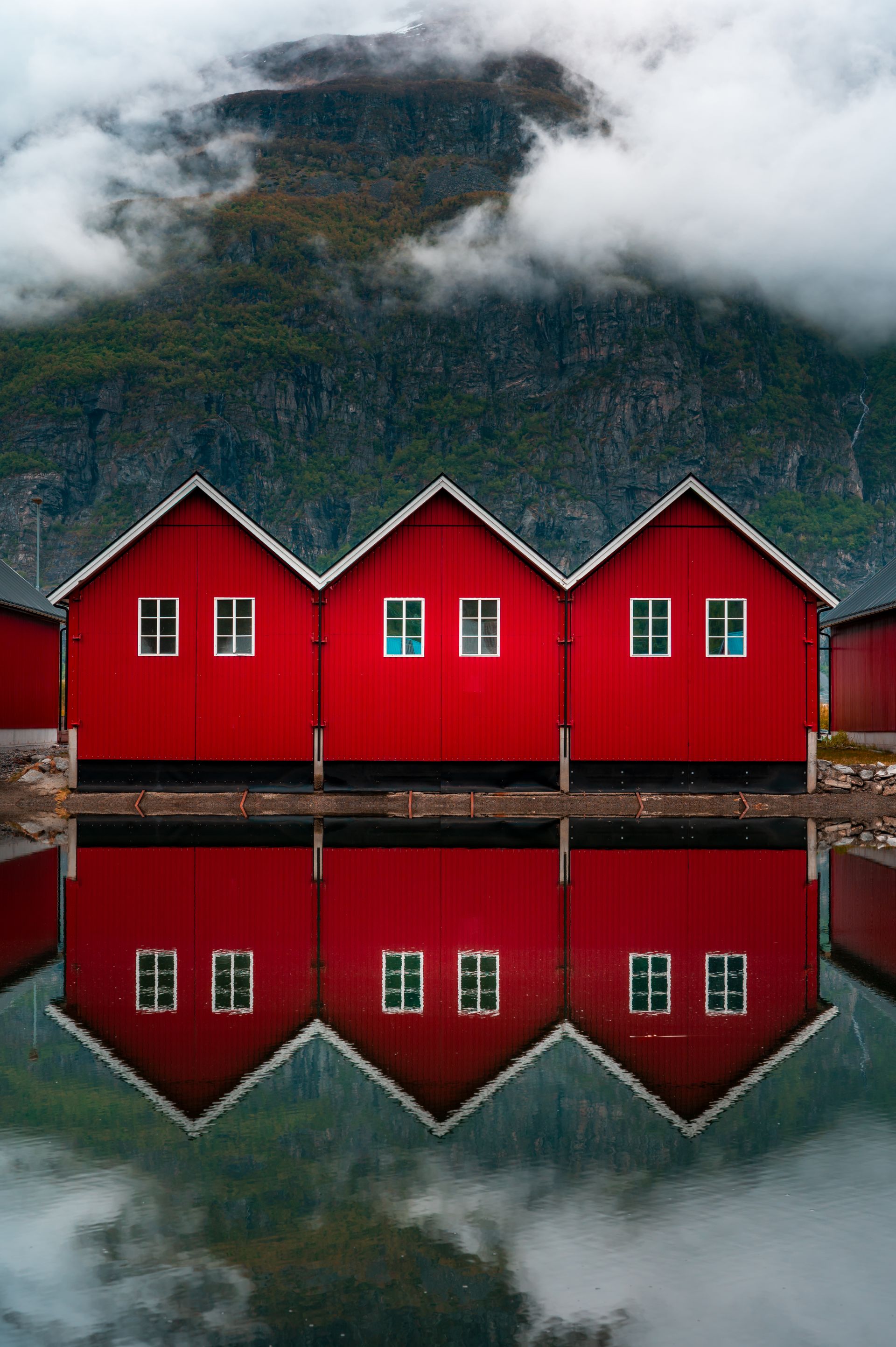
Vertical and unyielding: rock faces plunging straight into the fjords, with villages clinging to the edge between mountain and water.
How it works
This is how your journey to Slovenia takes shape.
Six steps, from your first story to your homecoming. The conversation and the feasibility check cost you nothing.
-
01
Tell us your story
Fill in the form or give us a call. You do not need a route yet: a country, a period or just an idea is enough.
-
02
The conversation and the check
We talk through what you are looking for, by phone or by video, and check whether it can be done. If it can, we set down together what we will make for you.
-
03
We design your journey
We build your programme up, day by day, together with our own people in the country itself.
-
04
Your proposal
You read your journey day by day, with everything that is included. You say what you would like differently, until it is right.
-
05
Ready to depart
You send us your details, we send you your travel documents. You have one fixed contact who knows your journey.
-
06
Travelling, and after
Your contact stays reachable while you are away. Once you are home, we call one more time.
The next step
What draws you most to Slovenia?
The mountains, the caves, the coast, or perhaps the combination of all three. Tell us what you're after and we'll build a route to match your pace.