Carpathians
Slovakia
Mountains, castles and wooden villages hiding in the shadow of the Czech Republic.
This is Slovakia
A country that turns towards the mountains, not the camera.
Bratislava sits at the edge of the country, and at the edge of this story.
Central Europe brings Prague to mind, and Slovakia too often brings only Bratislava and a weekend that never really touches the rest of the country. The capital sits in the far south-western corner, hard against the Austrian border, a city that enters the country through the back door. The real Slovakia begins beyond it: a narrow arc of mountain ranges running from the Little Carpathians through the Malá Fatra to the granite walls of the Tatras, thinning out eastward towards the forested border with Ukraine.
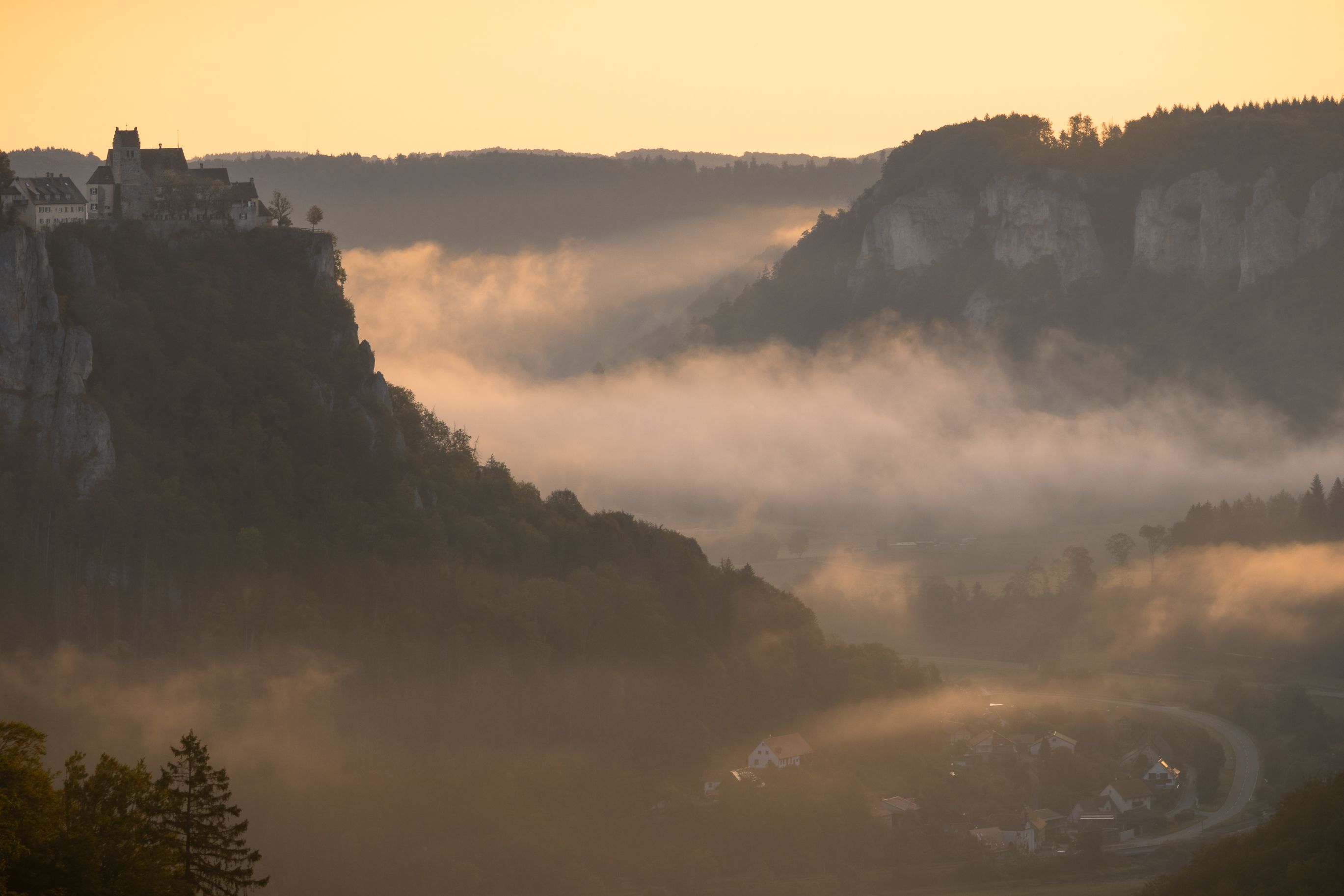
This is a country of vertical geography. Villages sit not beside each other but above each other, strung along valleys that often have only one way out. On the limestone crags overhead stand castles that were never built to look beautiful, only because the rock was the one defensible spot: Spišský hrad, Orava, Devín. Between those ruins stand small wooden churches, with spired towers and interiors built without a single nail, still standing after centuries because nobody bothered to replace them.
Slovakia has no coastline, no capital that dominates the whole country, and no tourist machine that has smoothed everything over. What remains is a country where the seasons set the pace, and where a walk still ends at a chata with a wood fire, not a souvenir shop.
The regions
Four mountain ranges, no two alike.
Slovakia is too small to get lost in and too vertical to see quickly. Each region has its own view of the same Carpathians.

high mountains
The High Tatras
The smallest alpine range in the world, and also the country's highest: across barely 26 kilometres of width, eighteen peaks rise above two thousand metres. Walking here means moving between glacial lakes and pine forest, with a chata the only interruption.

heritage
Spiš
Around Spišský hrad, the largest castle ruin in Central Europe, lies a region full of medieval towns such as Levoča, with wooden altars and market squares that have never been remodelled for visitors.

wooden villages
Liptov and Orava
This is where the densest clusters of wooden churches stand, along with the Unesco village of Vlkolínec, where forty-one log houses are still simply lived in. It is also the heart of salašníctvo, the centuries-old sheep-herding tradition that sets the rhythm of the region.

gorges and caves
Slovenský raj
A plateau riddled with narrow gorges, where footpaths climb past waterfalls on ladders and chains, above an underground network of caves that ranks among the oldest in Europe.

wilderness
Poloniny
In the far east, where Slovakia, Poland and Ukraine meet, lies the least visited part of the country: rolling hills and primeval forest with next to no infrastructure.
No castle here stands for the view,
it stands because the rock was the only way up.
The people
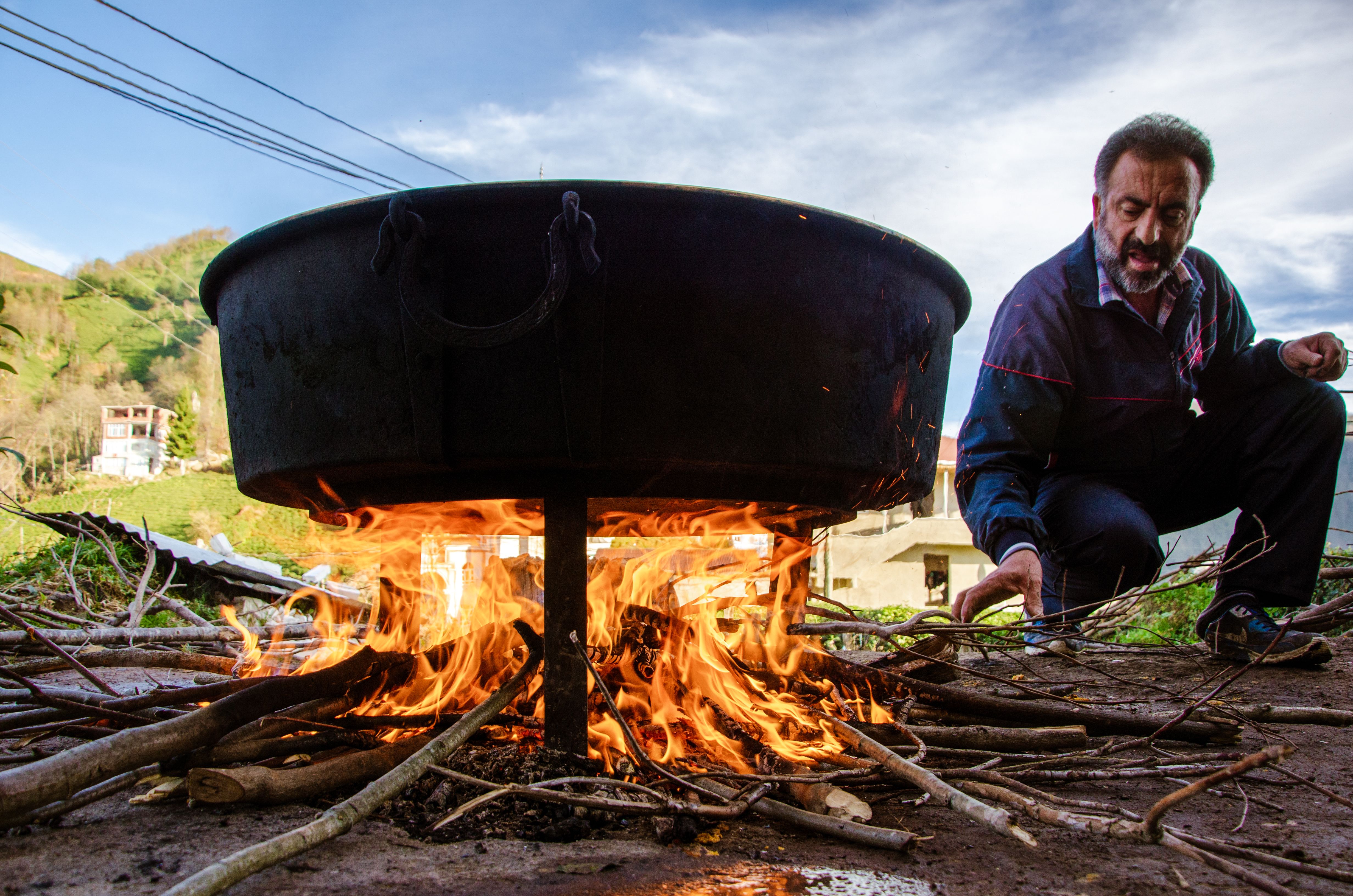
The bača is not a figure staged for photographs.
In Liptov and the valleys around the Low Tatras, shepherds still lead their flocks up to the alpine pastures above the treeline every spring, a tradition called salašníctvo that has barely changed in centuries. The bača, the herder who runs the flock and the cheese-making, lives for months in a wooden hut, far from any road, making bryndza: a soft, savoury sheep's cheese that forms the base of bryndzové halušky, the national dish of potato dumplings, cheese and bacon.
None of this is folklore staged for visitors. The flock goes up because the grass grows there, not because anyone is watching. Step into a koliba, the wooden shepherd's hut that now doubles as a simple restaurant, and you taste a kitchen that has never adapted itself to a tourist's pace.

Vlkolínec, a Unesco village of forty-one wooden houses, still lived in today.
Nature
A mountain range that refuses to be tamed.

Bears, wolves, lynx
The Tatras and Low Tatras hold one of Europe's last intact predator communities: brown bears, wolves and Eurasian lynx share the same forest. You rarely see them, but their presence decides where and how footpaths get built.

The Carpathians underground
Beneath the Slovak Karst lies one of the largest cave systems in Europe, with stalactite formations thousands of years older than the castles above them. Part of it shares Unesco listing with the caves on the Hungarian side of the border.
The primeval forests of Poloniny
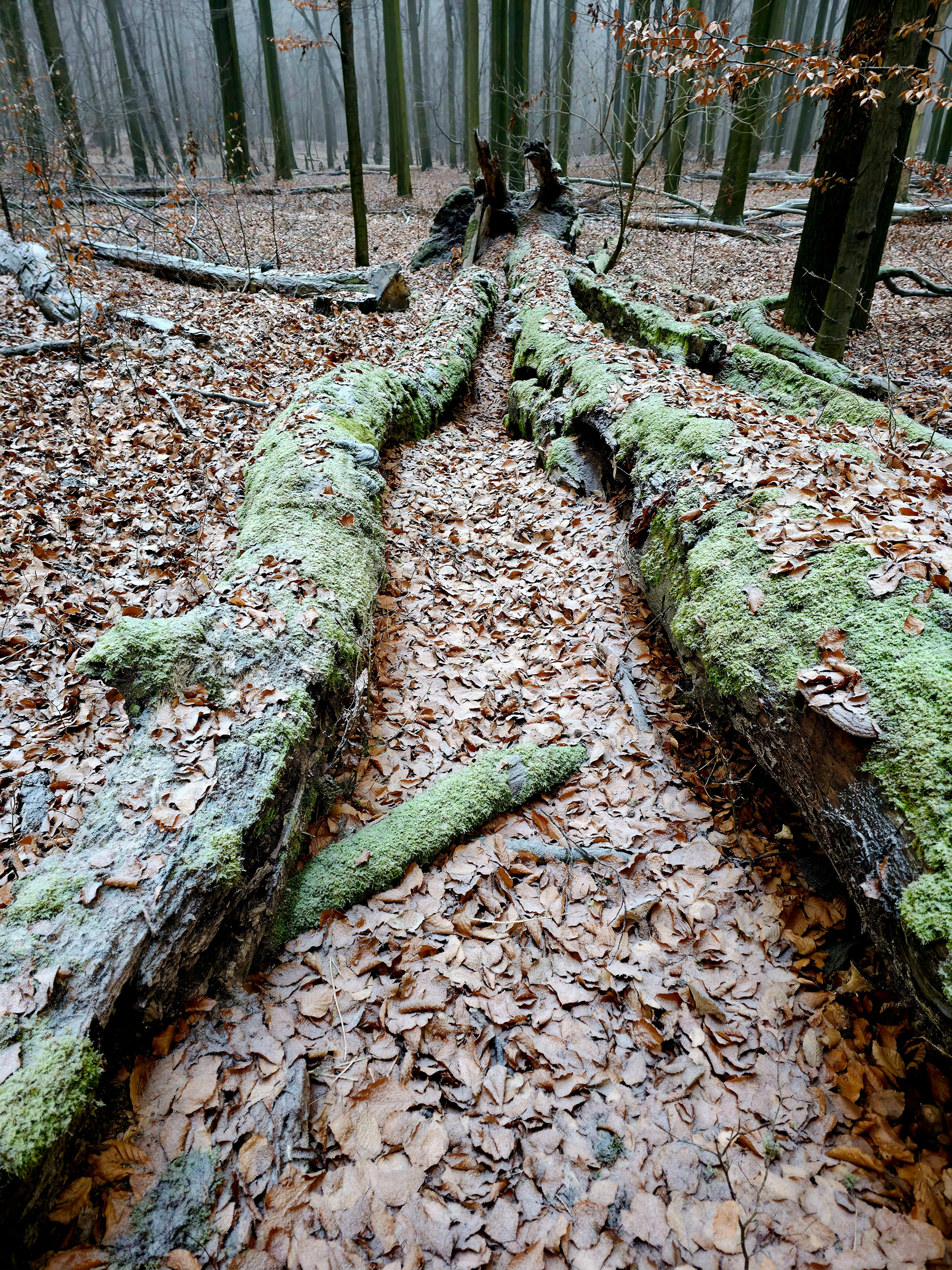
In the far east grow beech forests that have never been felled, Unesco-recognised as one of the continent's last remaining stretches of primeval woodland. Walking here means crossing a landscape without a single trace of management.
Looking past the highlights
Why we look at Slovakia differently
Bratislava is not the country We rarely plan more than a brief stop in the capital. Slovakia's story plays out above four hundred metres, not on a square full of stag parties.
The valley sets the pace Many villages have only one road in and out. We plan around that instead of against it. A trip through the Carpathians follows the topography, not a fixed route.
The season is never an afterthought A mountain pass open in July can already be closed by October. We match every route to what's actually feasible that particular week, not to an average yearly calendar.
Local people, not a guide's script The shepherds, forest rangers and cheesemakers we work with don't work for tourism. They simply let you watch what they'd be doing anyway.
Things to do here
No fixed programme, but a country full of reasons to stop.
This isn't a day-by-day itinerary, but a list of the things that make Slovakia worthwhile. You decide how many of them earn a place.
Walking between mountain lakes
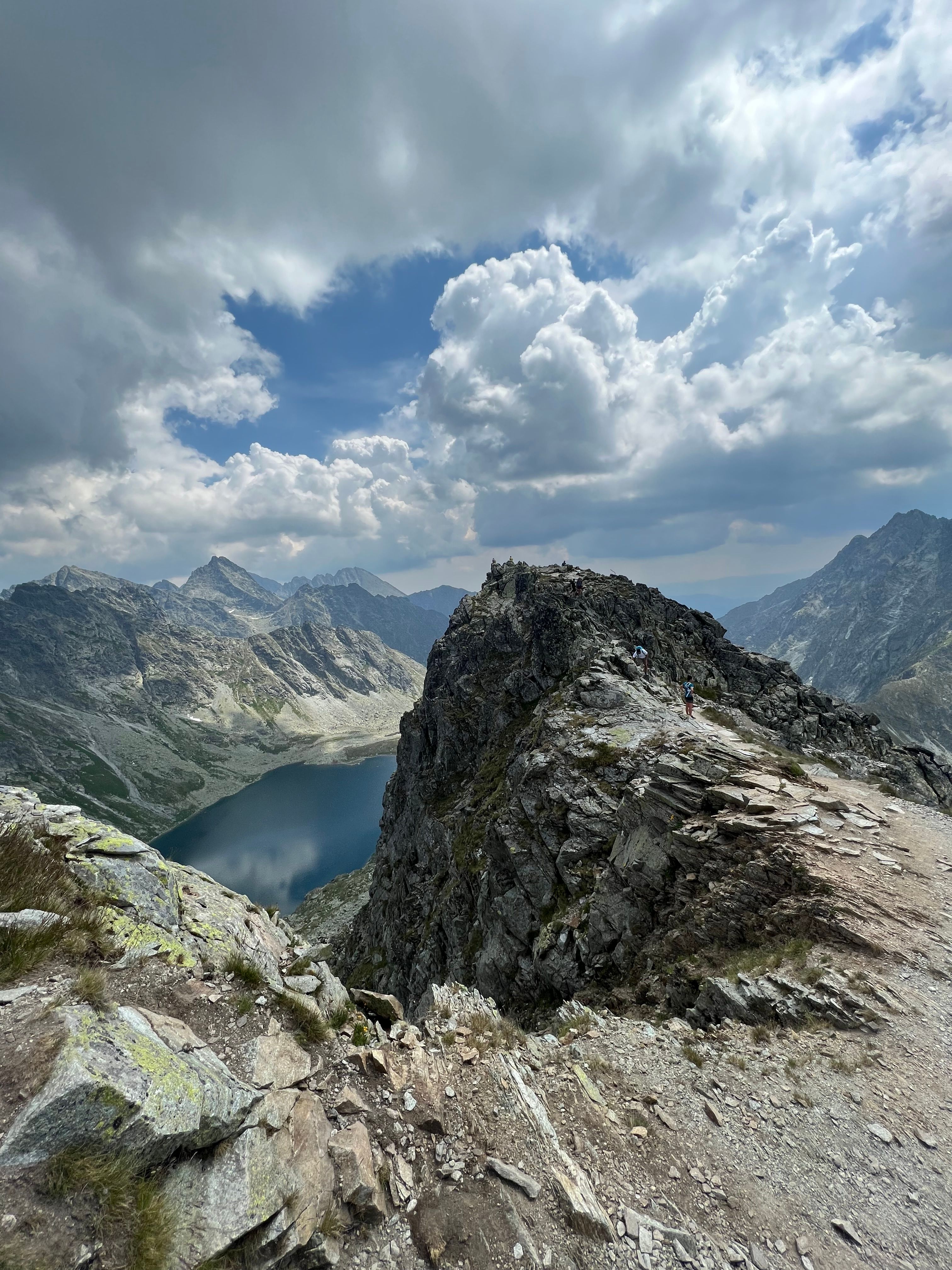
From Štrbské Pleso to the Roháče peaks, paths run from one high mountain lake to the next, with a chata the only stop between them.
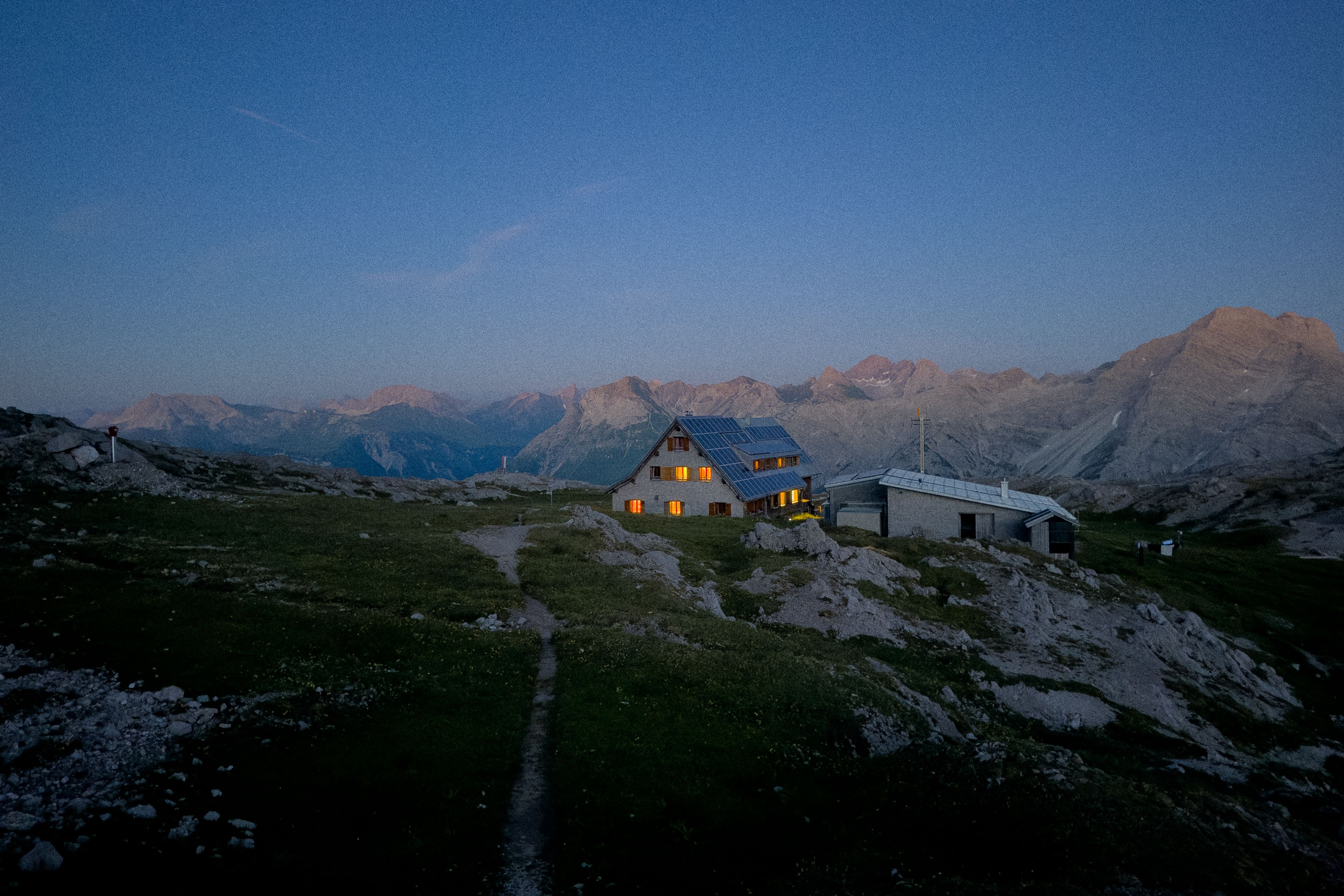
Staying overnight in a chata
Above the treeline, reachable only on foot, with a wood stove and a shared table: the mountain style of the Tatras is functional, not luxurious.
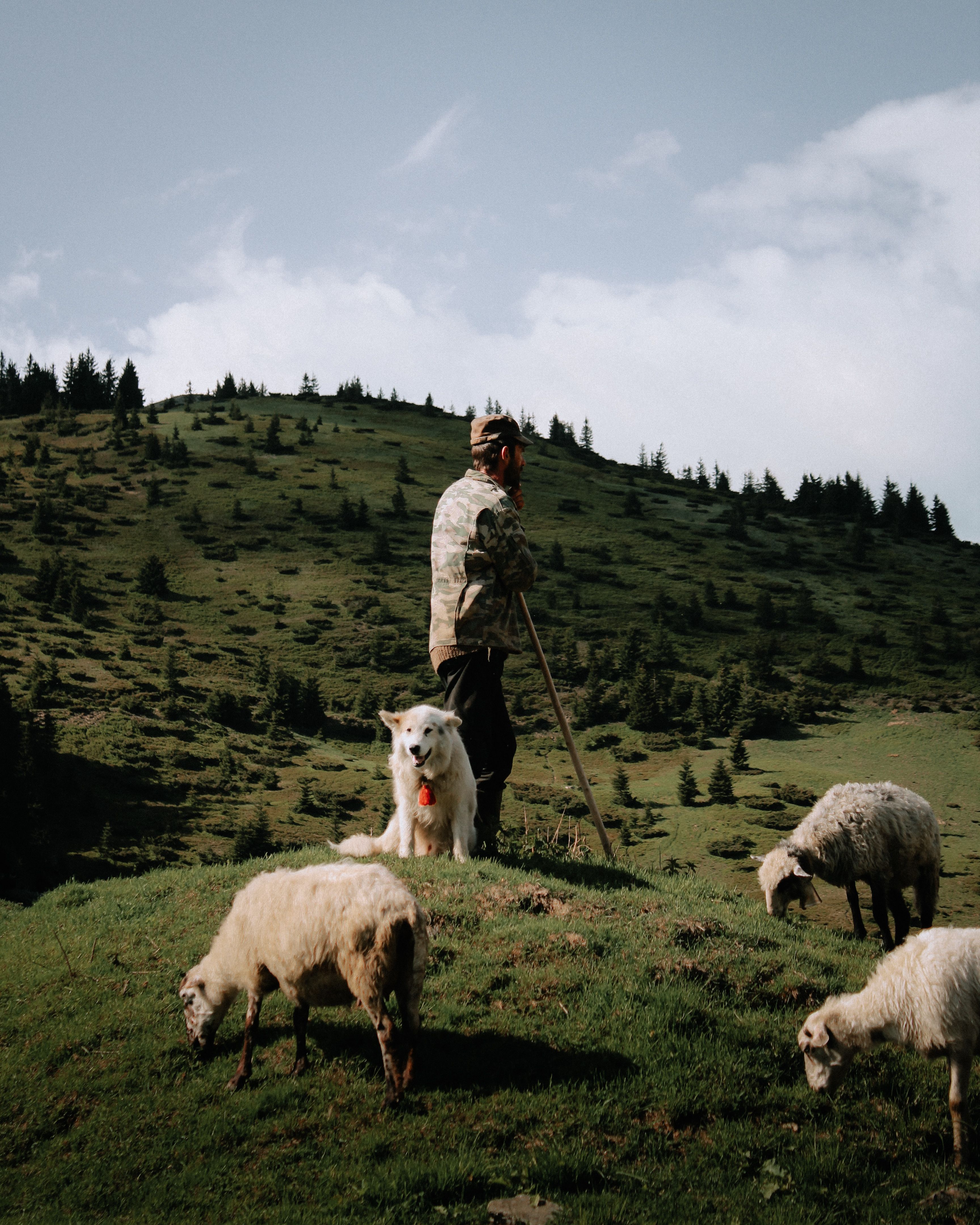
Spending time with a bača
A morning or a full day with a shepherd who drives his flock up to the pasture and makes his own bryndza there.

Crossing gorges on ladders and chains
In the Slovenský raj, footpaths cut straight through waterfall gorges, along iron ladders and chains that have hung there for decades.
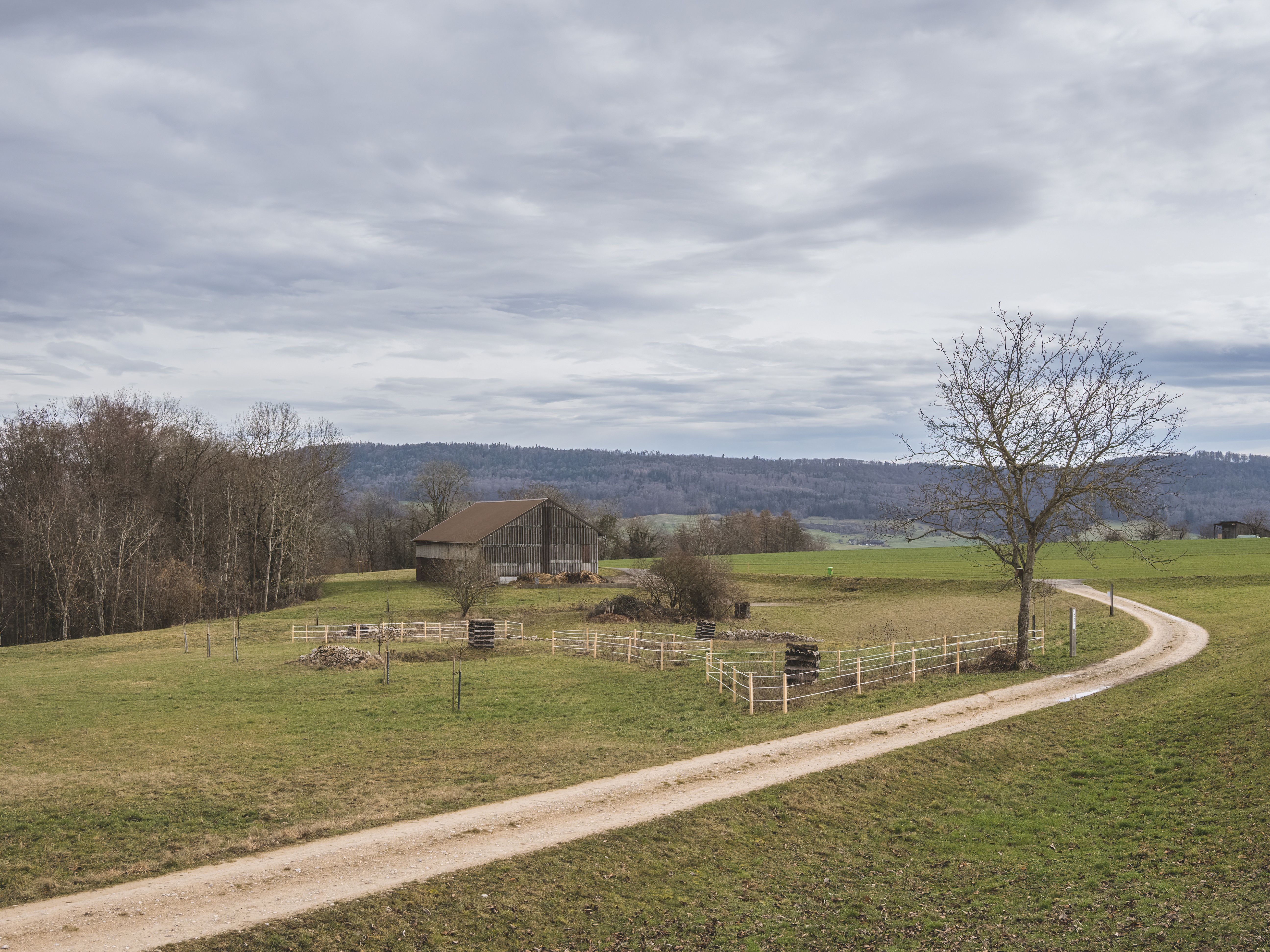
Cycling through the Poľana caldera
One of Europe's largest volcanic calderas, now a rolling landscape of meadows and beech forest, criss-crossed by quiet gravel roads.
Any of the experiences above can become the heart of a trip, or a single day within it. We work out the order together.

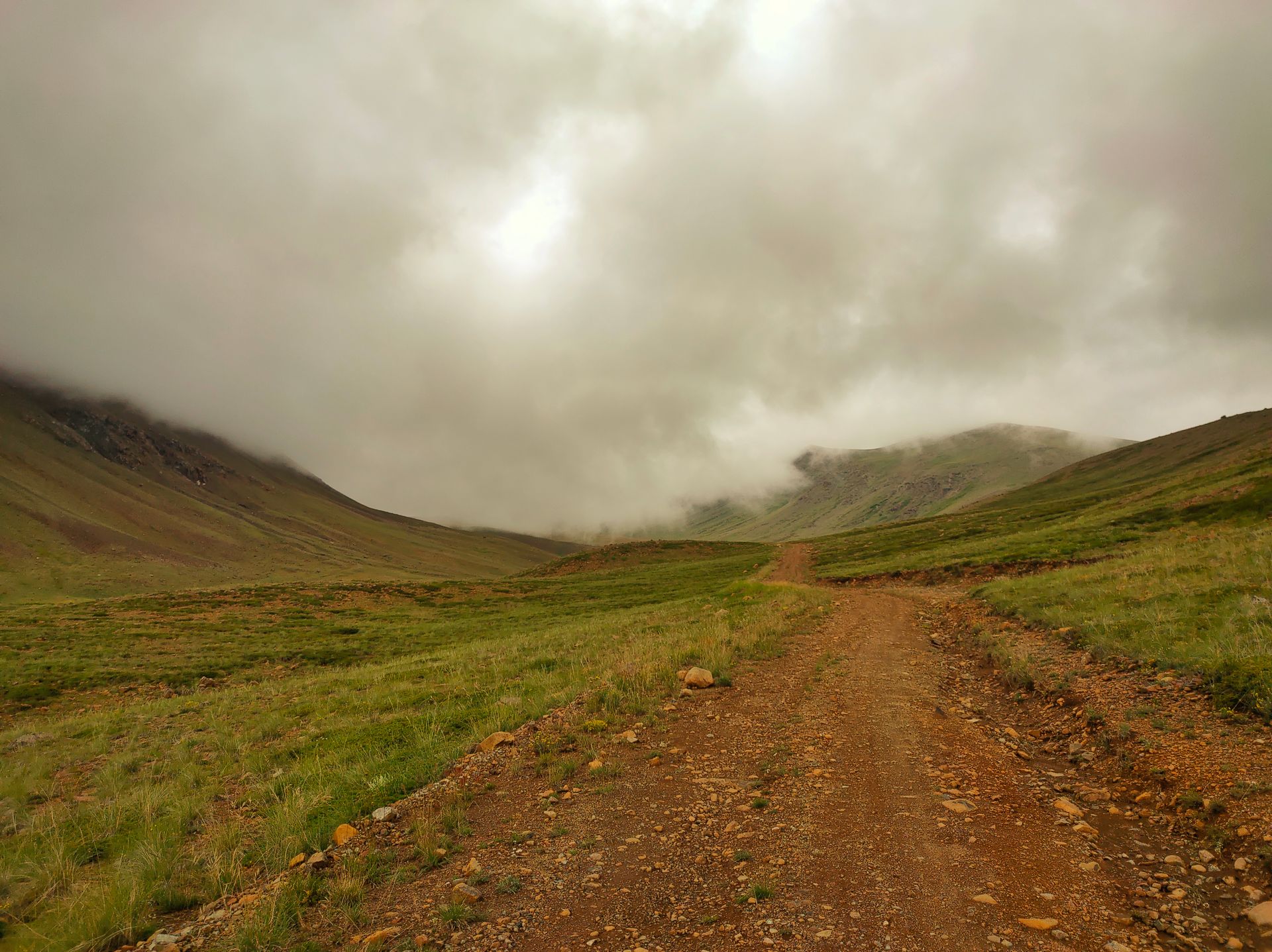
Between two mountain ridges there is often just one village, and one road back.
When would you travel?
Twelve months, two seasons that matter.
The Tatras have no consequence-free shoulder season: snow can linger into May and return as early as October. Anyone wanting to walk in the mountains is best keeping to summer; anyone after the snow comes in winter.
In between, April, May, October, November, the weather is at its most unpredictable: beautiful for anyone flexible, difficult for anyone counting on a fixed route.
Jan
Feb
Mar
Apr
May
Jun
Jul
Aug
Sep
Oct
Nov
Dec
Top: stable weather for heading into the mountains, or reliable snow for those who come for it.
Good: workable and often quieter, with a greater chance of unpredictable weather.
Fair: thaw or early snow makes many mountain paths and passes unreliable.
Worth knowing
Practical, without the noise.
Practical matters that make planning easier.
- Getting there
- No direct flight from Belgium; most trips start via Vienna, Budapest or Kraków, followed by a two to three hour drive into the mountains.
- Documents
- Slovakia is an EU and Schengen member; a valid identity card is sufficient.
- Health
- No vaccinations required; weather in the Tatras can turn quickly, even in summer.
- Pace
- Expect narrow mountain roads and valleys with a single access road. Distance on the map says little about driving time.
Frequently asked questions
Is Slovakia the same as the Czech Republic?
No. The two countries were one state until 1993, but Slovakia has its own language, a different landscape, much more mountainous, and a culture closer to Poland and Hungary than to Bohemia.
Do we need to visit Bratislava?
Not necessarily. The capital makes a pleasant day stop, but the country that makes the trip worthwhile lies further east, in the mountains.
Is English spoken?
In the mountain villages and among local experts, yes, but not everywhere as a given. Older generations are more likely to speak German than English.
Does this work outside the walking season?
Yes. Winter brings cross-country skiing, snowshoeing and ski touring, though the pace and the route shift completely.
Or perhaps this
Other destinations
Still weighing it up? That is no problem at all. The right country often only becomes clear once the conversation starts.
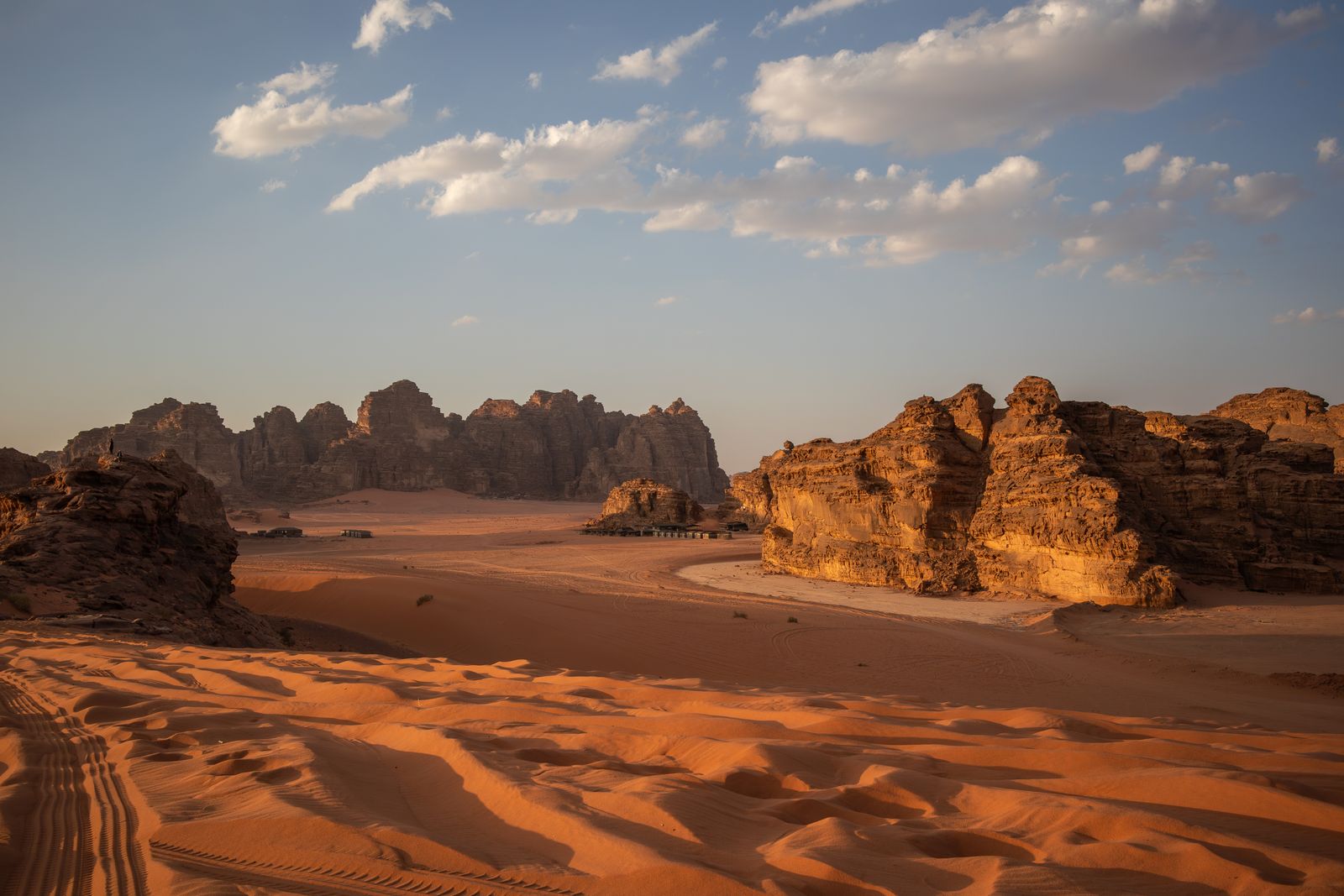
Middle East
Jordan
Desert, history and a hospitality that often turns out to be the most memorable part of the journey.
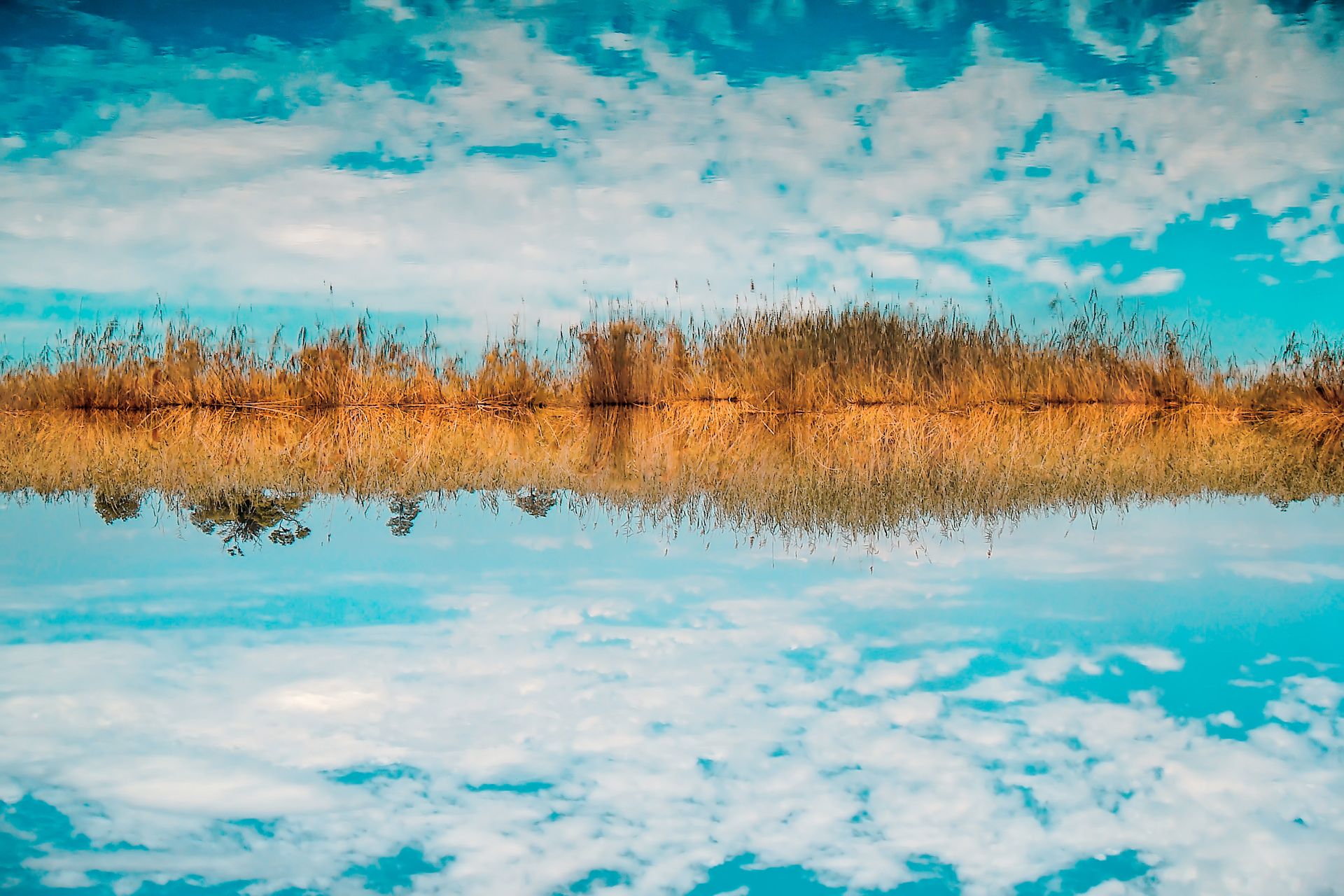
Southern Africa
Botswana
A delta that changes with every season, in a country that deliberately keeps visitor numbers low across a vast expanse.
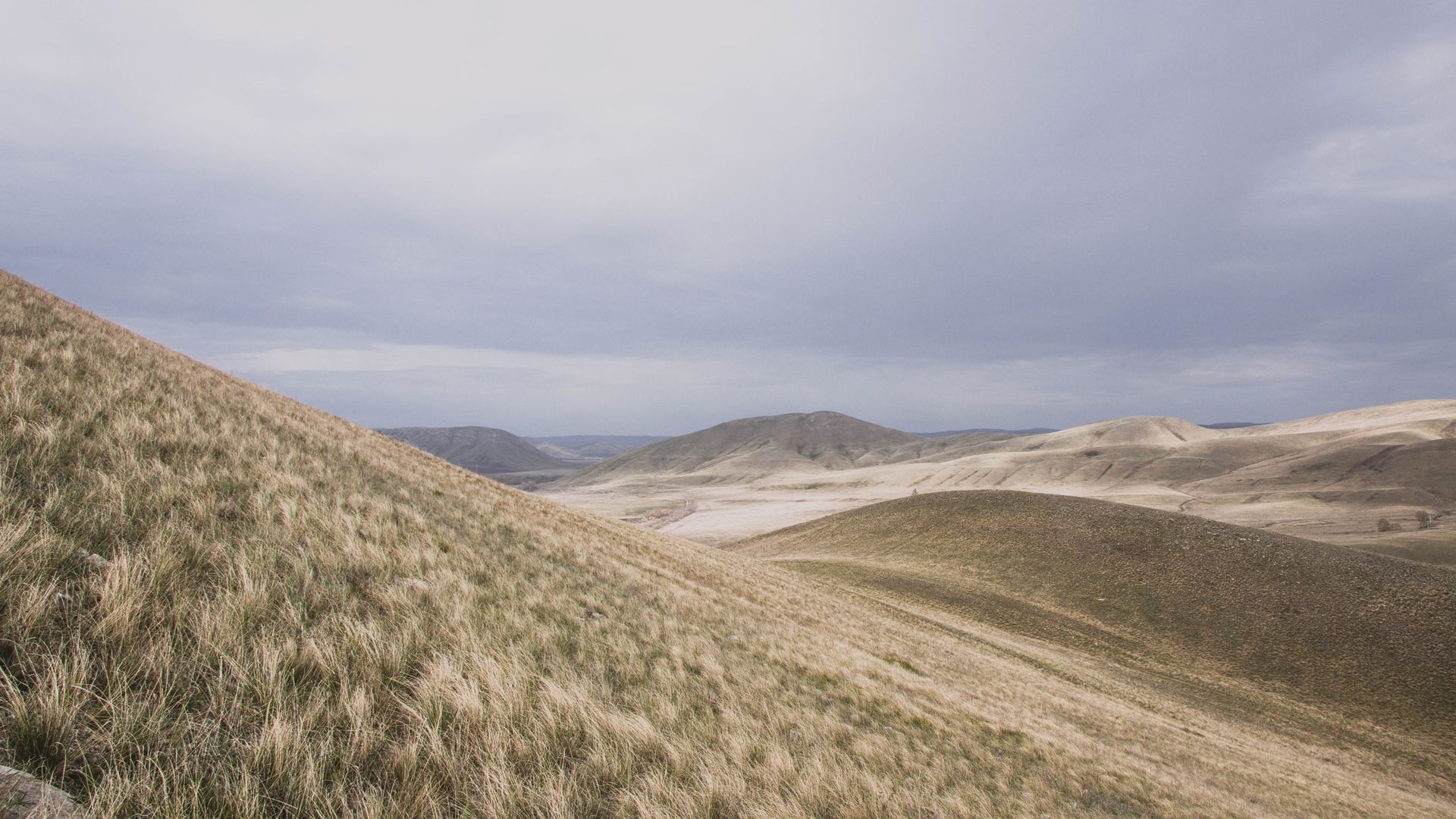
South America
Argentina
From city rhythm to Patagonian wind, a country whose vast distances are part of the appeal.
How it works
This is how your journey to Slovakia takes shape.
Six steps, from your first story to your homecoming. The conversation and the feasibility check cost you nothing.
-
01
Tell us your story
Fill in the form or give us a call. You do not need a route yet: a country, a period or just an idea is enough.
-
02
The conversation and the check
We talk through what you are looking for, by phone or by video, and check whether it can be done. If it can, we set down together what we will make for you.
-
03
We design your journey
We build your programme up, day by day, together with our own people in the country itself.
-
04
Your proposal
You read your journey day by day, with everything that is included. You say what you would like differently, until it is right.
-
05
Ready to depart
You send us your details, we send you your travel documents. You have one fixed contact who knows your journey.
-
06
Travelling, and after
Your contact stays reachable while you are away. Once you are home, we call one more time.

The next step
How would you like to experience the Carpathians?
In a chata above the treeline, in a wooden village where time seems to have stopped, or on the road with a shepherd still driving his own flock up to the pastures. Tell us what you're looking for, and we'll build a trip around that story.