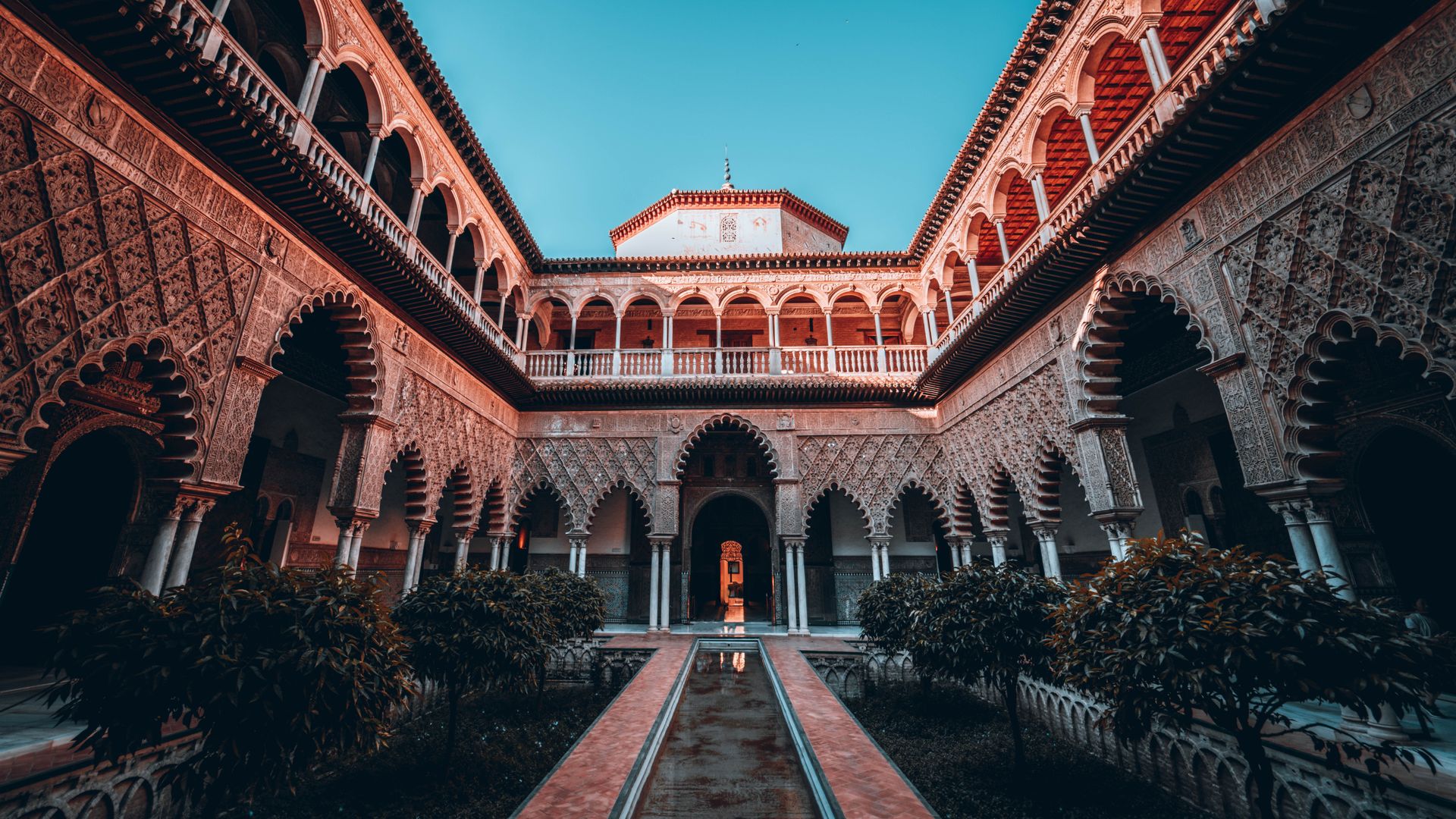
Iberian Peninsula
Spain
Five countries in one, with only a single border around them.
This is Spain
A country that never stays the same as itself.
Spain differs from itself as much as it differs from its neighbours: a dry interior, a green north, a day that starts late and ends later.
Say "Spain" and you rarely mean the same country twice. North of the Cantabrian mountains it rains like Ireland and the grass is just as green; south of the Sierra Morena the earth dries to ochre and the August heat sits motionless over the plains of Extremadura and La Mancha. Between Bilbao and Cádiz lie not just kilometres, but climates, languages, and an entirely different idea of what a meal is.
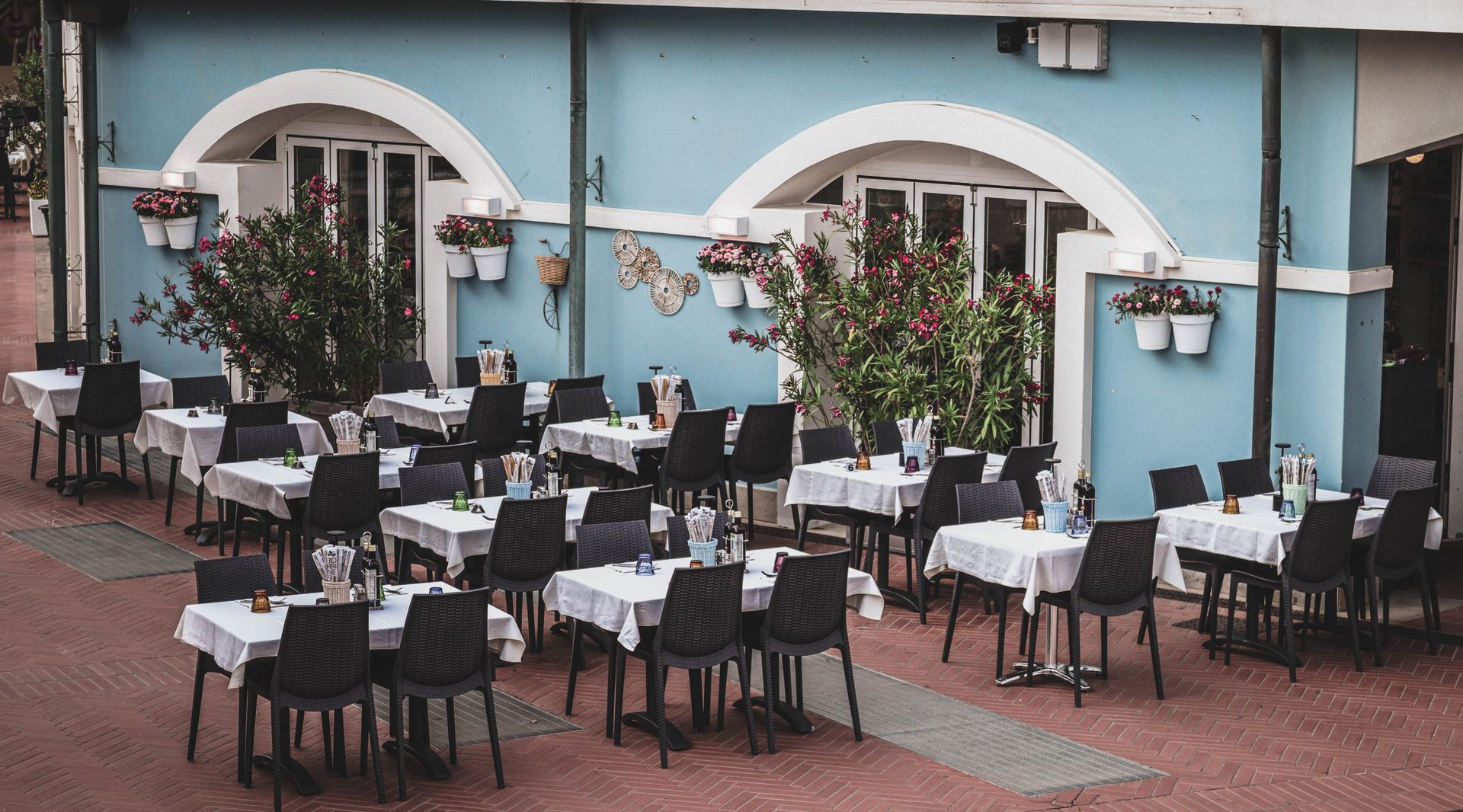
The day starts late and ends later. Breakfast is a coffee in town, lunch falls after two, the café only fills once it's dark outside, and the real dinner starts somewhere past ten. That isn't folklore. It's a different clock, and anyone who falls into step with it finds that an evening in Spain lasts twice as long as anywhere else.
The regions
Five countries in one
What holds Spain together is a border, not an identity. Every region defends its own language, kitchen and pace, and anyone travelling through soon identifies more with a region than with the country.
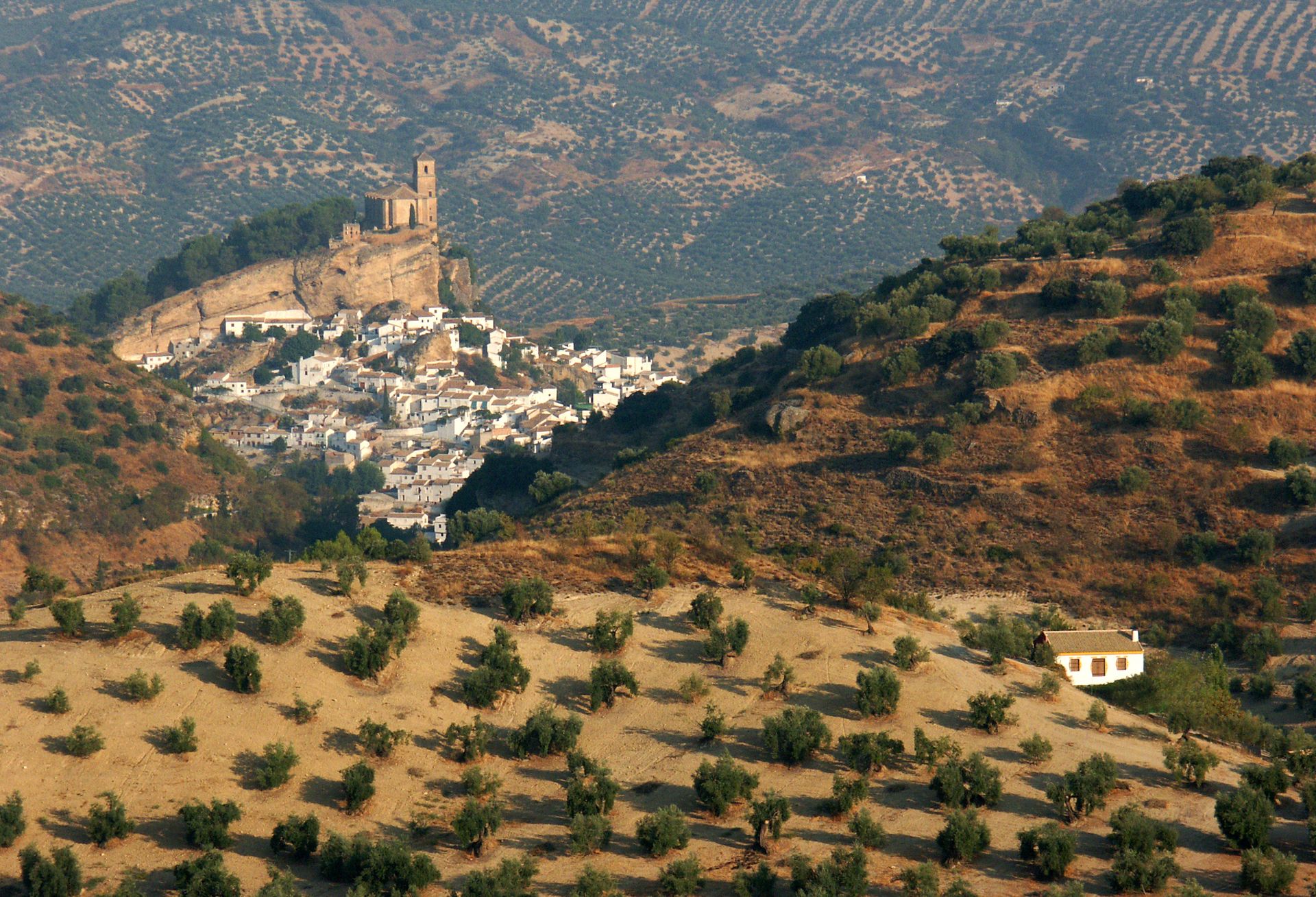
the south
Andalusia
Olive trees to the horizon, cities that have never scrubbed away centuries of Moorish rule, and a midday light that burns every colour out of the landscape. From the patios of Córdoba to the coast at Cádiz. Here, summer is a fact to be reckoned with, not a backdrop.
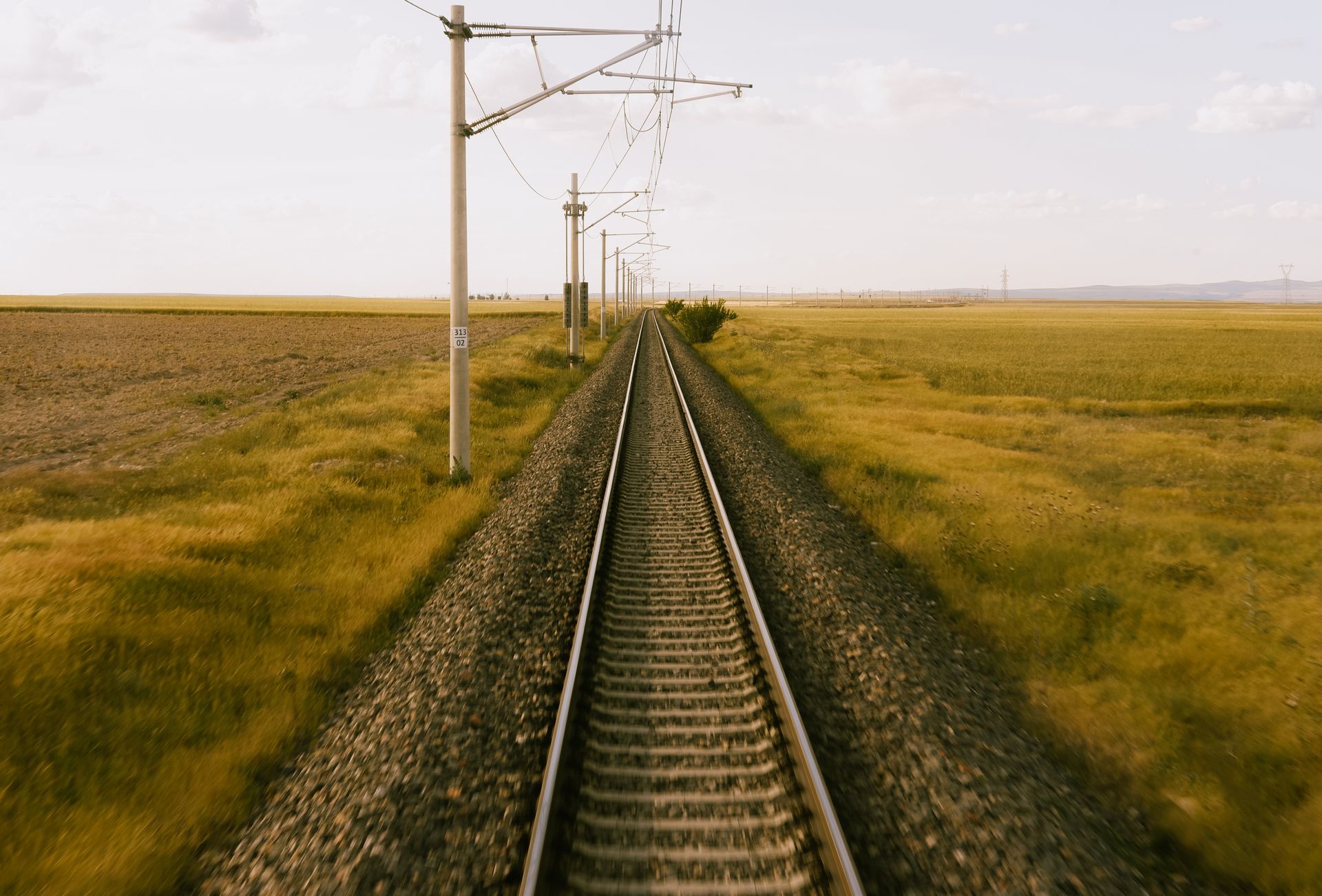
the interior
The Meseta
Around Madrid lies a plateau that scorches in summer and freezes in winter, six hundred metres above sea level and hundreds of kilometres wide. Toledo, Segovia and Ávila sit like stone memories of an age when Castile ruled an empire from cities set in the middle of nowhere.

the green north
Galicia and Asturias
On the Atlantic side it rains more than anywhere else in Spain, and the landscape follows suit: green hills, eucalyptus woods, fishing villages built on mist. The kitchen turns on what the ocean gives, not what the sun ripens.

the mountains
Catalonia and the Pyrenees
Barcelona gets the attention, but the hinterland speaks just as loudly: Romanesque chapels tucked into Pyrenean valleys, nature parks no bus reaches, and a Costa Brava coastline still empty in May.
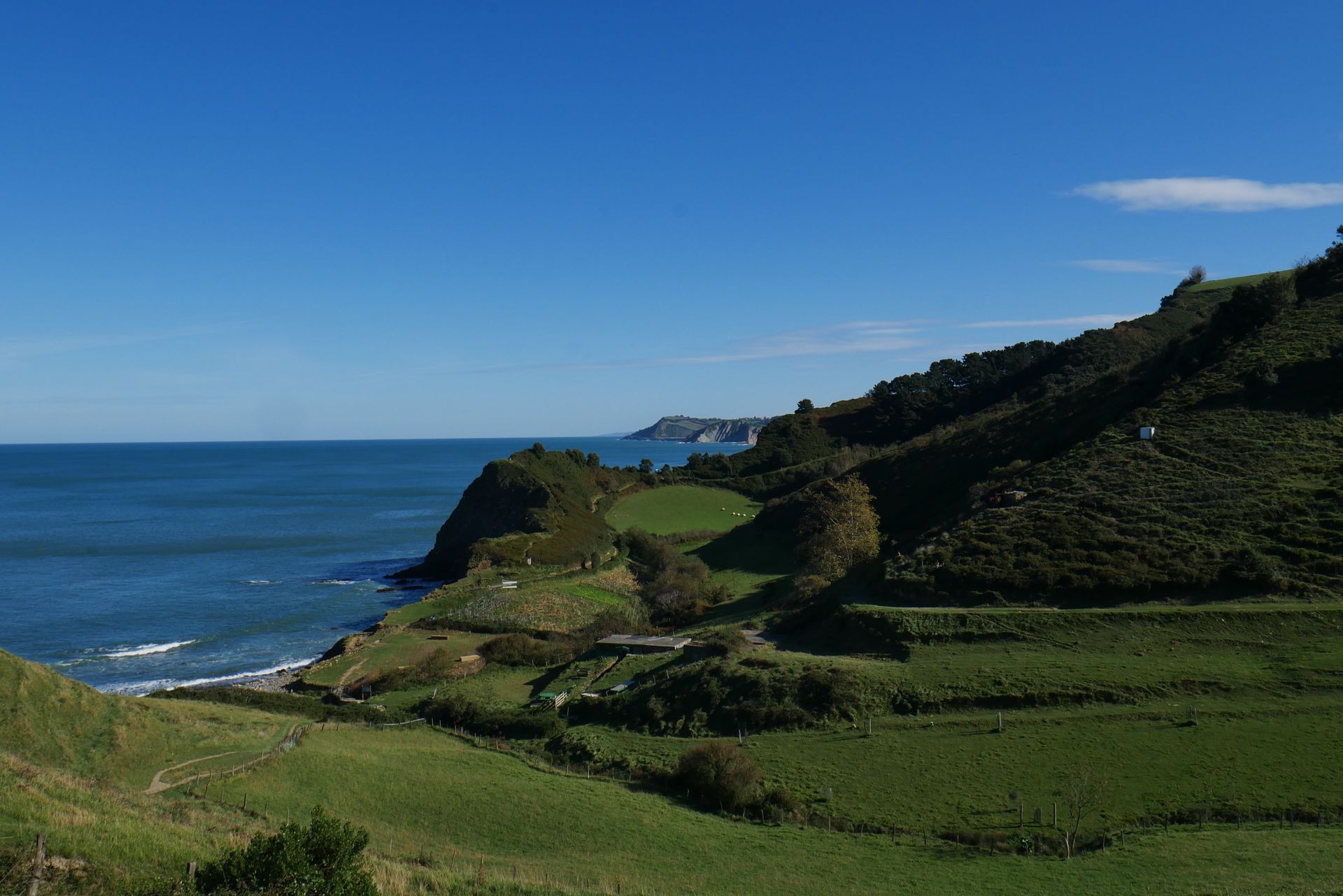
a republic of its own
the Basque Country
A language related to nothing else, a kitchen ranked among the finest in Europe, and a landscape where green hills plunge straight into the Bay of Biscay. The Basque Country feels less like a region than a country of its own that happens to belong to Spain.
The rhythm
A day that follows its own clock
At five in the afternoon a Spanish city is at its stillest, and at eleven at night at its busiest. That isn't slowness. It's a different division of the day, one that skips over the heat of the afternoon and stretches the evening into a full part of social life.
The sobremesa, lingering at the table long after the food is gone, is a fixed part of that. Nobody raises an eyebrow if lunch starts at two and is still going at half past four. Anyone who falls into that pace finds that a trip through Spain becomes less about sights and more about simply being present.
The landscape
Three Spains that know nothing of each other
The plain
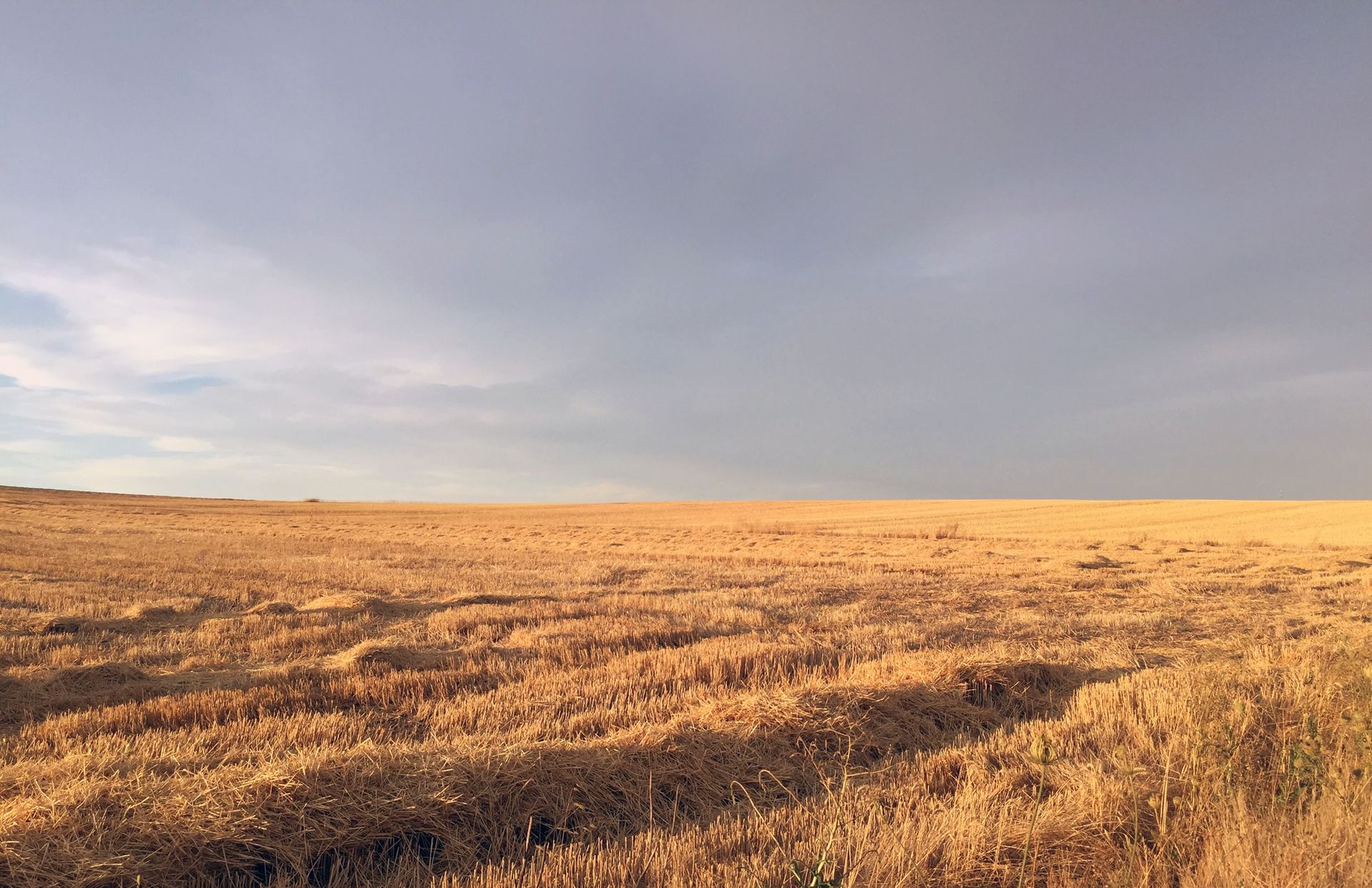
Hundreds of kilometres of flat land, cut through by windmills and abandoned rail lines. In July, La Mancha dries into a brown sea; in January, frost sometimes settles over the fields.
The coast
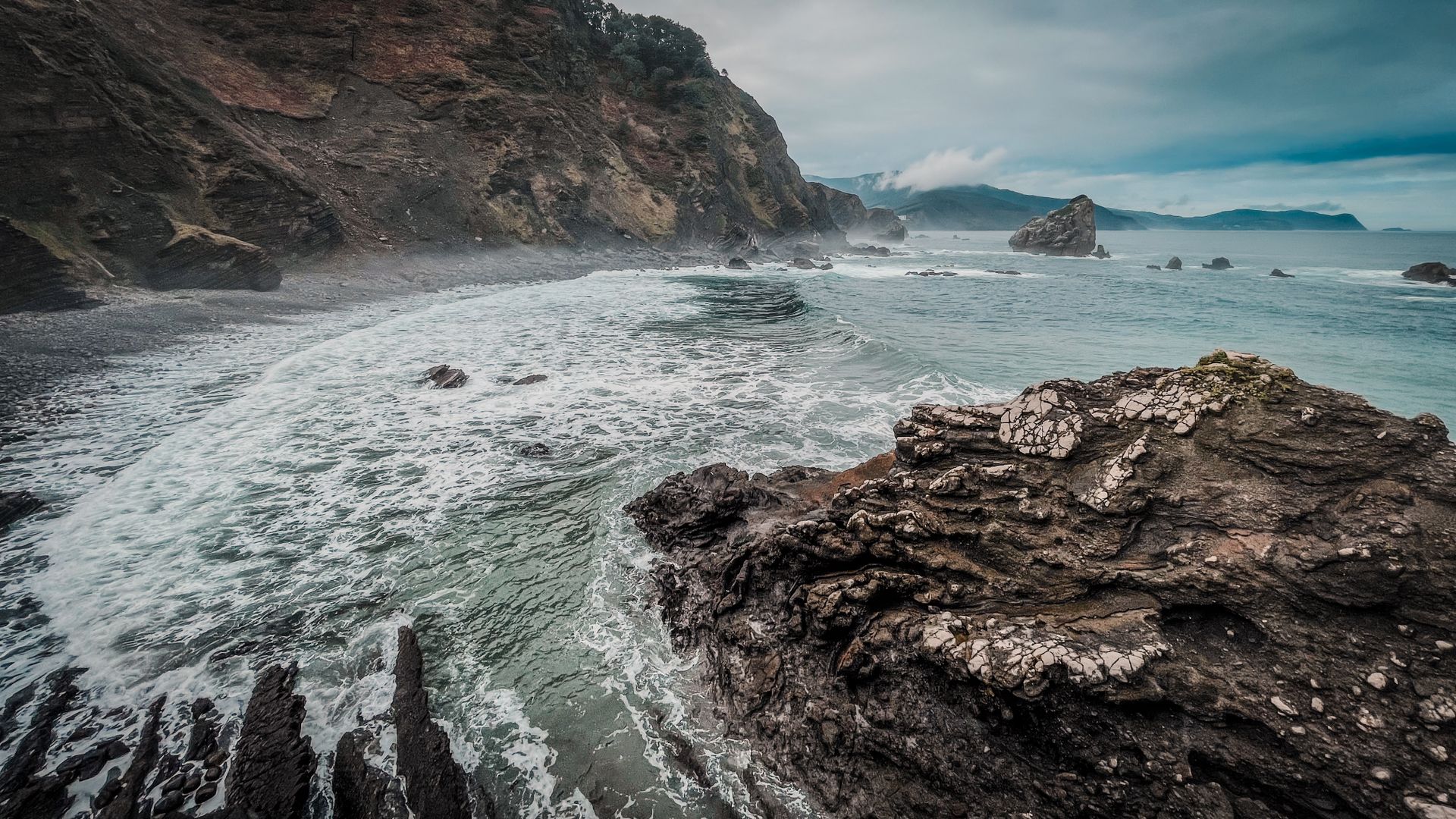
Spain doesn't have a coast, it has six: the rocky coves of the Costa Brava, the endless Atlantic beaches of the Costa de la Luz, the steep cliffs of Cantabria. Every coast with its own water, its own light.
The mountains
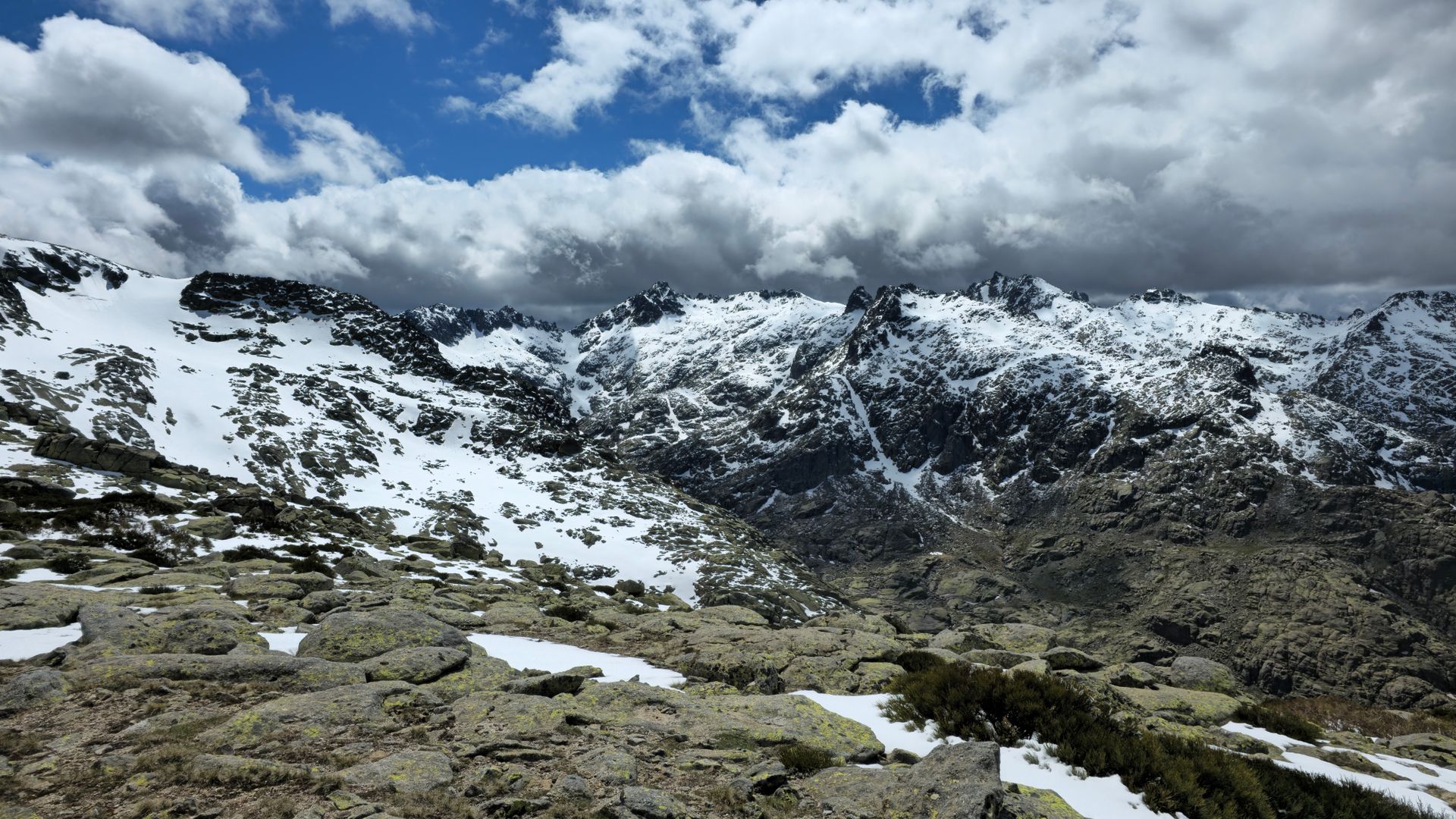
From the snow-capped peaks of the Sierra Nevada to the limestone massifs of the Picos de Europa, Spain is, after Switzerland, the most mountainous country in Europe, a fact that usually disappears behind the coastal clichés.
Looking past the highlights
Why we look at Spain differently
Not just coast and done Spain gets reduced too often to the Costa del Sol and an all-inclusive deal. We plan beyond the coastline, towards the meseta, the Pyrenees and the north.
Region before country We think in terms of Andalusia, Galicia or the Basque Country, not "Spain" as a single destination, because the difference between those regions is greater than between some countries.
The pace of the table A trip that wants to be done eating by noon misses the country. We build in room for the long lunch and the late dinner, because that's where the conversation happens.
Outside peak season July and August are too hot for the interior and too busy on the coast. We prefer to steer towards May or October, when the country itself gets to catch its breath too.
Possibilities
What a trip through Spain can be
No fixed programme. Just a number of directions filled in together with a local expert.
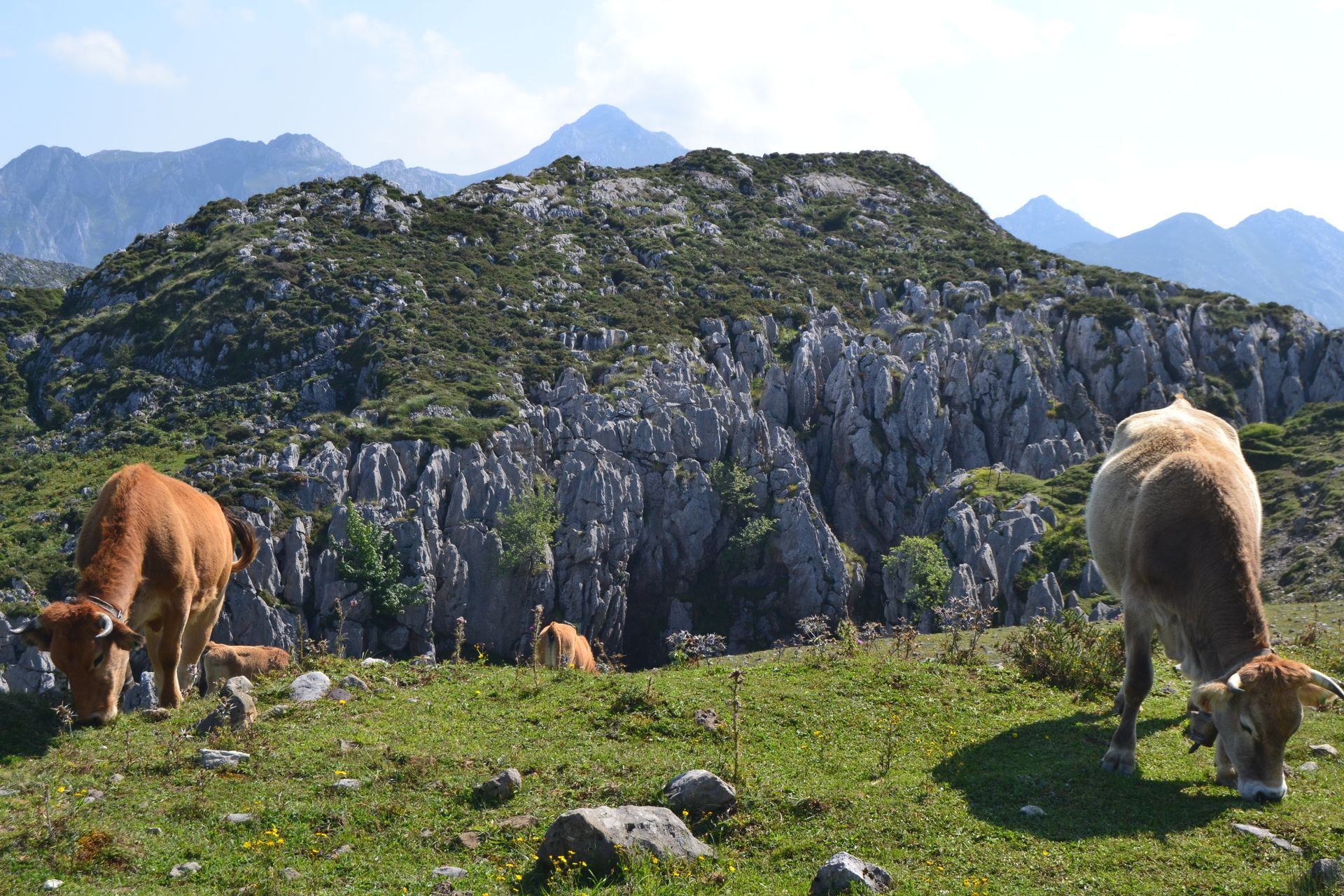
Walking in the Picos de Europa
Day walks between limestone peaks and meadows where cowbells still sound, based in a village the bus reaches twice a day.
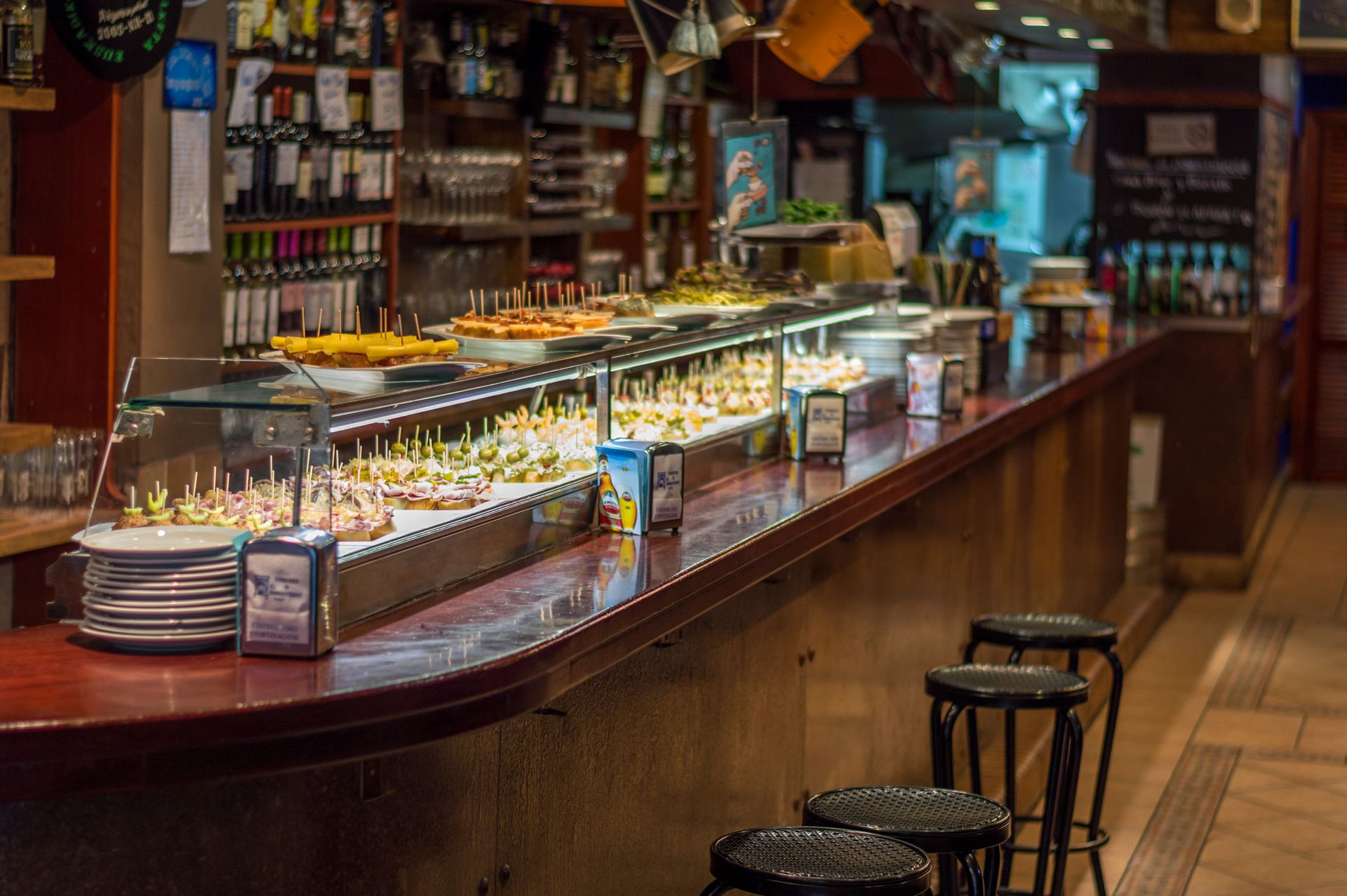
Following tapas through the Basque Country
From pintxo bar to pintxo bar in San Sebastián and Bilbao, guided by someone who knows exactly where the good counter starts and where it ends.
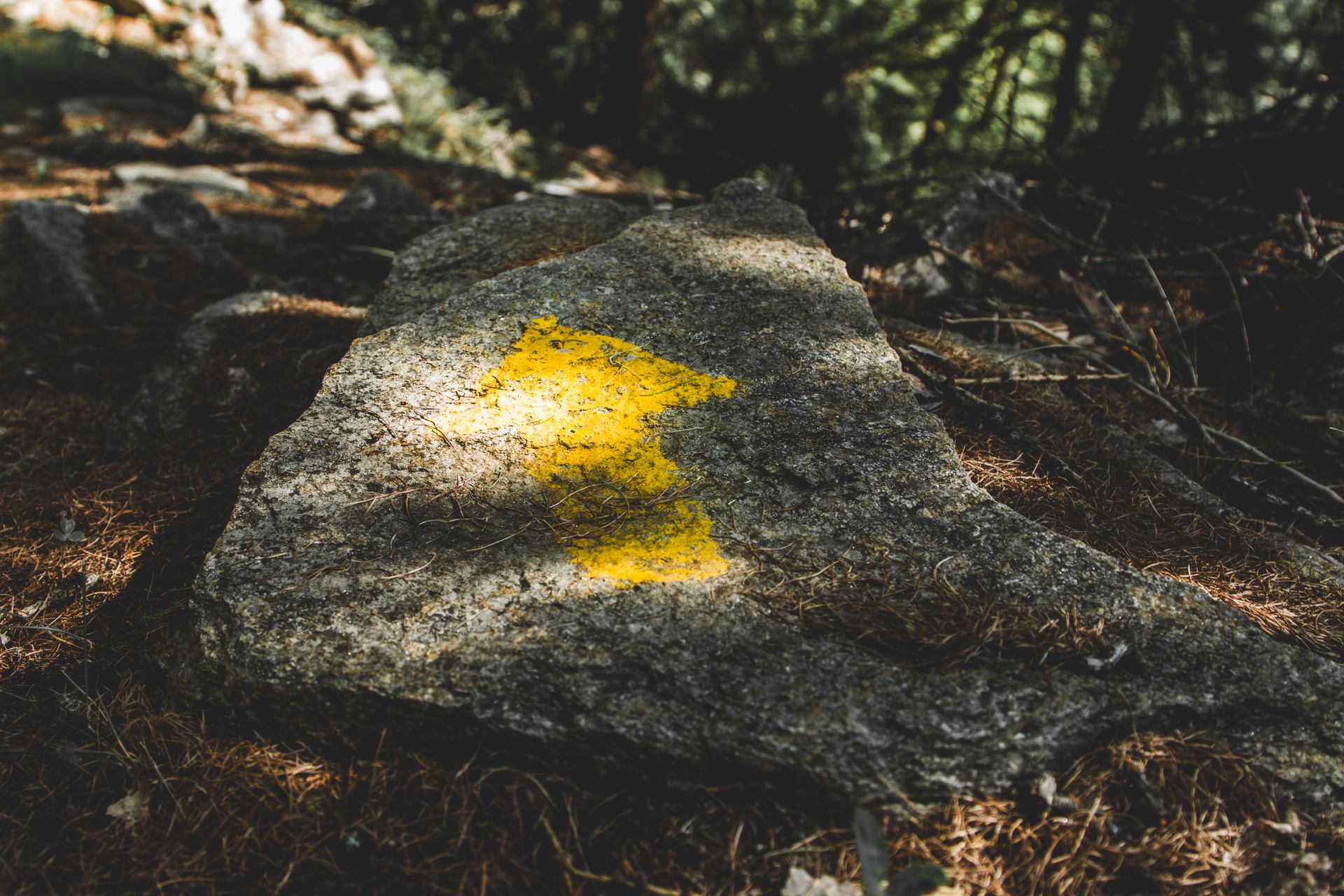
The Camino in stages
A section of the pilgrim route on foot or on horseback, not as an athletic feat but as a way to cross Galicia slowly.

Architecture of three cultures
Moorish, Jewish and Christian layers standing side by side in Córdoba, Toledo and Seville, with a guide who finds the overlap just as interesting as the buildings themselves.
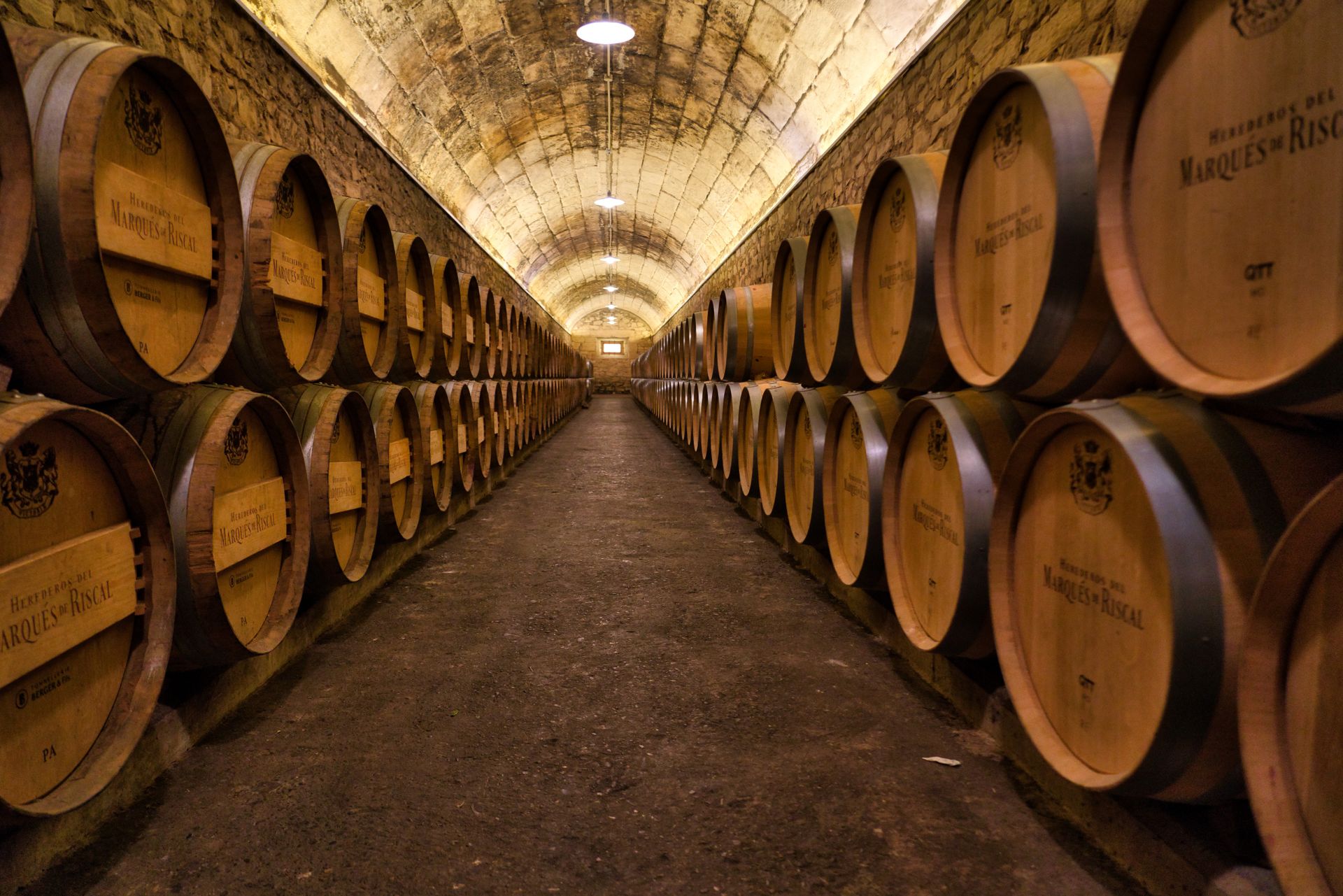
Wine in the Rioja and the Ribera
Visits to small bodegas rather than the big names, with a tasting that starts with the soil rather than the glass.
These are possibilities.
Not your journey.

The Meseta near Ávila, where the plain only takes on colour as dusk falls.
When would you travel?
When to visit Spain
The interior and the south are often too hot for much beyond seeking shade from mid-June to mid-September; April to June and September to October bring milder temperatures and light that holds up better for a day outdoors. The north, Galicia, Asturias, the Basque Country, follows a different calendar: there, June to September is exactly the stretch when the rain eases off most and the coast turns bearably warm.
Jan
Feb
Mar
Apr
May
Jun
Jul
Aug
Sep
Oct
Nov
Dec
Top: pleasantly warm inland and at the coast, with little rain.
Good: pleasant travelling weather, with a chance of fierce heat in the south or rain in the north.
Fair: heat peaks in the interior and south, or wet months in the north.
Worth knowing
Practical, without the noise.
Practical matters, short and without frills.
- Getting there
- Direct flights from Brussels to Madrid, Barcelona, Bilbao, Seville and more; the interior is also well served by high-speed rail (AVE).
- Documents
- A valid identity card or passport is sufficient for EU citizens.
- Health
- No special vaccinations needed; the European Health Insurance Card is accepted everywhere.
- Pace
- Expect late opening hours. Many shops close between 2pm and 5pm, and restaurants rarely open before 8.30pm.
- Language on the road
- English is well understood in the big cities, less so in the countryside. A few words of Spanish open more doors.
Spain is not a destination.
It is five, with one border around them.
Frequently asked questions
Isn't Spain mainly a beach destination?
On the coast, yes, but most of the country lies inland: plateaus, mountains and cities where the sea is nowhere in sight. We plan just as easily without a beach.
Does everyone speak Spanish?
The official language, yes, but in Catalonia, the Basque Country and Galicia you hear just as much Catalan, Basque or Galician, and that pride in the local language is part of what sets the regions apart.
Is the interior worth it, or is it mainly somewhere you pass through?
The Meseta often gets skipped on the way to the coast, but towns like Toledo, Segovia and Salamanca, and the empty land between them, belong to Spain just as much as the Costa Brava.
When is it too hot to travel?
July and August are often too warm for an active day in the interior and the south; the north, however, stays pleasant.
Or perhaps this
Other destinations
Still weighing it up? That is no problem at all. The right country often only becomes clear once the conversation starts.
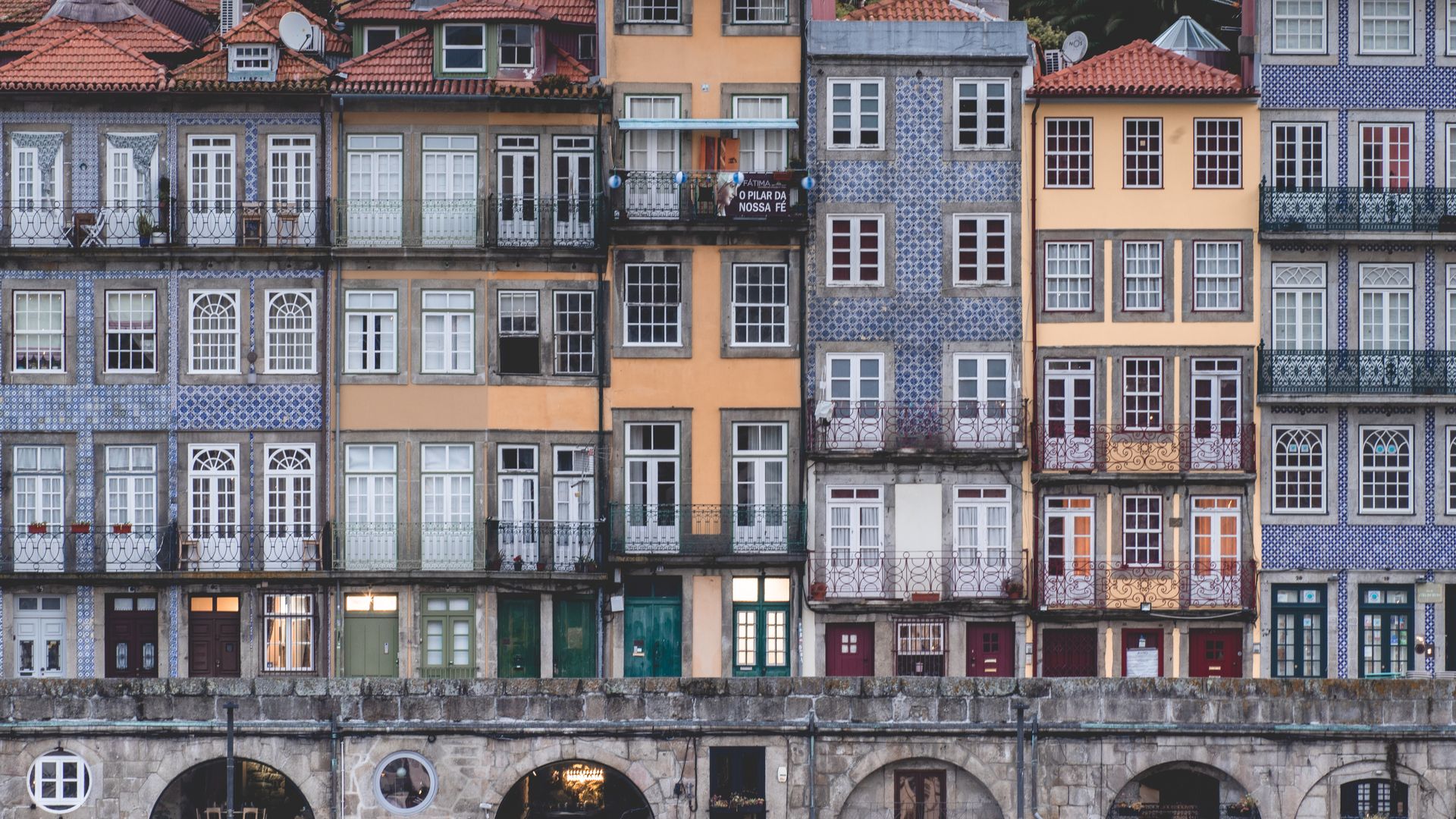
Iberian Peninsula
Portugal
Portugal turns its back on Europe and its face to the ocean, with a wistfulness that rarely turns heavy.
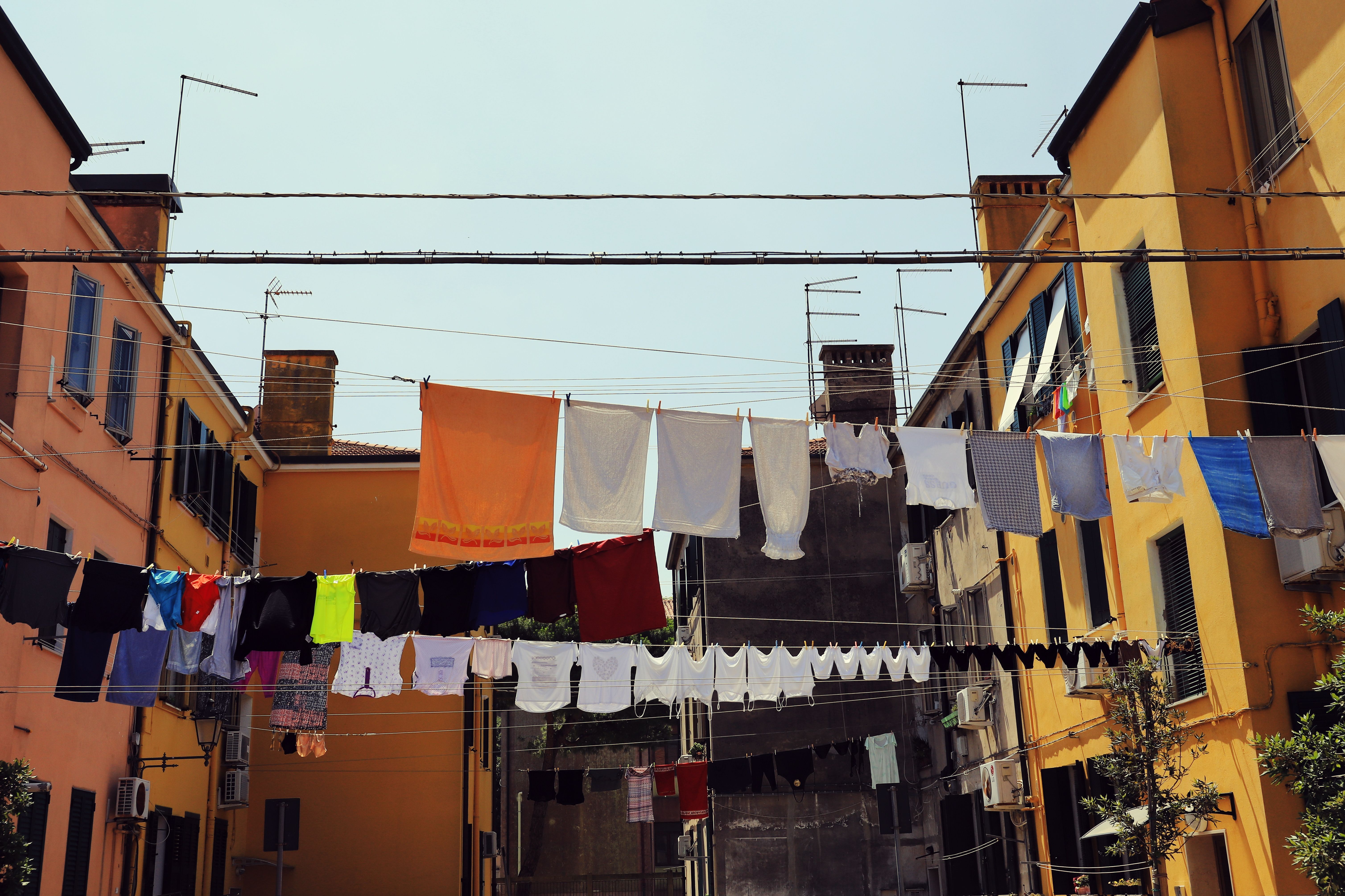
Mediterranean Europe
Italy
In Italy, beauty is not the exception but the habit, from a kitchen table to a square's façade.
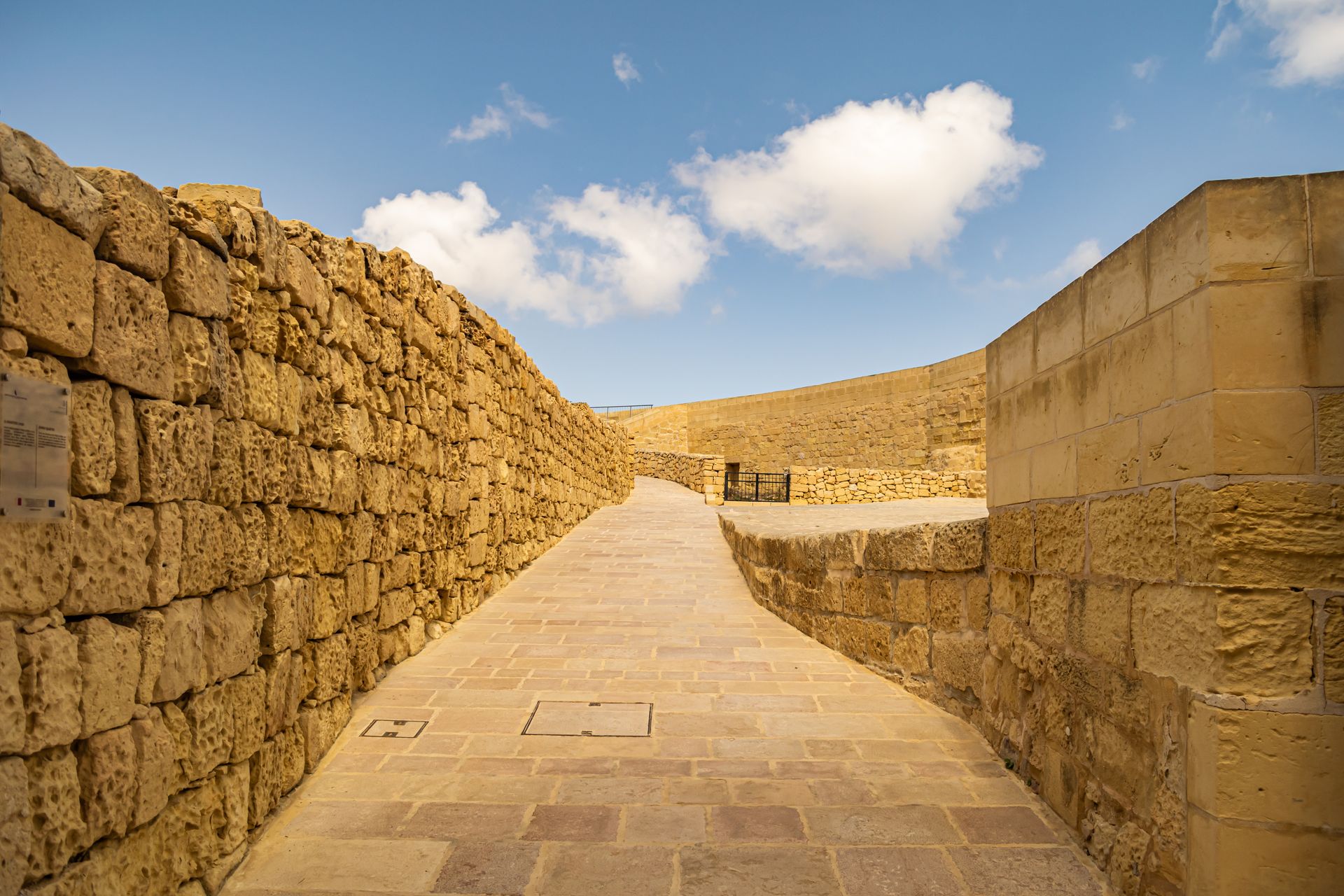
Central Mediterranean
Malta
Malta is an island of limestone and fortress walls where every layer of history is still legible.
How it works
This is how your journey to Spain takes shape.
Six steps, from your first story to your homecoming. The conversation and the feasibility check cost you nothing.
-
01
Tell us your story
Fill in the form or give us a call. You do not need a route yet: a country, a period or just an idea is enough.
-
02
The conversation and the check
We talk through what you are looking for, by phone or by video, and check whether it can be done. If it can, we set down together what we will make for you.
-
03
We design your journey
We build your programme up, day by day, together with our own people in the country itself.
-
04
Your proposal
You read your journey day by day, with everything that is included. You say what you would like differently, until it is right.
-
05
Ready to depart
You send us your details, we send you your travel documents. You have one fixed contact who knows your journey.
-
06
Travelling, and after
Your contact stays reachable while you are away. Once you are home, we call one more time.
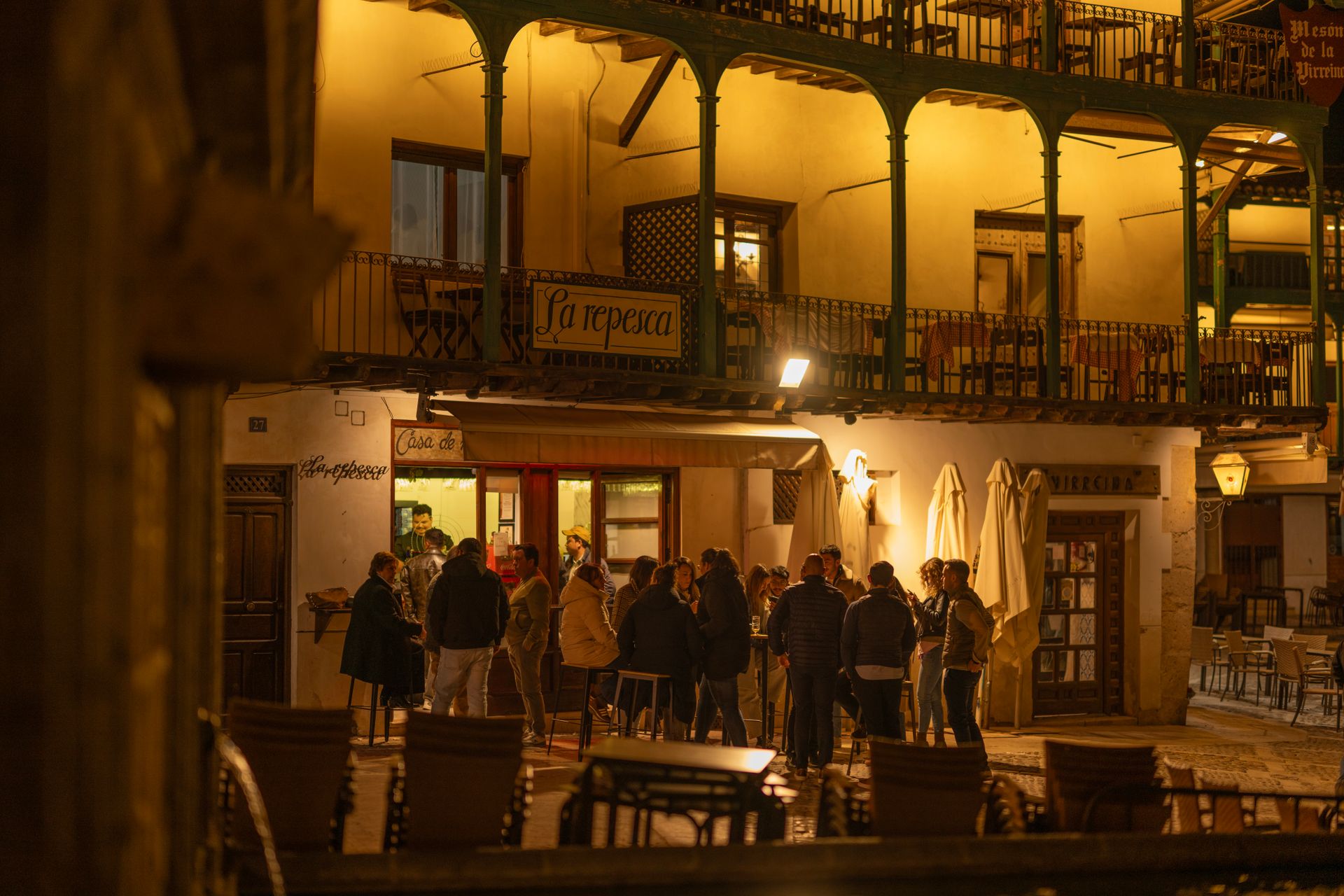
The next step
How would you like to experience Spain?
Tell us whether you're picturing the coast, the mountains, or somewhere in the middle of a village square with a glass of wine. We work out which region and which pace fits.