Central Europe
Czechia
Behind every hill a castle, behind every castle more quiet.
This is Czechia
The country beyond Charles Bridge.
Beyond Prague, Czechia counts an estimated two thousand castles. Most of them without a queue.
Prague is only the beginning. Beyond it lie castles, forests and small towns that rarely make anyone's list.
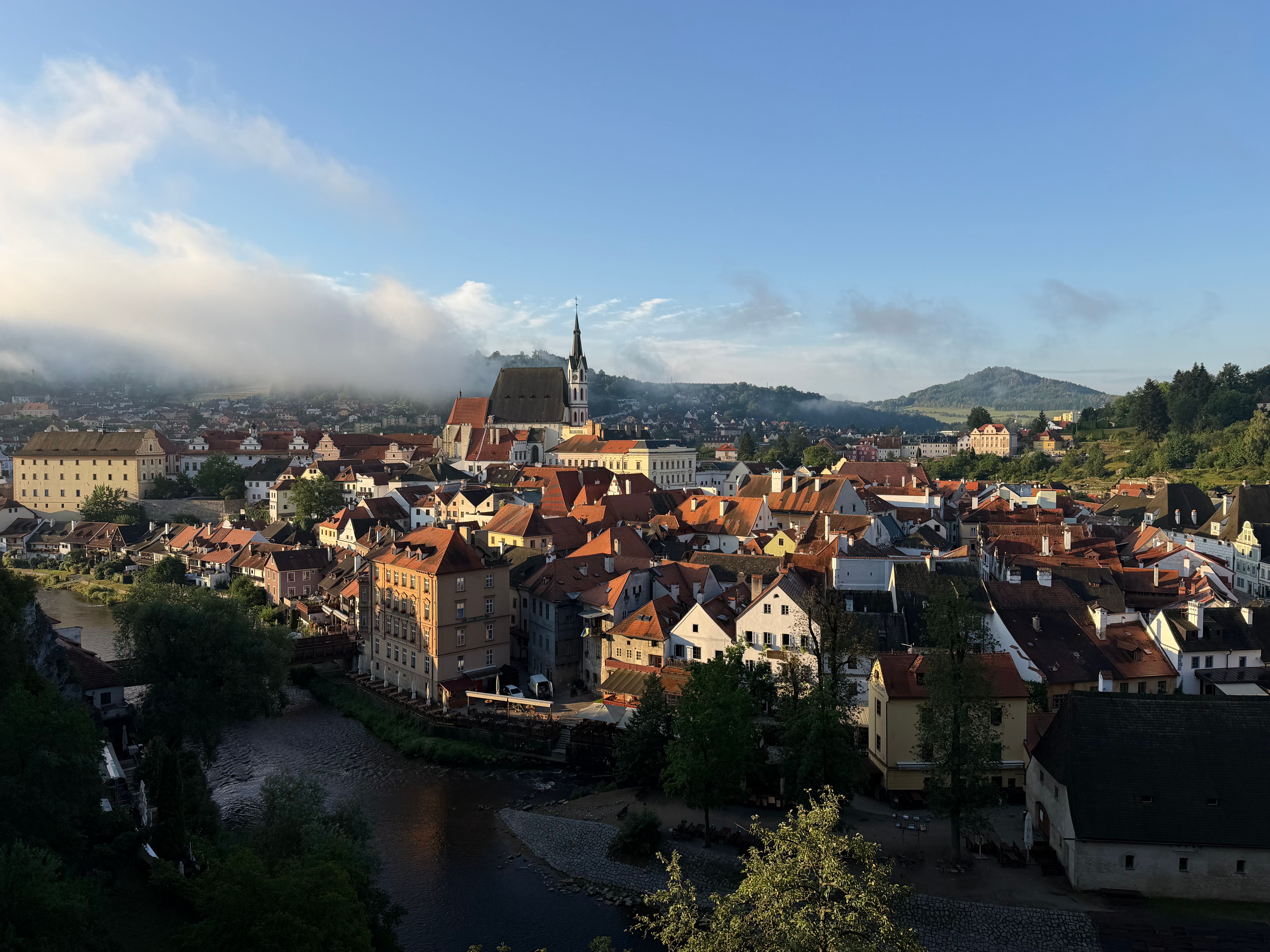
Anyone who looks past Charles Bridge finds a country that has barely adapted itself to its visitors. South Bohemia is scattered with ponds and walled towns like Český Krumlov and Telč, the north is one sandstone labyrinth of rock towers and beech forest, and in Moravia the vineyards run all the way to the Austrian border. There's a castle almost everywhere: inhabited, abandoned, or somewhere in between.
QualiMundi doesn't build a route around the best-known names. We start from what draws you in: a castle that's still genuinely lived in, a forest without a path, a winemaker who lets you in, and find the right places and people to match.
The regions
Six faces of the same country
Czechia is bigger than its capital suggests. Six regions, six entirely different landscapes.
capital and surrounds
Prague and its edges
The old town is famous, rightly so. But half an hour further out lie Karlštejn, its castle perched on a rock above the village, and Kutná Hora, once richer than Prague thanks to the silver in the ground. Starting here, you don't have to go far.
ponds and fortified towns
South Bohemia
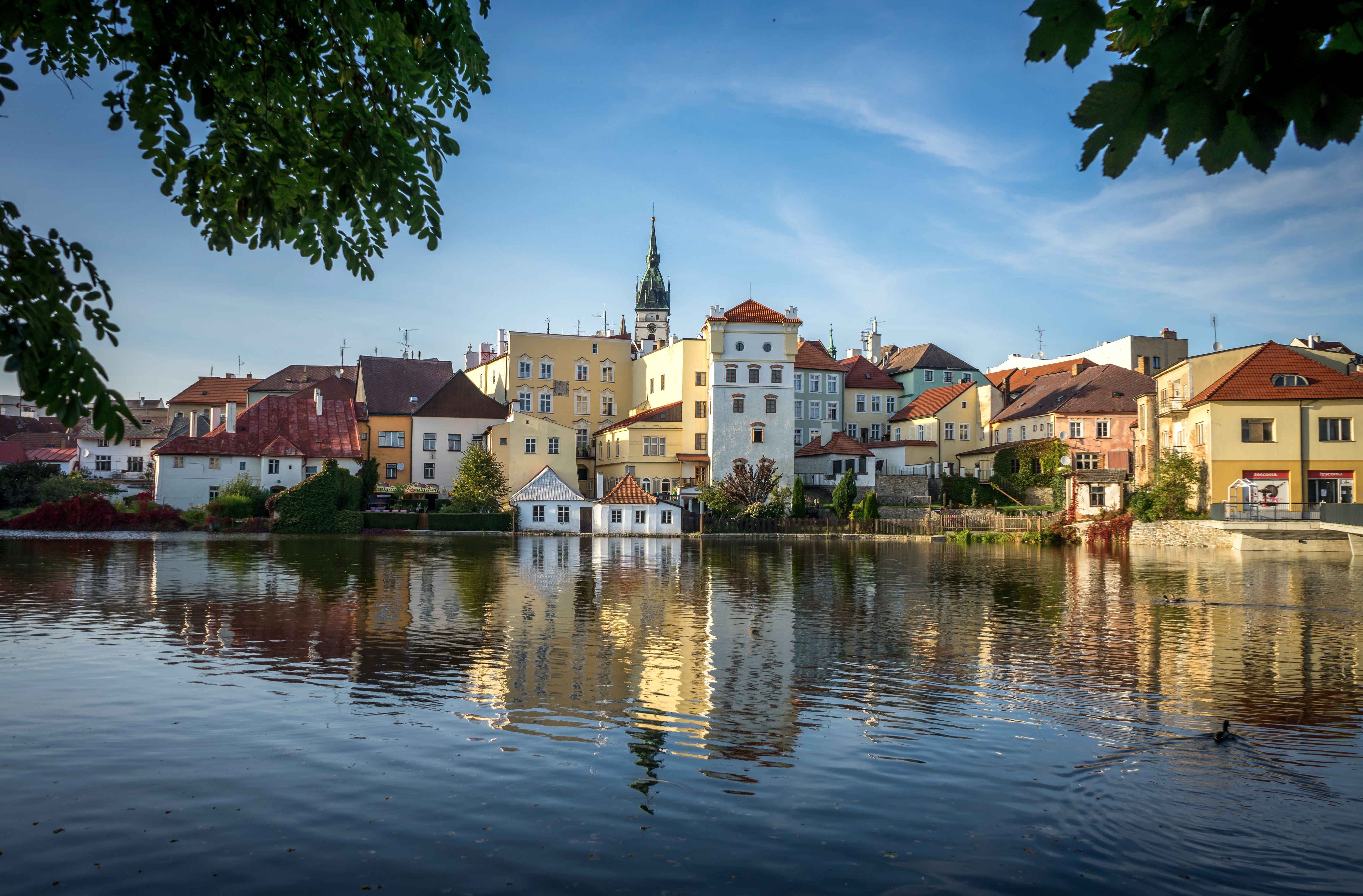
Hundreds of medieval fishponds around Třeboň, a walled town like Telč with a square lined in Renaissance facades, and Český Krumlov, where the river loops right around the castle. Slow country, with water everywhere.

sandstone and forest
Bohemian Switzerland
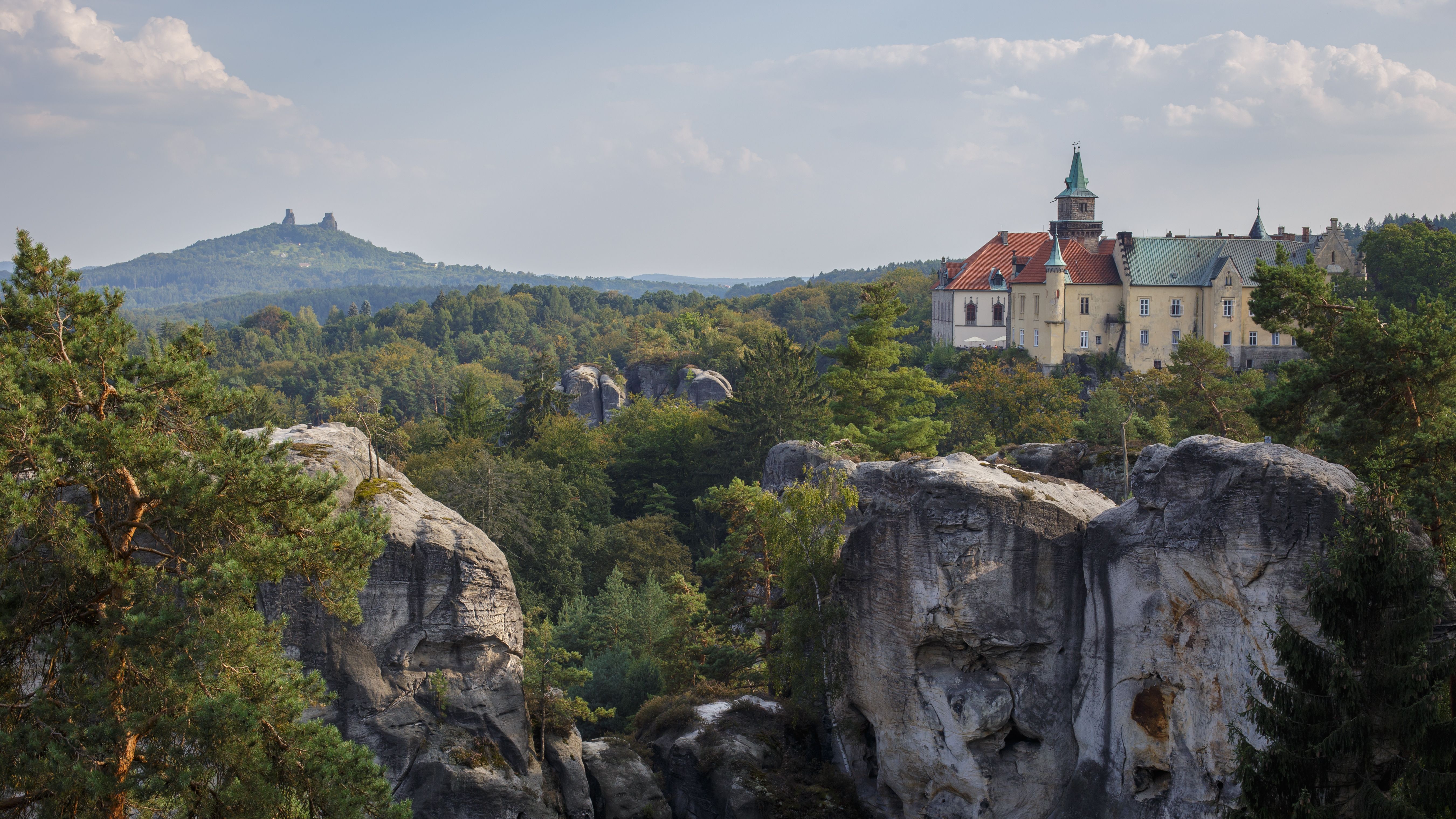
Along the German border, sandstone rock towers break through the forest, the natural arch of Pravčická brána the best known of them. Trails here run for hours without crossing a single village.

spa towns
The spa triangle
Karlovy Vary, Mariánské Lázně and Františkovy Lázně grew up around hot springs into nineteenth-century spa towns, with colonnades and parks still built for a slow walk through them.

wine and folk culture
Moravia
Around Mikulov and Znojmo, the vineyards run all the way to the Austrian border, with cellars that have sometimes stayed in the same family for generations. Brno adds a younger, less formal city to the mix.
wilderness
Šumava
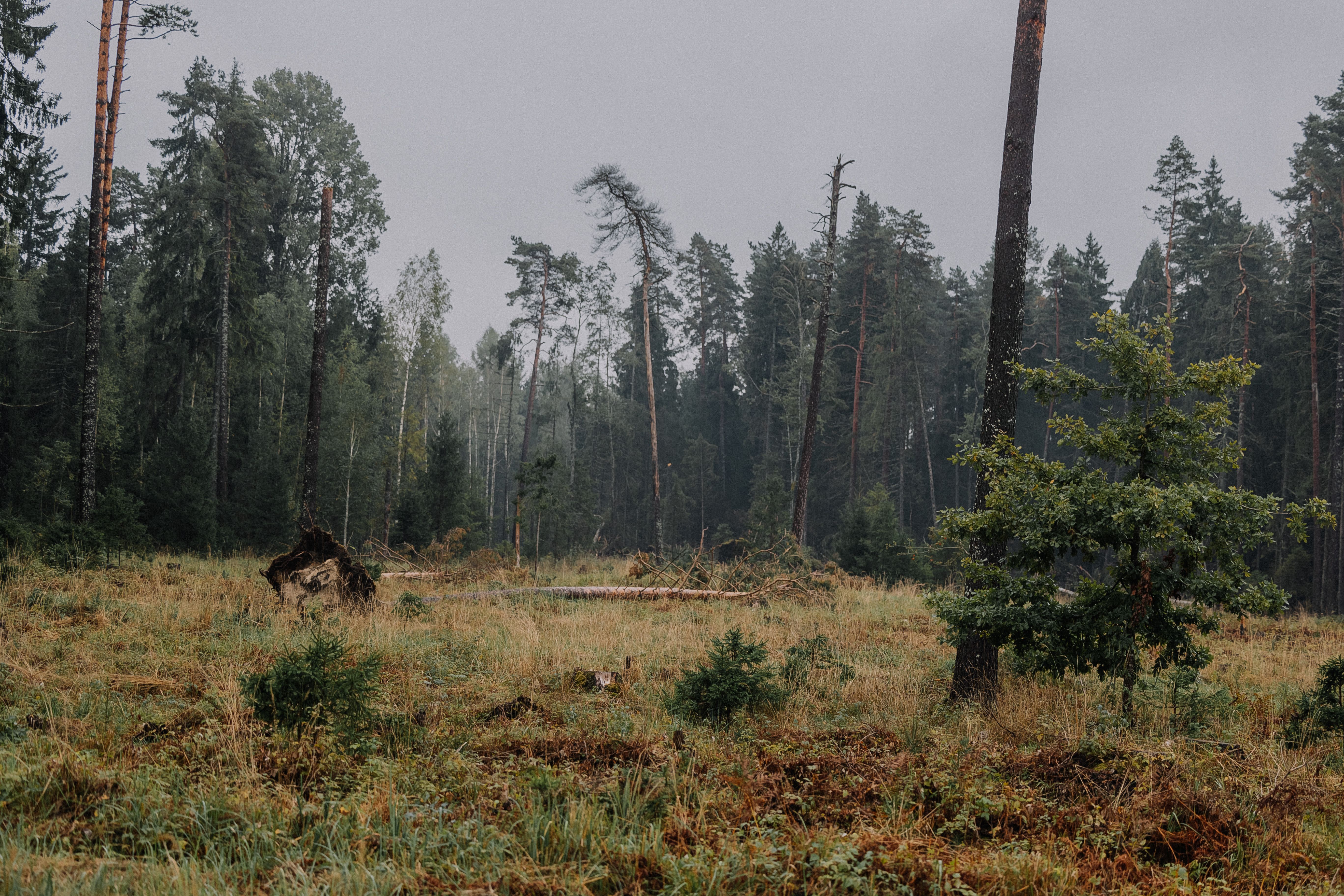
The Bohemian Forest along the German and Austrian borders still holds primeval woodland near Boubín and a national park where lynx once again roam. The farthest corner of the country, and the quietest.

Castles and history
Castles that still do something
Czechia counts an estimated two thousand castles and manor houses, a density found almost nowhere else in Europe. Some have become museums, others never did.
In Český Krumlov, the baroque theatre inside the castle still runs on its original eighteenth-century stage machinery. Elsewhere, families have lived in the same wings for centuries, or a hall gets hired out for a concert that happens to have room for visitors too. The distinction between hrad and zámek, fortress and chateau, already says something about how seriously this country takes its own history.
We seek out the castles that still do something, not just the best-known facade.
Between two castles there's usually a forest.
That's where the country you're actually looking for lives.
Nature
Forest, stone and water

Sandstone in the north
The rock labyrinths of Bohemian Switzerland and the neighbouring Saxon Switzerland together form one continuous walking area, with gorges, viewpoints and forest that has barely been logged.

Primeval forest in the southwest
Near Boubín, in Šumava, stands one of the last remaining patches of primeval forest in Central Europe: trees that have never been felled, fallen trunks left exactly where they landed. Lynx have returned here in recent decades.

Ponds full of birds
Around Třeboň lie hundreds of artificial fishponds, some dating back to the fifteenth century, which have since become one of the country's most important bird habitats. Herons, storks and, during migration, thousands of geese.
What you can do here
More than sightseeing
Czechia is a country to experience, not just look at.
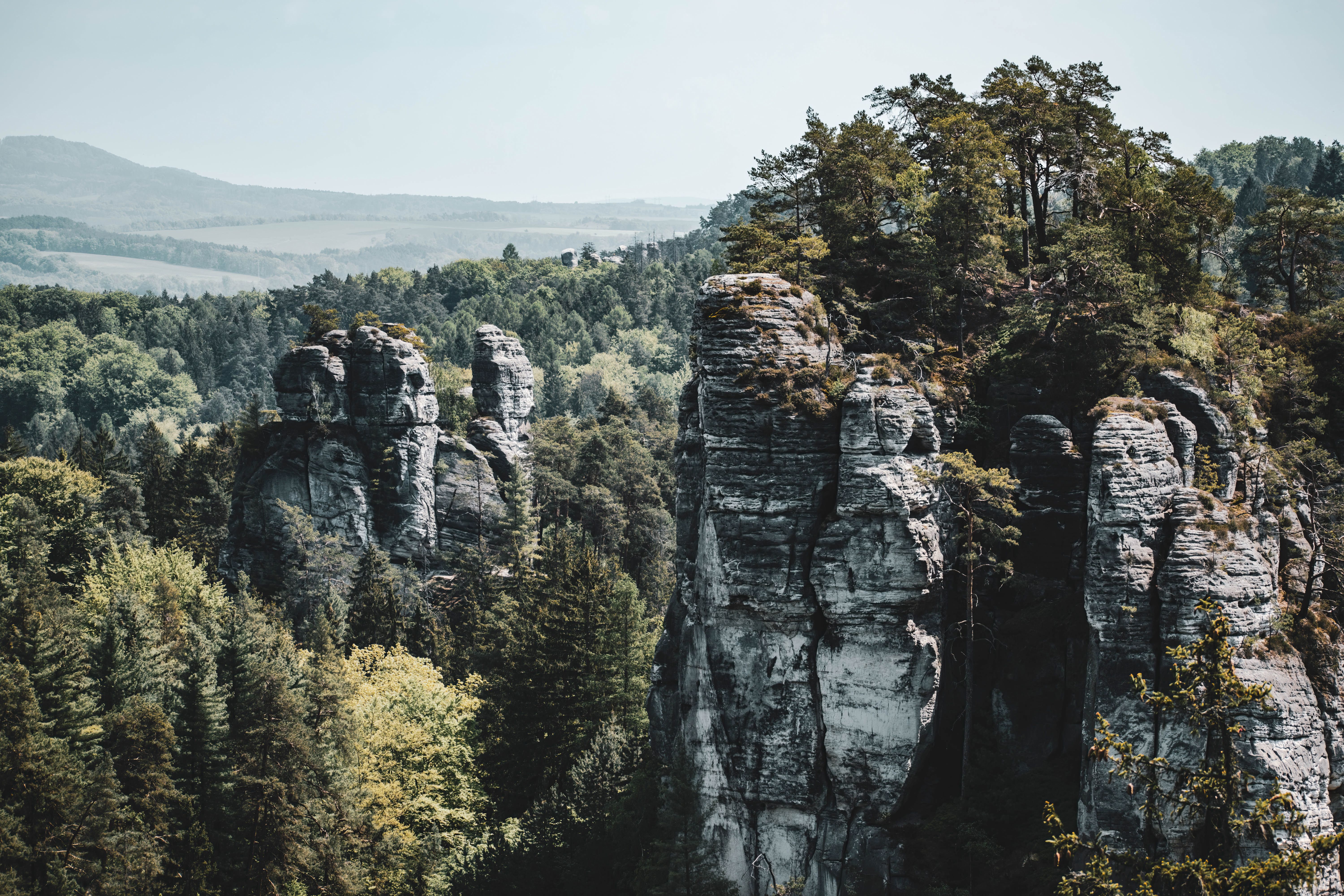
Walking among the rock towers
Days of walking through Bohemian Switzerland, from viewpoint to gorge, without ever taking the same path twice.
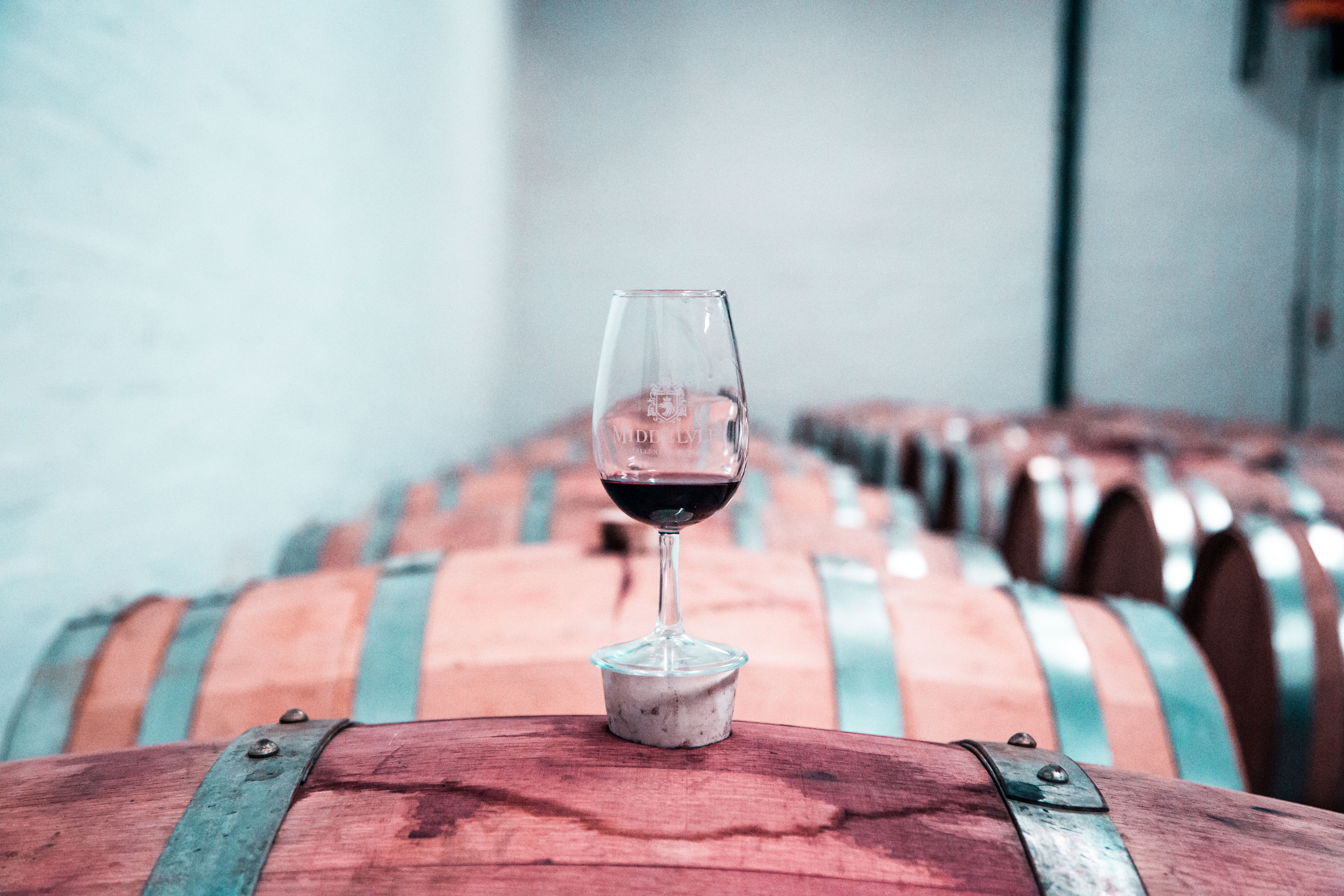
Tasting in a Moravian cellar
Winemakers around Mikulov and Znojmo opening their cellars to anyone who wants to know more than the label tells them.

Taking the waters as they did a century ago
An afternoon in the thermal baths of Karlovy Vary or Mariánské Lázně, in buildings built for exactly this purpose.
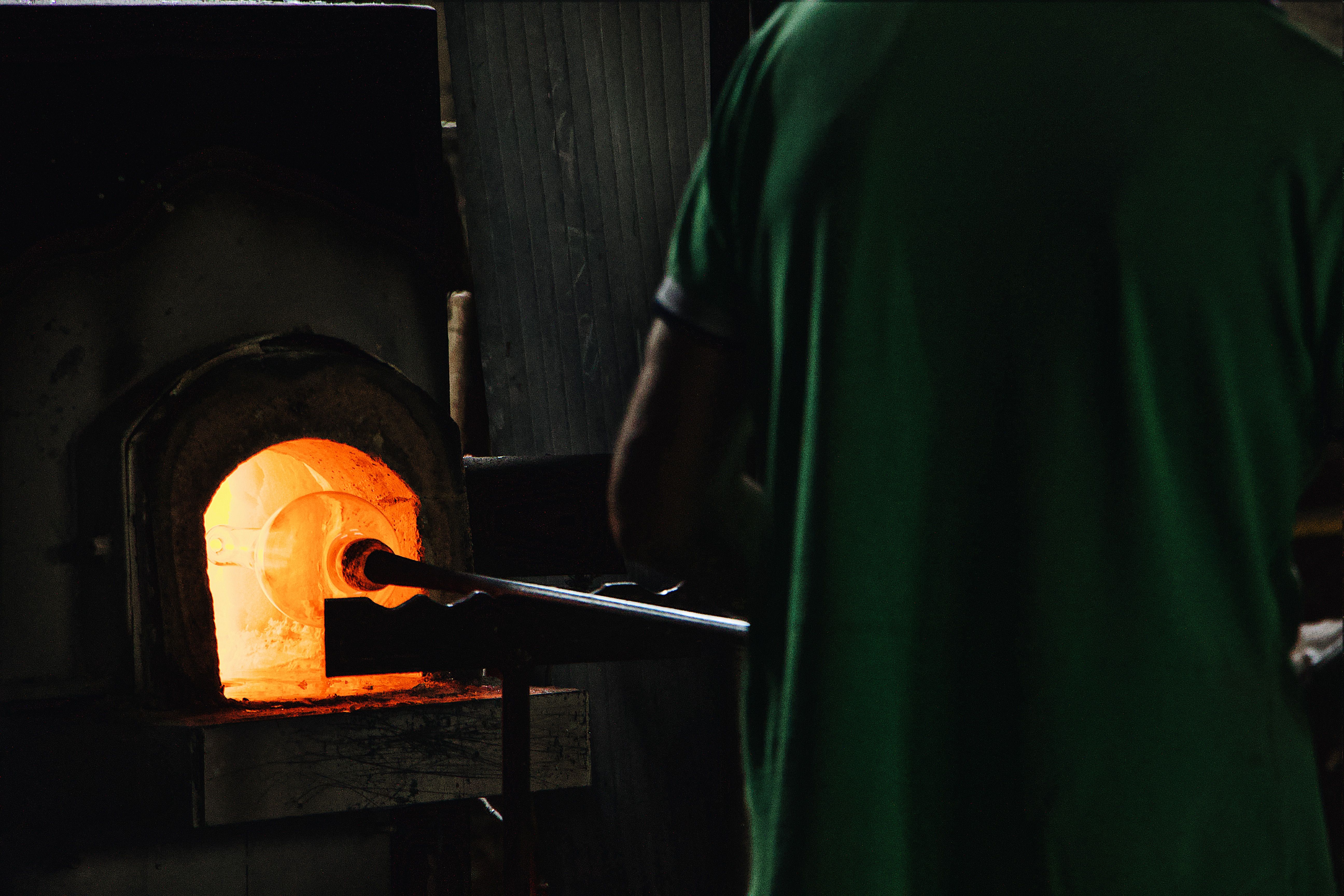
Watching glass take shape
Bohemian crystal has a centuries-old tradition. At a number of glassworks you can watch a glowing lump take shape.

An evening with the puppeteers
Marionette theatre is a recognised art form in Czechia, with performances made as much for adults as for children.
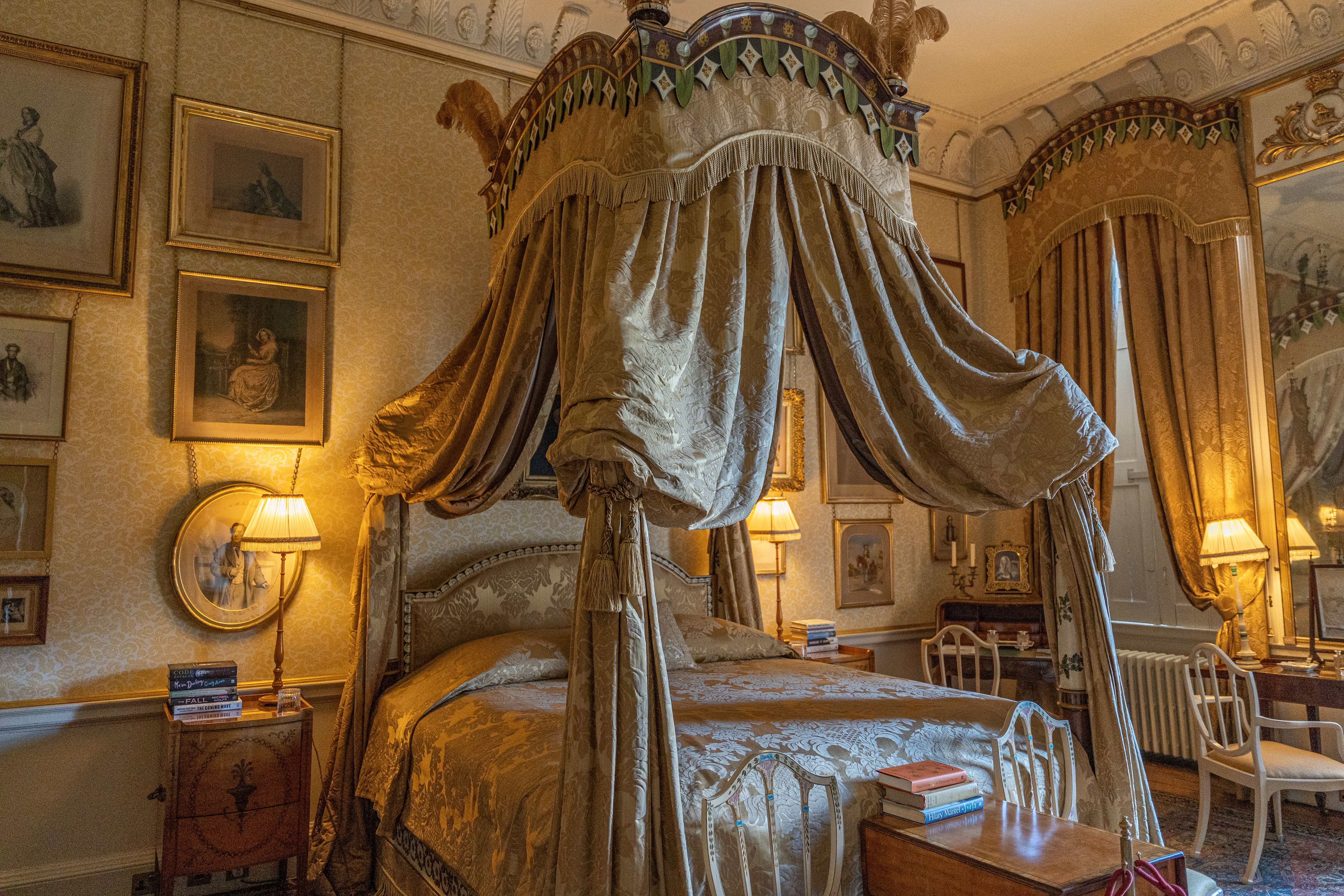
Sleeping within castle walls
A number of castles and manor houses rent out rooms or entire wings, sleeping where a noble family once lived, without any museum feel.
None of this sits on a fixed route. We choose it together with you, at the pace that suits you.
Looking past the highlights
Why we look at this country differently
Beyond Prague and the beer Prague is a beautiful city, but anyone who lingers there misses most of what Czechia has to offer. We plan the capital as a starting point, not an endpoint.
Castles that mean something We choose places with a story that goes beyond the architecture: a wing still lived in, a family working the same vineyard for generations, a craft still practised daily.
A pace that suits the country Czechia is compact, but the finest spots often lie just off the main road. We build in room to stay somewhere longer than planned.
Local knowledge, no fixed route Our contacts on the ground know the difference between a castle that makes an impressive photo and a castle that has an impressive story.

Bohemian Switzerland, where the forest has the last word.
When would you travel?
When to visit Czechia
May and June bring blossom to the vineyards of Moravia and long daylight for anyone walking in the north. September and October offer the same calm again, with a wine harvest on top and beech forest turning colour in Šumava and Bohemian Switzerland.
July and August are the warmest months, and in Prague and Český Krumlov also the busiest. The rest of the country stays quieter. December brings Christmas markets and early darkness; the spa towns are just as worthwhile then, with fewer people along the colonnades.
Jan
Feb
Mar
Apr
May
Jun
Jul
Aug
Sep
Oct
Nov
Dec
Top: clear weather or just the right season, with crowds staying manageable.
Good: a fine time to go, with a bit more crowd here and there or more changeable weather.
Fair: workable, but needs a bit more planning around weather, opening hours or crowds.
Worth knowing
Practical, without the noise.
- Getting there
- A direct flight from Brussels in just over an hour, or an easy day's drive
- Documents
- Czechia is an EU and Schengen country. An identity card is sufficient
- Health
- Tap water is safe to drink everywhere; the European Health Insurance Card is accepted
- Pace
- The country is compact, but secondary roads to castles and villages are slow. Allow more time than the map suggests
Frequently asked questions
Is a week enough for Czechia?
To get to know Prague and one other region well, yes. For Bohemia and Moravia together, it's best to plan more time, or deliberately choose one part of the country.
Does Prague have to be part of the trip?
Not necessarily. Some travellers land there and head straight for South Bohemia or the north; others deliberately build in a few days there. Both work.
Is it a good destination with children?
Certainly: short distances, castles that aren't only about facts, and plenty of outdoor space, especially in South Bohemia and Šumava.
Or perhaps this
Other destinations
Still weighing it up? That is no problem at all. The right country often only becomes clear once the conversation starts.
Central Europe
Poland
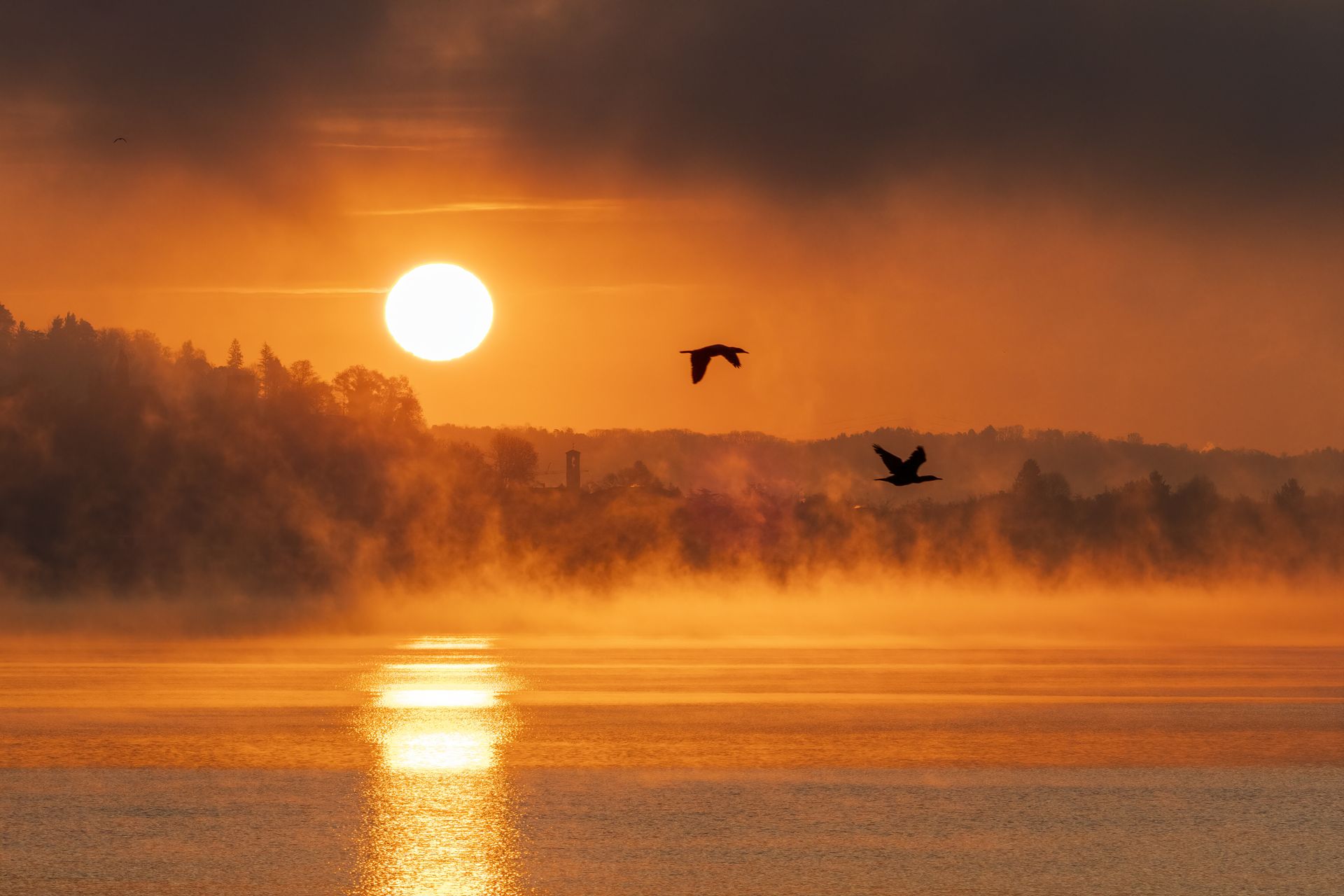
A country with more landscape than its history suggests, with forests, lakes and towns each rebuilt with real character.
Central Europe
Germany
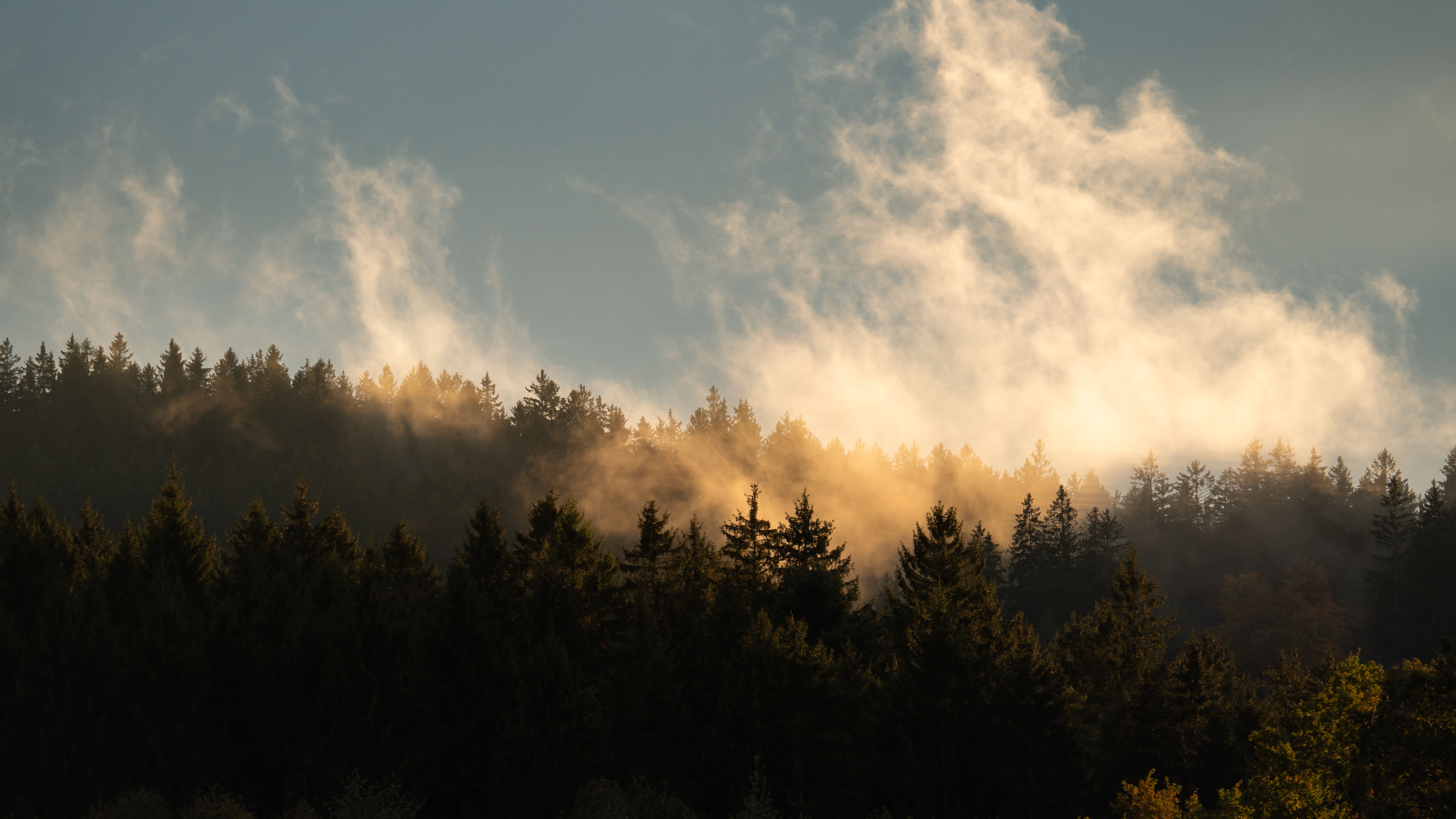
Germany combines urban precision with forest just a short walk away, and simply lets the two coexist.
South America
Argentina
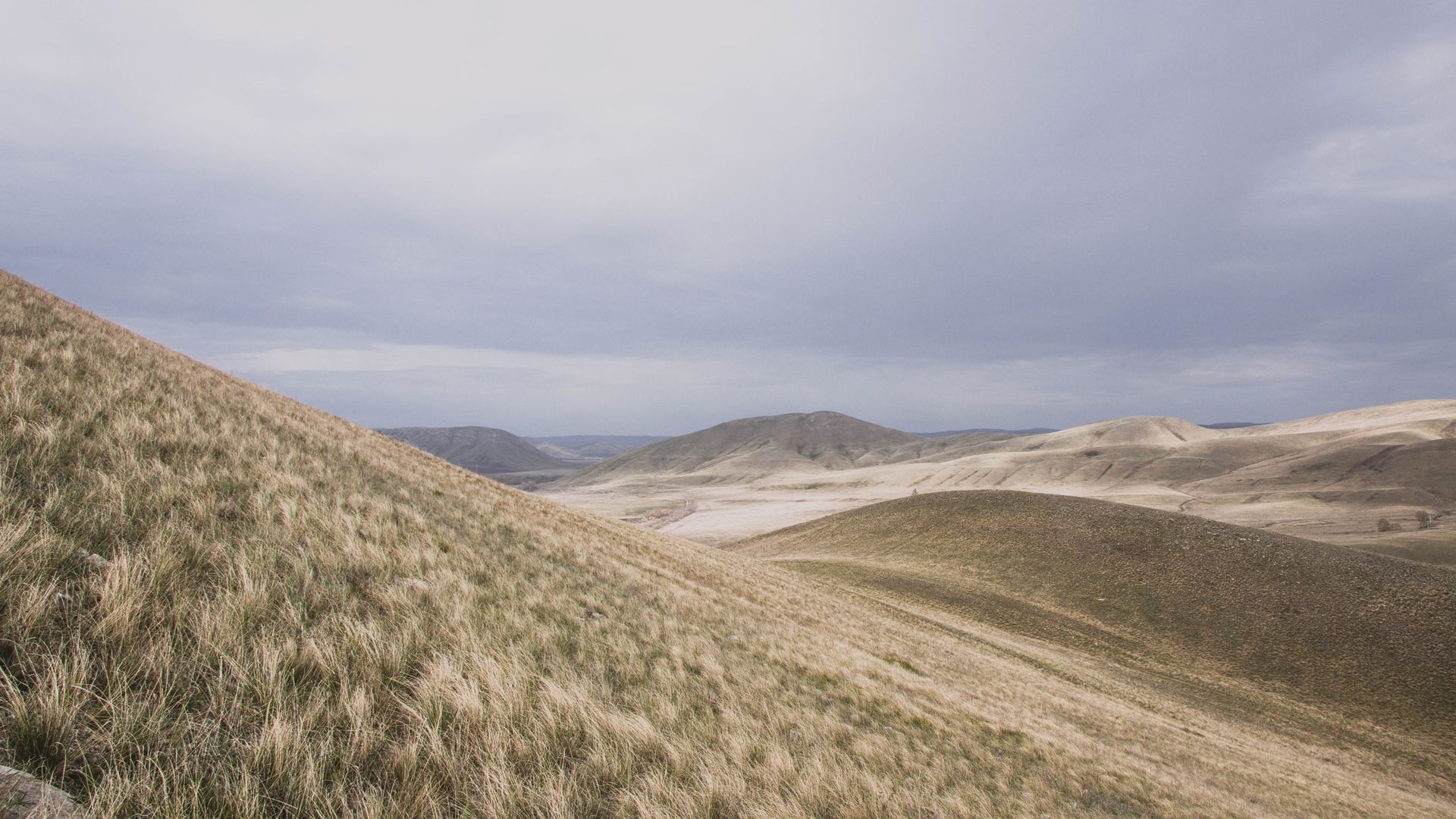
From city rhythm to Patagonian wind, a country whose vast distances are part of the appeal.
How it works
This is how your journey to Czechia takes shape.
Six steps, from your first story to your homecoming. The conversation and the feasibility check cost you nothing.
-
01
Tell us your story
Fill in the form or give us a call. You do not need a route yet: a country, a period or just an idea is enough.
-
02
The conversation and the check
We talk through what you are looking for, by phone or by video, and check whether it can be done. If it can, we set down together what we will make for you.
-
03
We design your journey
We build your programme up, day by day, together with our own people in the country itself.
-
04
Your proposal
You read your journey day by day, with everything that is included. You say what you would like differently, until it is right.
-
05
Ready to depart
You send us your details, we send you your travel documents. You have one fixed contact who knows your journey.
-
06
Travelling, and after
Your contact stays reachable while you are away. Once you are home, we call one more time.
The next step
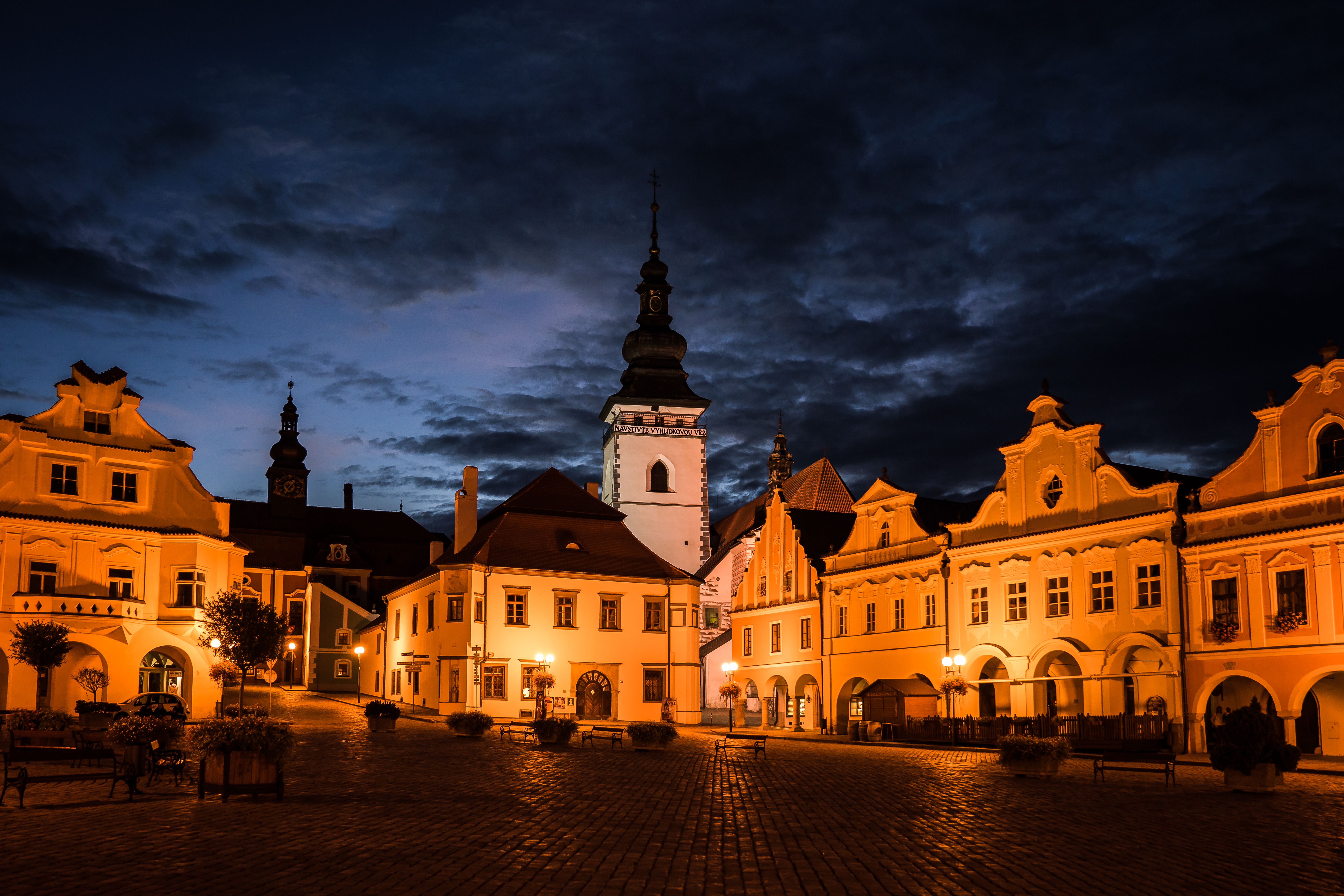
How do you picture your Czechia?
Tell us what you're after: a castle weekend, a trek through sandstone rocks, a route past Moravian wine cellars. We build a trip around your answer, not a fixed list.