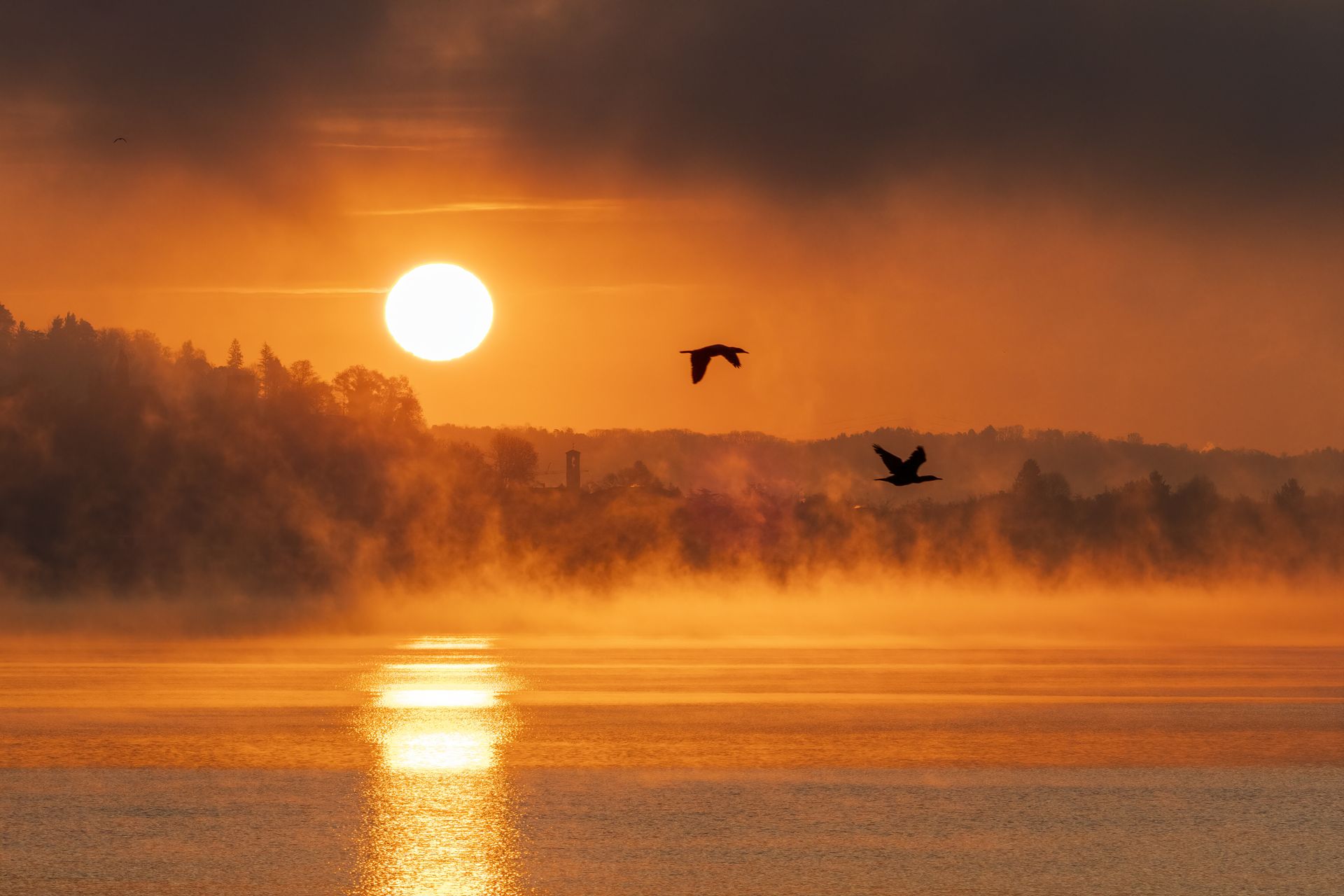
Central Europe
Poland
A country with more landscape than its history lets on.
This is Poland
A country greener than its history lets on
A country with more landscape than its history lets on: forests, lakes and cities each rebuilt with character.
Mention Poland and most people think of a century of history that weighs more heavily than it should. Yet a third of the country is forest, including primeval woodland where the European bison still roams free, thousands of lakes in the north-east, and a coastline with dunes that shift like something out of the Sahara. The history is there, unmistakably, but it isn't the only story.
The second story is one of rebuilding. Warsaw, Gdańsk, Wrocław: cities raised again from brick and old photographs, facade by facade, guild house by guild house. Not as replicas, but as a deliberate choice to carry something forward. That gives Polish cities an odd quality, old in appearance, thoroughly alive in the streets beneath.
The regions
From Masurian lakes to the limestone teeth of the Tatras
Poland is bigger and more varied than most visitors expect. Each region has its own rhythm and its own landscape.

lakes
Masuria
More than two thousand lakes, linked by canals you can explore by canoe or sailing boat. Villages with wooden churches, storks' nests on every chimney, and a stillness that reaches further than the eye.
cities
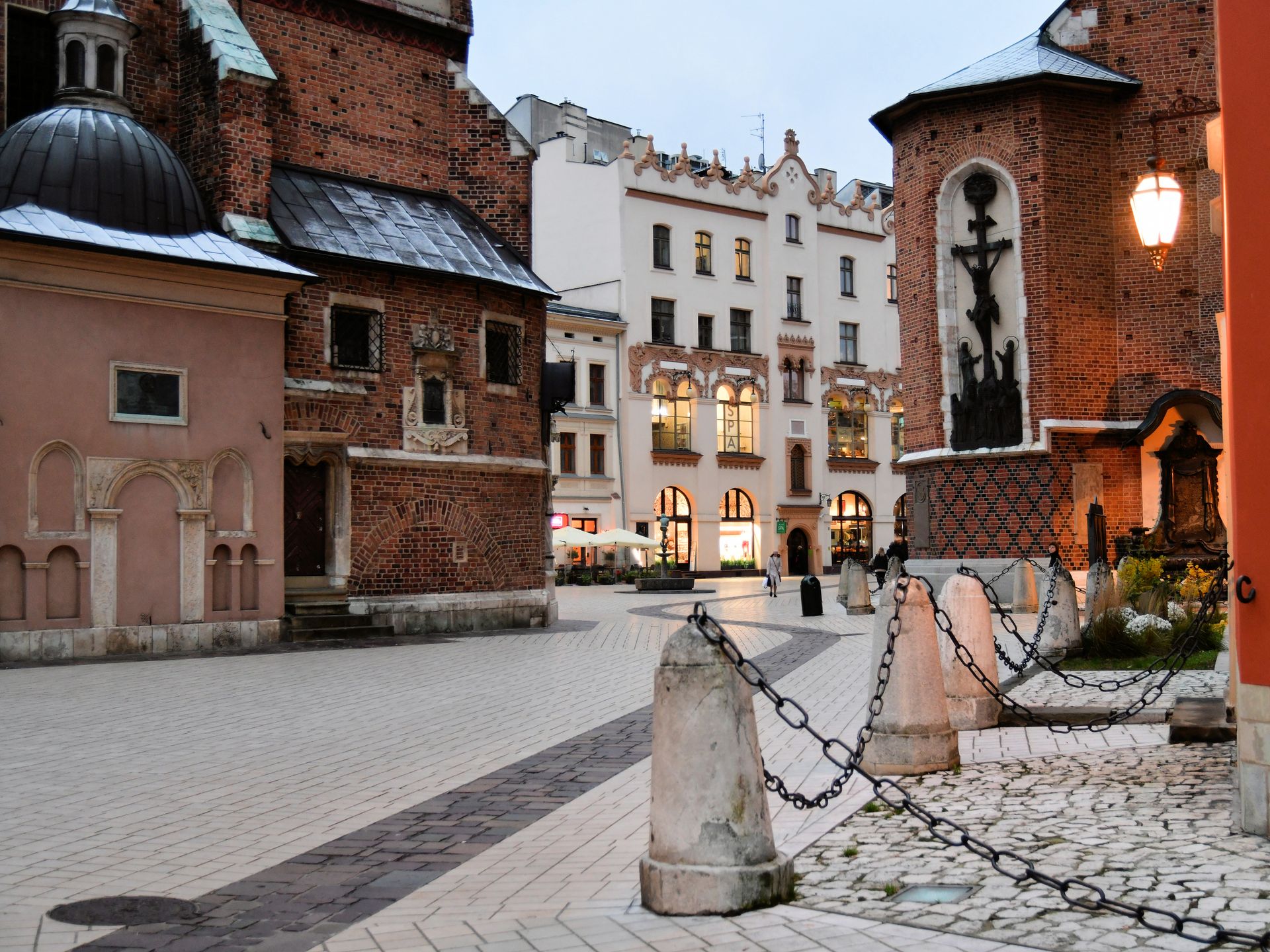
Kraków and Kazimierz
The only major Polish city that came through the war unscathed, a medieval centre that never needed rebuilding. Beside it lies Kazimierz, the former Jewish quarter, with synagogues, kosher bakeries and a depth you won't grasp in a single afternoon.

mountains
The Tatras and Zakopane
Poland's only true high mountains, with ridges rising above two thousand metres and a mountain culture all its own: timber hay barns, regional folk music, sheep's cheese smoked over birch wood.

coast
Gdańsk and the Baltic coast
A Hanseatic city with facades that could pass for Amsterdam, amber traders down every side street, and to the west the walking dunes of Słowiński National Park, sand that shifts metres a year and buries forests beneath it.

wilderness
Podlasie and Białowieża
The country's easternmost corner, where the last primeval forest of lowland Europe begins and the European bison, brought back here from the brink of extinction, still moves through the trees in herds.
Rebuilt, not recreated
Brought back one brick at a time
Warsaw was almost razed to the ground in 1944. What stands there now, the Old Town Market Place, the narrow facades in ochre and red, was largely rebuilt after the war, based on eighteenth-century cityscapes and photographs taken by architecture students who had surveyed the city just before its destruction.
That isn't kitsch. It's a choice that says something about how Poland deals with its past: not suppressing it, not leaving it as it fell, but actively rebuilding what's worth keeping. You see the same attitude in Gdańsk, in the wooden synagogues of Podlasie being restored one by one, in the craftspeople who still do stained glass, wrought iron and plasterwork by hand.
Nature
Wilderness few associate with Poland
A third of Poland is forest, and some of it has never been felled.

Białowieża
The last stretch of primeval forest in lowland Europe, with oaks four hundred years old and the largest free-roaming bison population in the world.

The Masurian waterways
A network of lakes and canals so extensive you can paddle for days without seeing the same stretch of water twice.

The Biebrza marshes
Europe's largest untouched wetland, a favourite with birdwatchers. Species that struggle to find a foothold elsewhere on the continent still breed here.
Looking past the highlights
Why we look at Poland differently
Beyond the wartime past Museums and memorial sites deserve a place, but we don't build a trip that lingers there. Poland has as much to say about forest, craft and food as it does about history.
Small villages over big coaches The finest corners of Masuria and Podlasie aren't reachable by group transport. We work with local guides who actually live in these villages.
The season shapes the route A spring visit to Białowieża, with bison that have just calved, is a different story from an autumn trip full of mushrooms. We match the region to the moment you travel.
Cities given time, not a checklist Kraków doesn't reward a rushed visit. We plan enough room to see the neighbourhoods no guidebook writes about too.
At the table
Beyond pierogi
Pierogi are here, and good ones too, but you get to know real Polish food in a bar mleczny, a 'milk bar', a relic of the communist era where a few zloty buys you a bowl of żurek (sour rye soup) or gołąbki (cabbage rolls), served by the same woman who's been standing there for thirty years.
In autumn, half the country heads into the forest to hunt for mushrooms, a folk tradition taken just as seriously as hunting is elsewhere. Silesia has its own cuisine with German and Czech influences, Podlasie its East Slavic dishes with fresh curd cheese and dill. This is a cuisine of regions, not a single national dish.

Wieliczka: nine centuries of salt mining, and an underground cathedral the miners carved from the salt themselves.
What's possible
Possibilities, not a programme
We don't build a day-by-day schedule. These are the kinds of experiences a bespoke trip gets assembled from.

Canoeing through Masuria
Multi-day trips down the Krutynia river, staying overnight in village guesthouses along the water.

Spotting bison with a ranger
Early-morning walks in Białowieża with a guide who has tracked the herds for years.

Mountain walking in the Tatras
From short walks around Morskie Oko to multi-day ridge routes for those who bring more stamina.
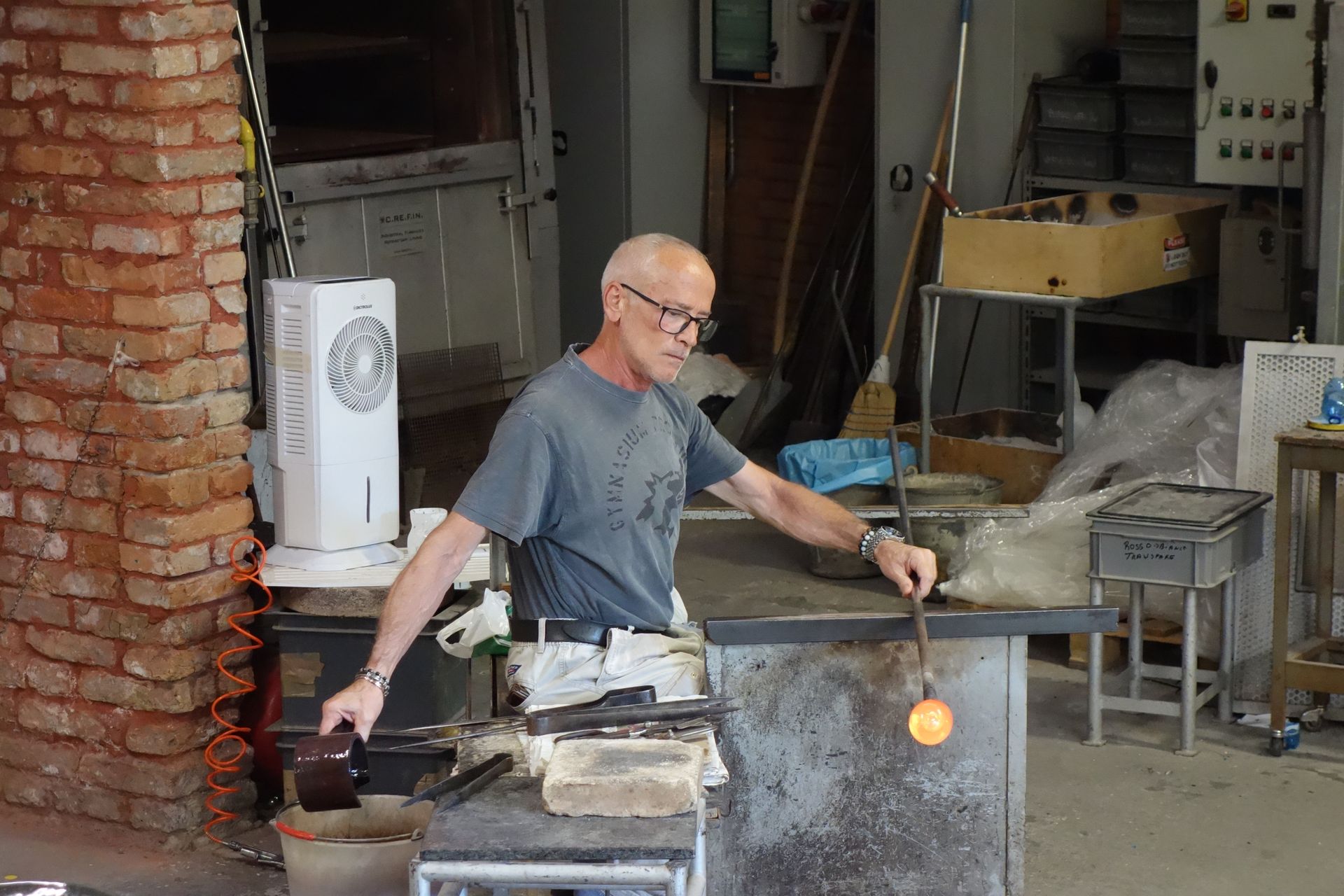
Craft workshops in Kraków
Glassblowers, bookbinders and the last keepers of Jewish baking traditions in Kazimierz.
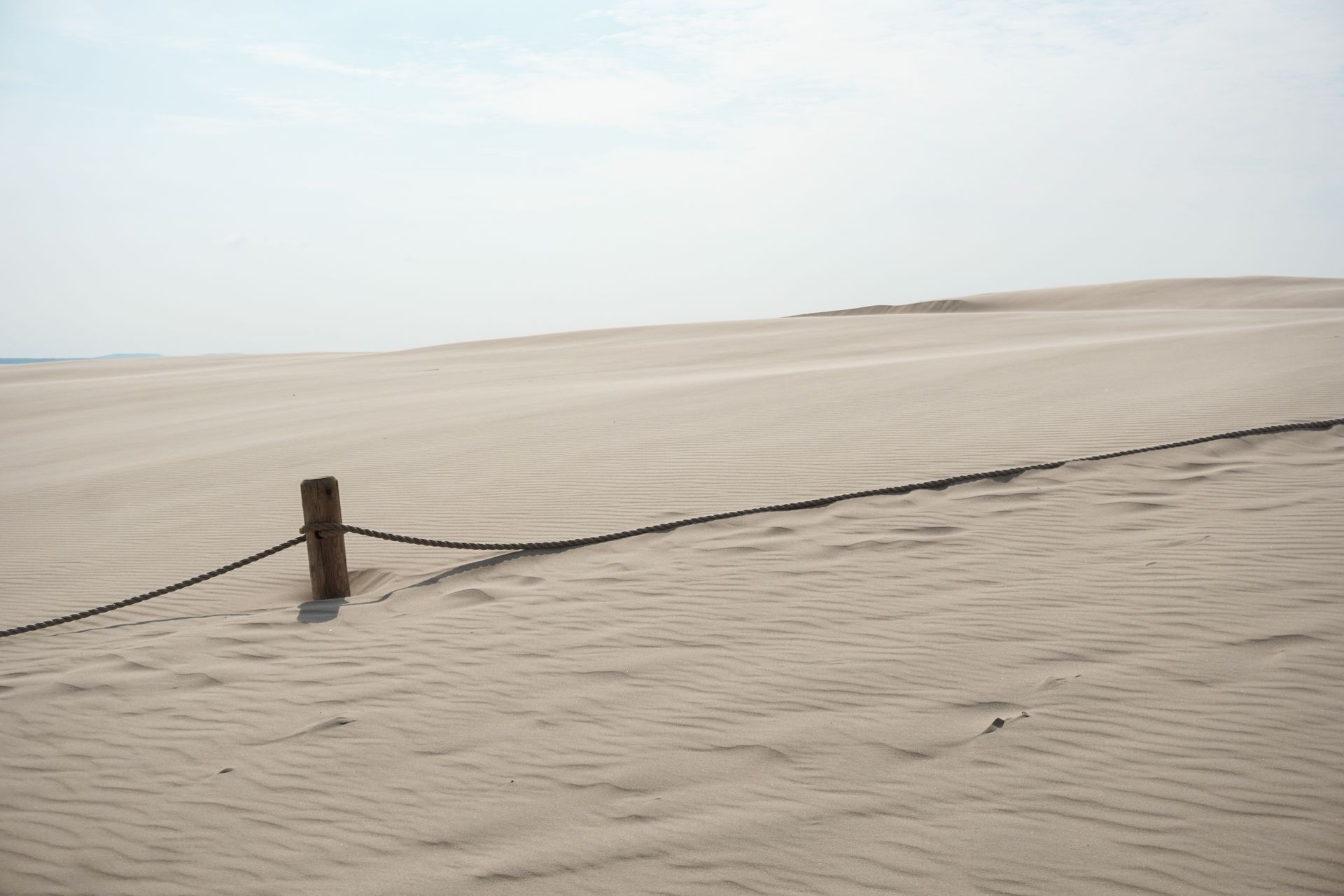
Dune walking in Słowiński
Across ridges of walking sand that bury forests beneath them, a desert landscape on the Baltic Sea.
These are possibilities.
Not your journey.
Poland doesn't reduce to one story.
It's forest, it's water, it's a city that rebuilt itself.
When would you travel?
When to travel to Poland
Poland has four distinct seasons, and each one changes the country completely. Summer is the most popular, rightly so for the lakes and the coast, but early autumn, with mushrooms in the forests and quieter cities, has at least as much to offer.
Jan
Feb
Mar
Apr
May
Jun
Jul
Aug
Sep
Oct
Nov
Dec
Top: long days, every region accessible, lakes and coast at their best.
Good: milder temperatures, fewer crowds, ideal for cities and walking.
Fair: cold to freezing, good for those after snowy mountains or Christmas markets, less so for nature trips.
Worth knowing
Practical, without the noise.
Practical points that make planning easier.
- Getting there
- Direct flights from Brussels to Warsaw, Kraków and Gdańsk; just over two hours in the air.
- Documents
- A valid identity card is enough for EU citizens.
- Getting around
- Fast train links between the major cities; for Masuria and Podlasie a car with driver is more practical.
- Pace
- Expect longer distances than the map suggests. The country is bigger than most people realise.
Frequently asked questions
Is Poland suitable for a trip with children?
Certainly. The Masurian lakes and the Baltic coast suit families very well, with plenty of room to play and little rush.
Can you combine Poland with another country?
Yes, most naturally with Lithuania or Slovakia, depending on whether you're drawn towards the coast or the mountains.
Do you need to speak Polish?
No, though a few words help. English is common in cities and tourist regions, less so in the countryside, where we work with local guides.
Or perhaps this
Other destinations
Still weighing it up? That is no problem at all. The right country often only becomes clear once the conversation starts.
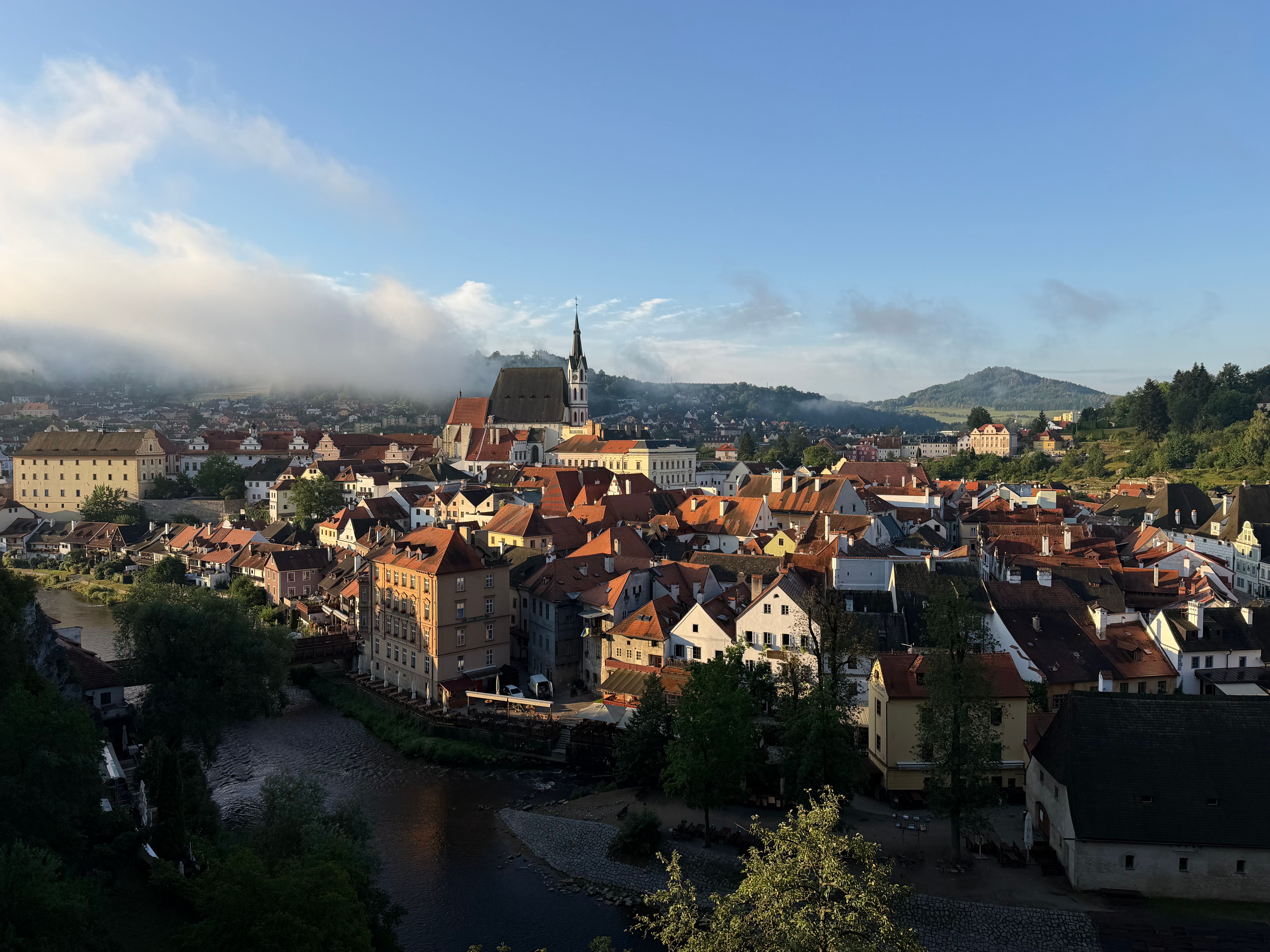
Central Europe
Czech Republic
Prague is only the beginning; beyond it lie castles, forests and small towns that rarely make anyone's list.
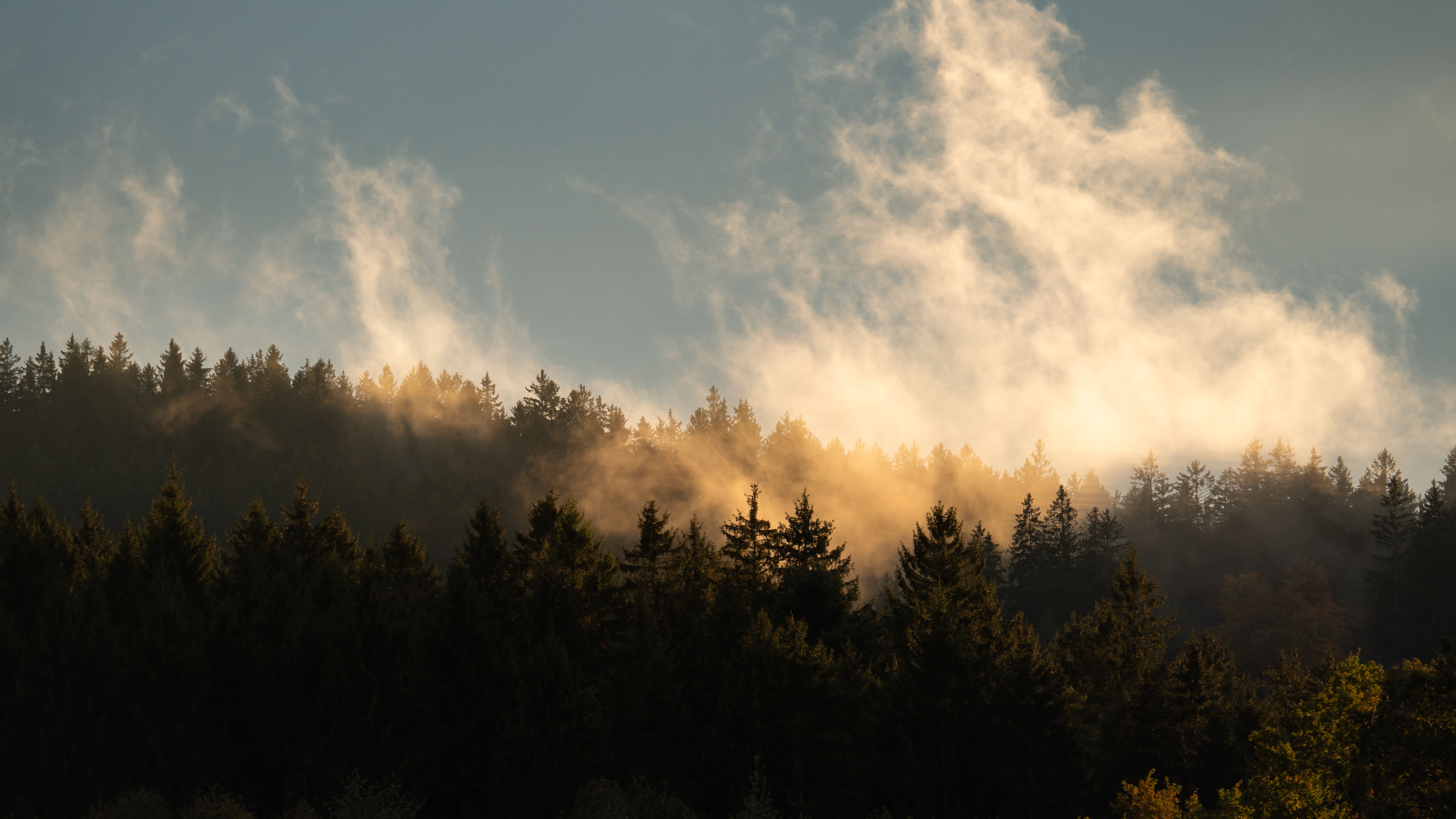
Central Europe
Germany
Germany combines urban precision with forest just a short walk away, and simply lets the two coexist.
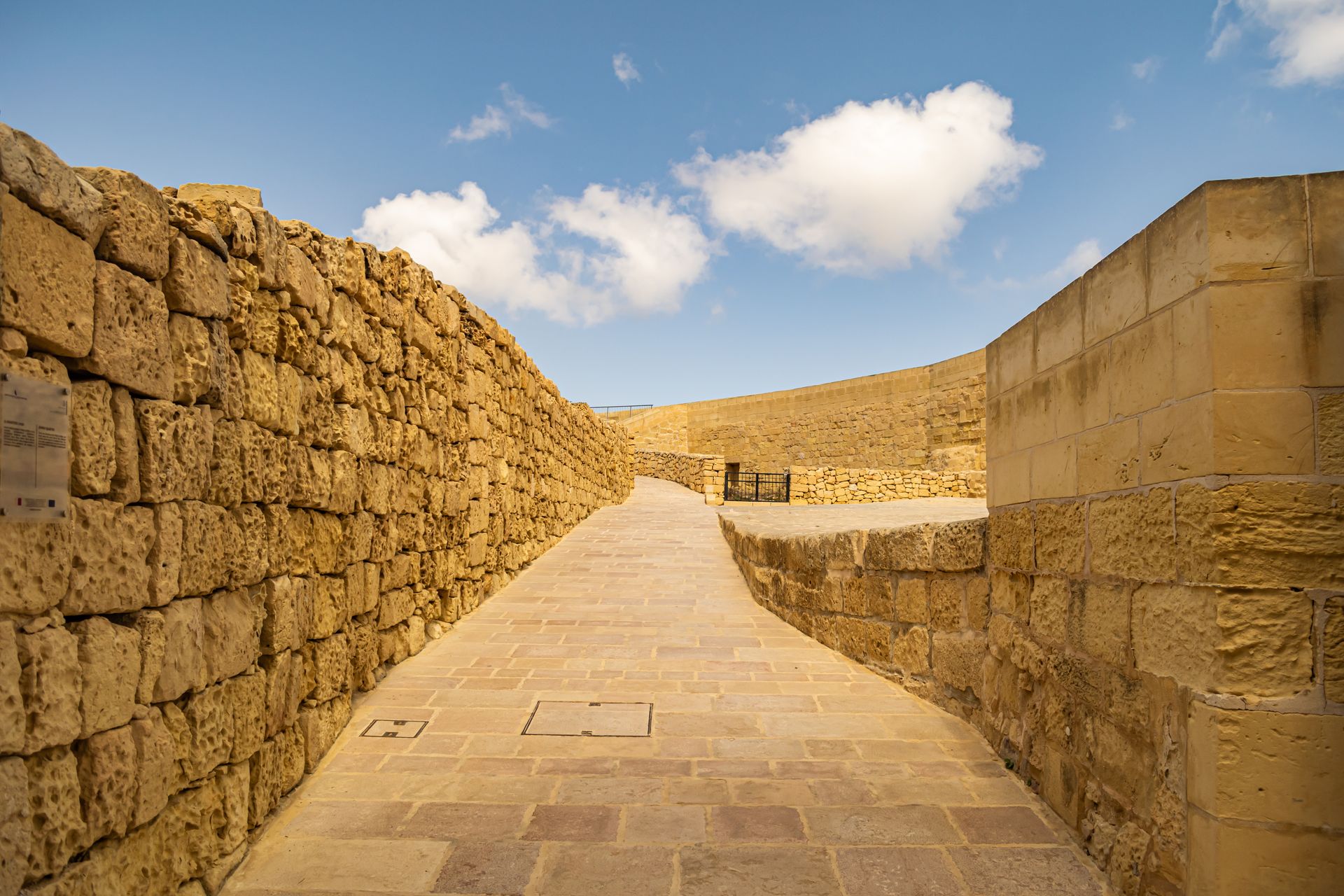
Central Mediterranean
Malta
Malta is an island of limestone and fortress walls where every layer of history is still legible.
How it works
This is how your journey to Poland takes shape.
Six steps, from your first story to your homecoming. The conversation and the feasibility check cost you nothing.
-
01
Tell us your story
Fill in the form or give us a call. You do not need a route yet: a country, a period or just an idea is enough.
-
02
The conversation and the check
We talk through what you are looking for, by phone or by video, and check whether it can be done. If it can, we set down together what we will make for you.
-
03
We design your journey
We build your programme up, day by day, together with our own people in the country itself.
-
04
Your proposal
You read your journey day by day, with everything that is included. You say what you would like differently, until it is right.
-
05
Ready to depart
You send us your details, we send you your travel documents. You have one fixed contact who knows your journey.
-
06
Travelling, and after
Your contact stays reachable while you are away. Once you are home, we call one more time.

The next step
How would you like to discover Poland?
Tell us whether you're drawn more to water, forest or city, and we'll put together a route built around you.