Baltic states
Estonia
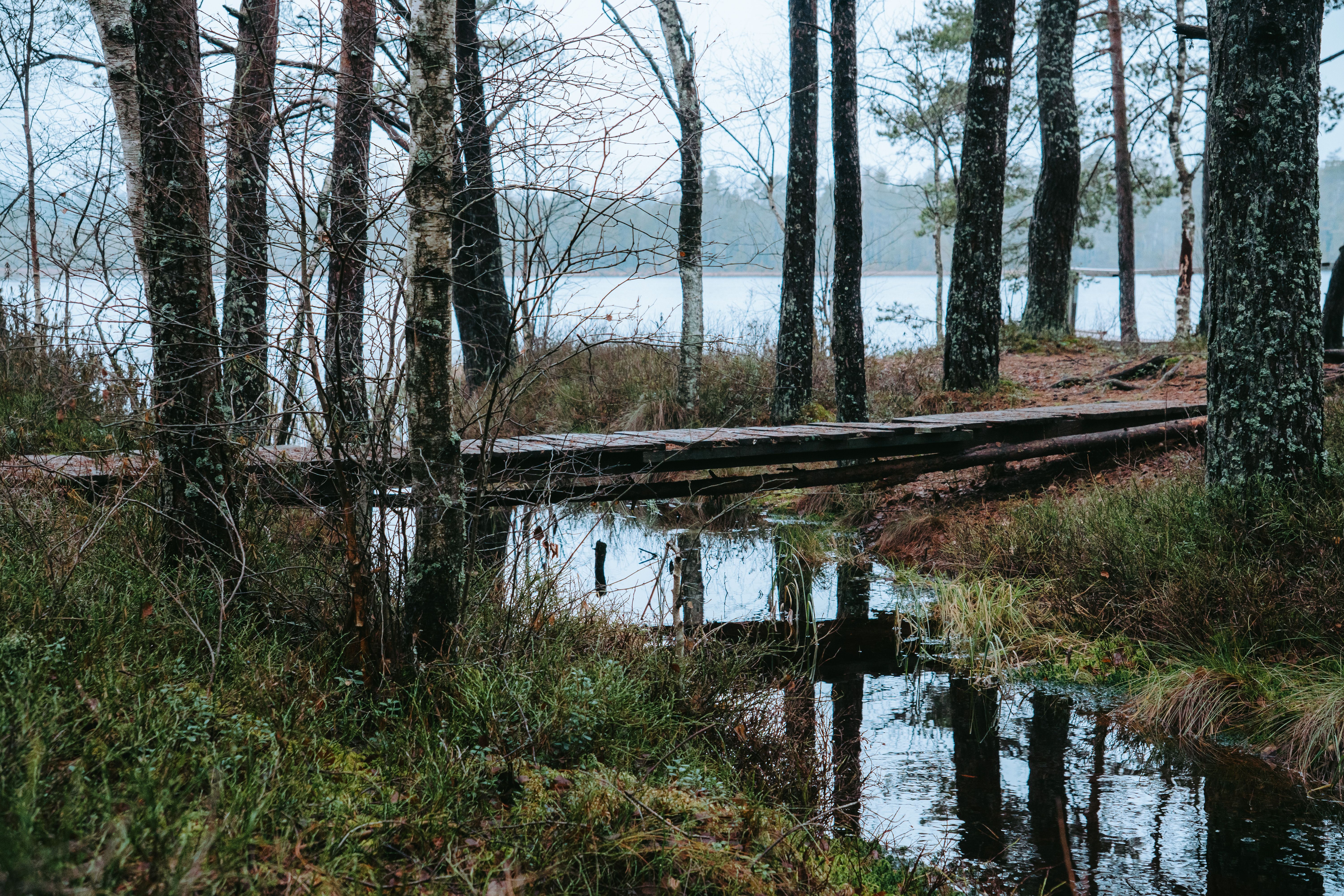
Forest, bog and a coast that nothing hurries.
This is Estonia
A country that won't be talked into hurrying.
Forest and bog to the horizon, a digital capital and a stillness that feels further north than the map suggests.
Estonia likes to call itself e-Estonia, and rightly so: more of government happens online here than anywhere else in Europe, and the country where Skype was invented wears that reputation with pride. But drive half an hour outside Tallinn and the internet becomes the least interesting thing going on. More than half the country is forest, and a good part of that isn't forest at all but bog: raised bog crossed by boardwalks, birch fen in mist, lakes that freeze solid enough to walk on come winter.
What's missing here is crowds. Estonia counts one and a half million people across an area not much smaller than the Netherlands, and most of them live in and around Tallinn. The rest of the country, the islands, the south, the shores of Lake Peipus, is quieter than the map suggests. Not just a postcard old town, but a country that takes its space seriously.
Forest and bog
Three kinds of quiet
Estonia holds more than 1400 square kilometres of protected raised bog, and anyone who has walked through one understands why Estonians have a separate word for it: raba. Not backdrops for a hiking trail, but the places where the country is most clearly itself.
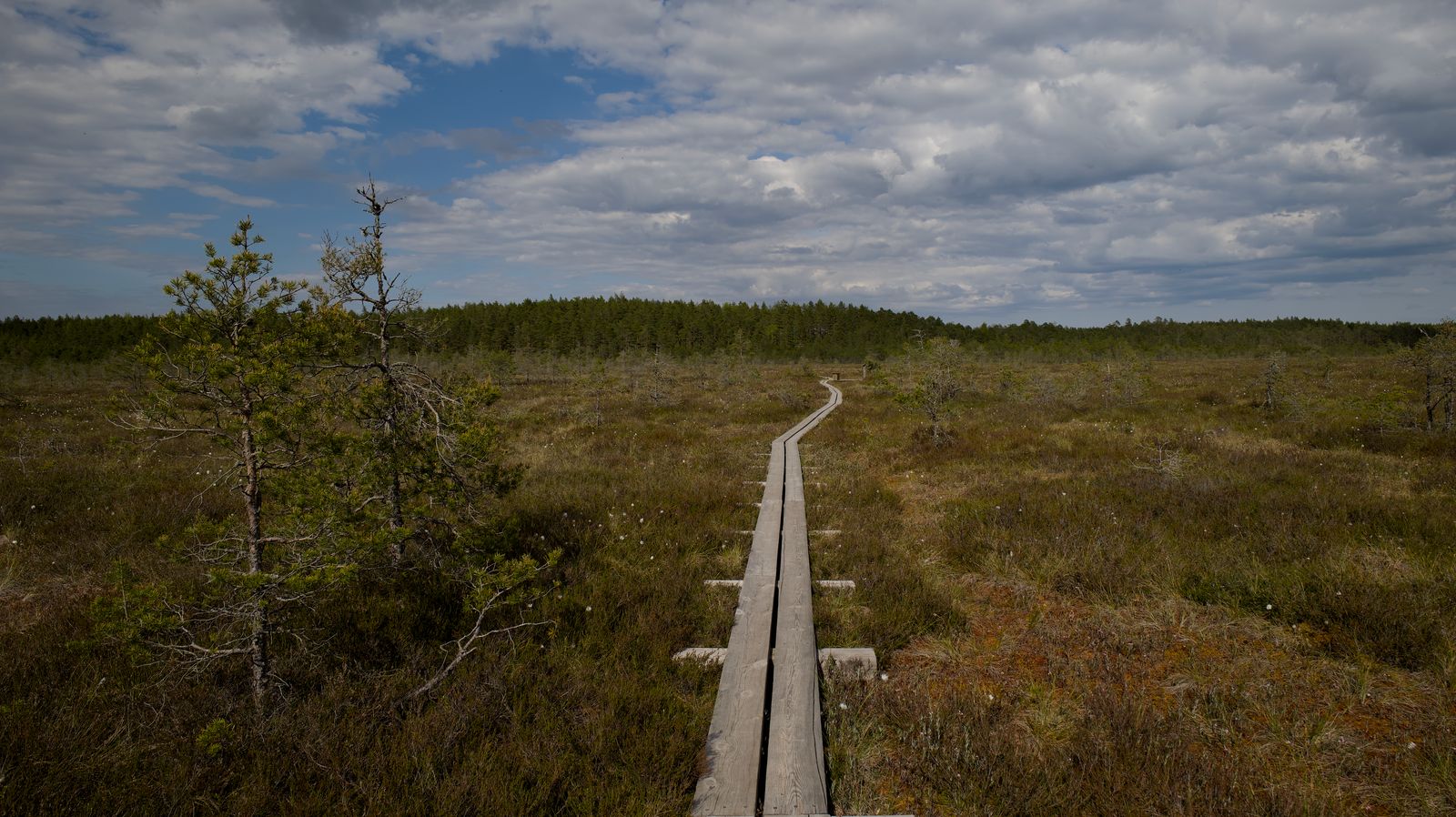
The raised bog
Wooden boardwalks lead through areas like Viru Raba and Kakerdaja, over water that took thousands of years to grow this deep. In spring the Halliste river floods the forest in Soomaa so thoroughly that the region earned its own name for it: viies aastaaeg, the fifth season. Then you don't travel on foot but by canoe between the tree trunks.
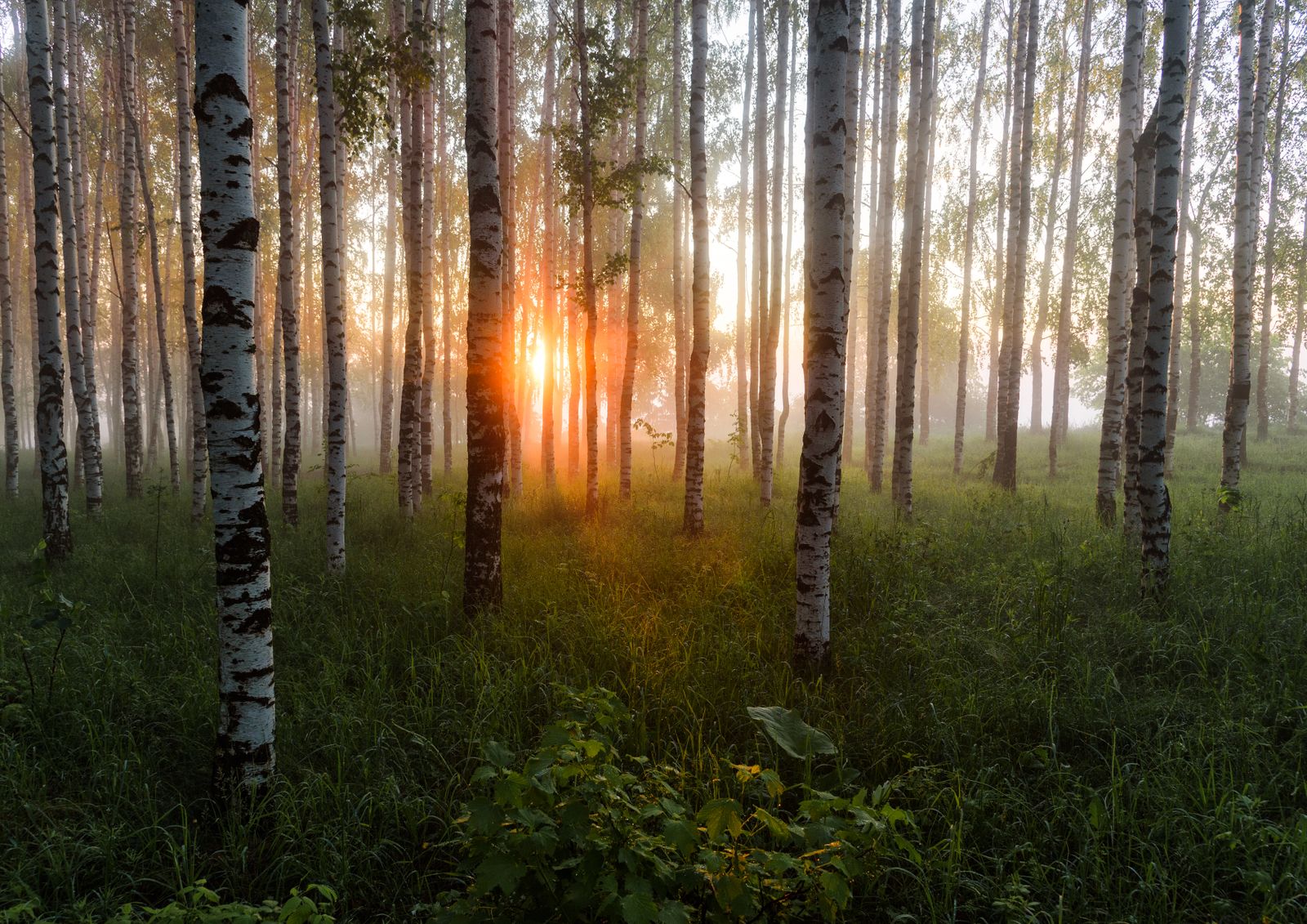
The birch forest
In Lahemaa and the forests around Alutaguse, morning mist still hangs between the trunks as the first walkers set out. Elk and lynx live here, though you rarely see them; what you do see are Estonians carrying a basket, since foraging for mushrooms and berries is less a hobby here than a seasonal habit.

The coast at low water
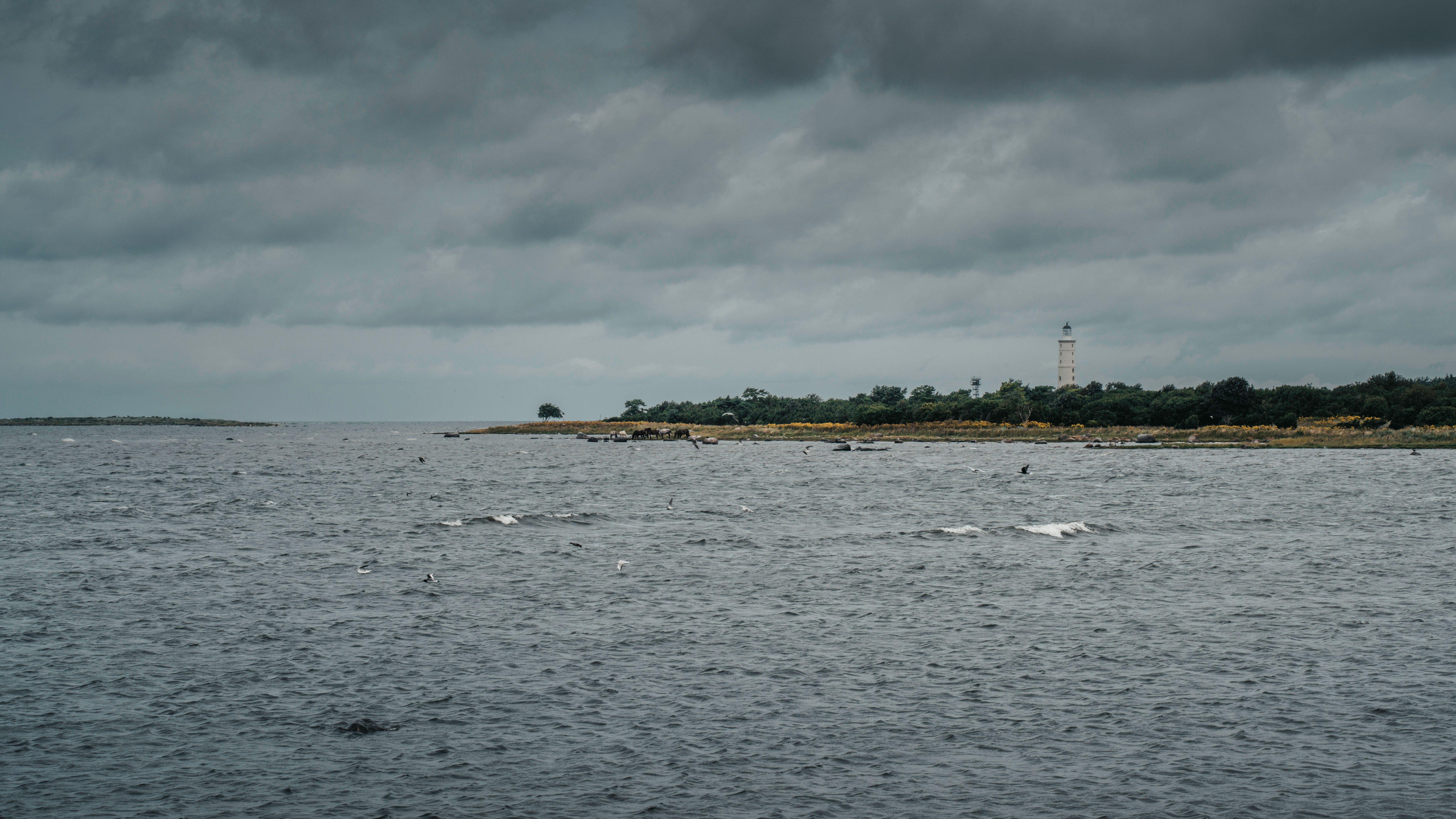
The Baltic barely has tides in the classic sense. It's the wind that pushes the water here further out or closer in, not the moon. On Saaremaa and Hiiumaa that means coastlines that shift by the hour, juniper fields reaching right up to the rocks, and lighthouses that seem to stand further from the water than any map suggests.
The regions
Six faces, no two alike
Estonia is small on the map and large enough to change shape six times over.

capital and coast
Tallinn and the northern coast
The medieval old town is where most visitors stop, which is a shame, because the city behind it is just as interesting: the wooden district of Kalamaja with its galleries, the nineteenth-century Kadriorg park, and a coastal path that gets you to the Viimsi peninsula within the hour, away from every guidebook.
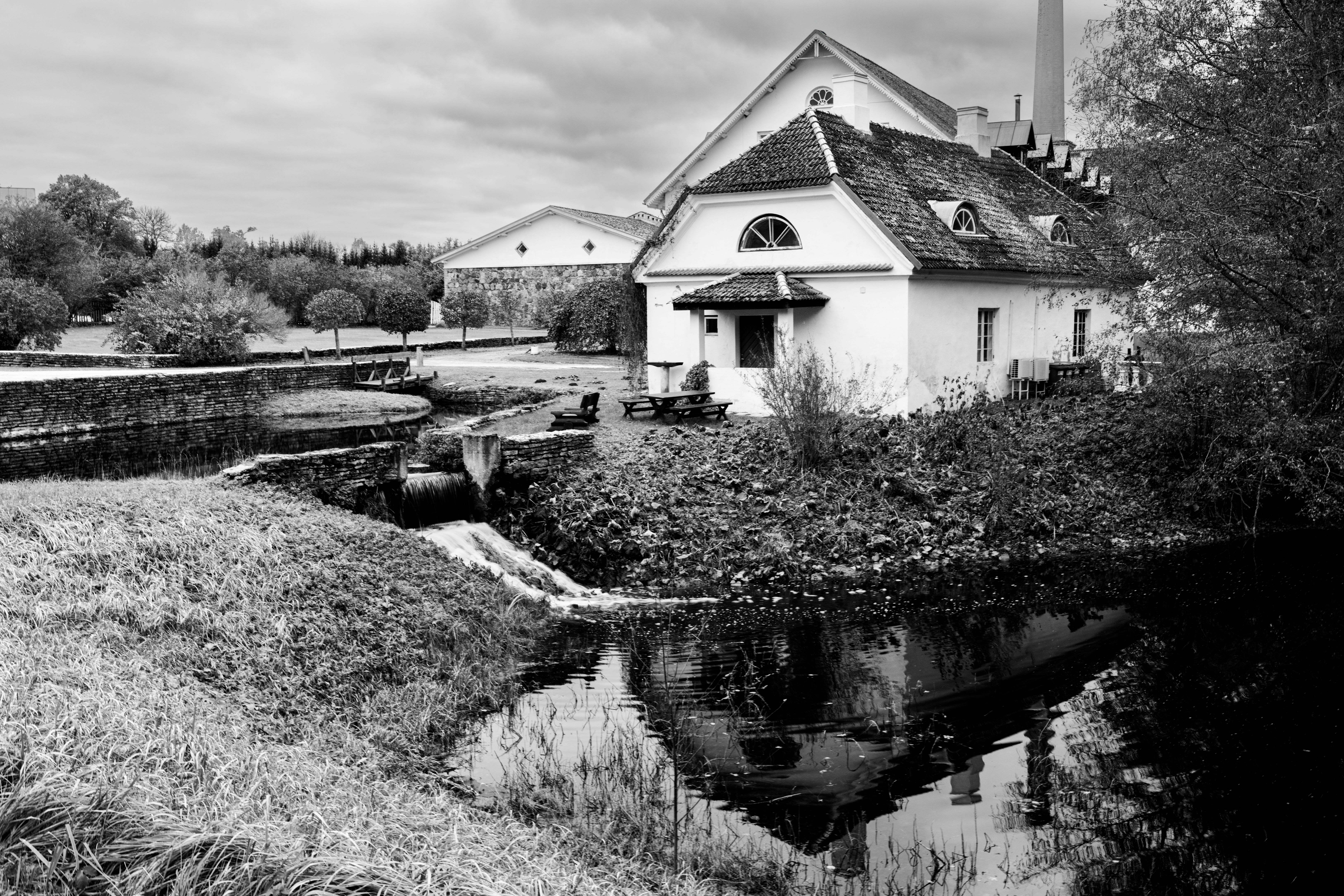
national park
Lahemaa
Less than an hour from Tallinn lies Estonia's oldest national park: coastal forest, bog and nineteenth-century manor estates such as Palmse and Sagadi, their gardens still as ordered as when the Baltic German nobility lived there.

islands
Saaremaa and Hiiumaa
Two islands running at a completely different pace to the mainland: windmills at Angla, the ring-shaped castle of Kuressaare, and a landscape of juniper and limestone found nowhere else in the country.
interior
The south and Setomaa
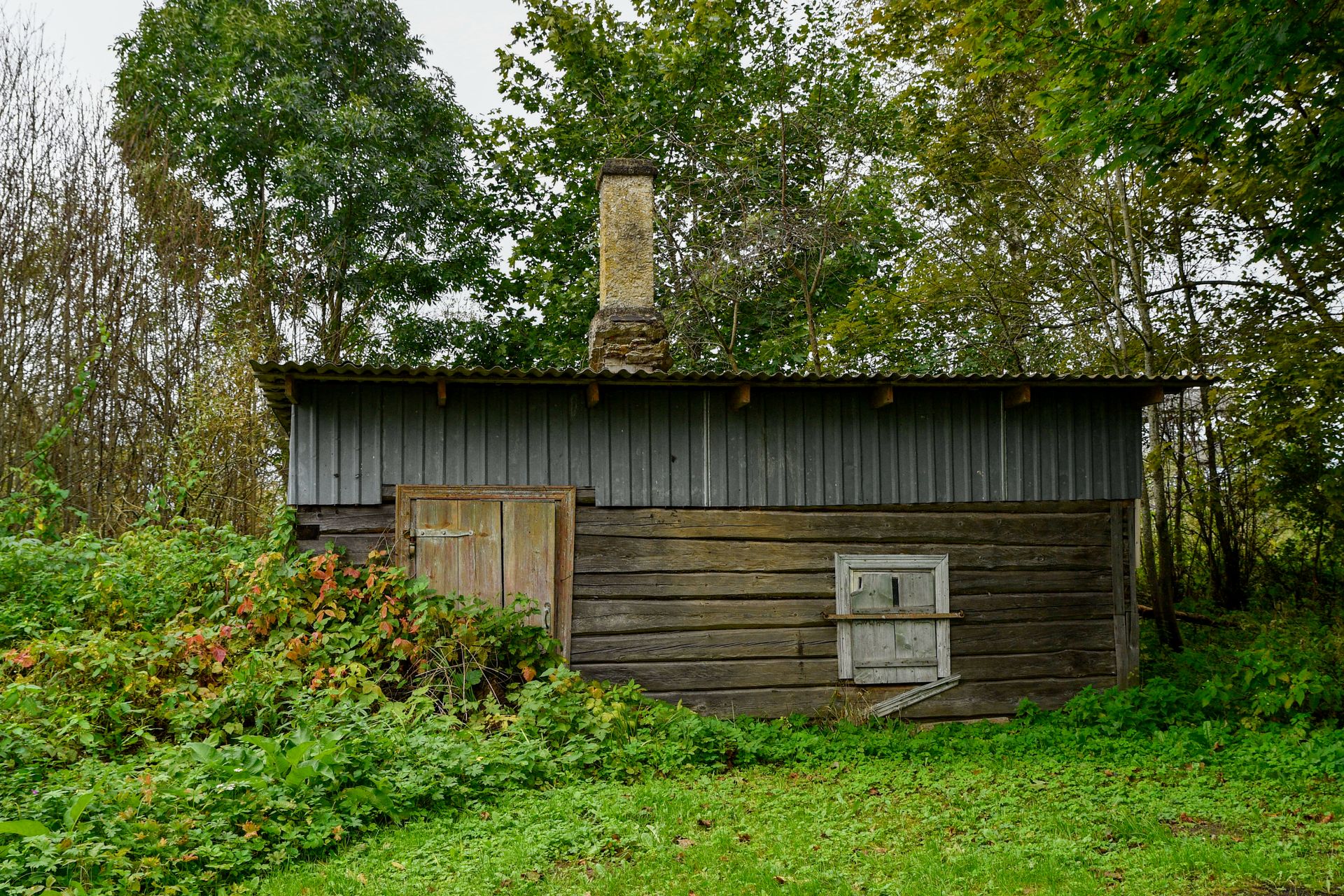
Around Võru and Setomaa the land turns hillier and more personal. Here the smoky sauna still stands in the yards of ordinary families, and in Setomaa people sing leelo, a polyphonic singing tradition recognised by Unesco, in a language spoken nowhere else.

university town
Tartu
Estonia's second city feels more Estonian than Tallinn: a university founded in 1632, a river where students race on rafts each June, and a humour that shows up in statues like the kissing students on the town hall square.
border lake
Lake Peipus
On the eastern border lies a lake so large you can't see the far shore. Along the western bank live Old Believers who fled here after a schism in the Russian church, in villages with onion-domed wooden churches and onion fields: a different Estonia to the digital one.

Digital and quiet
A country that takes its stillness as seriously as its fibre-optic cable
Estonia handles almost everything online: tax returns filed in minutes, a digital ID card system since 2002, and the birthplace of Skype. The country wears the nickname e-Estonia with pride, and rightly so. No other EU country has automated its government so thoroughly. But anyone who assumes that makes for a rushed, technology-driven culture is mistaken.
That same population gathers by the hundreds of thousands every five years at Tallinn's Song Festival Grounds to sing for hours on end, a tradition that helped win back independence in 1988 without a single shot fired. And in the south, the suitsusaun still exists: a smoky sauna without a chimney, heated with wood, where washing is a day-long ritual involving viht bundles of birch branches. Unesco recognised the tradition in 2014. Both, the digital and the smoky, are equally Estonia.
Looking past the highlights
Why we look at Estonia differently
Beyond the old town Most visitors see Tallinn in a weekend and call that Estonia. We build further, towards the islands, the south and Lake Peipus, where the country truly shows itself.
The fifth season Soomaa's flooded forest in April lasts only a few weeks a year and is rarely included in a standard route. We plan around it deliberately, because it isn't a curiosity, it's the essence of the region.
Sauna as ritual, not spa A suitsusaun with a local family in Võrumaa is not a wellness outing but a social tradition with its own rules and pace. We introduce you to people who live it that way, not a tourist version of it.
Room for nothing Estonia rewards those who leave time spare: a morning with no plan on a boardwalk, an evening with no plan in Tartu. We build breathing room into a route by design, not a packed schedule.

Soomaa during the fifth season: for three weeks the forest becomes a lake, and the only way forward is by canoe.
Possibilities
What a trip through Estonia can include
No fixed programme: a selection of experiences that show how wide-ranging this country is.

Canoeing among the trees
Paddling through Soomaa's flooded forest during the fifth season, when the water sits higher than the banks.

Experiencing a suitsusaun
An evening with a local family in Võrumaa, with the smoky sauna, the viht of birch branches and the silence that comes with it.
Following the bird migration
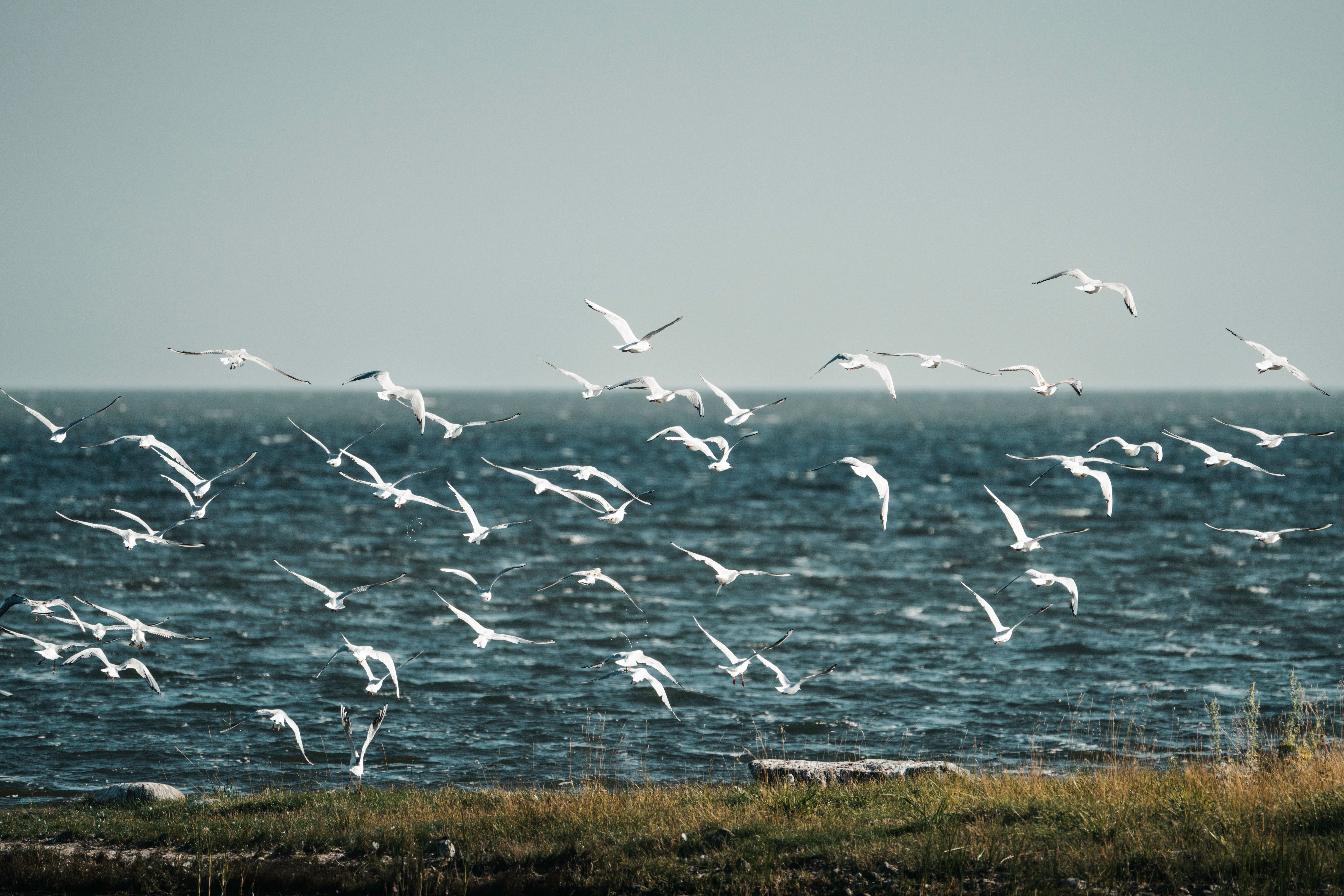
Along Matsalu and the west coast of Hiiumaa, hundreds of thousands of migrating birds touch down each spring and autumn, from cranes to white-tailed eagles.
Cycling on Saaremaa
Quiet roads past juniper fields, limestone villages and lighthouses that look further from the coast than they actually are.

An evening in Tartu
Between seventeenth-century lecture halls and cafés where the debate never stops, this feels like the intellectual capital it has been for centuries.

Walking at sunrise
Setting out early on the boardwalks of Viru Raba or Kakerdaja, before the mist lifts and the first other walker appears.
Each of these moments can find a place in a route that goes beyond Tallinn alone.
When would you travel?
When to travel to Estonia
Spring brings light and the fifth season: from April to early May, part of Soomaa lies underwater and a canoe is the only way forward. Summer, from June to August, brings the longest days in Europe. Around the solstice it barely gets dark, and midsummer (Jaanipäev) is celebrated everywhere with fire. September and October are the time for bird migration and autumn colour, and winter, from December to February, is short on light but long on stillness: snow, frozen-solid lakes and, occasionally, a glow of northern lights in the north.
Jan
Feb
Mar
Apr
May
Jun
Jul
Aug
Sep
Oct
Nov
Dec
Top: long days, the fifth season or bird migration at its peak.
Good: quieter, with its own character, snow, thaw or autumn colour.
Fair: short on light, suited to those who don't mind stillness and darkness.

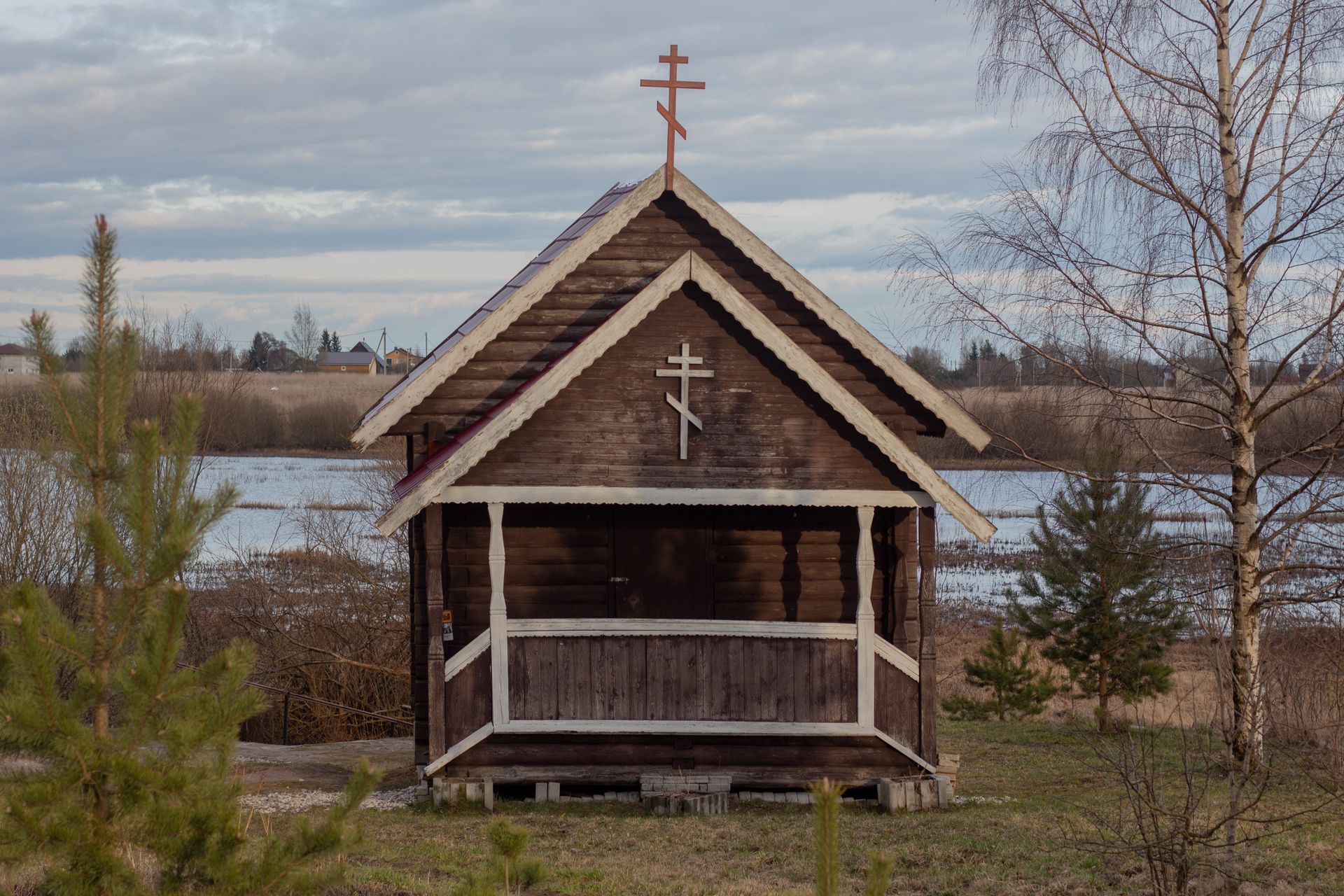
Between Tartu's lecture halls and the onion fields along Lake Peipus lies another Estonia than the digital one.
Worth knowing
Practical, without the noise.
A few things that make planning easier.
- Getting there
- There are no direct flights from Belgium; you'll usually travel via Riga, Helsinki or Amsterdam to Tallinn.
- Documents
- Estonia is an EU and Schengen country; a valid identity card or passport is sufficient.
- Language
- Estonian is Finno-Ugric, unrelated to the Latvian or Lithuanian spoken in neighbouring countries; English is widely understood, Russian mainly in the east.
- Pace
- Distances look short on the map but take longer than expected. Roads are good but narrow, and the islands require a ferry with its own timetable.
- Health
- No special vaccinations required; tap water is safe to drink everywhere.
Estonia doesn't show itself.
It lets itself be found, at the end of a boardwalk.
Frequently asked questions
Do you combine Estonia with the other Baltic states?
You can, but you don't have to. Estonian is Finno-Ugric and has little in common with the Latvian or Lithuanian of its neighbours. Culturally, Estonia feels closer to Finland than to the rest of the Baltic region. We treat it just as readily as a destination in its own right.
How cold is the Estonian winter, really?
Expect -5 to -10 degrees, with colder spells, and under seven hours of daylight in December. Anyone unfazed by that gets a landscape of frozen lakes, snow and occasionally the northern lights in return.
Does everyone speak English?
The younger generation does, widely and well. In the countryside and among older Estonians it can be less common, and in the east, towards Narva, you'll hear as much Russian as Estonian.
Can I drive a route myself or do I need a local?
The roads and signage are perfectly manageable on your own. For a suitsusaun with a family or an introduction to Setomaa, a local contact does help, since these aren't tourist attractions with fixed opening hours but traditions that call for an invitation.
Or perhaps this
Other destinations
Still weighing it up? That is no problem at all. The right country often only becomes clear once the conversation starts.
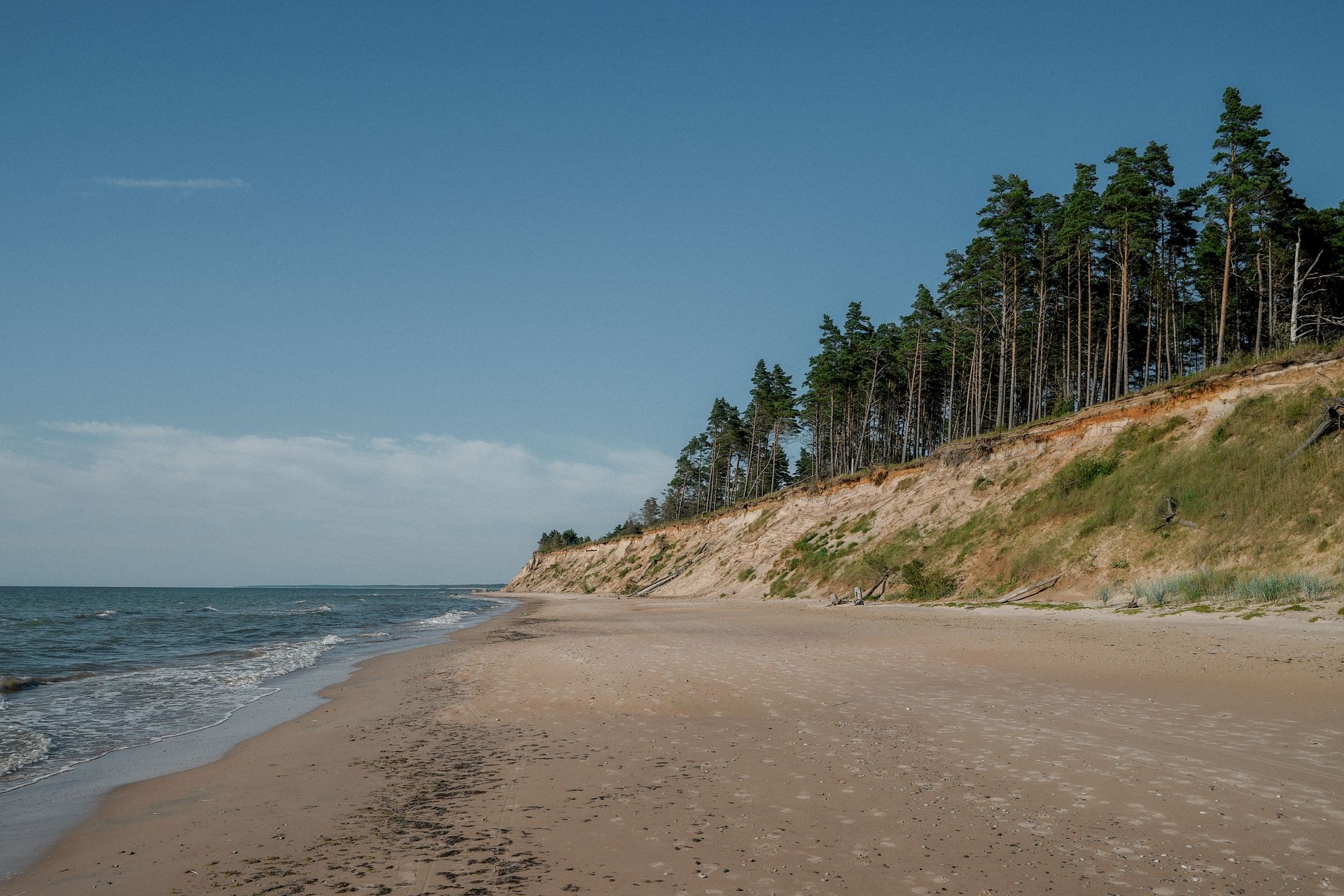
Baltic states
Latvia
Woodlands, coastal dunes and an architecture that refuses a single style, in a country that quietly goes its own way.
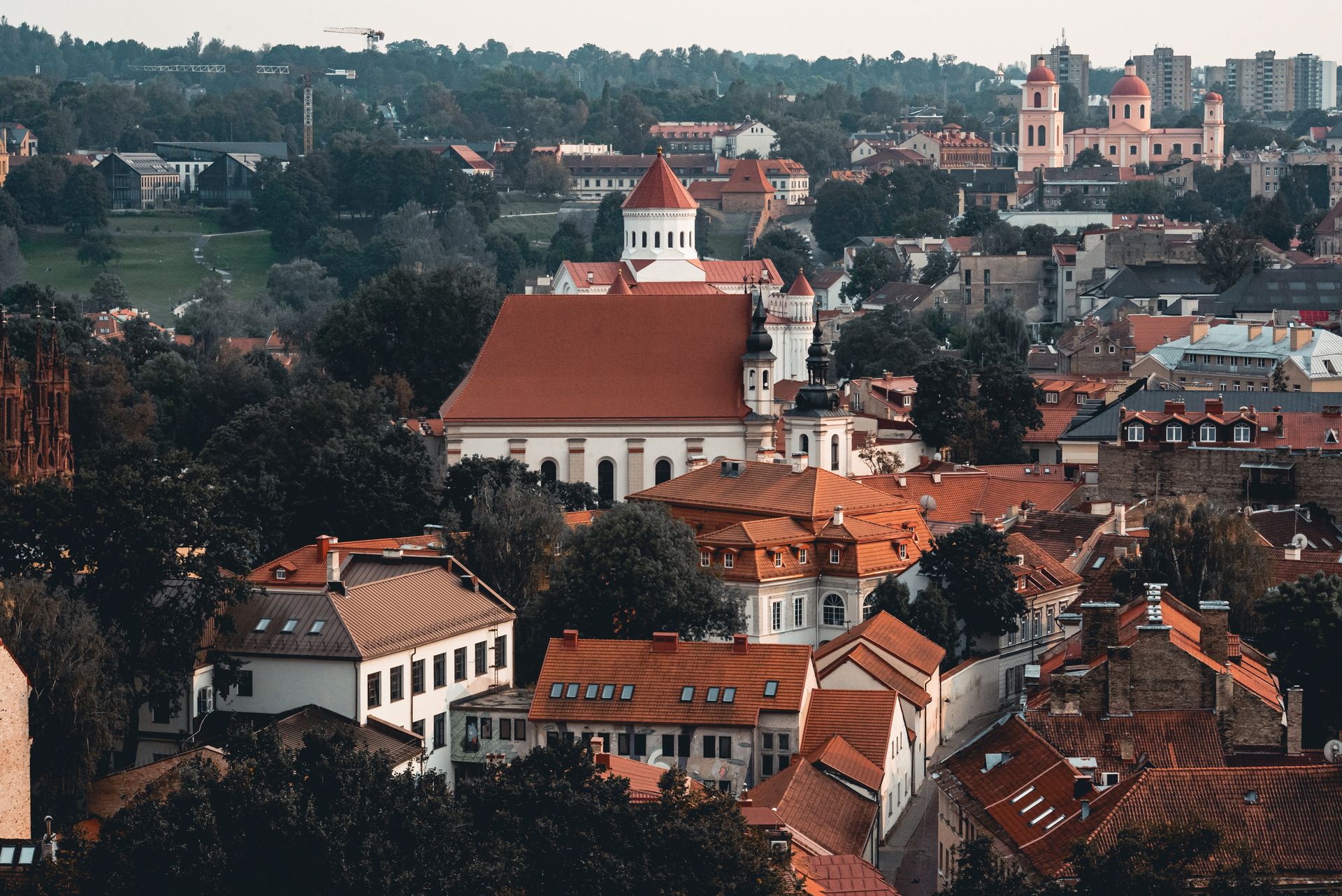
Baltic states
Lithuania
Lakes, forests and a baroque old town that feels surprisingly southern for a Baltic capital.
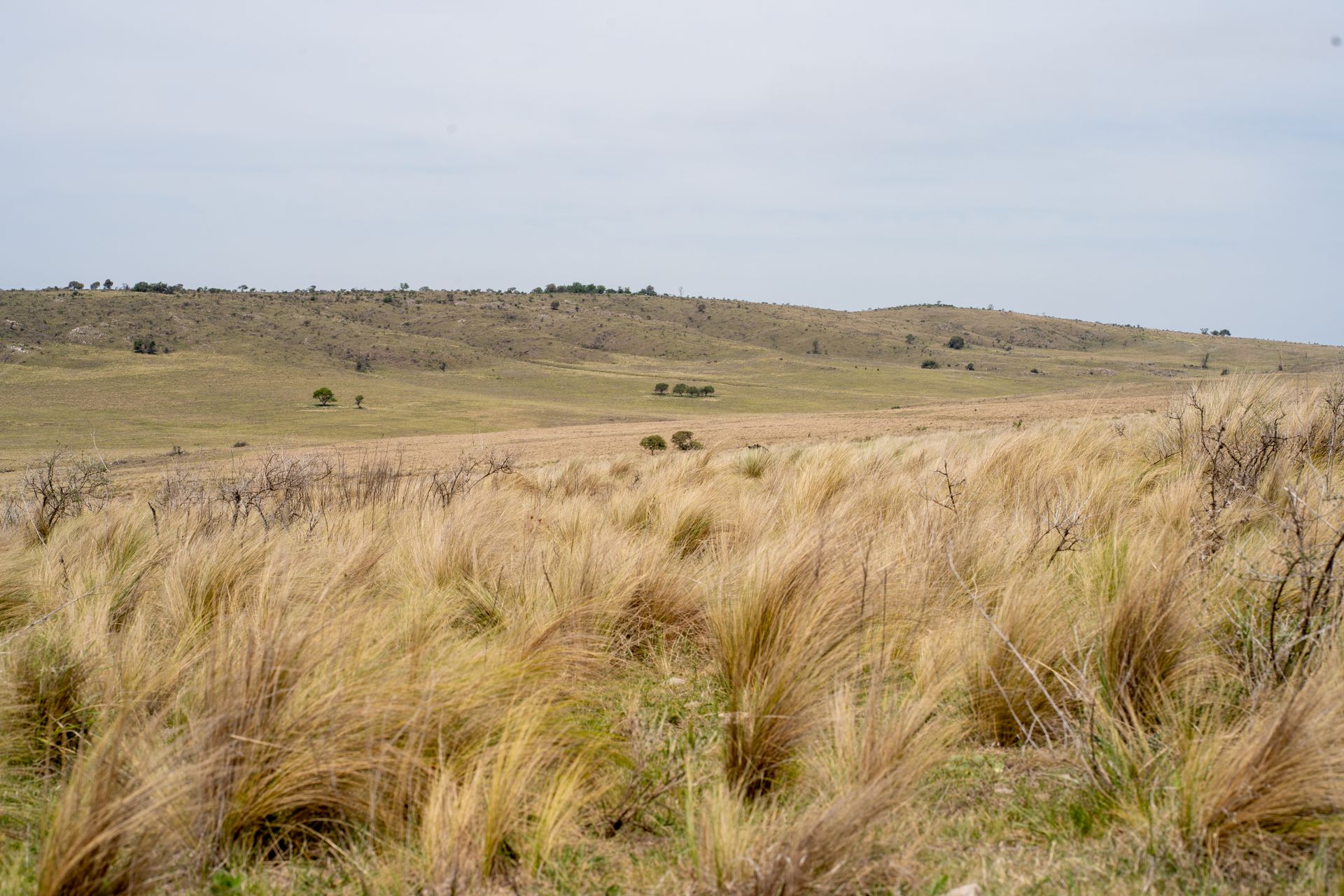
Southern South America
Uruguay
Flat, green and rarely loud, a country that prefers quiet over the spectacle of its neighbours.
How it works
This is how your journey to Estonia takes shape.
Six steps, from your first story to your homecoming. The conversation and the feasibility check cost you nothing.
-
01
Tell us your story
Fill in the form or give us a call. You do not need a route yet: a country, a period or just an idea is enough.
-
02
The conversation and the check
We talk through what you are looking for, by phone or by video, and check whether it can be done. If it can, we set down together what we will make for you.
-
03
We design your journey
We build your programme up, day by day, together with our own people in the country itself.
-
04
Your proposal
You read your journey day by day, with everything that is included. You say what you would like differently, until it is right.
-
05
Ready to depart
You send us your details, we send you your travel documents. You have one fixed contact who knows your journey.
-
06
Travelling, and after
Your contact stays reachable while you are away. Once you are home, we call one more time.

The next step
How would you like to experience Estonia?
Tell us whether you dream of stillness on a boardwalk, a smoky sauna in the south, or days among the islands. We build a route around what suits you, no fixed programme, no group.