Baltic states
Latvia
A country that quietly goes its own way.
This is Latvia
Forests, coastal dunes and an architecture that refuses to be pinned to one style: a country that quietly goes its own way.
Not a capital-in-a-weekend. A country with a pace of its own.
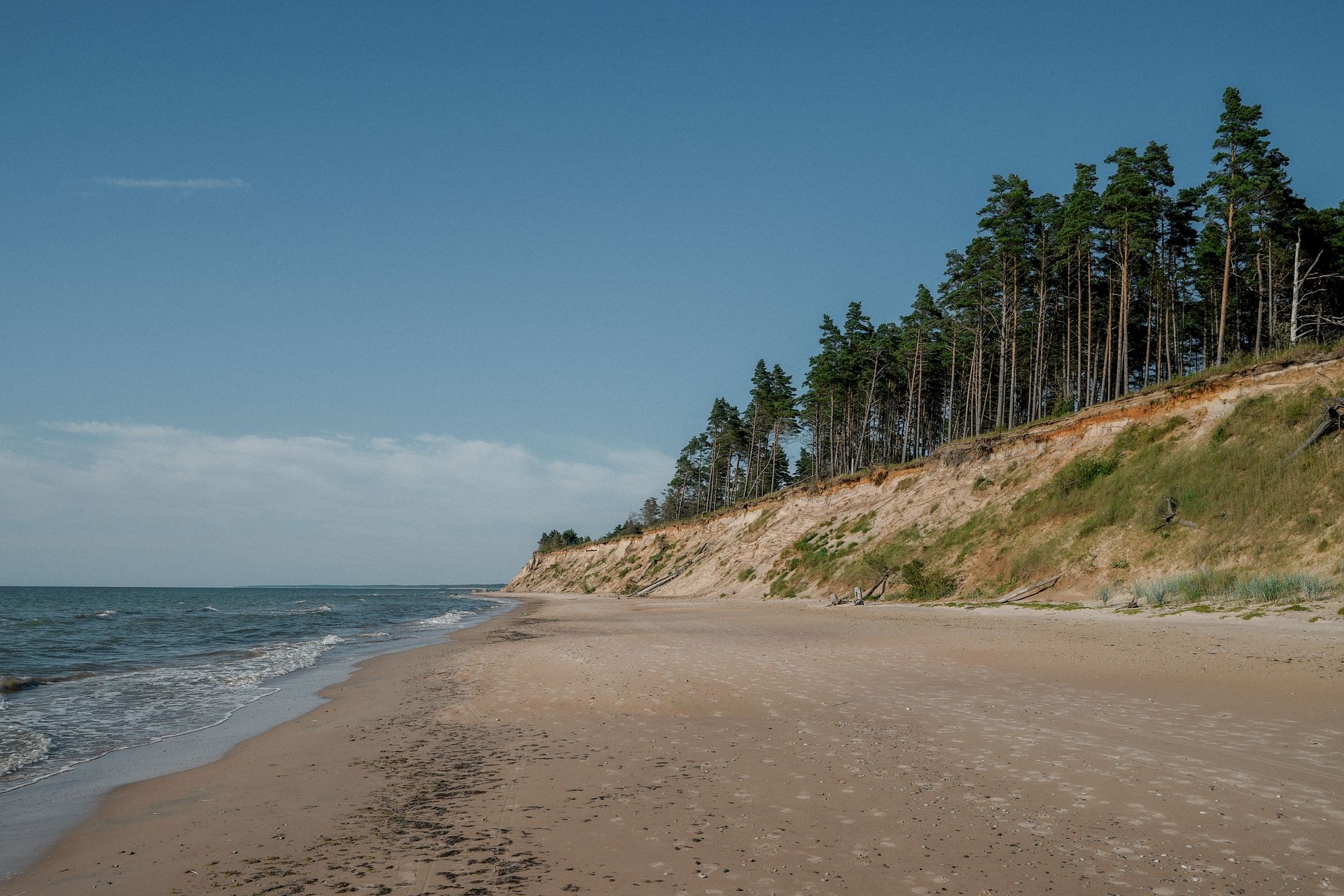
More than half of Latvia is forest: Scots pine, birch and alder, with peat bogs in between where the ground gives softly beneath your feet. The coast, almost five hundred kilometres of it, alternates between white dunes, fishing villages and quiet stretches where you can walk for an hour without meeting a soul.
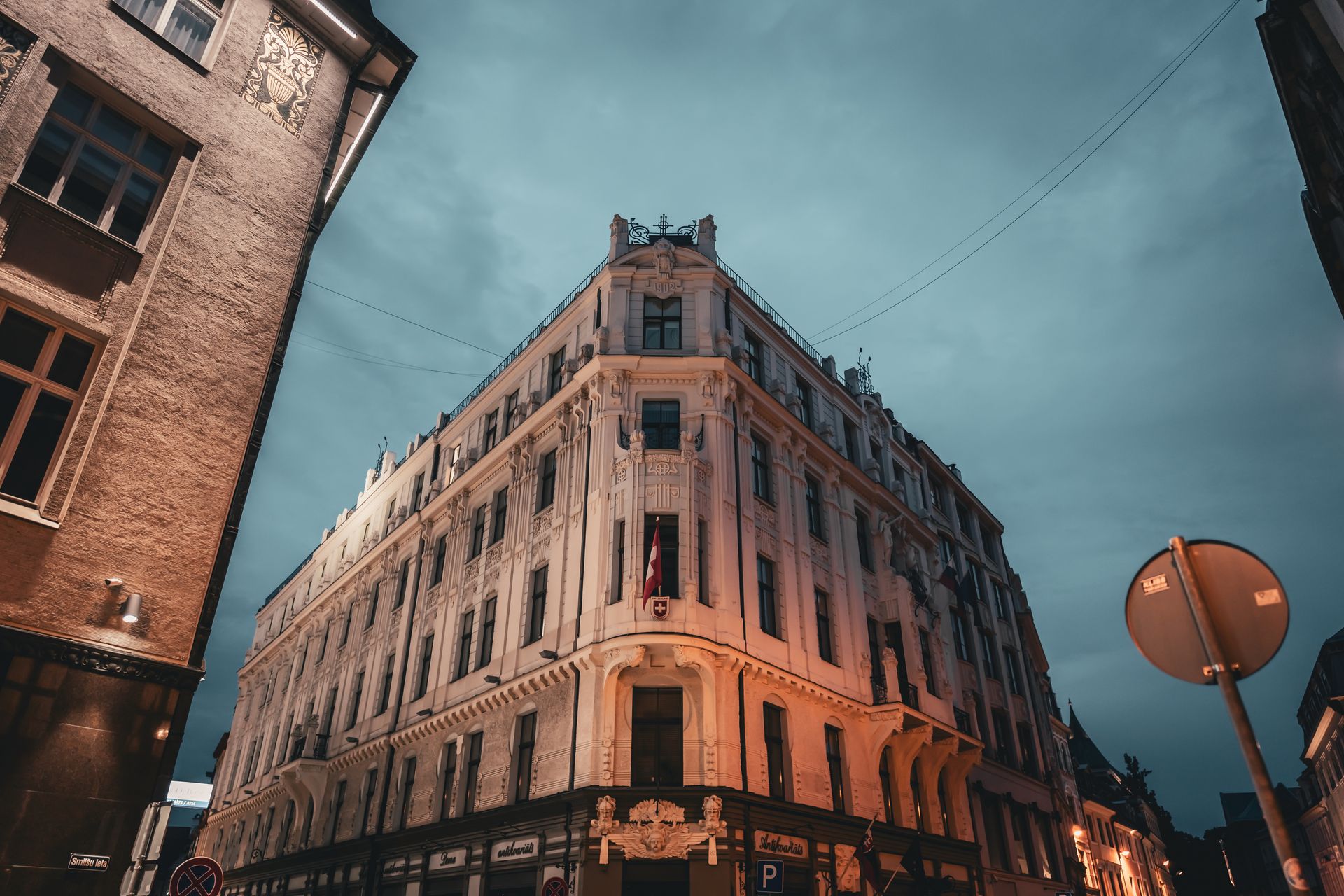
And then there's Riga: the largest collection of Art Nouveau facades in Europe, street after street, next to wooden working-class districts that were never tidied up for tourists. Beyond the capital, the country slows down of its own accord. Latvia doesn't push itself forward, it waits for you to take the time.
The city
Riga has two faces, and the second one is the more interesting.
Alberta iela and Elizabetes iela form the backdrop Riga is known for: facades covered in masks, floral motifs and asymmetrical balconies, designed in under twenty years around 1900. It's dense, it's overwhelming, and it's only a fraction of the city.
Across the Daugava lies Āgenskalns, a district of nineteenth-century wooden houses that were never smartened up for a guidebook. Nearby, stallholders in the Centrāltirgus, five former Zeppelin hangars, sell smoked fish and soured cream as if nothing has changed since the 1930s.
The regions
Four regions, four different paces
Latvia is small on the map, but Kurzeme doesn't feel like Latgale, and neither feels like Riga.

Capital, at the mouth of the Daugava
Riga
Art Nouveau, wooden districts and an old town all sitting close together, yet each keeping its own rhythm.

West coast, between the Baltic Sea and the Gulf of Riga
Kurzeme
Fishing villages like Pāvilosta and Ventspils, miles of dune, and amber that simply washes up on the beach after a storm.

Gauja valley, east of Riga
Vidzeme
Sandstone cliffs, castles on hilltops and the Gauja winding slowly through the national park.
Lake country in the east, on the border with Russia
Latgale
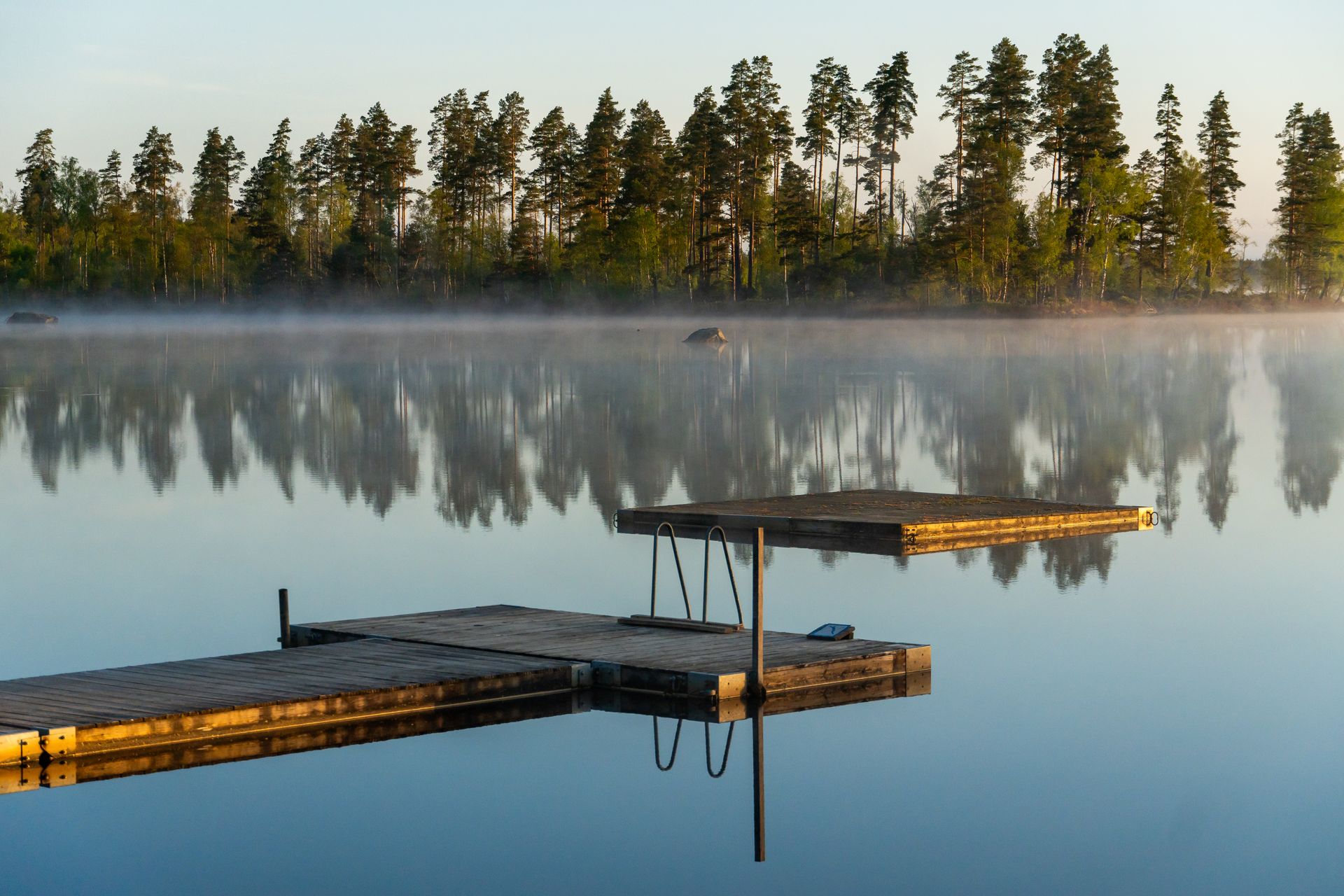
The poorest and slowest part of the country, with hundreds of lakes, a Catholic pilgrimage culture and pottery villages that have worked the same clay for generations.
Nature
Three landscapes, three kinds of silence
The forest
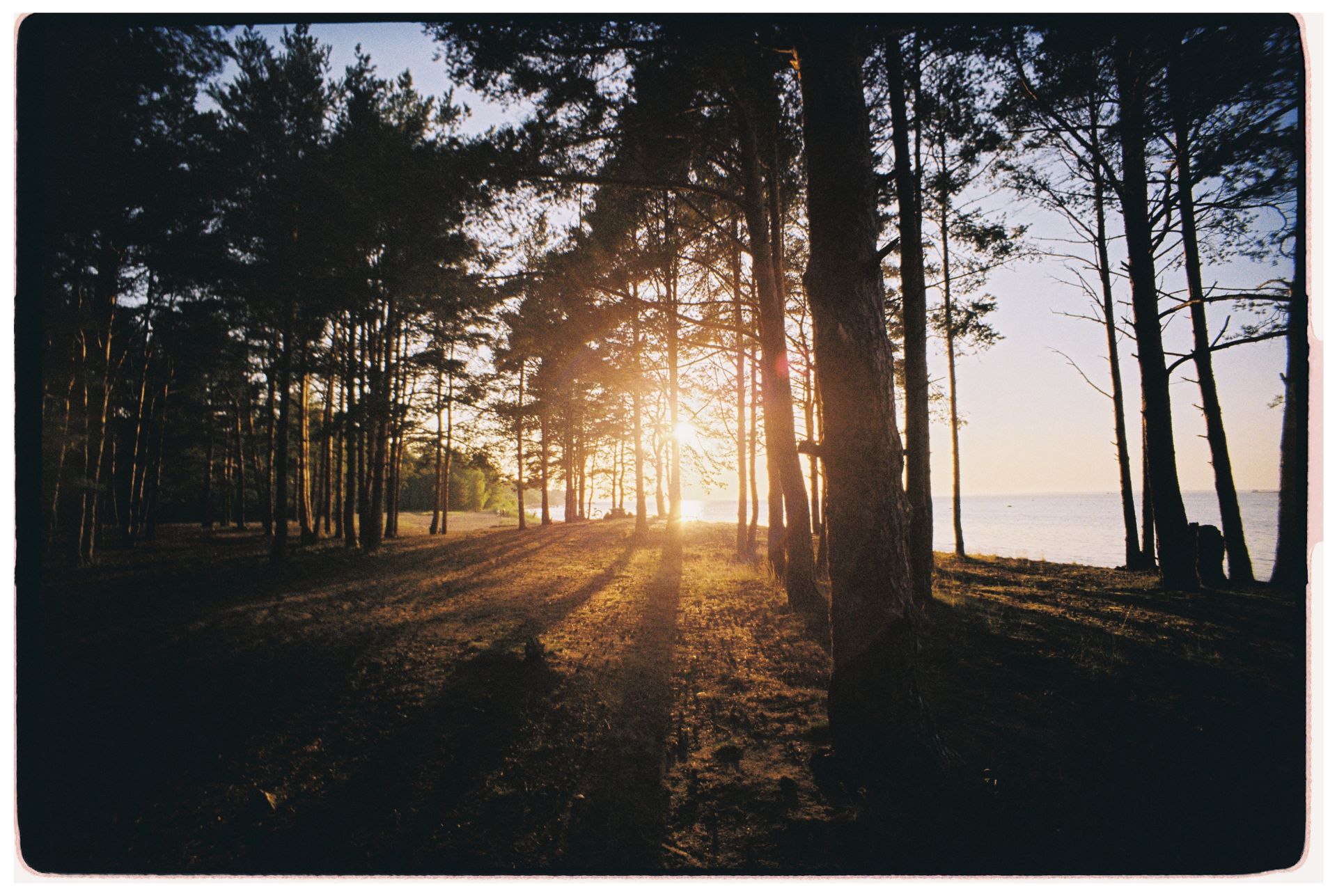
Wolves, lynx and elk live here, though rarely seen. The forest exists mainly for Latvians themselves, who forage for mushrooms and berries in season as a fixed yearly habit, not a tourist activity.

The bog
Ķemeri, with its wooden boardwalks over thousands-of-years-old peat, is early in the morning about the quietest spot left to find in Europe.
The coast
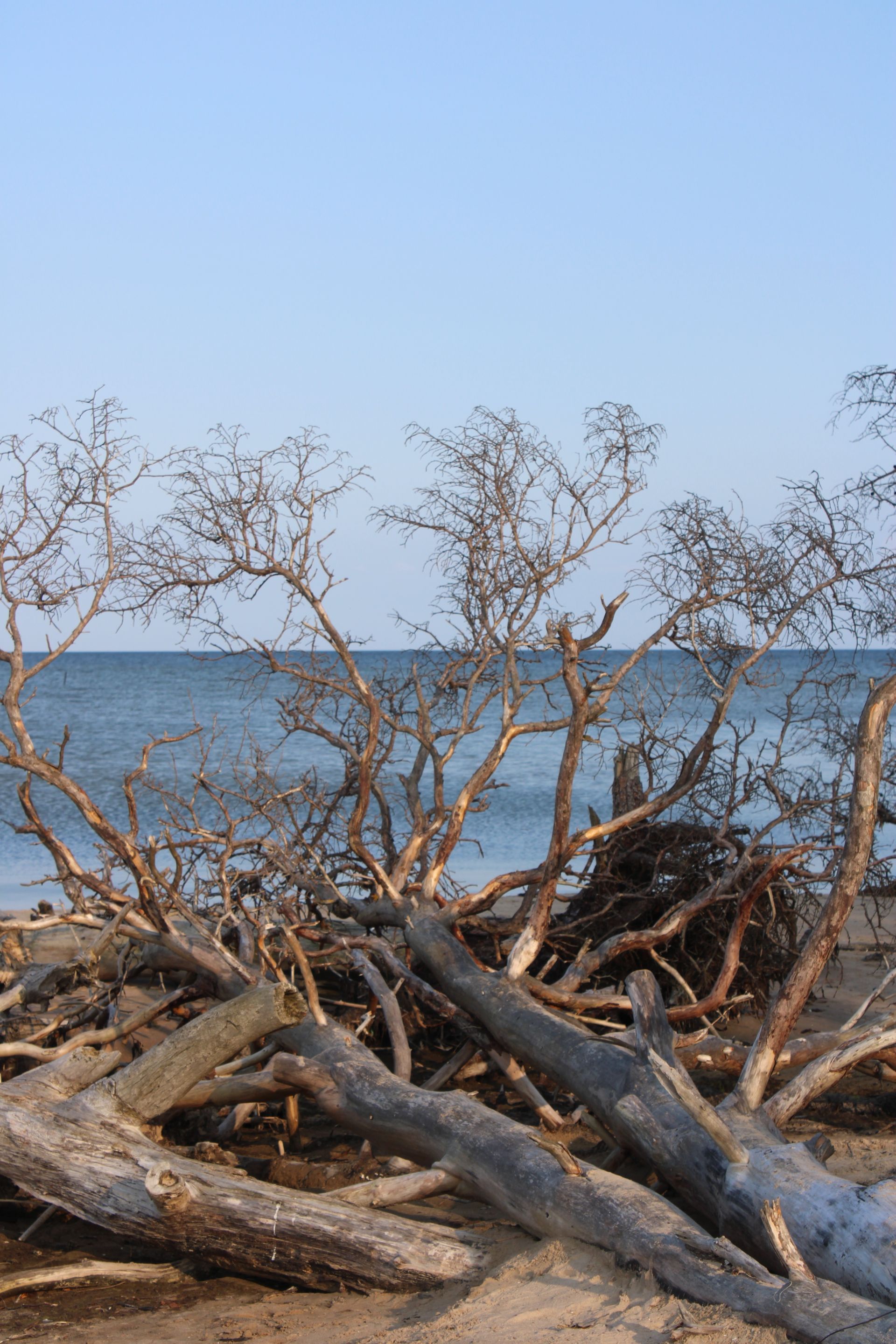
At Kolkasrags, the Baltic Sea and the Gulf of Riga visibly collide: two currents, one cape, and nothing beyond it but dune.
Looking past the highlights
Why we don't treat Latvia as a weekend destination
Riga is a starting point, not a destination in itself. Move on after two days and you've seen exactly half of what the country offers. The rest lies beyond the ring road.
The forest keeps its own calendar. Mushrooms in September, cranberries in October: Latvians plan their weekend around what's growing, not the other way round.
Pirts is not a spa treatment. The traditional sauna with birch branches is led by a host, not a menu card. It's a ritual, not a product.
Stillness is the offer, not the absence of one. With one of the lowest population densities in the EU, the lack of crowds here is not a coincidence but a defining feature.
Things to do
Possibilities, not a fixed programme
What you do in Latvia depends on the season and on who you meet along the way. These are starting points, not a checklist.

Canoeing on the Gauja
Multi-day trips through the country's oldest national park, between sandstone cliffs and overhanging forest.

Foraging for mushrooms and berries
Into the forest with a local host, at the exact moment Latvians themselves are out there too.

Pirts with a local family
A sauna ritual going back generations, shared with hospitality rather than sold as a product.
Amber hunting after a storm
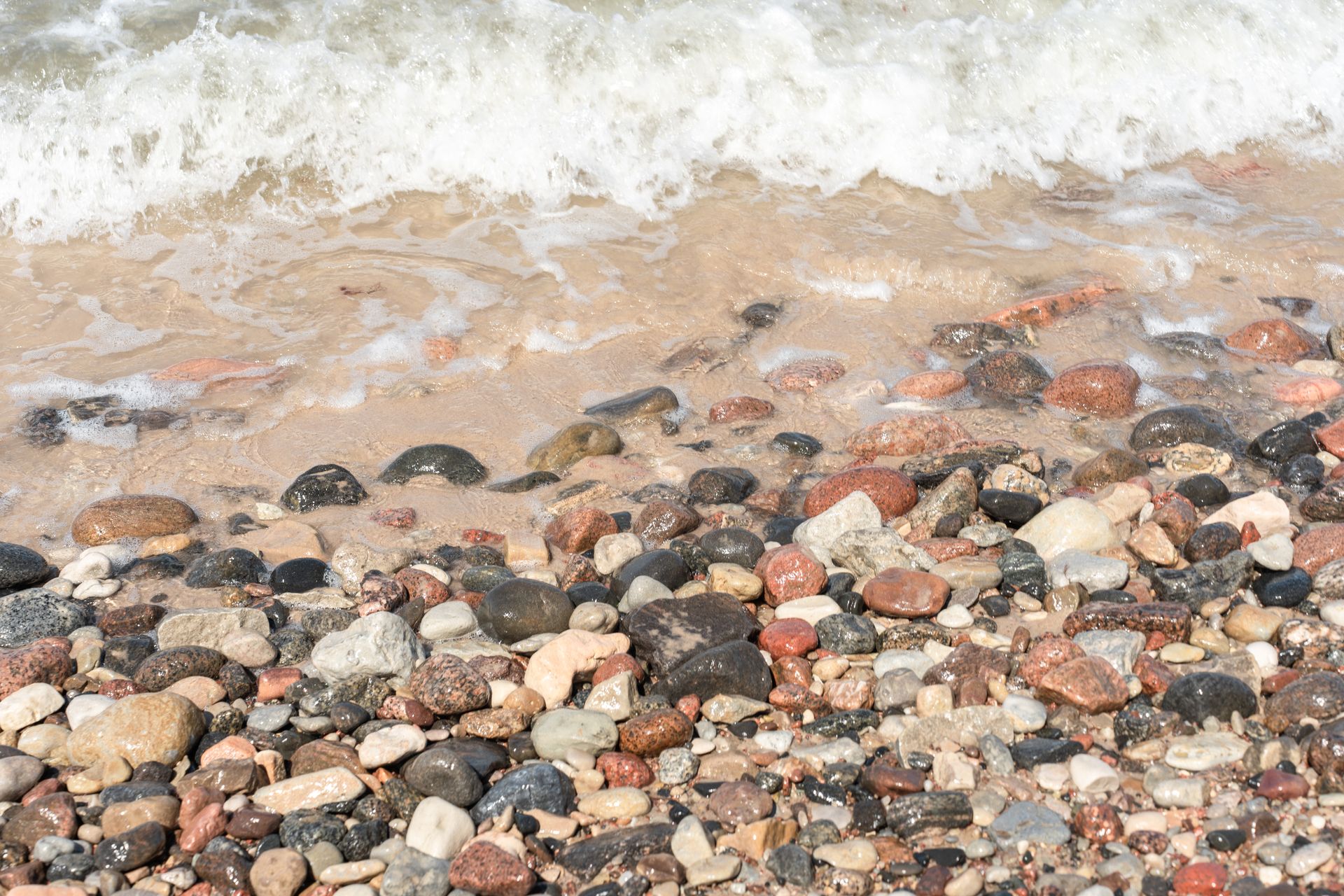
On the Kurzeme coast, a north-westerly wind literally washes it ashore: a morning walk with a different kind of catch.

Visiting potters in Latgale
Villages where the same families have thrown the same clay for generations, far from any tourist circuit.
What we choose together depends on what you're looking for, not on what's standard on a route.
At the table
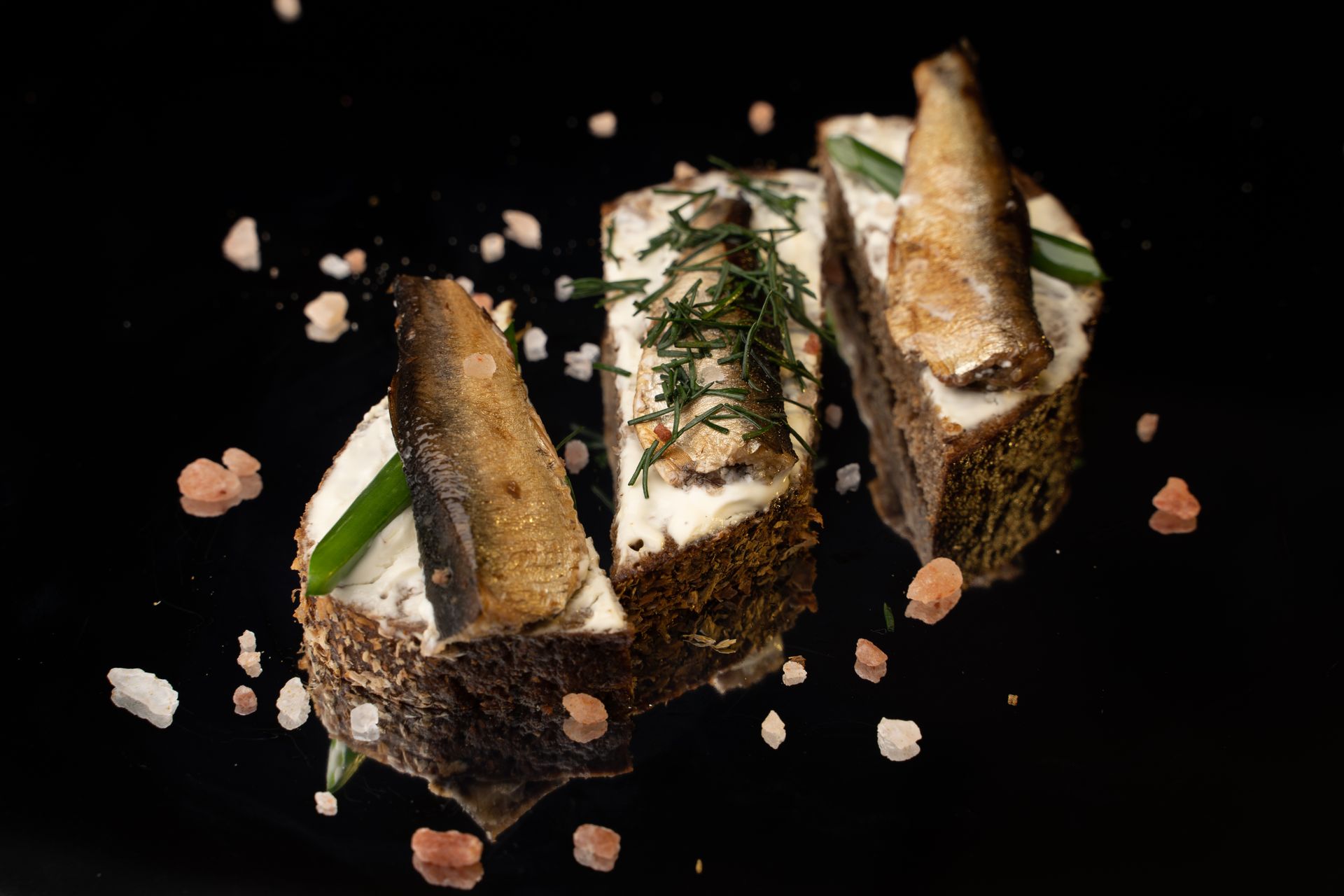
Rye bread is no side dish here.
Rupjmaize, the dark sourdough rye bread, is close to a national symbol. Throwing it away is still considered inappropriate among older generations. On the Kurzeme coast you'll find sklandrausis, a savoury rye, carrot and potato tart that has followed exactly the same recipe for centuries.
Beyond that, the cuisine is one of smoked fish, soured dairy and whatever the forest happened to give that week. No chef reinventing it. More a family that simply already had it right.

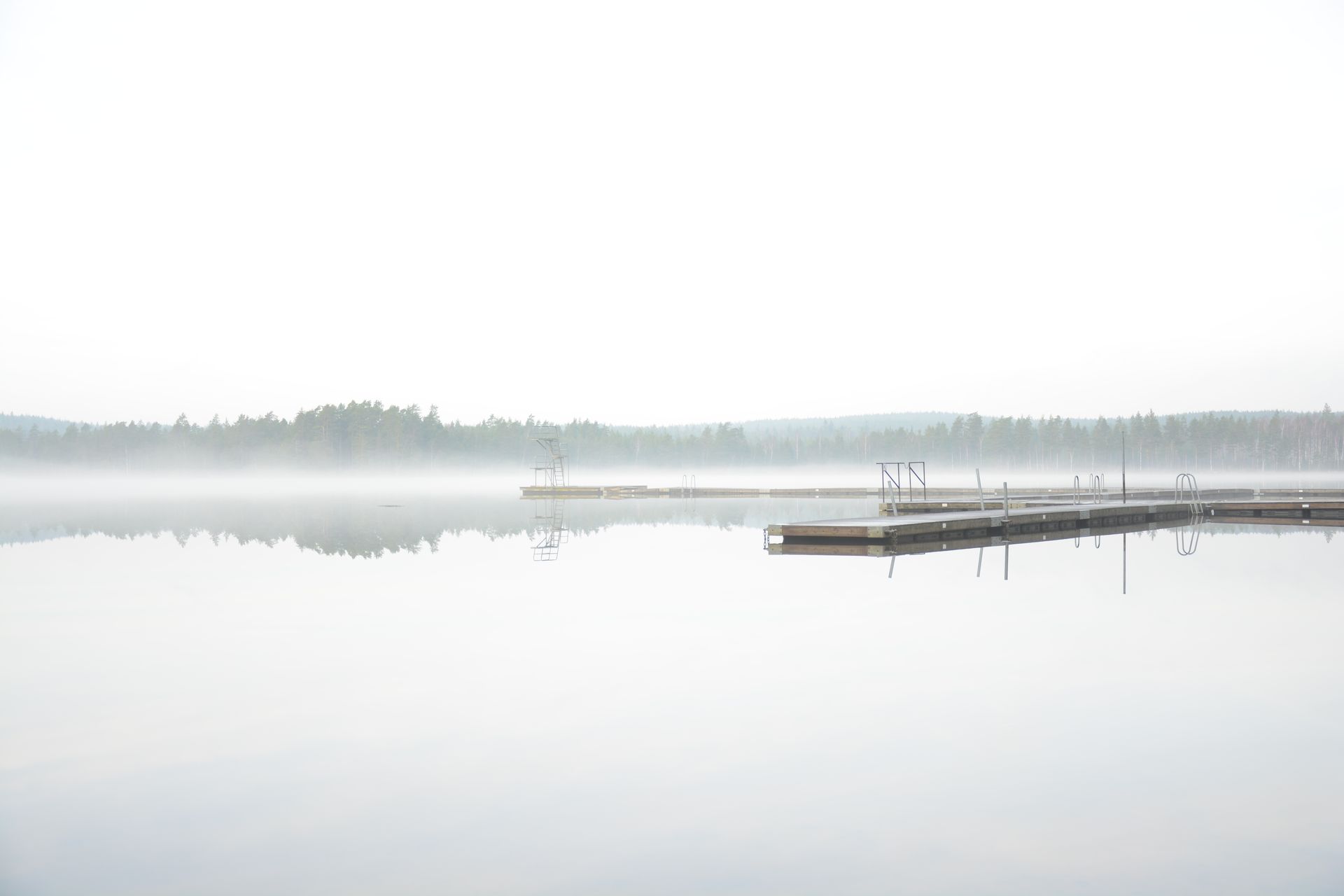
A country that doesn't sell its stillness. It shares it.
When would you travel?
When to go to Latvia
In June there's almost eighteen hours of daylight, and around the summer solstice the whole country celebrates Jāņi: Midsummer with bonfires, flower wreaths and singing into the small hours. Anyone who'd rather walk and forage than celebrate chooses September: dry, golden light, and the forest full of mushrooms and cranberries.
December and January give only about six hours of daylight, but anyone open to that finds a snow-covered forest that's even quieter than usual.
Jan
Feb
Mar
Apr
May
Jun
Jul
Aug
Sep
Oct
Nov
Dec
Top: long summer days, or the golden autumn with a forest full to forage.
Good: quieter, milder temperatures, fewer people on the same paths.
Fair: short days and cold. Anyone who likes that often has the forest entirely to themselves.
Worth knowing
Practical, without the noise.
Practical, without the fuss.
- Getting there
- Direct flight from Brussels to Riga; from there the country can be crossed by car in a few hours.
- Documents
- Latvia is an EU and Schengen country: a valid ID card is enough.
- Language
- English is spoken well in Riga and among the younger generation, less so in rural areas. A local host bridges that gap.
- Health
- No vaccinations required, tap water is safe to drink.
- Pace
- Distances are short, but many roads are secondary. In the countryside, allow more time than the map suggests.
Latvia doesn't show itself in a weekend.
It opens, layer by layer, to whoever stays.
Or perhaps this
Other destinations
Still weighing it up? That is no problem at all. The right country often only becomes clear once the conversation starts.
Baltic states
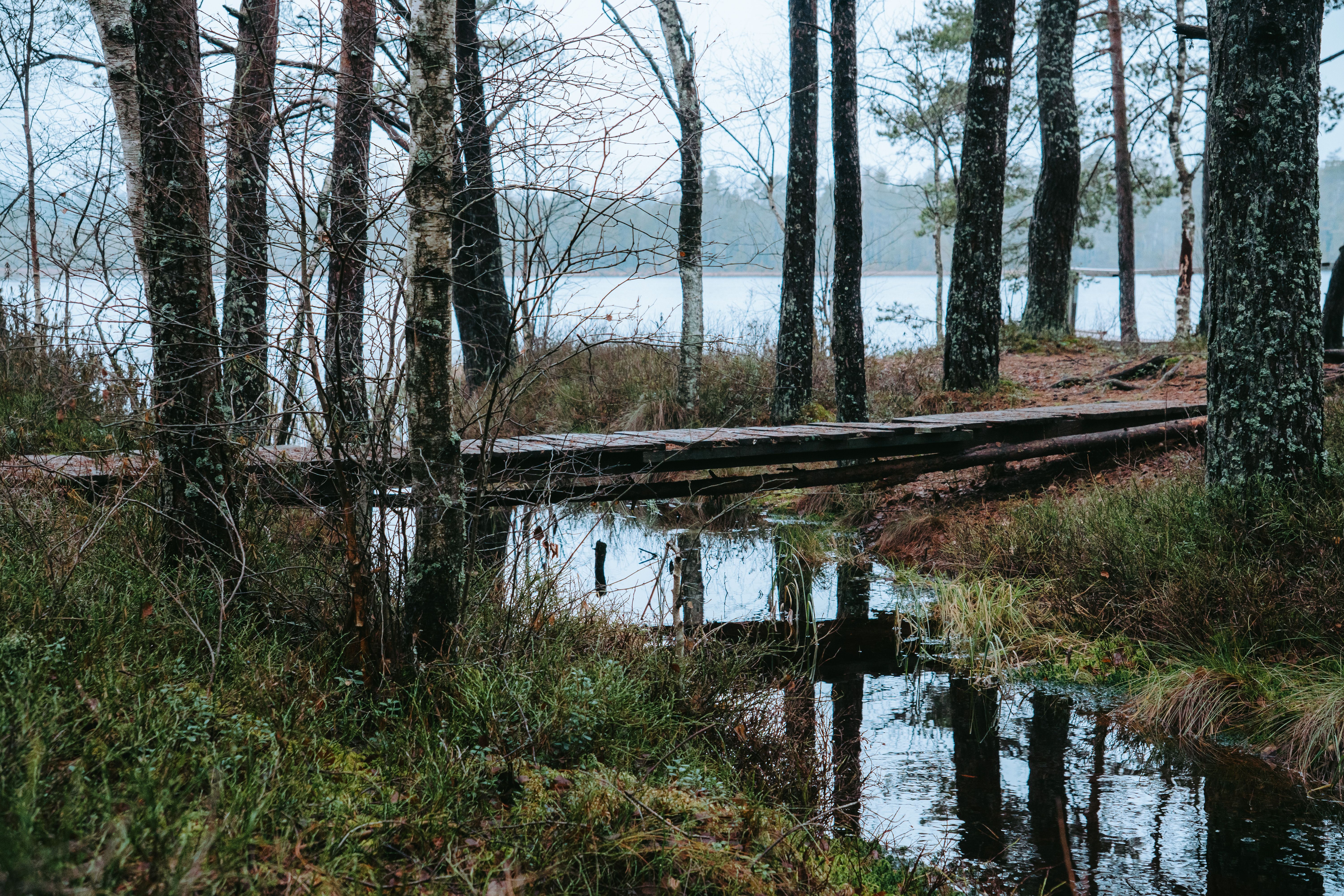
Estonia
Forest and marsh stretch to the horizon, a digital capital, and a stillness that feels further north than the map suggests.
Baltic states
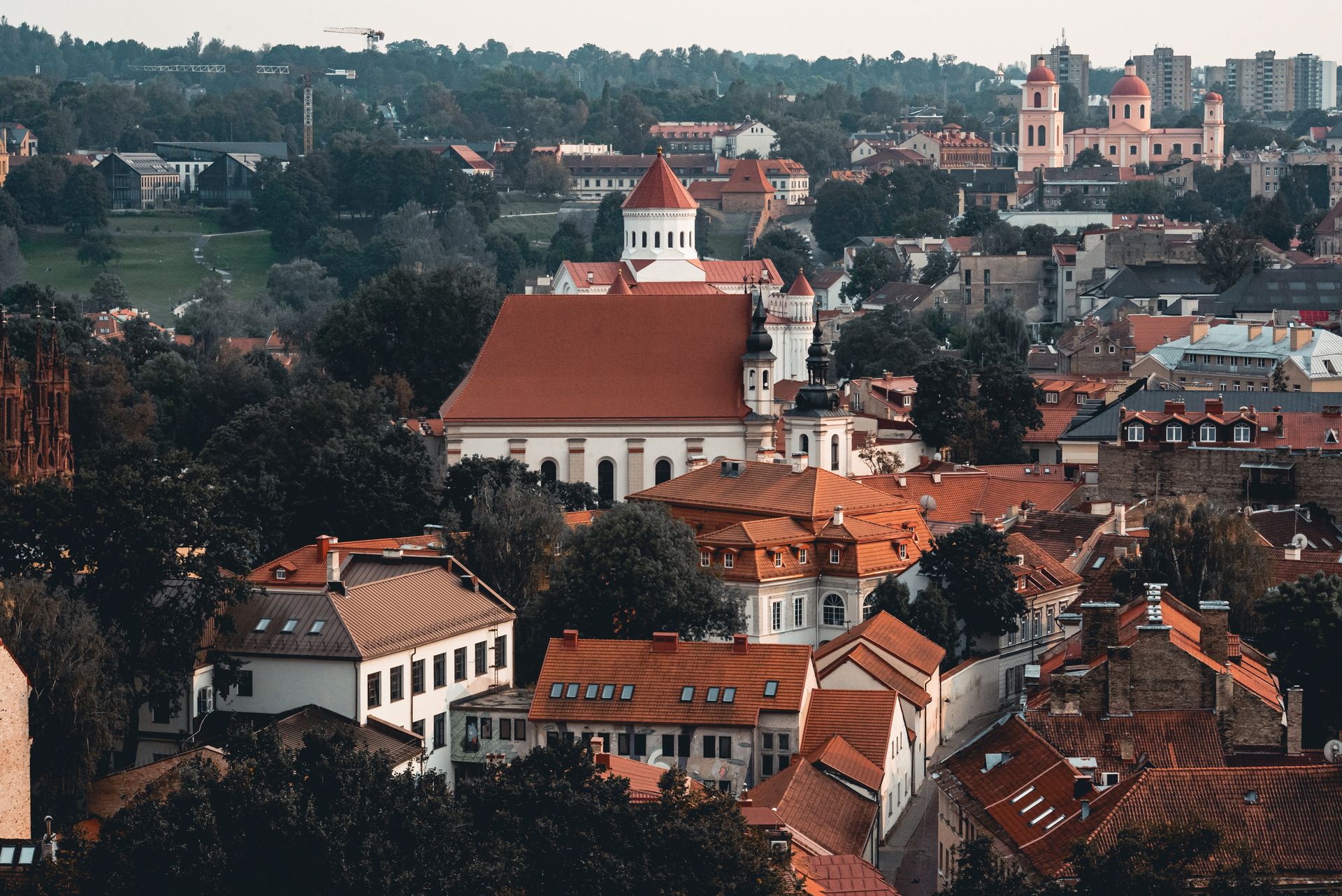
Lithuania
Lakes, forests and a baroque old town that feels surprisingly southern for a Baltic capital.
Carpathians and Black Sea
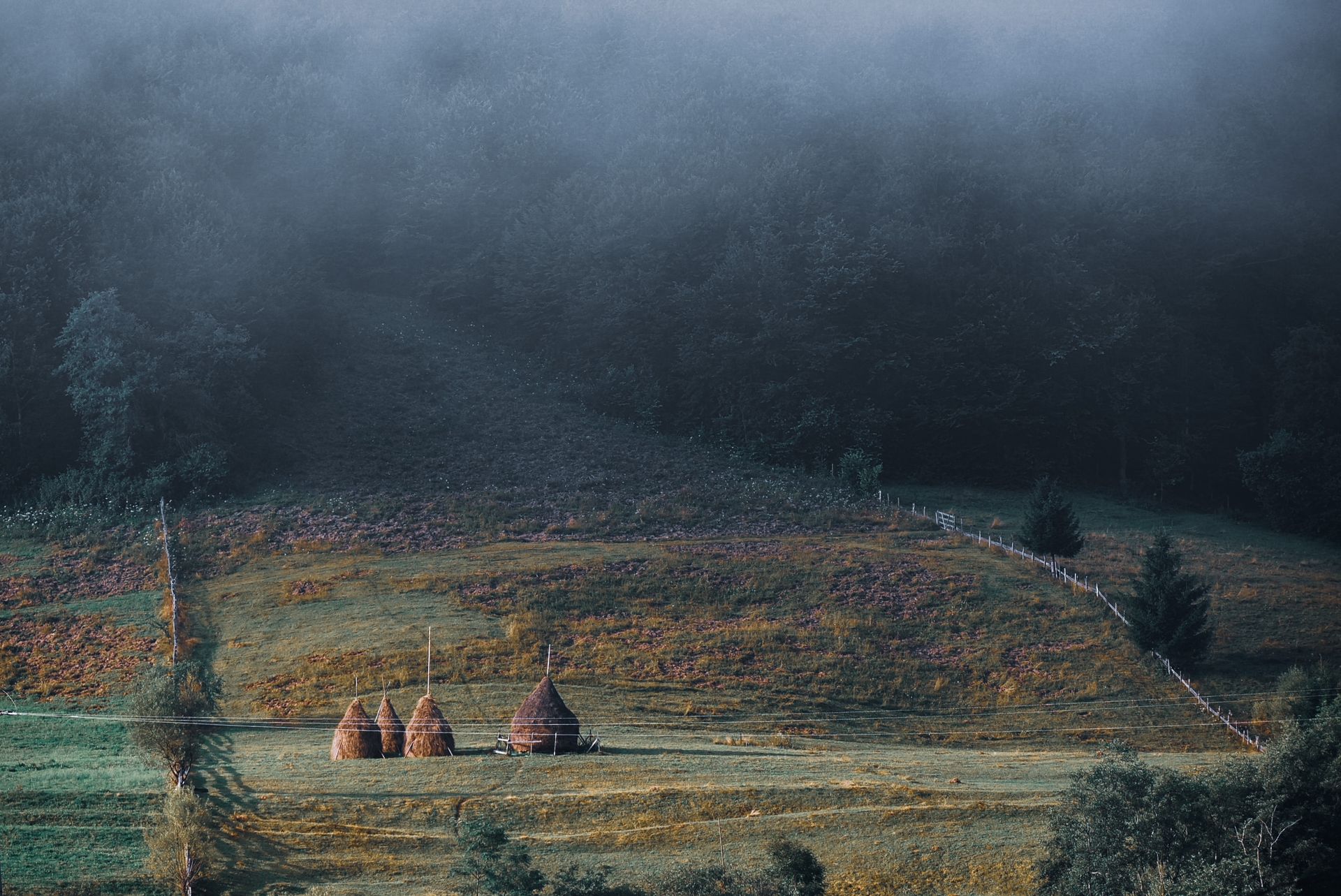
Romania
Mountains where bears and wolves still roam freely, villages with a pace of their own, and a capital that keeps reinventing itself.
How it works
This is how your journey to Latvia takes shape.
Six steps, from your first story to your homecoming. The conversation and the feasibility check cost you nothing.
-
01
Tell us your story
Fill in the form or give us a call. You do not need a route yet: a country, a period or just an idea is enough.
-
02
The conversation and the check
We talk through what you are looking for, by phone or by video, and check whether it can be done. If it can, we set down together what we will make for you.
-
03
We design your journey
We build your programme up, day by day, together with our own people in the country itself.
-
04
Your proposal
You read your journey day by day, with everything that is included. You say what you would like differently, until it is right.
-
05
Ready to depart
You send us your details, we send you your travel documents. You have one fixed contact who knows your journey.
-
06
Travelling, and after
Your contact stays reachable while you are away. Once you are home, we call one more time.
The next step
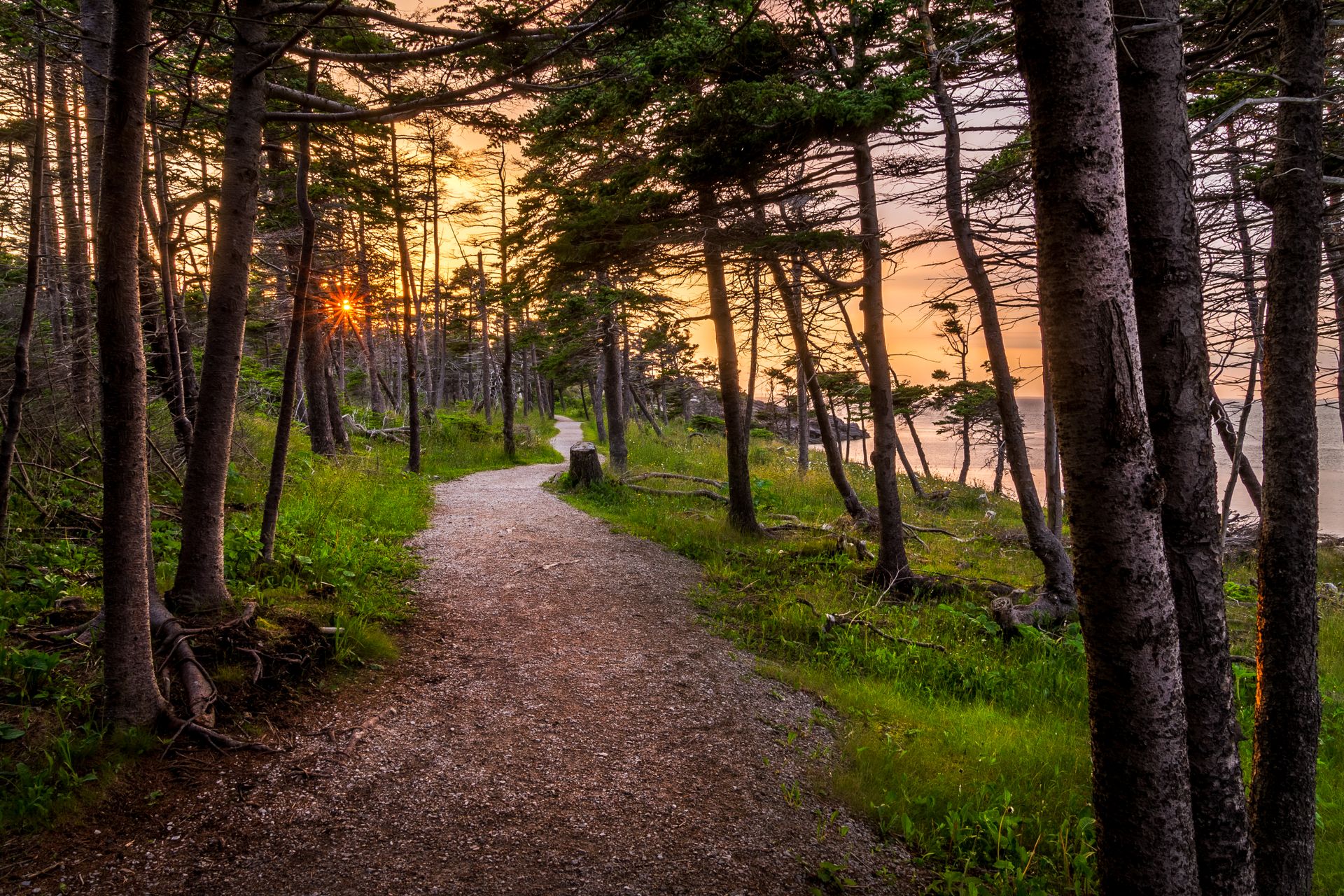
How do you picture Latvia?
Forest, coast, stillness, culture: tell us what draws you in. We build a trip around your rhythm, not around a fixed route.