Southern South America
Uruguay
A country that would rather whisper than shout.
This is Uruguay
Flat, green and rarely loud, a country that chooses quiet over the spectacle of its neighbours.
Look at a map of South America and you'll almost miss Uruguay: a patch of green squeezed between two giants. That's precisely why the country has never bothered much with making an impression. No Iguazu Falls, no Andes, no sprawling city endlessly repeating itself. Instead, a river delta, grassland reaching to the horizon, and a coastline that only truly relaxes past Punta del Este.
Montevideo is a capital without fuss: low-rise facades, a twenty-two-kilometre boulevard where the whole city turns out in the evening, and a harbour where fishing boats still moor beside container ships. Head further inland and it grows quieter still: miles of grassland, cattle, and every so often an estancia where the clock has kept the same pace for a hundred years.
Uruguayans sometimes call their country the Switzerland of South America, not for the mountains, of which there are none, but for the stability: working institutions, a broad middle class, and an easy-going warmth visitors feel from the first day. This isn't a country to tick off a list. It's a country to slow down in.

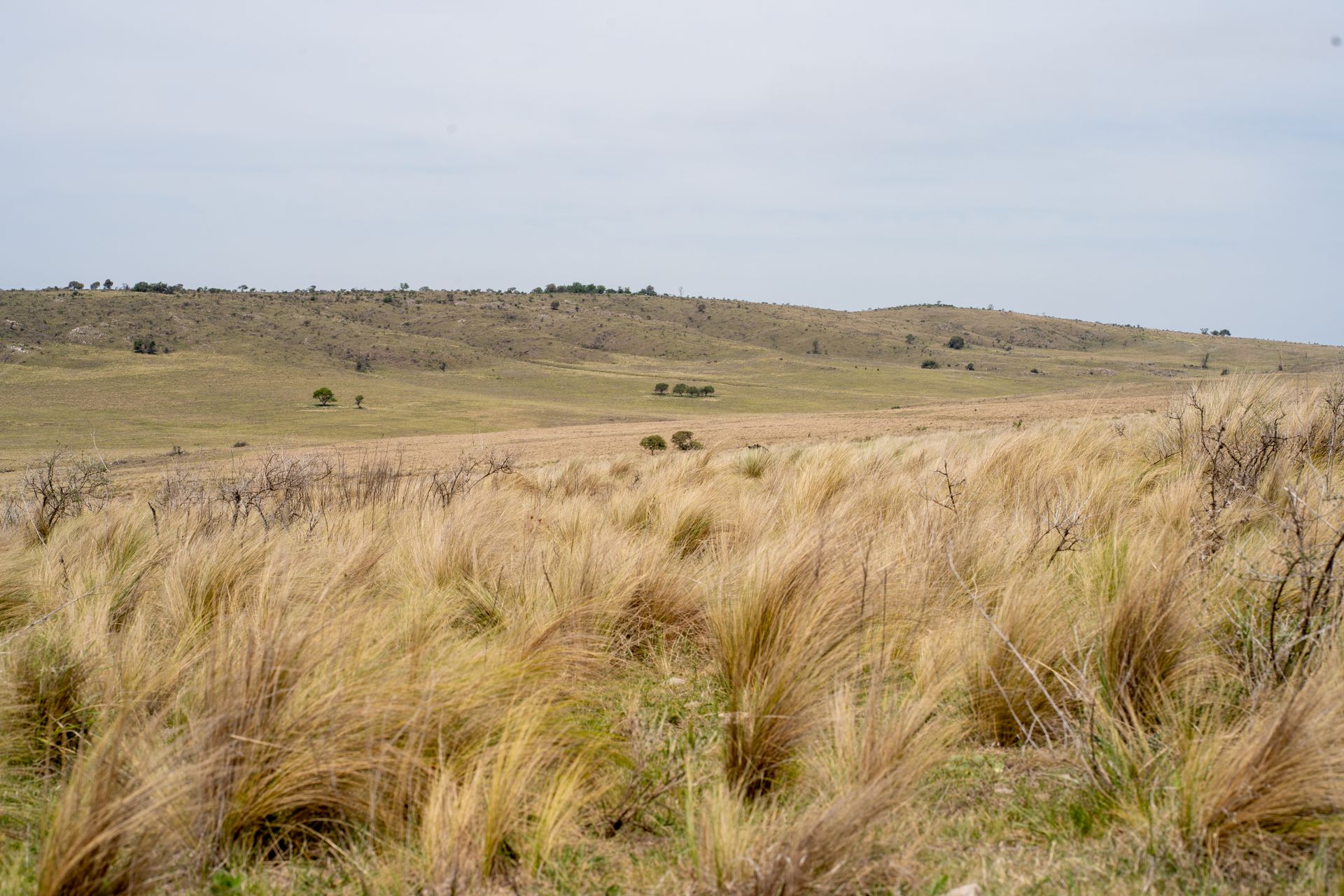
Uruguay's interior: ninety percent of the country is grassland, and most of it goes uncrossed.
The regions
A country with four faces, none of them loud.
Uruguay is small enough to cross in a few weeks, yet its regions differ more than the distances suggest.

capital
Montevideo
The rambla runs twenty-two kilometres along the river, from the fishing harbour to the smart Pocitos district. In the Ciudad Vieja, colonial facades mix with street art, and at the Mercado del Puerto they've been grilling meat over charcoal since 1868.

river border
Colonia del Sacramento
A Portuguese fortress town of cobbled streets and bougainvillea against weathered walls, on the banks of the Río de la Plata. In the evening the river turns orange here, and Buenos Aires is little more than a ferry ride away.
coast
Punta del Este and the coast
Punta del Este itself is polished and worldly, with yachts and high-rises along the sea. Just east of it things quieten down: José Ignacio is a fishing village that became chic by accident, while La Barra keeps things informal with surf and studios.
coast without power
Rocha and Cabo Polonio
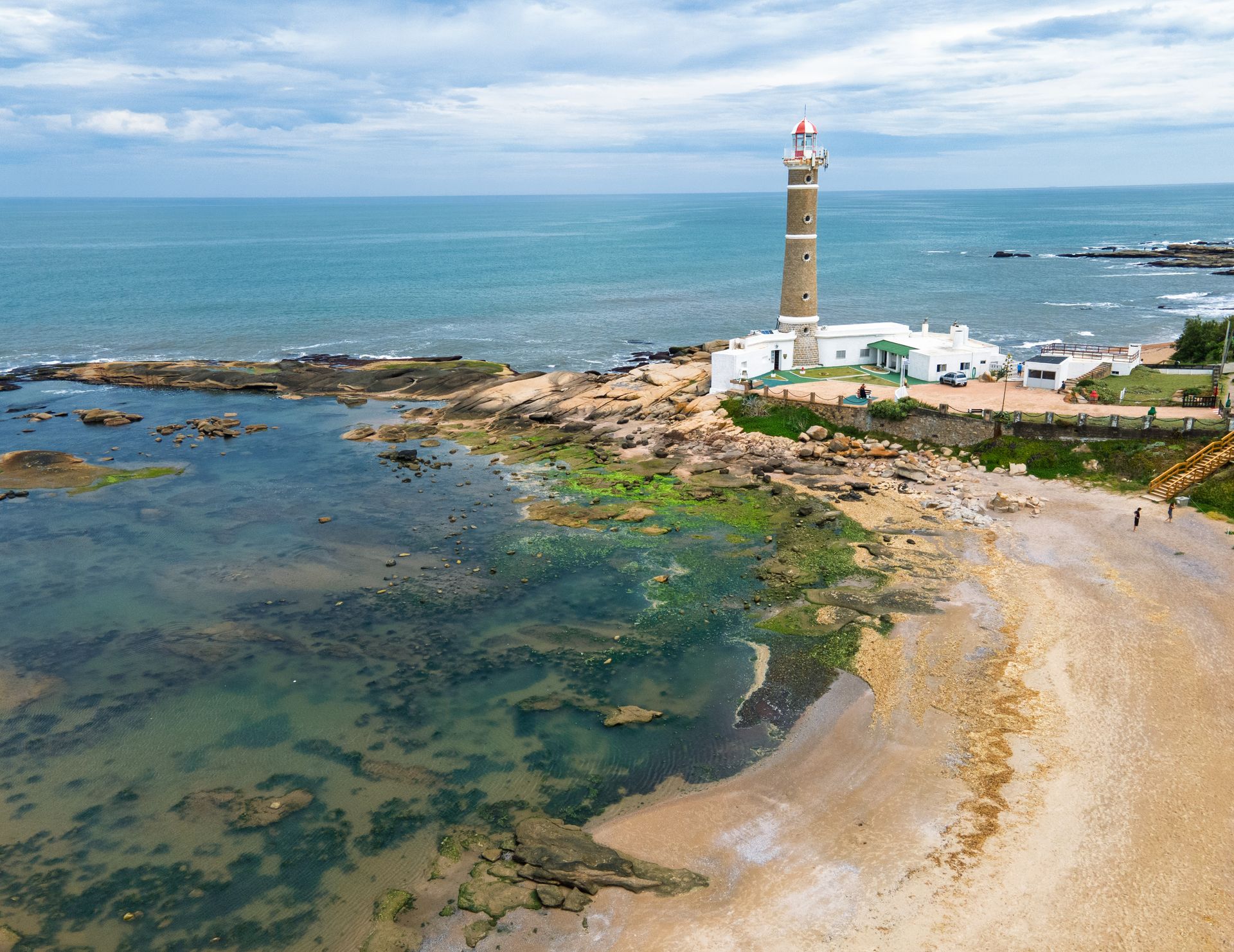
Beyond Punta del Este, the electricity and the tarmac disappear. Cabo Polonio can only be reached by four-wheel drive over the dunes, and Punta del Diablo remains a fishing village of a handful of streets. This is the coast the way Uruguayans like it best.
interior
Gaucho country and wine region
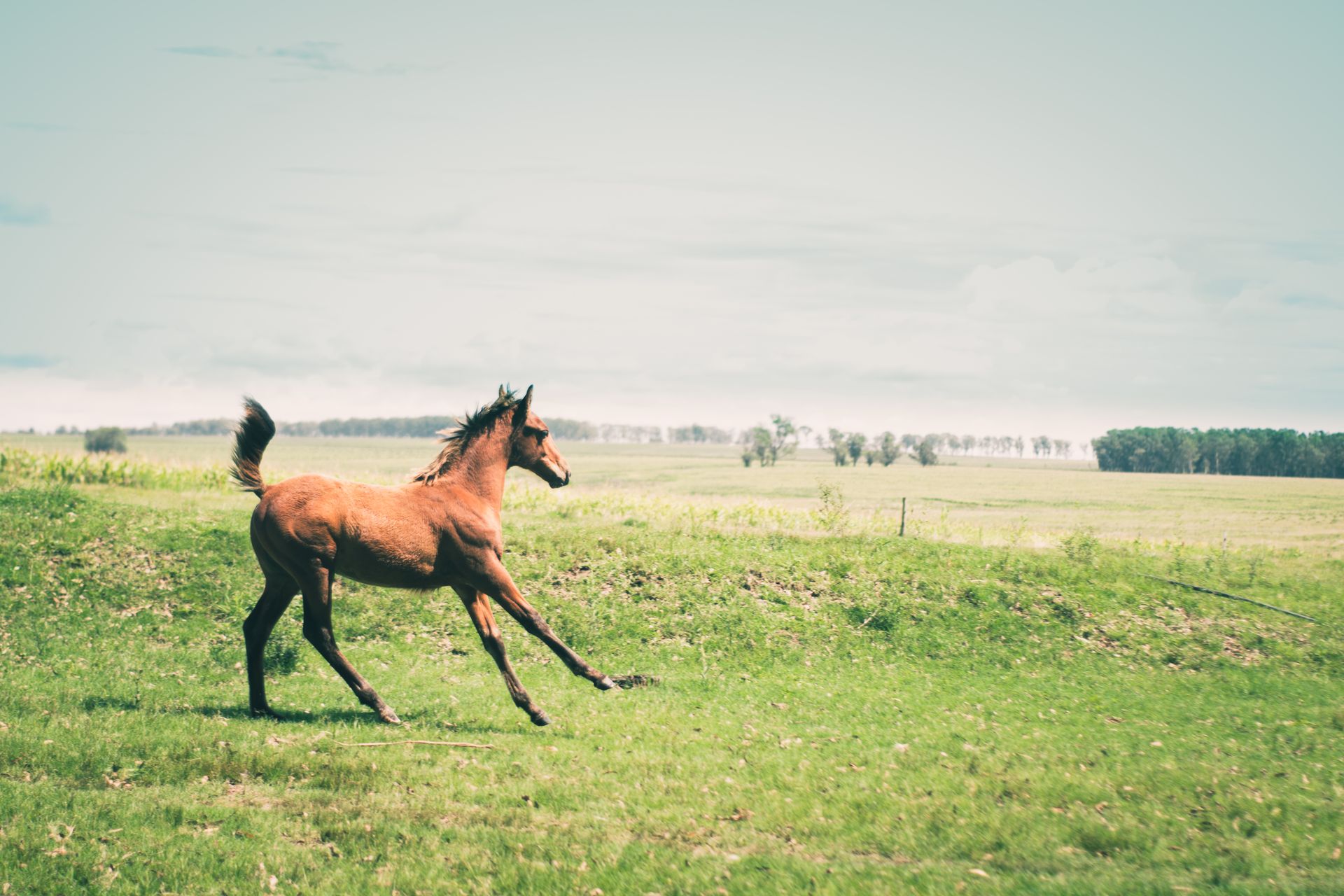
Tacuarembó and its surroundings form the heart of gaucho culture, with working estancias that welcome visitors. Further south, around Garzón and Carmelo, winemakers have turned the hills into rows of Tannat, while at Salto thermal springs steam away year-round.
Uruguay doesn't sell itself.
It simply lets you stay.

People & table
A mate gourd passes from hand to hand here, all day long.
On every square, in every queue, on every beach you see the same scene: someone with a flask tucked under one arm and a gourd full of mate, passed without a second thought to whoever happens to be standing nearby. It isn't a show for tourists. It's how Uruguayans structure the day, from a morning walk along the rambla to an evening chat on the pavement.
At the table, everything revolves around the grill. An asado here isn't a barbecue but an hours-long ritual, with a parrillero tending the fire while everyone else drinks wine, usually Tannat, the grape Uruguay has made its own in vineyards around Canelones and Garzón. The tone is informal, the hospitality genuine: here, you're rarely sold something, you're offered it.
Nature
Space no one has to share.
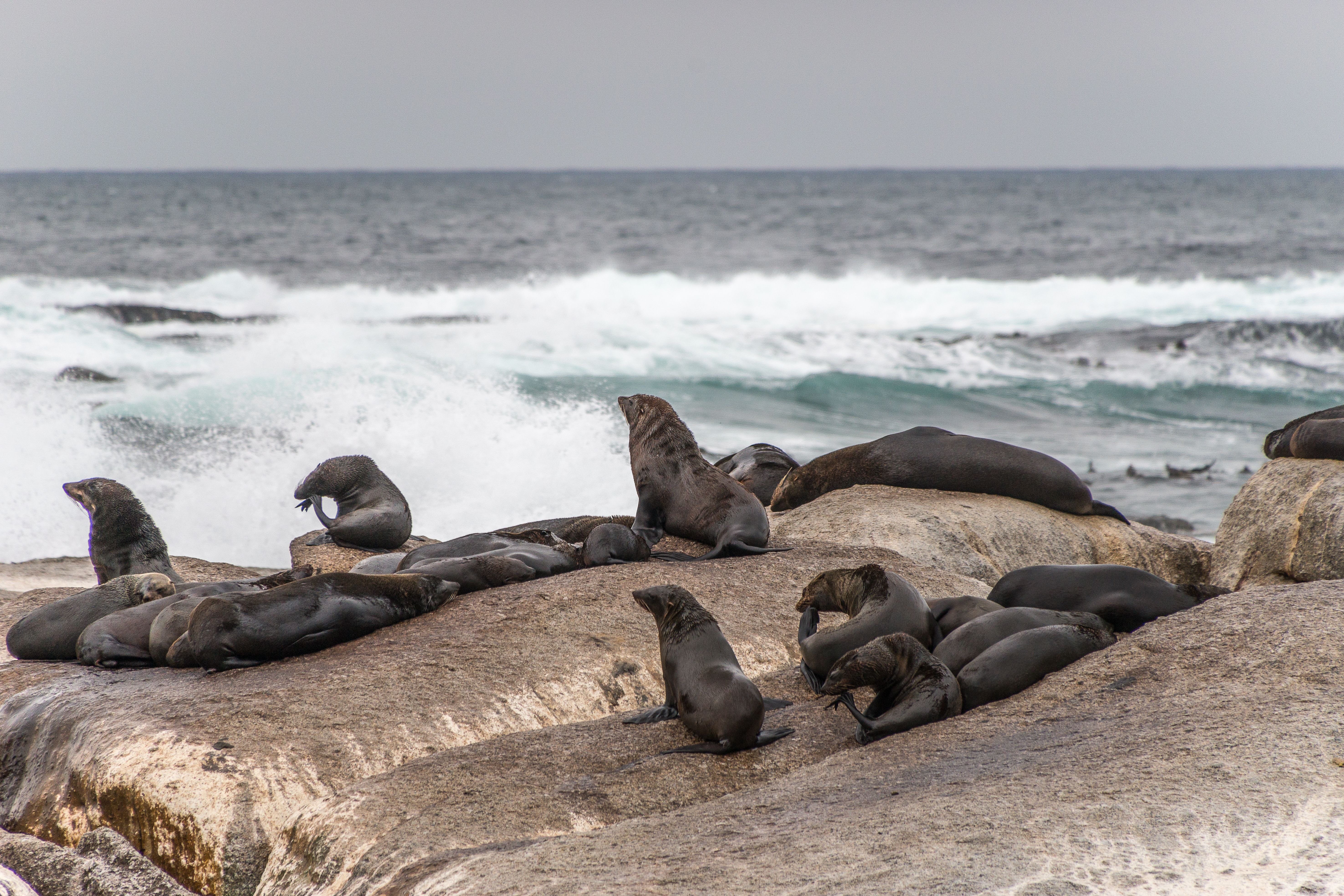
Sea lions without a fence
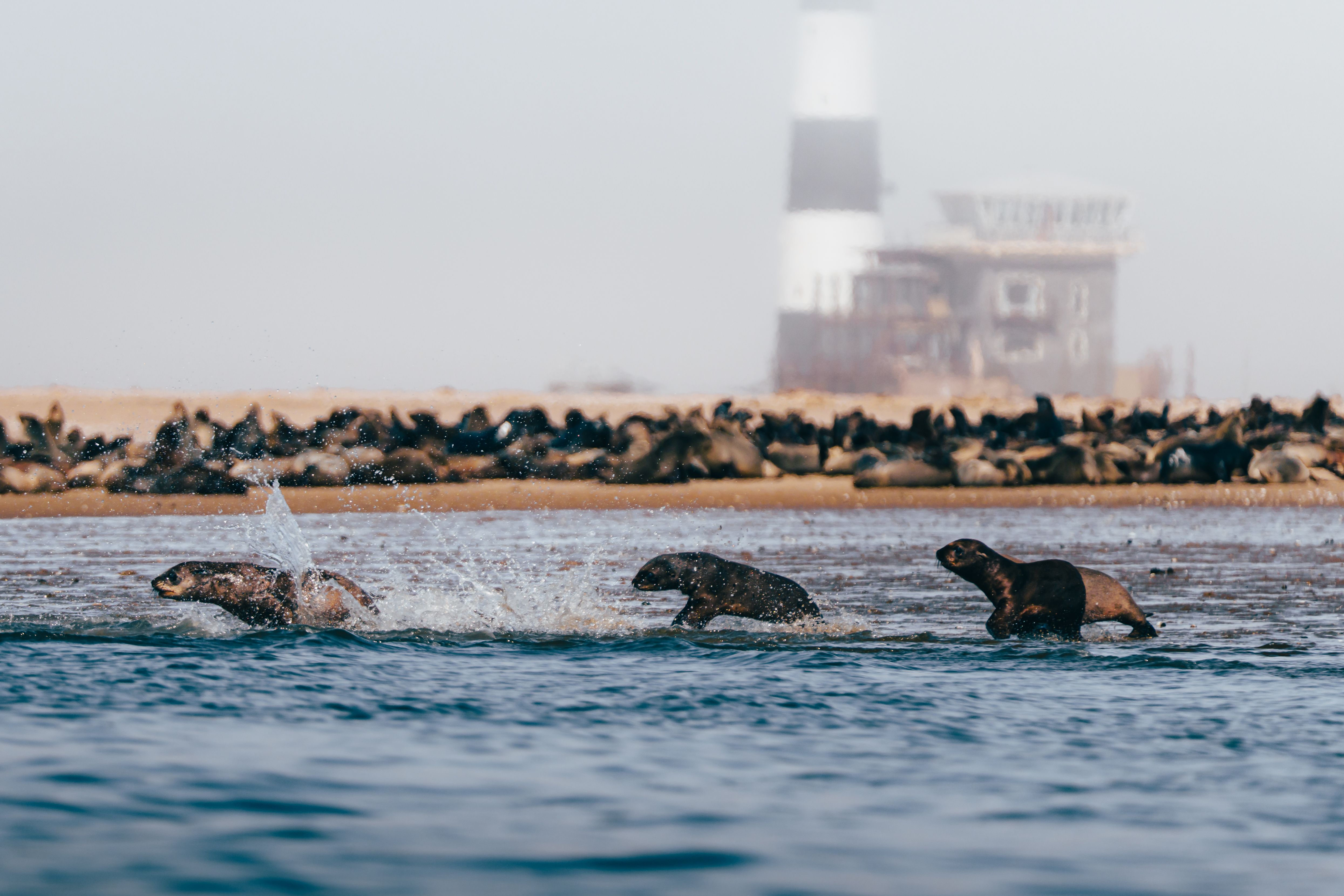
At Cabo Polonio, one of South America's largest sea lion colonies lives on the rocks beside the village: no zoo, no distance, just a colony that has been there longer than the lighthouse next to it.
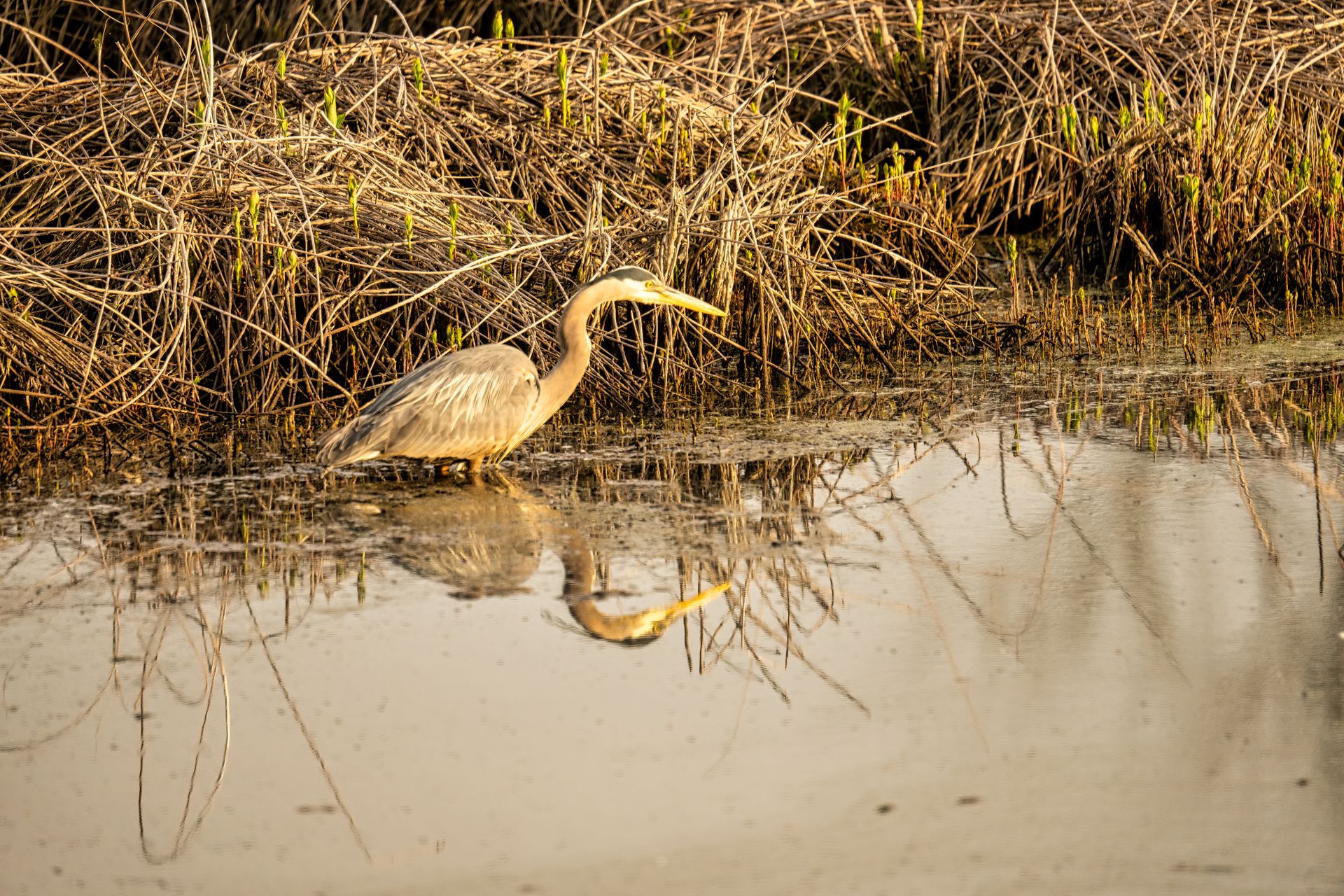
Wetlands full of birds
The wetlands of Rocha and the Laguna de Castillos shelter herons, ibises and the occasional flamingo, still waters where you're more likely to spot an osprey than another boat.

Pampa without end
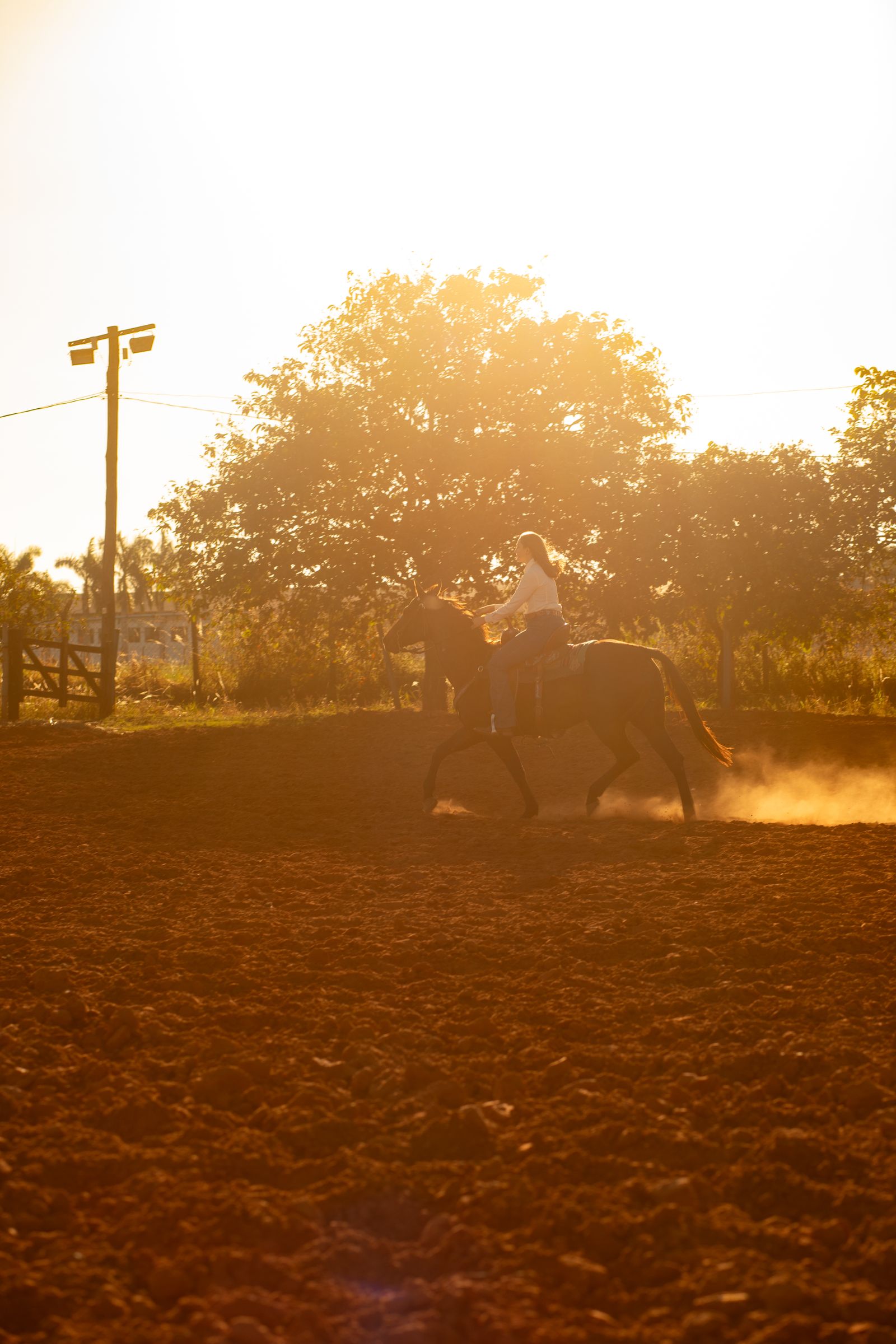
In the interior, the horizon is the only landmark. Estancias in Tacuarembó and Florida let you ride on horseback through grassland that has barely changed since the nineteenth century.
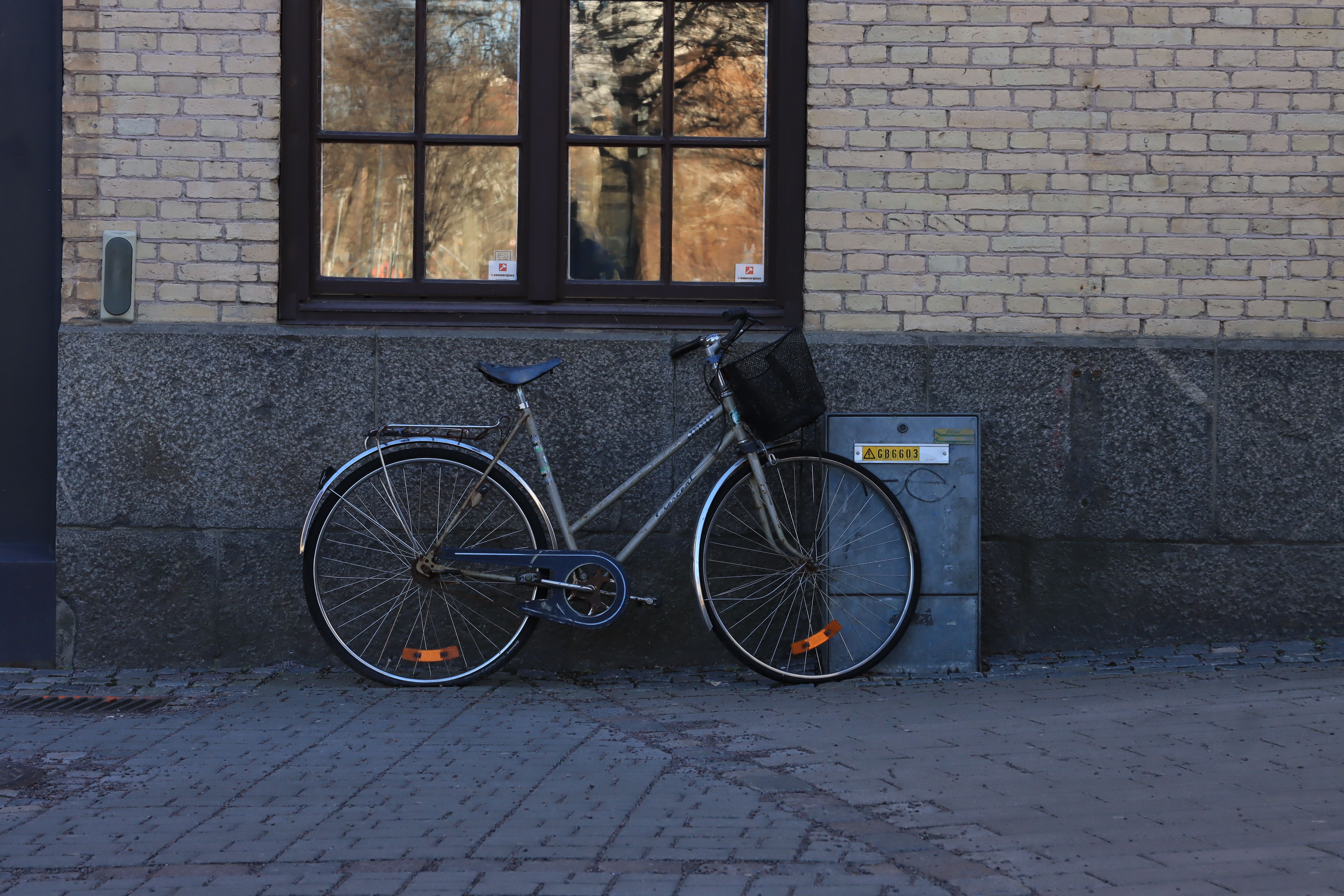

From a weathered colonial street to a row of Tannat vines, Uruguay switches centuries without transition.
Possibilities
What you can do in Uruguay, rather than what you must.
No fixed day plans. Instead, a country full of starting points, arranged to your own rhythm.

Staying on a working estancia
Sleeping on a farm that still keeps real cattle, riding along when the herd is gathered, and eating in the evening at a long table with the family that has worked the land for generations.
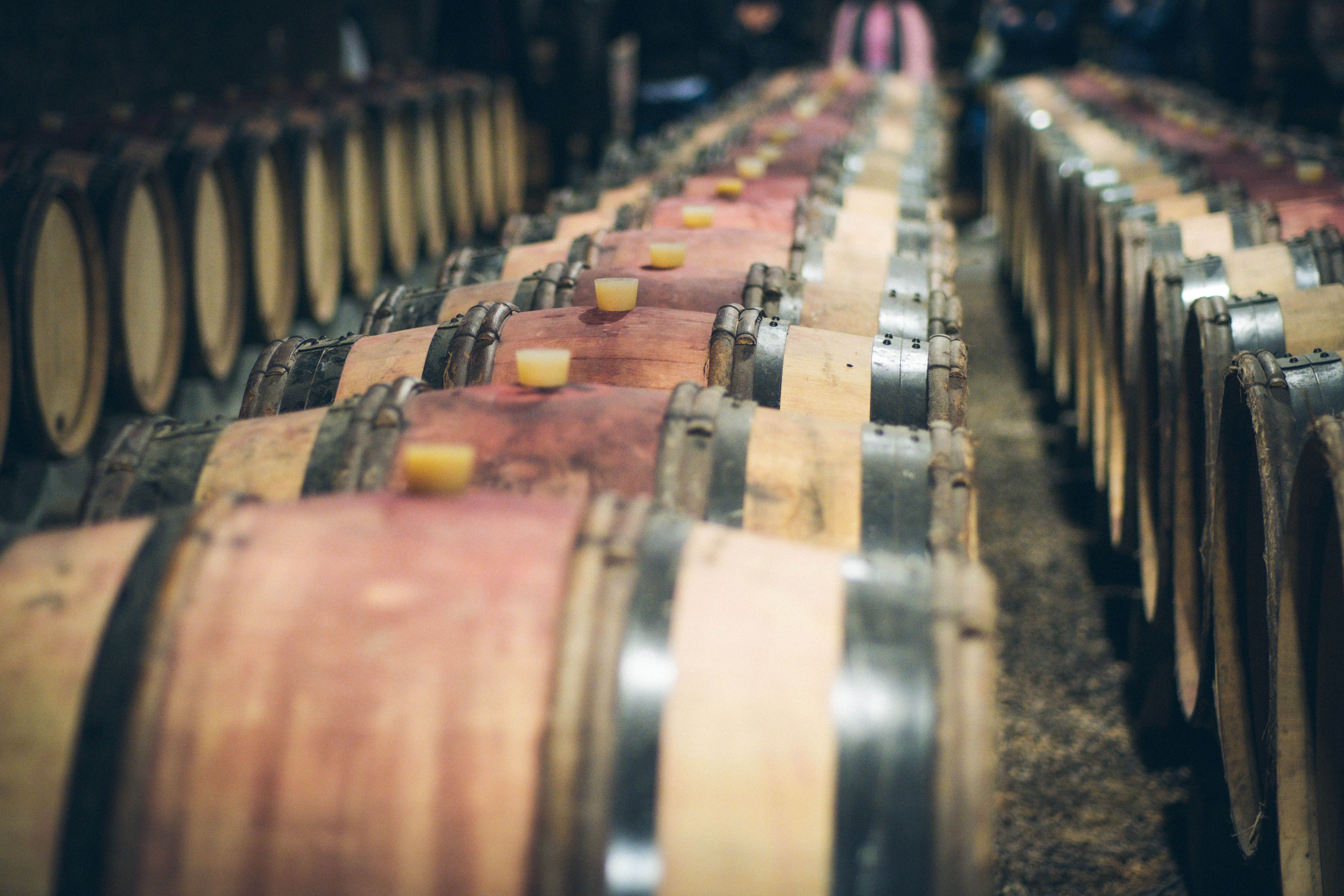
Tasting in the Garzón wine region
Bodegas among the rolling hills of Maldonado serve Tannat alongside a kitchen that owes as much to Europe as to South America.

A night without power in Cabo Polonio
No power grid, no wifi, but a lighthouse, sea lions on the rocks and a sky full of stars as soon as the sun goes down.
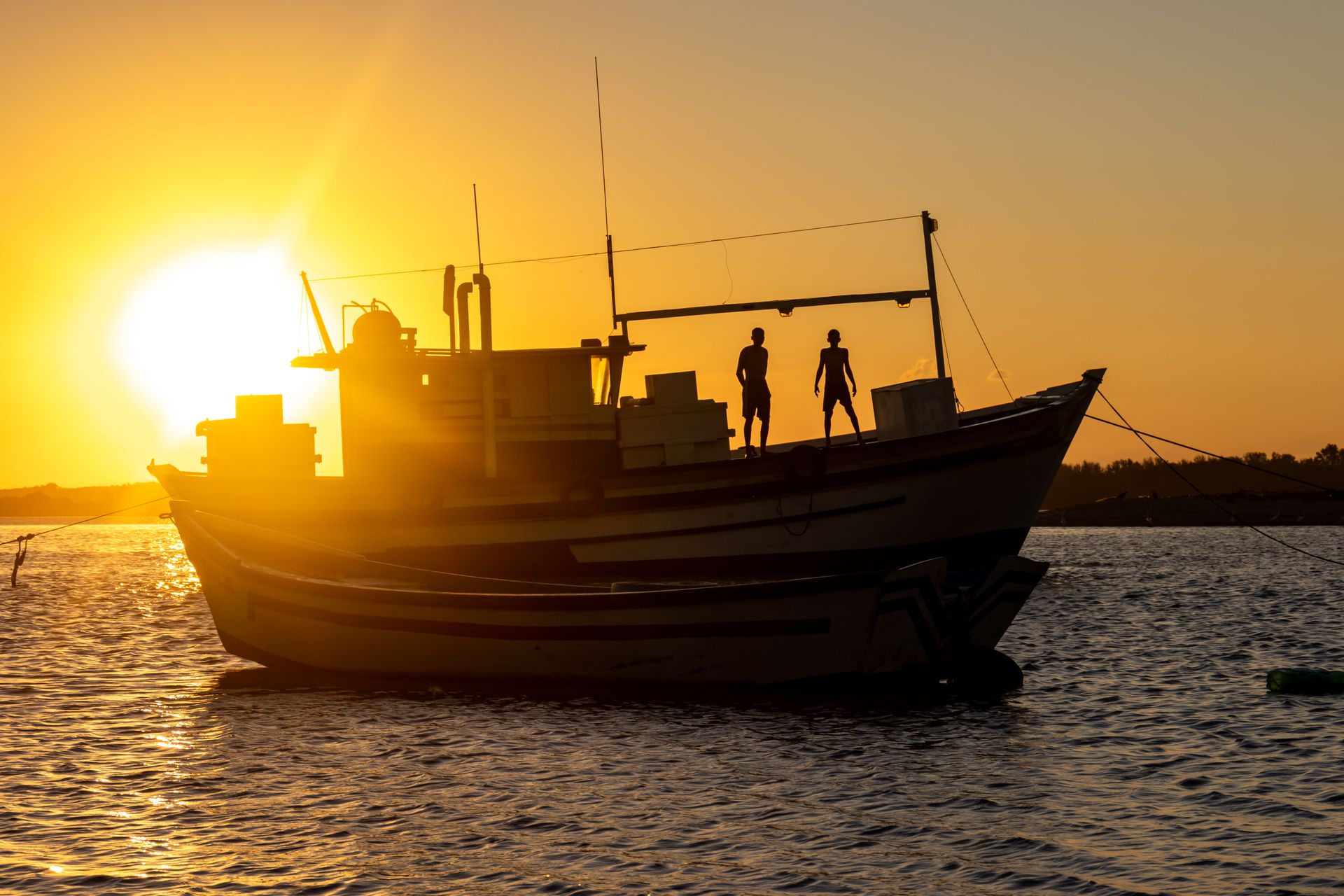
Sailing the Río de la Plata
From Carmelo or Colonia the river opens up like an inland sea: brown, wide, and set alight by the setting sun each evening.

Soaking in the thermal springs near Salto
Near the Argentine border, hot springs hold the same temperature all year round, in a region that otherwise sees barely a tourist.
Each of these can be an afternoon or the heart of the trip. We build the order around what draws you in, not around a fixed route.
Looking past the highlights
Why we look at Uruguay differently
Not a warm-up act for Buenos Aires Most travellers tack Uruguay on as a short side trip after a visit to Argentina. We treat it as a destination in its own right, with enough depth for a stay of real substance.
Quiet is the offer, not the shortfall Where other countries apologise for lacking major sights, we see the open space, the quiet and the pace as exactly what draws people to Uruguay.
The seasons don't run the way you'd expect The coast is only at its best for a few months a year; the wine region, the interior and Montevideo itself work all year round. We plan accordingly, not just around the tourist high season.
Small country, big differences On the map Uruguay looks compact, but the distance between an estancia in Tacuarembó and a beach in Rocha is one of atmosphere, not just kilometres. We plan the transitions deliberately.
When would you travel?
When to travel to Uruguay
Uruguay lies in the southern hemisphere: summer runs from December to March, when the coast, and Punta del Este in particular, is at its liveliest. Those who prefer a quieter trip should aim for the shoulder months that follow.
March brings the grape harvest in Garzón and Canelones, with pleasantly mild weather and none of the summer crowds. Winter, from June to August, is cool and can turn wet inland, but Montevideo and the thermal springs near Salto stay worthwhile regardless.
Jan
Feb
Mar
Apr
May
Jun
Jul
Aug
Sep
Oct
Nov
Dec
Top: high season on the coast, warm and lively.
Good: pleasant and quieter, ideal for the wine region and the interior.
Fair: winter-cold and sometimes wet, but Montevideo and the thermal springs remain worthwhile all year round.
Worth knowing
Practical, without the noise.
A few things that make travelling in Uruguay easier.
- Getting there
- Usually via Madrid, Amsterdam or São Paulo to Montevideo (Carrasco); some fly via Buenos Aires and cross the river by ferry.
- Documents
- Belgians travel visa-free for short stays with a valid passport.
- Health
- No mandatory vaccinations; the country has a well-developed medical infrastructure.
- Pace
- Expect long, empty roads between destinations. Uruguay looks compact on the map, but the interior calls for patience.
- Money and payments
- Uruguayan peso, with US dollars widely accepted in tourist areas; card payment is standard in the cities.
Frequently asked questions
Does Uruguay feel the same as Argentina or Brazil?
No. Uruguay is smaller, quieter and more informal: less spectacle, more closeness. Travellers arriving straight from Buenos Aires or Rio notice the change of pace on the very first day.
Can you combine Uruguay with Argentina?
Very well: the ferry between Buenos Aires and Colonia del Sacramento runs several times a day and crosses the Río de la Plata in a little over an hour.
Is the coast worth visiting all year round?
The classic seaside resorts are at their best from December to March. Outside that season, attention naturally shifts to the interior, the wine region and Montevideo.
Do you need a hire car?
For the interior and the quiet coast, yes. Public transport mainly serves the route between Montevideo, Colonia and Punta del Este.
Or perhaps this
Other destinations
Still weighing it up? That is no problem at all. The right country often only becomes clear once the conversation starts.
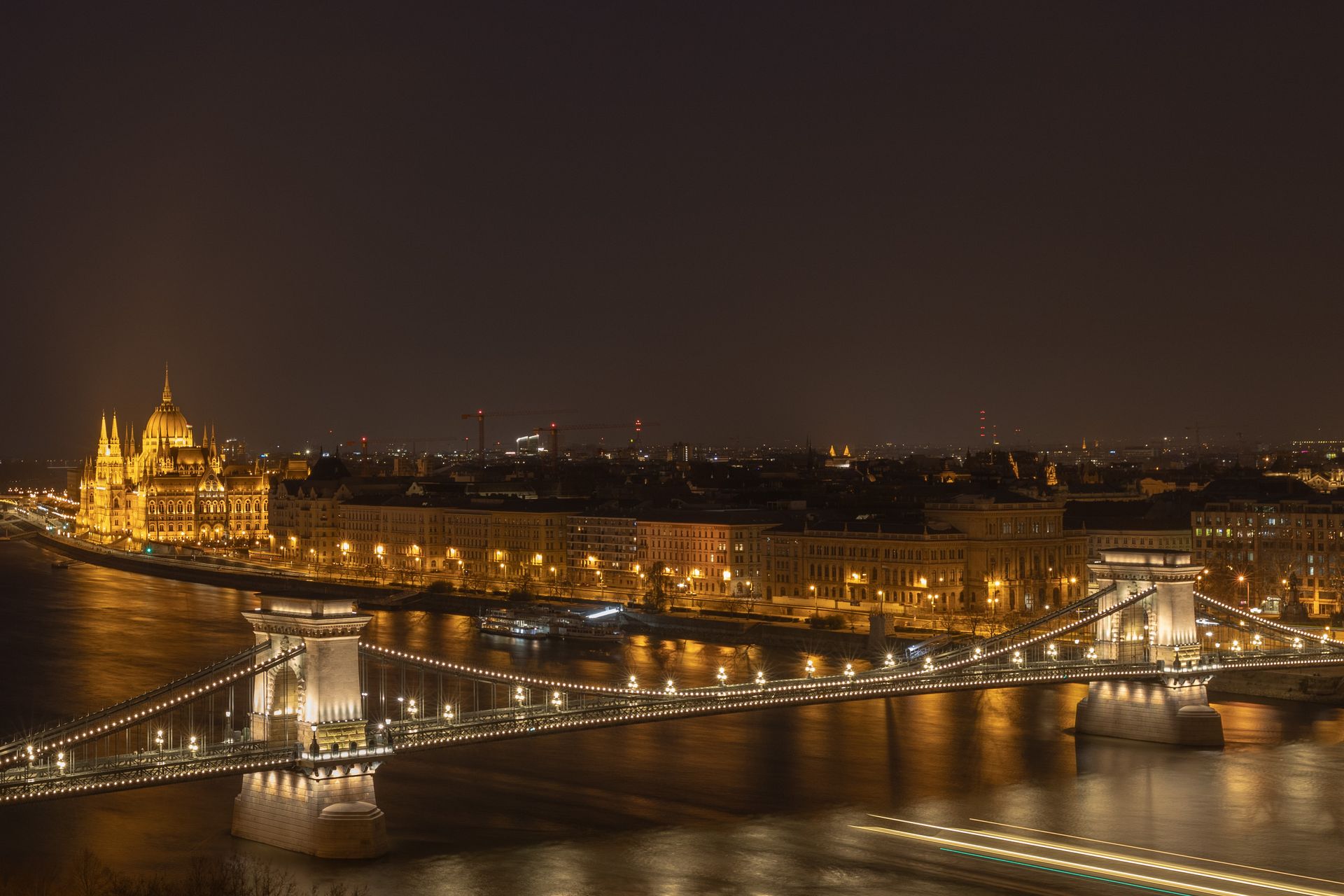
Danube basin
Hungary
A land of plains and rivers, thermal springs beneath the surface, and a capital that looks weightier than it feels.
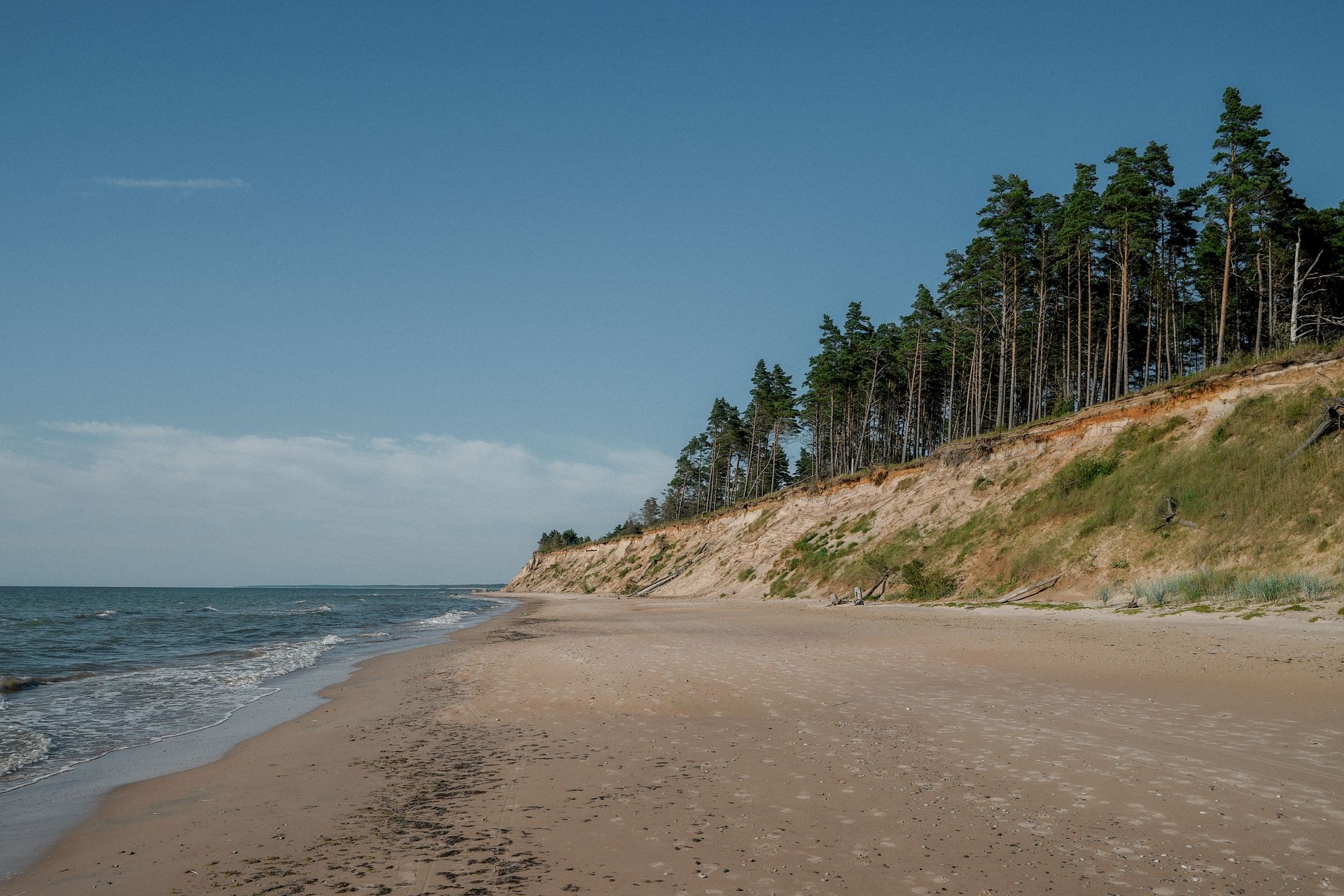
Baltic states
Latvia
Woodlands, coastal dunes and an architecture that refuses a single style, in a country that quietly goes its own way.
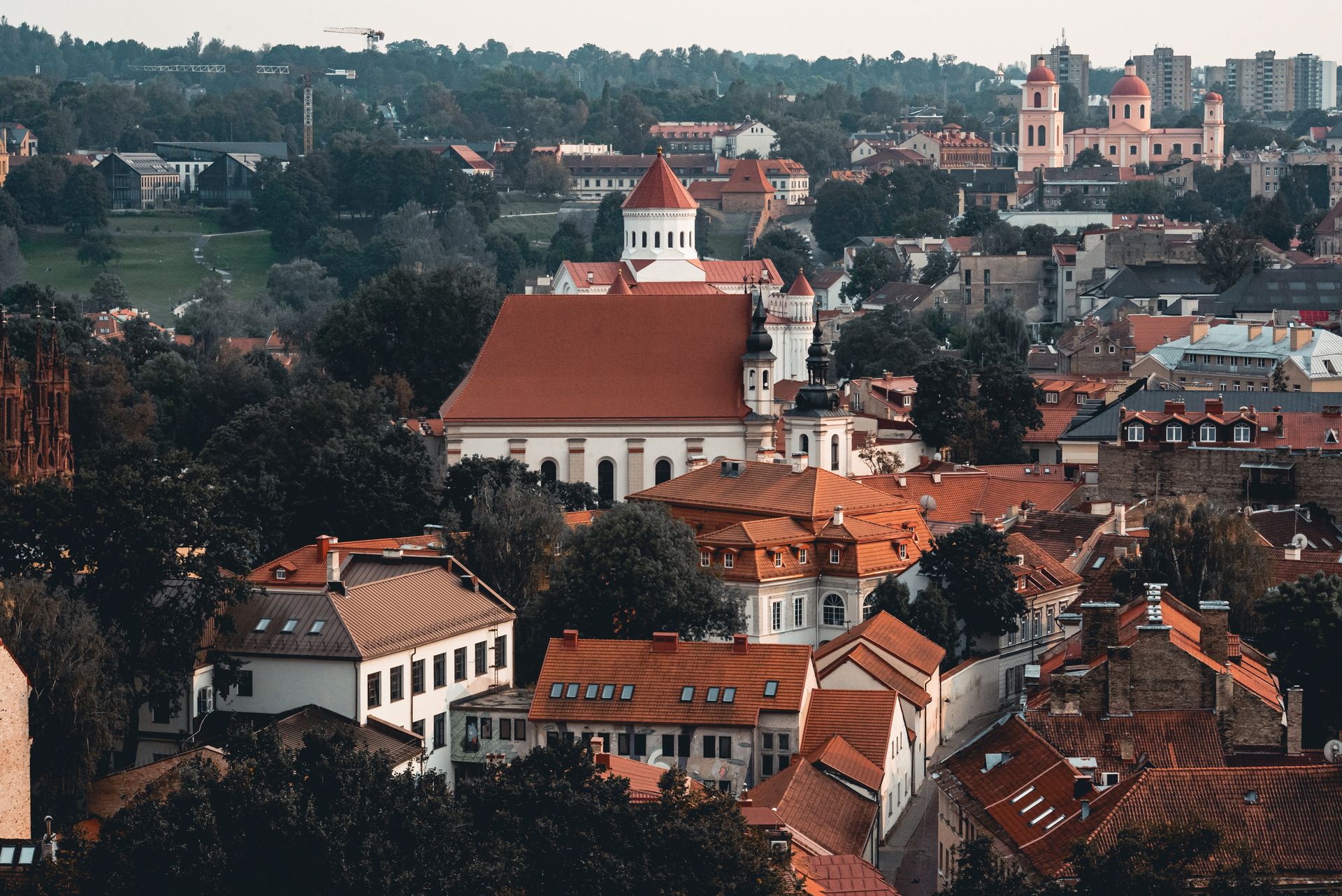
Baltic states
Lithuania
Lakes, forests and a baroque old town that feels surprisingly southern for a Baltic capital.
How it works
This is how your journey to Uruguay takes shape.
Six steps, from your first story to your homecoming. The conversation and the feasibility check cost you nothing.
-
01
Tell us your story
Fill in the form or give us a call. You do not need a route yet: a country, a period or just an idea is enough.
-
02
The conversation and the check
We talk through what you are looking for, by phone or by video, and check whether it can be done. If it can, we set down together what we will make for you.
-
03
We design your journey
We build your programme up, day by day, together with our own people in the country itself.
-
04
Your proposal
You read your journey day by day, with everything that is included. You say what you would like differently, until it is right.
-
05
Ready to depart
You send us your details, we send you your travel documents. You have one fixed contact who knows your journey.
-
06
Travelling, and after
Your contact stays reachable while you are away. Once you are home, we call one more time.
The next step
How would you like to experience Uruguay?
Tell us whether you're dreaming of an estancia on the pampa, a week on the quiet Rocha coast, or a route along river and vineyard. We build the trip around your answer, not a fixed itinerary.