Central Balkans
Serbia
A country that doesn't sell itself, and wins you over precisely because of it.
This is Serbia
A country that has nothing to prove, and does it anyway.
Serbia doesn't sell itself to visitors. There's no tourist choreography steering you from photo to photo, no signpost telling you where the 'real' Serbia begins. What there is: hospitality that feels unfiltered, and a nightlife that lives up to its reputation, on the splavovi of Belgrade, but just as easily on a village terrace in Šumadija where the rakija gets topped up unasked.
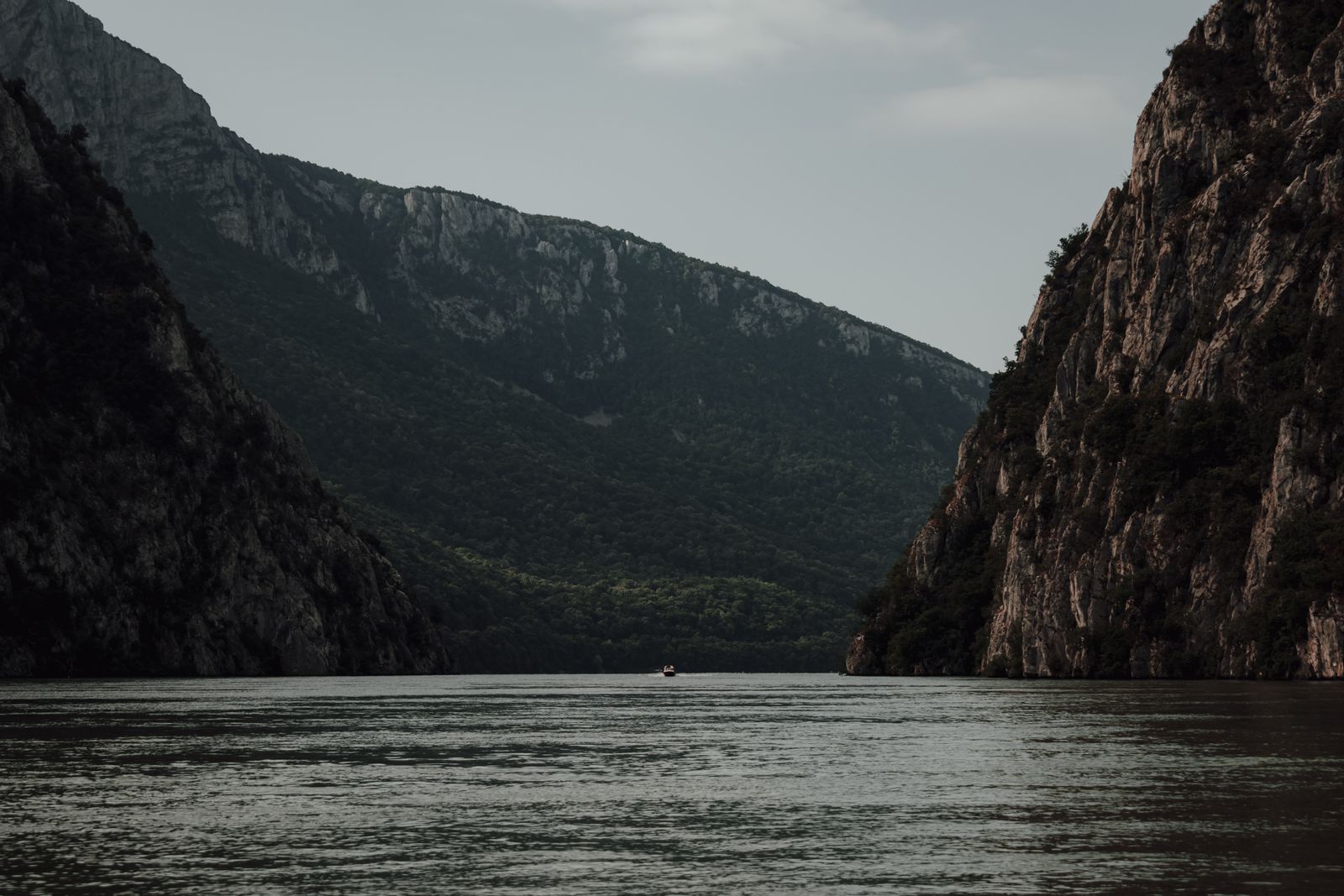
That's the heart of the country right there: extremes that sit side by side without clashing. A capital that parties through to the early hours, a bike ride away from monasteries that haven't rushed anything in nine centuries. A Danube that's still wide and slow at Novi Sad, and a hundred kilometres on gets squeezed through the Đerdap Gorge into a narrow, fast current. Serbia doesn't force you to choose between those two speeds. The country is both at once.
Belgrade parties through until sunrise.
A hundred kilometres away, a fresco is waiting that hasn't waited for anyone in nine hundred years.

People & hospitality
A guest is sacred. You feel it at the table.
Gostoprimstvo, hospitality, isn't a word for the service industry in Serbia, it's a social law. Walk in and you get a chair, a glass of rakija and usually a story within ten minutes. That happens in the kafanas of Belgrade's Skadarlija district, where an accordion and violin take over the conversation the moment it threatens to lull, but just as easily in a kitchen in Vojvodina where the hostess keeps refilling your plate until you surrender.
Food is never an afterthought here. Ćevapi, kajmak, ajvar, a slow-stewed sarma. It arrives in waves, shared, unhurried. Serbian coffee isn't drunk but sat through, the grounds at the bottom proof you took the time. Anyone trying to eat here on the way through misses the point.
The regions
From river boulevard to monastery stillness.
Serbia is more compact than it feels: a few hours' drive shifts the country from capital chaos to Pannonian plain, from vineyard to river gorge.
capital
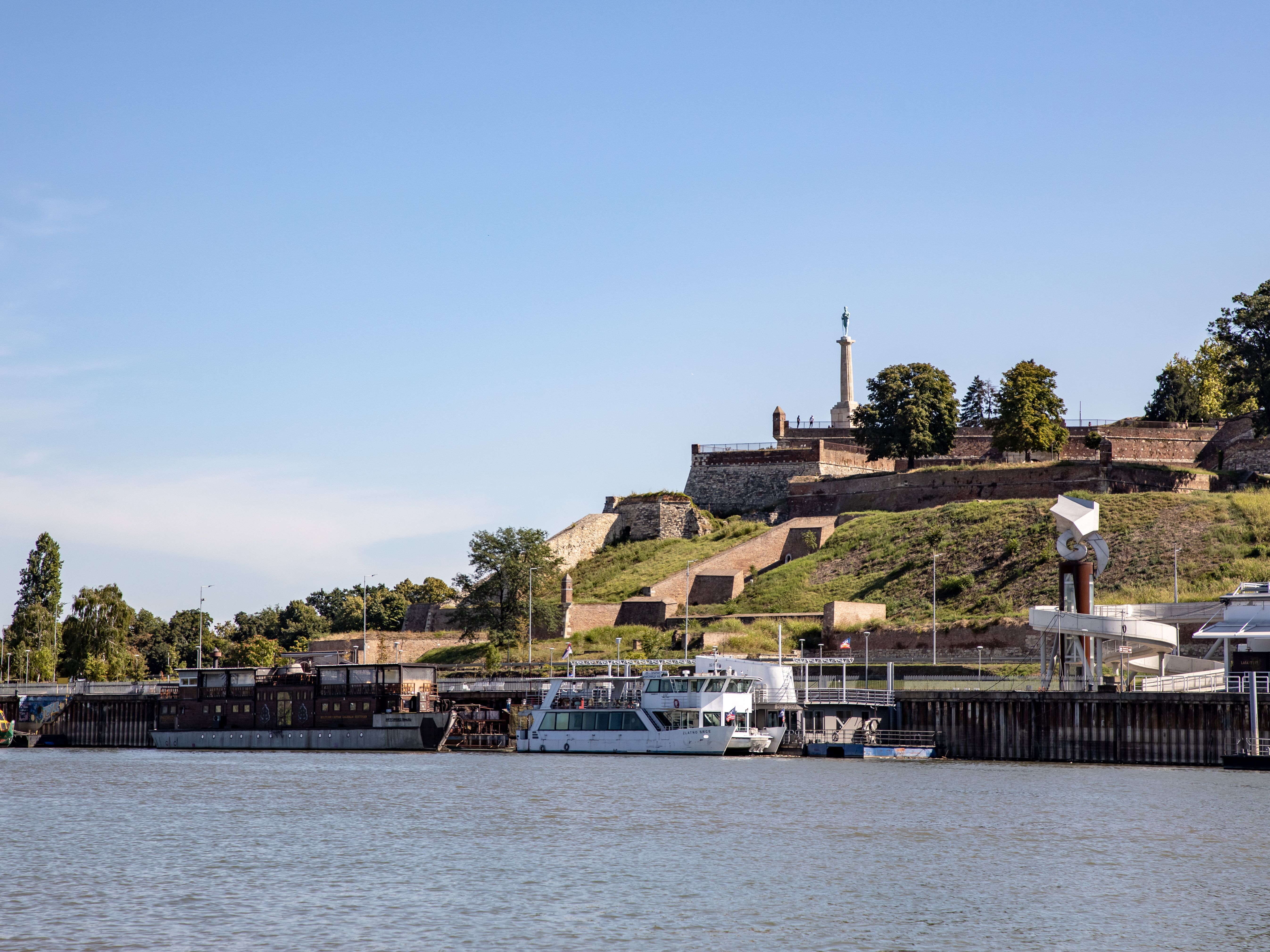
Belgrade
A city built where the Danube meets the Sava, with a fortress overlooking both rivers. Brutalist neighbourhoods and a lively coffee culture by day, the splavovi, floating clubs on the river itself, by night.
plain
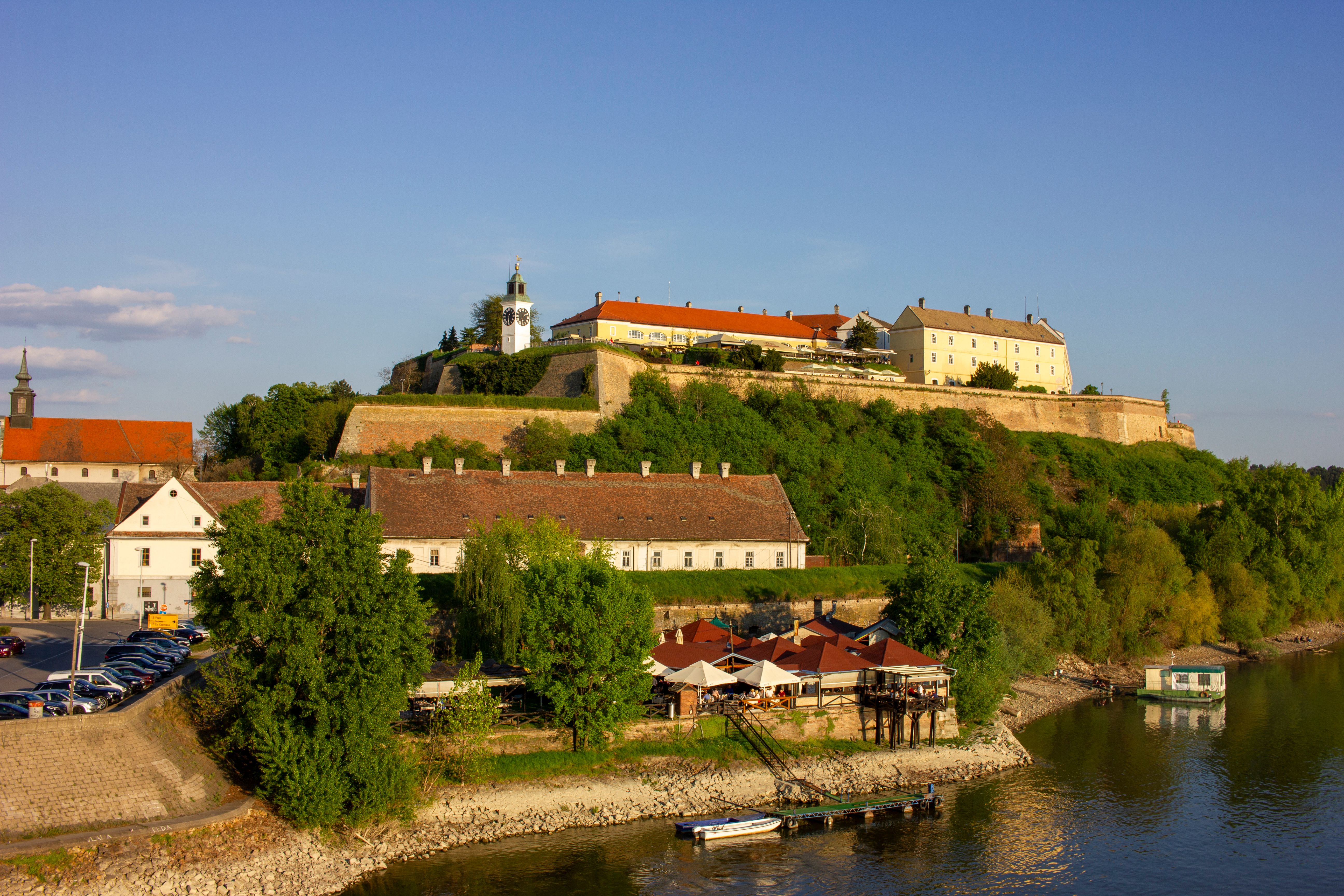
Novi Sad and Vojvodina
The Pannonian Plain north of the capital: paprika fields, Hungarian influences in the kitchen, and the Petrovaradin Fortress looking out over the Danube. A slower pace, a different cuisine.
monasteries
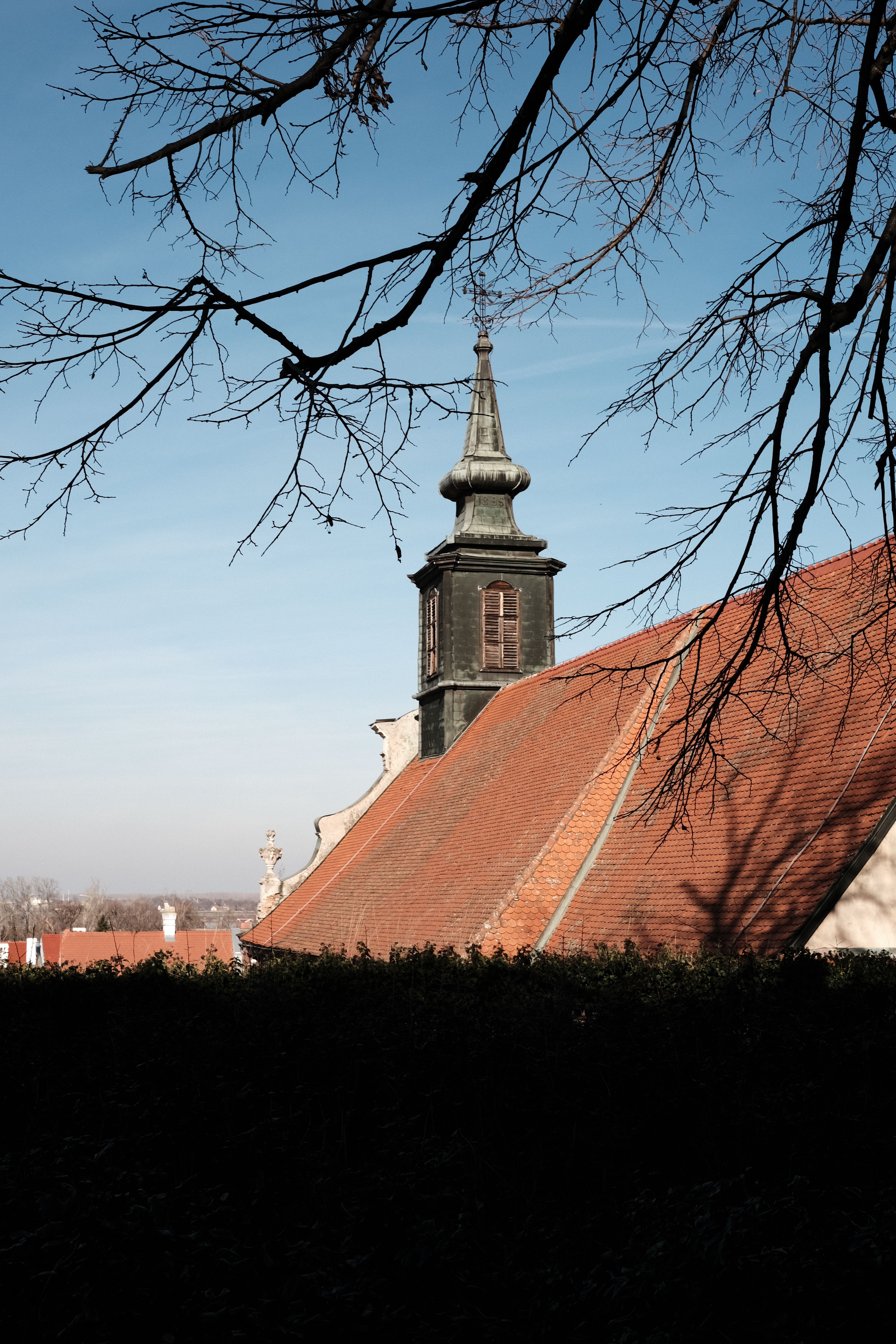
Fruška Gora
A rolling ridge with sixteen Serbian Orthodox monasteries, tucked between vineyards. The Orthodox answer to the capital's bustle, barely an hour away.
mountains
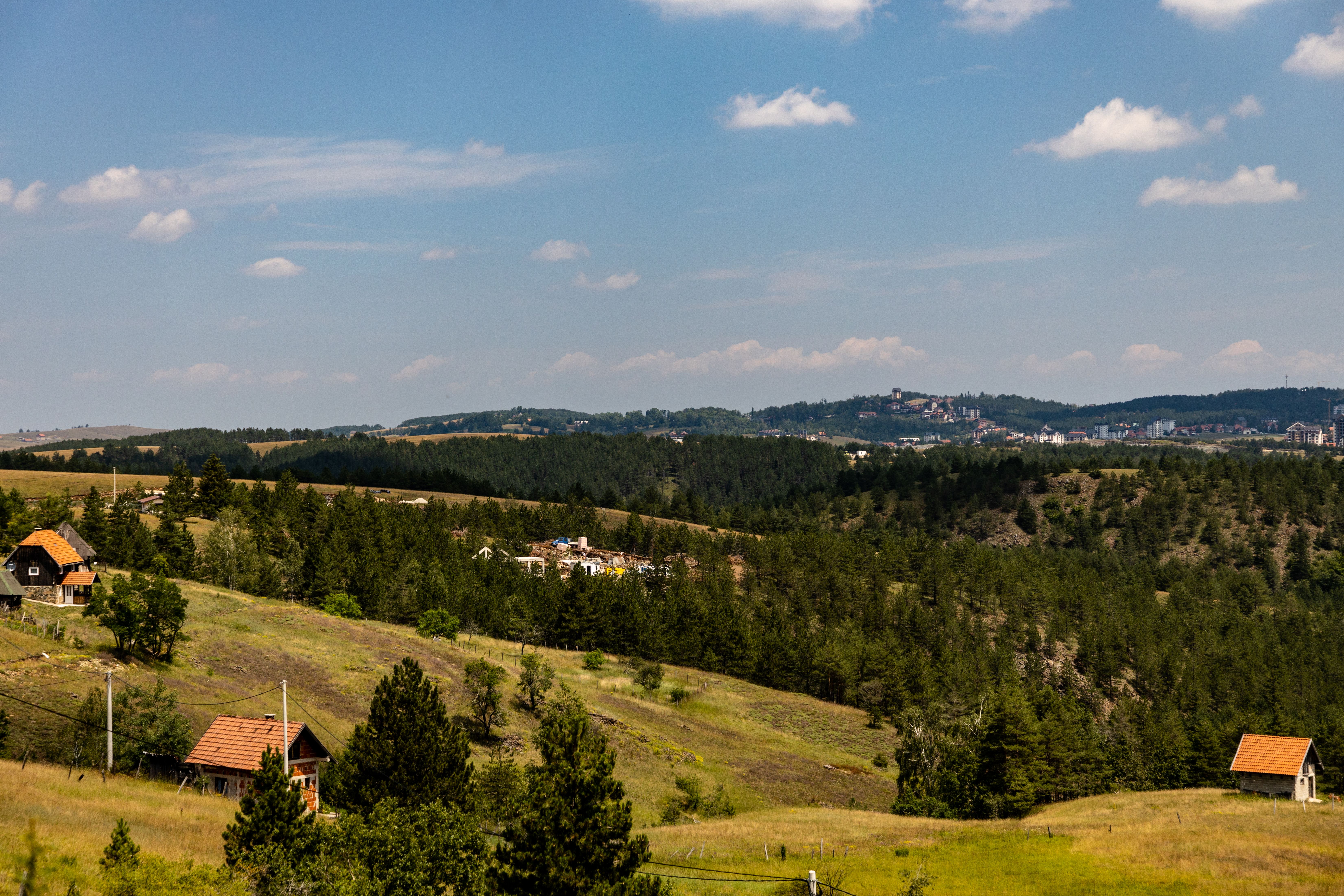
Zlatibor and Tara
Mountain pastures, pine forests and Tara National Park with its gorge above the Drina. Home to the lynxes the rest of Europe has lost.
river gorge
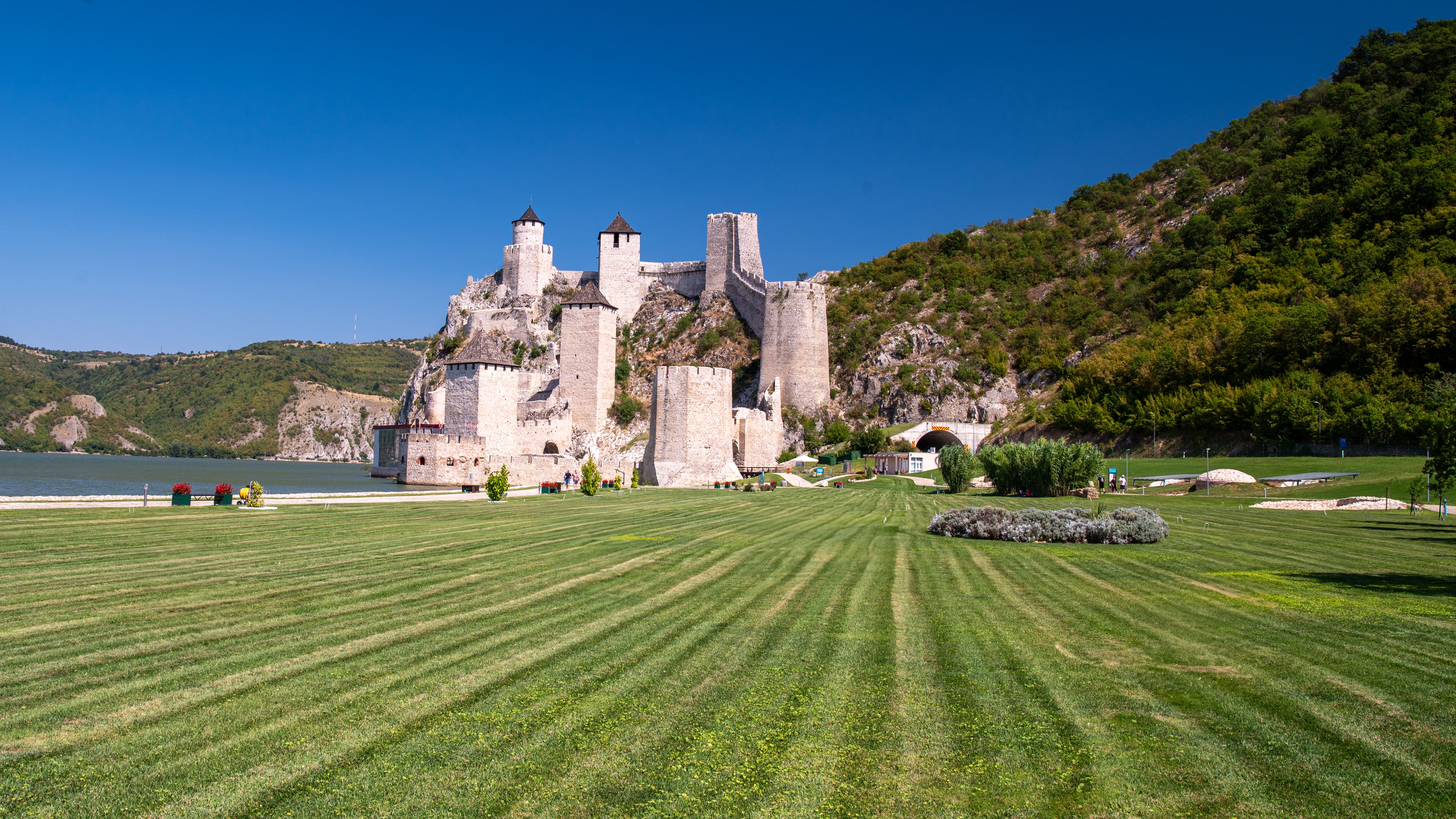
Đerdap / Iron Gate
Where the Danube is squeezed between Serbia and Romania into the narrowest, deepest passage of the whole river, cliffs on both sides, the medieval fortress of Golubac standing guard.
wine country
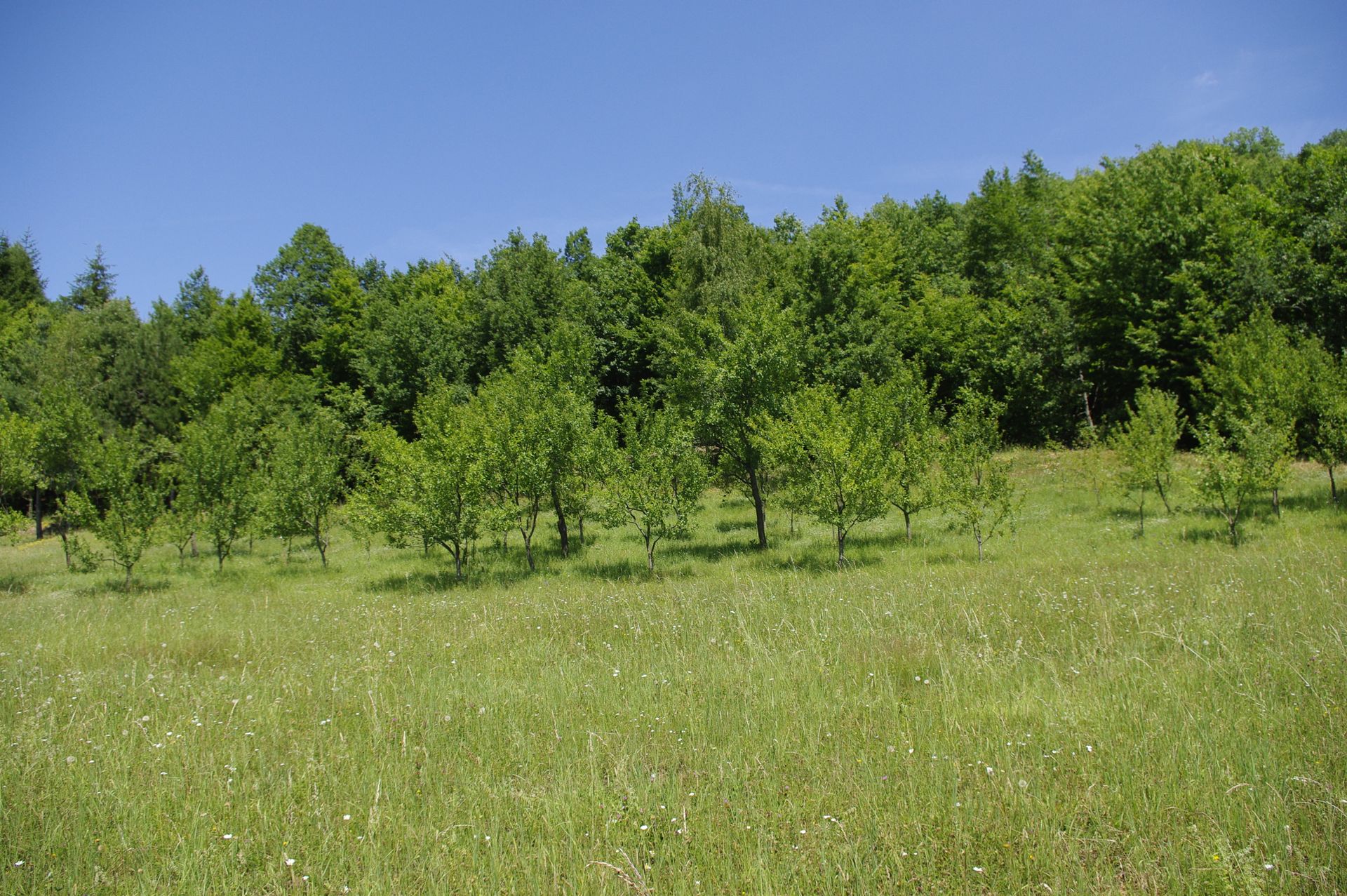
Šumadija
The rolling heart of the country, known for its rakija orchards and emerging wineries. Less visited than Fruška Gora, just as worthwhile.
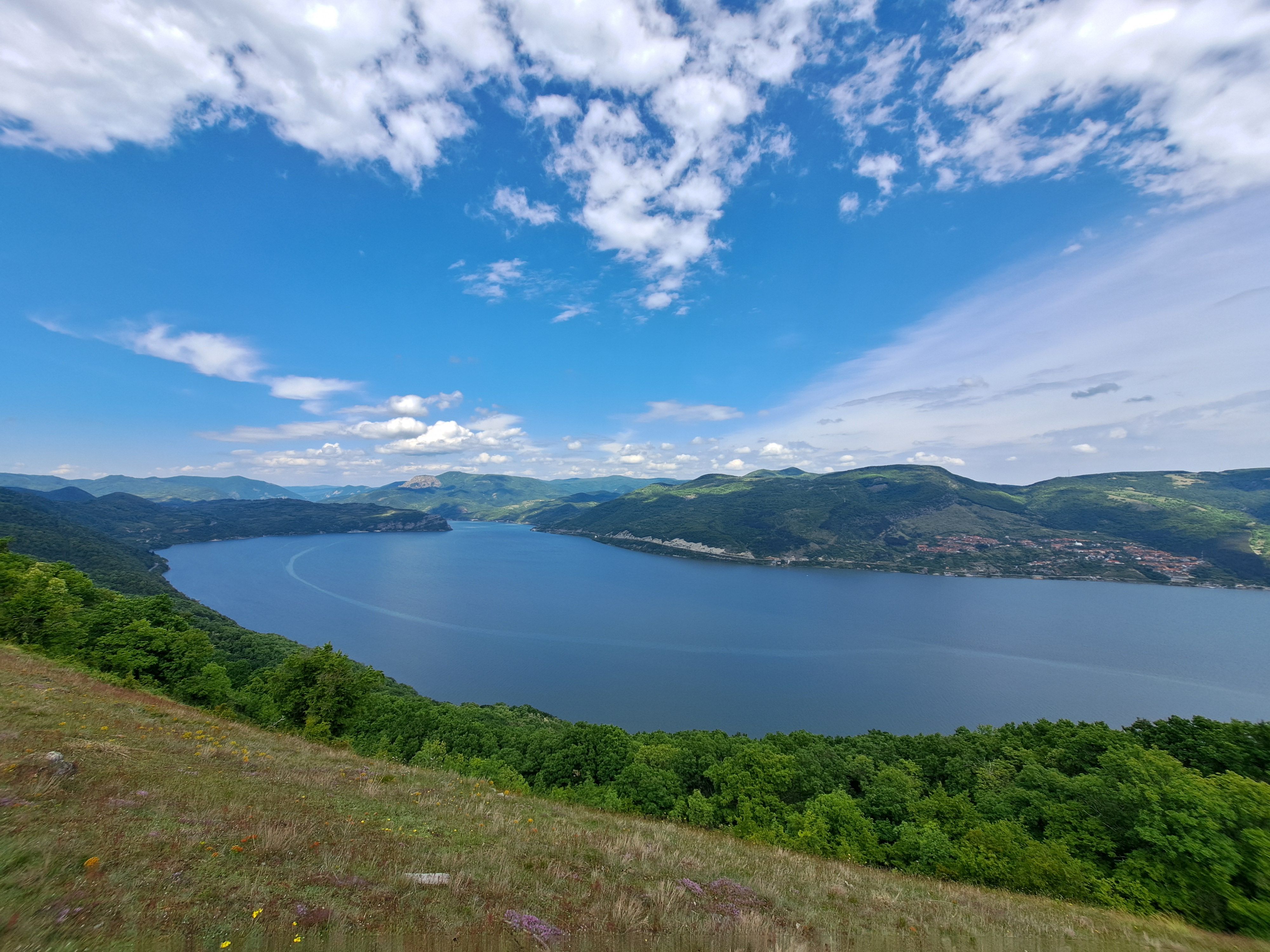
The Đerdap Gorge, where the Danube forces its way between Serbia and Romania, the narrowest passage of the entire river.
Nature & rivers
Wilder than the map suggests.

The Uvac Meanders
A river that curls so sharply it draws a chain of loops from above, with griffon vultures circling the thermals above the gorge, one of the last breeding grounds of the species left in south-east Europe.

Tara
Pine forests and limestone gorges above the Drina, home to one of the continent's last lynx populations. Walking trails without the crowds.
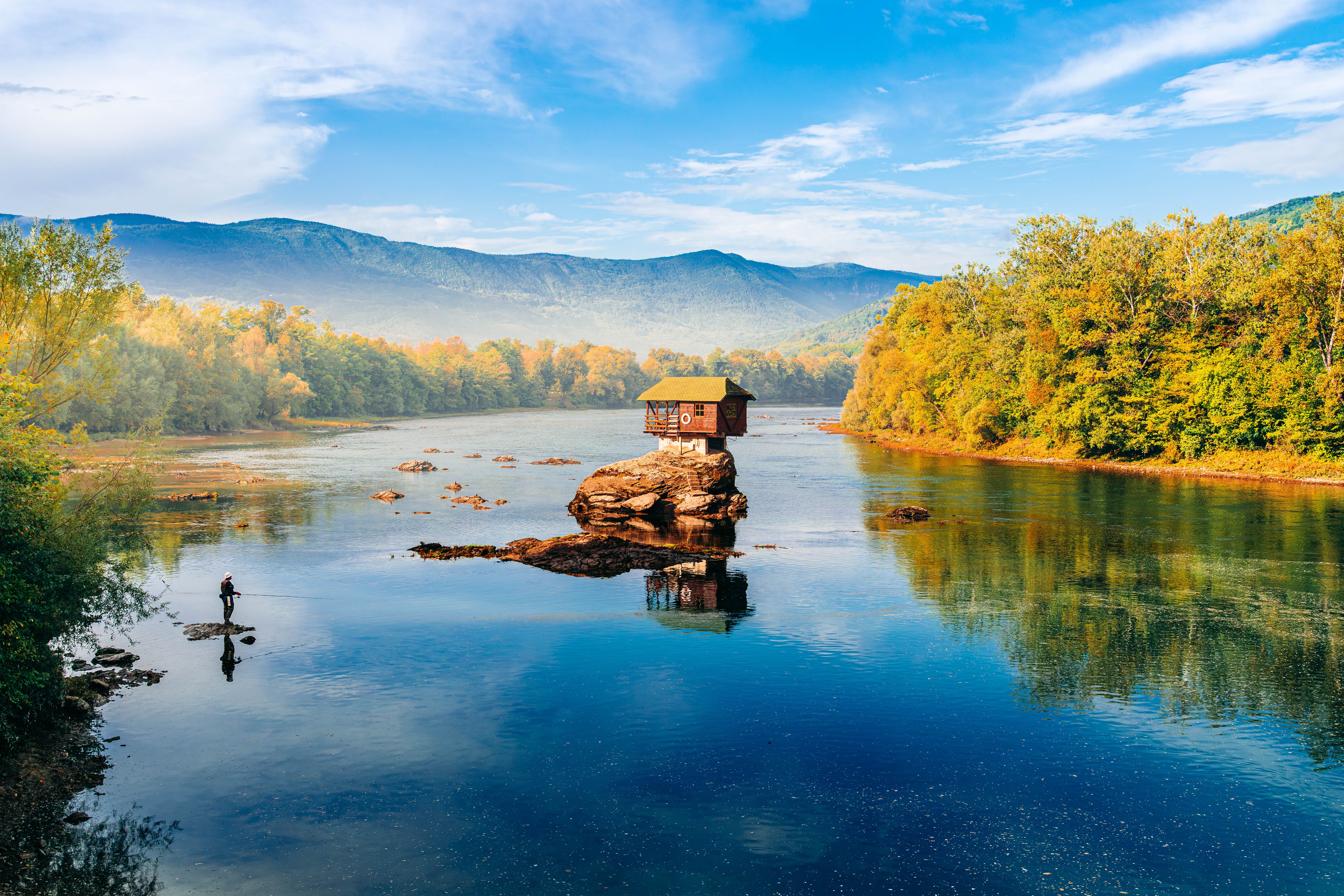
The house on the Drina
At Bajina Bašta stands Serbia's most photographed little house, built on a rock in the middle of the river. Not a construction, but the result of swimmers who once turned it into a shelter.
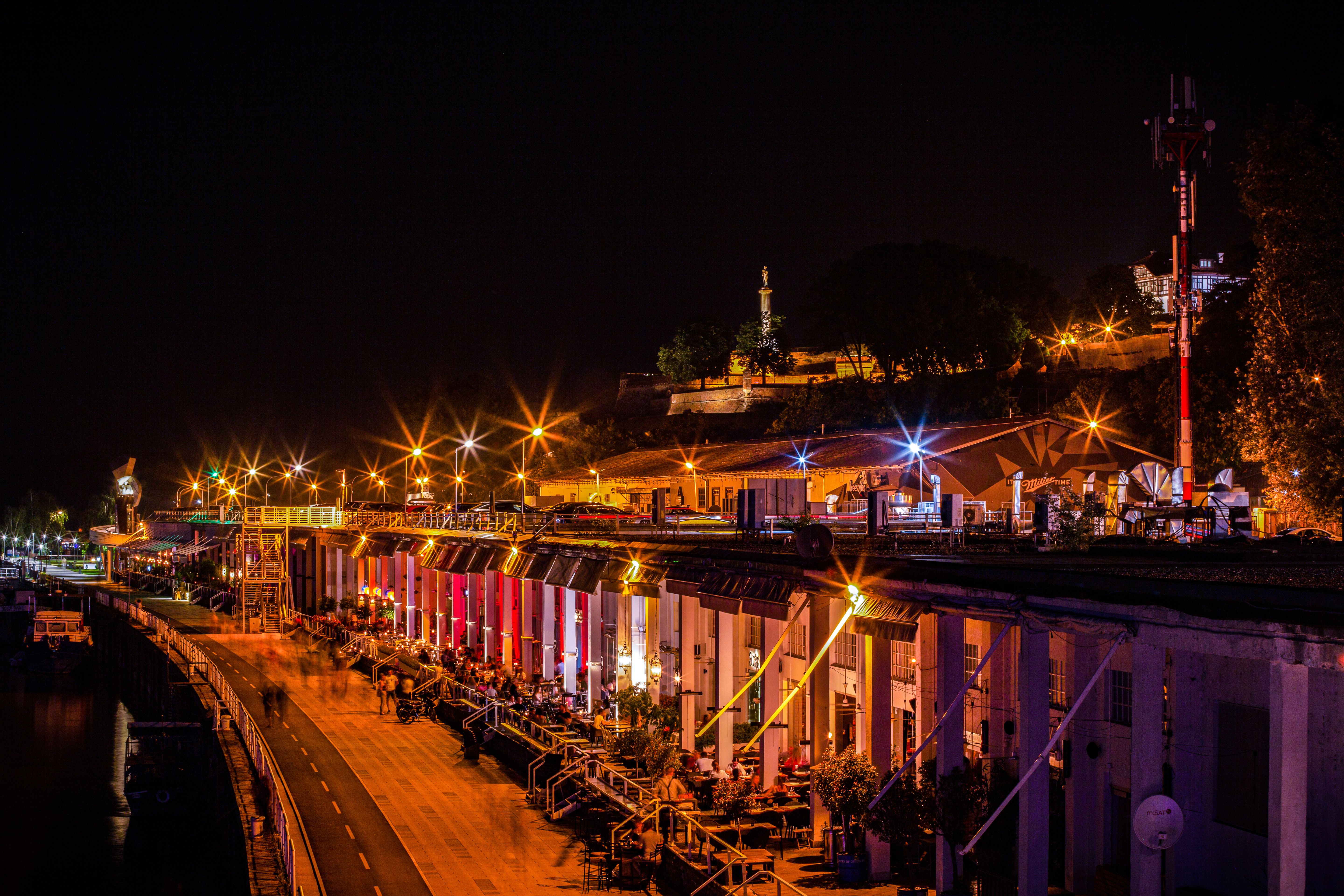

A splav thumping until sunrise, and a fresco that hasn't been disturbed for centuries, two sides of the same country, less than two hours' drive apart.
What you can do here
No set itinerary. Just a country full of starting points.
Serbia doesn't fit into a fixed route. It's a collection of possibilities you combine yourself, from river to monastery to kafana.

Rafting on the Tara
The Drina runs here through one of the deepest gorges in Europe. White water without the crowds of the better-known Alpine rivers.
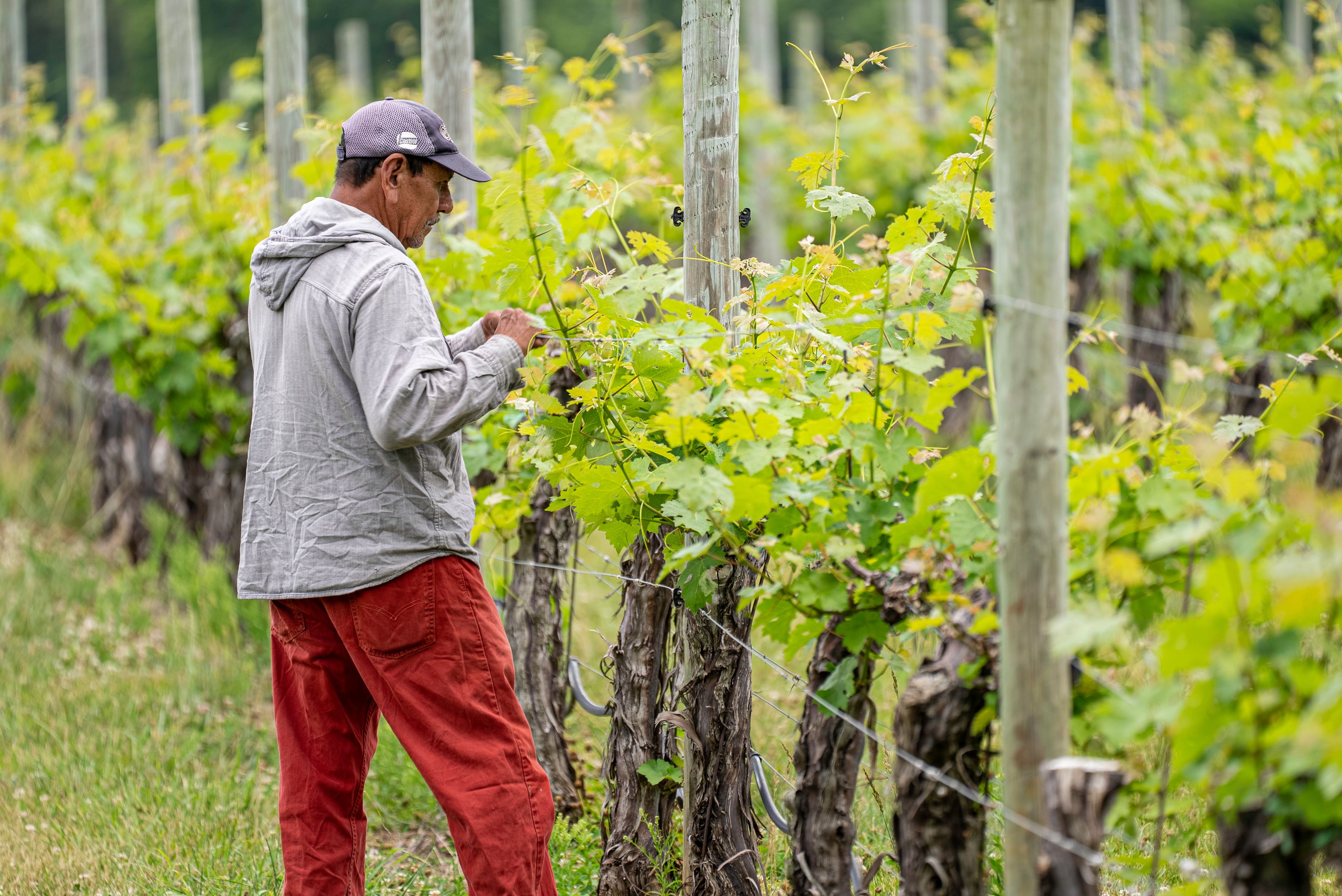
Wine tasting in Šumadija and Fruška Gora
Small wineries that have only gained international attention in recent years, with the red prokupac grape as the local speciality.
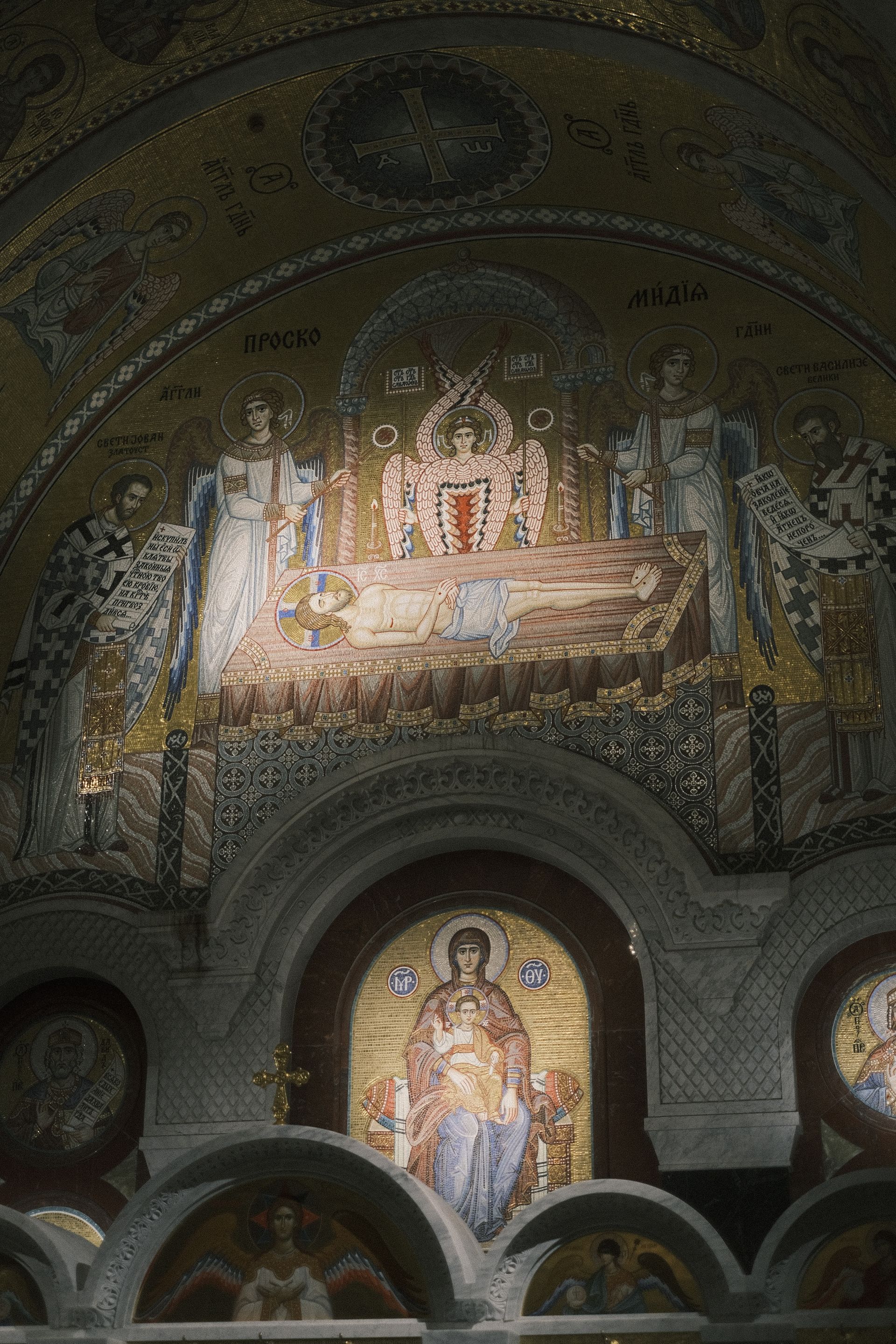
Visiting monasteries with a local guide
The frescoes of Studenica and Sopoćani, both UNESCO-listed, only truly reveal themselves with someone who knows the symbolism.

Sailing through the Đerdap Gorge
A boat trip on the Danube between cliffs over 300 metres high, with the Decebalus rock relief as an unexpected landmark.
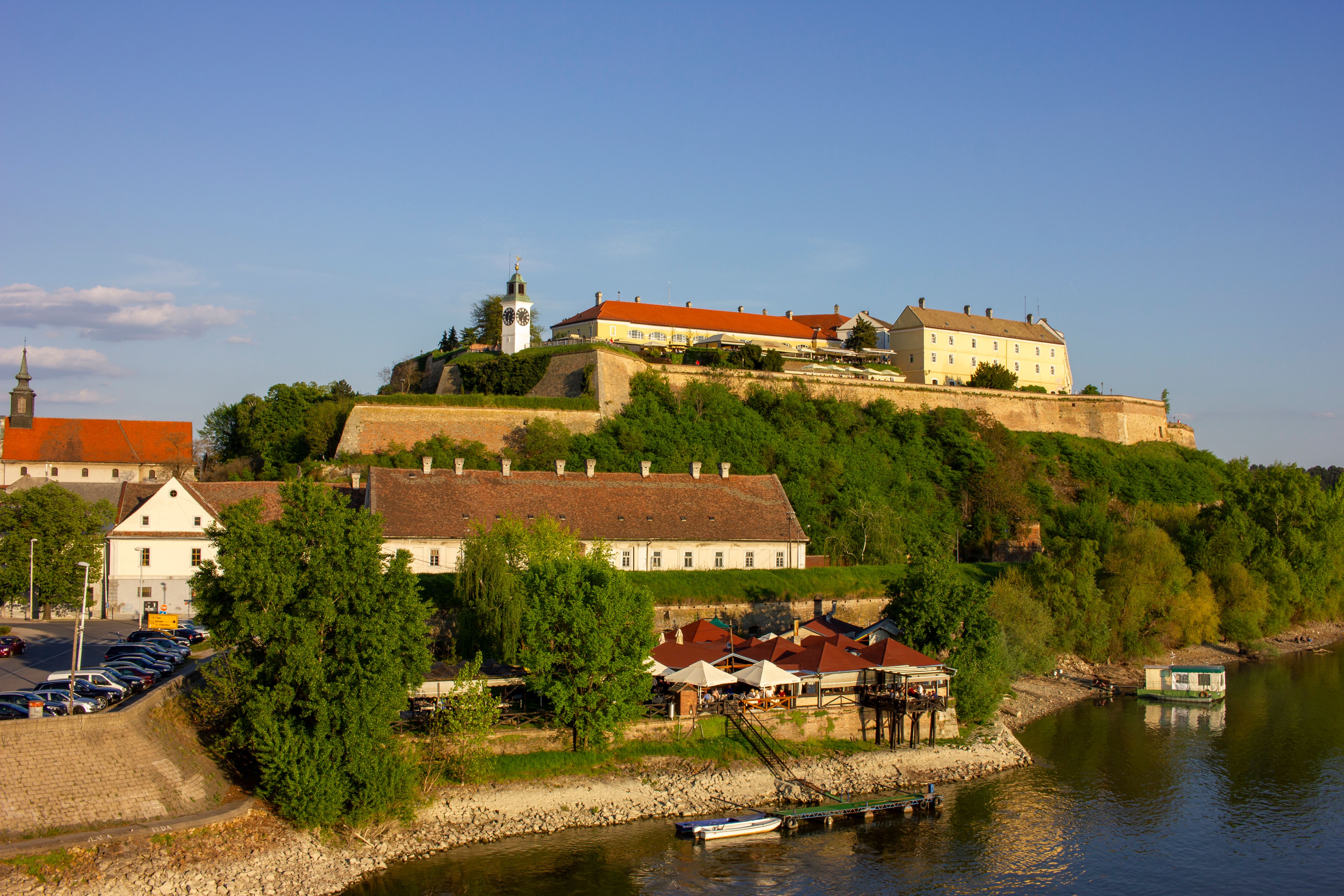
Exploring Novi Sad and the Petrovaradin Fortress
Underground tunnels, a clock tower with a crooked face, and views over the Danube, without the bustle of Belgrade.
Combine it however suits you: a weekend in the capital, a week of mountains and rivers, or everything together.
Looking past the highlights
Why we look at Serbia differently
More than a weekend in Belgrade Most travellers stop at the capital's nightlife. We see Belgrade as a starting point, not an endpoint. The country behind it is at least as worthwhile.
Hospitality isn't a service In Serbia, welcoming a guest is a social duty, not a commercial transaction. That calls for a different kind of travel guidance, one that follows the local tone rather than overwriting it.
The hinge point of the Balkans Serbia sits geographically and culturally between Central Europe and the rest of the Balkans. That makes the country easy to combine with Bosnia, Montenegro or North Macedonia, without ever feeling like a stopover itself.
Stillness as counterweight Against the nightlife stands an equally strong tradition of monastery stillness and slow river life. We deliberately plan room for that, not as a contrast programme but as the other face of the same country.
When would you travel?
When you go decides which Serbia you see.
May, June and September are the most versatile months: pleasant for the mountains of Zlatibor and Tara, not yet too hot for the monastery routes in Fruška Gora, and Belgrade is already in full outdoor swing. July and August are the warmest months, good for the river and the nightlife, with the EXIT festival in Novi Sad in early July, but less pleasant for exploring the interior on foot.
October brings the wine harvest in Šumadija and the first autumn colours in the gorges. In winter, Kopaonik is the country's ski resort, a completely different Serbia to the river and terrace season.
Jan
Feb
Mar
Apr
May
Jun
Jul
Aug
Sep
Oct
Nov
Dec
Top: pleasant weather for both mountains and cities, with the main festivals and harvests falling in these months.
Good: warm to hot, ideal for the river and nightlife but less suited to long walks.
Fair: cold or wet. The cities and monasteries stay interesting, outdoor life is quiet.
Worth knowing
Practical, without the noise.
A few things that make planning easier.
- Getting there
- Direct flights from Brussels to Belgrade, about 2 hours.
- Documents
- Serbia isn't an EU member and isn't in the Schengen area, but a valid ID card is enough for EU citizens for a short stay.
- Language & script
- Serbian is written in both Cyrillic and Latin script. You'll come across both everywhere.
- Health
- No mandatory vaccinations, tap water is drinkable in most cities.
- Pace
- Distances are short on the map, but mountain roads through Zlatibor and Tara take longer than the hour count suggests.
Frequently asked questions
Is Serbia a member of the European Union?
No, Serbia is a candidate member state and uses the dinar as its currency. The country isn't in the Schengen area, but EU citizens don't need a visa for a short stay.
Is Serbia safe to visit?
Yes. The war years of the 1990s are long behind the country, and Serbia is considered one of the safer destinations in the region today.
Is English spoken?
Plenty in Belgrade and Novi Sad, less so in the countryside. The hospitality usually bridges the language gap faster than you'd expect.
Can Serbia be combined with other countries?
Certainly. Its location makes it easy to combine with Bosnia and Herzegovina, Montenegro or North Macedonia in a single route.
Or perhaps this
Other destinations
Still weighing it up? That is no problem at all. The right country often only becomes clear once the conversation starts.
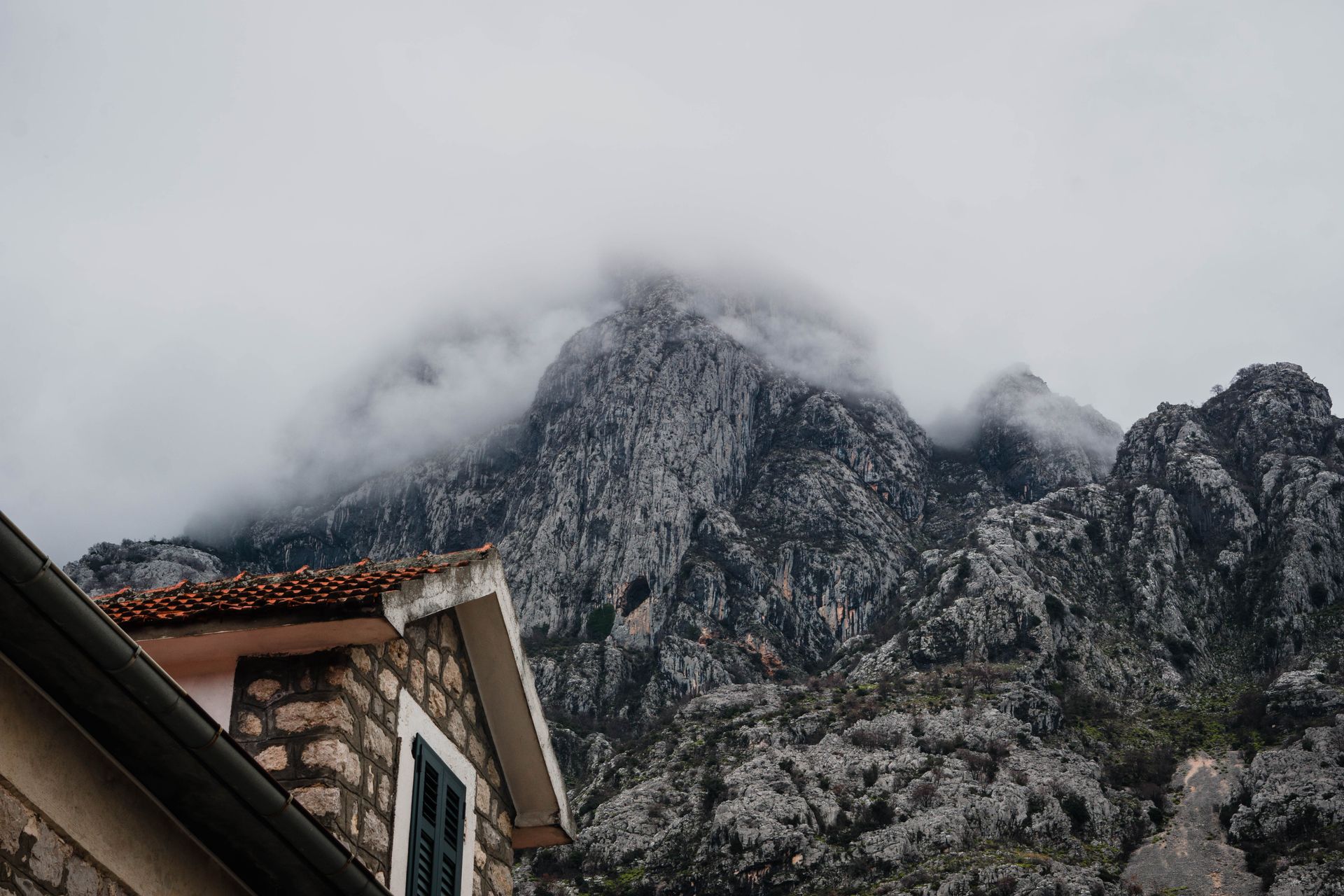
Southern Adriatic coast
Montenegro
A fjord that is not really a fjord, mountains that fall straight into the sea, and a country smaller than its landscape suggests.
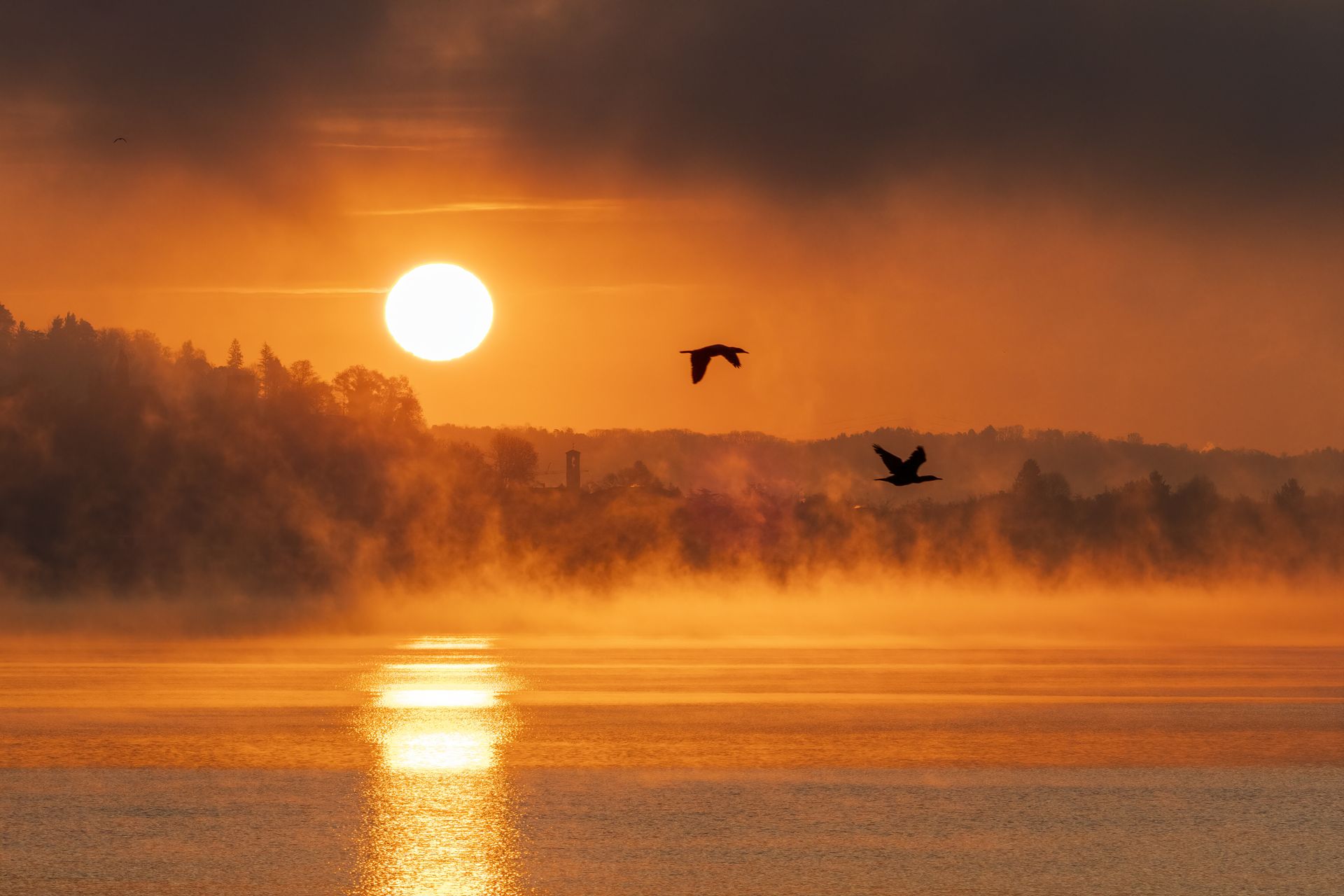
Central Europe
Poland
A country with more landscape than its history suggests, with forests, lakes and towns each rebuilt with real character.
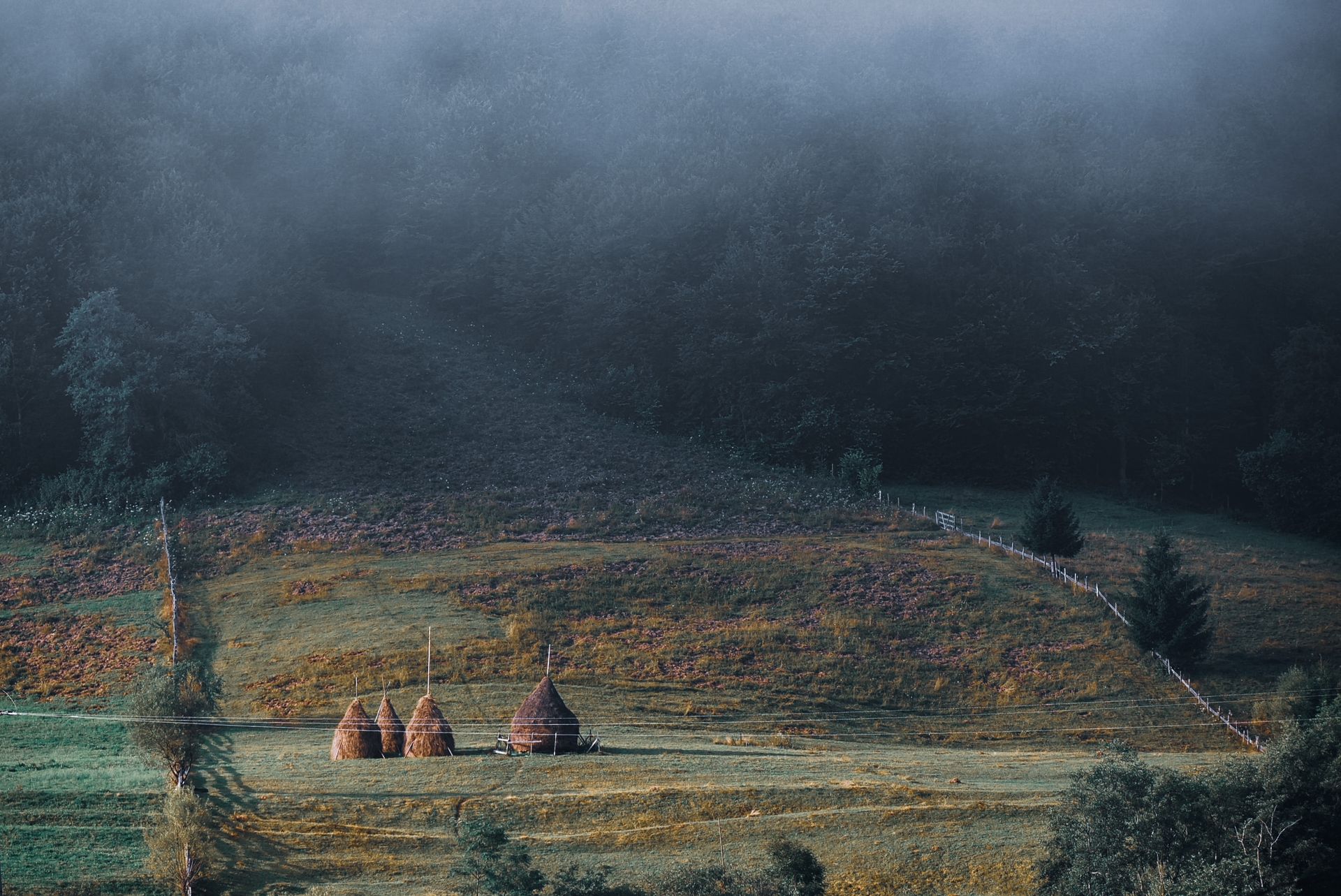
Carpathians and Black Sea
Romania
Mountains where bears and wolves still roam freely, villages with a pace of their own, and a capital that keeps reinventing itself.
How it works
This is how your journey to Serbia takes shape.
Six steps, from your first story to your homecoming. The conversation and the feasibility check cost you nothing.
-
01
Tell us your story
Fill in the form or give us a call. You do not need a route yet: a country, a period or just an idea is enough.
-
02
The conversation and the check
We talk through what you are looking for, by phone or by video, and check whether it can be done. If it can, we set down together what we will make for you.
-
03
We design your journey
We build your programme up, day by day, together with our own people in the country itself.
-
04
Your proposal
You read your journey day by day, with everything that is included. You say what you would like differently, until it is right.
-
05
Ready to depart
You send us your details, we send you your travel documents. You have one fixed contact who knows your journey.
-
06
Travelling, and after
Your contact stays reachable while you are away. Once you are home, we call one more time.
The next step
How do you picture Serbia for yourself?
A weekend in Belgrade and Novi Sad, a route past the monasteries of Fruška Gora, or simply the stillness of the Tara mountains. Tell us what you're after. We turn it into a trip that fits you, not a programme that happens to pass through Serbia.