Danube Basin
Hungary
Flat from above, layered within.
This is Hungary
A capital that looks weightier than it is.
The country only reveals itself to those who slow down.
A country of plain and river, thermal springs beneath the ground, and a capital that looks weightier than it is. Hungary sits enclosed between the Carpathians and the Alps, yet feels wide open: the Great Hungarian Plain stretches for hundreds of kilometres towards the horizon, broken only by vineyards, paprika fields and villages with a single church spire.
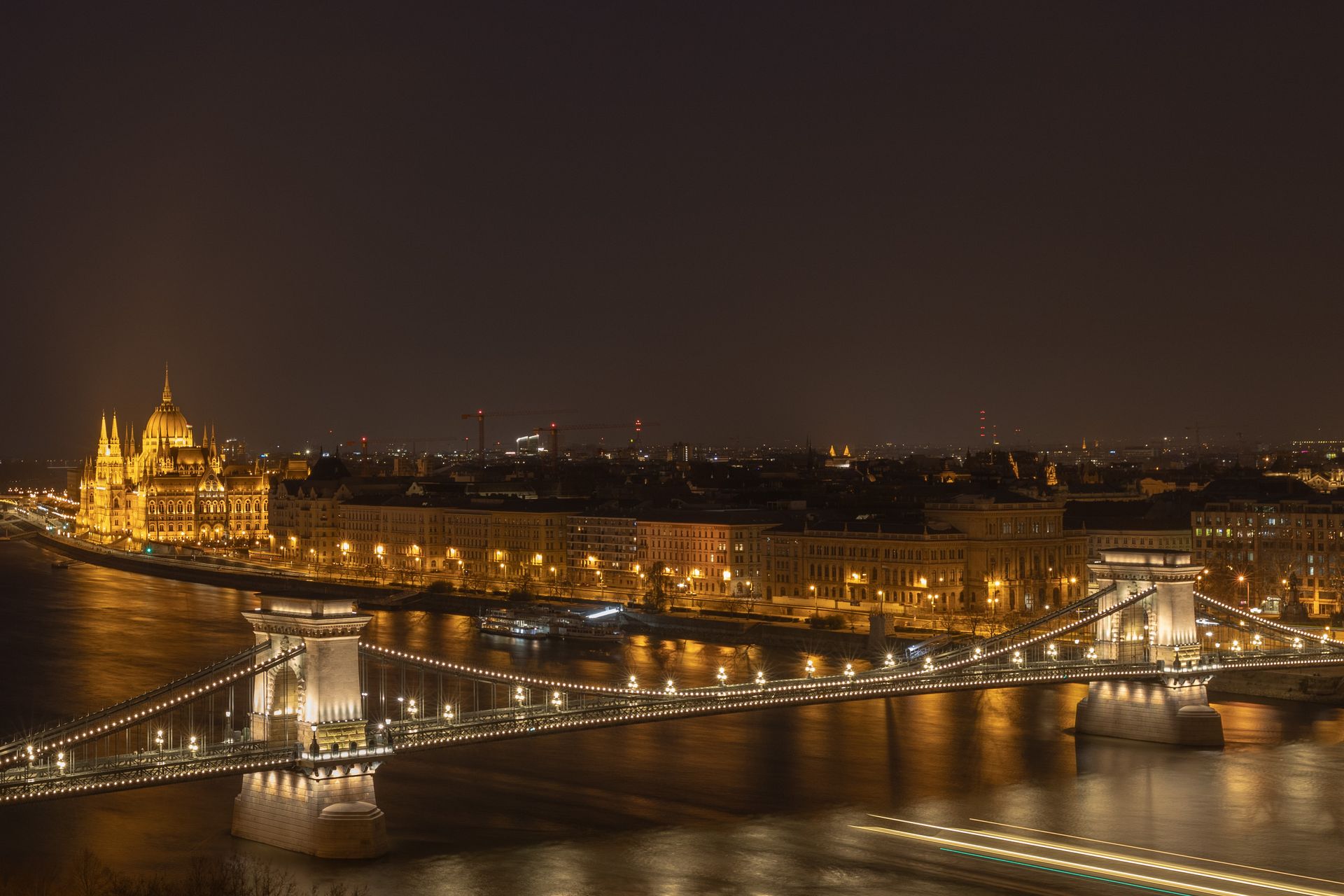
The Danube cuts the country in two and carries you from the bends at Visegrád to the bridges of Budapest, where Habsburg splendour, Ottoman baths and communist-era concrete stand side by side, and the city seems entirely at ease with it. Further out, towards Tokaj and Eger, the pace slackens: cellars cut into the hills, ploughed fields running up to the road, a hospitality that never hurries.
This is not a country that proves itself with exclamation marks. It reveals itself in layers, geological, historical, culinary, to anyone who takes the time to look past the first impression.
The regions
Five corners of the same plain
Hungary is compact, but no two regions feel alike. The river, the wine hills and the puszta each set their own rhythm.

capital and river
Budapest and the Danube Bend
Two cities, Buda on the hill, Pest on the plain, tied together by bridges that each tell a different decade. North of the city, the river bends through wooded banks at Visegrád and Szentendre.

wine country
Tokaj and Eger
Volcanic hills, centuries-old cellars and a light that turns almost orange in October. Tokaj lent its name to a dessert wine known even before Napoleon's time, while Eger produces its own, sturdier red.

plain
Hortobágy and the puszta
Europe's largest unbroken grassland, where herdsmen still work on horseback and the sky seems larger than the land beneath it.

lake
Lake Balaton and the northern shore
Central Europe's largest lake, fringed by resort towns on the southern shore and quieter wine villages on the volcanic hills to the north.

south
Pécs and Southern Transdanubia
A university town with Ottoman traces and a more Mediterranean light, surrounded by soft hills and villages that rarely make it onto a map.

Budapest
A city that doesn't hide its history.
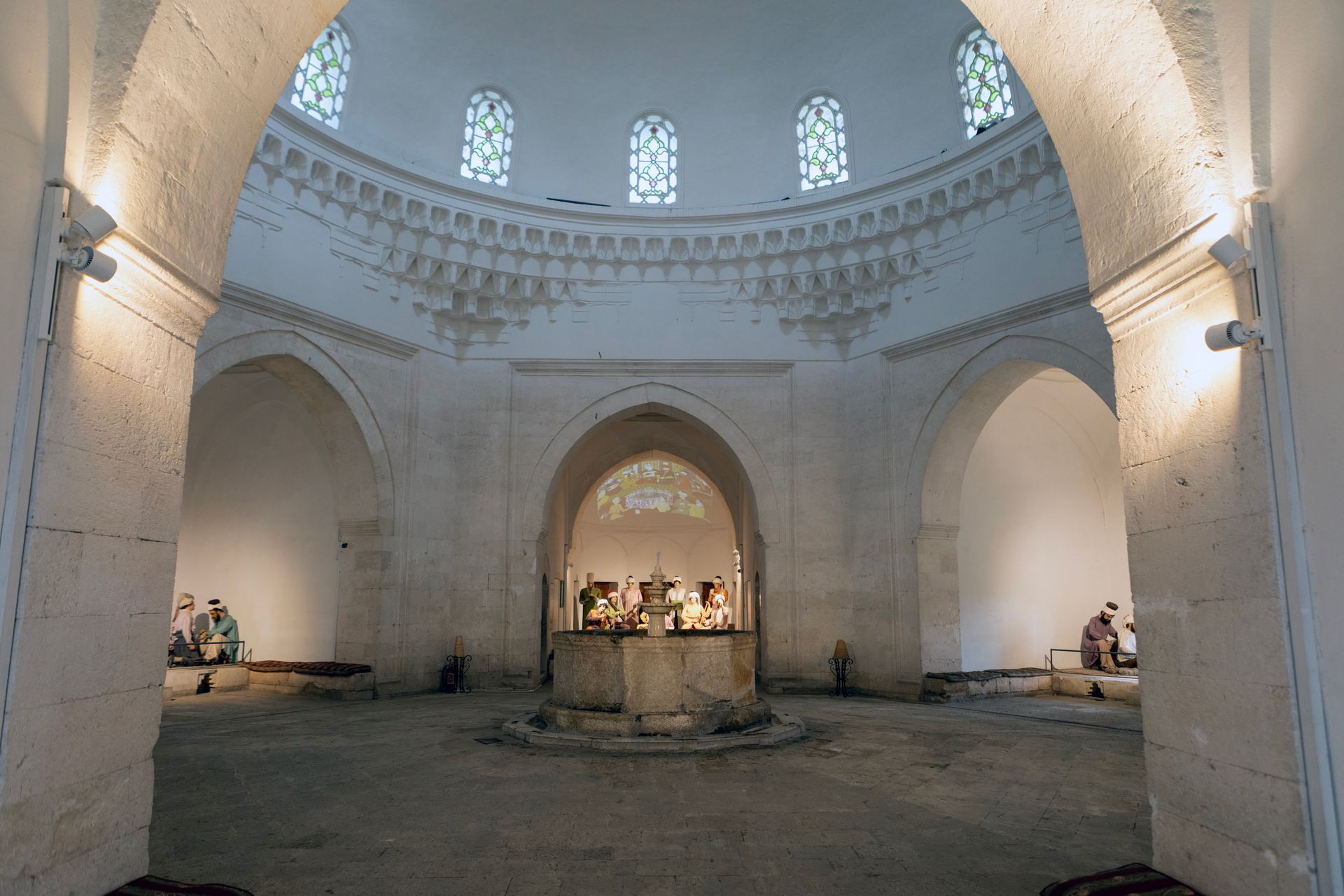
Budapest wears its past openly: Ottoman baths with domed roofs standing next to Habsburg facades thick with stucco, and between them the unvarnished concrete of the socialist decades. Nothing has been restored into a stage set. The city shows everything that has passed over it.
The thermal baths are the clearest example: Rudas and Király still date from Ottoman times, while Gellért and Széchenyi are nineteenth-century additions. For locals, these are not photo opportunities but a weekly habit, early in the morning, newspaper in hand, in silence.
Plain and water
Where the land never hurries

Hortobágy
A World Heritage grassland and one of Europe's most important bird migration sites. Tens of thousands of cranes settle here in autumn.

The Danube Bend
Where the Danube makes a sharp turn between wooded hills, with Visegrád and Esztergom as quiet lookout points over the water.

Bükk and Aggtelek
Limestone hills riddled with caves in the northeast, including the extensive Baradla cave system: cooler, quieter and less known than the rest of the country.

The Tokaj hills in October, when the light and the harvest coincide.
Looking past the highlights
How we look at Hungary
Beyond the spa-town reflex Budapest gets summed up too quickly as a spa city. We plan the baths as a habit rather than a highlight, and leave just as much time for the wine hills and the plain.
The puszta is not a show Horse-riding culture on the Hortobágy has existed for centuries outside the tourist circuit. We seek out the herdsmen and studs who still simply work there.
Wine without tasting-room tourism Tokaj and Eger have long since stopped running on big names alone. The smaller winemakers in the hills rarely receive groups. With us, they do.
A country to slow down in Hungary does not reward haste. Rushing from city to wine country to plain means missing exactly the rhythm that makes the country worthwhile.
What you can do here
Possibilities, not a programme
These aren't day-by-day itineraries but directions. What we build for you depends on what you're looking for.

Tasting with the winemaker
An afternoon in a cellar in the hills of Tokaj or Eger, with someone who makes the wine rather than just sells it.

On horseback on the puszta
Riding across the Hortobágy, where the landscape is so flat that the horizon never seems to get any closer.

Sailing the Danube
From the bends at Visegrád to the bridges of Budapest. The river shows the country at a different pace.
Bathing as a local habit
Early morning at Rudas or Lukács, not for the photo but for the ritual.

Small towns without hurry
Pécs, Szeged, Sopron: university towns and border towns with a pace of their own, far from the main routes.
What we ultimately put together depends on the conversation we have with you.
Flat from above, layered within.
Hungary only reveals itself to those who slow down.
When would you travel?
When to travel to Hungary
Spring and early autumn are the most pleasant periods: mild weather, an active grape harvest in September and October, and light that falls low and golden over the plain. Summer can turn oppressively warm on the lowlands, especially around Lake Balaton; winter is cold, but Budapest wears the cold well, and the thermal baths are at their best then.
Jan
Feb
Mar
Apr
May
Jun
Jul
Aug
Sep
Oct
Nov
Dec
Top: mild weather, grape harvest and clear light over the plain.
Good: pleasant but with a chance of showers.
Fair: hot, busy summer at Lake Balaton or cold, short winter days.
Worth knowing
Practical, without the noise.
Practical things that make planning easier.
- Getting there
- Direct flights from Brussels to Budapest; the rest of the country is reached by car or train.
- Documents
- An identity card is sufficient for EU citizens.
- Health
- No special vaccinations required; tap water is safe to drink everywhere.
- Pace
- Allow for longer journeys on the plain. Distances look smaller on the map than they feel on the road.
- Currency
- Hungarian forint; the euro is not accepted everywhere.
Frequently asked questions
Is Hungary just Budapest?
Far from it. The capital is a good starting point, but staying there means missing the wine hills, the puszta and the Danube landscape further out.
How hot does it get in summer?
On the plain, temperatures in July and August can climb considerably, with dry, hot days. Anyone wanting to avoid that should choose May-June or September-October.
Do I need a hire car?
It's advisable for the wine regions and the puszta. Public transport outside Budapest is more limited.
Can the thermal baths be combined with a relaxed trip?
Certainly. The baths aren't a separate outing but a habit that fits into the rhythm of a trip anywhere, from Budapest to smaller spa towns.
Or perhaps this
Other destinations
Still weighing it up? That is no problem at all. The right country often only becomes clear once the conversation starts.
Carpathians and Black Sea
Romania
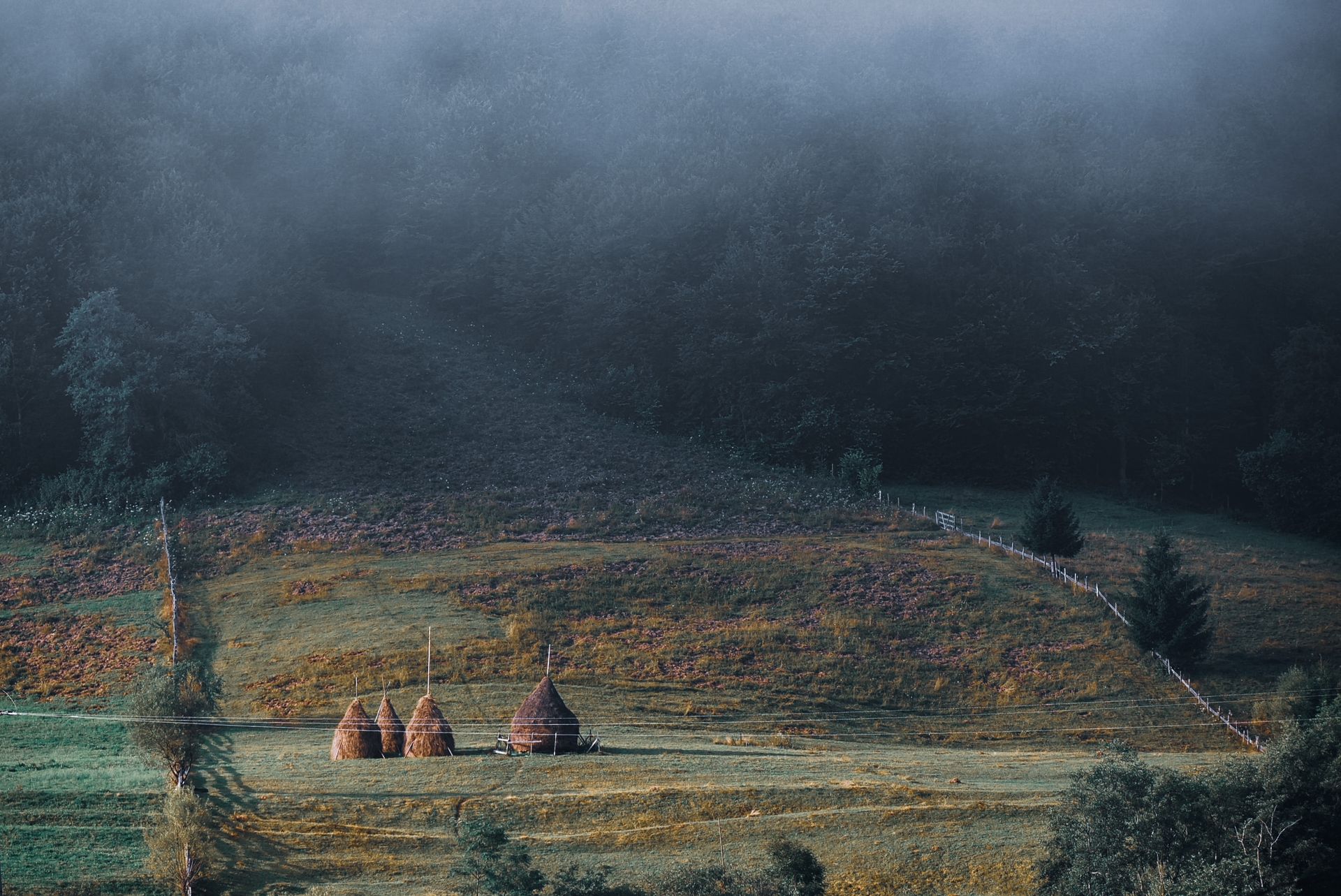
Mountains where bears and wolves still roam freely, villages with a pace of their own, and a capital that keeps reinventing itself.
Central Balkans
Serbia
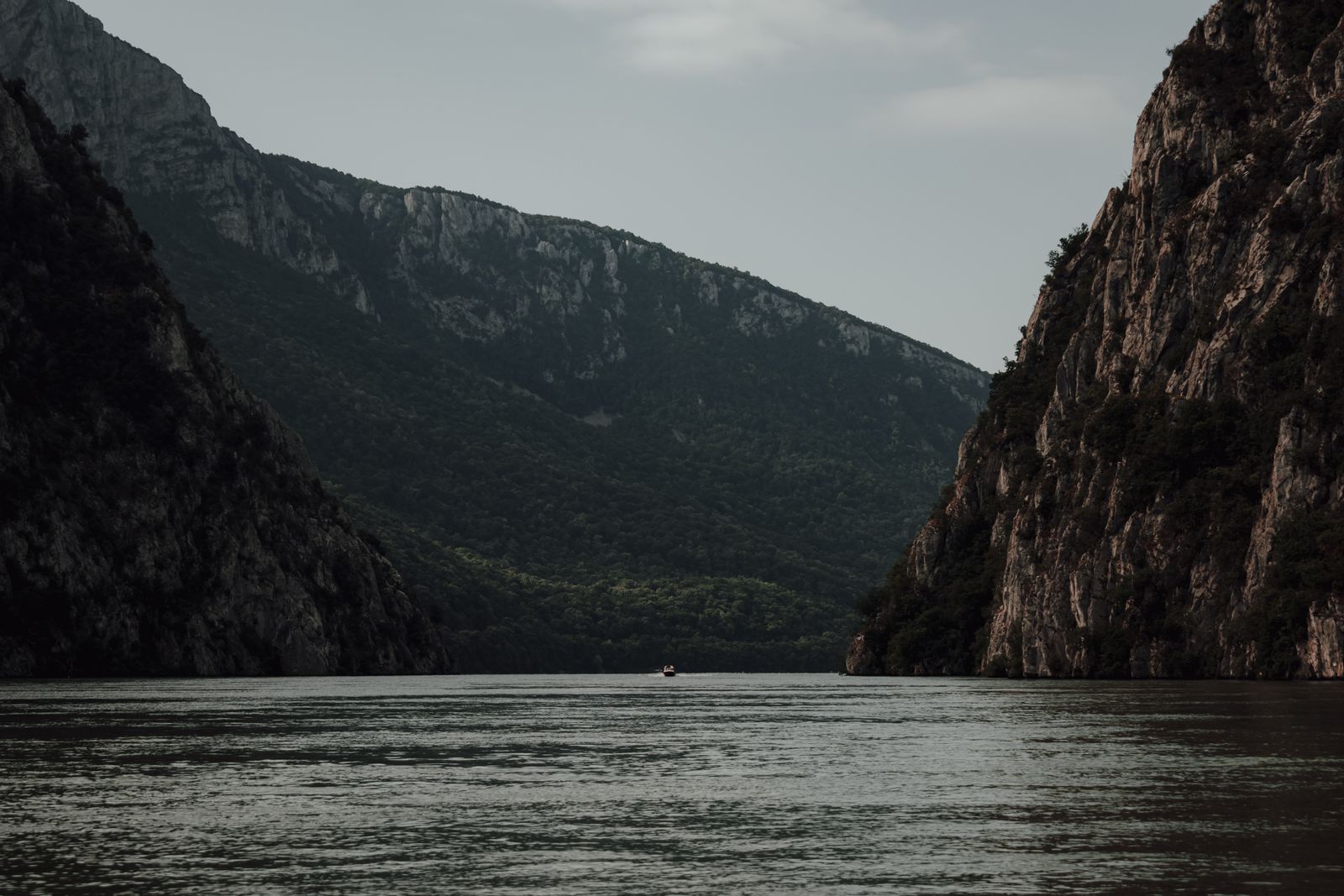
A country that does not sell itself to visitors, with hospitality that is unfiltered and nightlife that lives up to its reputation.
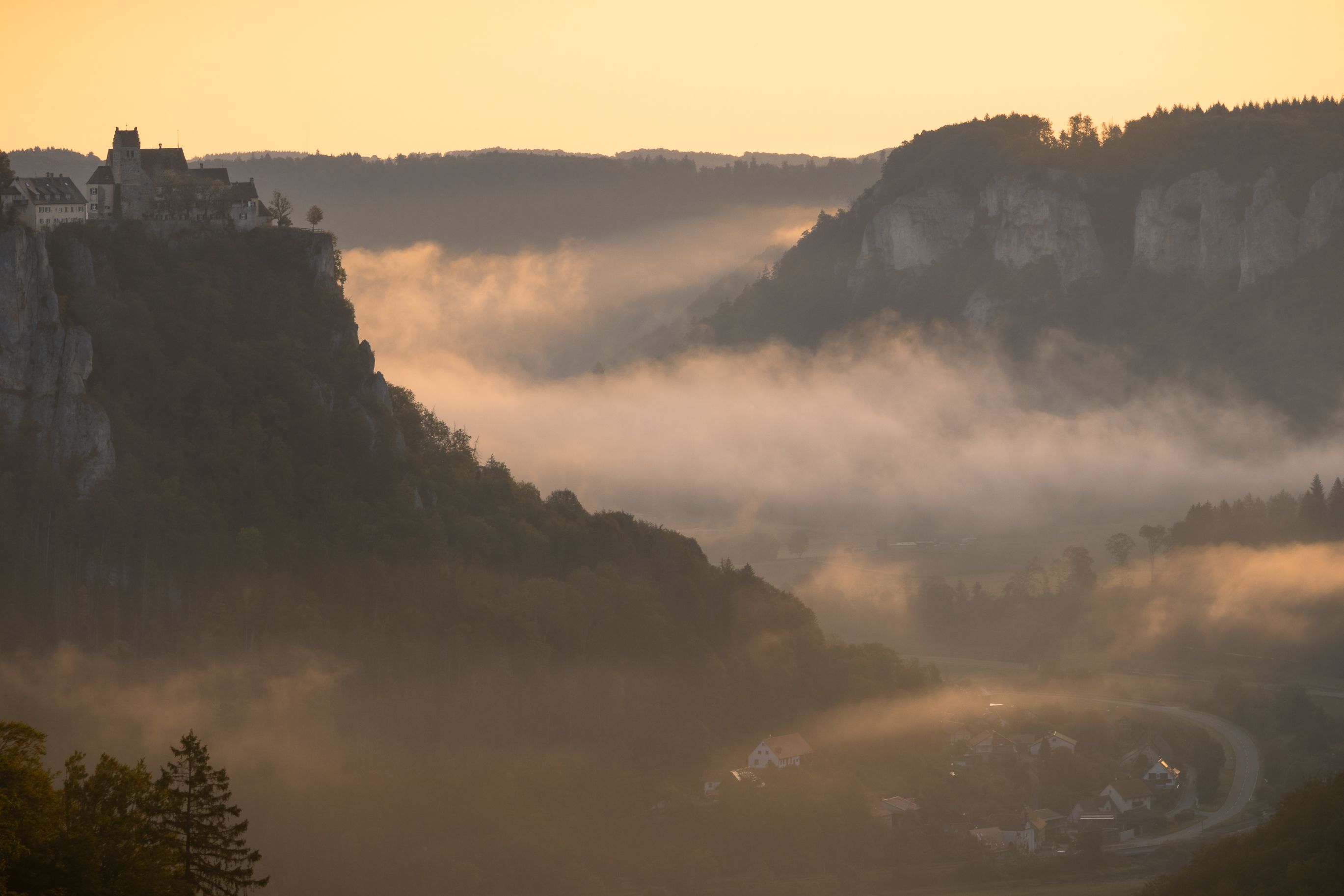
Carpathians
Slovakia
Mountains, castles and wooden villages tucked away in the shadow of the Czech Republic.
How it works
This is how your journey to Hungary takes shape.
Six steps, from your first story to your homecoming. The conversation and the feasibility check cost you nothing.
-
01
Tell us your story
Fill in the form or give us a call. You do not need a route yet: a country, a period or just an idea is enough.
-
02
The conversation and the check
We talk through what you are looking for, by phone or by video, and check whether it can be done. If it can, we set down together what we will make for you.
-
03
We design your journey
We build your programme up, day by day, together with our own people in the country itself.
-
04
Your proposal
You read your journey day by day, with everything that is included. You say what you would like differently, until it is right.
-
05
Ready to depart
You send us your details, we send you your travel documents. You have one fixed contact who knows your journey.
-
06
Travelling, and after
Your contact stays reachable while you are away. Once you are home, we call one more time.

The next step
How would you like to discover Hungary?
Tell us whether it's the vineyards, the river, the puszta or the city that draws you, and we'll build a trip around what you're looking for.