The Atlantic Edge
Ireland
A country that lets the weather set the scene, not fight it.
This is Ireland
Ireland lets the weather set the scene, and a conversation in the pub rarely ends at small talk.
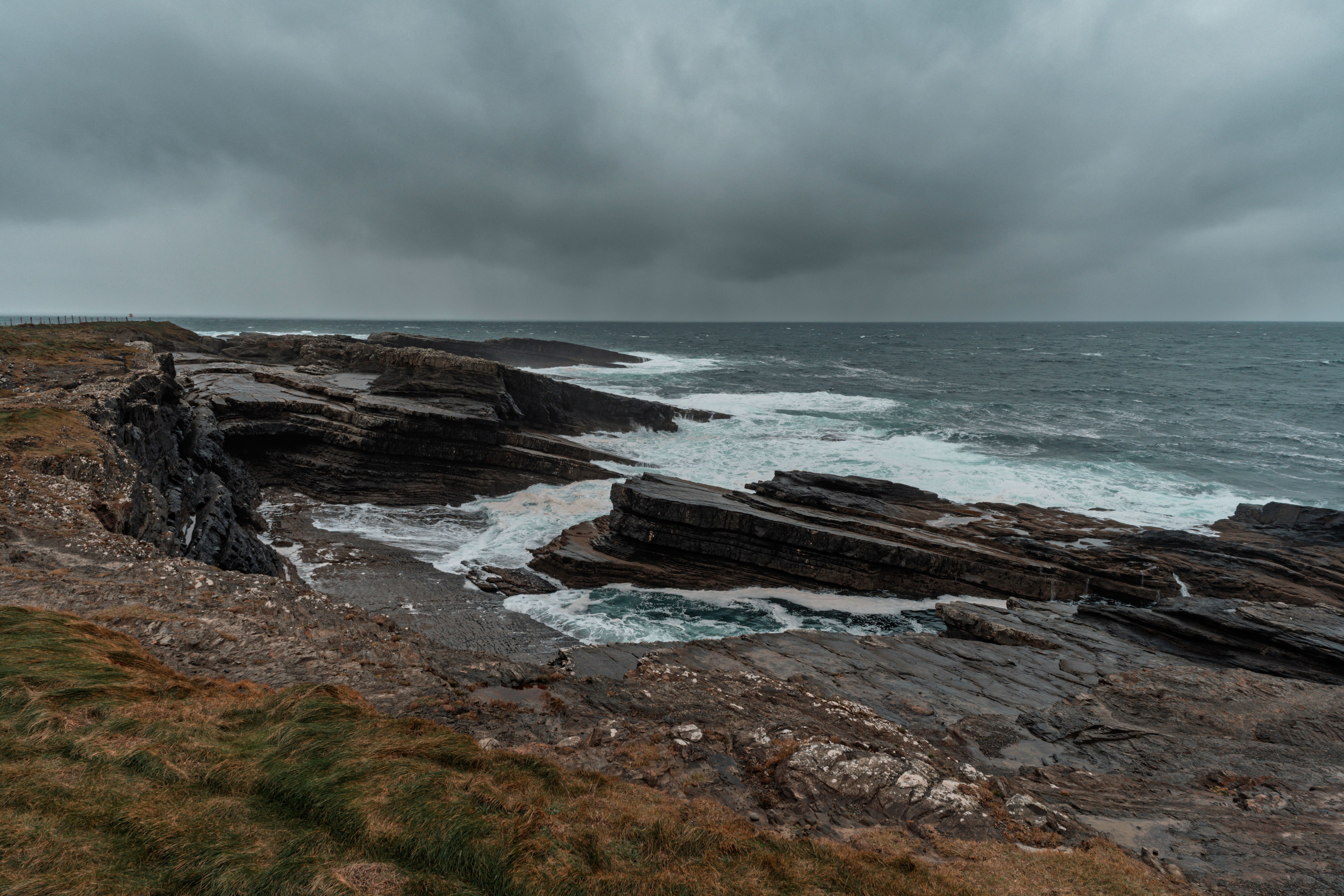
On the west coast the light changes by the quarter hour: a cloud drifts in from the Atlantic, the sun breaks through above a cliff, and by the time you've zipped your coat back up it's raining again. Ireland doesn't brace against that weather, it builds with it. Farmers read the sky before bringing in the hay, fishermen in Killybegs wait out a front, and a walk along the Cliffs of Moher lasts exactly as long as the mist allows.
In the pub, that rhythm doesn't shift, but the conversation does. Anyone who steps in for one pint often stays for three, as the talk drifts from the weather to the neighbours, to who's from where and why, to a song struck up without warning. This isn't a performance for tourists. It's simply how the evening goes, in Dingle just as much as in a pub with no name above the door in Donegal.
Here the weather isn't an obstacle,
it's part of the story.
The regions
Six faces of the same coastline
The Atlantic Edge isn't one continuous route but a string of distinct landscapes, from the wild north to the quieter peninsulas of the south-west.

Far north-west
Donegal
The wildest stretch of the Atlantic Edge, where the cliffs of Slieve League rise higher than Moher's and rarely see a coach. In the Gaeltacht villages around Gweedore, you'll still hear as much Irish on the street as English.
West of Galway
Connemara & the Aran Islands
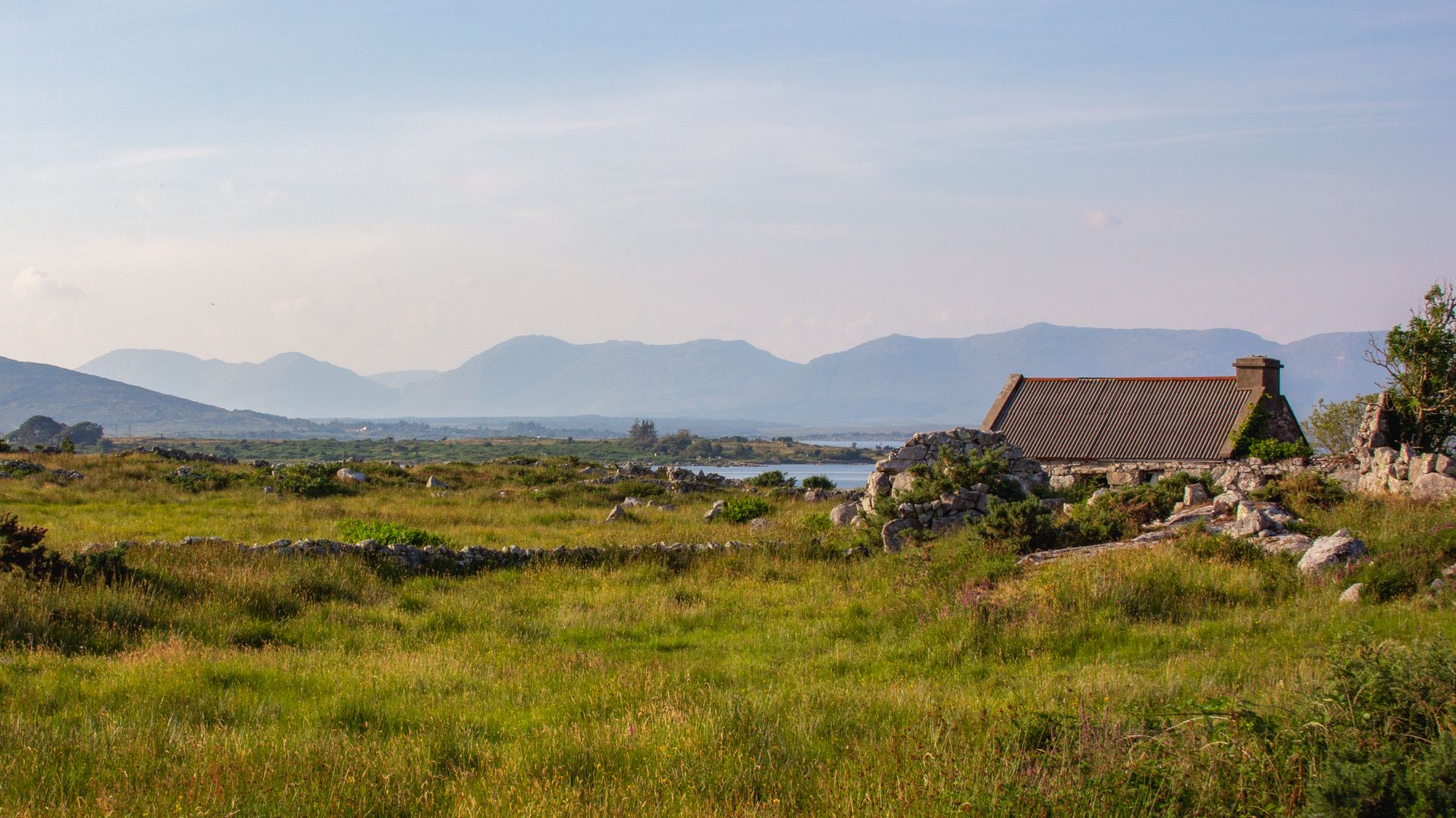
Rocky bogland, stone walls that hold back nothing, and a coastline that gives way to the Aran Islands, where Inis Mór is best explored by bike or on foot. Kylemore Abbey sits tucked against a lake here, without a queue in sight.

North Clare
The Burren
A limestone plateau where no tree grows, yet hundreds of plant species meet in the cracks between the rocks. The Poulnabrone dolmen and the Cliffs of Moher are only a short drive apart, but feel like two entirely different landscapes.

Kerry's westernmost point
Dingle Peninsula
The Slea Head drive is one of the finest coastal roads in Europe, and Dingle itself remains a fishing town with a harbour that still works for a living. Beyond the last houses lie the Blasket Islands, once inhabited, now reachable only by boat.
South-west Kerry
Ring of Kerry / Iveragh
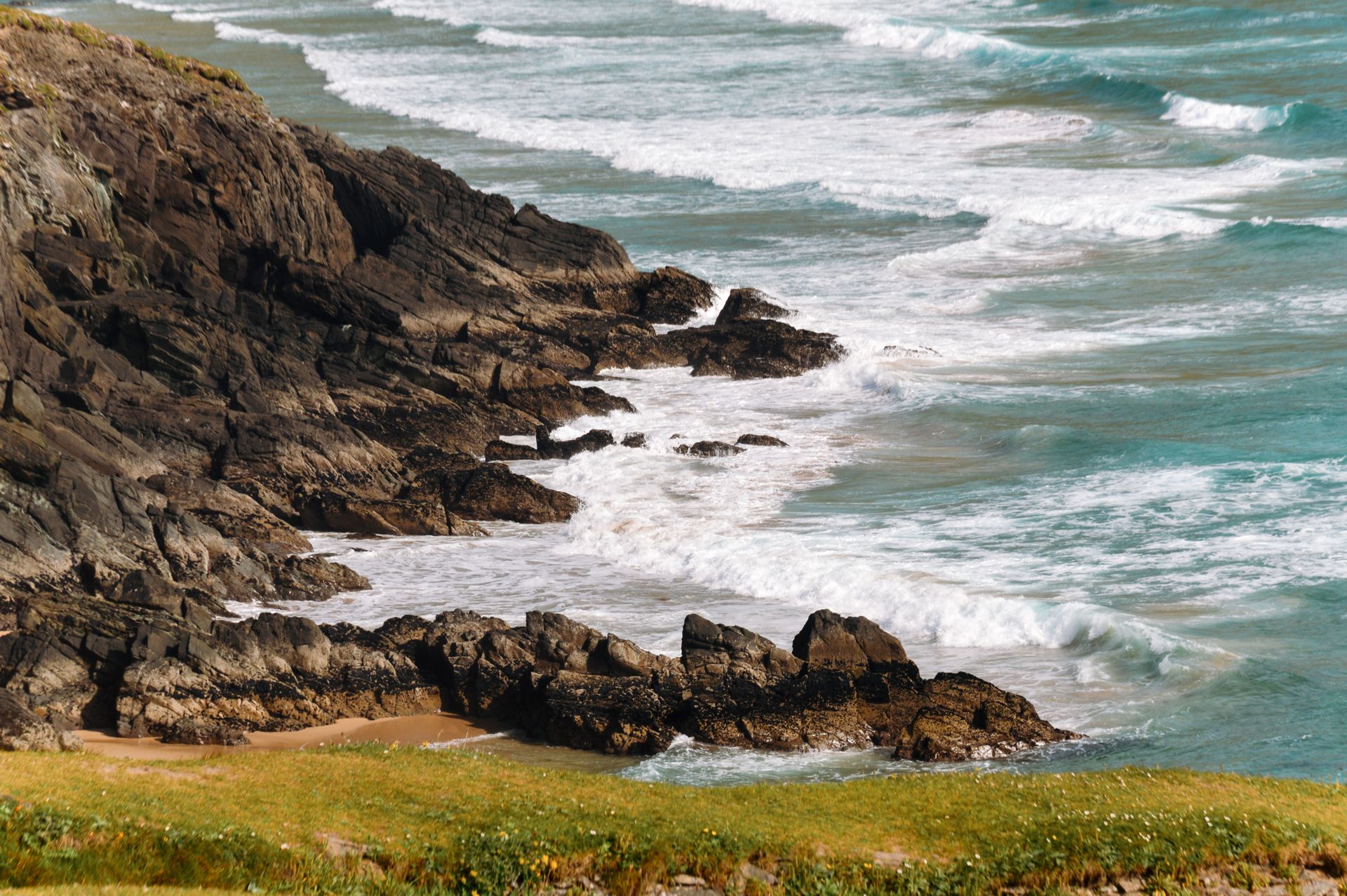
Mountains plunge straight into the sea, and from the coast at Portmagee the boat sets out for Skellig Michael, when the sea allows it. The peninsula rewards those who take their time far more than those driving through quickly.

Far south-west
West Cork & Beara
Quieter than the better-known peninsulas, with fishing villages like Baltimore and Castletownbere and a cluster of cheesemakers and small kitchens that aren't waiting for a guidebook to be discovered.

The conversation
A session starts without warning
In a pub in Doolin or Miltown Malbay, a session starts without warning: someone lifts a fiddle from its case, another rests a bodhrán on their knee, and within ten minutes half the room is playing along or listening in silence. Nobody asks for applause. The seisiún isn't a performance staged for visitors, it's simply how musicians here have gathered for generations, and anyone who walks in is rarely sent to a table at the back.
That same evening, the conversation at the bar shifts just as easily from why the harbour at Killybegs is emptying out to a poem by Seamus Heaney. Ireland has a long tradition of seanchaithe, storytellers who wove news, family history and invention into one, and that suspicion of the short answer has never quite gone away.
Nature & wildlife
A coastline that is its own backdrop
Skellig Michael
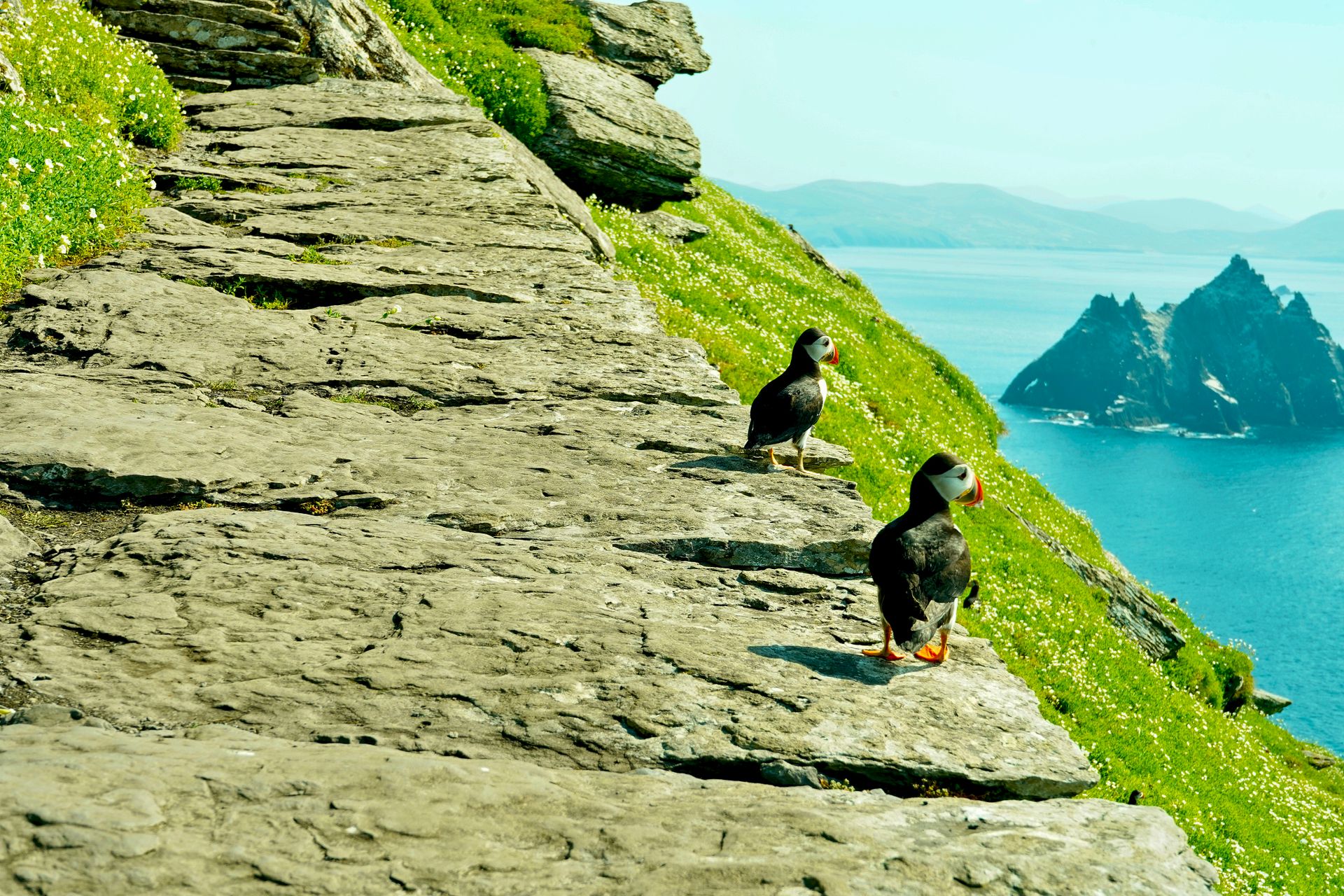
Off the coast of Kerry, a rocky island rises sheer from the ocean, where monks once built a monastic community of stone beehive huts. Between April and August, puffins nest on the slopes, and the boat trip out sits at the quay more often than it sails. The sea decides whether it goes ahead.
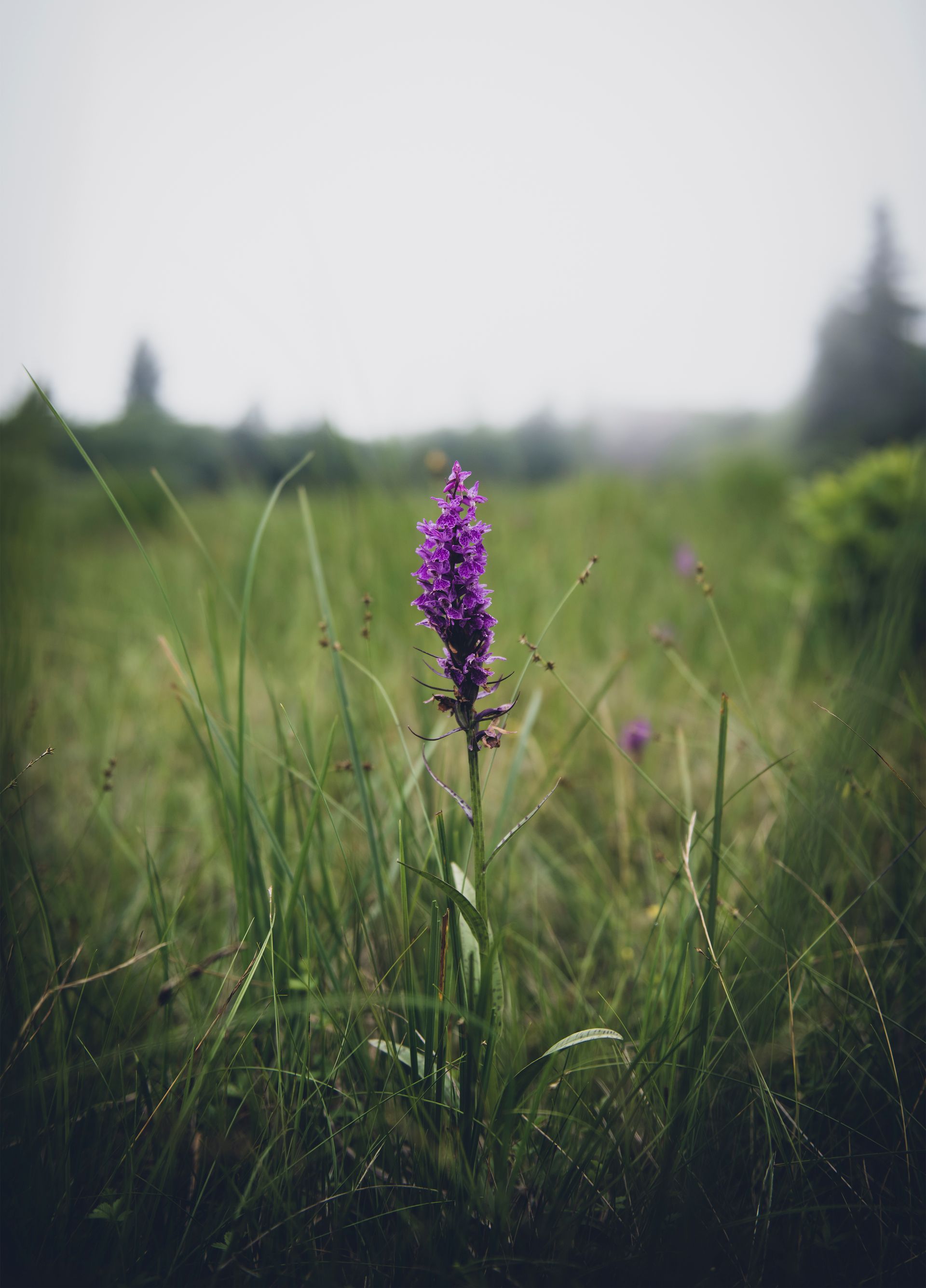
The Burren, up close
In the fissures of this limestone plateau, arctic and Mediterranean plants grow side by side, something that happens nowhere else in Europe. Among the boulders stands the Poulnabrone dolmen, older than the pyramids, with no fence around it.

The ocean itself
Off the coast of West Cork and in the mouth of the Shannon, bottlenose dolphins and grey seals swim, and between June and September there's a real chance of a humpback or minke whale. No dolphinarium needed. A boat, patience and clear weather are enough.
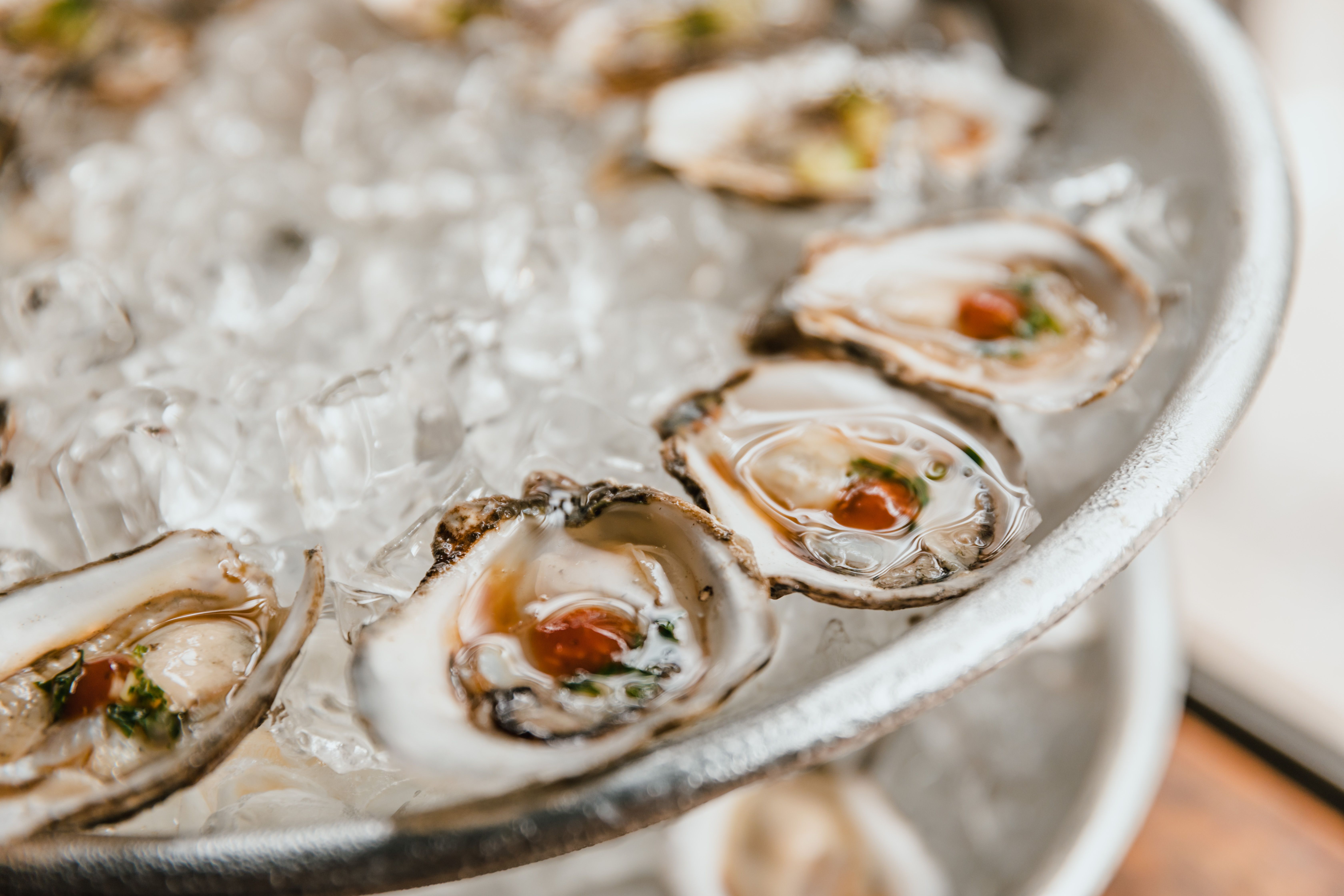
At the table
An oyster from Galway Bay, not a folklore menu
The kitchen here starts at the coast: oysters from Galway Bay pulled from the water within the hour, crab and prawns landed in Dingle, and a fish that was still swimming that morning. In West Cork, cheesemakers like Gubbeen and Durrus run farms that have milked the same cattle for three generations, and Cashel Blue from Tipperary now turns up on tables as far away as Paris.
Forget the tourist menus that use soda bread as an excuse. In small restaurants in places like Ballydehob or Clifden, chefs cook with whatever came in that morning, with no menu printed three weeks in advance. A pint of Guinness belongs on the table, but more as a closing note than the main act.


Here green isn't a colour, it's an abundance that never runs dry.
What you can do here
No programme, just a country full of openings
These aren't days on a schedule, but possibilities we fit into your trip at your own pace.

On foot along the edge
Stretches of the Wild Atlantic Way lend themselves to a half-day or full-day walk, from the Sheep's Head Way in West Cork to the clifftop path at Slieve League in Donegal, higher than the Cliffs of Moher and far quieter.
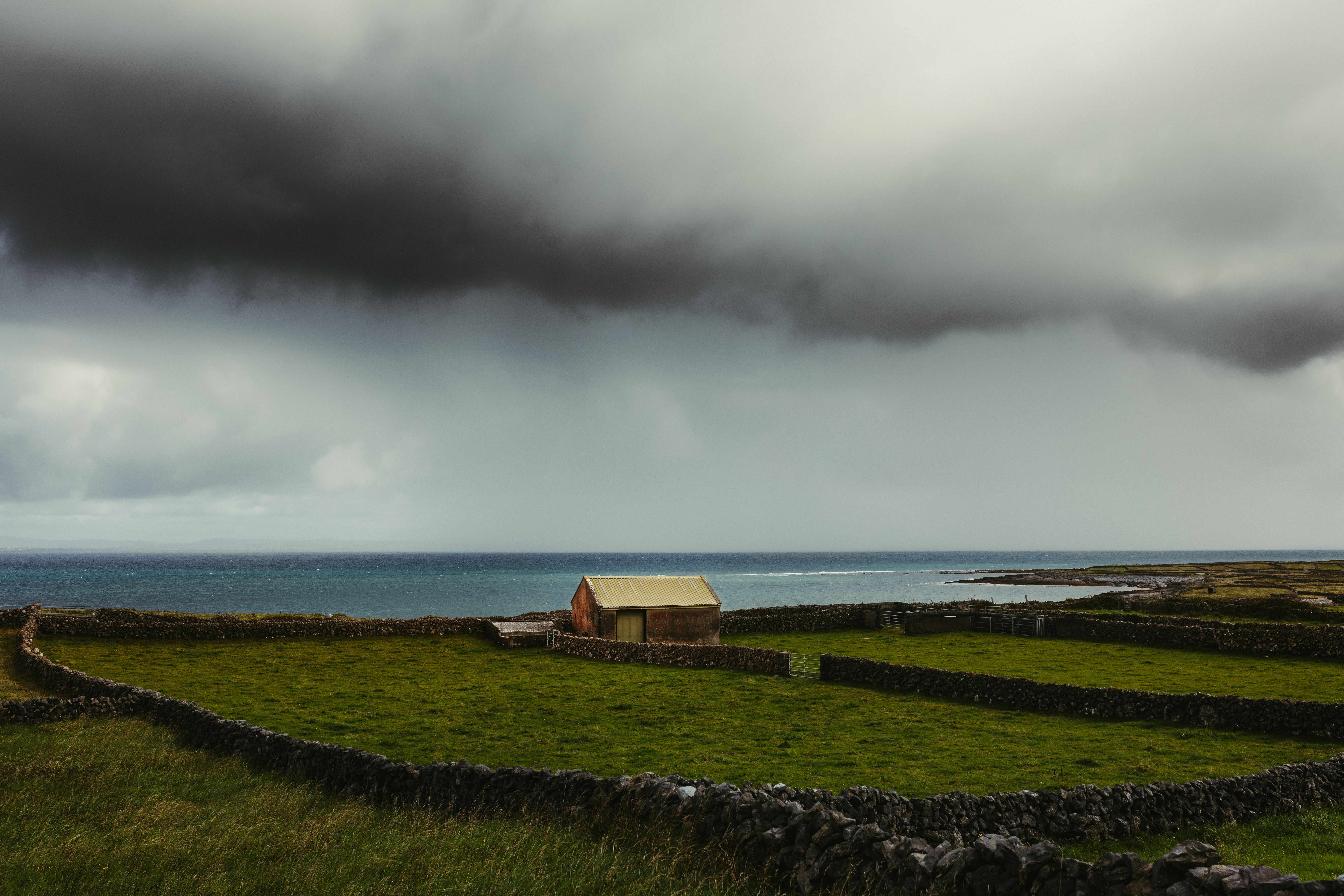
Out to the islands
A boat to Inis Mór in the Aran Islands or to the Blasket Islands off the coast of Kerry takes you onto ground where Irish is still the first language and stone walls are the only thing separating pasture from cliff.

Pulling up a chair at a session
In pubs with live music, joining in isn't compulsory, but anyone who brings an instrument to Doolin or Dingle is rarely turned away. Listening from a stool at the bar works just as well.
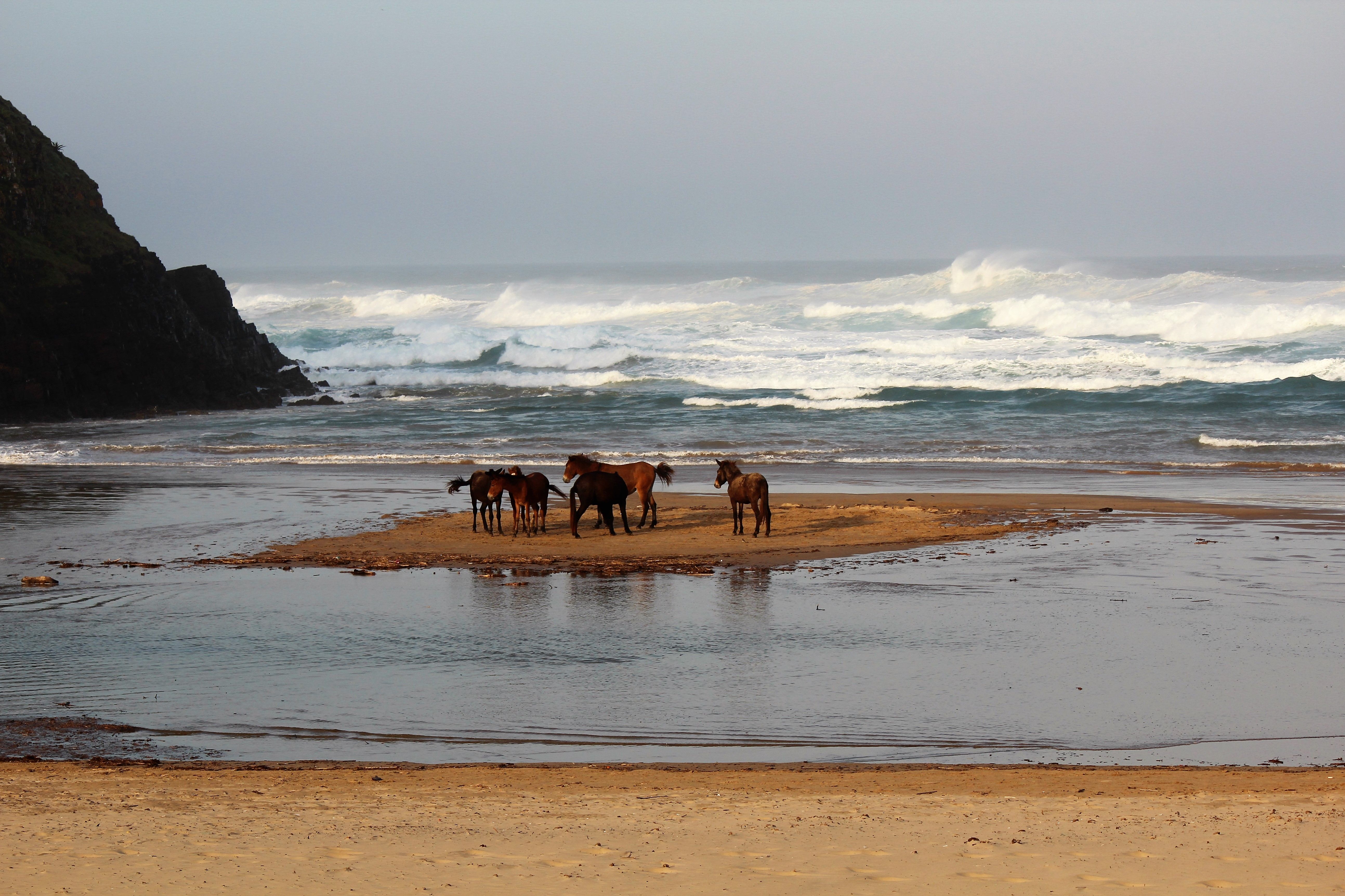
On horseback along the beach
At Inch Beach or Rossbeigh Strand in Kerry, local stables run rides along the surf, something that works just as well for beginners as for experienced riders.

Calling in on the makers
Wool weavers in Donegal, potters in Louisburgh, a salmon smokehouse in Connemara. Anyone who asks is easily welcomed in by people who've practised their craft for decades.
This isn't a complete list. It's an invitation to choose what fits your trip.

Kinvara, on the edge of Galway Bay, an hour after a shower nobody saw coming.
When would you travel?
When to travel to Ireland
Ask an Irish host when to come and the answer is rarely a simple season. The weather here changes by the hour, all year round. Even so, timing matters: in May and June the days are longest, the odds of a dry walk are best, and puffins are still nesting on Skellig Michael.
September brings quieter roads and the same long dusk, while the winter months offer something different: stormy cliffs, a fire that's always lit, and pubs where you're more likely to sit beside a local than a tourist come evening.
Jan
Feb
Mar
Apr
May
Jun
Jul
Aug
Sep
Oct
Nov
Dec
Top: long days, the best odds of dry spells, and islands that are easy to reach.
Good: more changeable weather, but quieter roads and coastline.
Fair: short days and a greater chance of storms, but the atmosphere of a fire lit and a pub that's nearly empty.
Looking past the highlights
Why QualiMundi looks at Ireland differently
No four-leaf clover We don't start with the iconic photos, but with the question of what draws you to Ireland: the coast, the music, the quiet, or the conversation.
Weather as a partner, not an obstacle We plan flexibly around the weather instead of imposing a rigid schedule that falls apart at the first shower.
Local experts by region Our contacts in Donegal know different tides and customs than those in West Cork. We don't let one guide show you the whole country.
The country's own pace Ireland rewards those who don't hurry: a day that starts with mist and ends with a session in the pub isn't a delay, it's the point.
Worth knowing
Practical, without the noise.
Practical matters that make travelling easier, without taking the adventure out of it.
- Getting there
- Direct flights from Brussels to Dublin, Cork, Shannon and Kerry Airport
- Documents
- Ireland isn't in the Schengen area, but a Belgian identity card is sufficient
- Health
- No vaccinations required, medical care is of a European standard
- Pace
- Distances look short on the map, but the roads are narrow and winding. Allow more time than the GPS suggests
- Clothing
- Layers, a rain jacket that earns its keep, and ideally no umbrella against the wind
Or perhaps this
Other destinations
Still weighing it up? That is no problem at all. The right country often only becomes clear once the conversation starts.
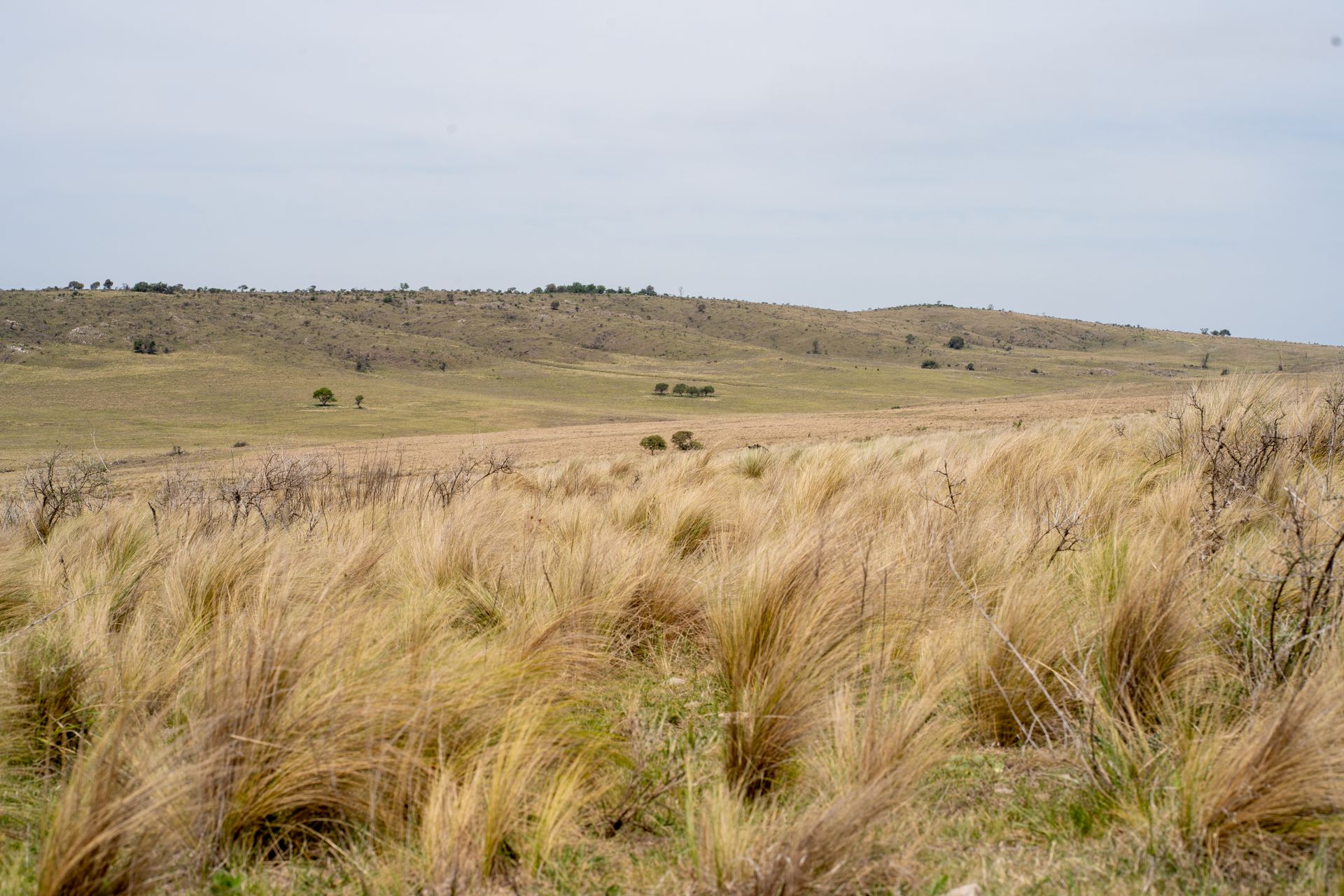
Southern South America
Uruguay
Flat, green and rarely loud, a country that prefers quiet over the spectacle of its neighbours.
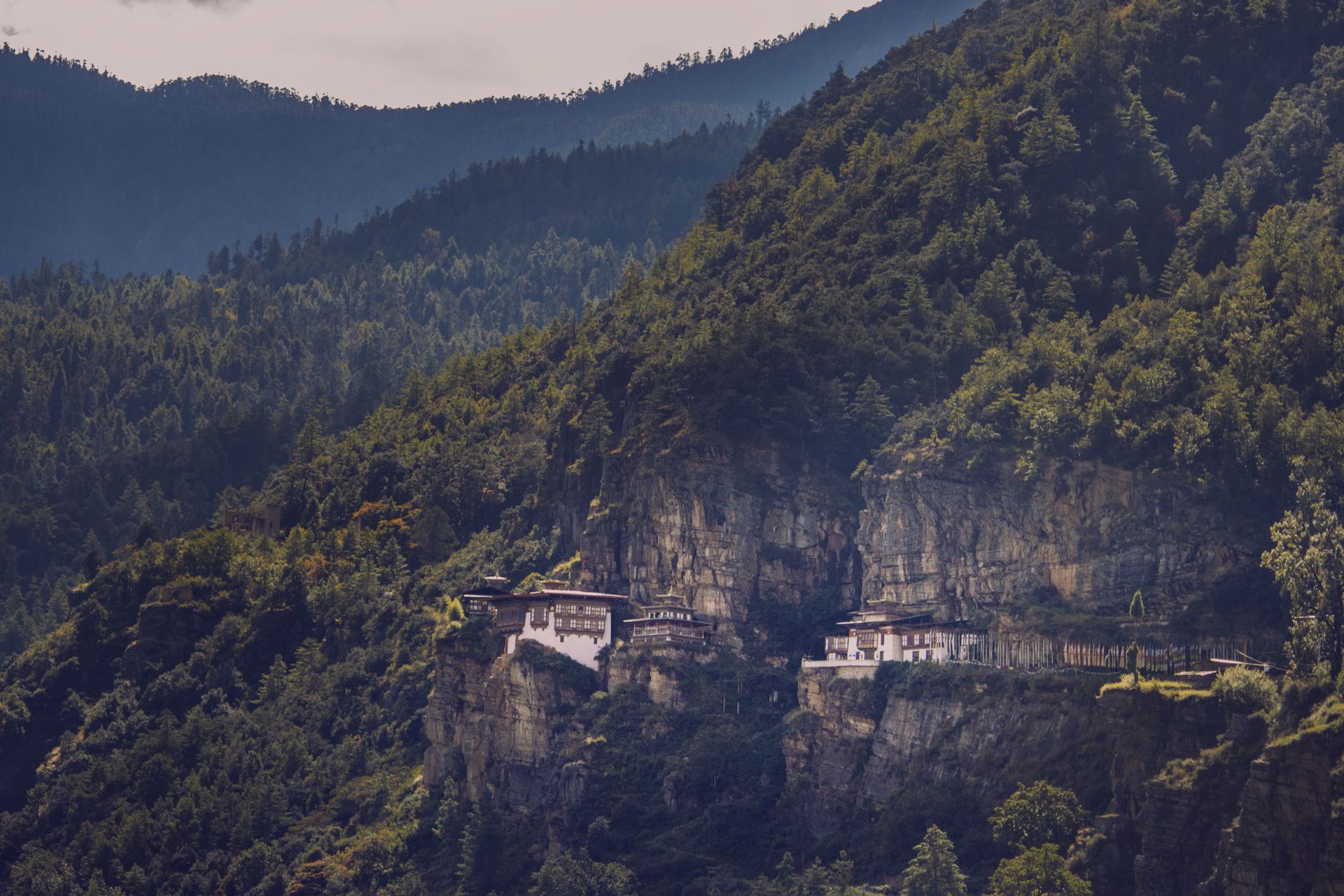
Eastern Himalaya
Bhutan
Monasteries clinging to cliffs, valleys without traffic and access the country deliberately keeps limited, a calm its neighbours lost long ago.
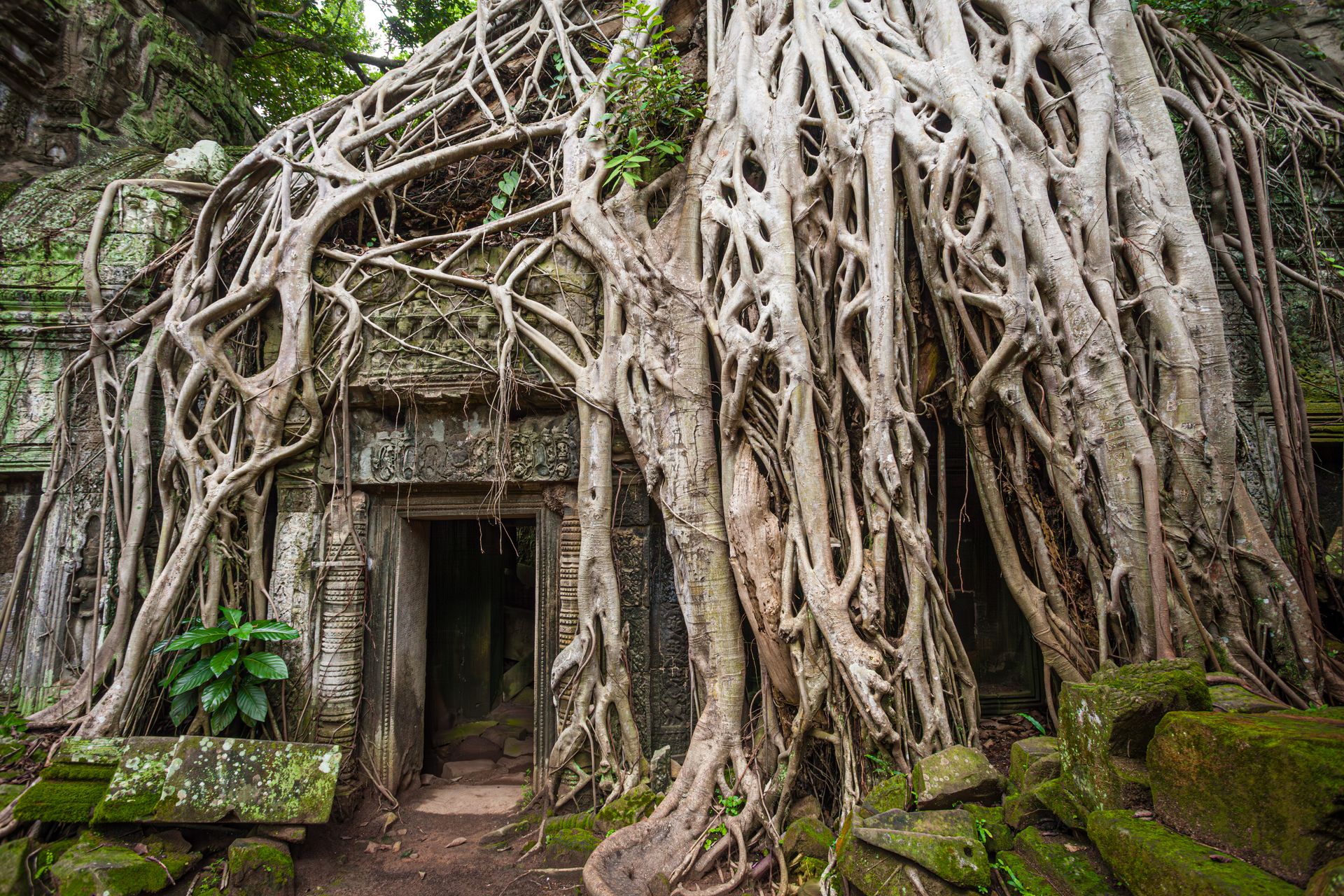
South-East Asia
Cambodia
Overgrown temples and a quiet resilience that say more about the past than any history book.
How it works
This is how your journey to Ireland takes shape.
Six steps, from your first story to your homecoming. The conversation and the feasibility check cost you nothing.
-
01
Tell us your story
Fill in the form or give us a call. You do not need a route yet: a country, a period or just an idea is enough.
-
02
The conversation and the check
We talk through what you are looking for, by phone or by video, and check whether it can be done. If it can, we set down together what we will make for you.
-
03
We design your journey
We build your programme up, day by day, together with our own people in the country itself.
-
04
Your proposal
You read your journey day by day, with everything that is included. You say what you would like differently, until it is right.
-
05
Ready to depart
You send us your details, we send you your travel documents. You have one fixed contact who knows your journey.
-
06
Travelling, and after
Your contact stays reachable while you are away. Once you are home, we call one more time.

The next step
How would you like to experience Ireland?
Tell us what you're after: a rugged coastline, a conversation in a pub with no name above the door, or simply the quiet of an island without wifi. We work out who and what fits.