Southern Africa, Zambezi Plateau
Zimbabwe
A country that has kept its national parks and hospitality standing, and it shows in the quality of its guides.
This is Zimbabwe
The country where the guide makes the difference.
A country that has kept its national parks and hospitality standing, and it shows in the quality of its guides.
Zimbabwe has decades of economic crisis behind it, and yet Hwange and Mana Pools kept functioning, elephant populations remained among the largest in Africa, and the infrastructure of lodges and concessions stayed standing. That's not a given, and the country is rightly proud of it.
What stands out along the way is the guide. Among safari professionals on the continent, Zimbabwe's licensing system for professional guides is considered the toughest there is: years of apprenticeship, an exam on foot among dangerous game, an oral defence in front of a panel that accepts no half measures. The result is guides who carry a quiet authority, without the showmanship you sometimes find elsewhere.
Looking past the highlights
Why in Zimbabwe we look at the guide first
The toughest guiding exam on the continent The professional guiding licence demands years of apprenticeship, a written and oral exam, and a practical test on foot among elephants and buffalo. Anyone who passes has proved something no few-week course can match.
On foot through Mana Pools In the Zambezi Valley the walking safari isn't an extra but the starting point: an armed guide, silence, and animals passing at eye level instead of viewed from a distance out of a jeep.
Parks that survived crisis While the economy was under pressure for decades, private concession holders and rangers kept the ecosystems of Hwange and Mana Pools operational. That takes a commitment that goes beyond a job.
Knowledge passed down through generations Many guides come from communities around the park where they work and grew up with stories and tracking knowledge that no handbook contains.
The regions
Six faces of Zimbabwe
From the elephant plains in the northwest to the cool tea plantations in the east: Zimbabwe's landscape shifts more dramatically than the map suggests.
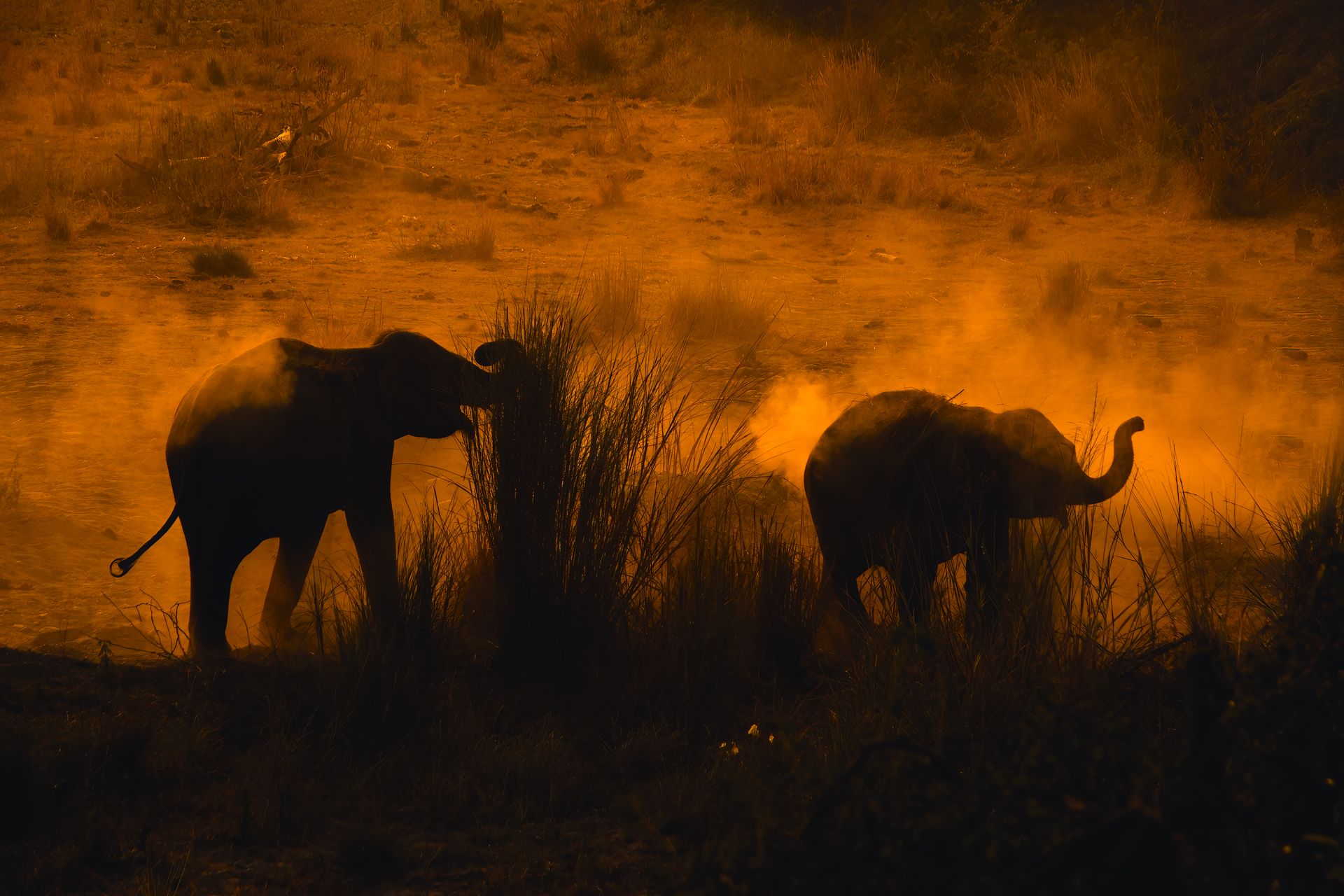
Northwest, against the Botswana border
Hwange National Park
The country's largest park, with pumped waterholes that draw hundreds of elephants at once in the dry season. Teak woodland alternates with open grassland.
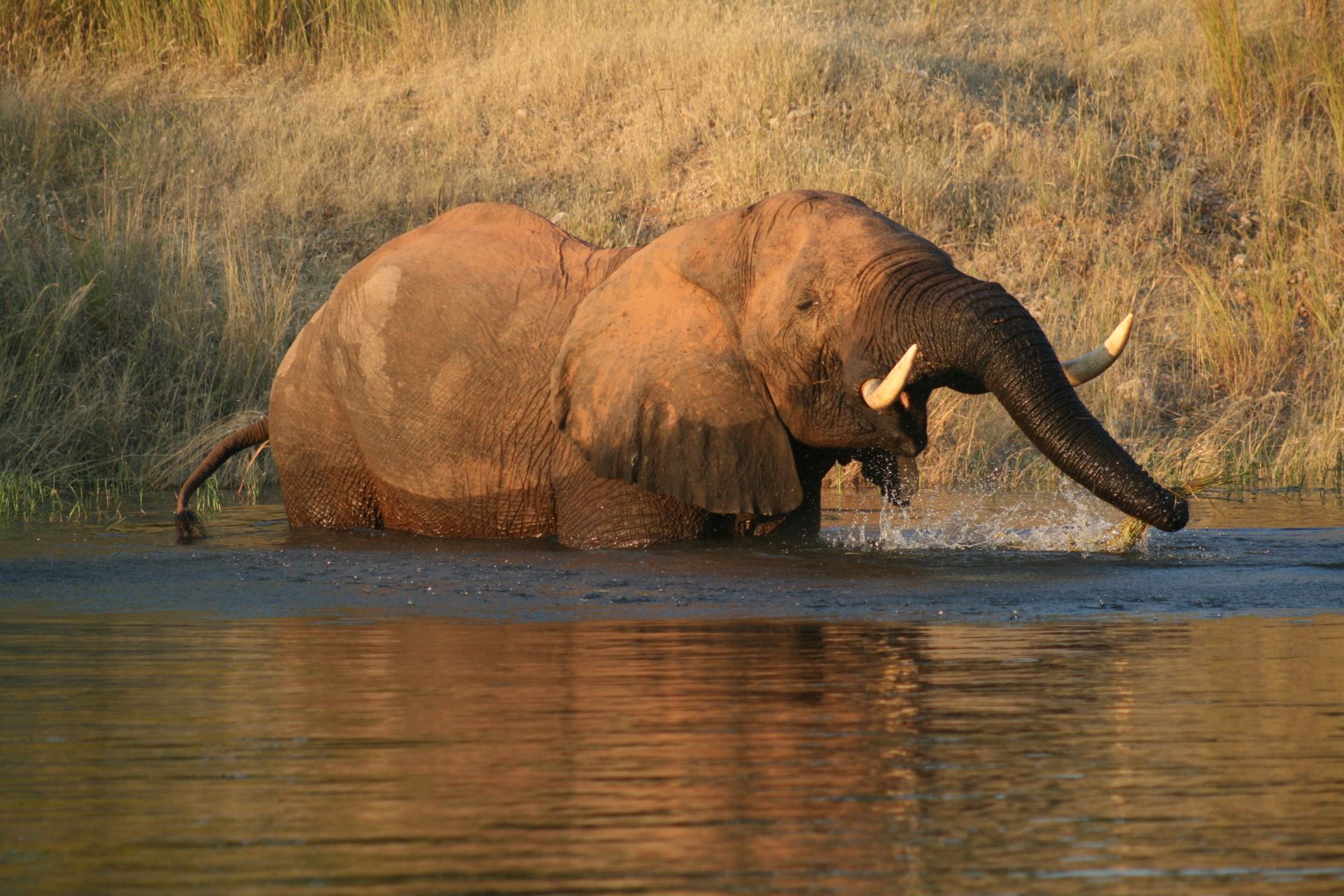
North, along the Zambezi River
Mana Pools and the Zambezi Valley
Floodplains, ancient ana trees and walking safaris led by some of the best-trained guides on the continent. Wild dogs are no rarity here.

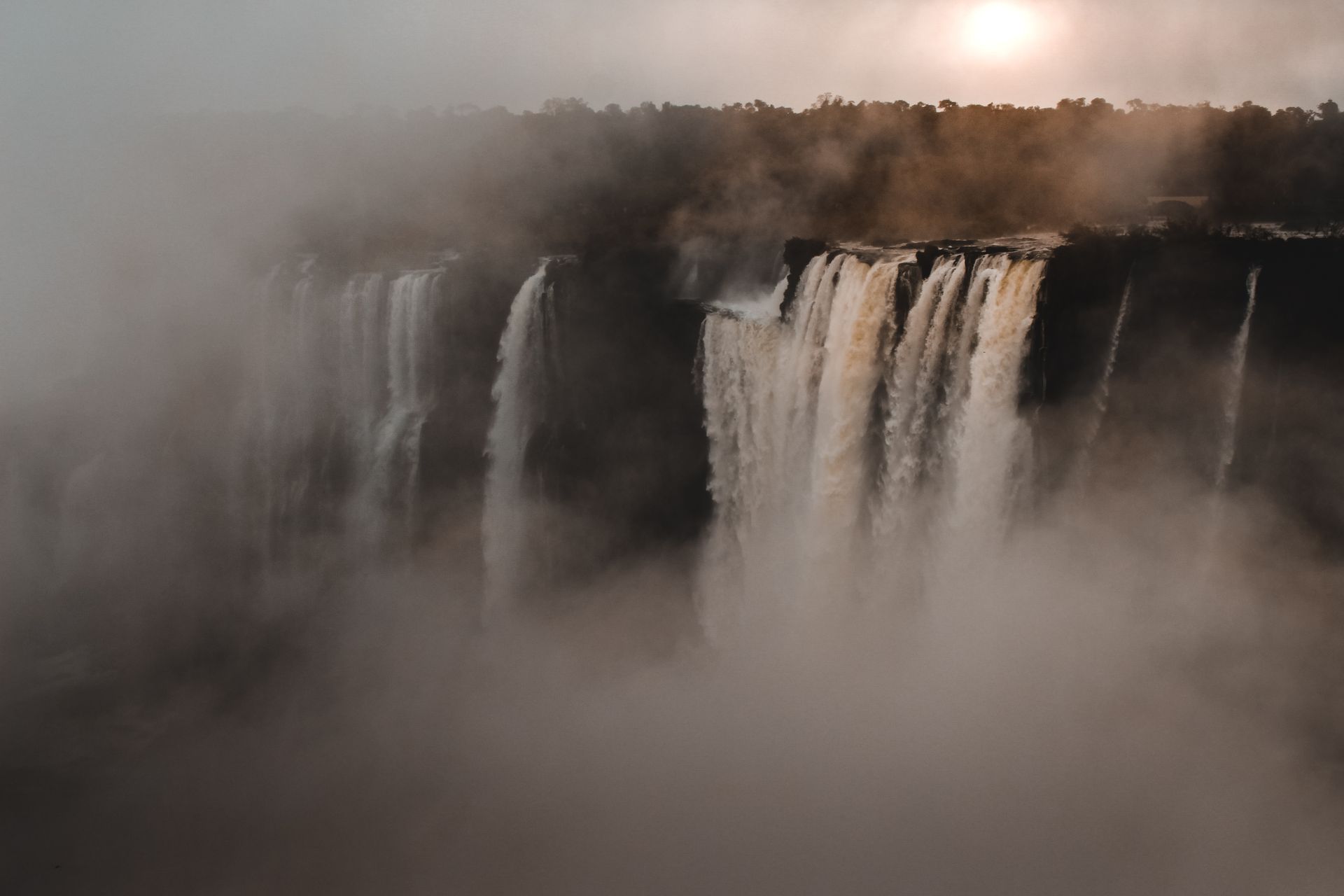
Northwest, on the edge of the plateau
Victoria Falls
Mosi-oa-Tunya, 'the smoke that thunders', is the local name, and it's accurate: the column of spray is sometimes visible for kilometres before you reach the edge.
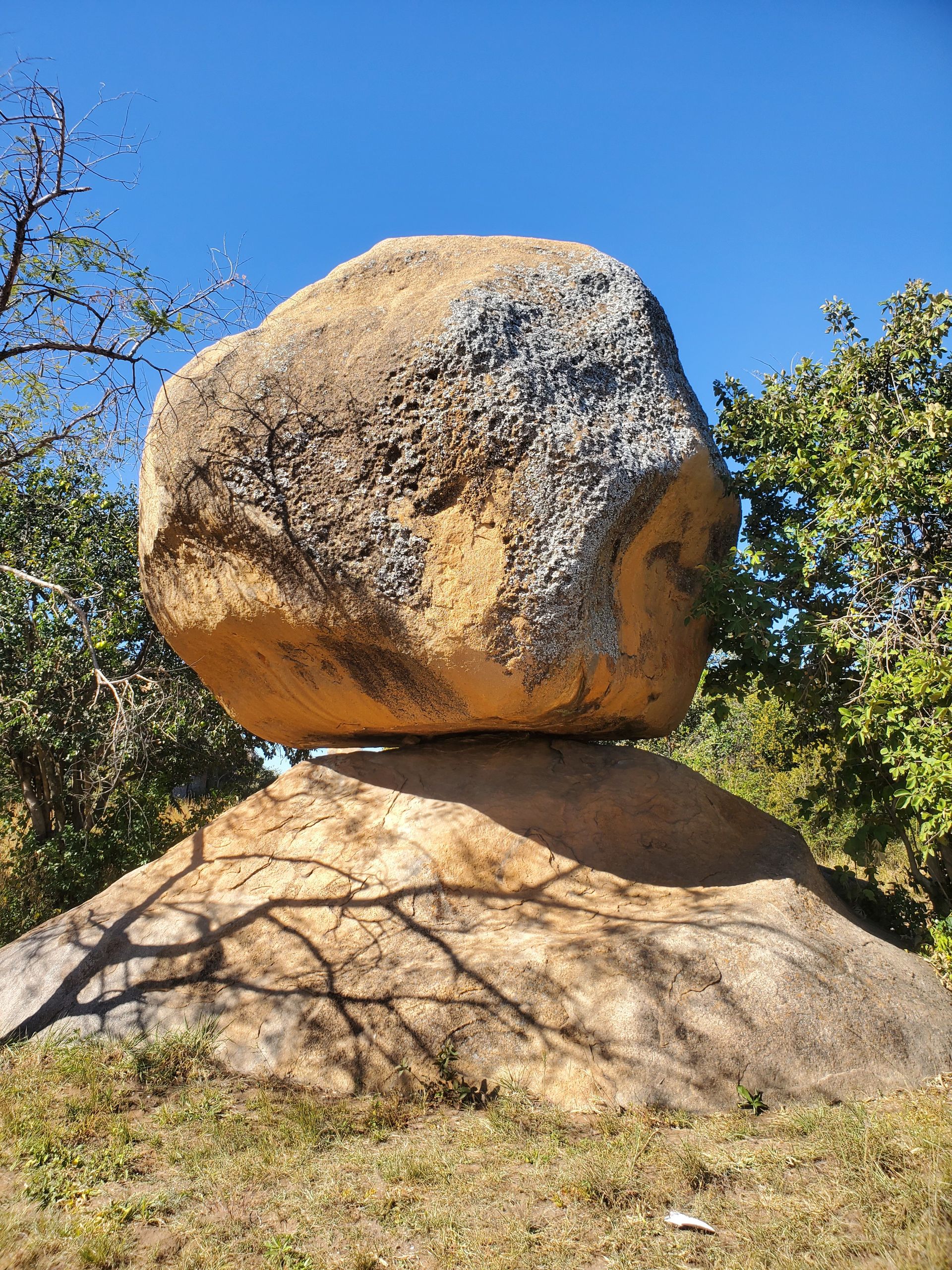
Southwest, near Bulawayo
Matobo Hills
A landscape of stacked granite kopjes with rock art thousands of years old, and one of the few places where you can approach rhinos on foot.
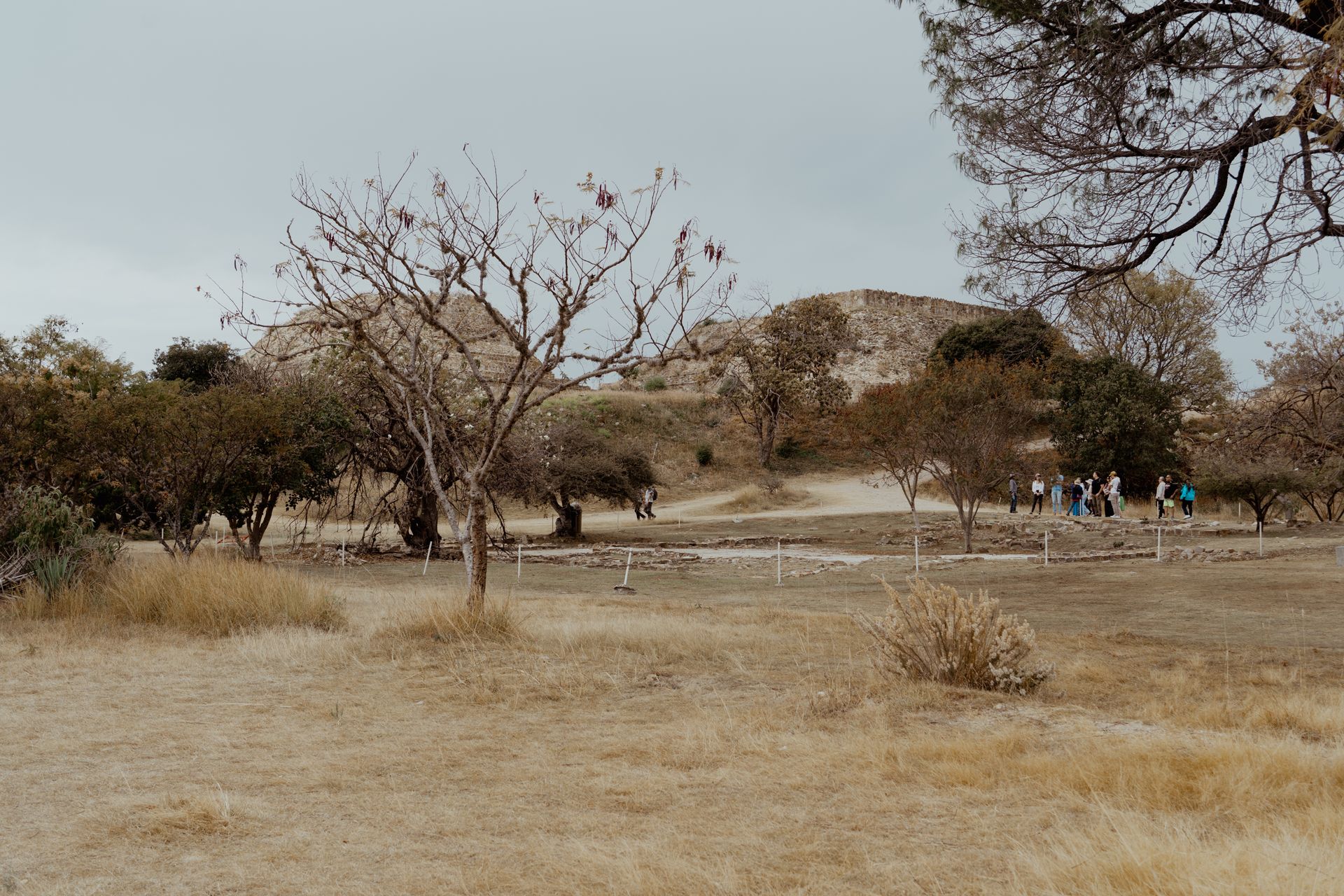
Southeast, on the plateau
Great Zimbabwe
The medieval stone city that gave the country its name: dzimba dza mabwe, 'houses of stone'. The walls still stand, without mortar, after almost a thousand years.
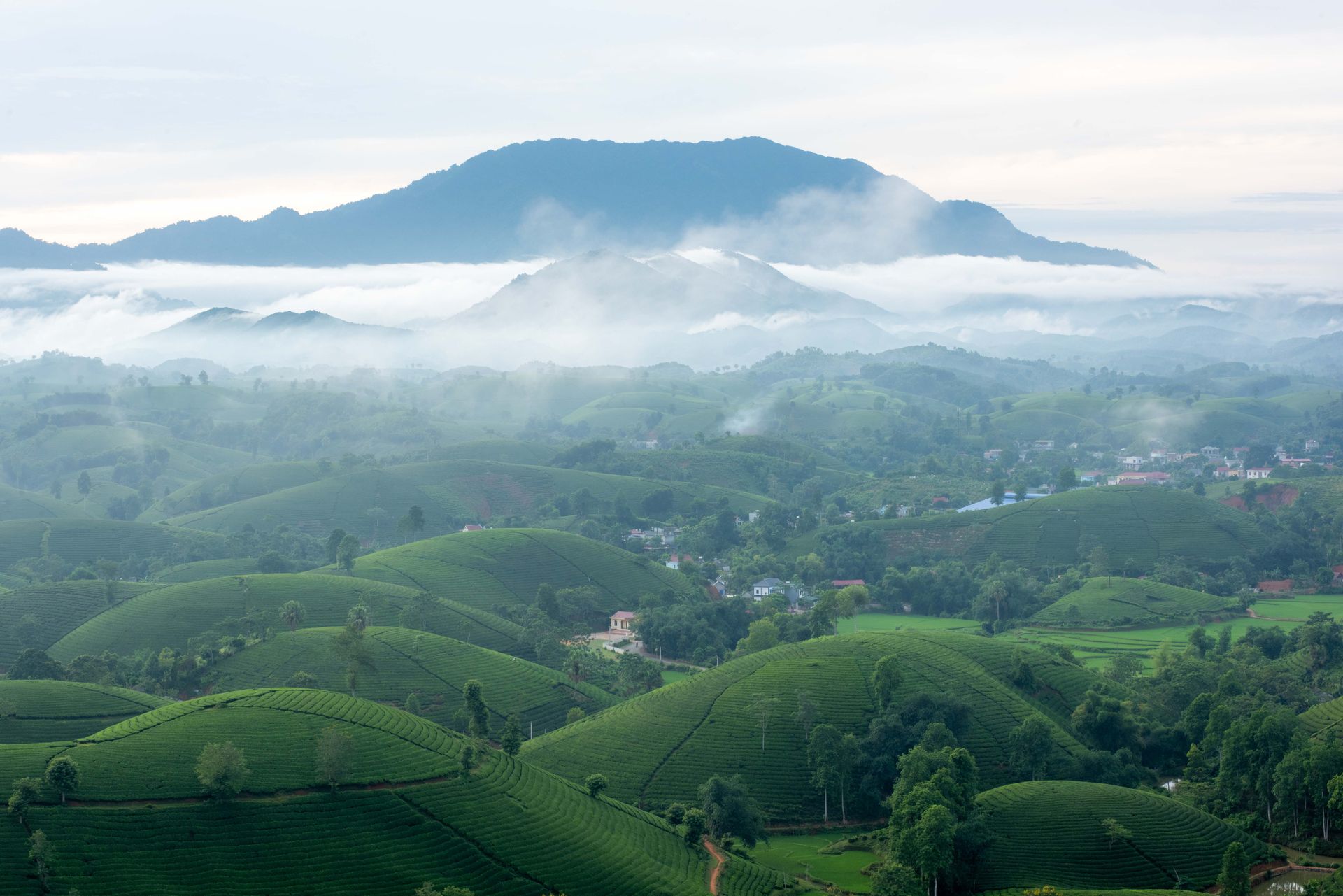
East, along the Mozambique border
Eastern Highlands
Nyanga, Chimanimani and the Vumba Mountains are a different Zimbabwe: cooler, greener, with tea and coffee plantations and hiking trails through montane forest.
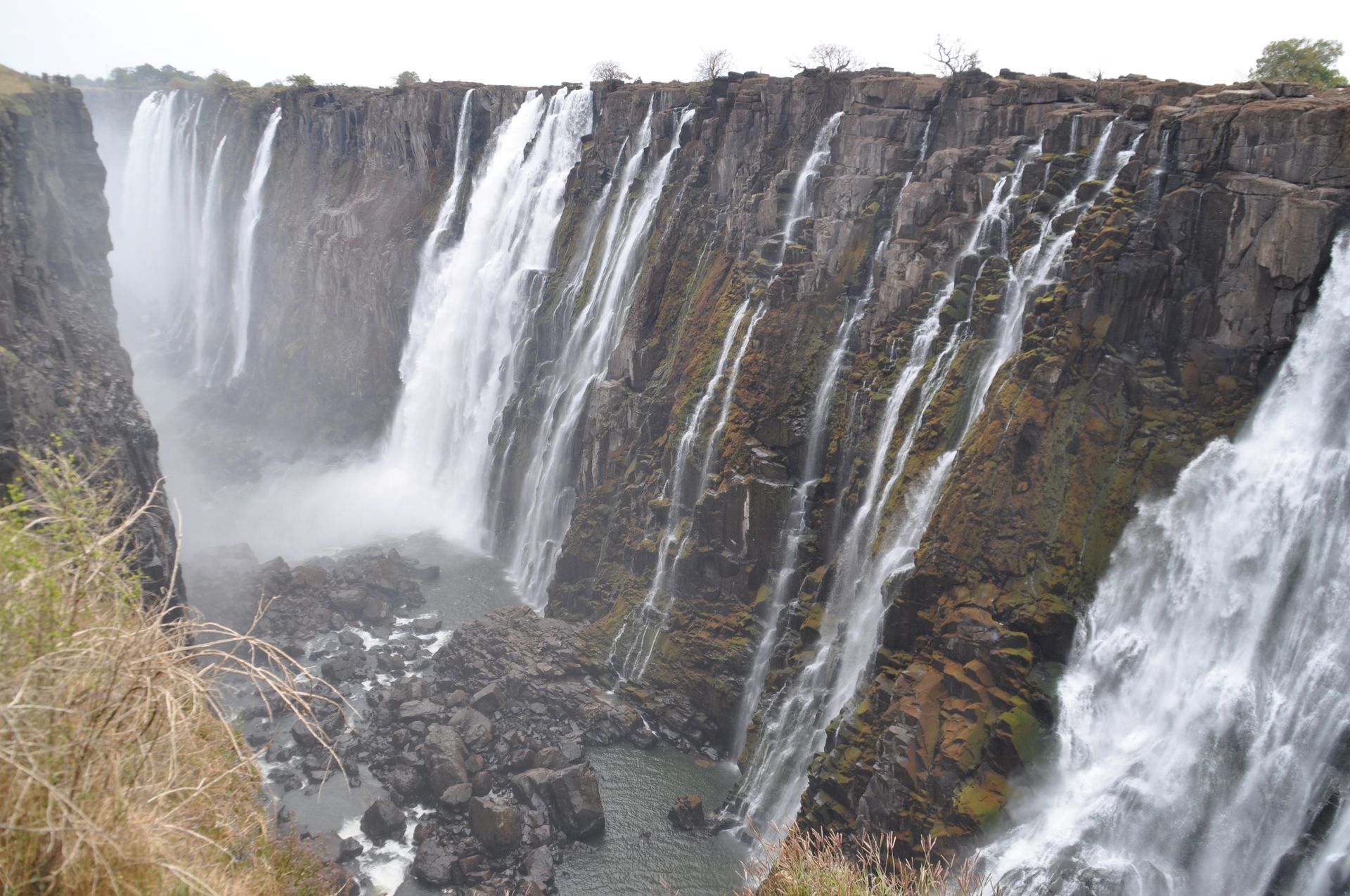
Mosi-oa-Tunya, 'the smoke that thunders'. The local name predicts what you'll see before you reach the edge.
Nature and wildlife
Three ways Zimbabwe shows you its animals
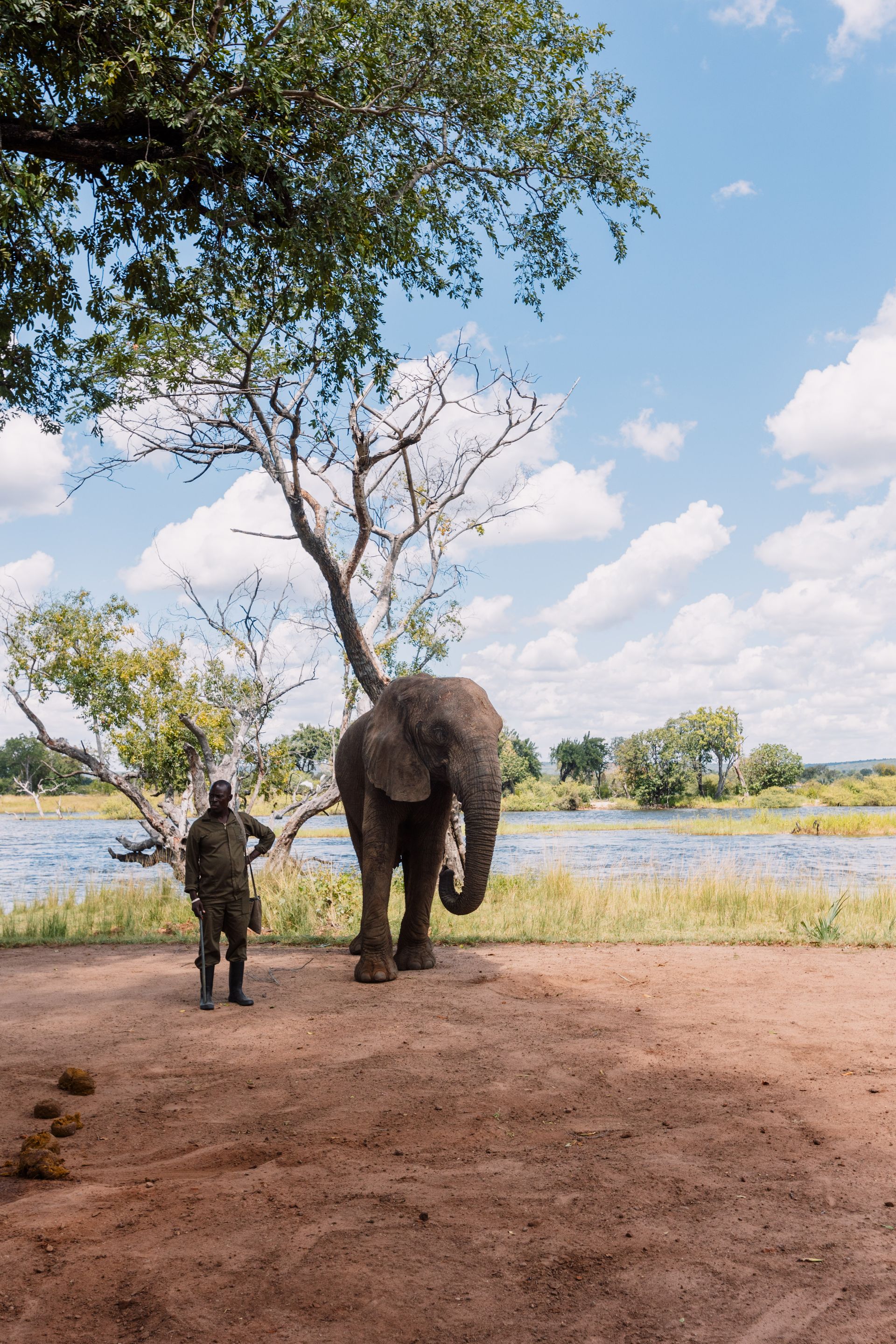
On foot among elephants
In Mana Pools the walking safari is the norm, not the exception. At eye level, without engine noise, with a guide who knows when standing still matters more than moving on.

Waterholes in the dry season
From August to October, the pumped waterholes in Hwange draw hundreds of elephants at once, along with zebra, giraffe and the predators that follow them.

Rhinos among the granite kopjes
Matobo Hills combines rhino tracking on foot with rock art thousands of years old, wildlife and history on the same hillside.
People and craft
Stone that speaks
Since the 1960s, Zimbabwe has produced an internationally recognised sculpture movement: artists who carve serpentine stone into forms that don't imitate but speak a language of their own. Along the road between Harare and Mutare stand studios and galleries where you watch sculptors at work, not souvenir stalls.
There's also the mbira, the thumb-piano instrument that calls up the connection with ancestors in Shona ceremonies, and a hospitality that never pushes itself forward but is felt all the same: in a lodge, in a village, in conversation with a guide who knows his country and speaks of it with pride.


Walls that were already standing before anyone thought it worth believing who had built them.
Zimbabwe doesn't show itself in numbers.
It shows itself in the way a guide falls silent at the right moment.
When would you travel?
When to visit Zimbabwe
The dry season, from May to October, pushes animals toward the remaining water and makes wildlife viewing most predictable. August to October is the peak at Hwange's waterholes, though it also grows noticeably warmer.
For Victoria Falls it works the other way round: the water is at its most impressive from February to May, just after the rainy season, while October and November expose more of the rock face. The rainy season itself, from November to March, turns the country green and brings the bird migration to life, but spotting animals gets harder as the vegetation thickens.
Jan
Feb
Mar
Apr
May
Jun
Jul
Aug
Sep
Oct
Nov
Dec
Top: dry and cool, animals concentrated around the remaining water.
Good: transition period, greener landscape, quieter on the trails.
Fair: rainy season with heat and humidity, dense vegetation makes spotting harder.
Worth knowing
Practical, without the noise.
Practical matters, without making it feel like a checklist.
- Getting there
- No direct flight from Belgium; via Johannesburg, Addis Ababa or Doha to Harare, Bulawayo or Victoria Falls.
- Documents
- Visa required, generally available on arrival; passport valid for at least six months with sufficient blank pages.
- Health
- Malaria prevention recommended in the Zambezi Valley and other low-lying areas; the plateau around Harare carries a lower risk.
- Pace
- The distances between parks are long and the roads aren't always in the best condition; a local driver-guide makes the difference in comfort and insight.
Frequently asked questions
Is it safe to travel in Zimbabwe?
The economic and political situation makes the news from time to time, but on the ground in the tourist areas and parks the organisation is solid: lodges, guides and logistics rank among the most professional on the continent.
Can I combine Victoria Falls with Zambia?
Yes, the falls sit on the border between the two countries. Crossing for a day visit to the Zambian side combines well with your stay.
When is the water at Victoria Falls at its most impressive?
From February to May, just after the rainy season, the flow is at its greatest. From October to December the water runs low and you see more of the rock face itself.
Is Zimbabwe suitable as a first safari trip?
Certainly, thanks in part to the calibre of the guides. Those with safari experience already will also find something in the Mana Pools walking safaris that few other countries offer.
Or perhaps this
Other destinations
Still weighing it up? That is no problem at all. The right country often only becomes clear once the conversation starts.
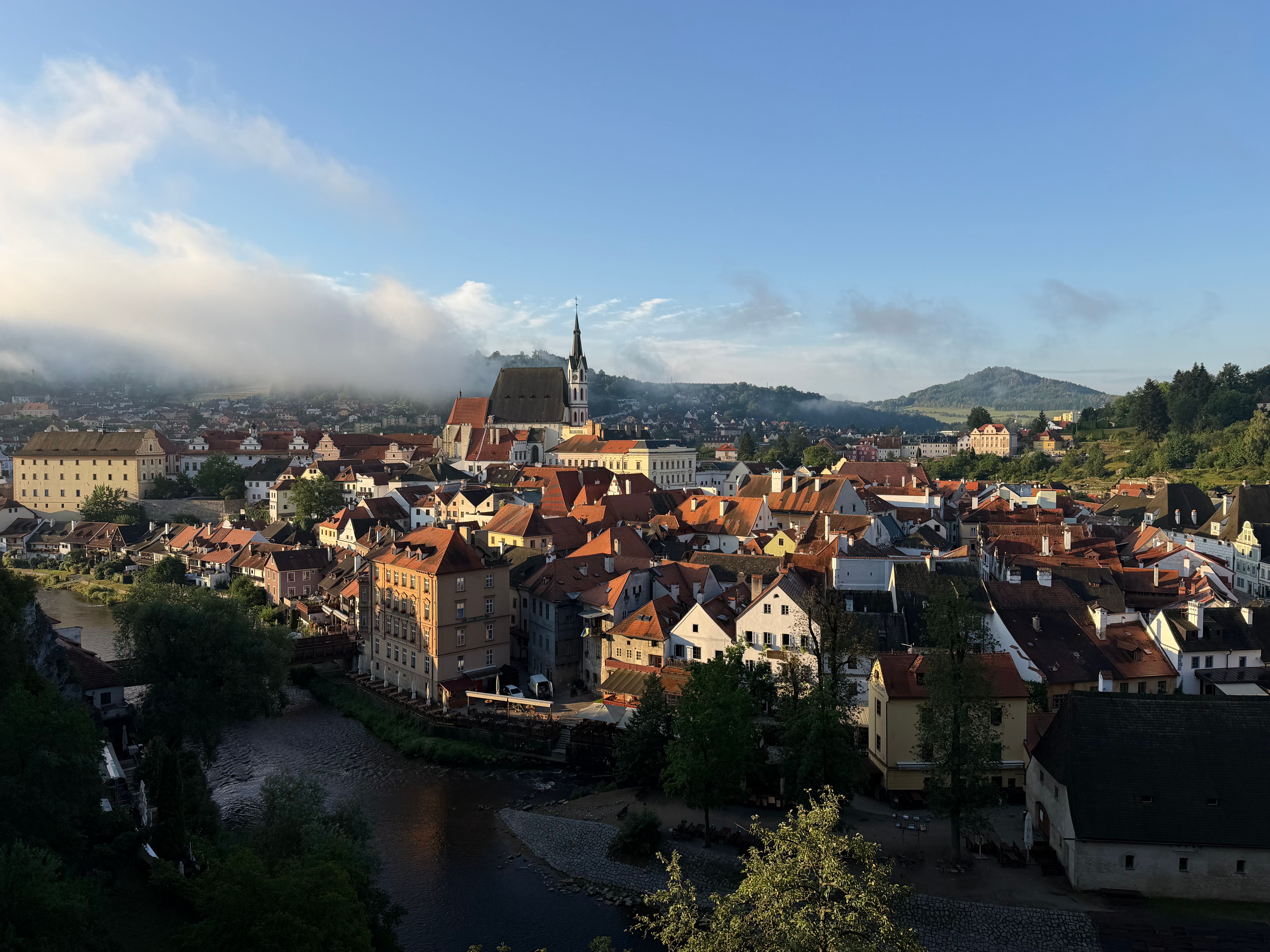
Central Europe
Czech Republic
Prague is only the beginning; beyond it lie castles, forests and small towns that rarely make anyone's list.
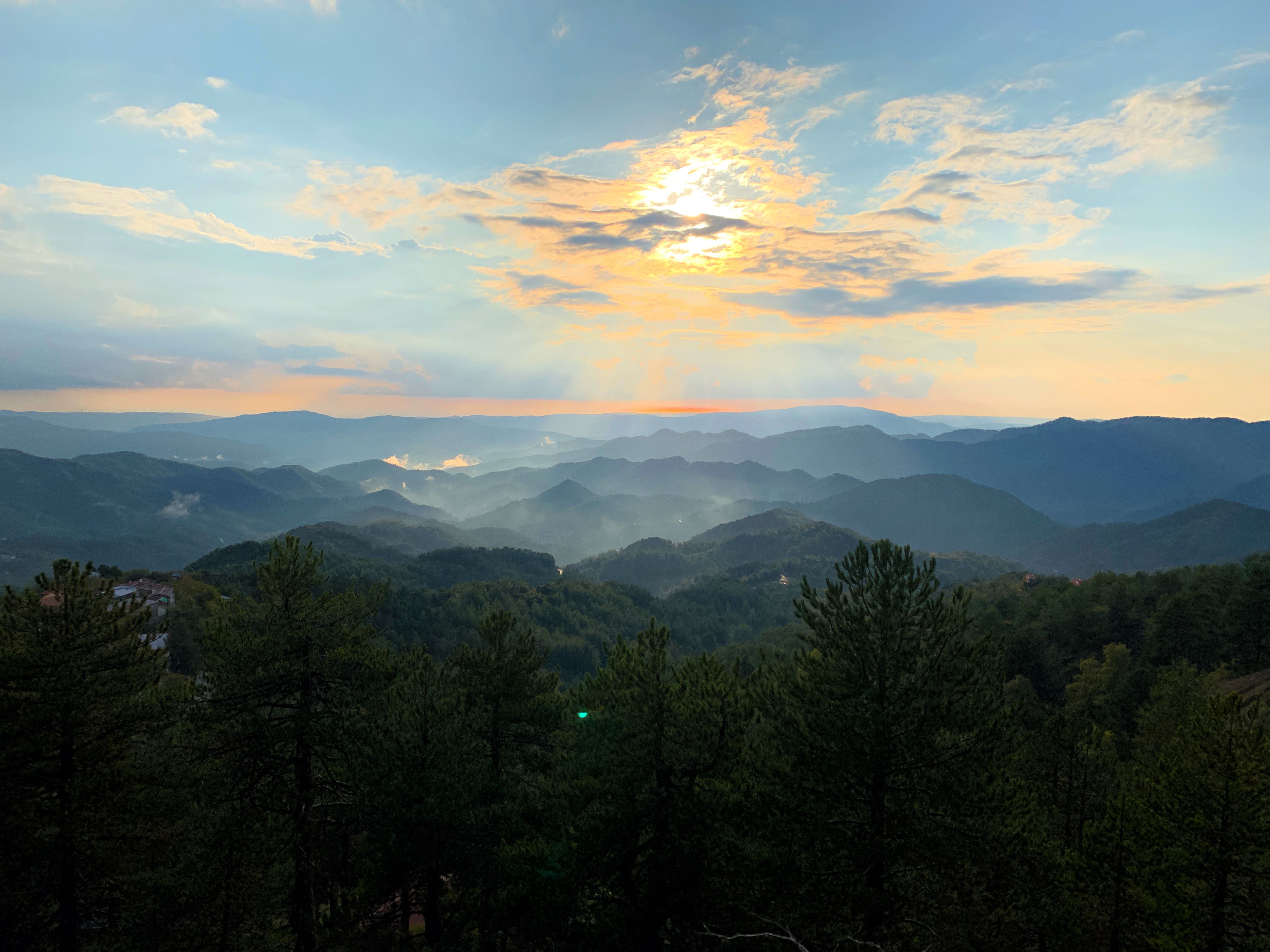
Eastern Mediterranean
Cyprus
An island that calls itself Greek, feels Turkish, and is fully neither, with an interior that few visitors ever see.
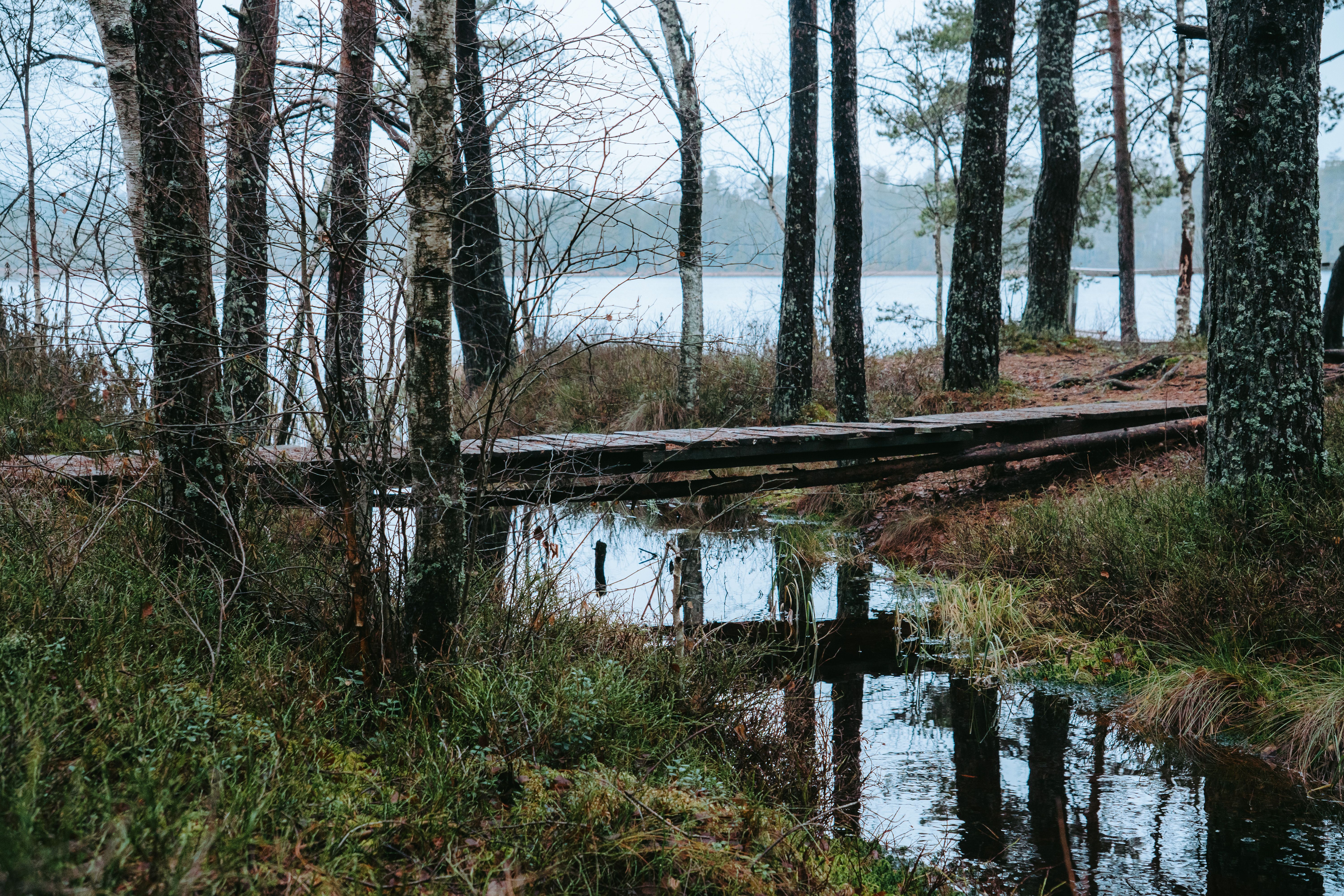
Baltic states
Estonia
Forest and marsh stretch to the horizon, a digital capital, and a stillness that feels further north than the map suggests.
How it works
This is how your journey to Zimbabwe takes shape.
Six steps, from your first story to your homecoming. The conversation and the feasibility check cost you nothing.
-
01
Tell us your story
Fill in the form or give us a call. You do not need a route yet: a country, a period or just an idea is enough.
-
02
The conversation and the check
We talk through what you are looking for, by phone or by video, and check whether it can be done. If it can, we set down together what we will make for you.
-
03
We design your journey
We build your programme up, day by day, together with our own people in the country itself.
-
04
Your proposal
You read your journey day by day, with everything that is included. You say what you would like differently, until it is right.
-
05
Ready to depart
You send us your details, we send you your travel documents. You have one fixed contact who knows your journey.
-
06
Travelling, and after
Your contact stays reachable while you are away. Once you are home, we call one more time.
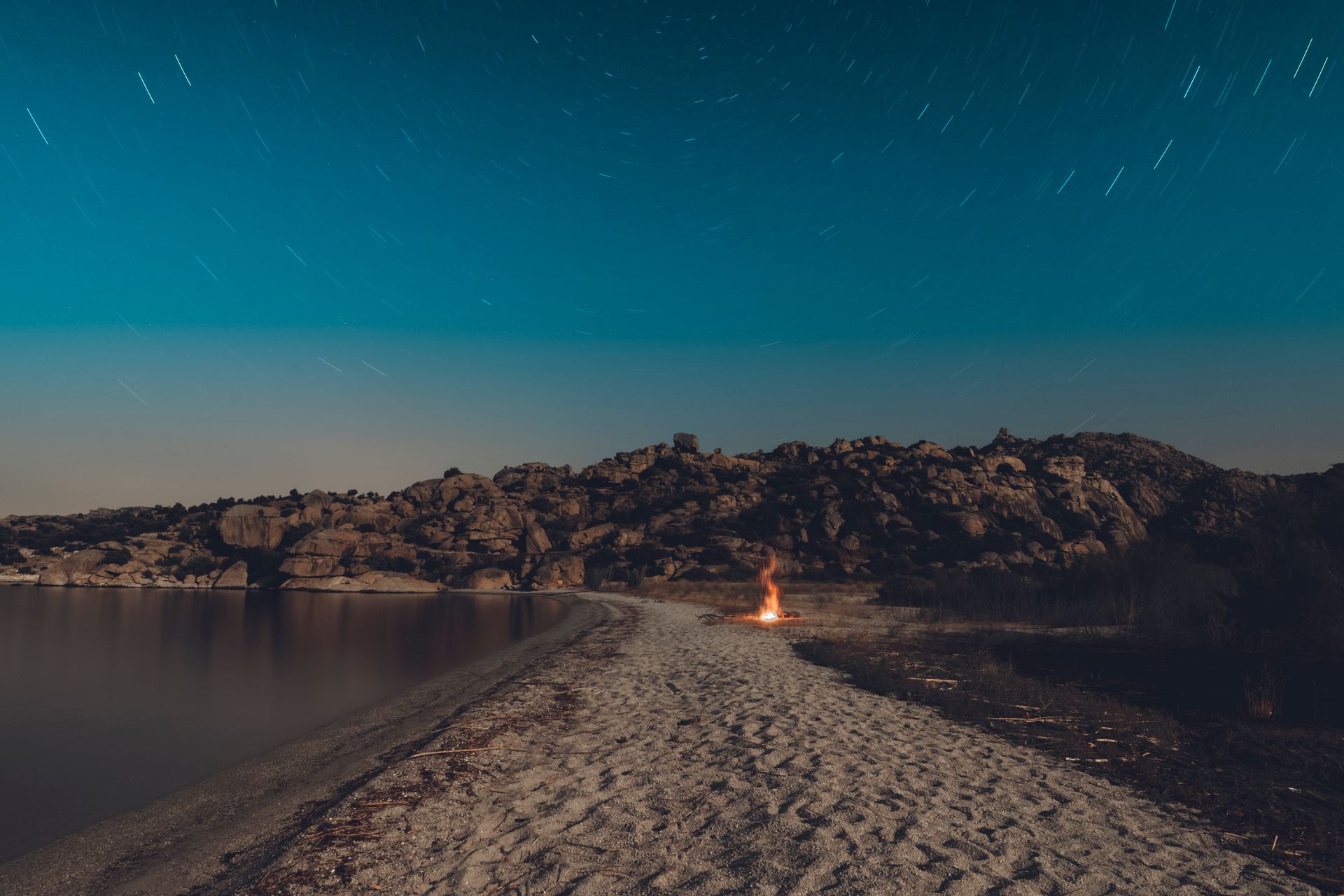
The next step
What draws you to Zimbabwe?
Tell us whether you're dreaming of days on foot among elephants, the spray above Victoria Falls, or the stillness between granite kopjes at sunrise. We'll translate that into a trip that suits you.